Illinois Renunciation and Disclaimer of Property from Will by Testate
Understanding this form
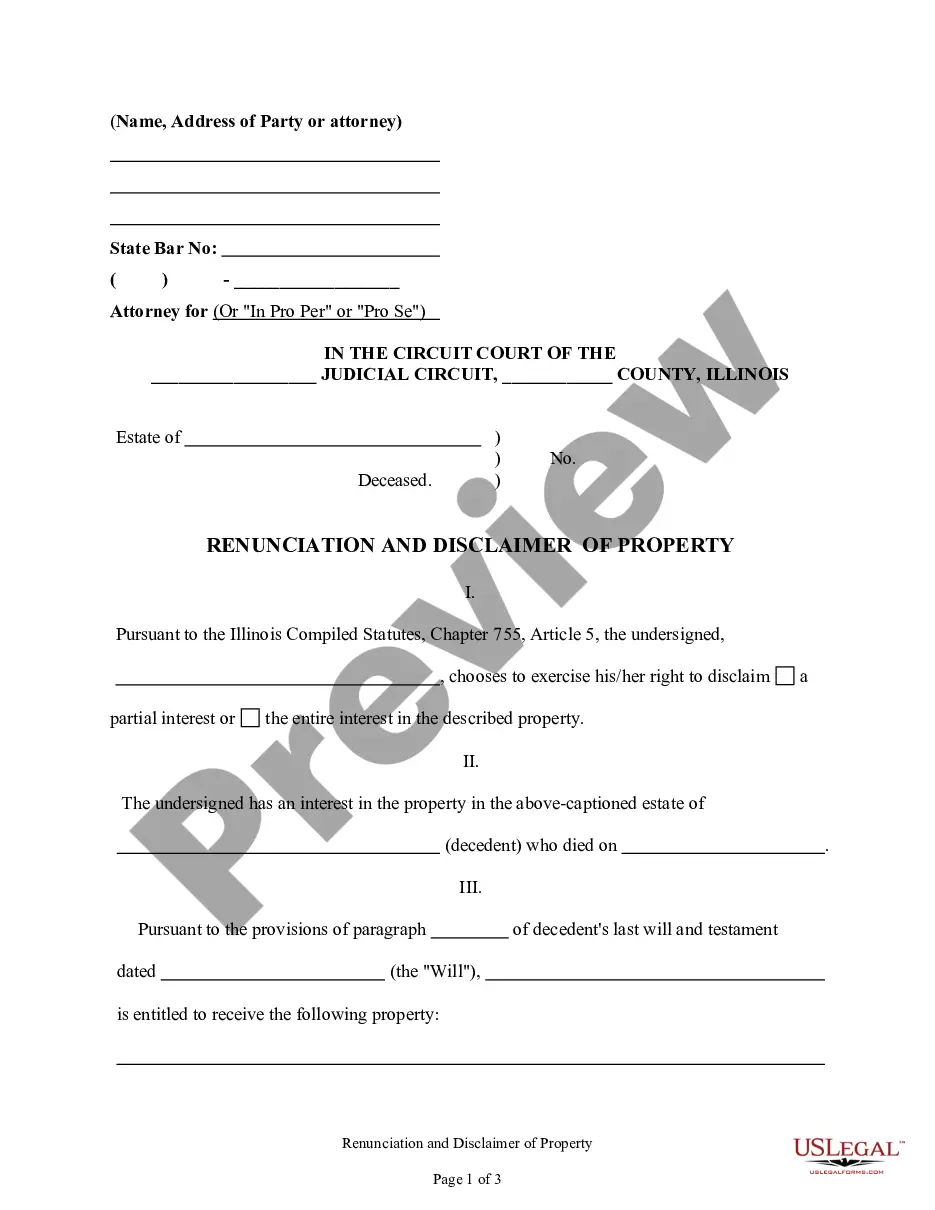
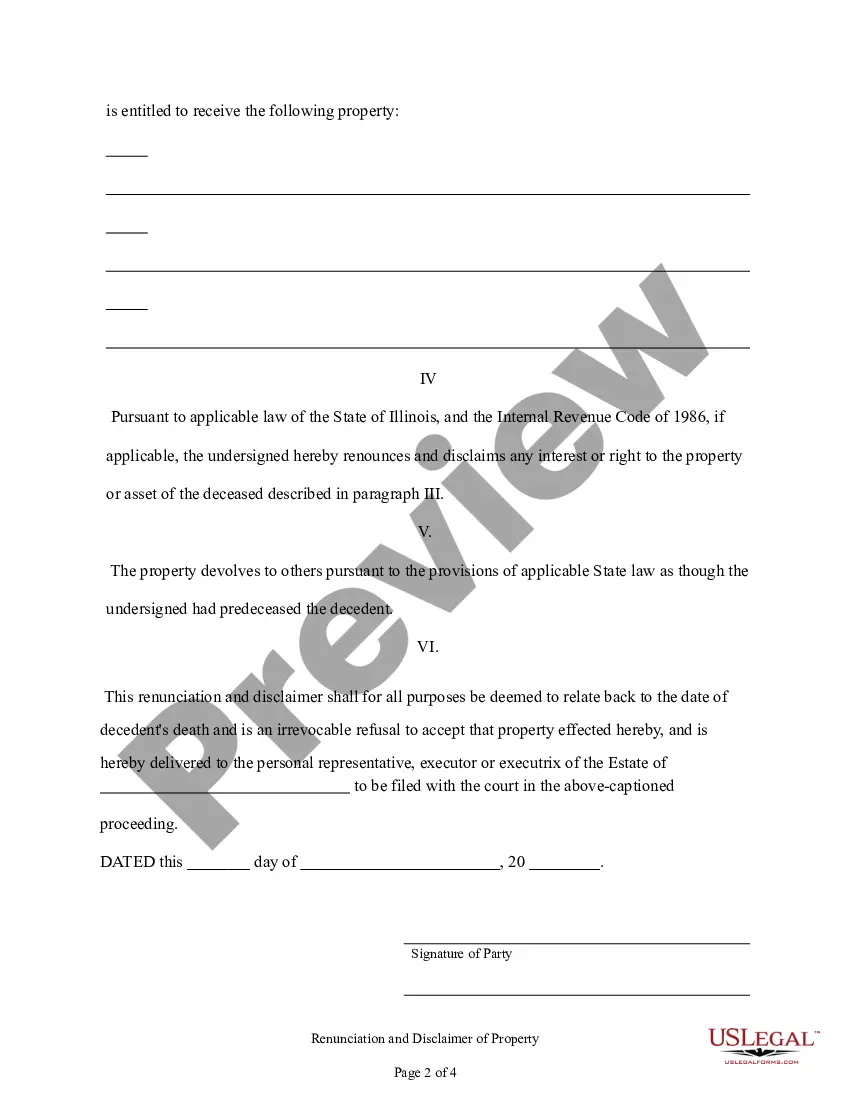
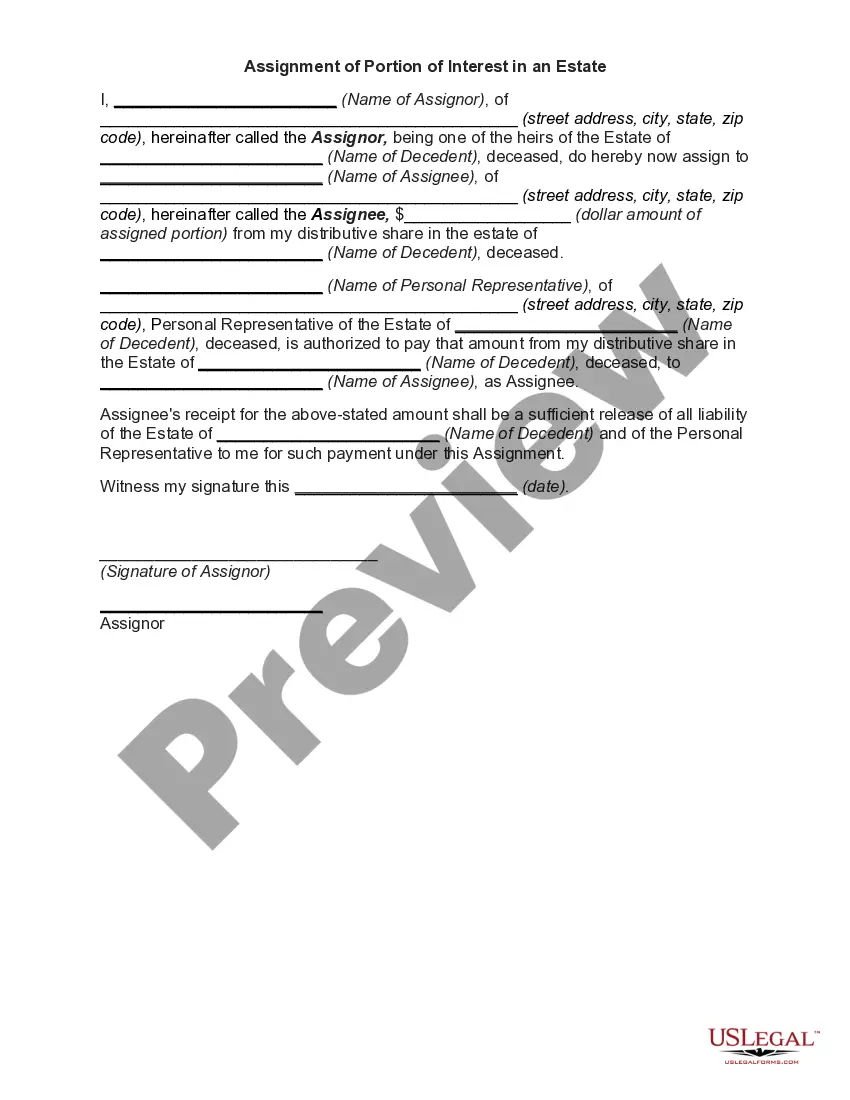
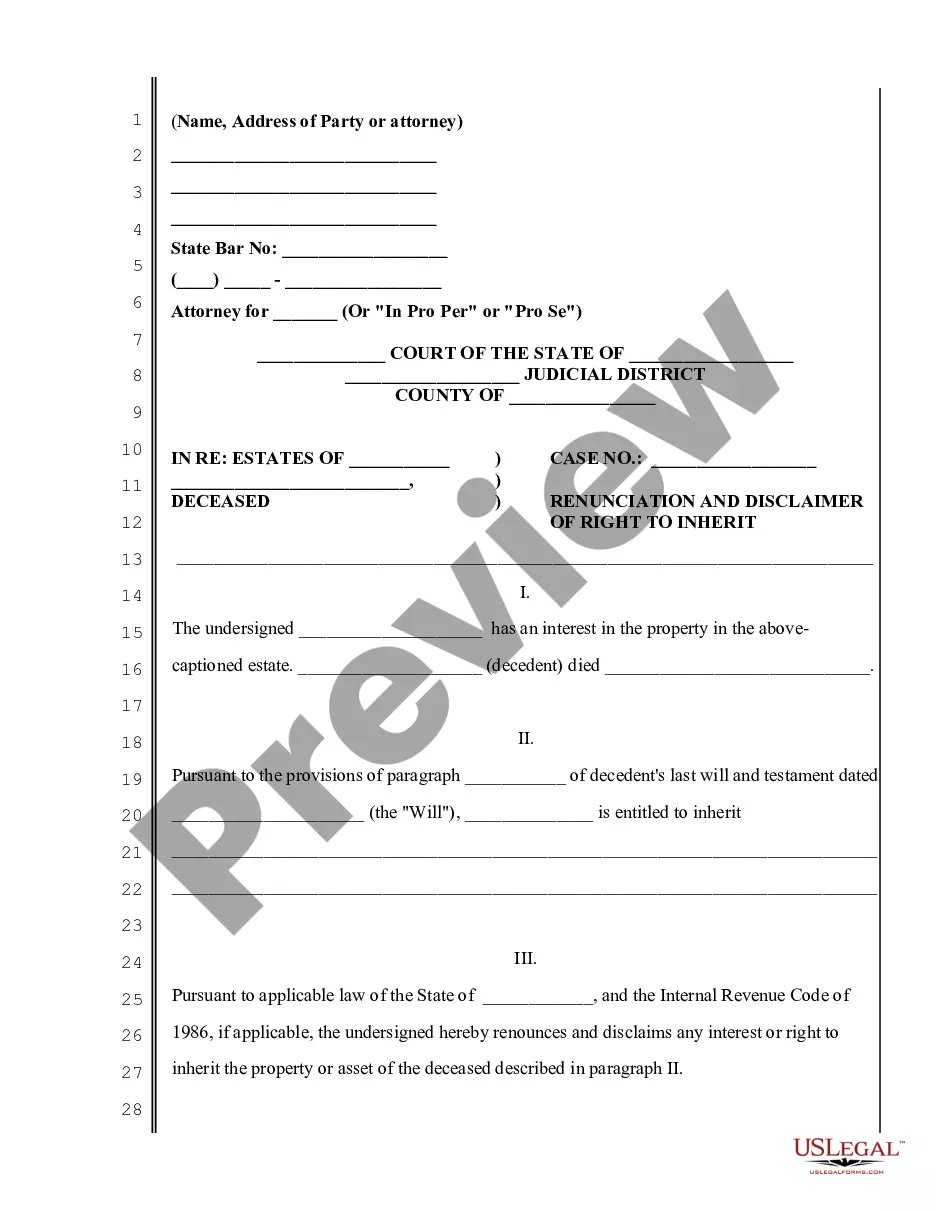
The Illinois Renunciation and Disclaimer of Property from Will by Testate is a legal document that allows a beneficiary to formally reject property inherited through a deceased person's will. This process is also known as renunciation. It enables the beneficiary to refuse part or all of their interest in the property, ensuring that it passes on to other heirs as per Illinois law. This form is essential for beneficiaries who do not wish to accept the property but want to ensure compliance with state laws regarding inheritance distribution.
What’s included in this form
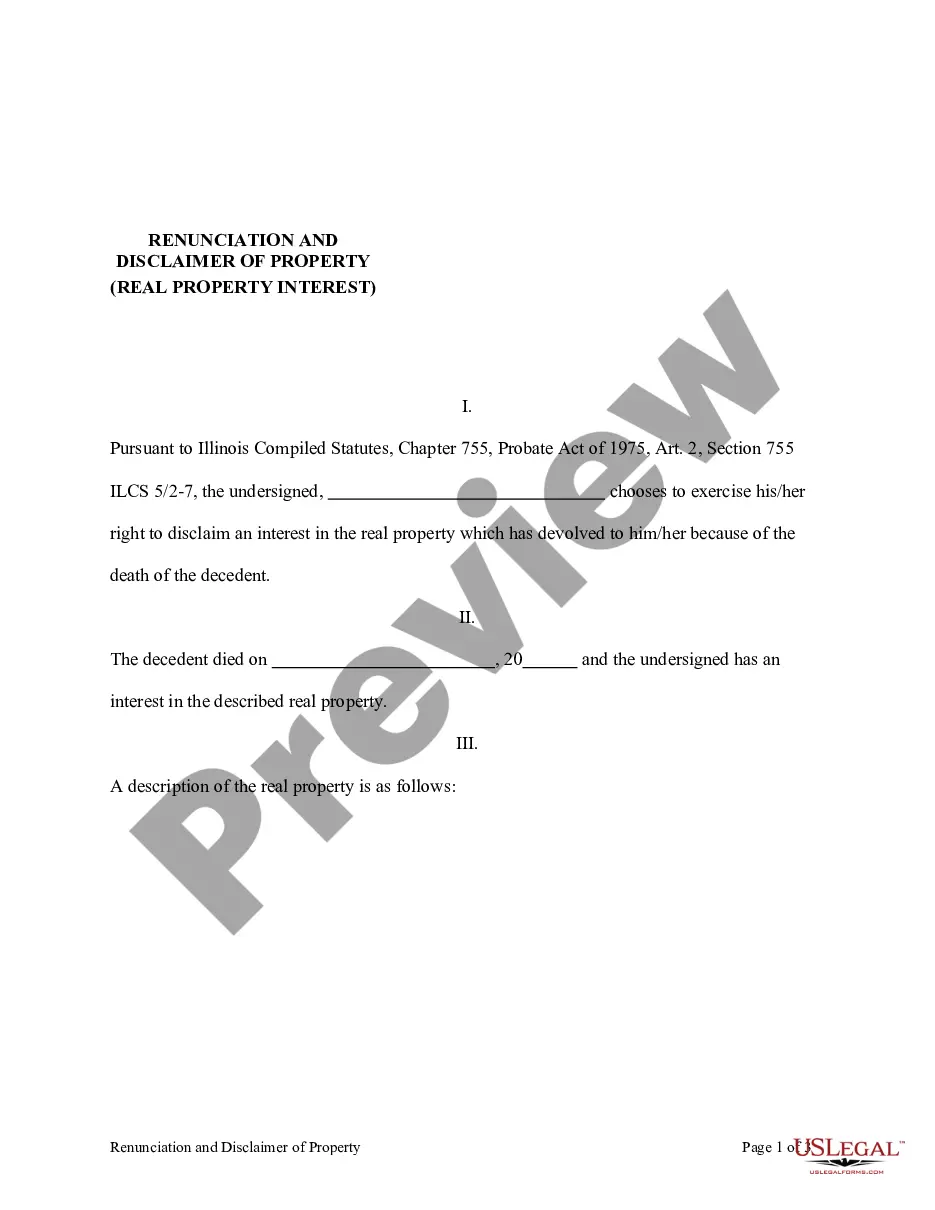
- Identification of the beneficiary who is disclaiming the property.
- Description of the property being disclaimed.
- A clear statement of renunciation signed by the beneficiary.
- Legal acknowledgment that the disclaiming will relate back to the decedent's death.
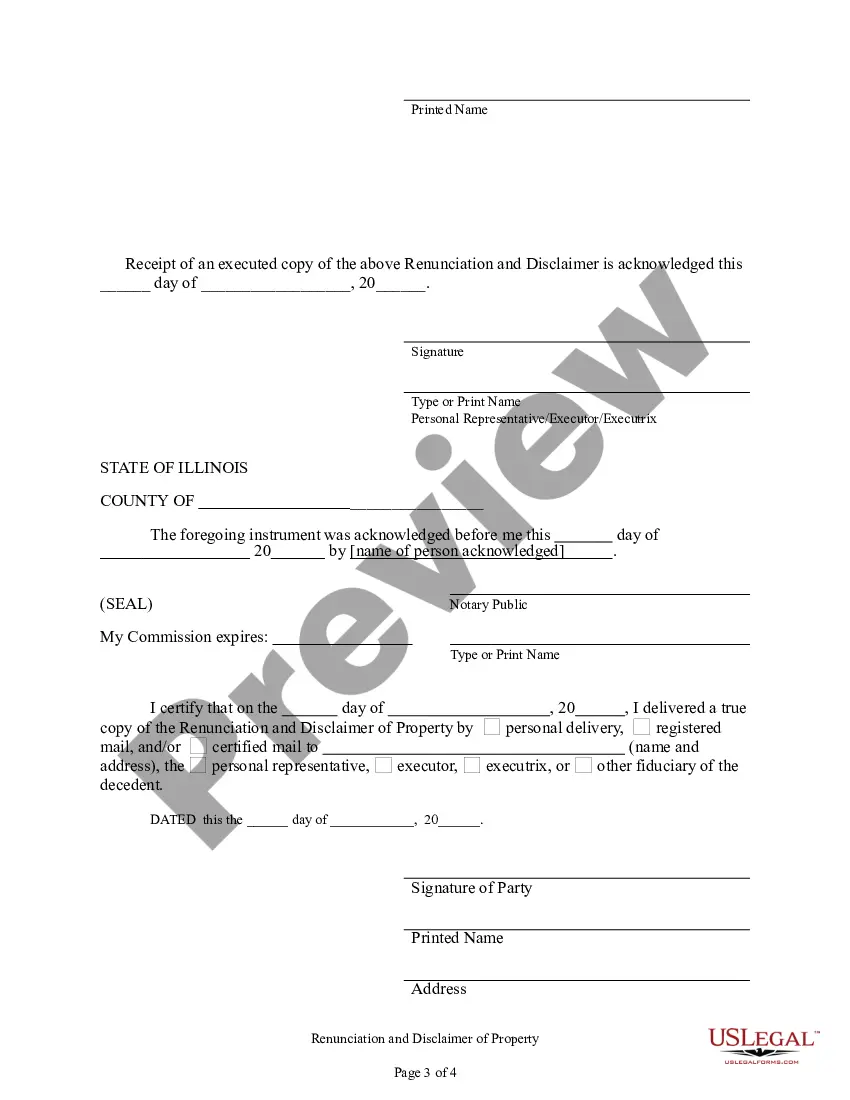
- A certificate confirming the delivery of the renunciation to relevant parties.

Common use cases
This form is used when a beneficiary of a will decides not to accept an inheritance or specific property from the deceased. This may occur if the beneficiary cannot manage the property, wants to avoid tax implications, or wishes for the property to pass to other heirs instead. Using this form ensures that the process is documented legally and complies with Illinois law.
Who this form is for
- Beneficiaries named in a will who want to disclaim their interest in inherited property.
- Individuals seeking to ensure compliance with Illinois inheritance laws.
- Those who wish to redirect property to other heirs or beneficiaries.
How to complete this form
- Identify the beneficiary who is renouncing the property and their relationship to the decedent.
- Clearly describe the property being disclaimed, including any legal descriptions needed.
- Sign the form to affirm the decision to renounce the property.
- Include the date of the signature and ensure the form is delivered to the relevant parties.
- Obtain and attach any necessary acknowledgment or certificates as required by Illinois law.
Does this document require notarization?
This form needs to be notarized to ensure legal validity. US Legal Forms provides secure online notarization powered by Notarize, allowing you to complete the process through a verified video call, available anytime.
Get your form ready online
Our built-in tools help you complete, sign, share, and store your documents in one place.
Make edits, fill in missing information, and update formatting in US Legal Forms—just like you would in MS Word.
Download a copy, print it, send it by email, or mail it via USPS—whatever works best for your next step.
Sign and collect signatures with our SignNow integration. Send to multiple recipients, set reminders, and more. Go Premium to unlock E-Sign.
If this form requires notarization, complete it online through a secure video call—no need to meet a notary in person or wait for an appointment.
We protect your documents and personal data by following strict security and privacy standards.
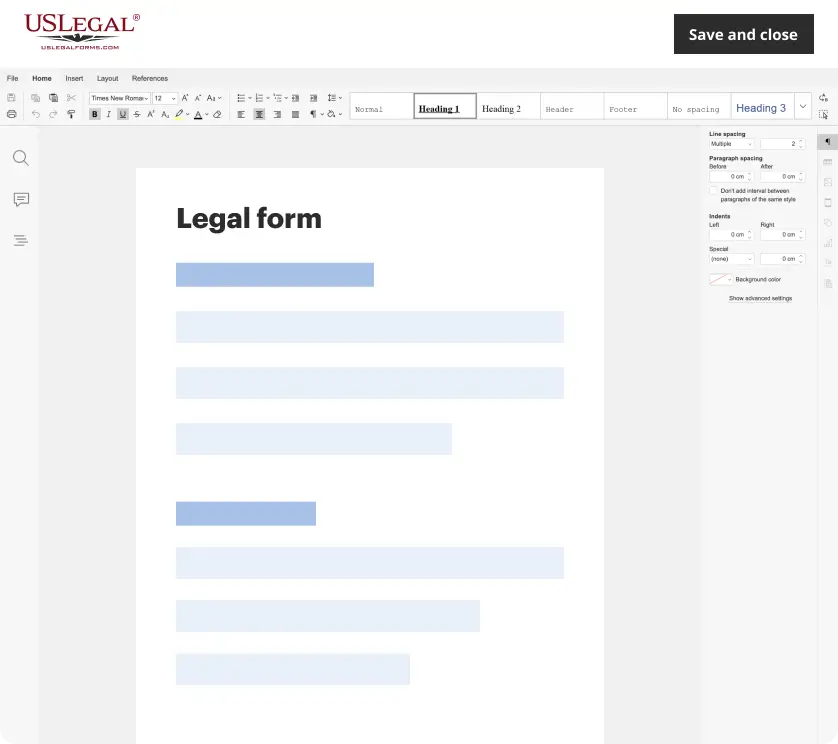
Make edits, fill in missing information, and update formatting in US Legal Forms—just like you would in MS Word.
Download a copy, print it, send it by email, or mail it via USPS—whatever works best for your next step.
Sign and collect signatures with our SignNow integration. Send to multiple recipients, set reminders, and more. Go Premium to unlock E-Sign.
If this form requires notarization, complete it online through a secure video call—no need to meet a notary in person or wait for an appointment.
We protect your documents and personal data by following strict security and privacy standards.
Mistakes to watch out for
- Failing to correctly identify the property being disclaimed.
- Not obtaining the required signatures or acknowledgments.
- Inadvertently accepting property before filing the form, which can nullify the disclaimer.
Benefits of using this form online
- Convenient access to legal documents from anywhere.
- Editability allows for easy customization to fit individual circumstances.
- Reliability from forms drafted by licensed attorneys ensuring compliance with state laws.
Quick recap
- The form allows beneficiaries to formally reject an inheritance.
- It ensures compliance with Illinois inheritance laws.
- Proper completion and delivery are essential for legal effect.
Looking for another form?
Form popularity
FAQ
The beneficiary can disclaim only a portion of an inherited IRA or asset, allowing some to flow to the contingent beneficiary(s). Partial disclaiming is either a specific dollar or percentage amount as of the date of death.The balance will go to the next beneficiary(s).
Put the disclaimer in writing. Deliver the disclaimer to the person in control of the estate usually the executor or trustee. Complete the disclaimer within nine months of the death of the person leaving the property. Do not accept any benefit from the property you're disclaiming.
Disclaim the asset within nine months of the death of the assets' original owner (one exception: if a minor beneficiary wishes to disclaim, the disclaimer cannot take place until after the minor reaches the age of majority, at which time they will have nine months to disclaim the assets).
The answer is yes. The technical term is "disclaiming" it. If you are considering disclaiming an inheritance, you need to understand the effect of your refusalknown as the "disclaimer"and the procedure you must follow to ensure that it is considered qualified under federal and state law.
Yes, a fiduciary can disclaim an interest in property if the will, trust or power of attorney gives the fiduciary that authority or if the appropriate probate court authorizes the disclaimer.The primary reason an executor or trustee might disclaim property passing to an estate or trust is to save death taxes.
You can head off an inheritance by renouncing or disclaiming it. This involves notifying the executor or personal representative of the estate the individual charged with guiding it through the probate process and settling it that you don't want the gift. You must do so in writing, and it's an irrevocable decision.
Put the disclaimer in writing. Deliver the disclaimer to the person in control of the estate usually the executor or trustee. Complete the disclaimer within nine months of the death of the person leaving the property.
Disclaim Inheritance, DefinitionDisclaiming means that you give up your rights to receive the inheritance. If you choose to do so, whatever assets you were meant to receive would be passed along to the next beneficiary in line.