Sample Letters With Enclosures In Utah
Description

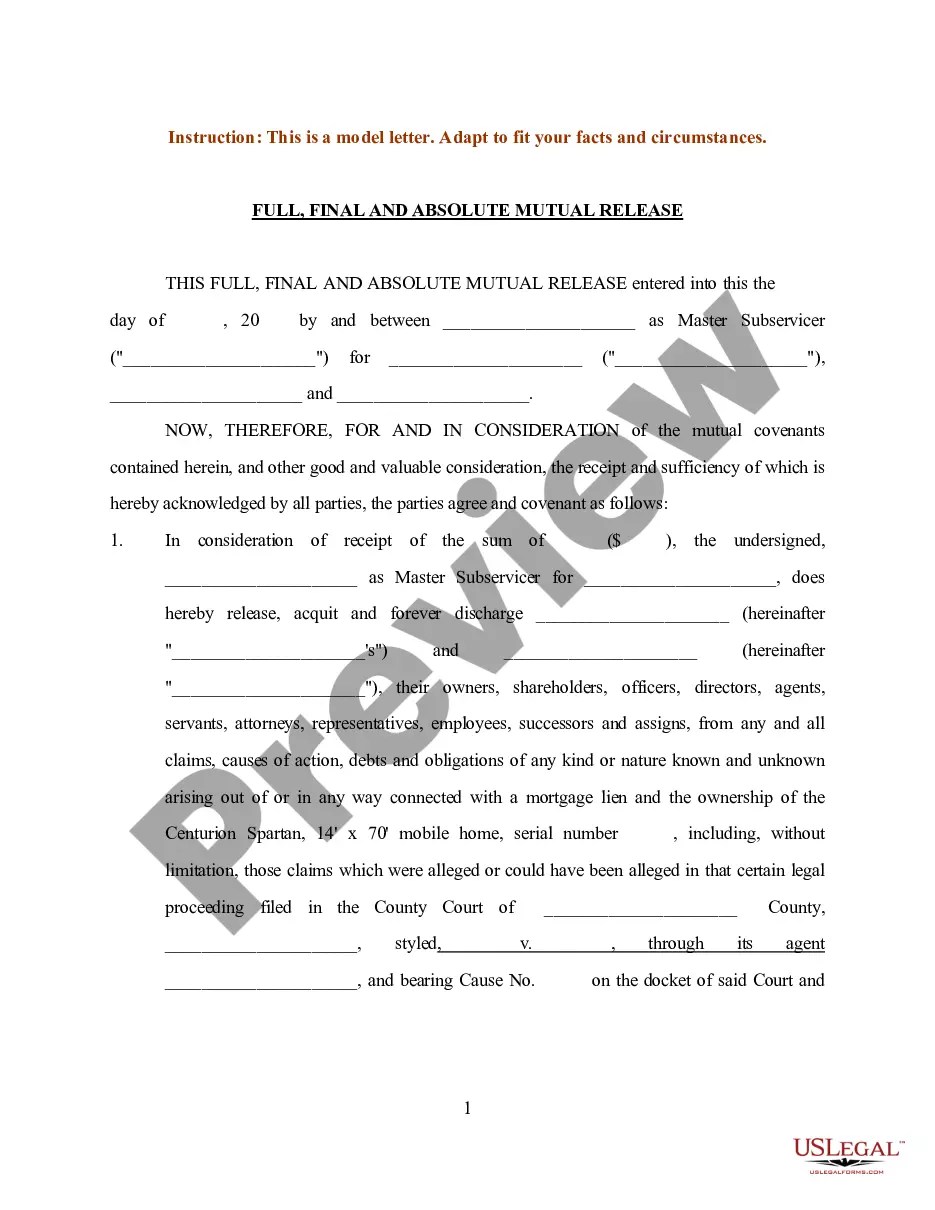
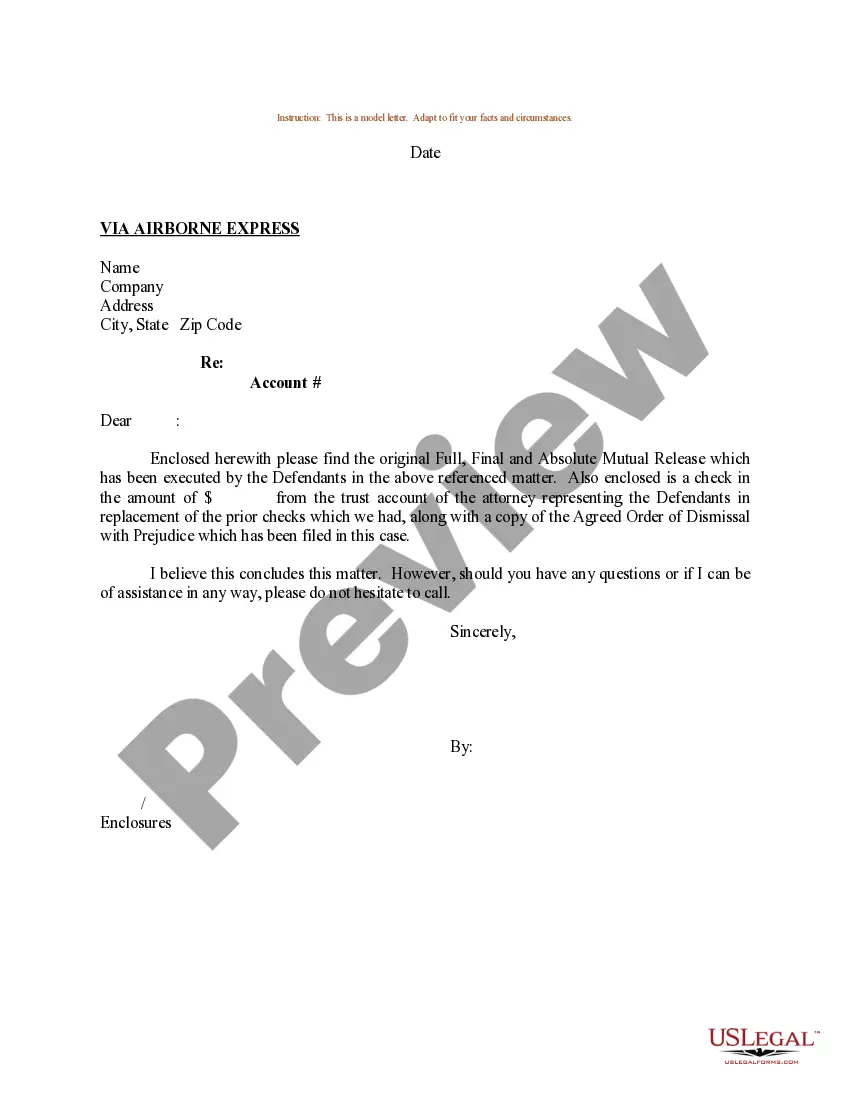
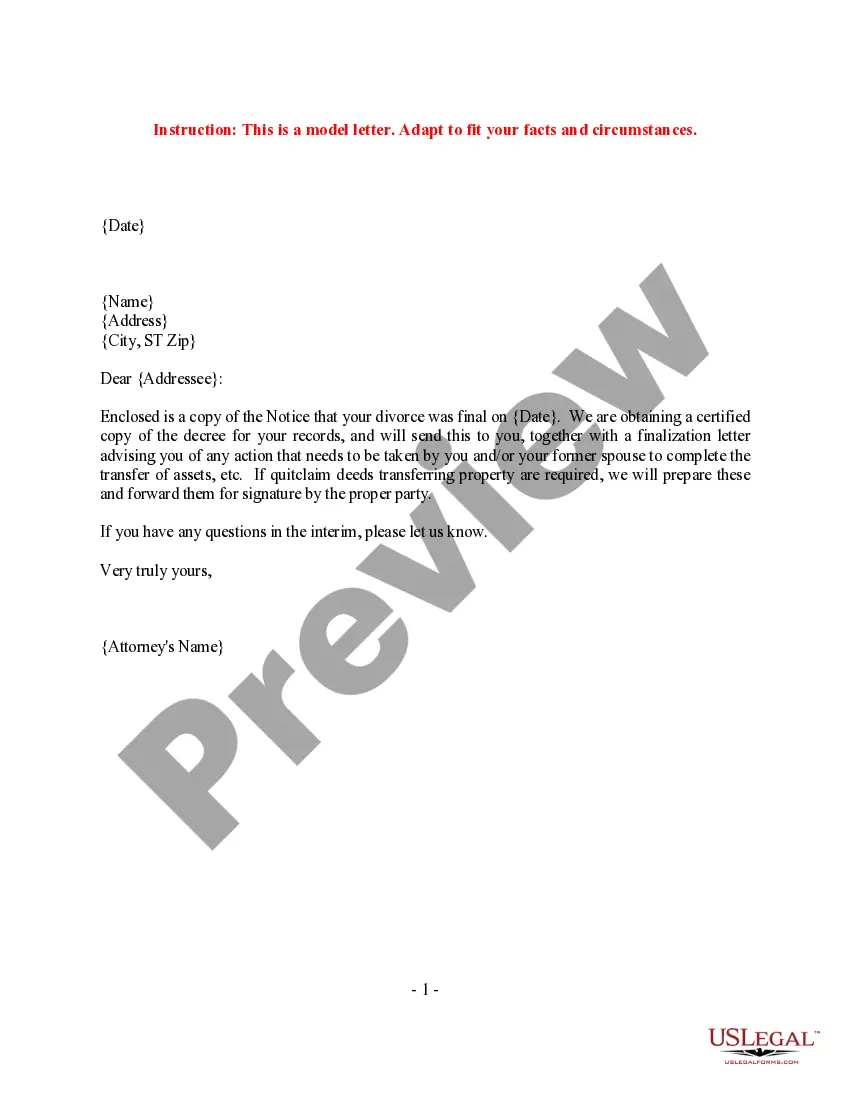
Get your form ready online
Our built-in tools help you complete, sign, share, and store your documents in one place.
Make edits, fill in missing information, and update formatting in US Legal Forms—just like you would in MS Word.
Download a copy, print it, send it by email, or mail it via USPS—whatever works best for your next step.
Sign and collect signatures with our SignNow integration. Send to multiple recipients, set reminders, and more. Go Premium to unlock E-Sign.
If this form requires notarization, complete it online through a secure video call—no need to meet a notary in person or wait for an appointment.
We protect your documents and personal data by following strict security and privacy standards.

Make edits, fill in missing information, and update formatting in US Legal Forms—just like you would in MS Word.

Download a copy, print it, send it by email, or mail it via USPS—whatever works best for your next step.

Sign and collect signatures with our SignNow integration. Send to multiple recipients, set reminders, and more. Go Premium to unlock E-Sign.

If this form requires notarization, complete it online through a secure video call—no need to meet a notary in person or wait for an appointment.

We protect your documents and personal data by following strict security and privacy standards.
Looking for another form?

Form popularity
FAQ
Formally, you would refer to the enclosed items in the body of your letter followed by (enclosed) and then, under the signature at the end of the letter you'd write "Enclosures (x)" where x is the number of enclosures.
The enclosure is typically mentioned at the end of the letter, after the closing, and is indicated by the word "Enclosure" or "Enclosures" followed by the number of documents included. For example, "Enclosure: 1 resume" or "Enclosures: 2 writing samples, 1 reference list."
Citation format For example, you may write "Attached: Sales charts" or "Enclosed: Employee organizational list" at the end of your letter. When sending an attachment through email or physical letters, you can typically include a sentence mentioning the attached document or write it underneath your signature line.
Write or type “Enclosure” followed by the name of the document or content attached. If you've included more than one document, use the plural “Enclosures” and indicate the number of enclosures afterward. The number should either follow a colon or be surrounded in parentheses.
If something is enclosed with a letter, the notation “Enclosure” is typed a double-space below the writer's initials and/or typist's initials. If more than one item is enclosed, the word is made plural and followed by the number of items (e.g., “Enclosures 2”).
On a paper business letter, you often include the CC line underneath your signature, either above or below any enclosures line.
Enclosure or inclosure is a term, used in English landownership, that refers to the appropriation of "waste" or "common land", enclosing it, and by doing so depriving commoners of their traditional rights of access and usage. Agreements to enclose land could be either through a formal or informal process.
If something is enclosed with a letter, the notation “Enclosure” is typed a double-space below the writer's initials and/or typist's initials. If more than one item is enclosed, the word is made plural and followed by the number of items (e.g., “Enclosures 2”).
Depending on the type of letter and delivery method, there are different ways to indicate attachments and enclosures. For instance, if sending a business letter by mail or courier, you can write “Enclosure(s)” or “Encl.” at the bottom of the letter, followed by a list of the enclosed documents or files.

