All Business Purchase With Meaning In New York
Description

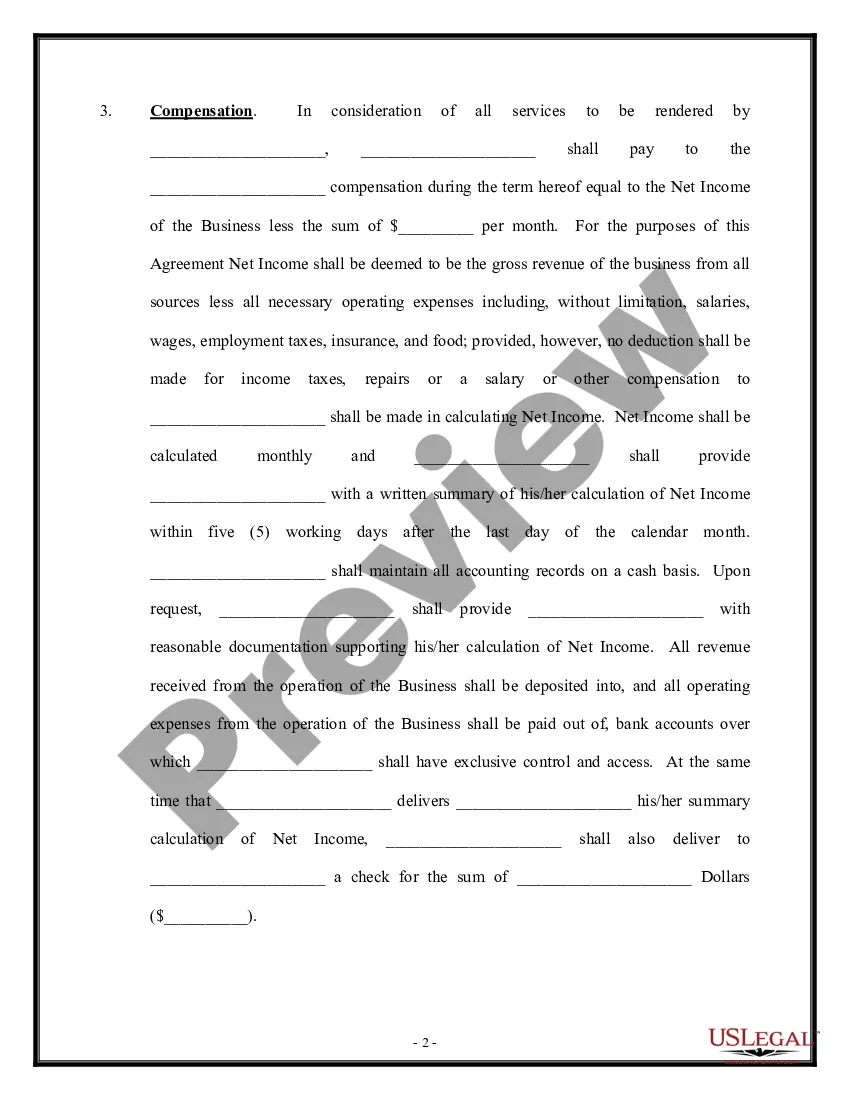
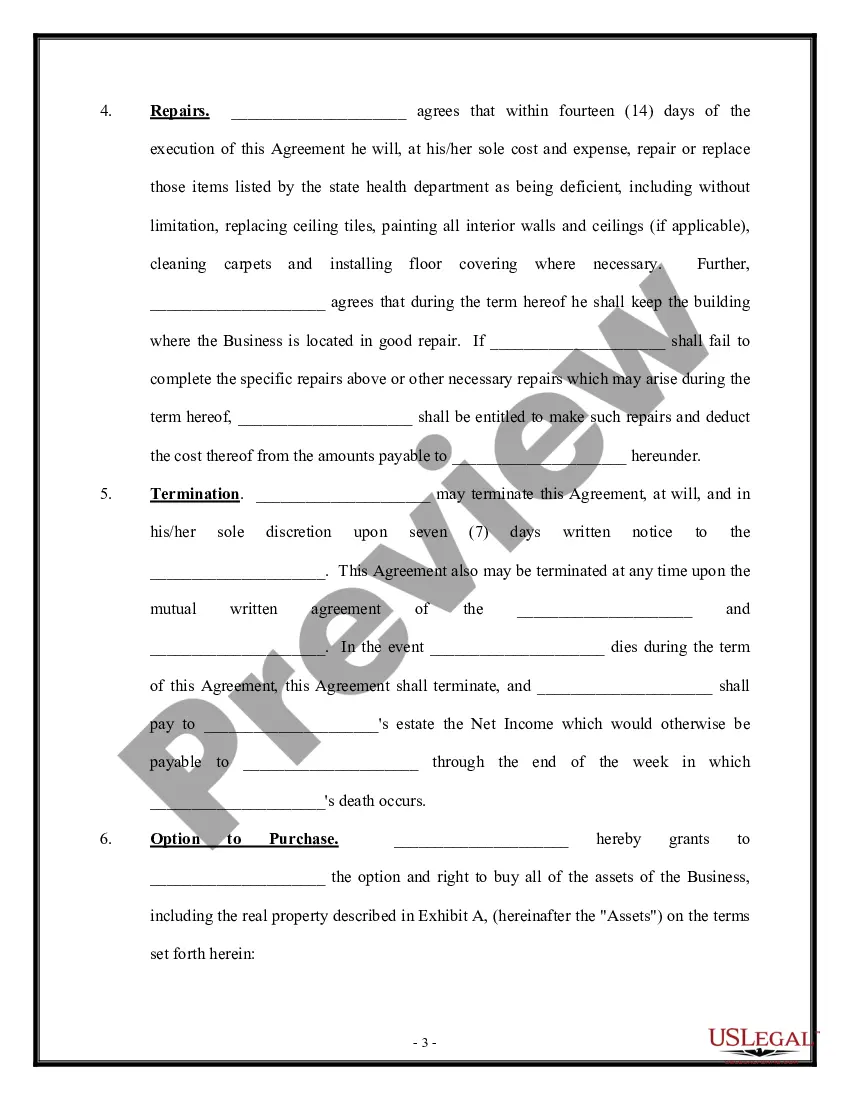
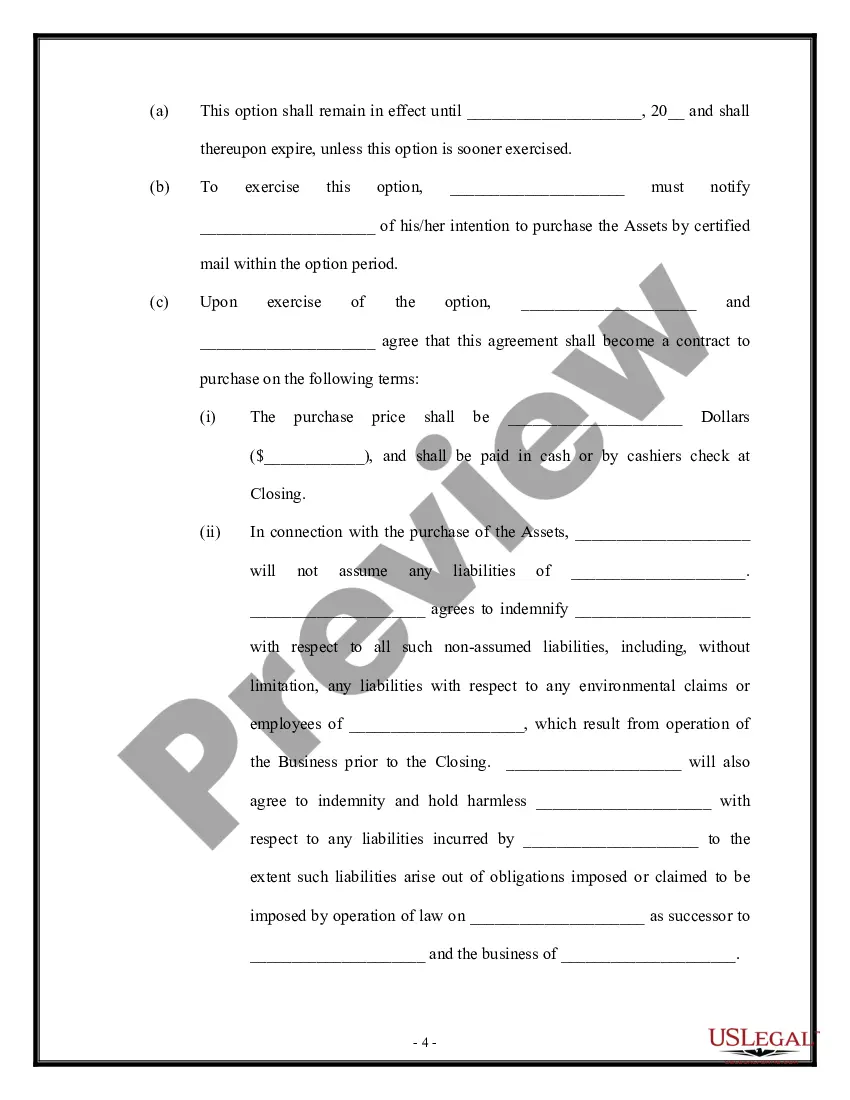
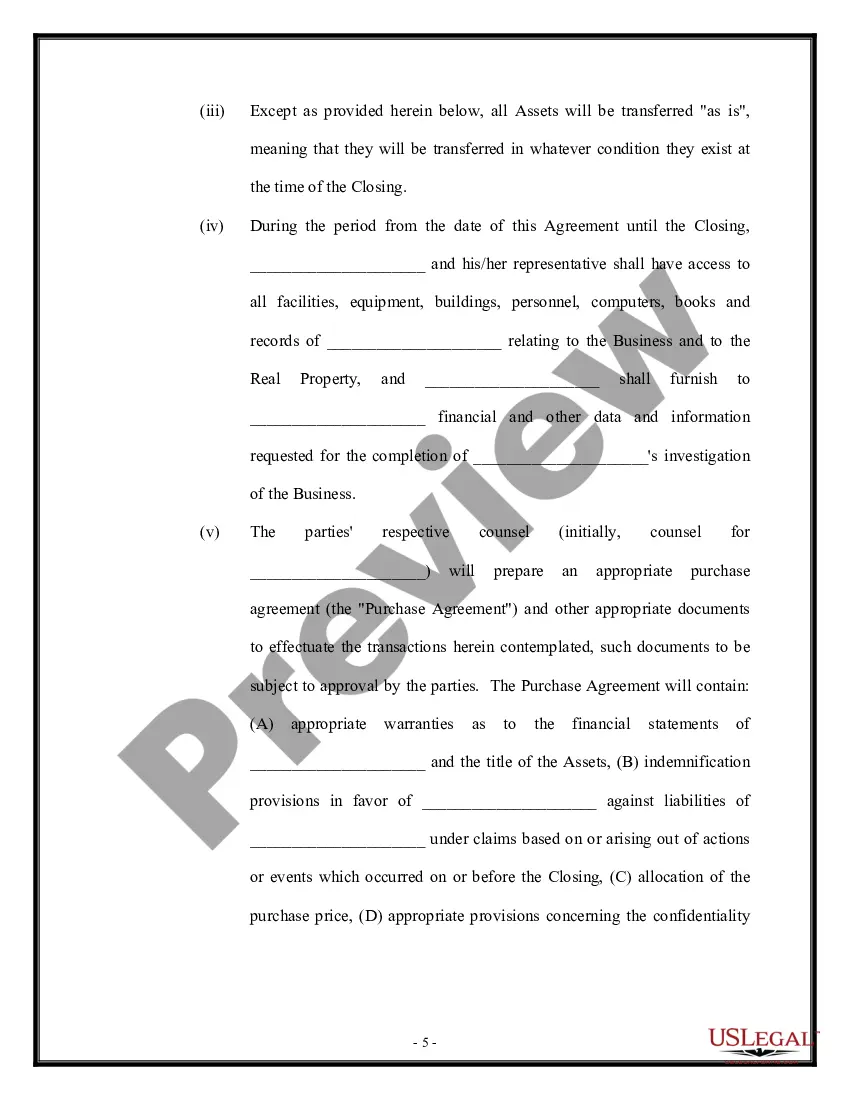
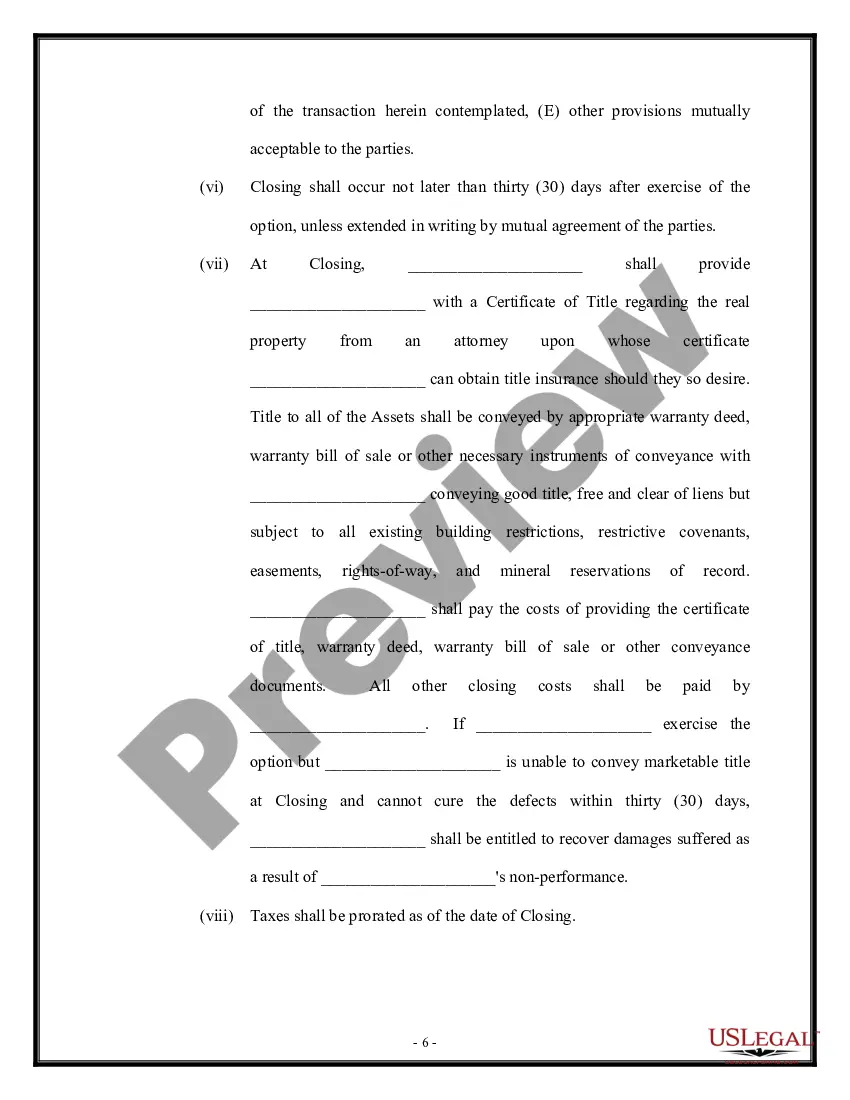
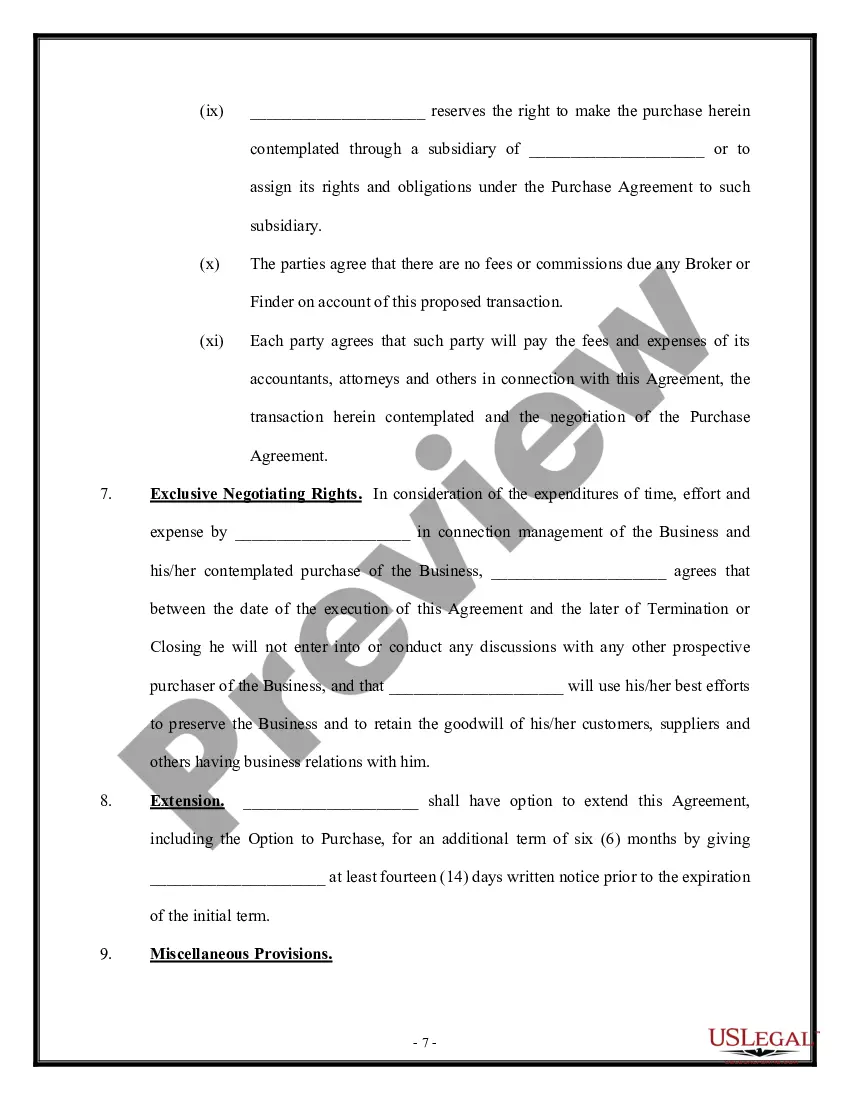
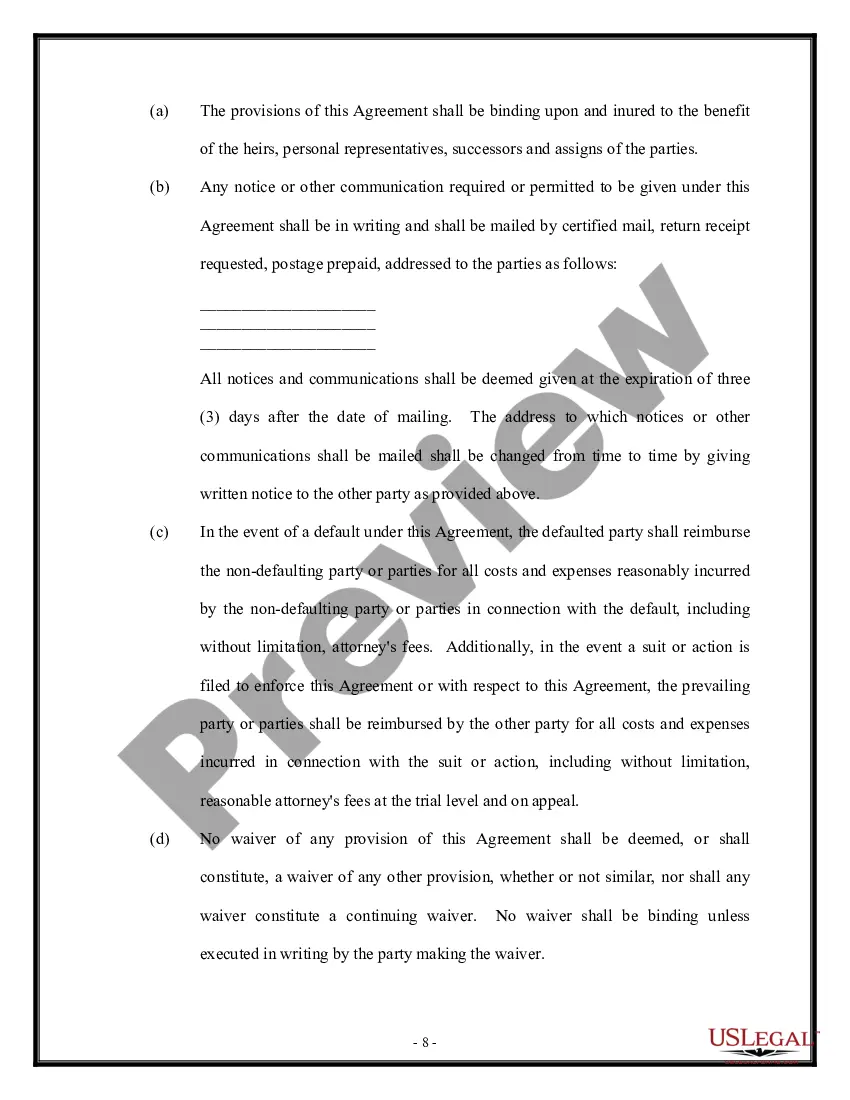
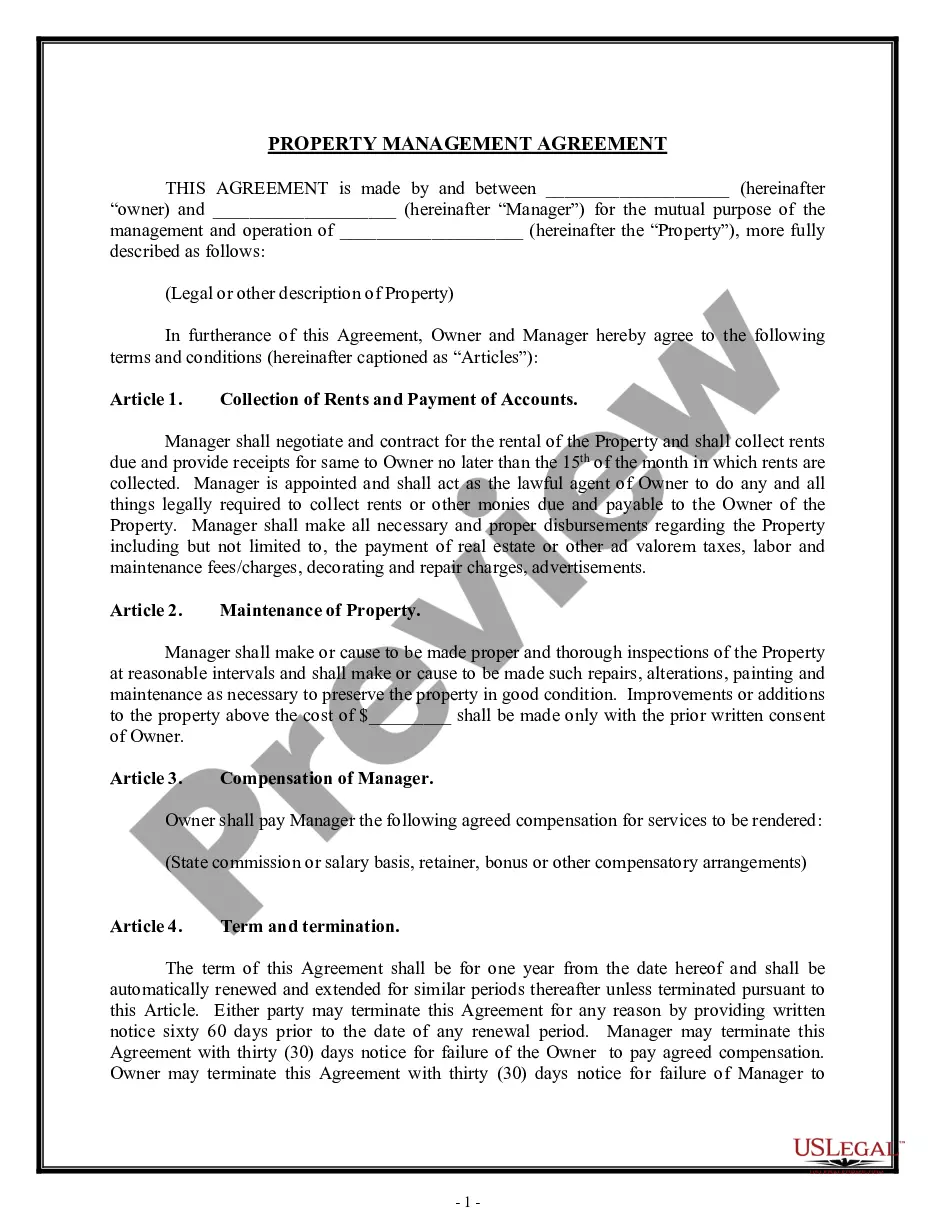
Get your form ready online
Our built-in tools help you complete, sign, share, and store your documents in one place.
Make edits, fill in missing information, and update formatting in US Legal Forms—just like you would in MS Word.
Download a copy, print it, send it by email, or mail it via USPS—whatever works best for your next step.
Sign and collect signatures with our SignNow integration. Send to multiple recipients, set reminders, and more. Go Premium to unlock E-Sign.
If this form requires notarization, complete it online through a secure video call—no need to meet a notary in person or wait for an appointment.
We protect your documents and personal data by following strict security and privacy standards.

Make edits, fill in missing information, and update formatting in US Legal Forms—just like you would in MS Word.

Download a copy, print it, send it by email, or mail it via USPS—whatever works best for your next step.

Sign and collect signatures with our SignNow integration. Send to multiple recipients, set reminders, and more. Go Premium to unlock E-Sign.

If this form requires notarization, complete it online through a secure video call—no need to meet a notary in person or wait for an appointment.

We protect your documents and personal data by following strict security and privacy standards.
Looking for another form?
Form popularity
FAQ
Use tax is a tax that is imposed on the use, storage, or consumption of goods and services that were purchased without paying sales tax. It is typically imposed by the state or local government where the goods or services are used, and the rate is often the same as the sales tax rate.
The City Sales Tax rate is 4.5%, NY State Sales and use tax is 4% and the Metropolitan Commuter Transportation District surcharge of 0.375% for a total sales and use tax of 8.875 percent.
Use tax is a tax that is imposed on the use, storage, or consumption of goods and services that were purchased without paying sales tax. It is typically imposed by the state or local government where the goods or services are used, and the rate is often the same as the sales tax rate.
You should file these when you file your individual tax return. Form 4797, Sales of Business Property, for each year you sell or exchange property used in your business. Form 8594, Asset Acquisition Statement, if you sell your business.
The sale, transfer, or assignment of business assets, in whole or in part, by a person required to collect sales tax is called a bulk sale. Business assets means any assets directly related to the conduct of a business, including: tangible personal property, real property, and.
Form ST-120, Resale Certificate, is a sales tax exemption certificate. This certificate is only for use by a purchaser who: A – is registered as a New York State sales tax vendor and has a valid. Certificate of Authority issued by the Tax Department and is making.
Items and services that are exempt from sales tax include but are not limited to: Food products, dietary foods, certain beverages and health supplements sold by food markets. Diapers. Drugs and medicines for people. Medical equipment and supplies for home use. Newspapers, magazines and other periodicals.
Occasional or sporadic sales activities do not usually amount to “doing business” in New York. New York courts do not typically consider factors like having customers in the state or making deliveries from an out-of-state factory as determinative. However, systematic merchandise sales may qualify as “doing business.”
