Donation Receipt For Specific Purpose In Georgia
Description



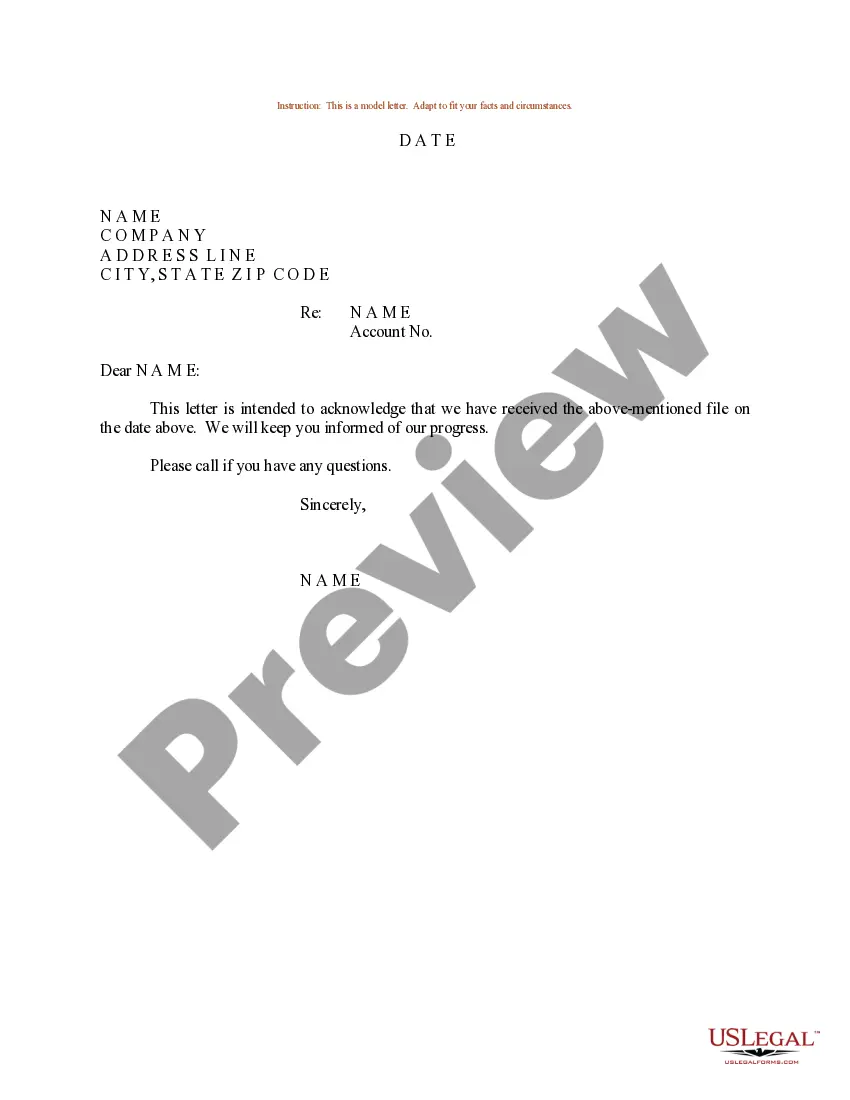
Get your form ready online
Our built-in tools help you complete, sign, share, and store your documents in one place.
Make edits, fill in missing information, and update formatting in US Legal Forms—just like you would in MS Word.
Download a copy, print it, send it by email, or mail it via USPS—whatever works best for your next step.
Sign and collect signatures with our SignNow integration. Send to multiple recipients, set reminders, and more. Go Premium to unlock E-Sign.
If this form requires notarization, complete it online through a secure video call—no need to meet a notary in person or wait for an appointment.
We protect your documents and personal data by following strict security and privacy standards.
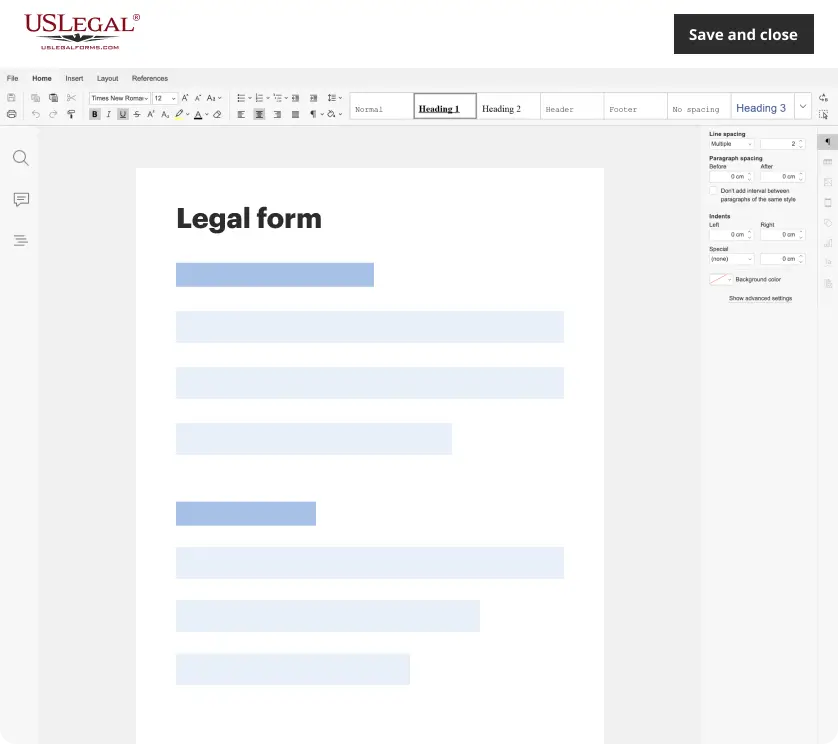
Make edits, fill in missing information, and update formatting in US Legal Forms—just like you would in MS Word.
Download a copy, print it, send it by email, or mail it via USPS—whatever works best for your next step.
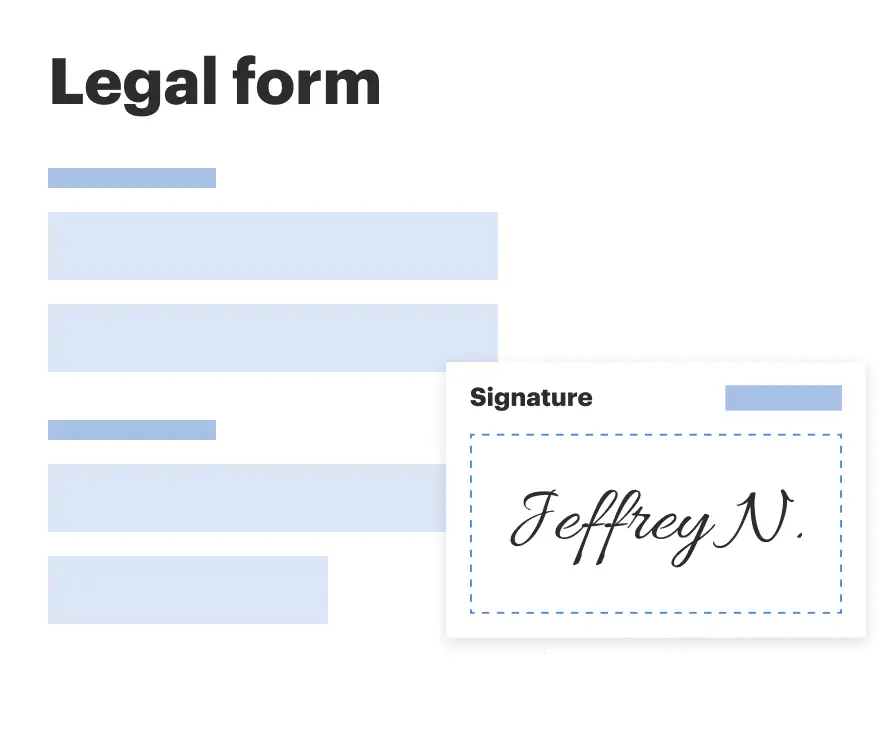
Sign and collect signatures with our SignNow integration. Send to multiple recipients, set reminders, and more. Go Premium to unlock E-Sign.

If this form requires notarization, complete it online through a secure video call—no need to meet a notary in person or wait for an appointment.
We protect your documents and personal data by following strict security and privacy standards.
Looking for another form?

Form popularity
FAQ
If donation is received without a specific purpose, it is a revenue receipt. But if donation is received for a specific purpose, this is considered as capital receipts and all expenses incurred towards the specific purpose should be set off from this receipt.
Proof can be provided in the form of an official receipt or invoice from the receiving qualified charitable organization, but it can also be provided via credit card statements or other financial records detailing the donation.
The receipt can take a variety of written forms – letters, formal receipts, postcards, computer-generated forms, etc. It's important to remember that without a written acknowledgment, the donor cannot claim the tax deduction.
The Georgia Charitable Solicitations Act of 1988 (amended) is administered by the Georgia Secretary of State. It governs the registration, reporting, and enforcement of fundraising activities in the State of Georgia. The Act is supplemented by the rules and orders enforced by the Georgia Secretary of State.
However, you should be able to provide a bank record (bank statement, credit card statement, canceled check or a payroll deduction record) to claim the tax deduction. Written records, like check registers or personal notations, from the donor aren't enough proof. The records should show the: Organization's name.
A donation which is received for a specific purpose is a capital receipts. This has to be utilized only for the specific purpose. This is a capital receipt.
A donation receipt is a written acknowledgment of a donor's contribution to a charitable organization. It helps supporters and nonprofits keep good records of gifts and offers an opportunity for nonprofits to express their appreciation.
If donation is received without a specific purpose, it is a revenue receipt. But if donation is received for a specific purpose, this is considered as capital receipts and all expenses incurred towards the specific purpose should be set off from this receipt.

