Work Labor Law For Resignation In Hennepin
Description
















Get your form ready online
Our built-in tools help you complete, sign, share, and store your documents in one place.
Make edits, fill in missing information, and update formatting in US Legal Forms—just like you would in MS Word.
Download a copy, print it, send it by email, or mail it via USPS—whatever works best for your next step.
Sign and collect signatures with our SignNow integration. Send to multiple recipients, set reminders, and more. Go Premium to unlock E-Sign.
If this form requires notarization, complete it online through a secure video call—no need to meet a notary in person or wait for an appointment.
We protect your documents and personal data by following strict security and privacy standards.

Make edits, fill in missing information, and update formatting in US Legal Forms—just like you would in MS Word.

Download a copy, print it, send it by email, or mail it via USPS—whatever works best for your next step.

Sign and collect signatures with our SignNow integration. Send to multiple recipients, set reminders, and more. Go Premium to unlock E-Sign.

If this form requires notarization, complete it online through a secure video call—no need to meet a notary in person or wait for an appointment.

We protect your documents and personal data by following strict security and privacy standards.
Looking for another form?
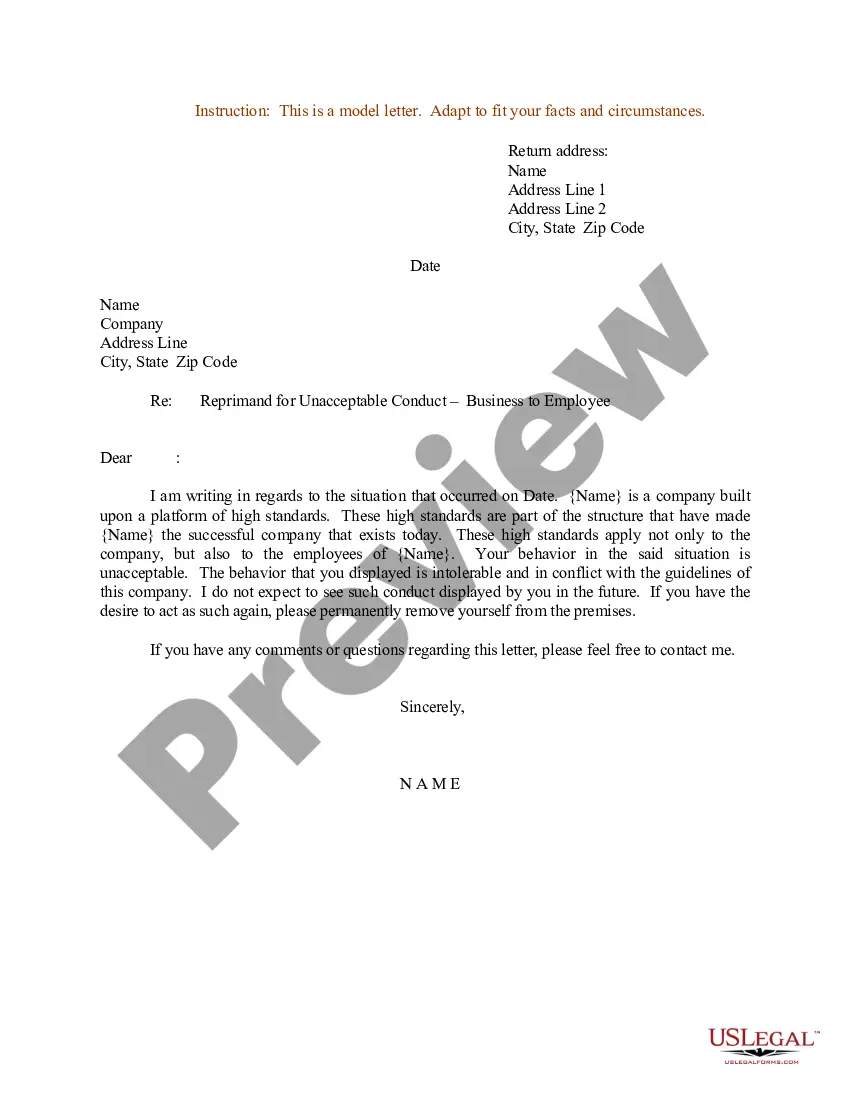
Form popularity
FAQ
Minnesota is an employment "at will" state. The employer can fire any employee for any reason as long as that reason is not illegal.
No notice of separation is required by law, by either party, upon separation of an employee for any reason.
California employment law strictly prohibits employers from engaging in coercive tactics to force an employee to resign. This includes the following: Unlawful Termination Tactics: Employers cannot utilize coercive or unlawful tactics to induce an employee to resign.
You might research wrongful termination and constructive dismissal with the Equal Employment Opportunity Commission and the Department of Labor. Speak with an attorney. Schedule a consultation with an employment attorney to discuss your situation and learn if you have a case under your local employment laws .
As an at-will employee, your employer has the right to terminate your employment at any time, even after you've submitted your resignation. While this may seem unfair, it's a common practice in many organizations, especially smaller ones.
California employment law strictly prohibits employers from engaging in coercive tactics to force an employee to resign.
Employers may have various reasons for encouraging or pressuring employees to resign. However, such actions can raise legal and ethical concerns. Managers, supervisors, or employers can pressure employees to resign which can violate employment laws.
Summary. Minnesota law prohibits an employer from discriminating and retaliating against employees in a variety of protected classes. Employers must also provide pregnancy accommodations, protect whistleblowers and allow employees to access their personnel files and to discuss their wages.
No notice of separation is required by law, by either party, upon separation of an employee for any reason.
