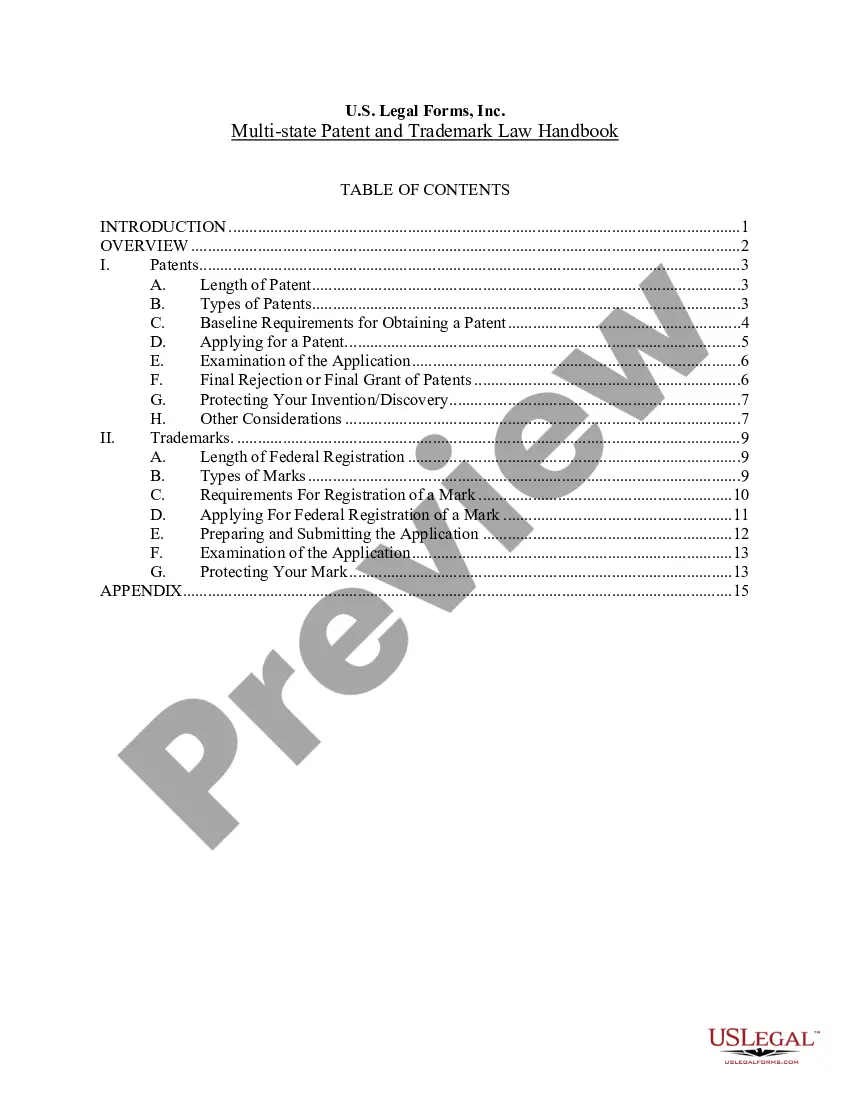
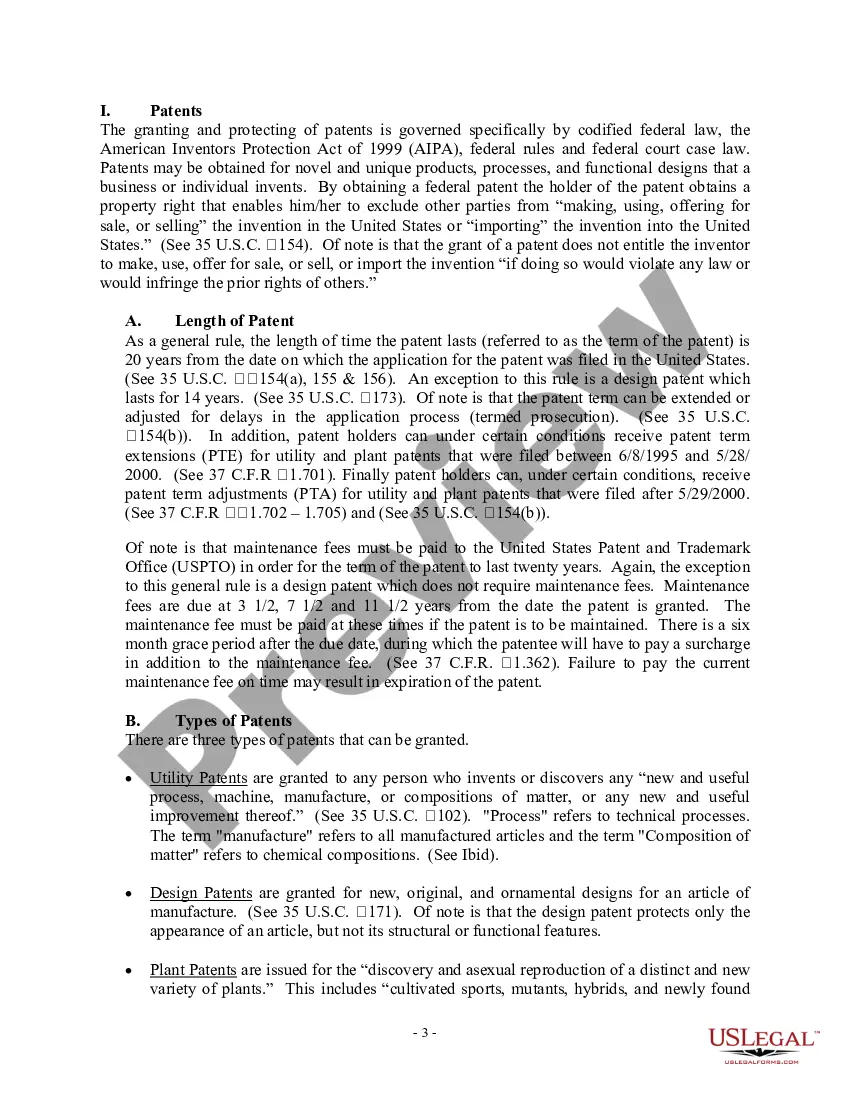
Patent Trademark Meaning In Houston
Description



Get your form ready online
Our built-in tools help you complete, sign, share, and store your documents in one place.
Make edits, fill in missing information, and update formatting in US Legal Forms—just like you would in MS Word.
Download a copy, print it, send it by email, or mail it via USPS—whatever works best for your next step.
Sign and collect signatures with our SignNow integration. Send to multiple recipients, set reminders, and more. Go Premium to unlock E-Sign.
If this form requires notarization, complete it online through a secure video call—no need to meet a notary in person or wait for an appointment.
We protect your documents and personal data by following strict security and privacy standards.

Make edits, fill in missing information, and update formatting in US Legal Forms—just like you would in MS Word.

Download a copy, print it, send it by email, or mail it via USPS—whatever works best for your next step.

Sign and collect signatures with our SignNow integration. Send to multiple recipients, set reminders, and more. Go Premium to unlock E-Sign.

If this form requires notarization, complete it online through a secure video call—no need to meet a notary in person or wait for an appointment.

We protect your documents and personal data by following strict security and privacy standards.
Looking for another form?
Form popularity
FAQ
Trademark process Step 1: Is a trademark application right for you? ... Step 2: Get ready to apply. Step 3: Prepare and submit your application. Step 4: Work with the assigned USPTO examining attorney. Step 5: Receive approval/denial of your application. Step 6: Maintain your registration.
To order the application forms for Texas trademark registration, contact the Secretary of State at (512) 463-9760 or (800) 735-2989, or download the forms from the office website at .
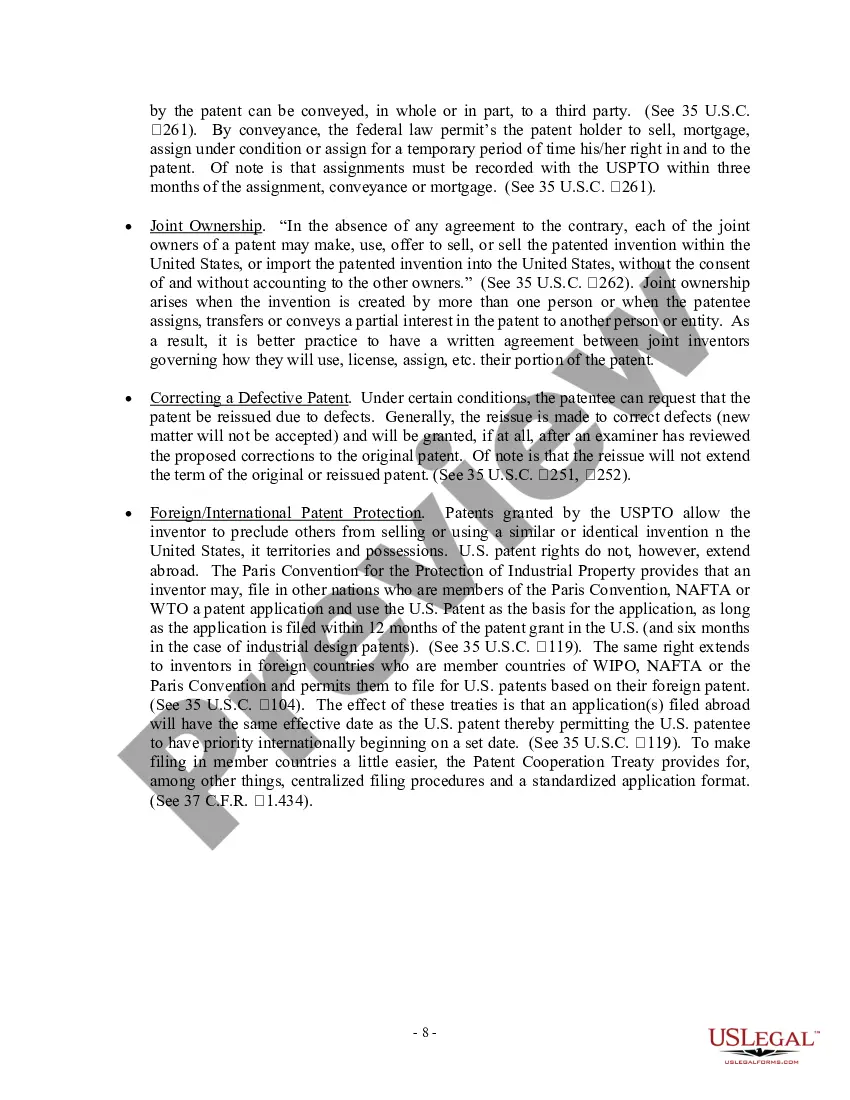
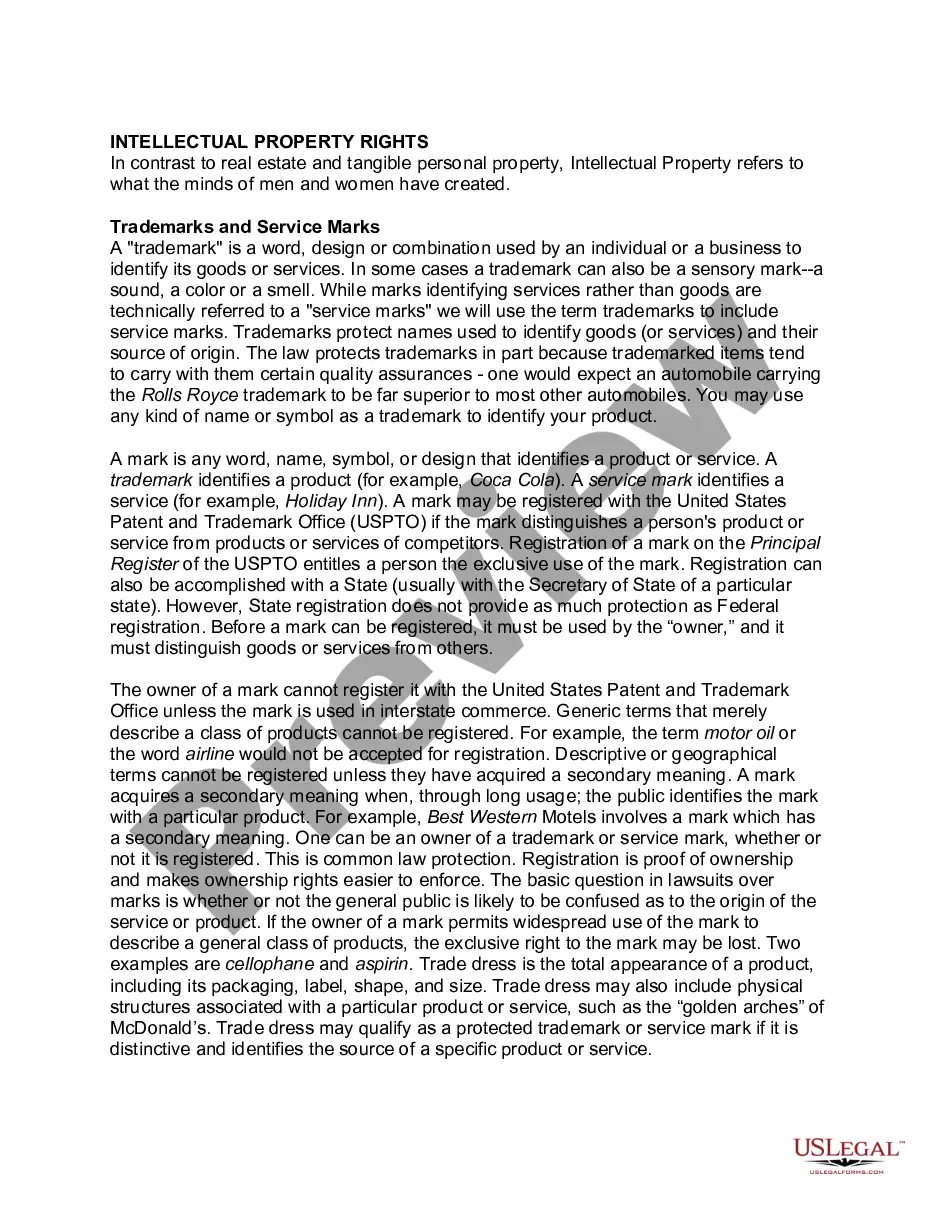
Patents are intended to protect inventions of a functional or design nature. Trademarks provide protection for indicators of the source of products and services used in commercial trade, such as words or logos. Copyrights provide protection for literary and artistic expressions.
A patent allows the creator of certain kinds of inventions that contain new ideas to keep others from making commercial use of those ideas without the creator's permission. Trademarks, on the other hand, are not concerned with how a new technology is used.
Assuming that a patent is available for the subject matter of your concept, that's the way to prevent others from pursuing the same product concept. A trademark, however, is useful—and often crucial—when you are building a brand for your product or service.
The Coca-Cola Corp owns the trademark to the name Coca-Cola, as well as the trademark on the bottle shape, and the graphic representation of their name. These are all things that help distinguish them from other cola brands and define their individual product. Coca-Cola also owns the patent on their formula.
In the United States, a trademark can last forever, so long as it is used in commerce and renewed on time every ten years. To renew a registered trademark, the owner must file the maintenance documents with the United States Patent Trademark Office (USPTO) and meet certain legal requirements.
In many instances, the same design can be protected by trademark and design patent laws. Examples of well-known design trademarks which also have been the subject of design patents include the DUSTBUSTER® vacuum cleaner, the APPLE iPod® electronic music player, and the NIKE Air Max 1995® shoe upper.
The presence of a trademark or trade name in a patent claim is not, per se, improper under U.S. patent law (specifically 35 U.S.C. §112(b) or pre- 35 U.S.C. §112, second paragraph).
