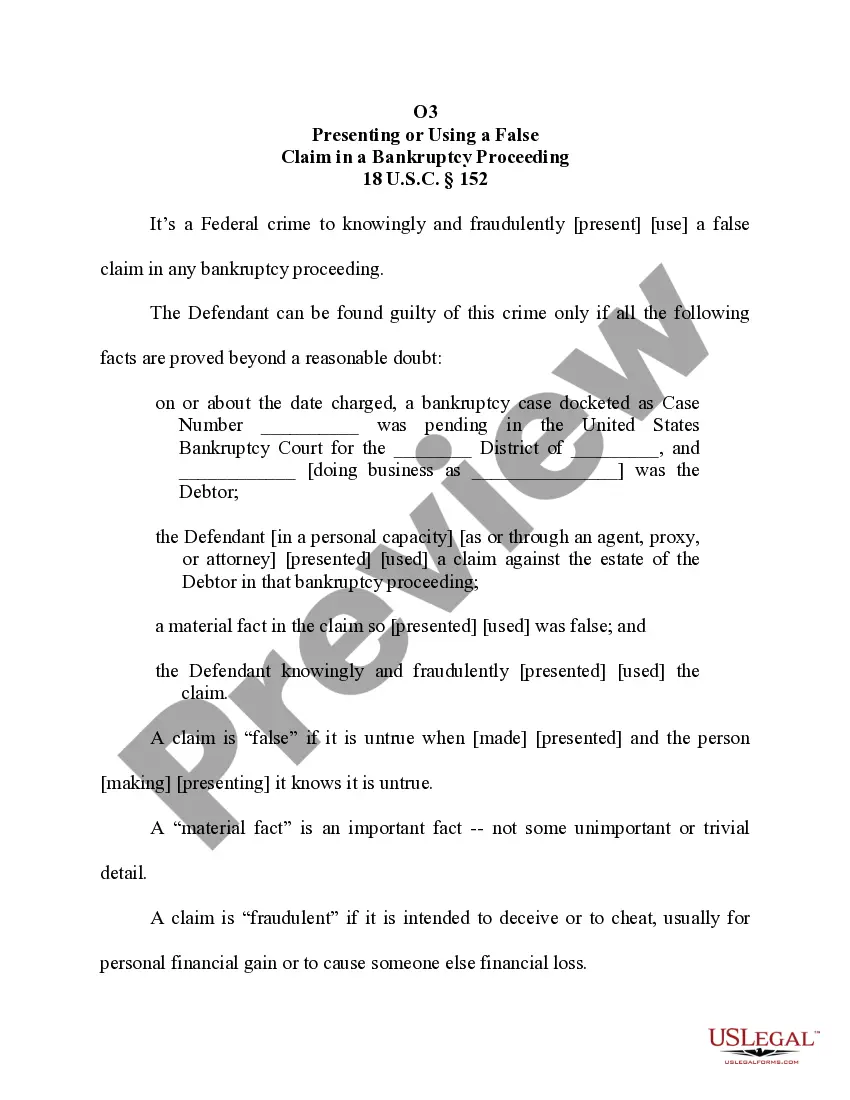
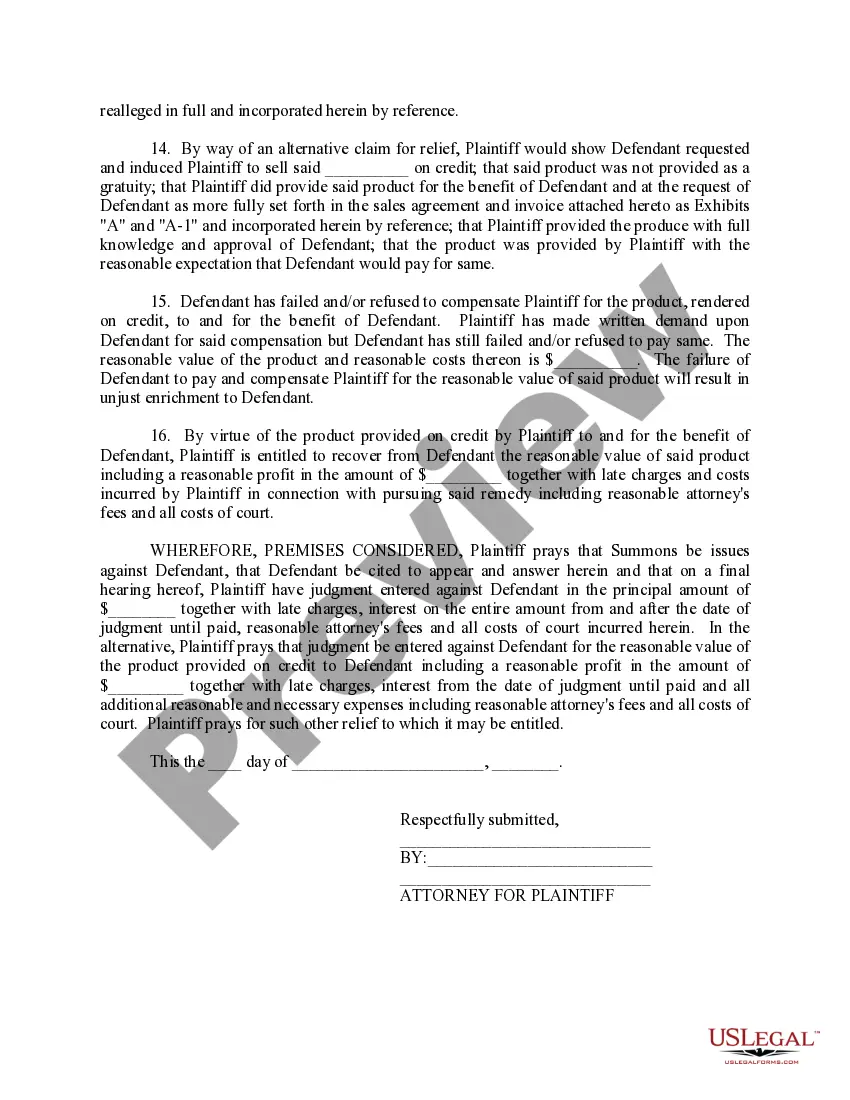
Alaska Complaint based on Open Account, Breach of Contract, Unjust Enrichment
Description
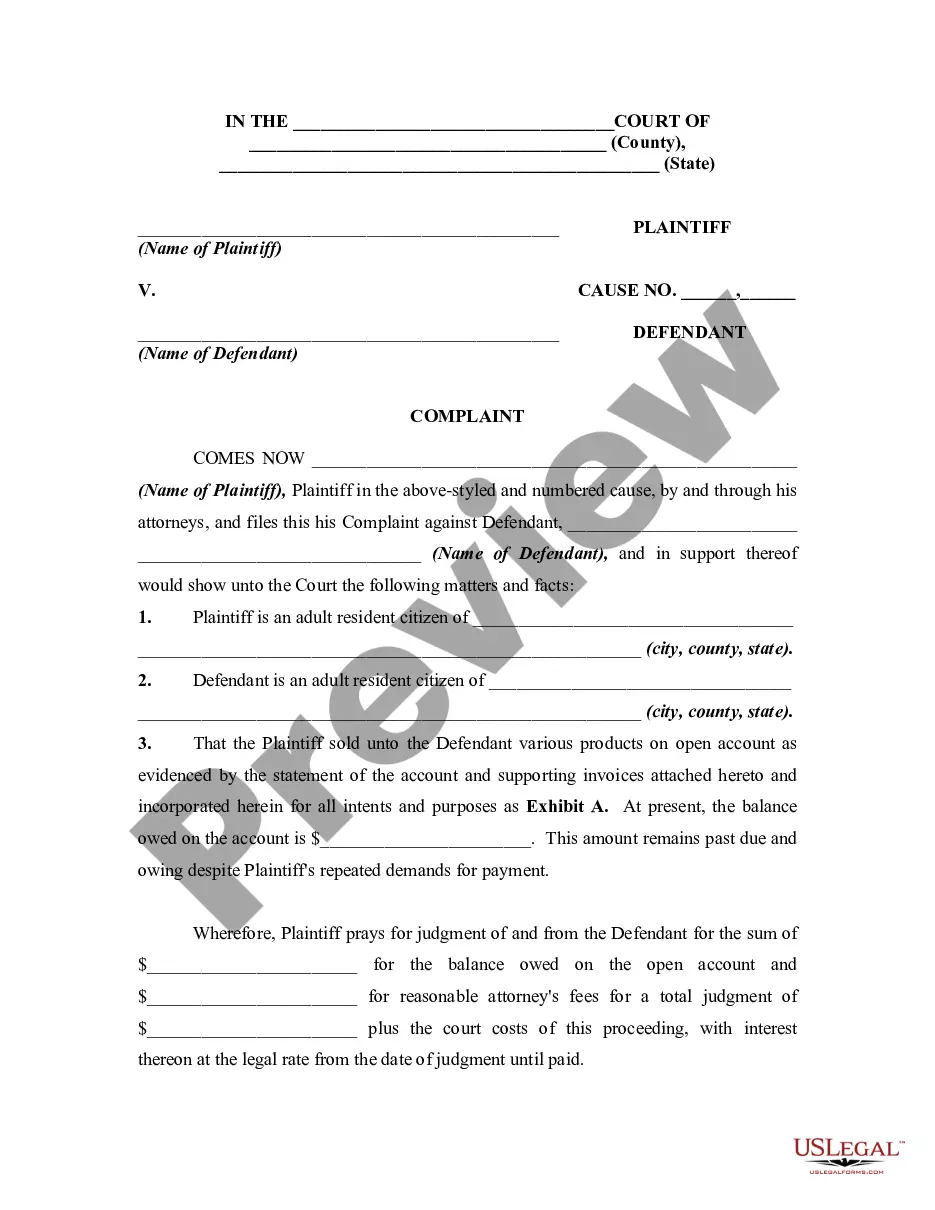
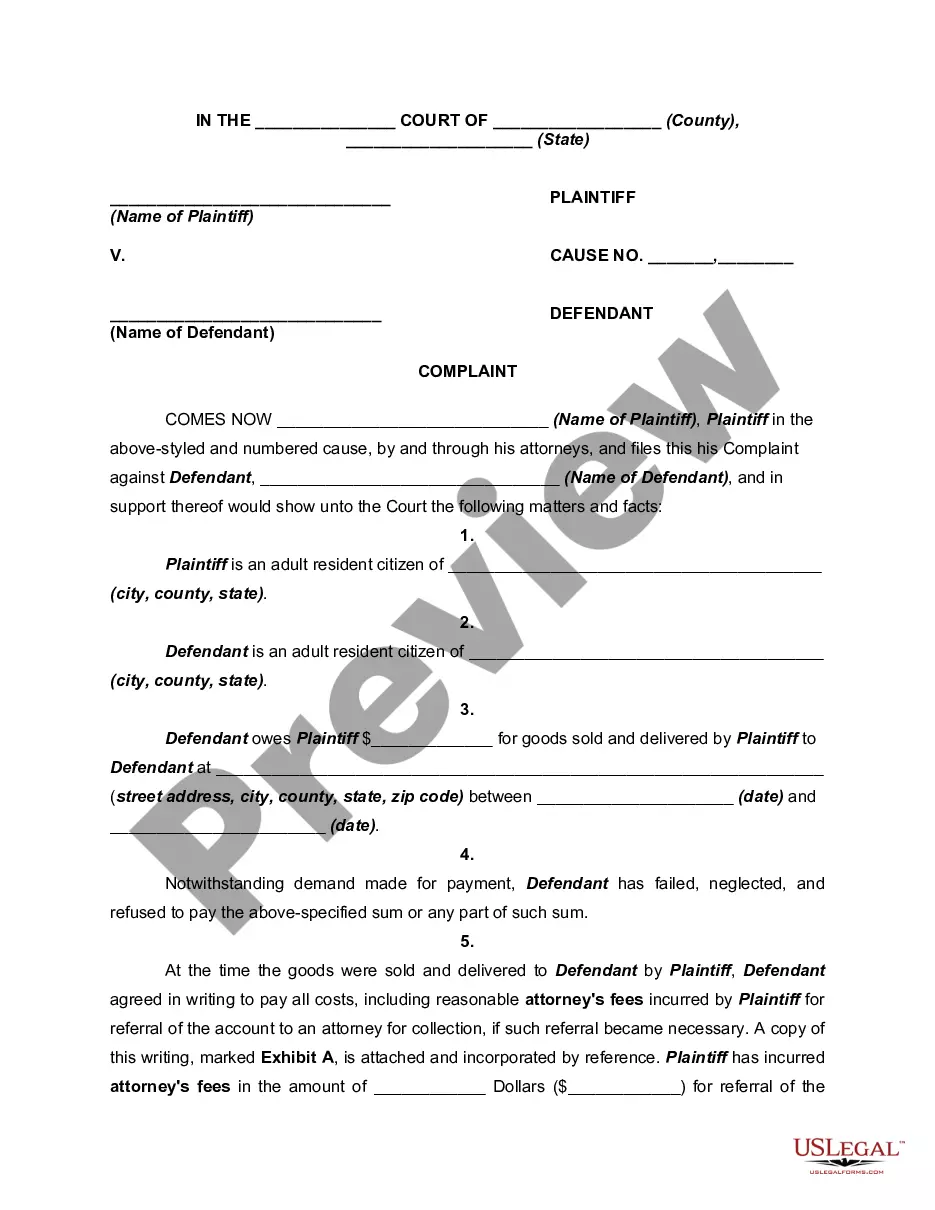
Get your form ready online
Our built-in tools help you complete, sign, share, and store your documents in one place.
Make edits, fill in missing information, and update formatting in US Legal Forms—just like you would in MS Word.
Download a copy, print it, send it by email, or mail it via USPS—whatever works best for your next step.
Sign and collect signatures with our SignNow integration. Send to multiple recipients, set reminders, and more. Go Premium to unlock E-Sign.
If this form requires notarization, complete it online through a secure video call—no need to meet a notary in person or wait for an appointment.
We protect your documents and personal data by following strict security and privacy standards.

Make edits, fill in missing information, and update formatting in US Legal Forms—just like you would in MS Word.

Download a copy, print it, send it by email, or mail it via USPS—whatever works best for your next step.

Sign and collect signatures with our SignNow integration. Send to multiple recipients, set reminders, and more. Go Premium to unlock E-Sign.

If this form requires notarization, complete it online through a secure video call—no need to meet a notary in person or wait for an appointment.

We protect your documents and personal data by following strict security and privacy standards.
Looking for another form?
How to fill out Complaint Based On Open Account, Breach Of Contract, Unjust Enrichment?
Selecting the optimal legitimate document template can be quite a challenge. Clearly, there are numerous templates accessible online, but how do you locate the legitimate form you require? Utilize the US Legal Forms website. The service offers thousands of templates, such as the Alaska Complaint regarding Open Account, Breach of Contract, Unjust Enrichment, that you can employ for business and personal purposes. All of the forms are reviewed by experts and comply with state and federal regulations.
If you are already registered, Log In to your account and click the Download button to access the Alaska Complaint regarding Open Account, Breach of Contract, Unjust Enrichment. Use your account to search through the legal forms you have acquired previously. Proceed to the My documents section of your account and obtain another copy of the document you need.
If you are a new user of US Legal Forms, here are simple steps you should follow: First, ensure you have chosen the correct form for your area/region. You can review the form using the Preview button and check the form description to confirm it is the right one for you. If the form does not meet your requirements, utilize the Search field to find the appropriate form. Once you are confident that the form is correct, click the Purchase now button to acquire the form. Select the pricing plan you desire and input the necessary information. Create your account and pay for the transaction using your PayPal account or credit card. Choose the file format and download the legal document template to your device. Finally, complete, review, print, and sign the received Alaska Complaint regarding Open Account, Breach of Contract, Unjust Enrichment. US Legal Forms is the largest repository of legal templates where you can find various document models. Utilize the service to download professionally crafted papers that adhere to state standards.
Form popularity
FAQ
A cause of action for unjust enrichment arises wherever there is a benefit received by one party at the cost of another. Unjust enrichment is a common law requirement that the law implicitly recognizes based on the particular case's equities and not on any contractual obligations.
The elements of unjust enrichment exist if: 1) you provided something of value to the defendant; 2) the defendant acknowledged, accepted and benefitted from what you provided; and 3) it would be inequitable for the defendant to enjoy the benefit you provided without compensating you.
Overview. Unjust enrichment occurs when Party A confers a benefit upon Party B without Party A receiving the proper restitution required by law. This typically occurs in a contractual agreement when Party A fulfills his/her part of the agreement and Party B does not fulfill his/her part of the agreement.
The Restatement (Third) of Restitution and Unjust Enrichment (2011) (?R3RUE?) states that unjust enrichment is a body of legal obligations under the common law and equity ? but separate from tort and contract law ? that is available to take away an enrichment that lacks an adequate legal basis.
Unjust enrichment is an equitable doctrine that requires a party to make restitution to another if they have been enriched at the other party's expense. Court Opinions. The doctrine applies when there is no adequate remedy at law and there is no contract between the parties. Court Opinions.
Unjust enrichment is determined by three conditions: The contractor provides materials or services of value to the owner. The owner is benefited or enriched by the materials or services received from the contractor. There is reasonable expectation of compensation for the services or materials provided by the contractor.
An example is instances where one person transfers electronic funds into the incorrect bank account and the enriched person then receives and uses the money. This commonly occurs in situations involving a breach of contract where one party begins providing goods or services with the expectation of being paid.
You Either Have Breach of Contract, or Unjust Enrichment. You Can't Have Both. Simply put, as a claimant you must decide from the get-go whether your claim is based upon the breach of a valid written contract, or whether your claim is grounded in quasi-contract, i.e., to seek recovery on an strictly equitable basis.