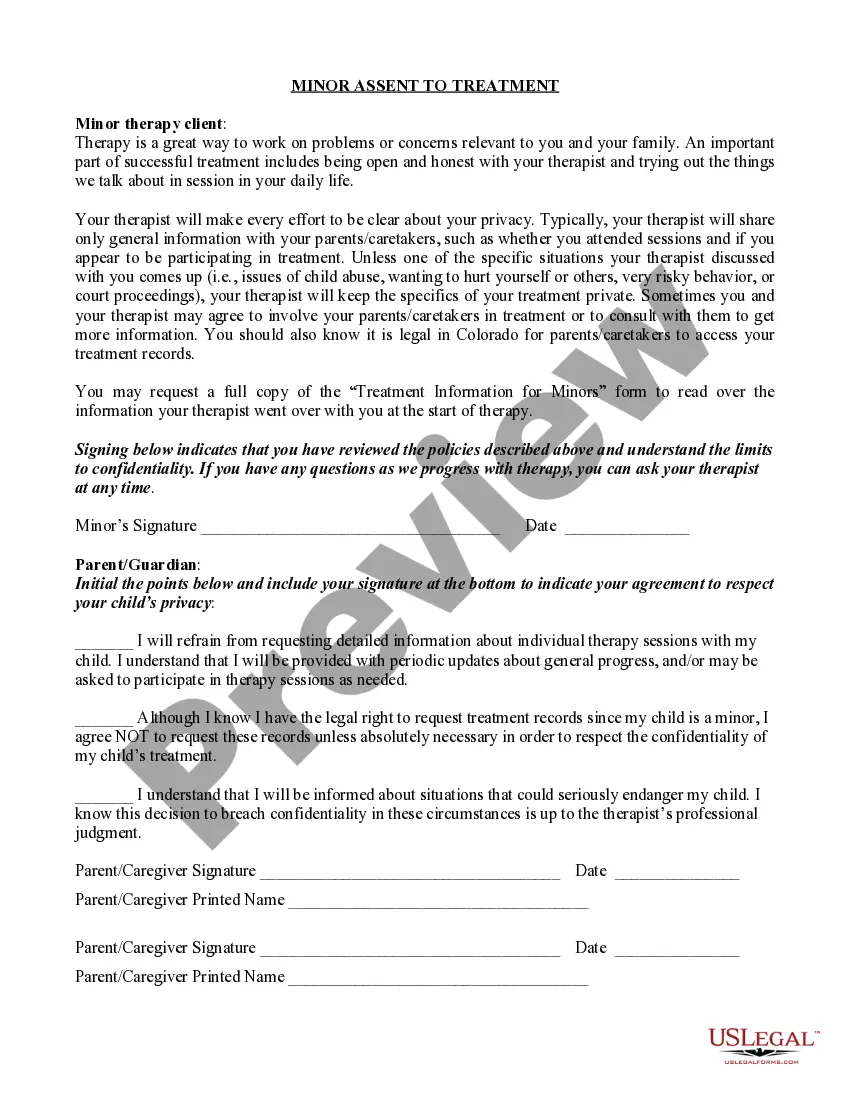
Alabama Deed Reserving Life Estate
What this document covers
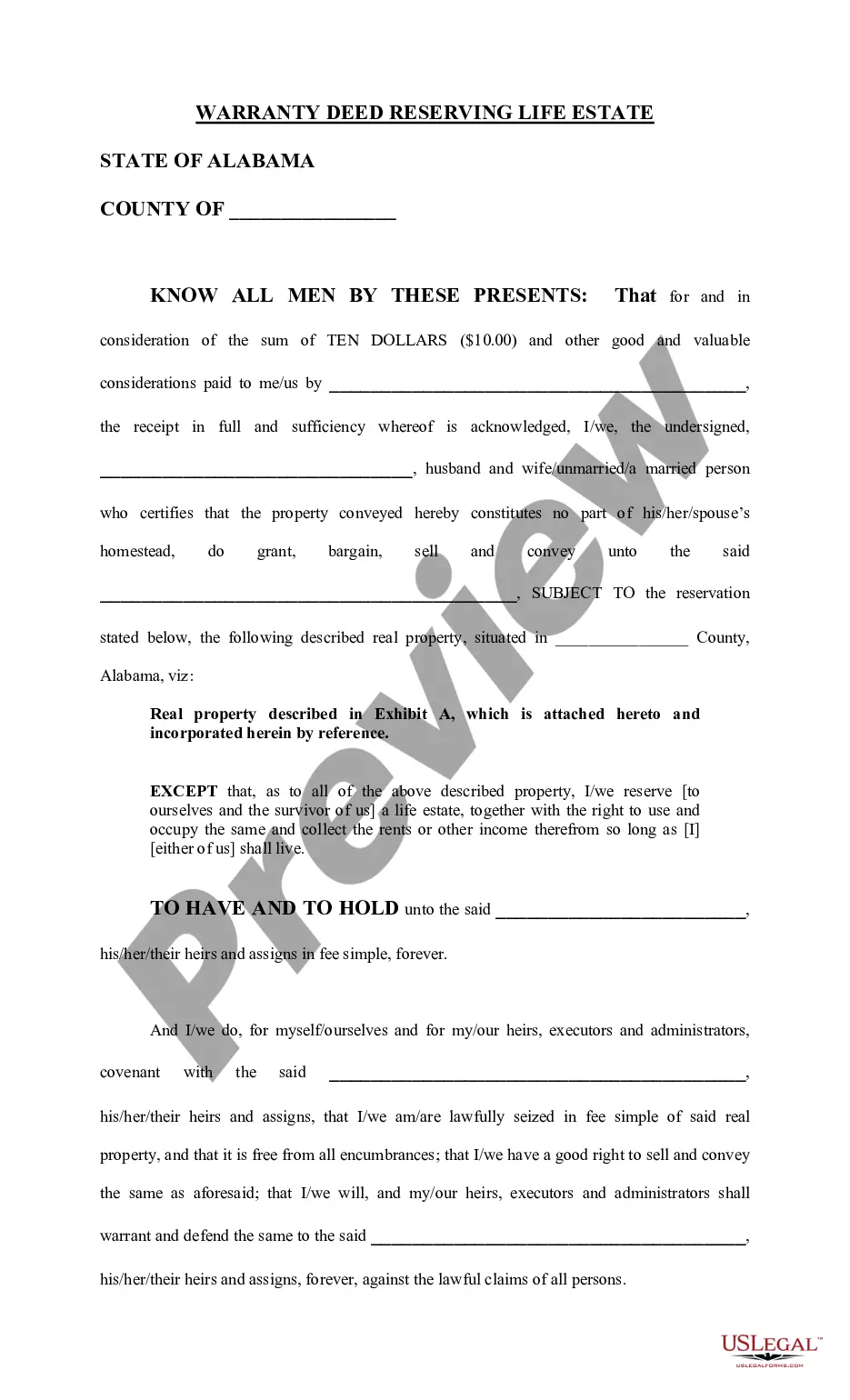
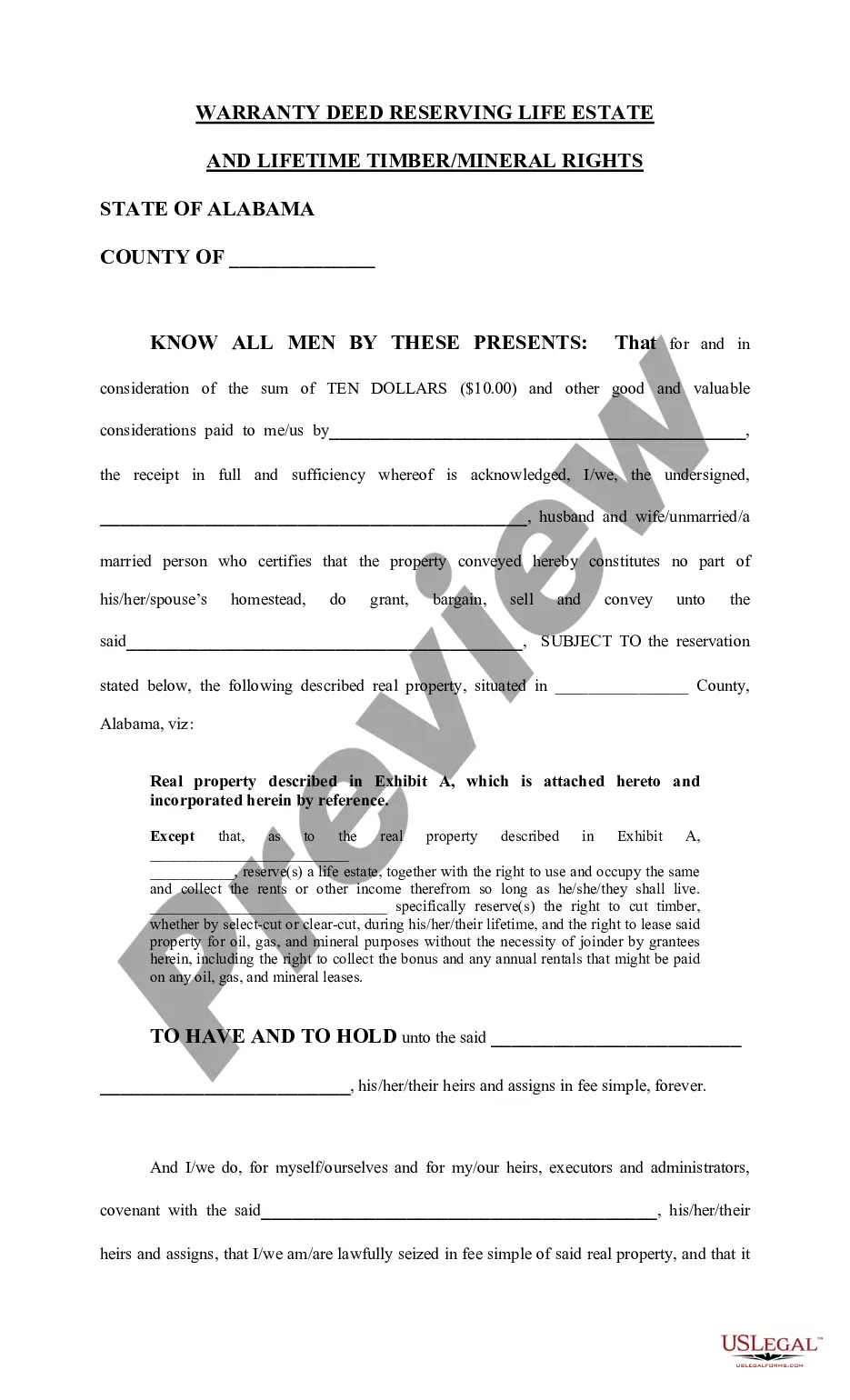
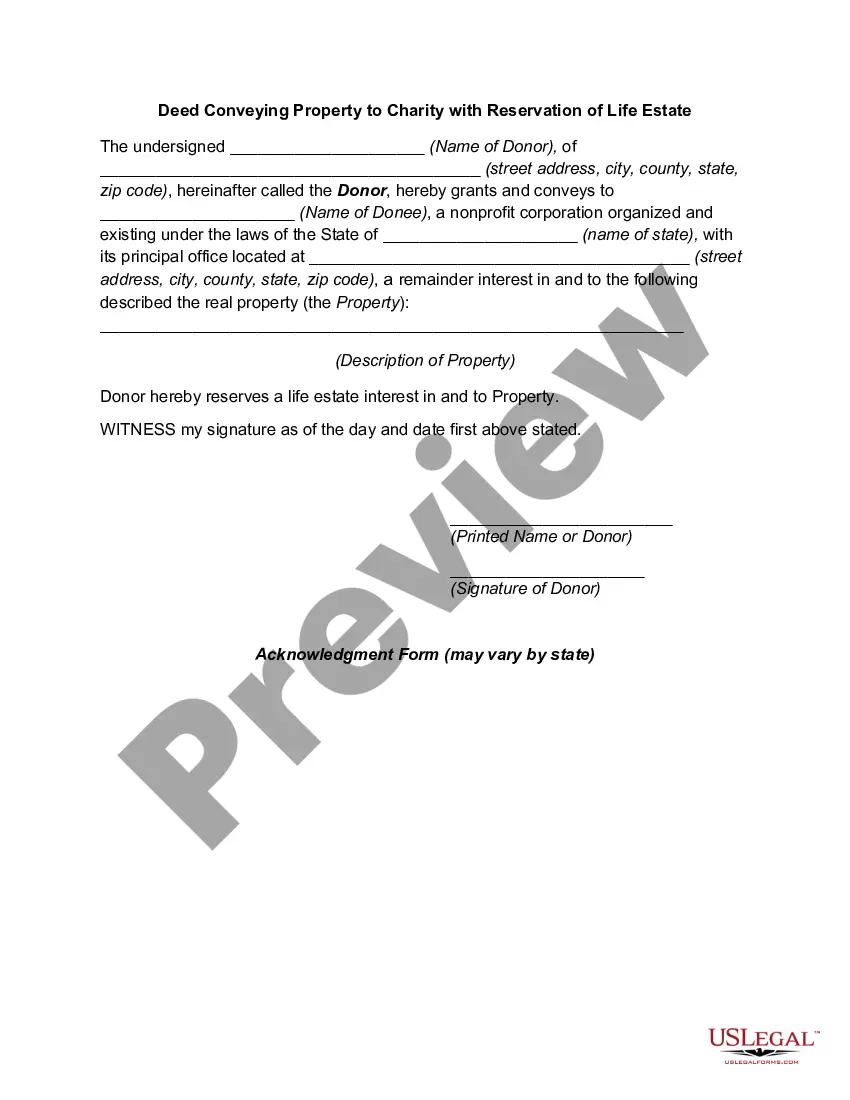
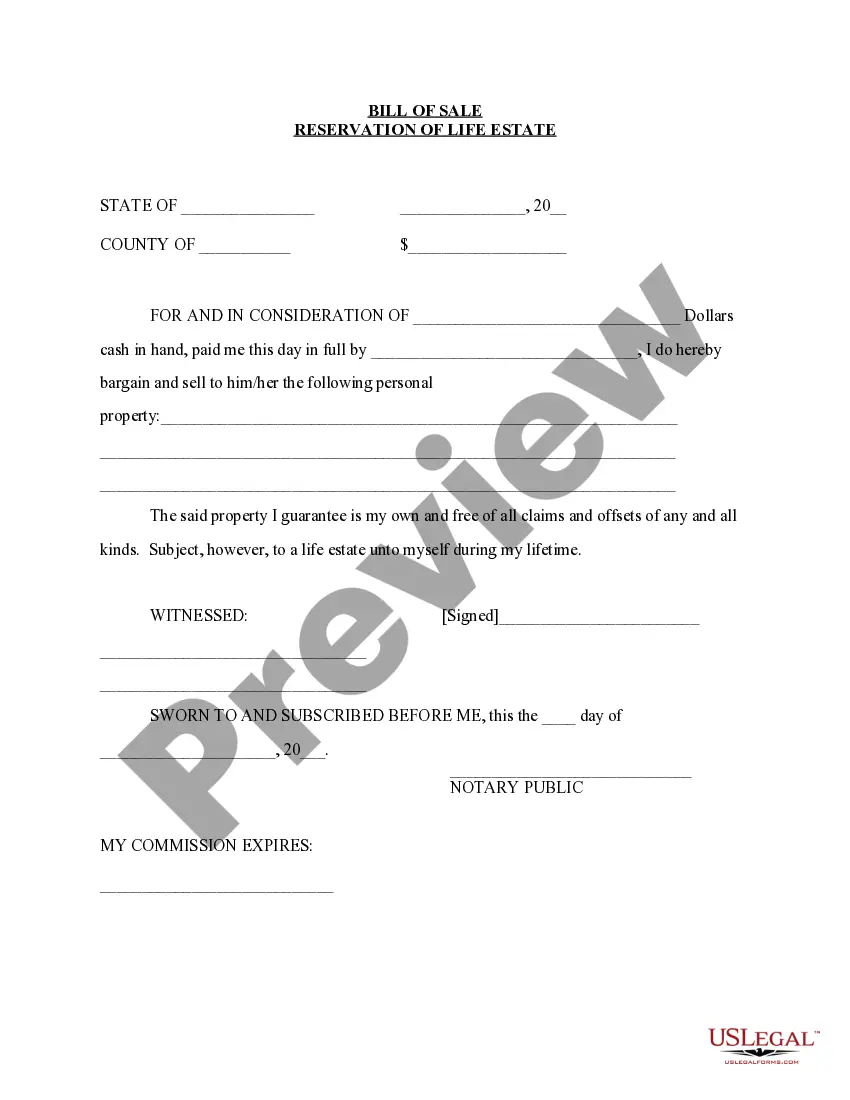
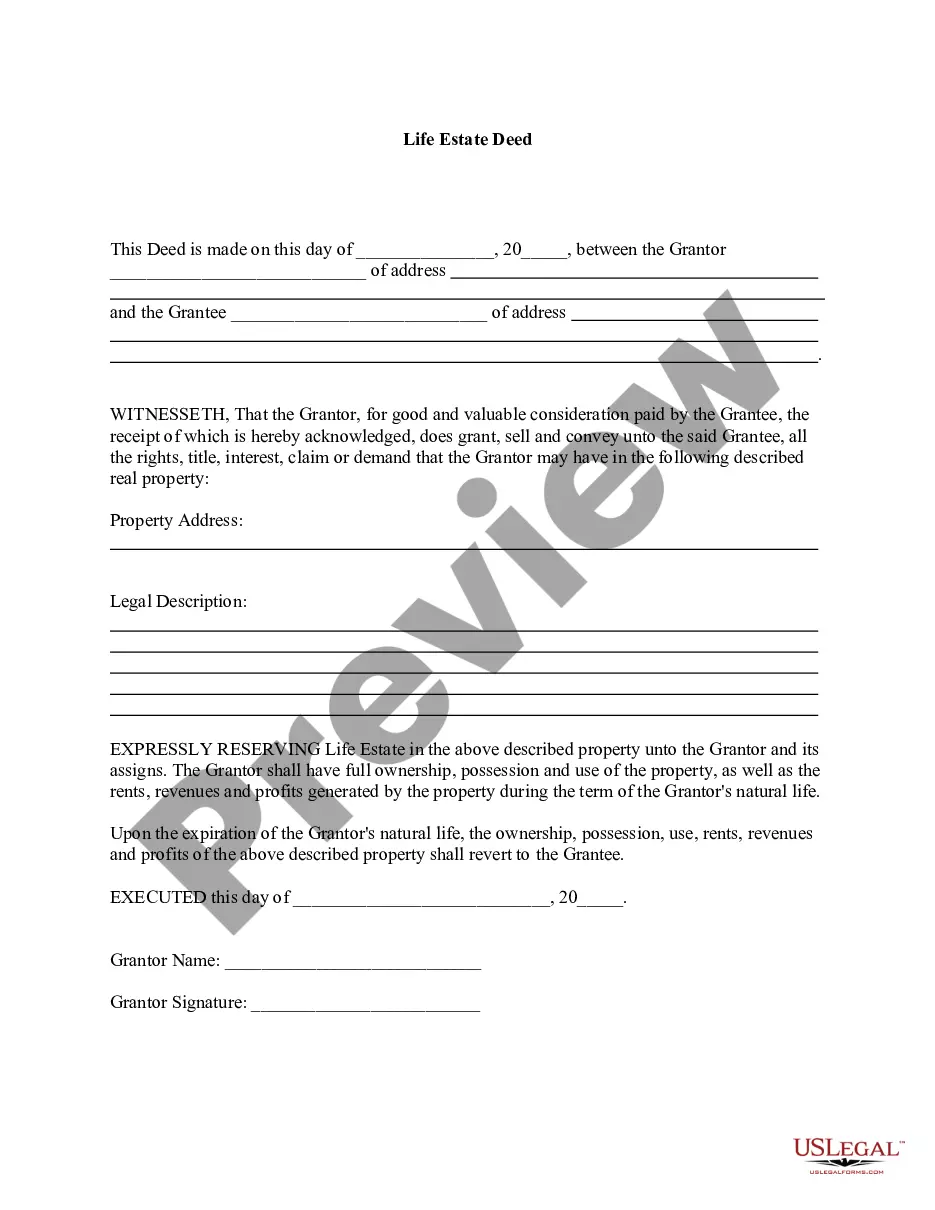
The Deed Reserving Life Estate is a legal document that allows a property owner (the grantor) to transfer ownership of the property to another party (the grantee) while retaining the right to use and occupy the property for the duration of their life. This form creates a life estate, ensuring the grantor can benefit from the property's usage and any income it generates until their passing. This distinguishes it from a standard warranty deed, which transfers full ownership without any reservations.
Key parts of this document
- Identification of the grantor and grantee, including legal names.
- Description of the property being conveyed, often detailed in an attached exhibit.
- Statement reserving a life estate for the grantor, allowing them to live in and profit from the property.
- Warranties from the grantor regarding ownership and absence of encumbrances.
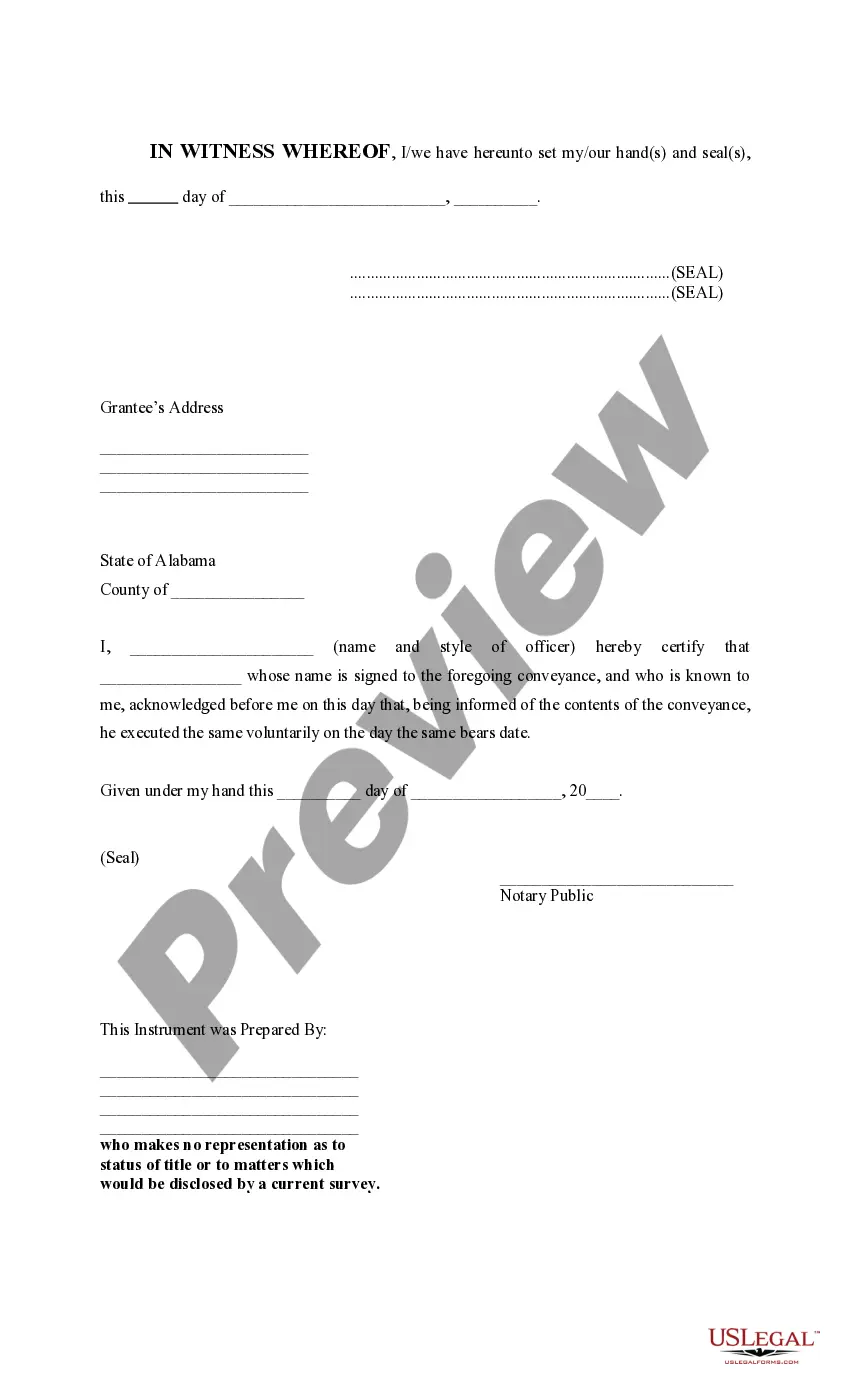
- Signatures of the grantor(s) and a notary public to validate the document.
When this form is needed
This form is typically used when a property owner wishes to pass ownership of real estate to a loved one or another party while retaining personal rights to live on the property. It is common in estate planning scenarios where the grantor wants to ensure continued benefits from the property during their lifetime while facilitating a smooth transfer of ownership upon their death.
Who should use this form
- Property owners wanting to retain living rights to a property while transferring ownership.
- Individuals involved in estate planning who wish to manage their real estate assets effectively.
- Couples or family members interested in securing property rights for specific heirs.
Instructions for completing this form
- Identify the parties involved by entering the names of the grantor and grantee at the beginning of the form.
- Clearly describe the property being transferred, referencing any attached descriptions or exhibits.
- Specify the reservation of the life estate, detailing the rights retained by the grantor.
- Sign and date the document, ensuring all signatures are witnessed or notarized as required.
- Provide the addresses of the grantee and any additional information necessary for record-keeping.
Notarization guidance
To make this form legally binding, it must be notarized. Our online notarization service, powered by Notarize, lets you verify and sign documents remotely through an encrypted video session.
Get your form ready online
Our built-in tools help you complete, sign, share, and store your documents in one place.
Make edits, fill in missing information, and update formatting in US Legal Forms—just like you would in MS Word.
Download a copy, print it, send it by email, or mail it via USPS—whatever works best for your next step.
Sign and collect signatures with our SignNow integration. Send to multiple recipients, set reminders, and more. Go Premium to unlock E-Sign.
If this form requires notarization, complete it online through a secure video call—no need to meet a notary in person or wait for an appointment.
We protect your documents and personal data by following strict security and privacy standards.
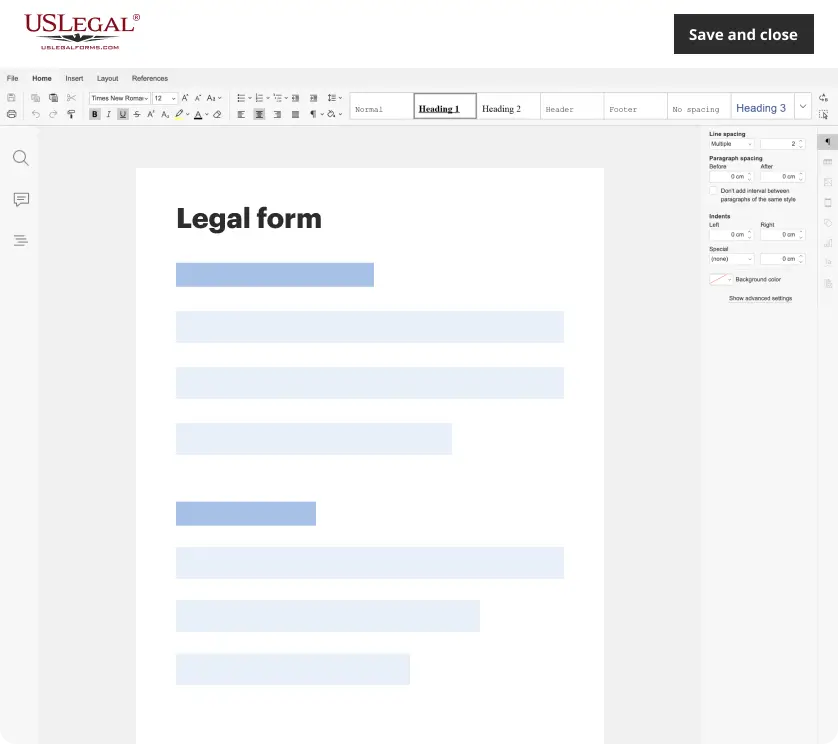
Make edits, fill in missing information, and update formatting in US Legal Forms—just like you would in MS Word.
Download a copy, print it, send it by email, or mail it via USPS—whatever works best for your next step.
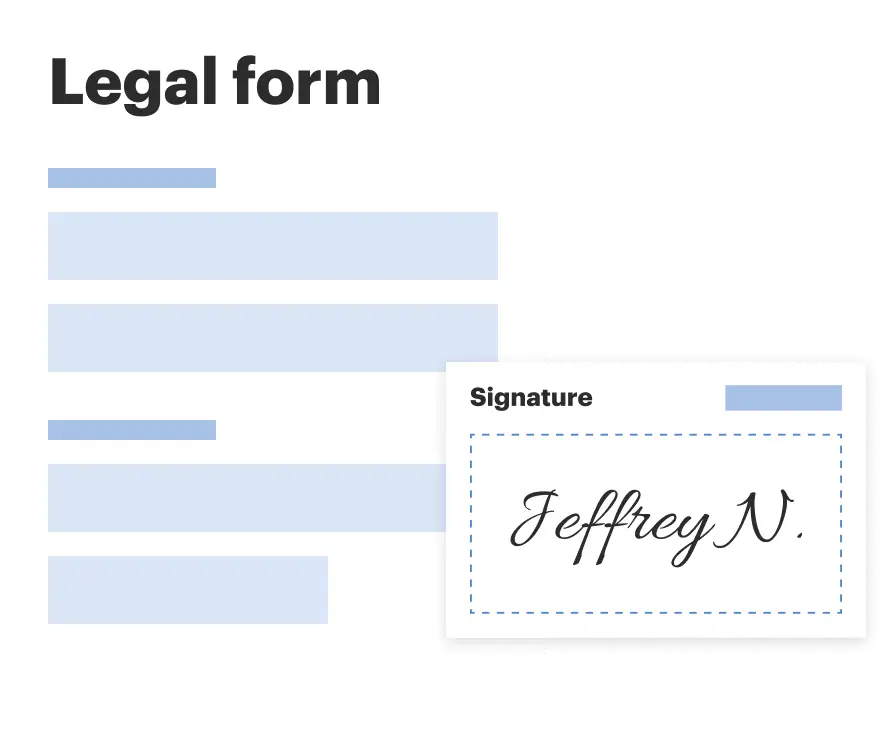
Sign and collect signatures with our SignNow integration. Send to multiple recipients, set reminders, and more. Go Premium to unlock E-Sign.

If this form requires notarization, complete it online through a secure video call—no need to meet a notary in person or wait for an appointment.

We protect your documents and personal data by following strict security and privacy standards.
Common mistakes
- Failing to clearly identify the property, which can lead to disputes later.
- Not including all necessary signatures, which may invalidate the deed.
- Omitting the reservation clause, which is crucial for establishing the life estate.
Benefits of using this form online
- Convenience of immediate access and downloadable formats.
- Editability allows for customization to meet specific needs and requirements.
- Assurance of legal compliance since the form is drafted by licensed attorneys.
Looking for another form?
Form popularity
FAQ
A life estate deed permits the property owner to have full use of their property until their death, at which point the ownership of the property is automatically transferred to the beneficiary.
For example, life tenants retain the Income Tax Deduction for Real Estate Taxes. As the owner of the property by virtue of the life estate, a life tenant may continue to deduct the real estate taxes he pays on his federal income tax return.
A life estate is a form of co-ownership that allows owners to hold interests at different points in time. One ownercalled a life tenantcan hold title to the property for his or her life. At the life tenant's death, the property passes automatically to another owner called a remainderman or remainder beneficiary.
Can a life estate deed be contested? The answer is YES! The Life estate is an agreeable choice, particularly where there is an advantage in having the life estate revert back to its real owner (Grantor or Life Tenant).
The person holding the life estate -- the life tenant -- possesses the property during his or her life. The other owner -- the remainderman -- has a current ownership interest but cannot take possession until the death of the life estate holder.
The two types of life estates are the conventional and the legal life estate. the grantee, the life tenant. Following the termination of the estate, rights pass to a remainderman or revert to the previous owner.
When a person dies, beneficiaries might learn that the decedent made a deed that conflicts with the specific wording in his will. Generally, a deed will override the will. However, which legal document prevails also depends on state property laws and whether the state has adopted the Uniform Probate Code.
A life estate deed allows you to transfer property while reserving an interest during your lifetime or during the lifetime of someone else. Once the person who holds the life estate passes away, the Grantee fully owns the property.