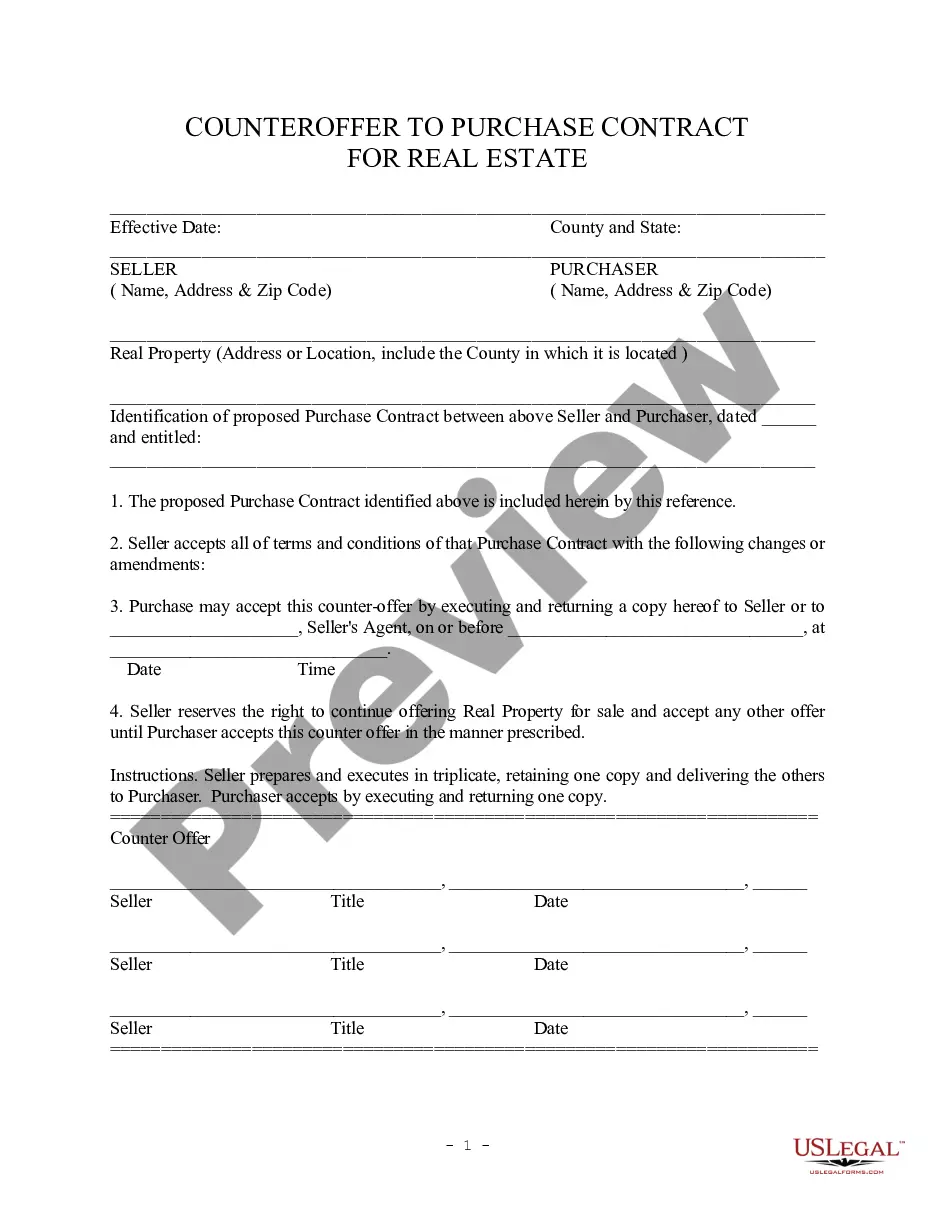
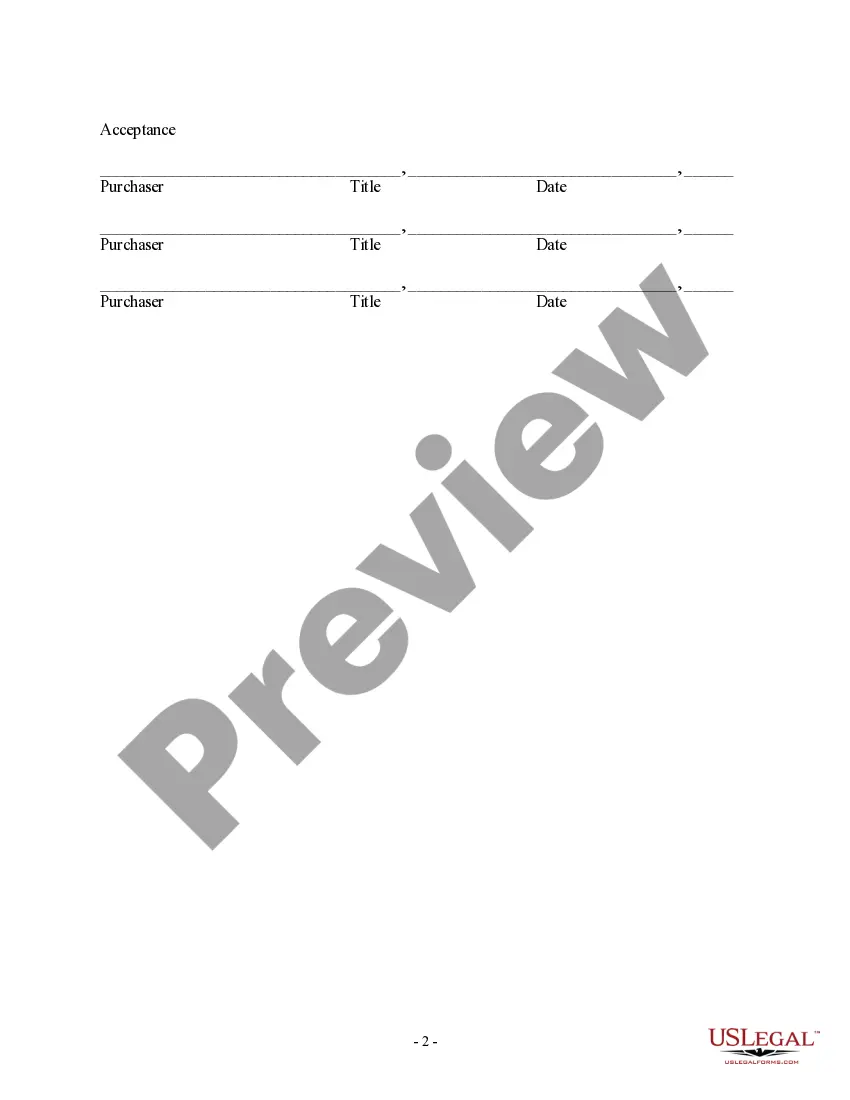
Arizona Counter Offer to Purchase 3 - Residential
Description
Get your form ready online
Our built-in tools help you complete, sign, share, and store your documents in one place.
Make edits, fill in missing information, and update formatting in US Legal Forms—just like you would in MS Word.
Download a copy, print it, send it by email, or mail it via USPS—whatever works best for your next step.
Sign and collect signatures with our SignNow integration. Send to multiple recipients, set reminders, and more. Go Premium to unlock E-Sign.
If this form requires notarization, complete it online through a secure video call—no need to meet a notary in person or wait for an appointment.
We protect your documents and personal data by following strict security and privacy standards.

Make edits, fill in missing information, and update formatting in US Legal Forms—just like you would in MS Word.

Download a copy, print it, send it by email, or mail it via USPS—whatever works best for your next step.

Sign and collect signatures with our SignNow integration. Send to multiple recipients, set reminders, and more. Go Premium to unlock E-Sign.

If this form requires notarization, complete it online through a secure video call—no need to meet a notary in person or wait for an appointment.

We protect your documents and personal data by following strict security and privacy standards.
Looking for another form?
How to fill out Counter Offer To Purchase 3 - Residential?
Are you presently in a position where you require documents for both business and personal activities almost every day.
There are numerous legitimate document templates accessible online, but locating trustworthy ones can be challenging.
US Legal Forms provides a vast selection of form templates, such as the Arizona Counter Offer to Purchase 3 - Residential, specifically crafted to meet federal and state requirements.
Once you locate the correct form, click on Buy now.
Select the pricing plan you desire, fill out the necessary information to create your account, and complete the transaction using your PayPal or credit card.
- If you are already familiar with the US Legal Forms website and have an account, simply Log In.
- Then, you will be able to download the Arizona Counter Offer to Purchase 3 - Residential template.
- If you do not have an account and wish to start using US Legal Forms, follow these steps.
- Find the form you need and ensure it is for the correct region/location.
- Use the Review button to examine the form.
- Check the description to make sure that you have chosen the right form.
- If the form does not match what you're looking for, utilize the Search option to locate the form that fits your needs.
Form popularity
FAQ
The first step to maximizing your salary is to make a counter that pushes the company higher into the range of salaries that they're willing to pay you while not pushing too hard. So how do you do that? A good range for a counter is between 10% and 20% above their initial offer.
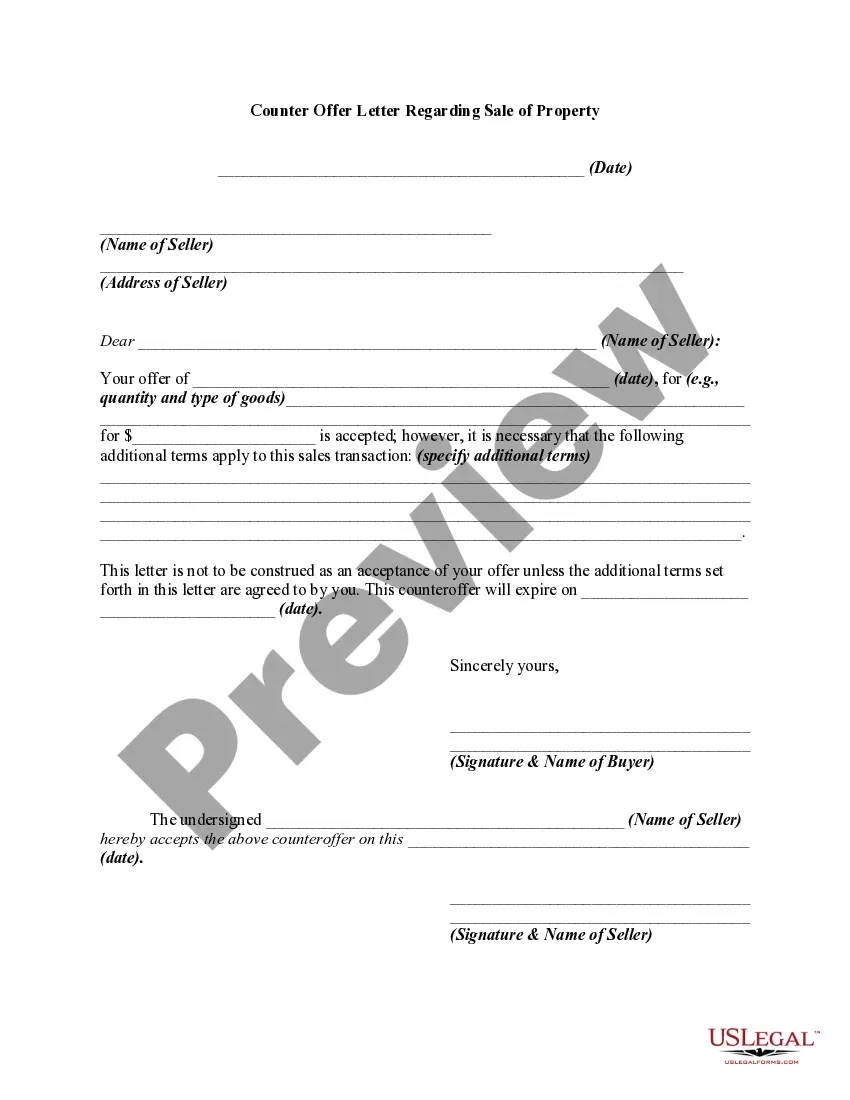
For example, a seller wants to sell a vehicle for $20,000. A buyer arrives and offers $15,000 for the vehicle. The offerer provides a counteroffer, asking for $16,000 with the objective of obtaining a higher price.
If the seller either receives one or more responses to a multiple counter offer (either accepting it, or in turn countering it), the seller must accept and sign one response in order to make the contract ratified. If a buyer simply accepts the multiple counter offer, that does not mean the buyer has a valid contract.
When it comes to counter offers in real estate, there's no set number that constitutes the norm. A buyer and seller could go back and forth with one or many. But in most cases, there are only so many counter offers a potential buyer and seller will make before a real estate transaction just falls through.
Many people put their first offer in at 5% to 10% below the asking price as a lot of sellers will price their houses above the actual valuation, to make room for negotiations. Don't go in too low or too high for your opening bid. If you make an offer that's way below the asking price, you won't be taken seriously.
A counteroffer in the home buying process refers to a return offer given by the seller in response to the original bid. When a seller gets an offer, they can choose to accept, reject or counter. In return, if the seller makes a counteroffer, a buyer can choose to accept, reject or counter it.
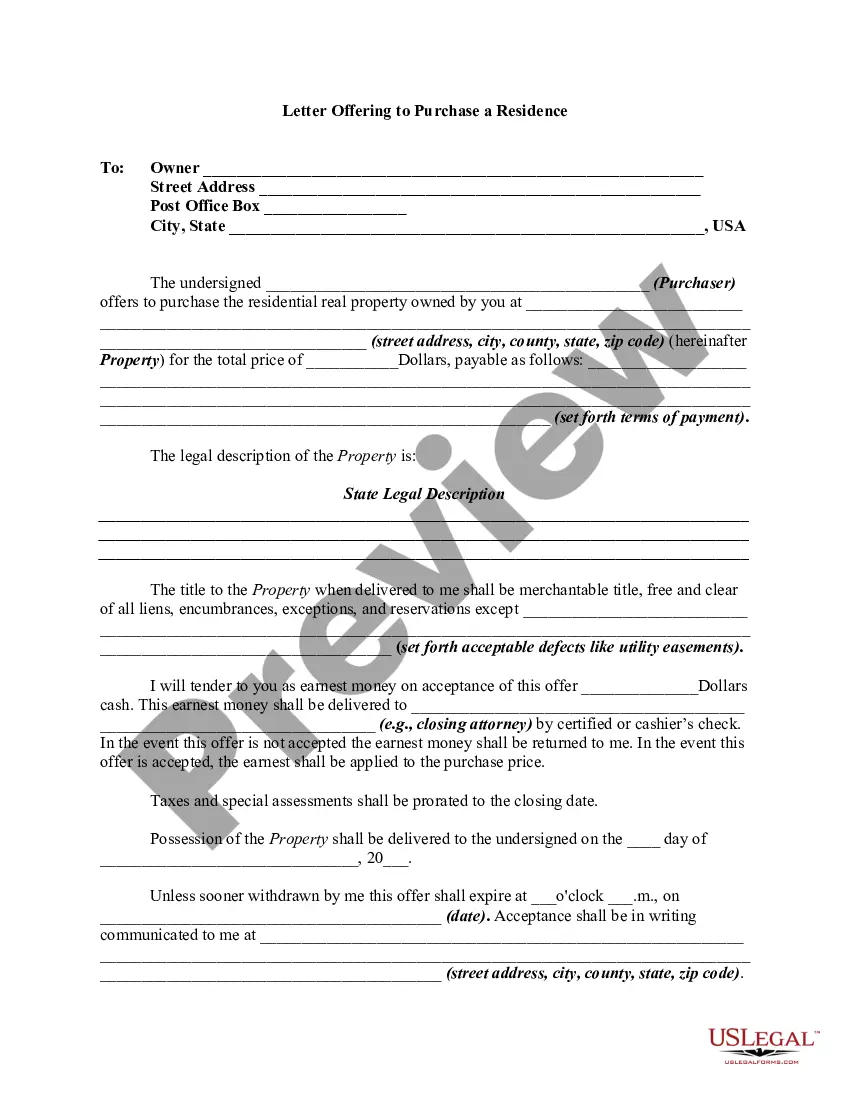
Buyers can also counter a seller's counteroffer, as we mentioned in the previous example. There are no limits to the number of counteroffers that you can submit as a buyer. Home buyers first create an offer that may be below the asking price when they want to negotiate the house price presented by the home seller.
The multiple counteroffer used by the California Association of Realtors includes a disclosure that puts the buyer on notice that the seller is countering more than one buyer.
You can increase your asking price by enough to still get as high as your list price after paying the buyer's closing costs. If your list price is $200,000, and the buyer offers $190,000 with $6,000 toward closing, you would counter with something between $196,000 and $206,000, with $6,000 for closing costs.
If they like two or more offers and want to counter them, they have an option to issue a Multiple Counter Offer. With the multiple counter offer process, the seller decides after one or more of the buyers accepts (or if they counter back and forth, or if one buyer improves his or her offer).