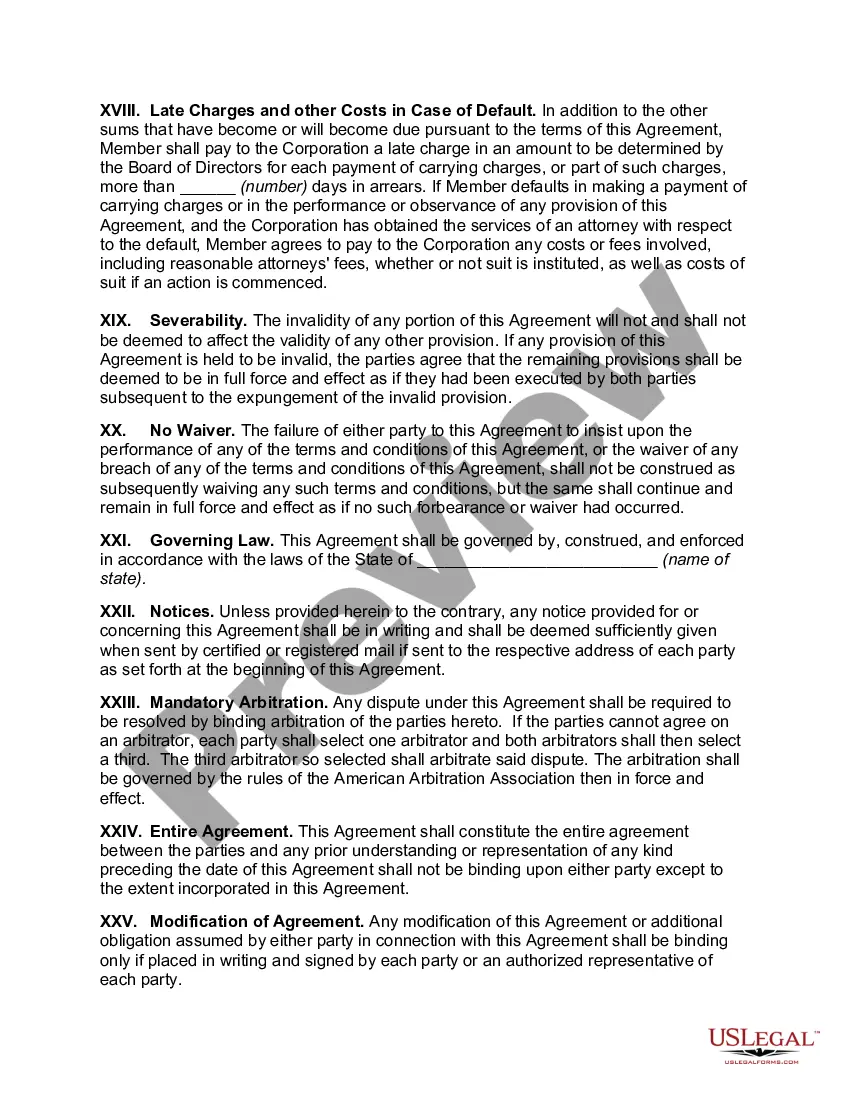
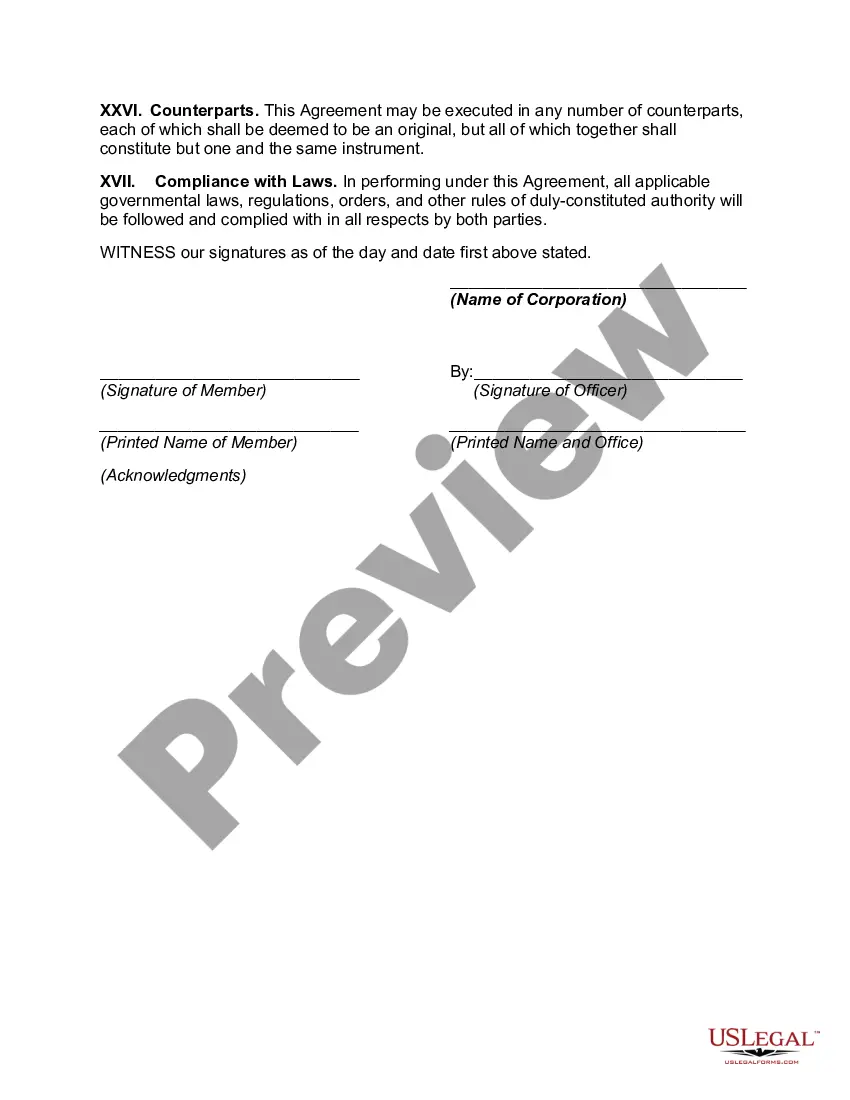
Connecticut Occupancy Agreement Between Cooperative Housing Corporation and Member/Shareholder
Description
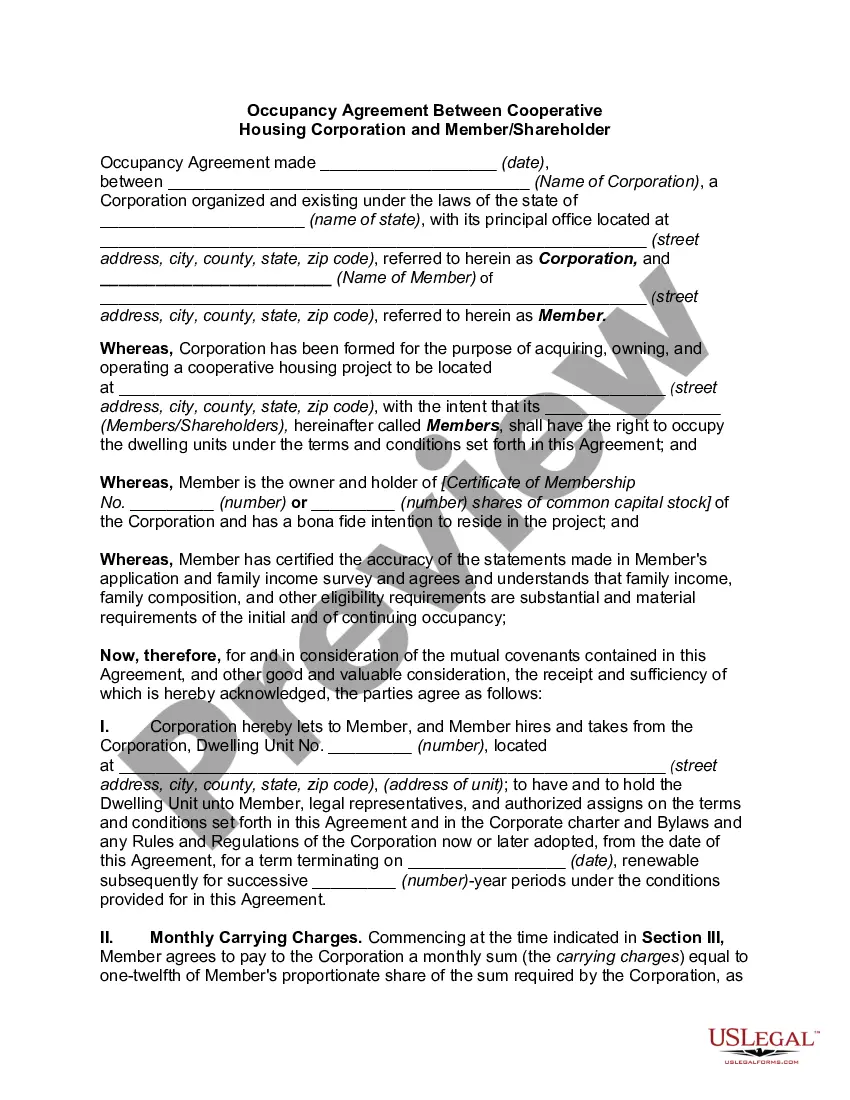
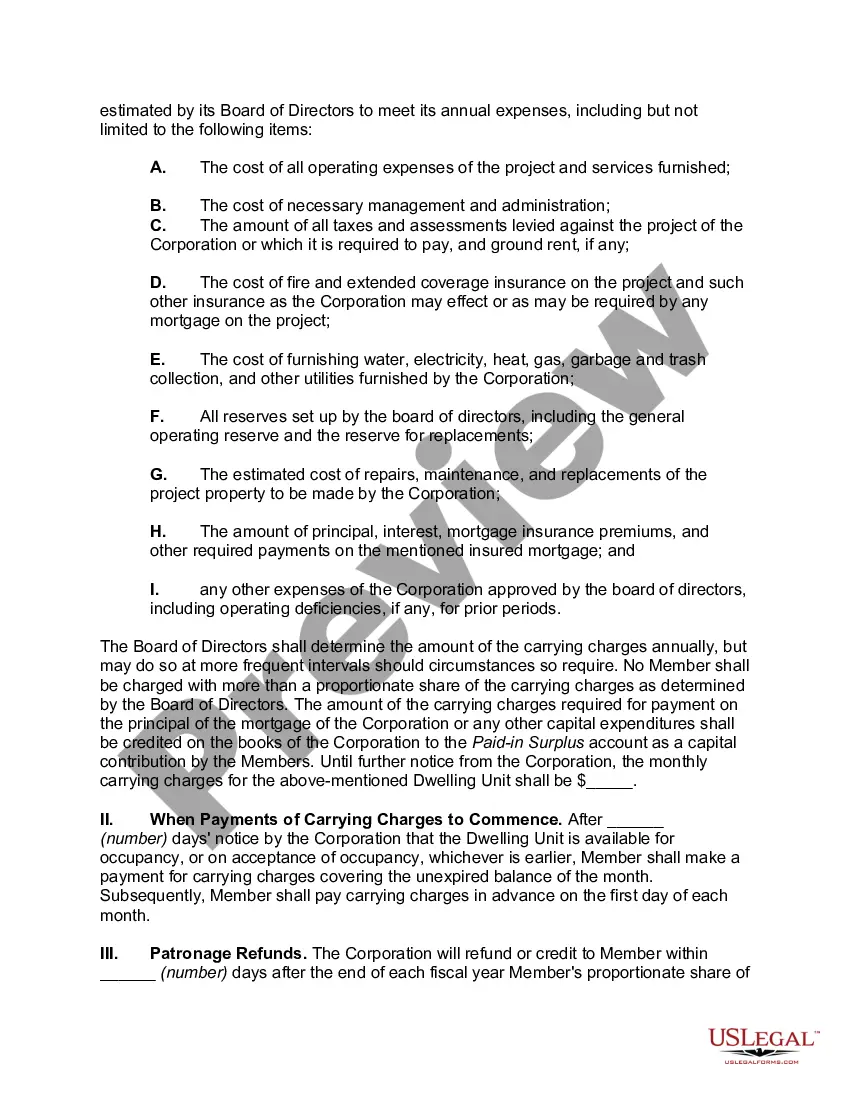
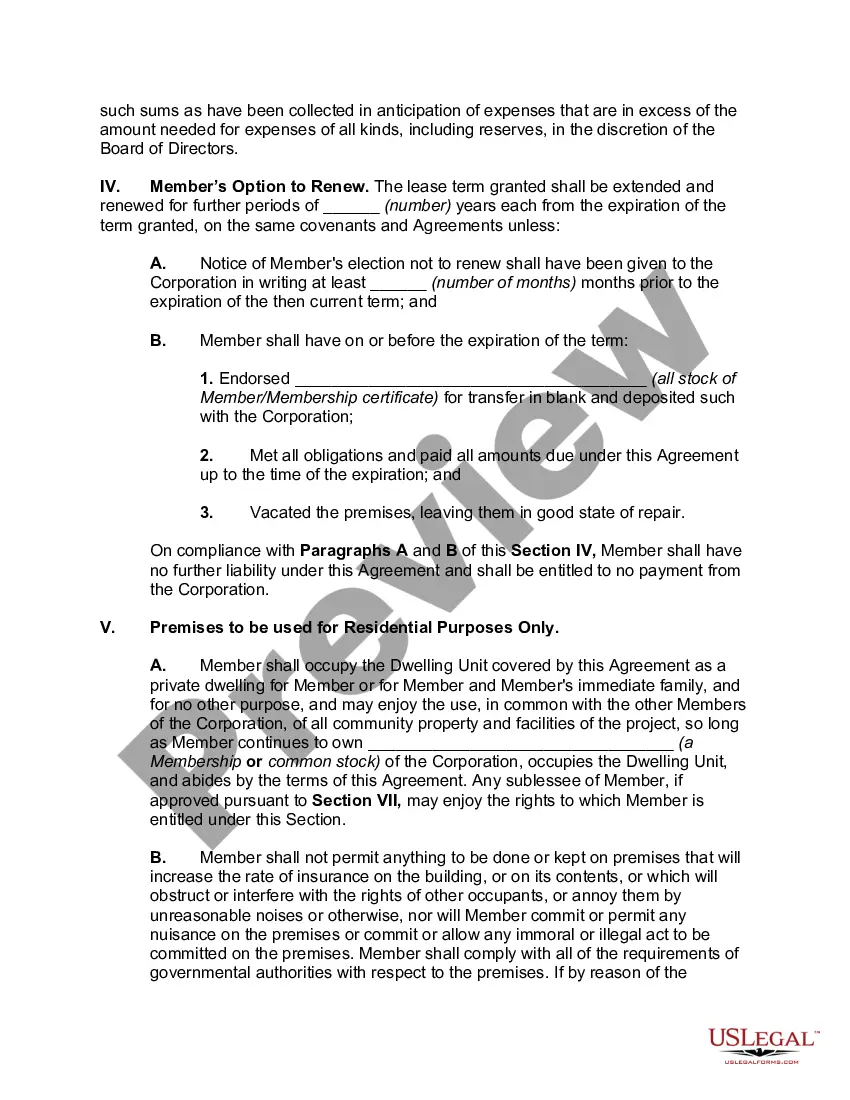
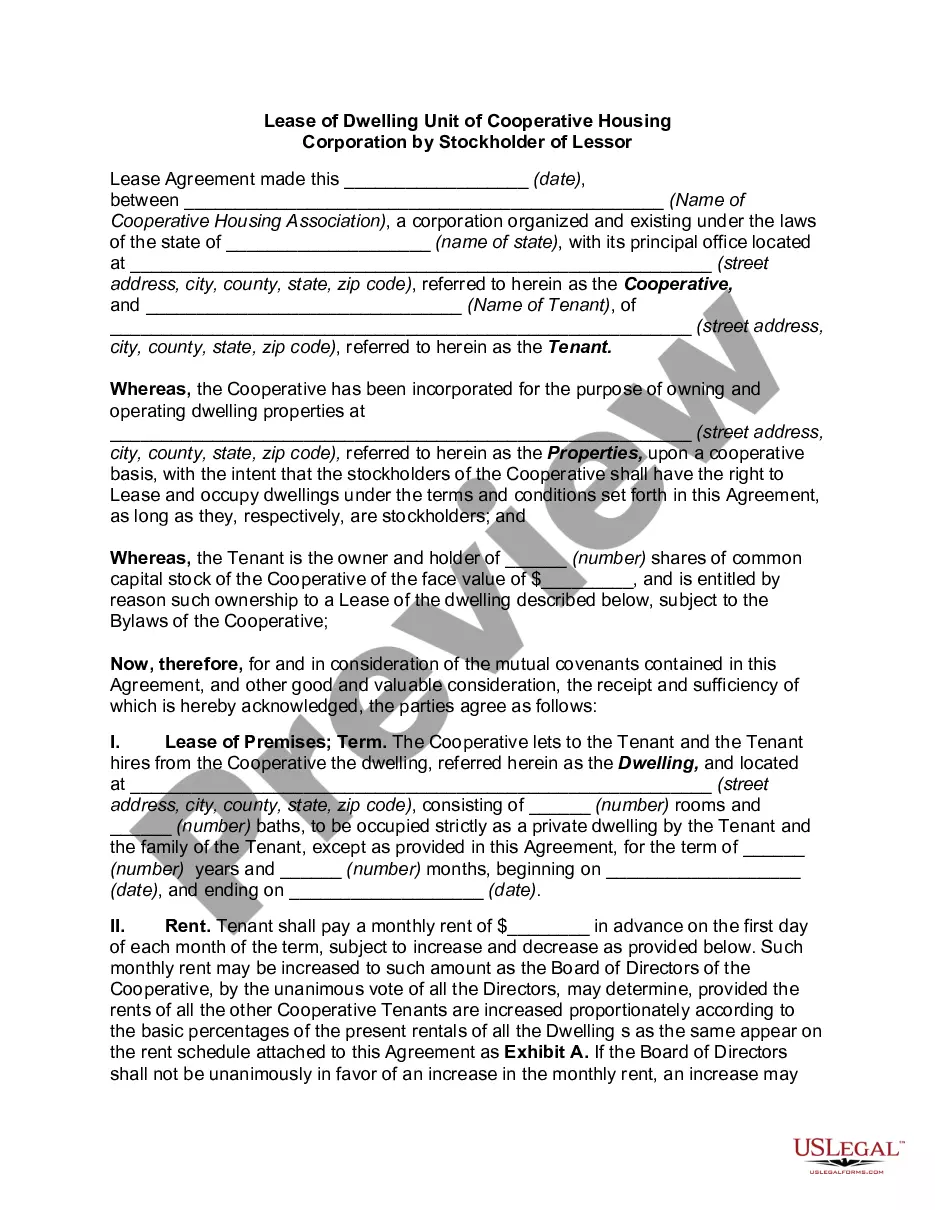
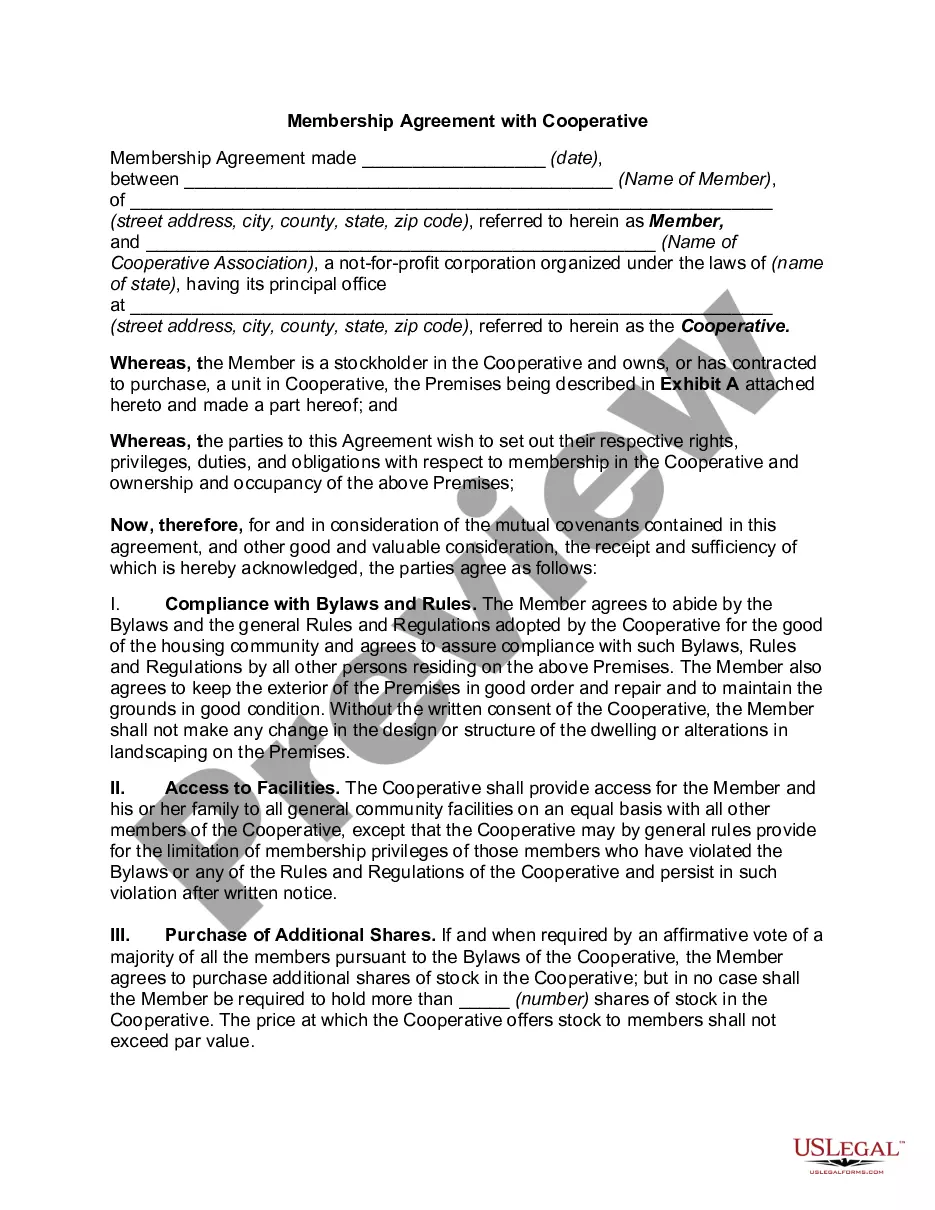
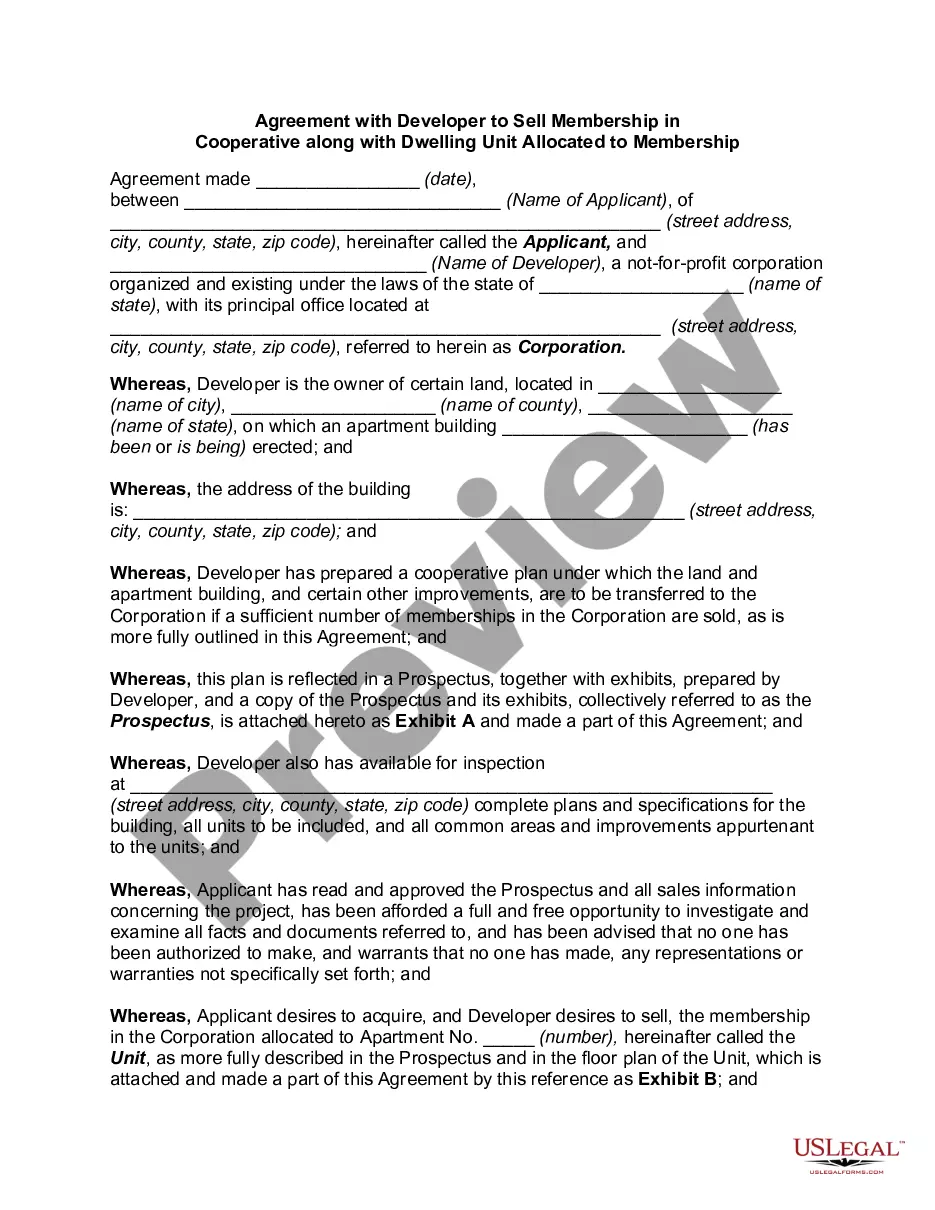




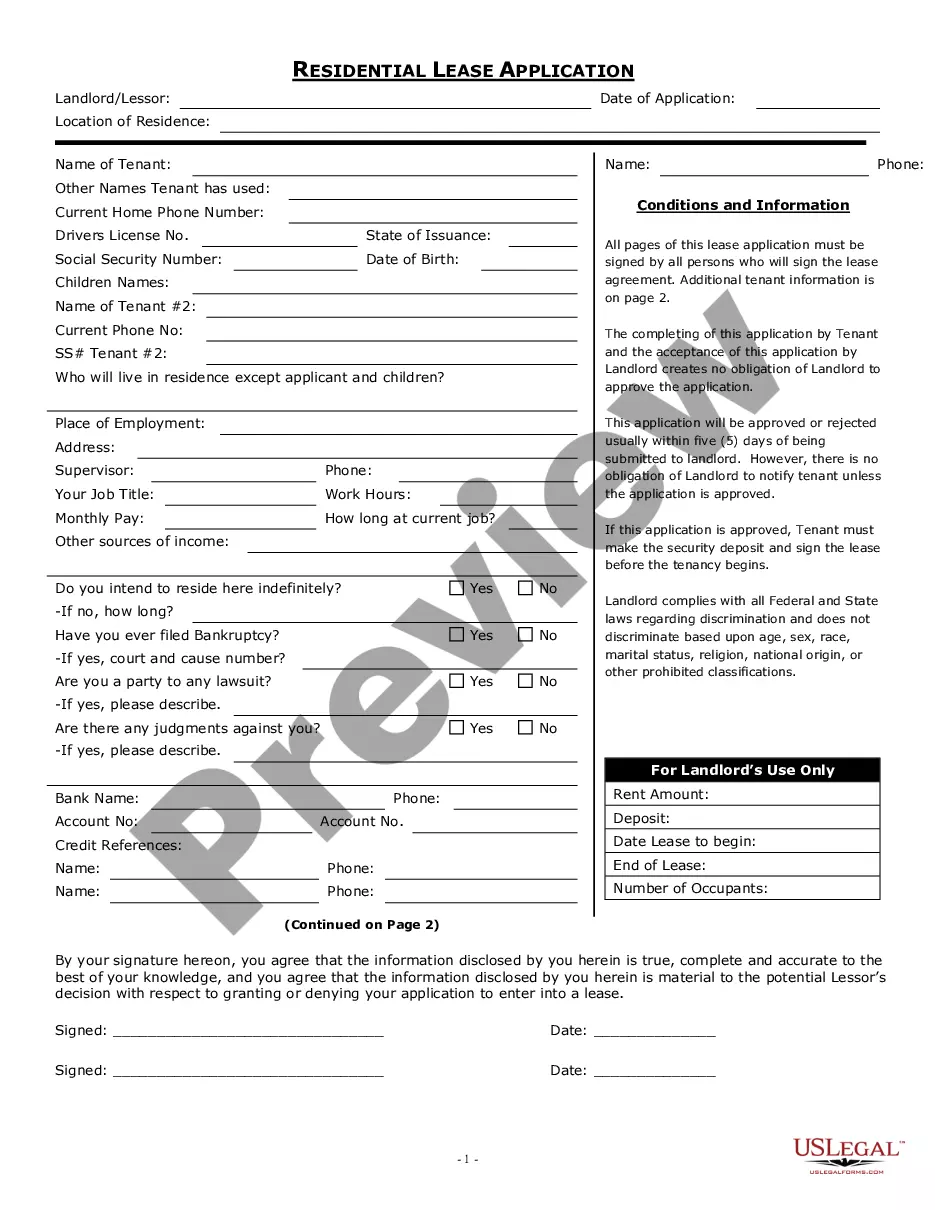
How to fill out Occupancy Agreement Between Cooperative Housing Corporation And Member/Shareholder?
US Legal Forms - one of the largest collections of legal documents in the United States - provides a broad selection of legal form templates that you can acquire or generate.
Using the website, you can access thousands of forms for both business and personal purposes, organized by categories, states, or keywords.
You can get the latest versions of forms such as the Connecticut Occupancy Agreement Between Cooperative Housing Corporation and Member/Shareholder within moments.
Read the form details to confirm that you have chosen the right form.
If the form does not suit your requirements, use the Search bar at the top of the screen to find one that does.
- If you already have a monthly subscription, Log In and obtain the Connecticut Occupancy Agreement Between Cooperative Housing Corporation and Member/Shareholder from the US Legal Forms library.
- The Download button will appear on every form you view.
- You can access all previously downloaded forms from the My documents section of your profile.
- If you are using US Legal Forms for the first time, here are straightforward steps to get started.
- Ensure you have selected the correct form for your city/state.
- Click the Review button to check the form's content.
Form popularity
FAQ
A housing cooperative is neither a public nor a profit seeking organisation. Its principal objective is to eliminate economic exploitation as it is controlled by members only. Contrary to public housing, cooperative housing provides opportunities to its members to control the house designs at the planning stages.
The societies hold both land and building, either on leasehold or freehold basis, and members have an occupancy right upon paying an initial share and a monthly rent. Housing Mortgage Societies: These are like credit societies which lend money to their members for the construction of houses.
Cooperative housing (commonly described by referring to an individual co-op) is a type of homeownership common to apartment buildings in big cities such as New York. For practical intents and purposes, a co-op can be defined as a building that is jointly owned by a corporation made up of all its inhabitants.
A housing cooperative or "co-op" is a type of residential housing option that is actually a corporation whereby the owners do not own their units outright. Instead, each resident is a shareholder in the corporation based in part on the relative size of the unit that they live in.
"Co-op" usually refers to a multi-work term agreement with one employer; traditionally with at least three work terms alternated with school terms, resulting in a five-year degree program for what would otherwise take four years. Co-ops are traditionally full-time, paid positions.
ConsMost co-ops require a 10 to 20 percent down payment.The rules for renting your co-op are often quite restrictive.Because there are a limited amount of lenders who do co-op loans, your loan options are restricted.Typically it is harder to rent your co-op with the restrictions that most co-ops have.
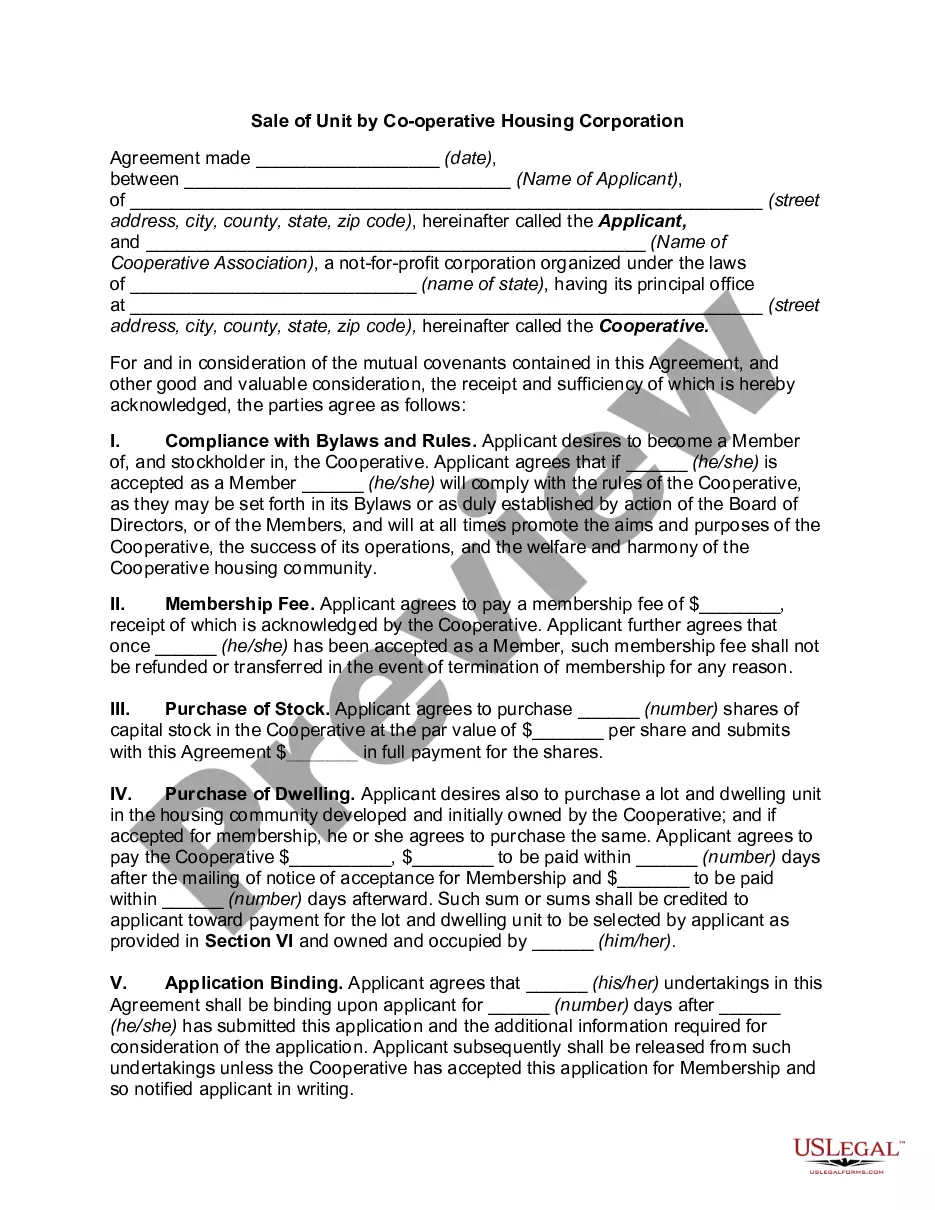
Before you can buy into a co-op, you'll have to be approved by its board of directors. This governing body functions similarly to a homeowner association, determining not only how the property is run but also who can live there.
Fannie Mae will purchase co-op share loans provided borrowers occupy the property as a principal residence or second home. Investment properties are prohibited. Fannie Mae does not purchase or securitize co-op share loans that are subject to subordinate financing except for high LTV refinance transactions.
Originally Answered: What is the difference between a co-op housing society and a co-op housing services society? Co-op housing society is governed by the laws set by regulating bodies whereas service society make their own laws and abide by it. It can not be challenged legally.
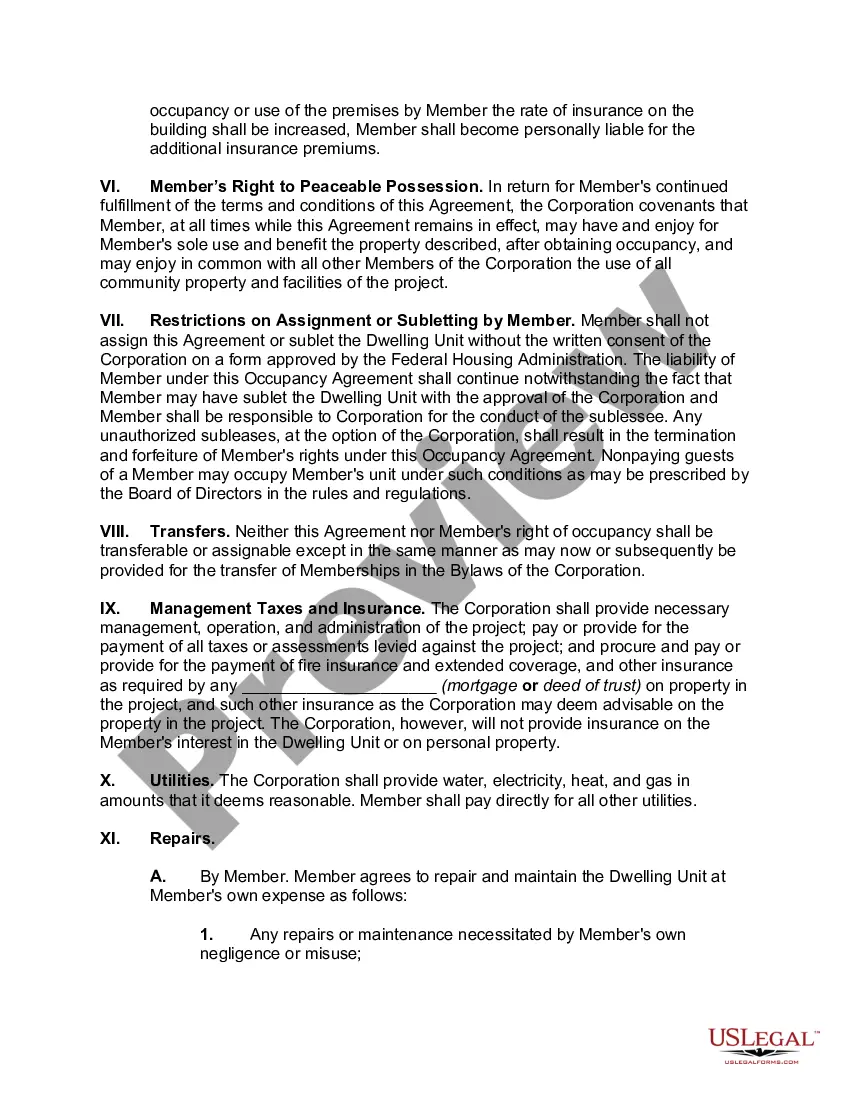
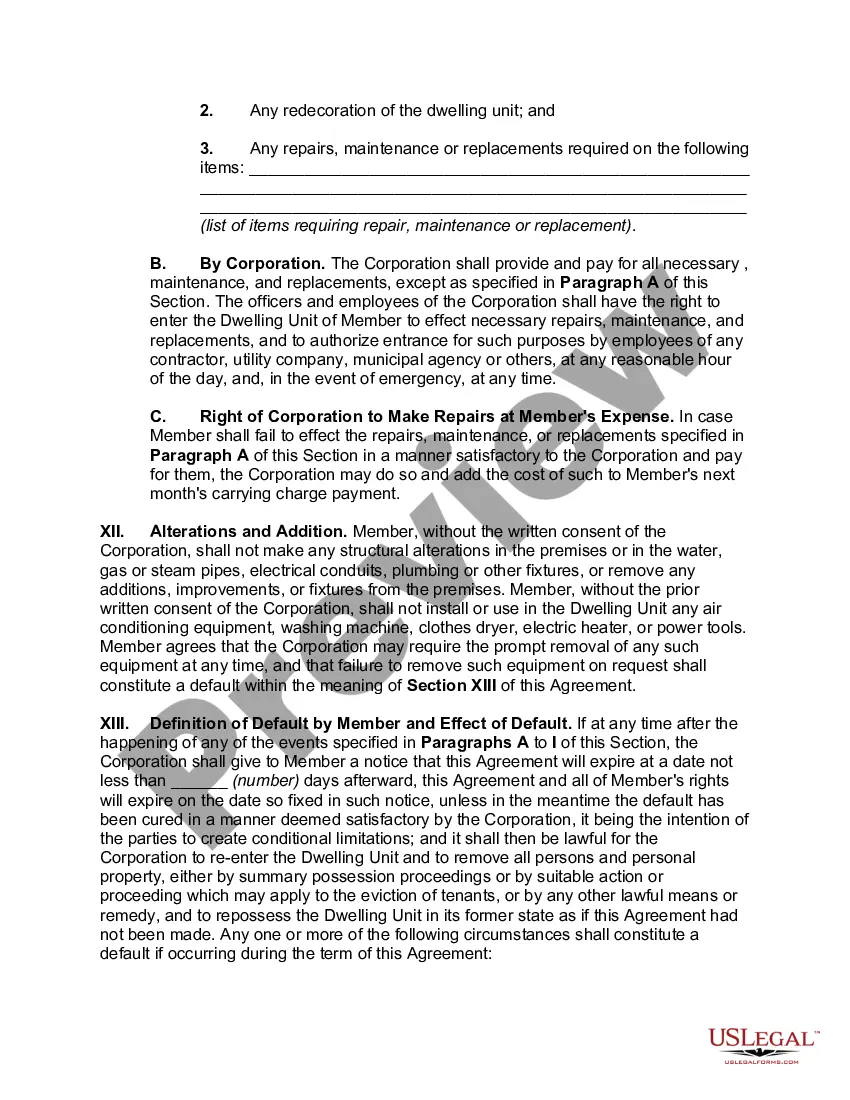
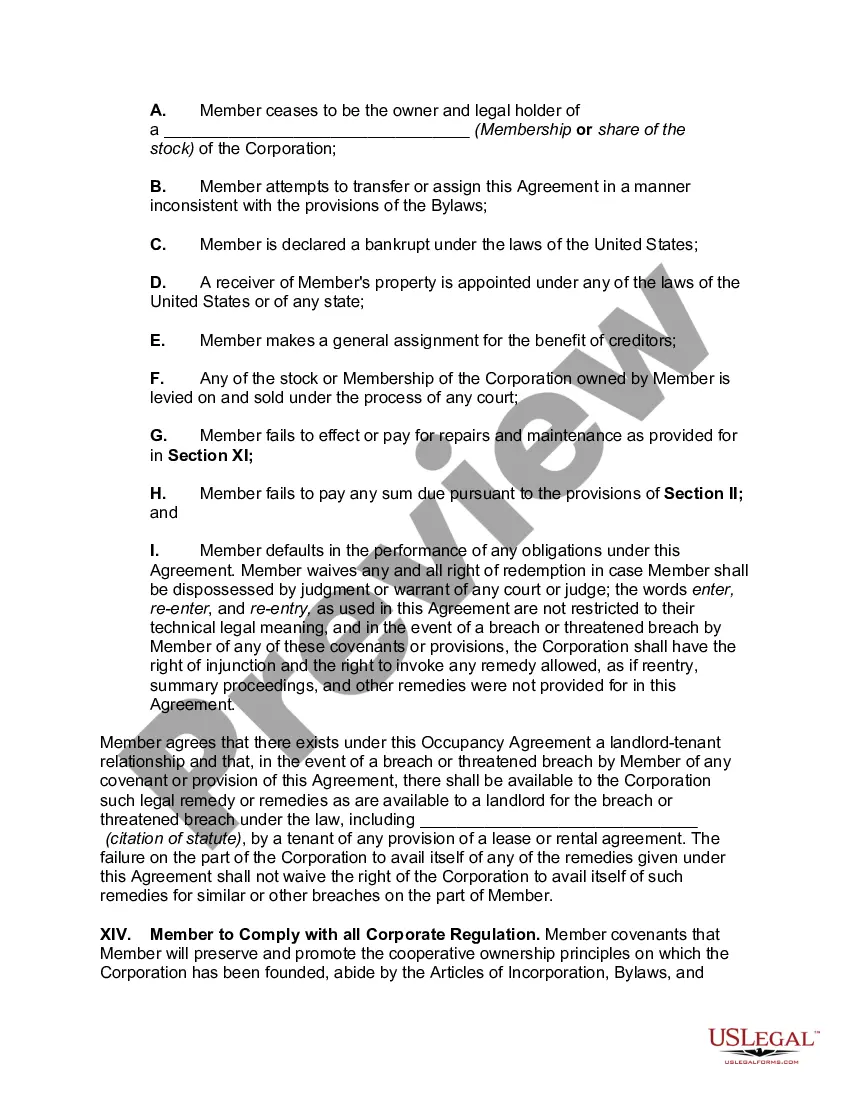
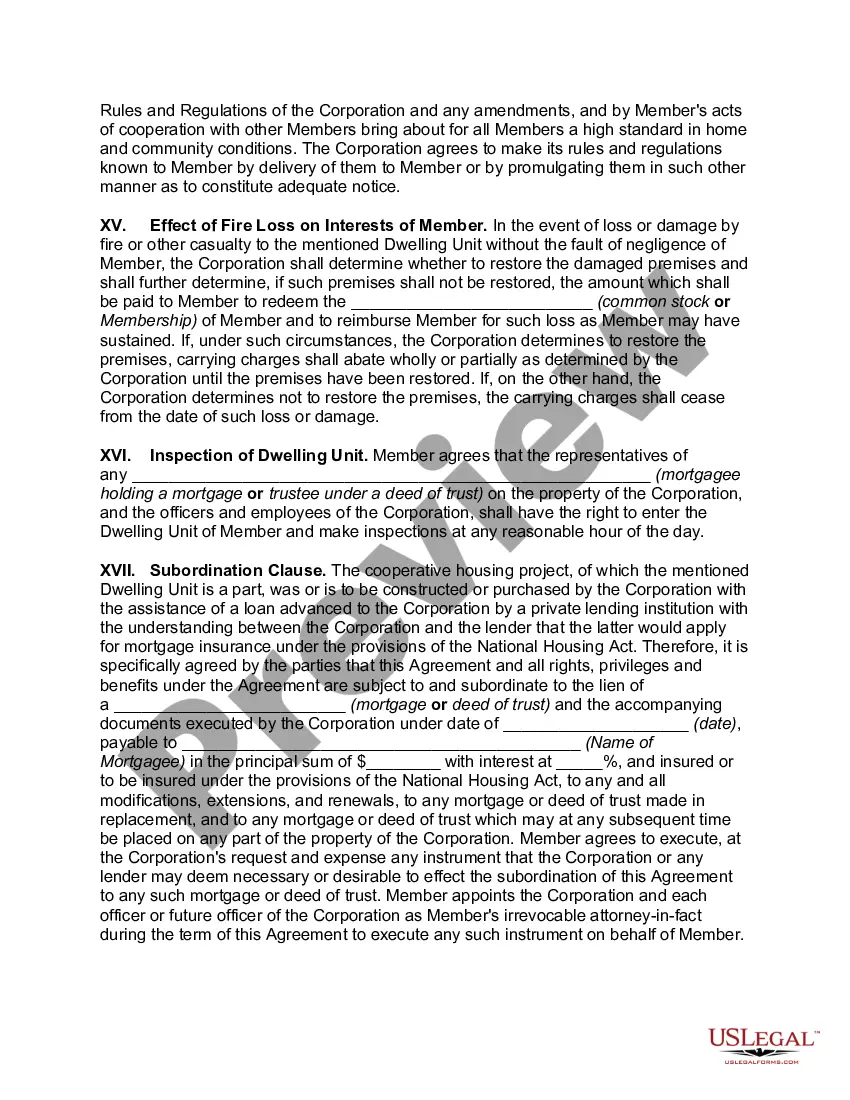
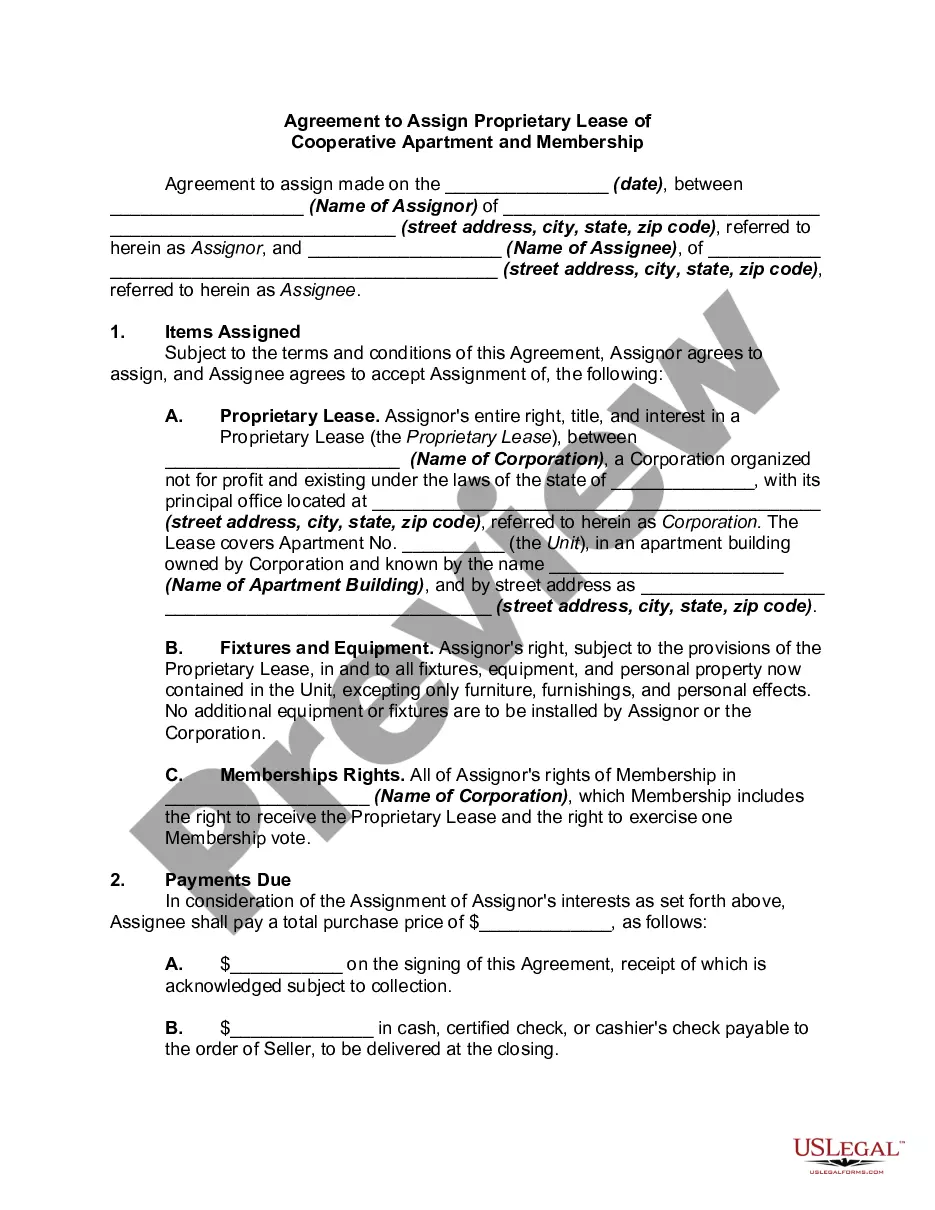
A proprietary lease, also referred to as an occupancy agreement, gives a shareholder in a housing cooperative the right to occupy a particular dwelling unit. Homebuyers who join a co-op are purchasing shares in a corporation rather than acquiring real estate.