Georgia Security Deed
About this form
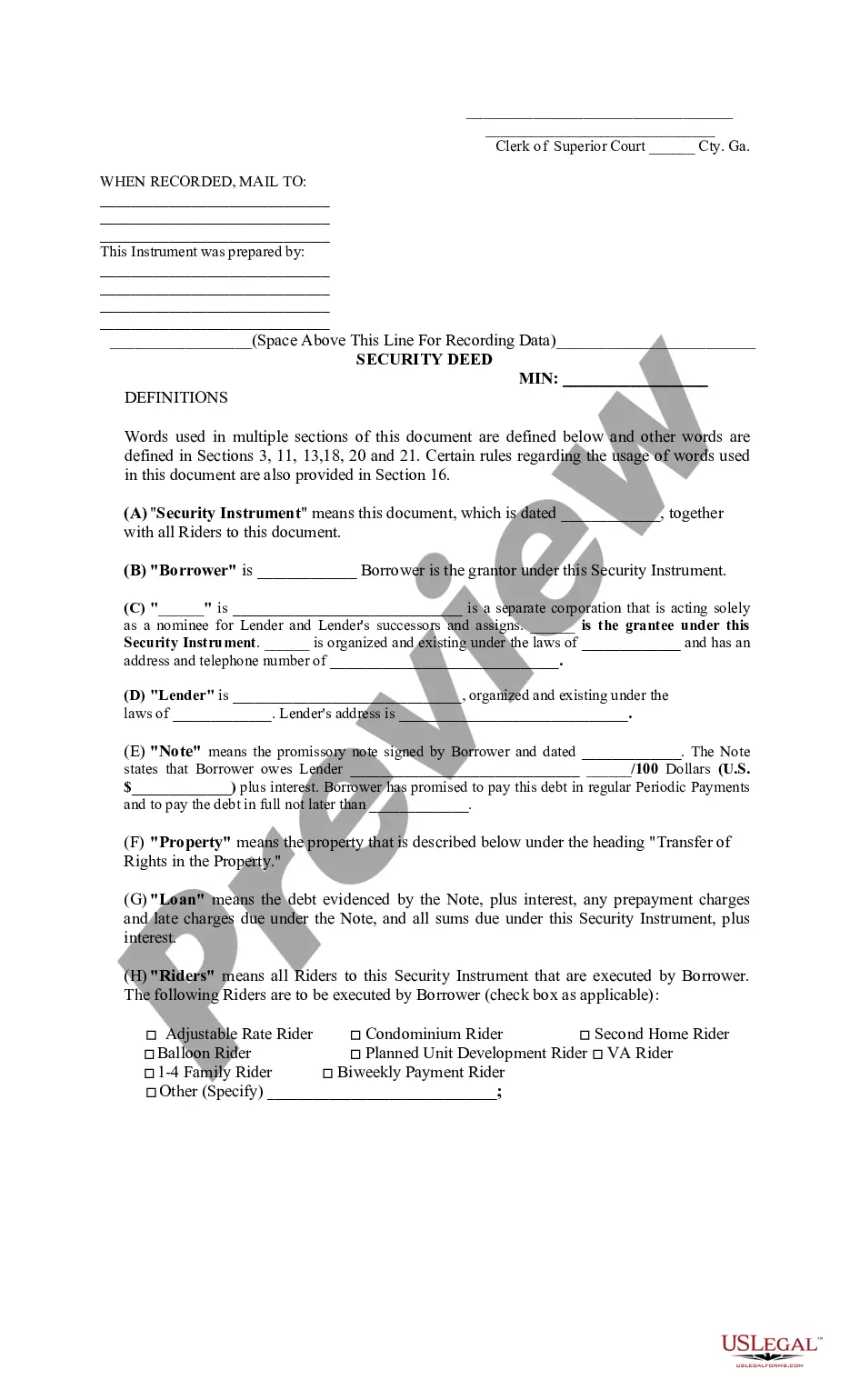
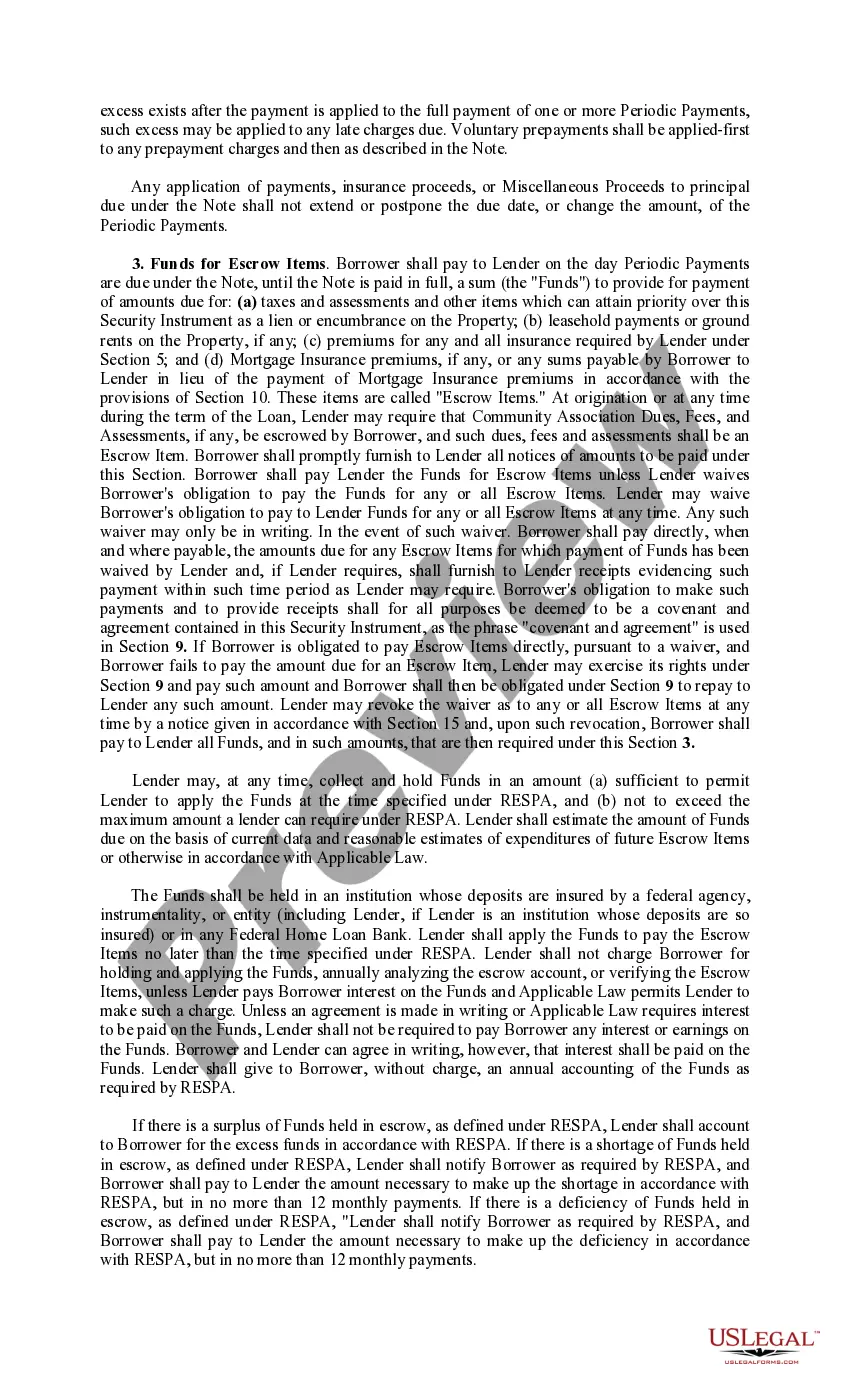
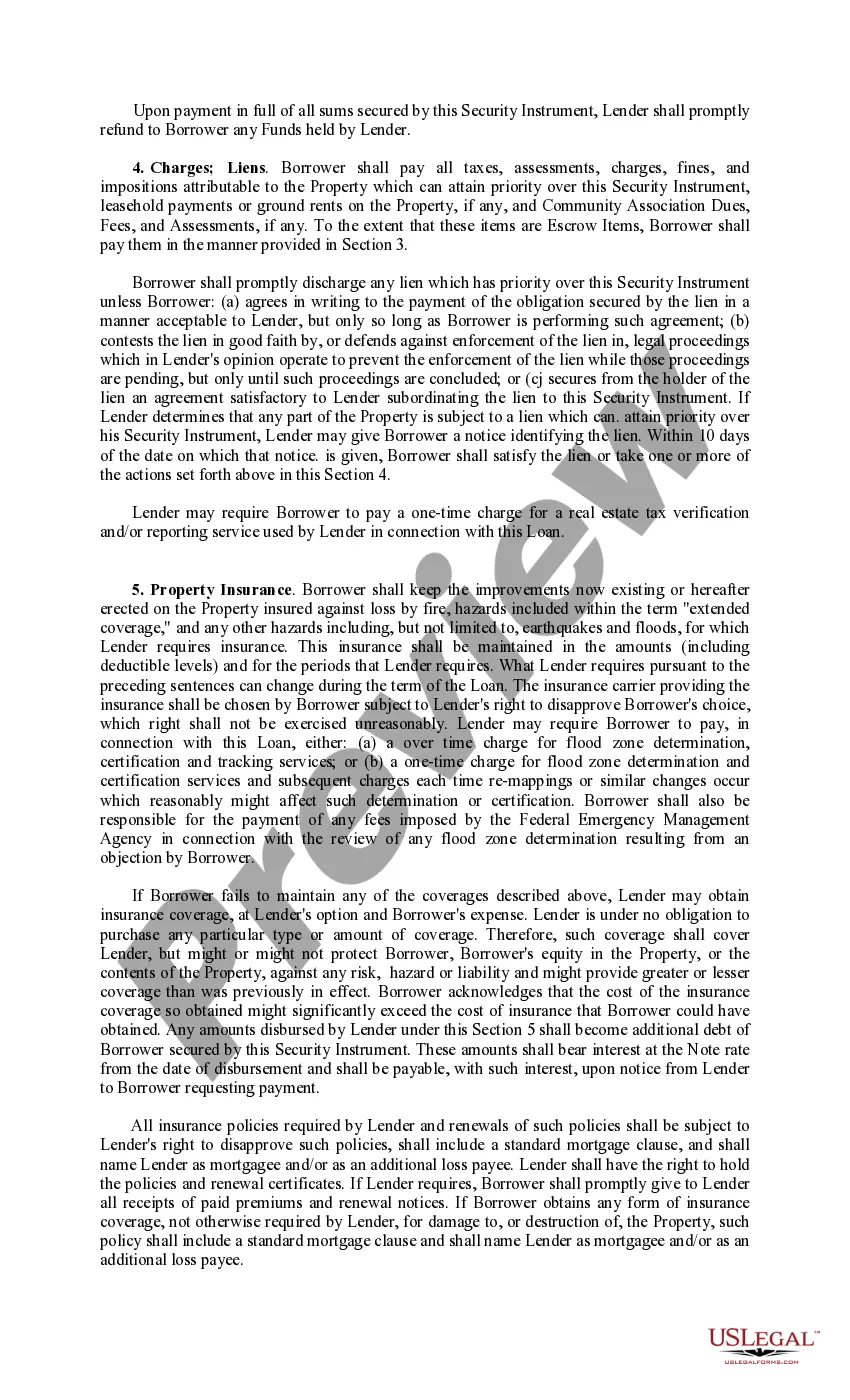
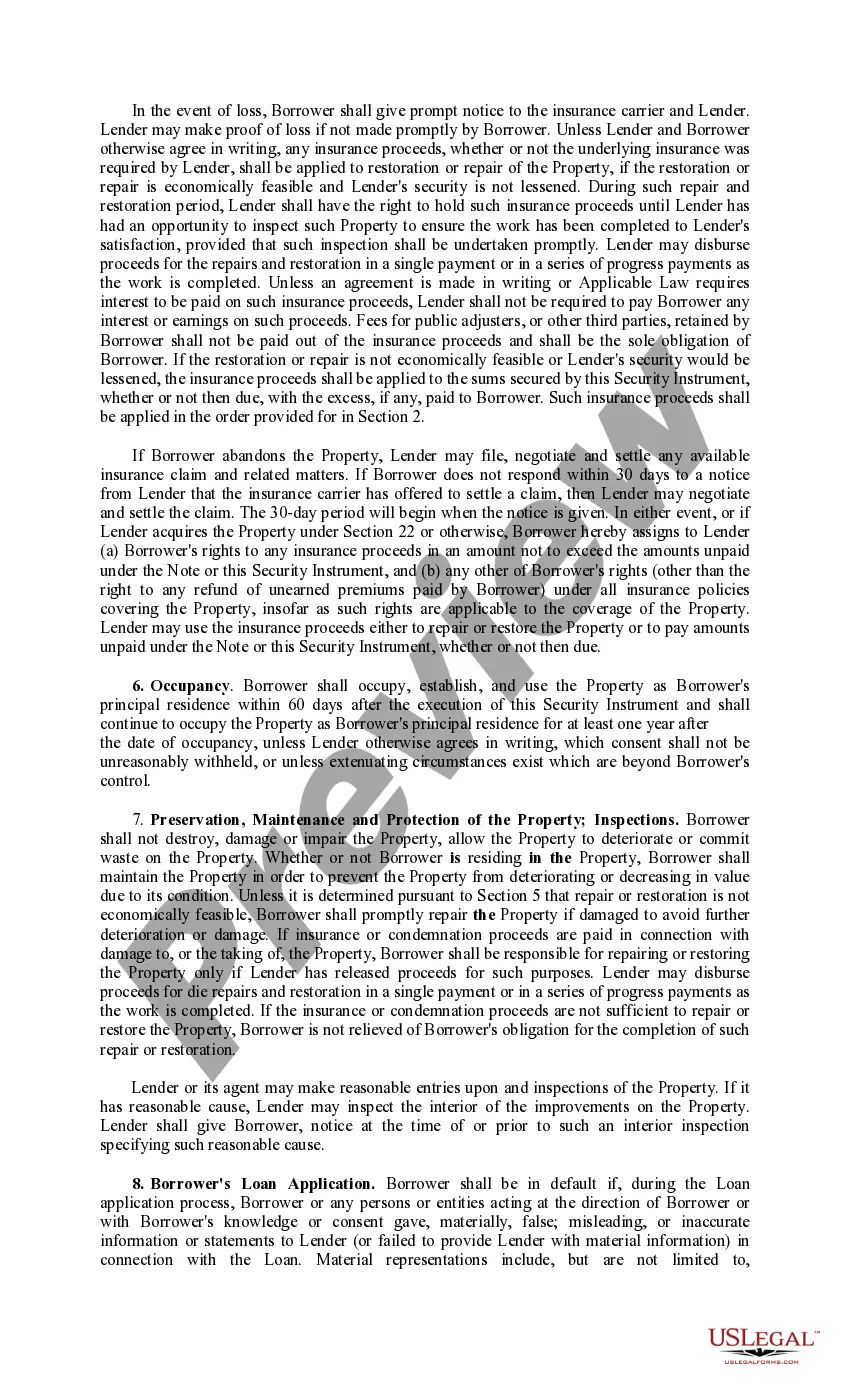
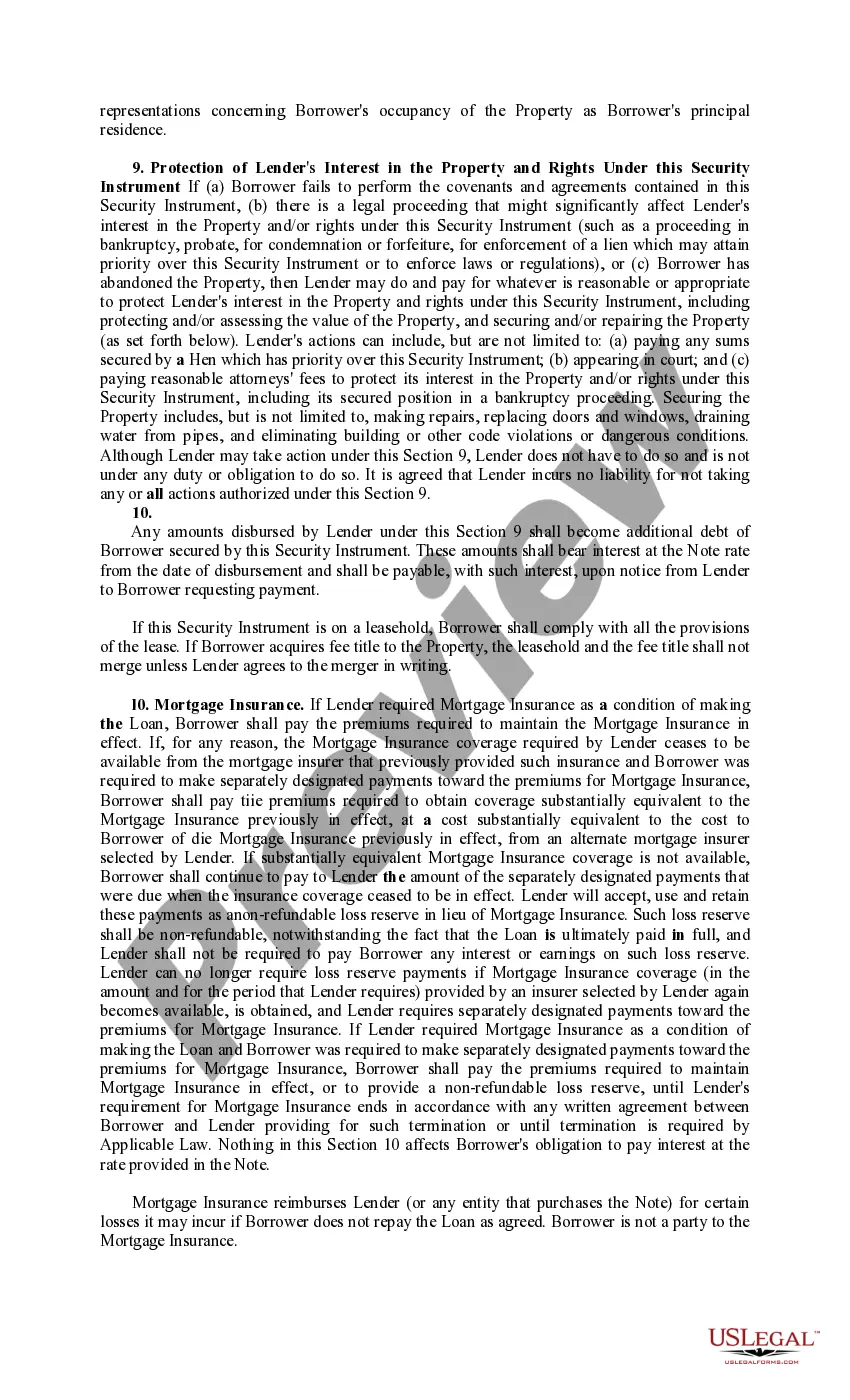
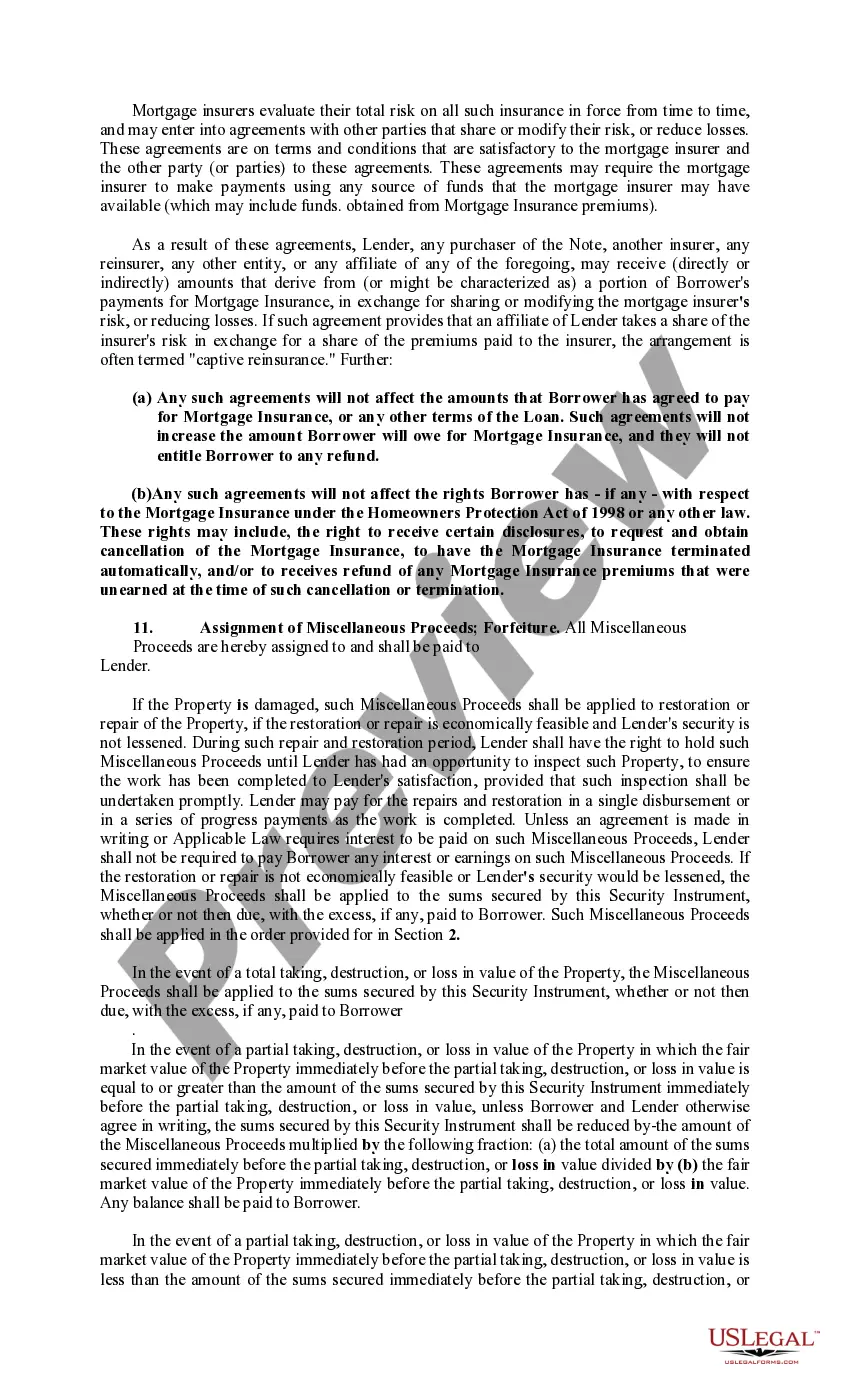
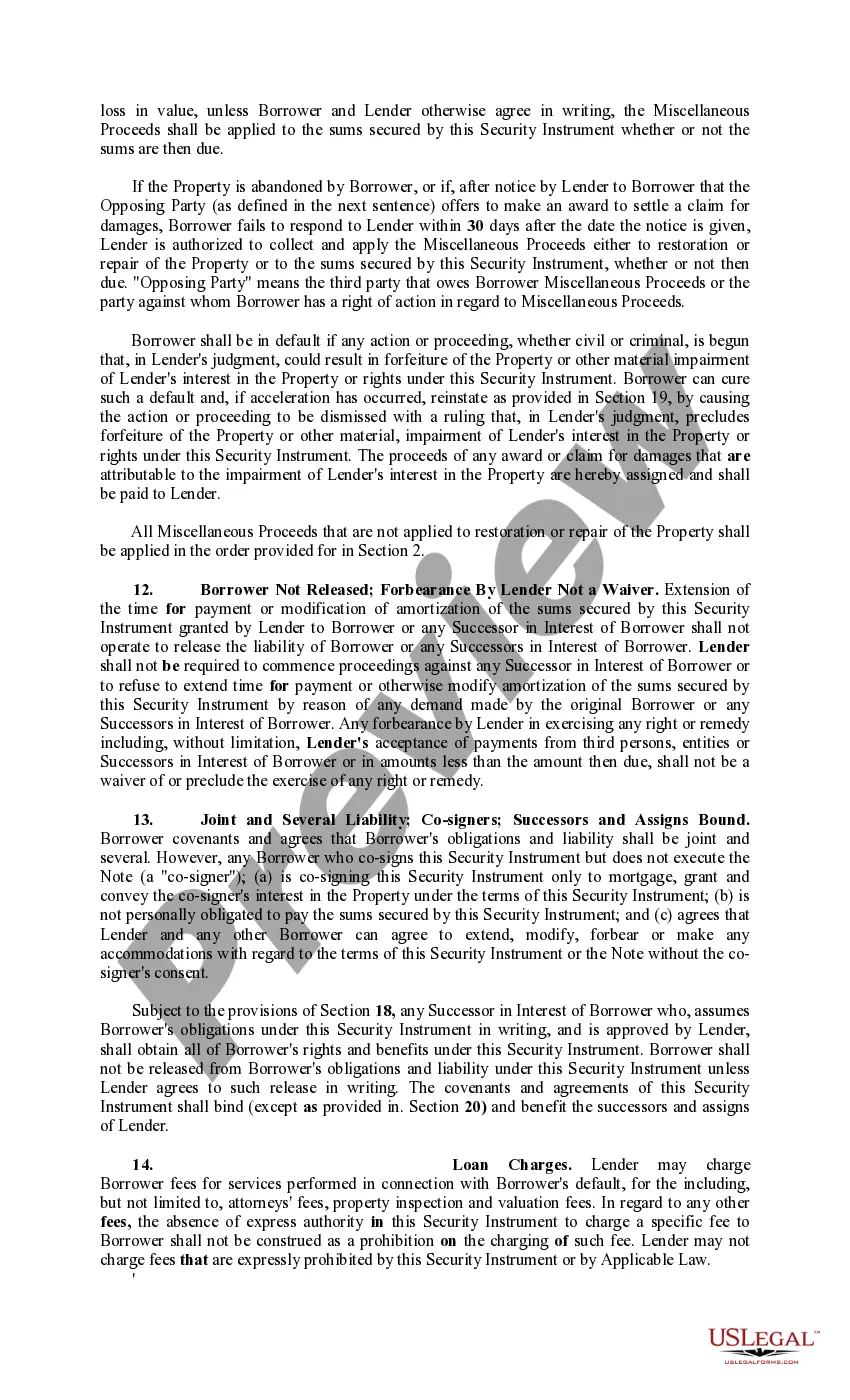
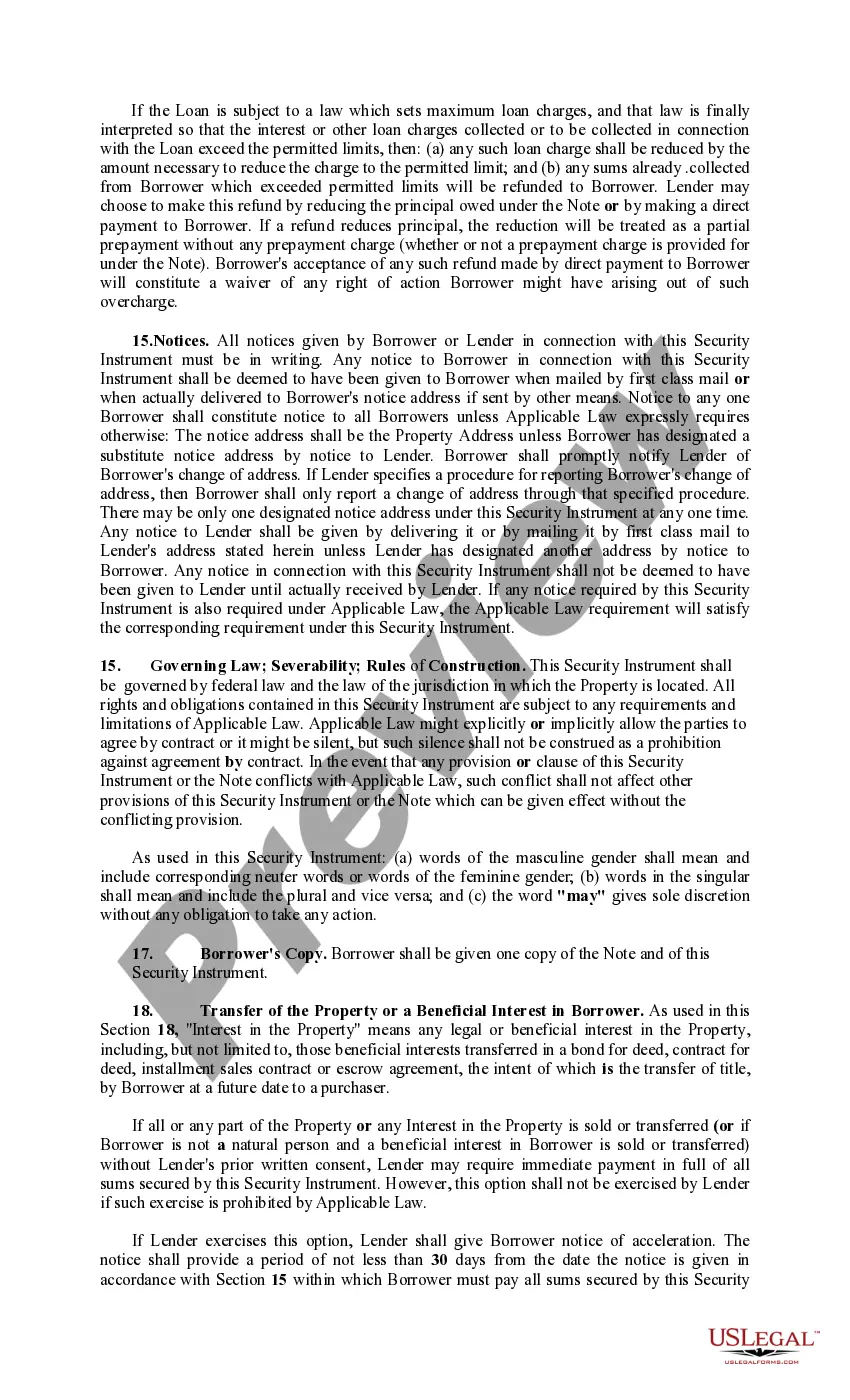
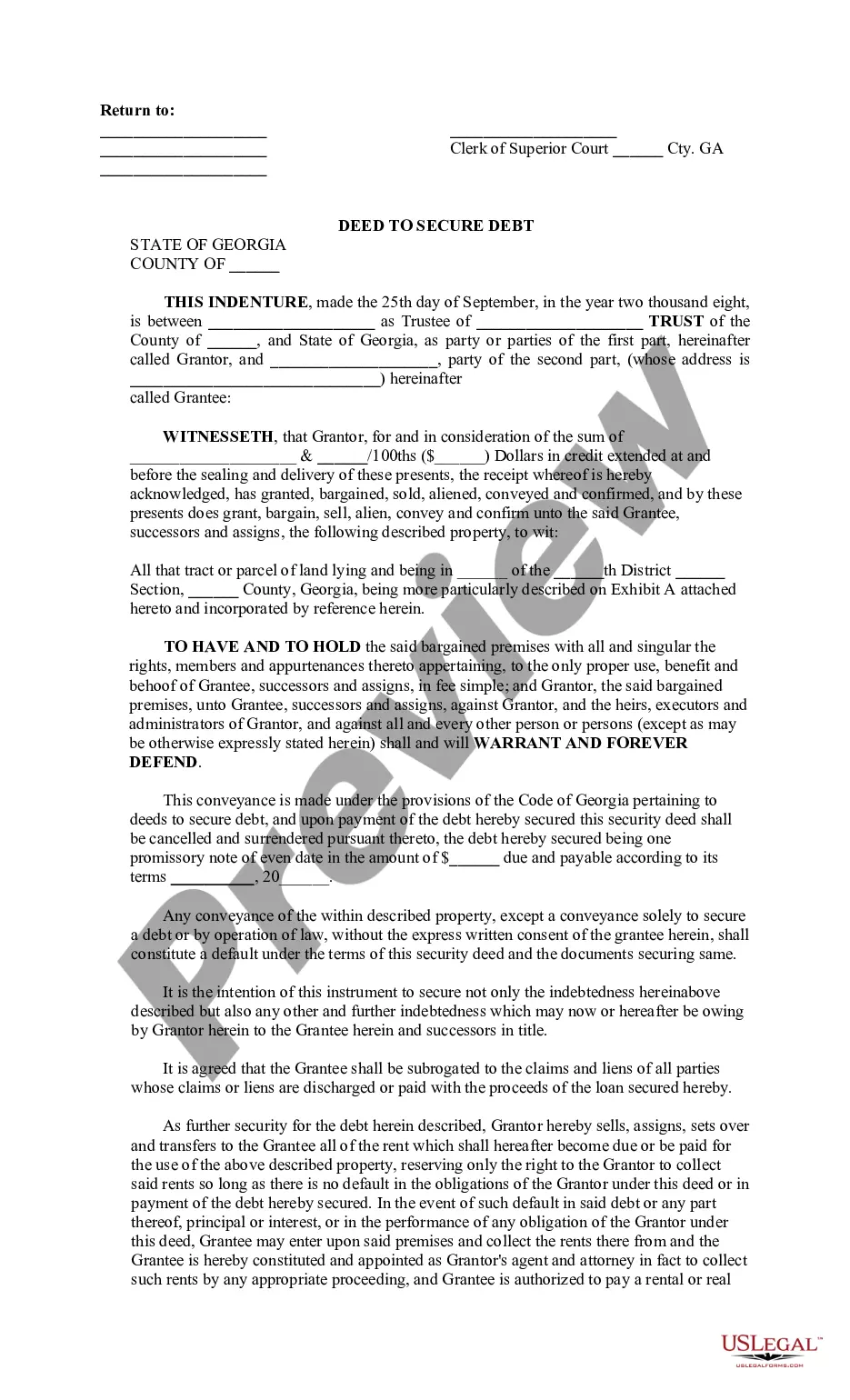
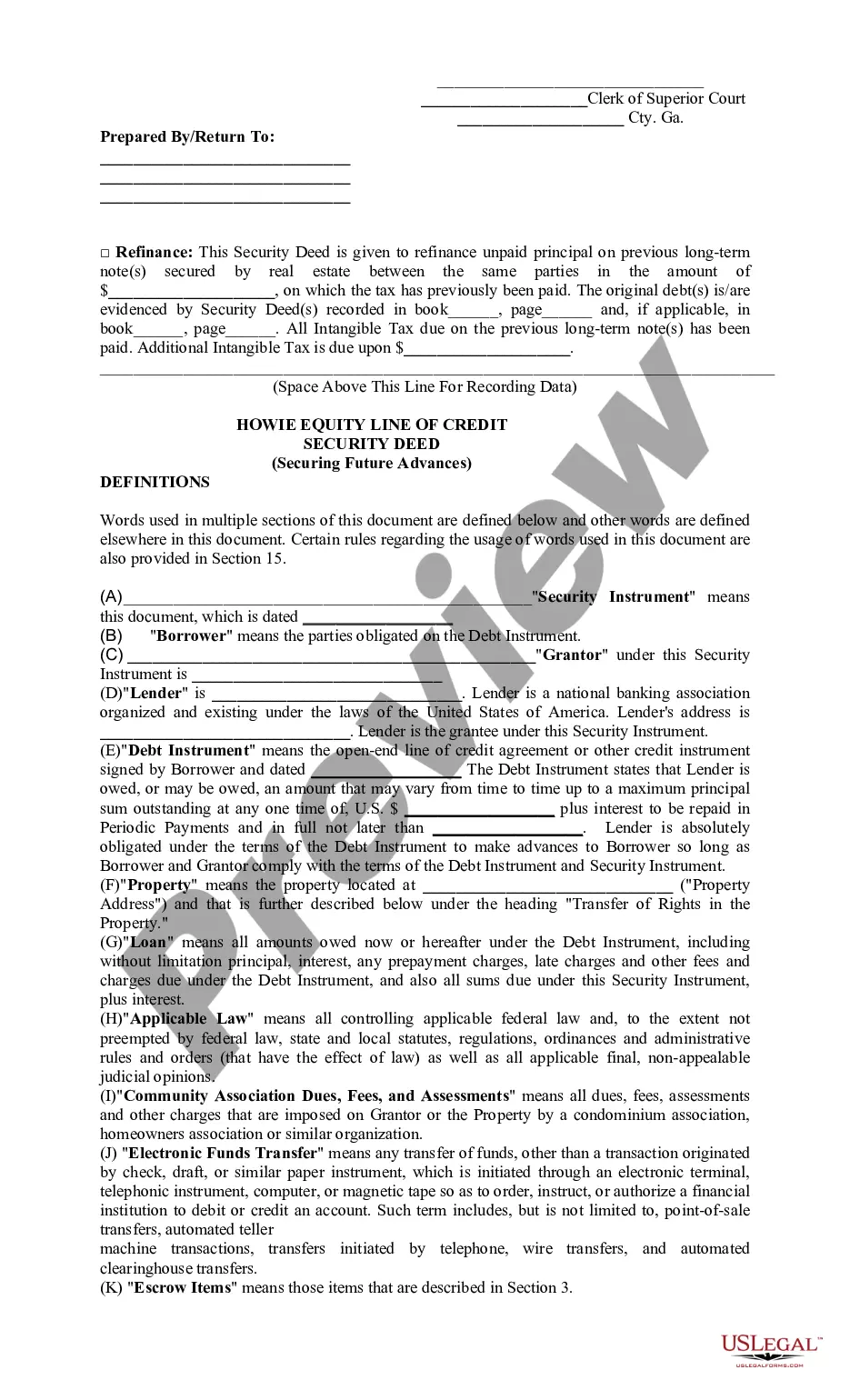
A security deed is a legal document used to convey land to secure a debt, often utilized in real estate transactions. Unlike a traditional mortgage, a security deed transfers legal title of the property to the lender while allowing the borrower to retain equitable title, meaning they can still use and enjoy the property as long as they meet their debt obligations. This form is essential for borrowers seeking to formalize a loan secured by real estate and provides clear terms on the responsibilities of both the lender and borrower.
What’s included in this form
- Identification of the Borrower and Lender.
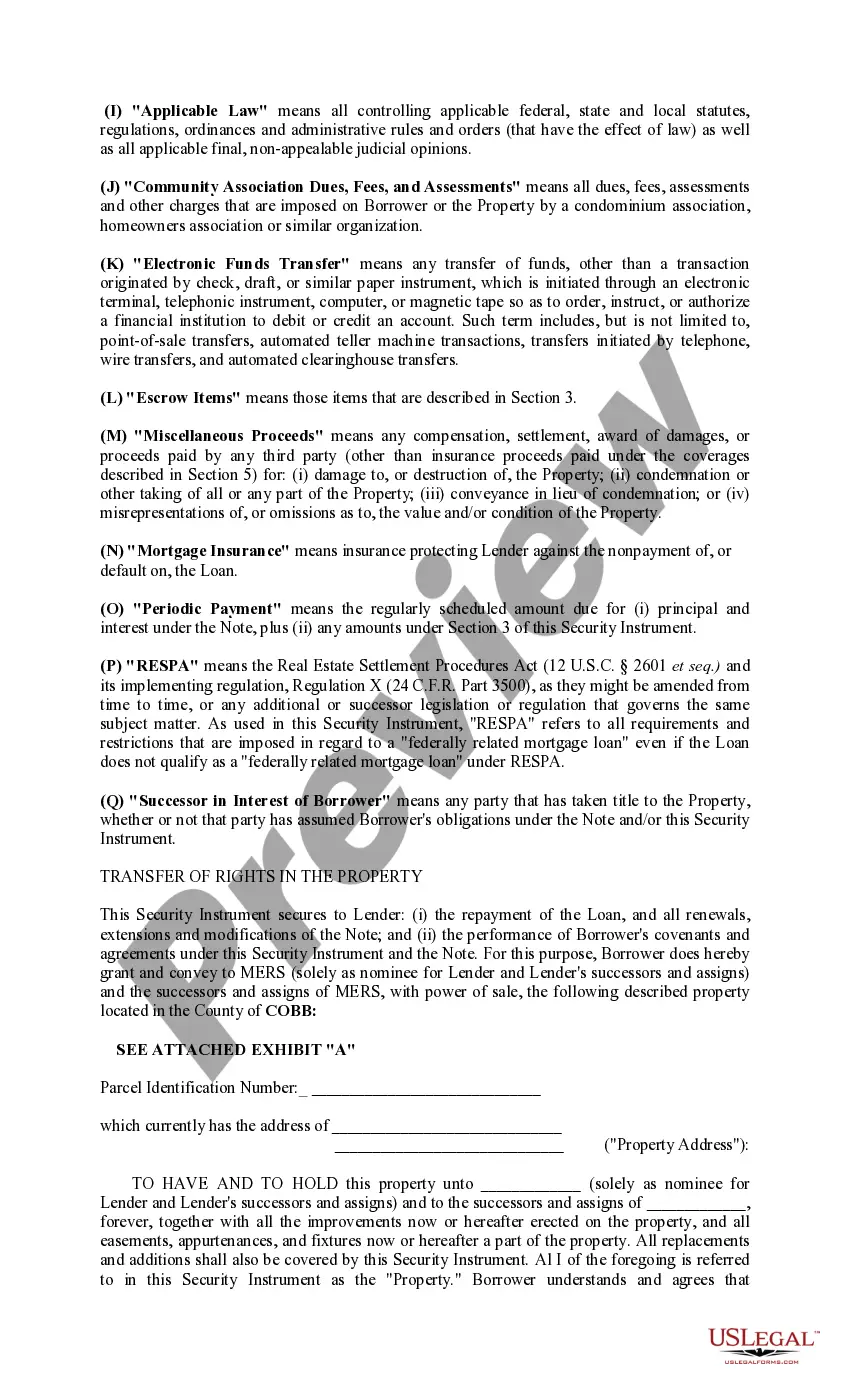
- Definition of important terms, including "Property," "Loan," and "Note."
- Transfer of rights in the property secured by the security deed.
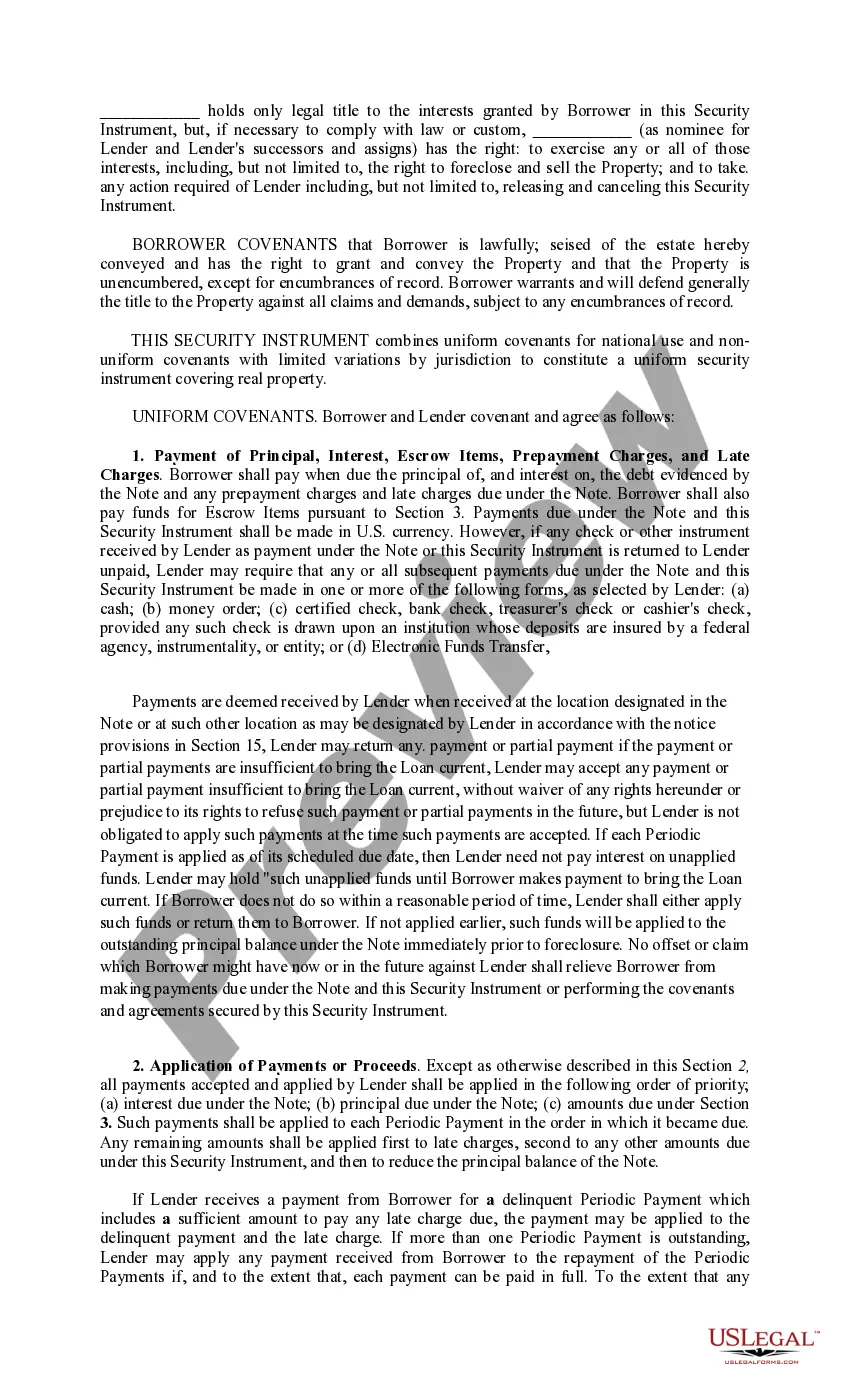
- Borrowerâs covenants regarding payment and property maintenance.
- Provisions for escrow items, insurance, and compliance with applicable laws.


Situations where this form applies
This form is typically used when a borrower is obtaining a loan secured by real estate. It is particularly relevant in situations involving home purchases, refinancing existing mortgages, or obtaining home equity loans. The security deed is necessary to formalize the lender's security interest in the property, allowing them to take possession of the property in the event of default.
Who needs this form
- Individuals or entities borrowing money to purchase real estate.
- Lenders providing loans secured by real property.
- Real estate attorneys preparing documents for closing transactions.
- Homeowners refinancing or accessing equity in their home.
Completing this form step by step
- Identify the parties involved by entering the names and addresses of the Borrower and Lender.
- Define key terms and include relevant financial details, such as the loan amount and interest rate.
- Specify the property being conveyed, including its address and parcel identification number.
- Include any applicable riders, such as adjustable rate or condominium riders.
- Ensure all parties sign and date the form as required.
Is notarization required?
Yes, this form must be notarized to be legally valid. The notarization process ensures that the signatures are verified and that the form meets legal standards. US Legal Forms offers integrated online notarization 24/7, allowing you to complete this process securely via a video call without having to travel.
Get your form ready online
Our built-in tools help you complete, sign, share, and store your documents in one place.
Make edits, fill in missing information, and update formatting in US Legal Forms—just like you would in MS Word.
Download a copy, print it, send it by email, or mail it via USPS—whatever works best for your next step.
Sign and collect signatures with our SignNow integration. Send to multiple recipients, set reminders, and more. Go Premium to unlock E-Sign.
If this form requires notarization, complete it online through a secure video call—no need to meet a notary in person or wait for an appointment.
We protect your documents and personal data by following strict security and privacy standards.

Make edits, fill in missing information, and update formatting in US Legal Forms—just like you would in MS Word.

Download a copy, print it, send it by email, or mail it via USPS—whatever works best for your next step.

Sign and collect signatures with our SignNow integration. Send to multiple recipients, set reminders, and more. Go Premium to unlock E-Sign.

If this form requires notarization, complete it online through a secure video call—no need to meet a notary in person or wait for an appointment.

We protect your documents and personal data by following strict security and privacy standards.
Typical mistakes to avoid
- Failing to provide accurate property descriptions and identification numbers.
- Not including all necessary signatures before filing the deed.
- Leaving out specific riders that may apply to the situation.
- Neglecting to comprehend and acknowledge the waiver of rights.
Why complete this form online
- Convenient access to legal forms from any location.
- Editability to fit specific needs without legal jargon confusion.
- Reliability through documents drafted by licensed attorneys to ensure compliance.
- Immediate download, allowing for quick execution and filing.
Looking for another form?
Form popularity
FAQ
To file a deed in Georgia, you must prepare the document in accordance with state requirements, which include proper identification and legal descriptions for the property. Once completed, you can submit the deed to the county's clerk of court for recording. Filing a deed ensures that the ownership of the property is officially recognized and serves as a public record. For assistance, consider using the US Legal Forms platform to access the required forms and guidance.
A security deed in Georgia serves as a legal instrument between a borrower and a lender, granting the lender a security interest in the property. This deed allows the lender to take possession of the property if the borrower defaults on their payment. Essentially, it protects the lender's investment and simplifies the process of recovery in case of a breach. Understanding the ins and outs of a Georgia Security Deed can help you manage your property rights effectively.
To obtain a copy of a deed in Georgia, you can visit your local county clerk's office or their website, where many records are digitized. Additionally, you can utilize online services provided by platforms like uslegalforms, which streamline the process of accessing important legal documents, including Georgia Security Deeds.
Georgia law provides that a security deed can be cancelled by the Clerk of Superior Court upon receipt of an affidavit from an attorney with specified attachments. To find a lawyer, you may visit the State Bar of Georgia website at www.gabar.org/membership/membersearch.cfm.
In Georgia, can a security interest in real estate expire? Yes. A security interest in real estate expires (in other words, become unenforceable) seven years after expiration of the maturity of the debt.
Let's start with the definition of a deed: DEED: A written instrument by which one party, the Grantor, conveys the title of ownership in property to another party, the Grantee. A Warranty Deed contains promises, called covenants, that the Grantor makes to the Grantee.
Most people utilize a mortgage loan to finance the purchase.When the transfer is complete, the seller must sign a warranty deed and the buyer signs a type of security instrument with intent to repay the loan. The state of Georgia calls this instrument a security deed, while others call it a mortgage or deed of trust.
Contrastingly, a Security Deed or mortgage only involves two parties, the borrower and the lender.
It's important to note that a warranty deed does not actually prove the grantor has ownership (a title search is the best way to prove that), but it is a promise by the grantor that they are transferring ownership and if it turns out they don't actually own the property, the grantor will be responsible for compensating