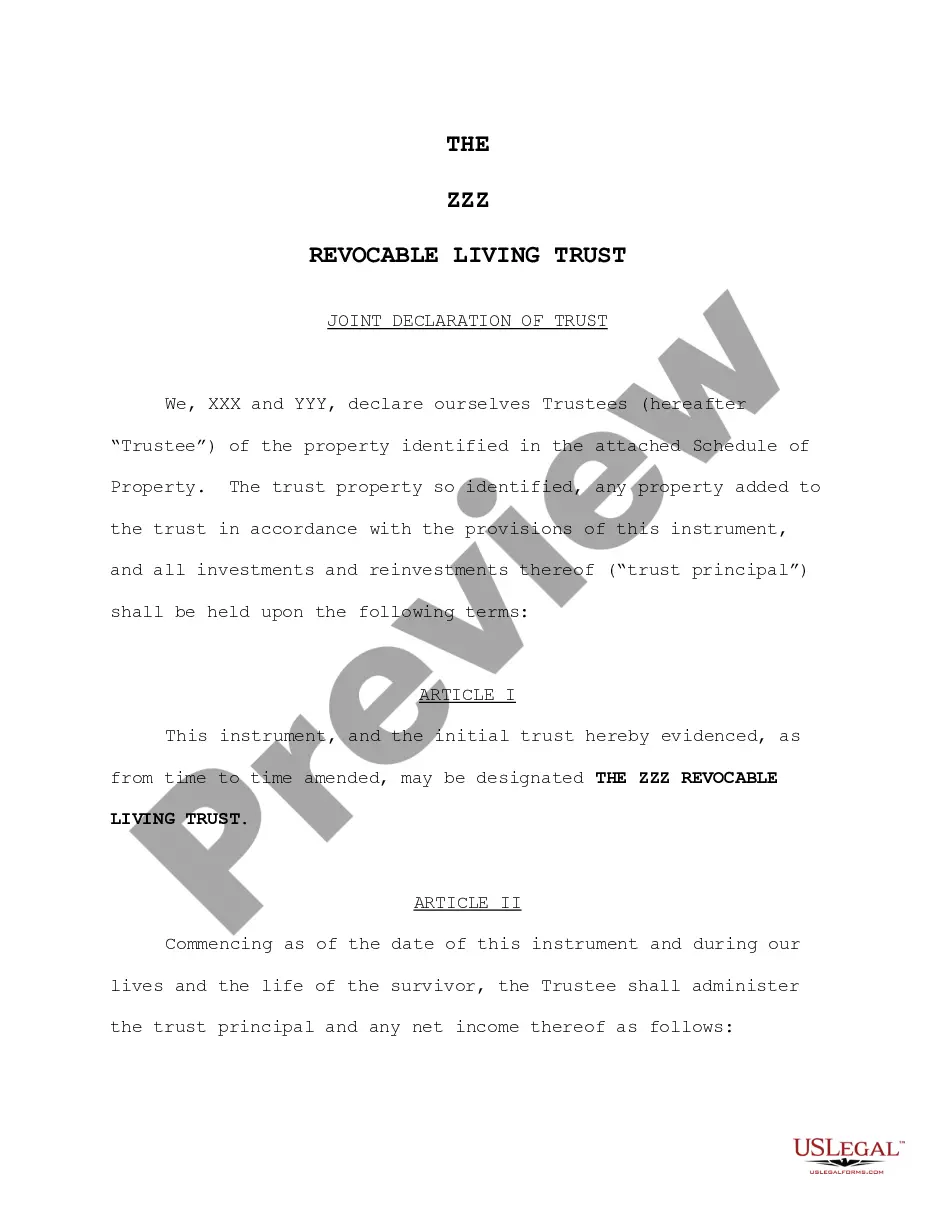
Iowa Corrective Deed in Lieu of Foreclosure
What is this form?
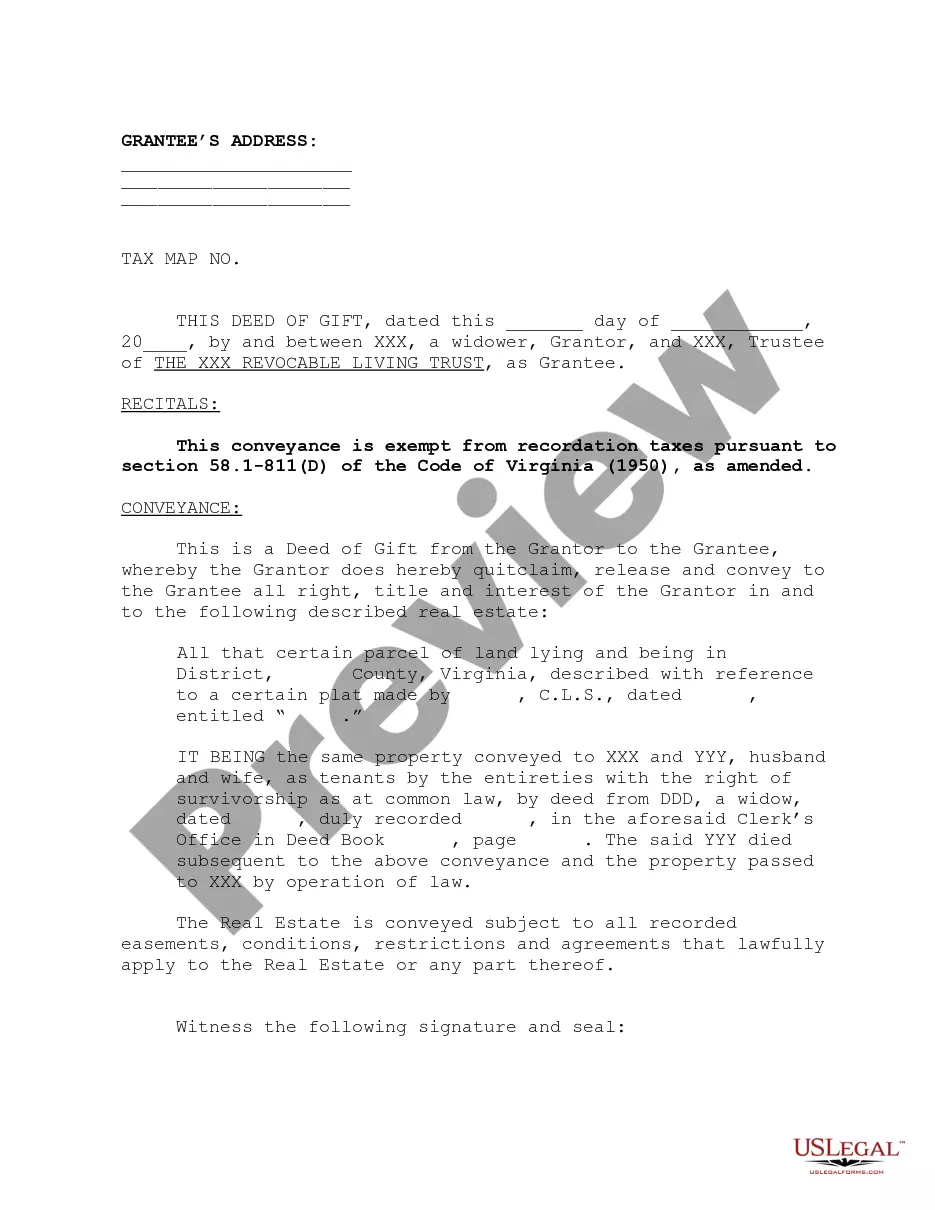
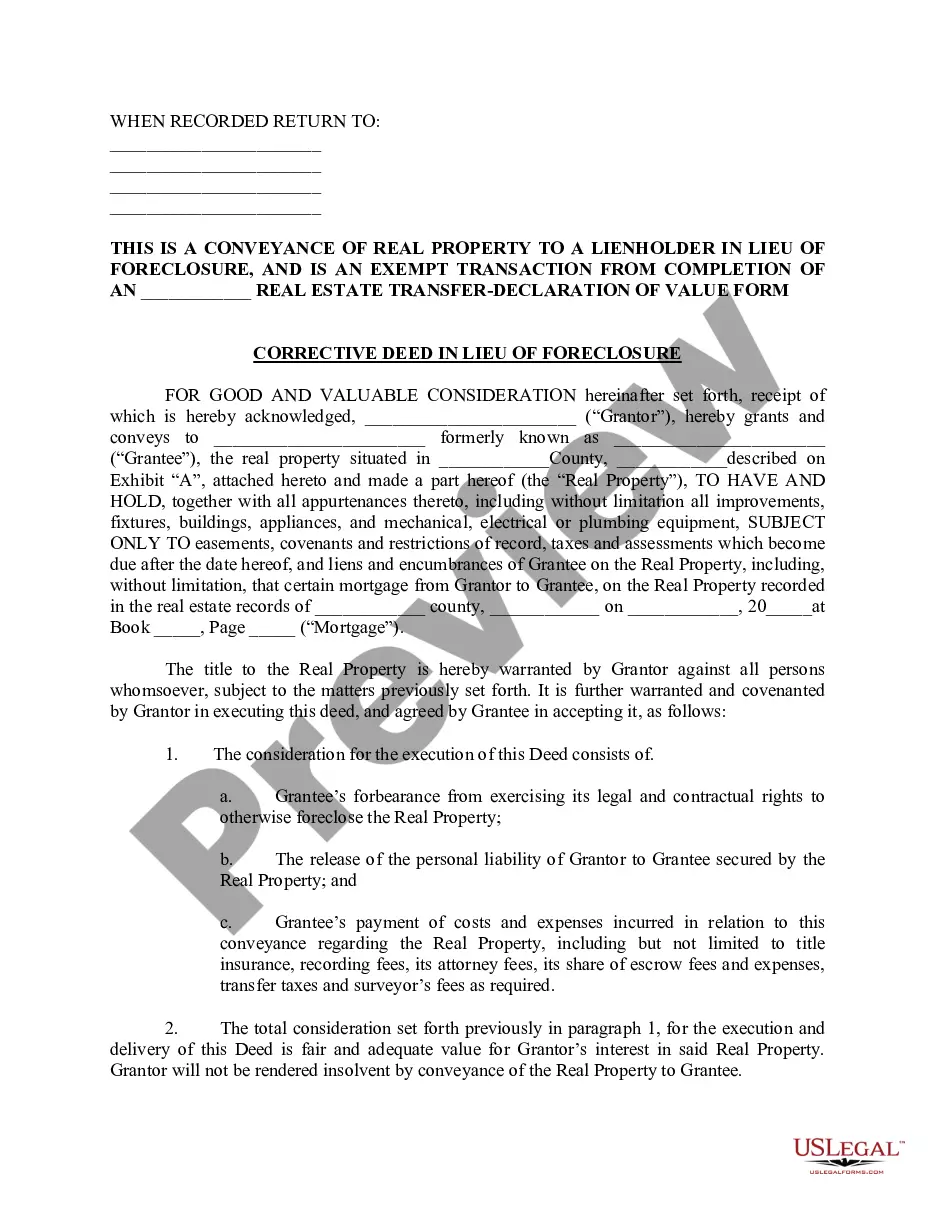
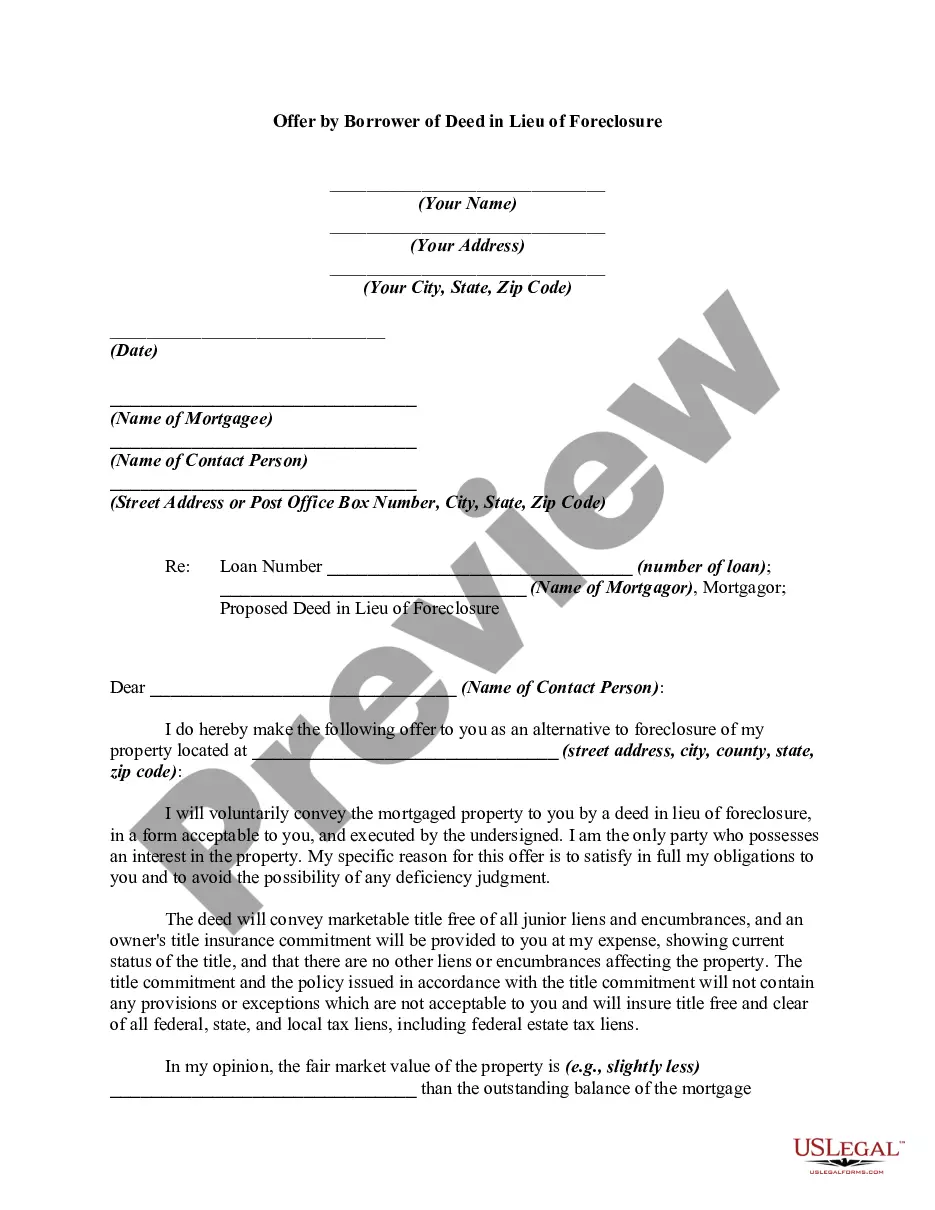
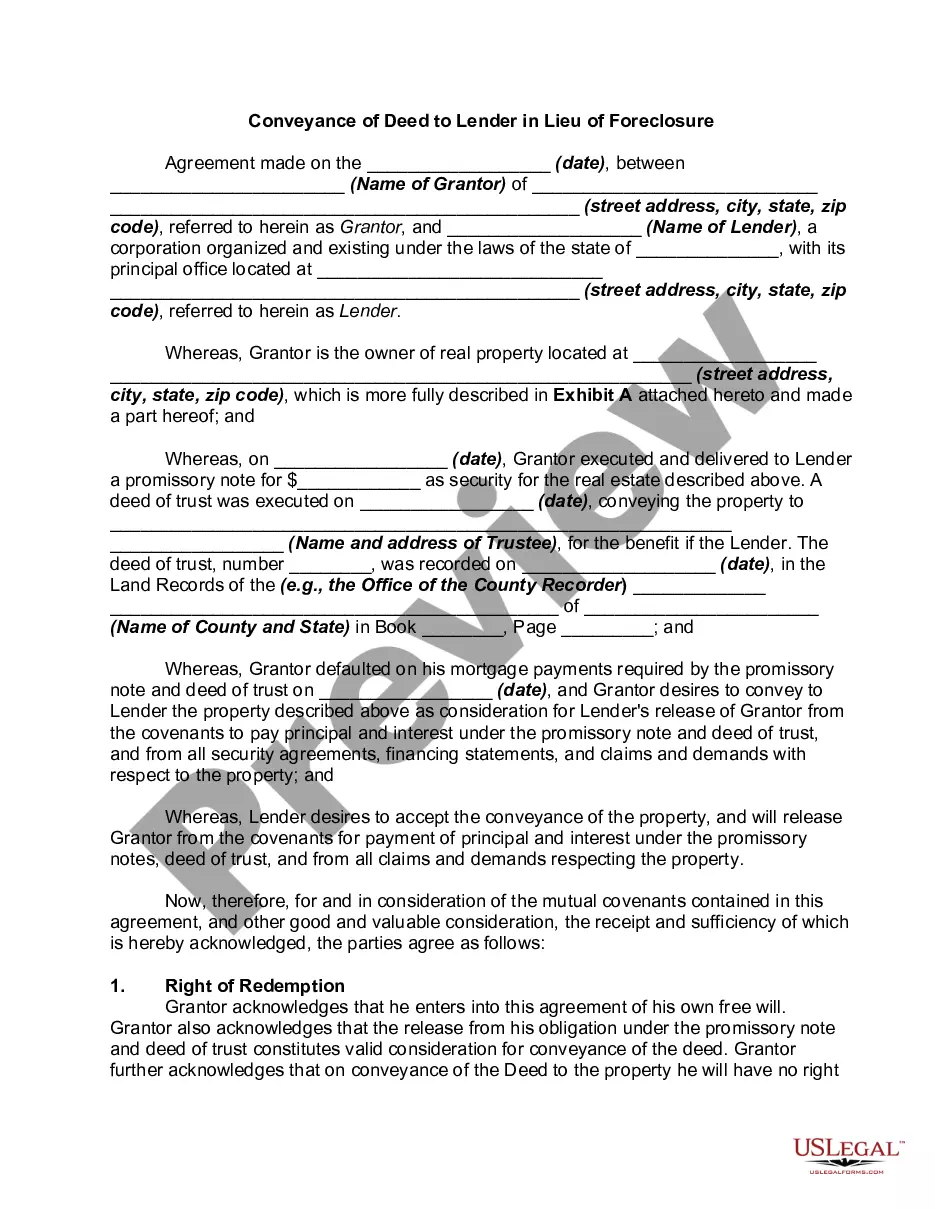
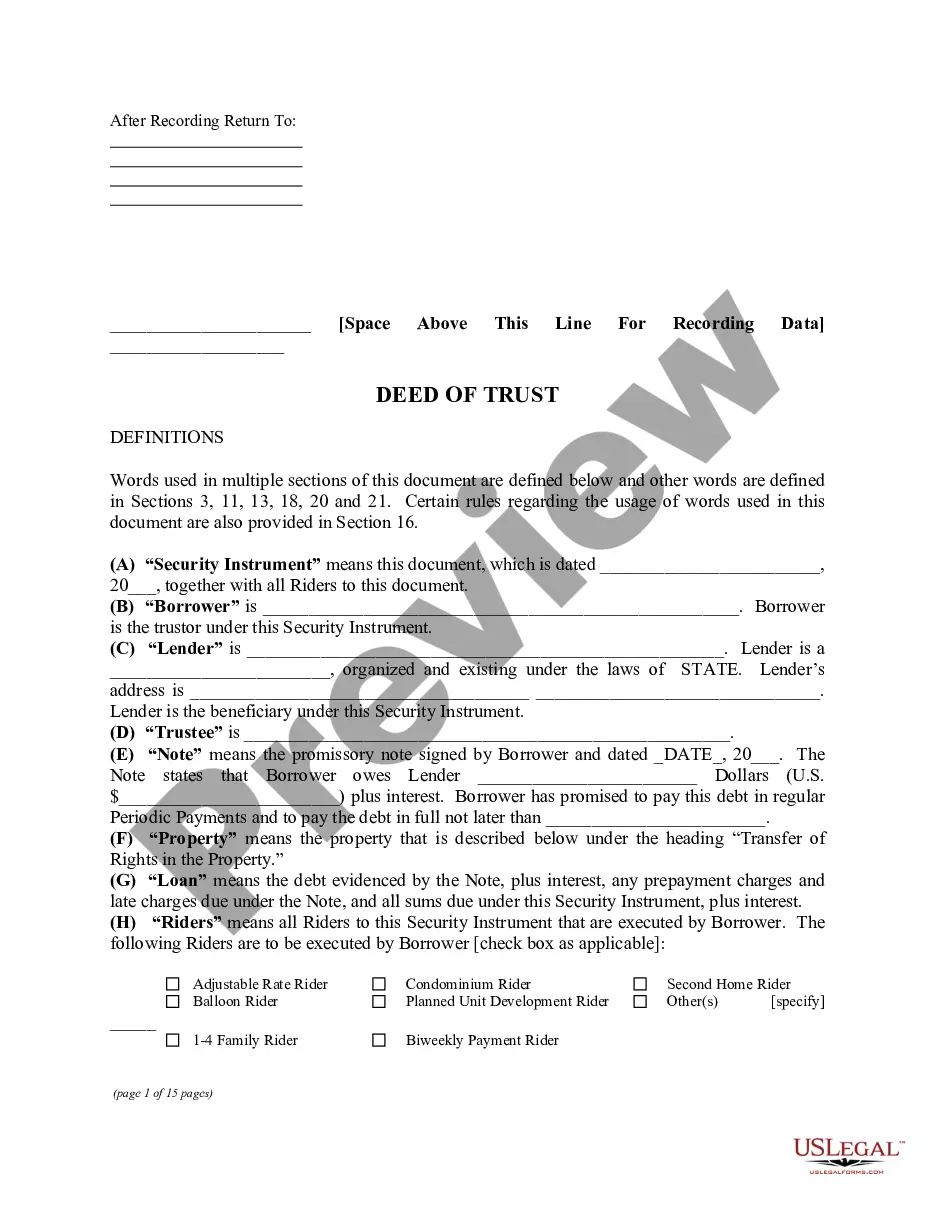
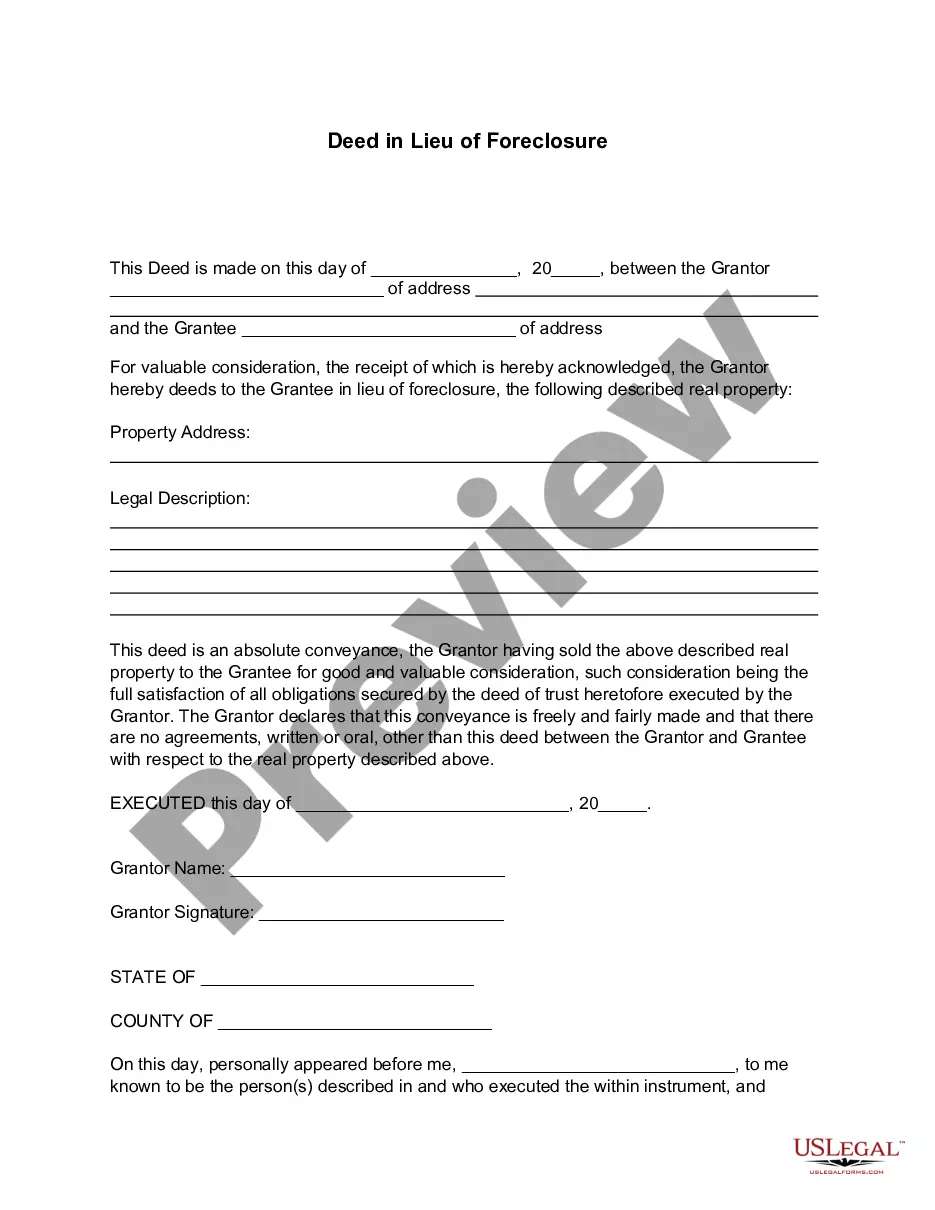
The Corrective Deed in Lieu of Foreclosure is a legal document used by a property owner, known as the Grantor, to transfer ownership of their property to a lienholder, typically a bank, in order to avoid the lengthy and costly foreclosure process. This form serves as an alternative to traditional foreclosure, allowing the lienholder to take possession of the property while releasing the Grantor from personal liability for the underlying mortgage debt. It is important to understand that this deed effectively nullifies the mortgage once executed and recorded.
Main sections of this form
- Information of the parties involved: Grantor (property owner) and Grantee (lienholder).
- Legal description of the real property being conveyed.
- Recitals of consideration for the transfer, including forbearance from foreclosure and release of personal liability.
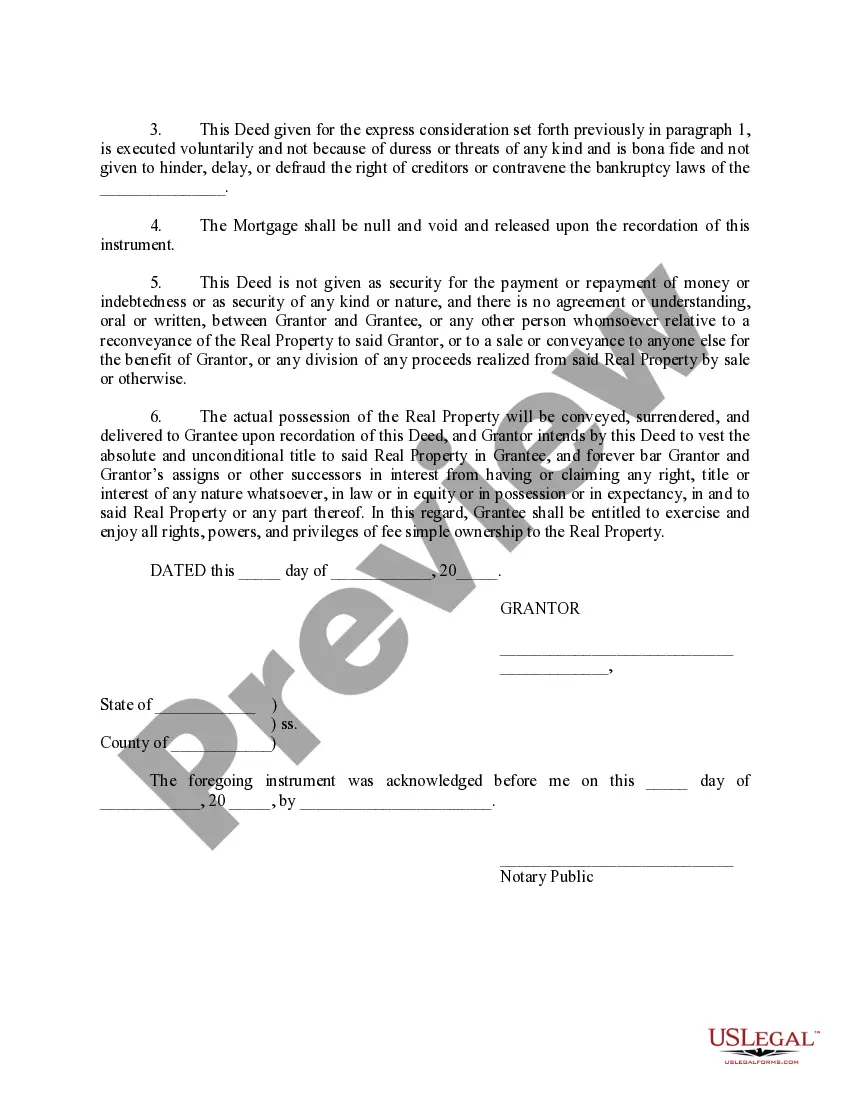
- Details regarding the rights and responsibilities of Grantor and Grantee after the transfer.
- Notarization requirements and acknowledgment of execution.
Situations where this form applies
This form should be used when a property owner is facing foreclosure but wishes to voluntarily transfer their property to avoid a more distressing and prolonged foreclosure process. Utilizing the Corrective Deed in Lieu of Foreclosure may help preserve the homeowner's credit score while simplifying the transfer of ownership to the lienholder.
Who can use this document
This form is intended for:
- Property owners facing potential foreclosure.
- Liens holders seeking to take possession of a property without proceeding through formal foreclosure litigation.
- Attorneys assisting clients in financial distress related to their property.
Completing this form step by step
- Identify the parties involved: fill in the names and addresses of both the Grantor and the Grantee.
- Specify the real property: include the legal description and any relevant details.
- Enter the date of the agreement and the related consideration terms.
- Include any required notary information for validation.
- Ensure all parties sign the document to formalize the transfer.
Notarization guidance
Yes, this form must be notarized to be legally valid. Having the document notarized helps to authenticate signatures and ensures the integrity of the transaction. With US Legal Forms, you can take advantage of integrated online notarization services that provide 24/7 availability through secure video calls, offering a convenient alternative without the need for in-person meetings.
Get your form ready online
Our built-in tools help you complete, sign, share, and store your documents in one place.
Make edits, fill in missing information, and update formatting in US Legal Forms—just like you would in MS Word.
Download a copy, print it, send it by email, or mail it via USPS—whatever works best for your next step.
Sign and collect signatures with our SignNow integration. Send to multiple recipients, set reminders, and more. Go Premium to unlock E-Sign.
If this form requires notarization, complete it online through a secure video call—no need to meet a notary in person or wait for an appointment.
We protect your documents and personal data by following strict security and privacy standards.

Make edits, fill in missing information, and update formatting in US Legal Forms—just like you would in MS Word.

Download a copy, print it, send it by email, or mail it via USPS—whatever works best for your next step.

Sign and collect signatures with our SignNow integration. Send to multiple recipients, set reminders, and more. Go Premium to unlock E-Sign.

If this form requires notarization, complete it online through a secure video call—no need to meet a notary in person or wait for an appointment.

We protect your documents and personal data by following strict security and privacy standards.
Avoid these common issues
- Failing to properly identify the property, leading to potential legal disputes.
- Not including signatures from both Grantor and Grantee, which invalidates the transfer.
- Neglecting to notarize the deed when required by state law.
- Overlooking the need to provide a complete legal description of the property.
Benefits of using this form online
- Convenience of downloading and completing the form from anywhere.
- Editable templates that allow customization to fit specific needs.
- Reliability of forms drafted by licensed attorneys to ensure legal compliance.
Quick recap
- The Corrective Deed in Lieu of Foreclosure is an effective tool for property owners looking to avoid foreclosure.
- It transfers property ownership to the lienholder while releasing the owner from certain liabilities.
- Complying with state-specific requirements and ensuring the document is notarized are crucial for validity.
Looking for another form?
Form popularity
FAQ
A significant advantage of an Iowa Corrective Deed in Lieu of Foreclosure is the reduction in stress for homeowners facing financial difficulties. By opting for this solution, homeowners can avoid the stigma and lengthy process associated with foreclosures. This can lead to a smoother transition into new housing arrangements and allow them to rebuild their credit more effectively.
The main disadvantage for lenders accepting an Iowa Corrective Deed in Lieu of Foreclosure lies in the potential for hidden liabilities. When a lender agrees to this option, they may inherit responsibilities for any environmental issues or property damages that existed prior to the deed. This unforeseen obligation can complicate matters, ultimately affecting the lender's financial outcome.
One key advantage of an Iowa Corrective Deed in Lieu of Foreclosure is that it provides a quick resolution for both the homeowner and the lender. This agreement lets homeowners walk away from their mortgage without the lasting impact of foreclosure on their credit history. Furthermore, both parties can benefit from the reduced legal costs associated with traditional foreclosure.
Lenders often prefer an Iowa Corrective Deed in Lieu of Foreclosure because it streamlines the process of dealing with distressed properties. This option allows lenders to avoid lengthy foreclosure proceedings, saving valuable time and resources. Additionally, it can help maintain property value by reducing the chances of the property deteriorating during the foreclosure process.
Writing a deed in lieu of foreclosure letter for your Iowa Corrective Deed involves clearly stating your request and providing pertinent details about your mortgage and property. Be sure to include your contact information, property address, and reasons for your request. You can utilize US Legal Forms to find templates that help structure your letter professionally, enhancing its effectiveness.
To process an Iowa Corrective Deed in Lieu of Foreclosure, start by communicating with your lender to initiate the process. They will typically request information about your financial situation. It is advisable to use a service like US Legal Forms for creating necessary documents, as they provide guidance through each step, ensuring compliance with legal requirements for your submission.
Filing an Iowa Corrective Deed in Lieu of Foreclosure involves a few key steps. First, you should gather relevant documentation, including proof of ownership and outstanding mortgage details. Then, consult with a legal professional or use a reliable platform like US Legal Forms to ensure all paperwork is completed accurately before submitting it to your county recorder's office.
Filing a deed in lieu of foreclosure involves a few steps. Begin by negotiating with your lender and obtaining their approval. Next, prepare the Iowa Corrective Deed in Lieu of Foreclosure form, complete it, and gather signatures from all necessary parties. Finally, ensure you file it with your county recorder's office to officially conclude the process.
When writing a foreclosure letter, be clear and concise about your intent to pursue a deed in lieu of foreclosure. Include your property's details, your financial situation, and your request for the lender's cooperation. Formulating your letter using a template from uslegalforms can help ensure that you include all necessary information and present your case professionally.
To execute a deed in lieu of foreclosure, start by discussing your situation with your lender to gain their consent. Then, complete the necessary paperwork, including the Iowa Corrective Deed in Lieu of Foreclosure. Ensure that it is signed and notarized, followed by submitting it to your county's office for recording.