Illinois Marital Settlement Agreement - no children OR adult children
What this document covers
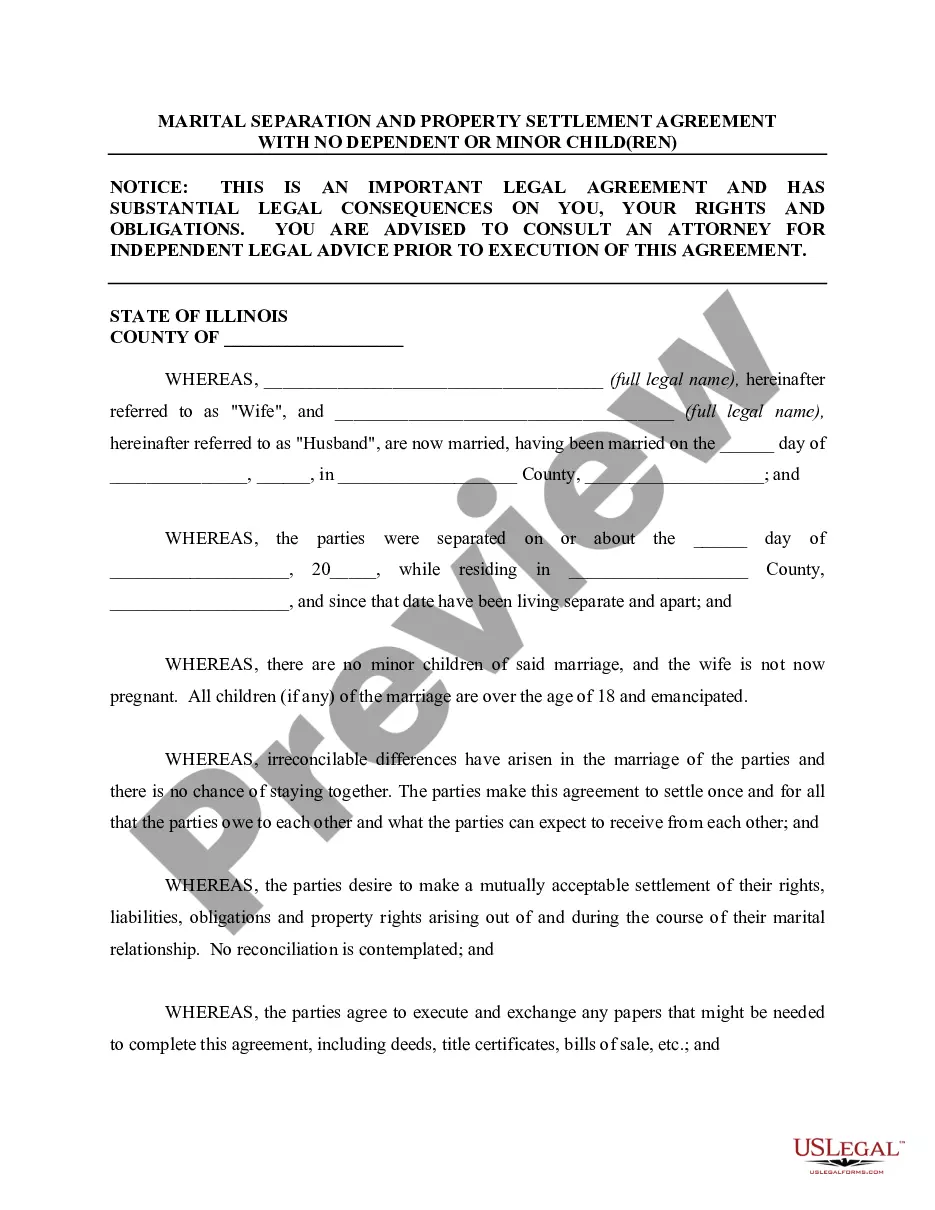
A Marital Settlement Agreement is a legal document used by spouses to outline the division of assets and debts upon separation or divorce when there are no dependent or minor children involved. This agreement serves to clarify the rights and obligations of each party, ensuring a binding resolution to the matters of their marital relationship. Unlike other divorce forms, this one focuses specifically on couples without minor children, simplifying the process of separation.
Form components explained
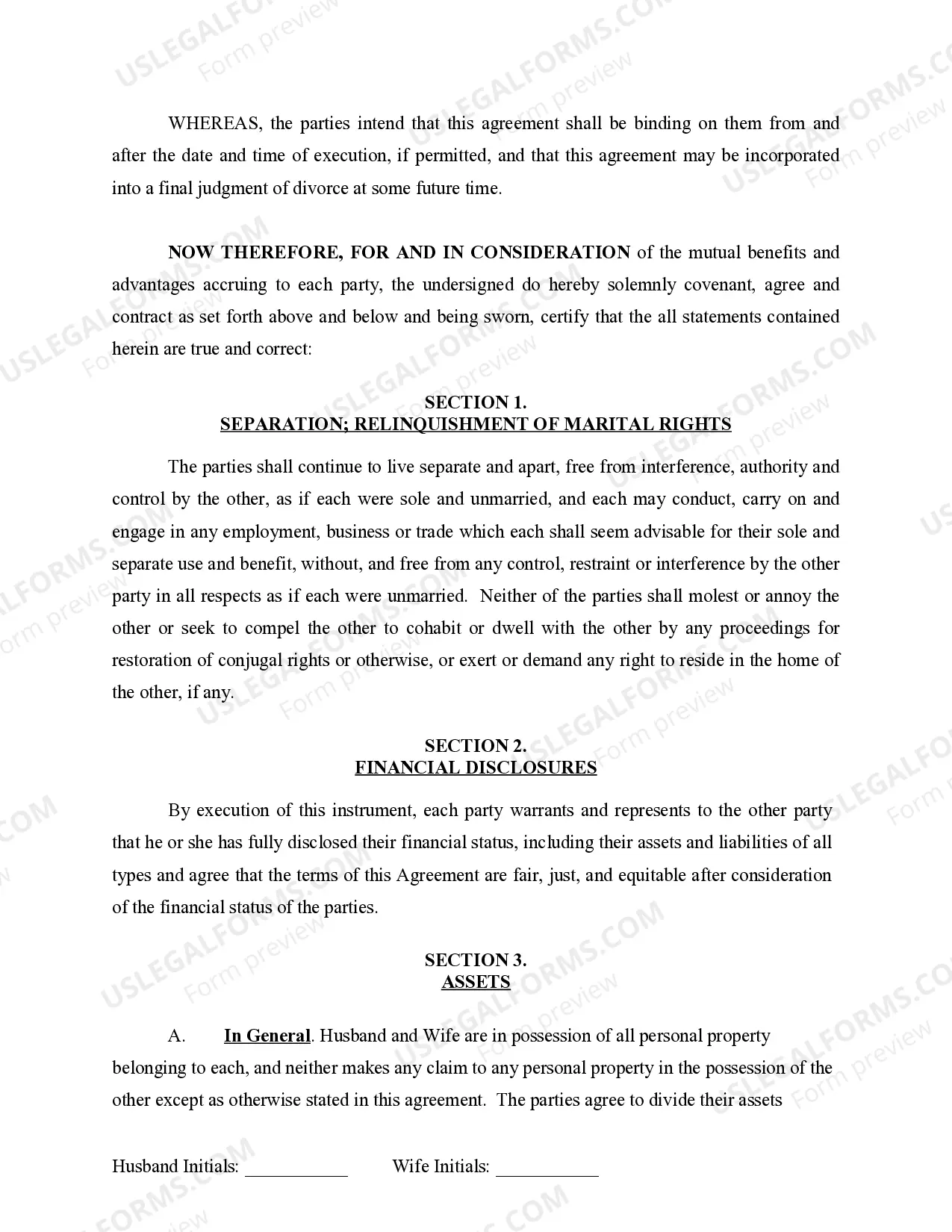
- Separation and Living Apart: Clauses addressing the terms of separation and the independence of both parties.
- Financial Disclosures: Each party confirms their financial status and disclosures.
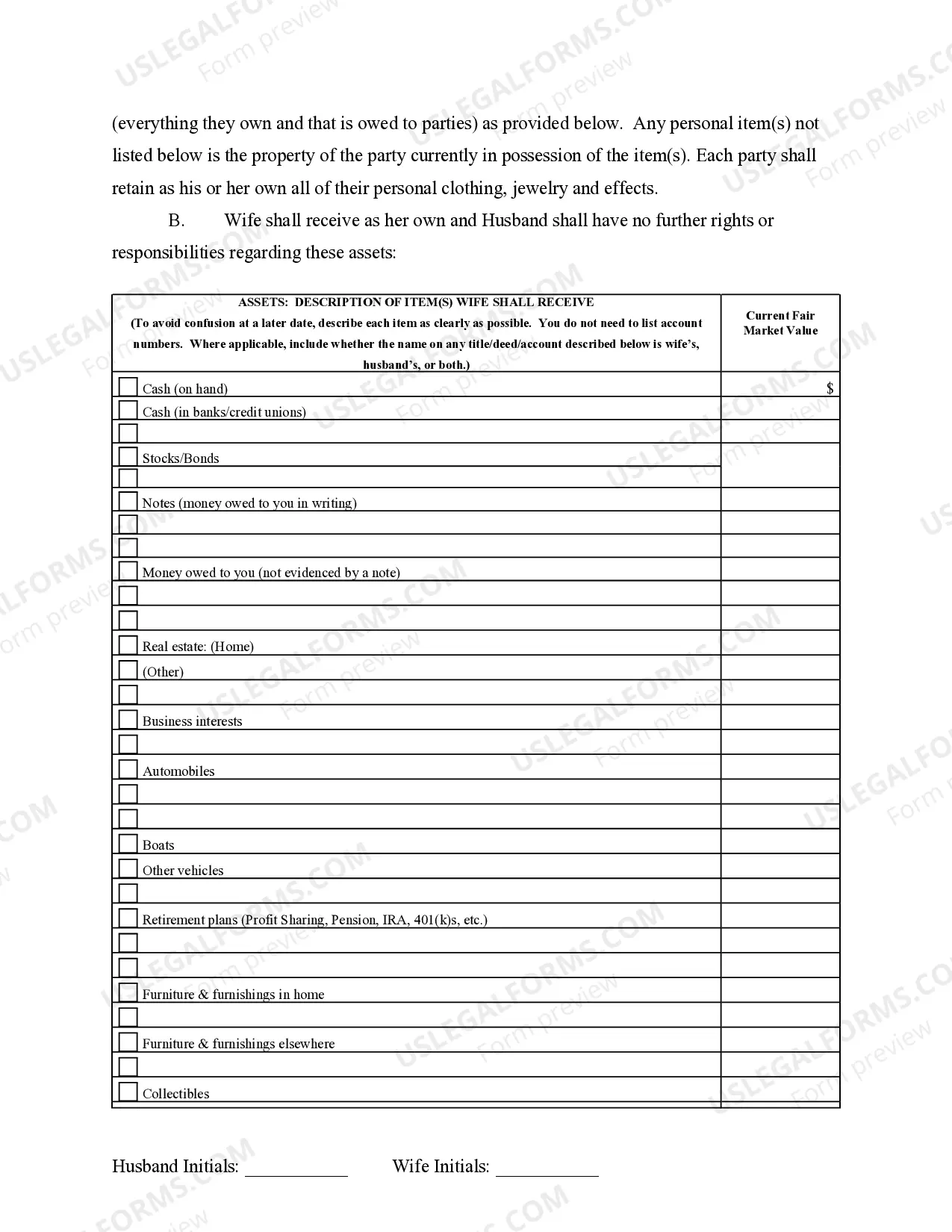
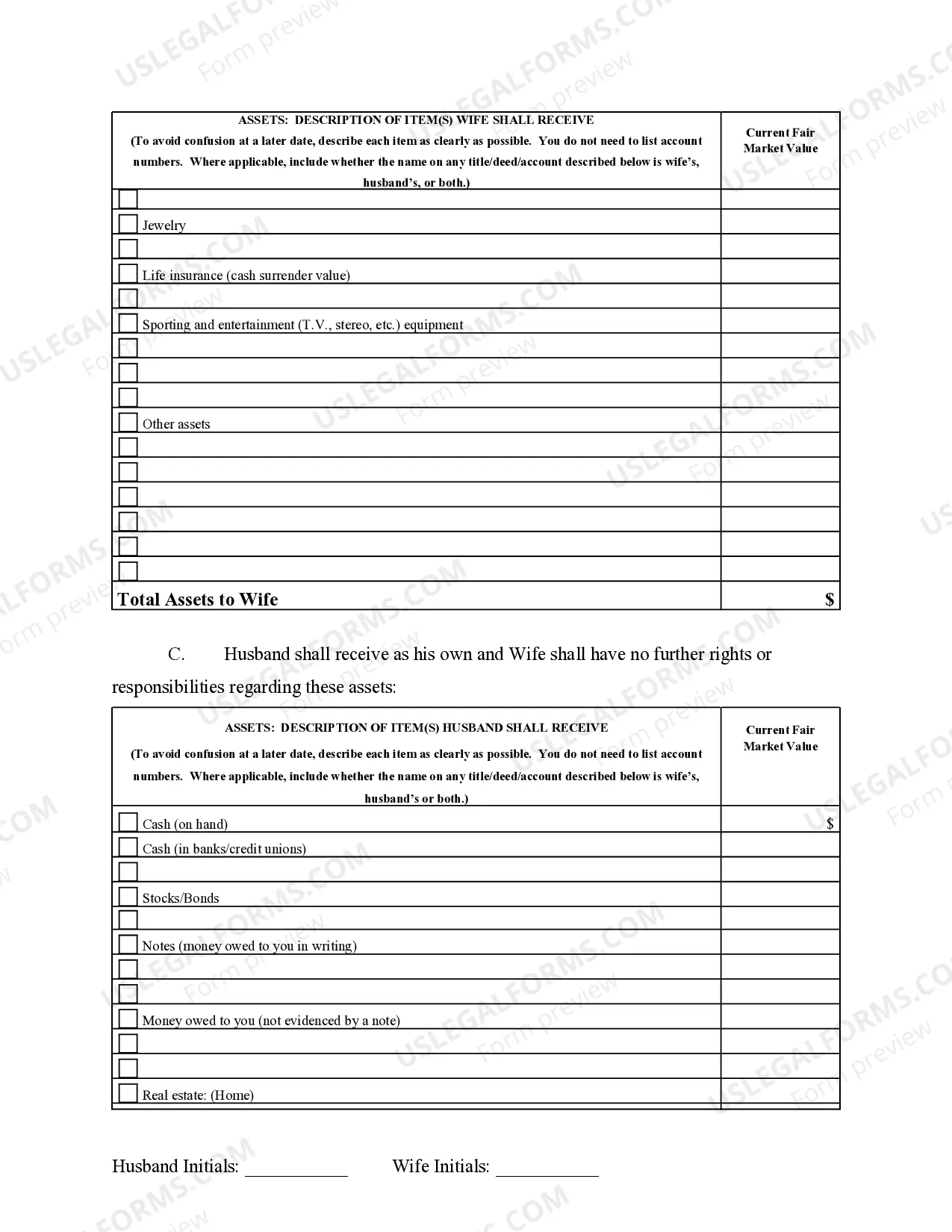
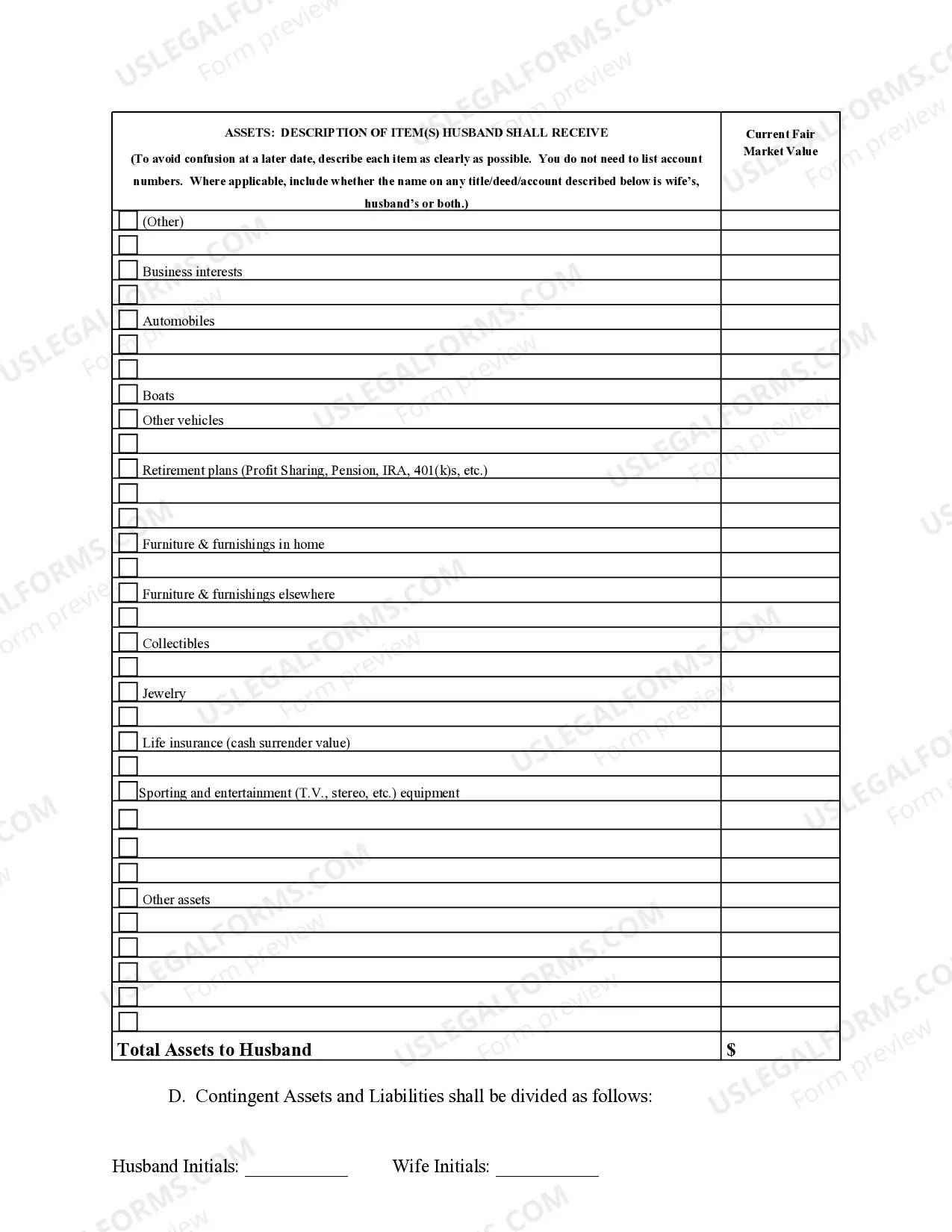
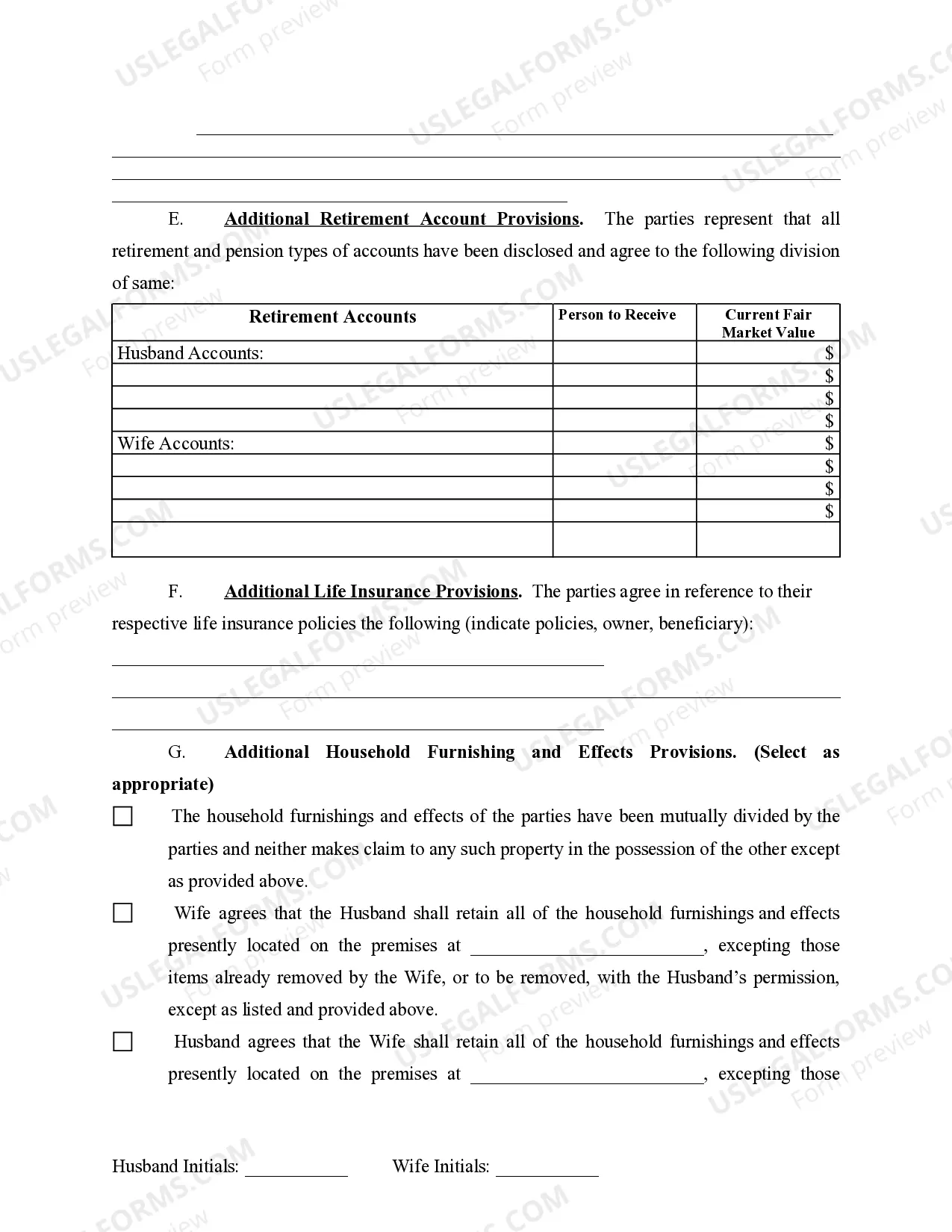
- Asset Division: Detailed descriptions of assets owned by each party and how they will be divided.
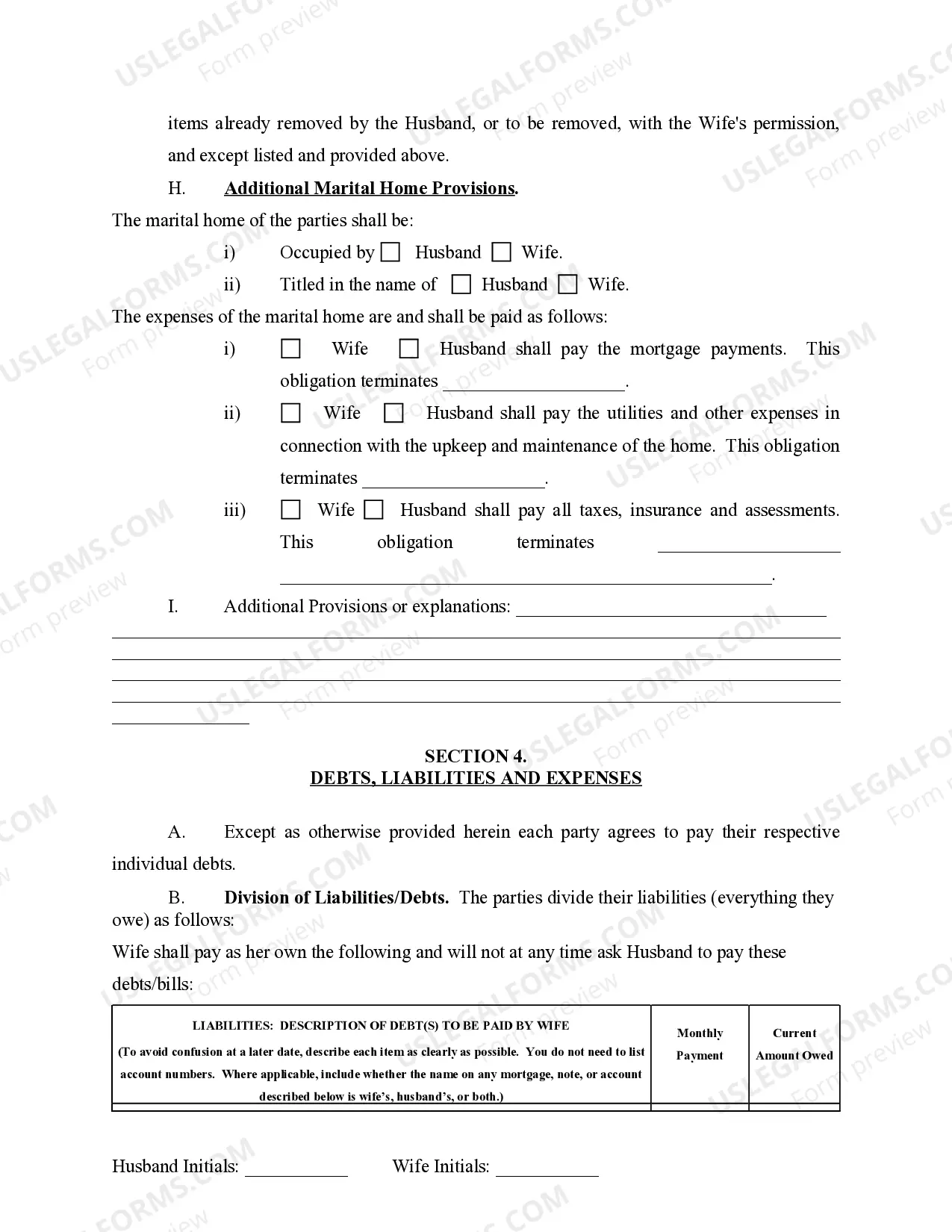
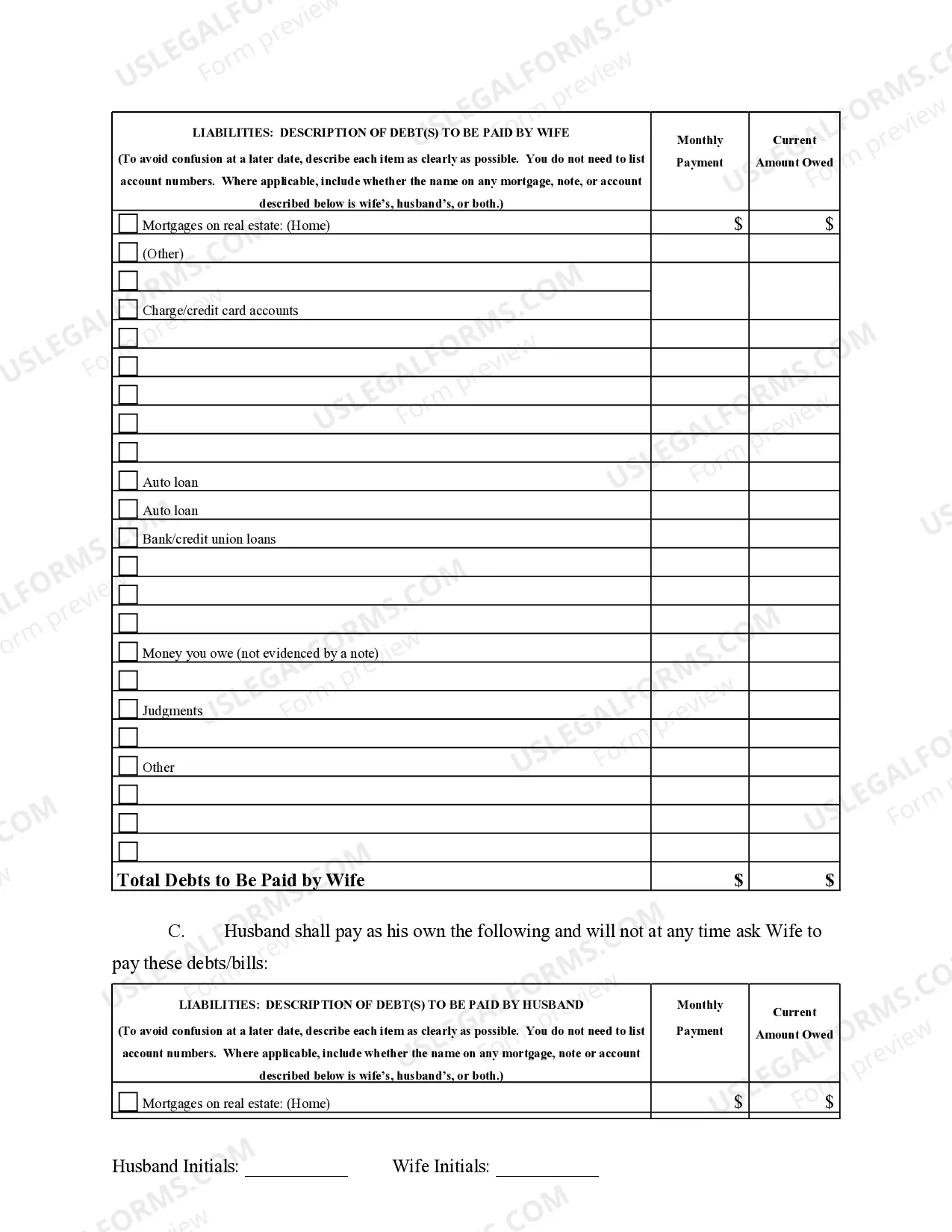
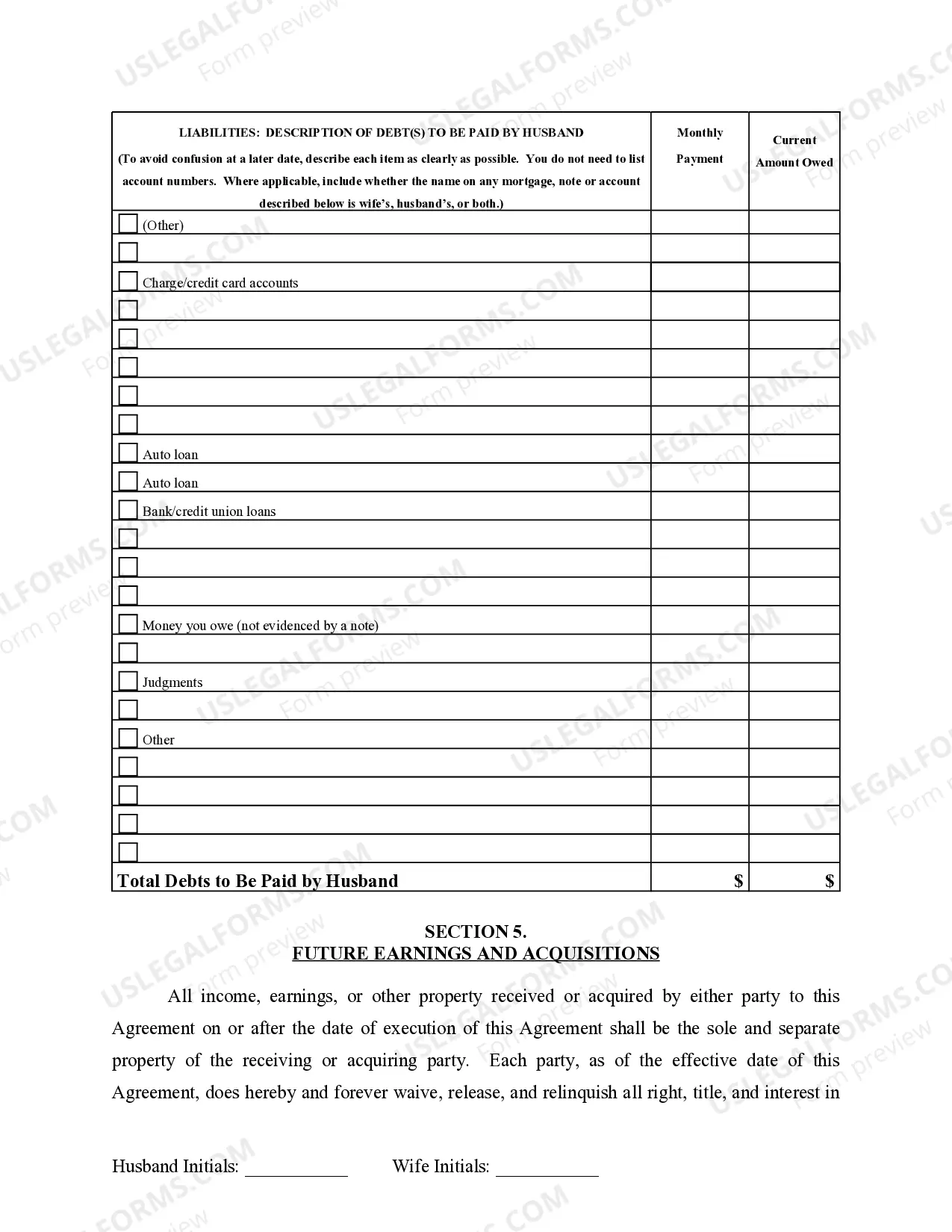
- Debt Responsibility: Sections detailing how each party will handle their respective debts and liabilities.
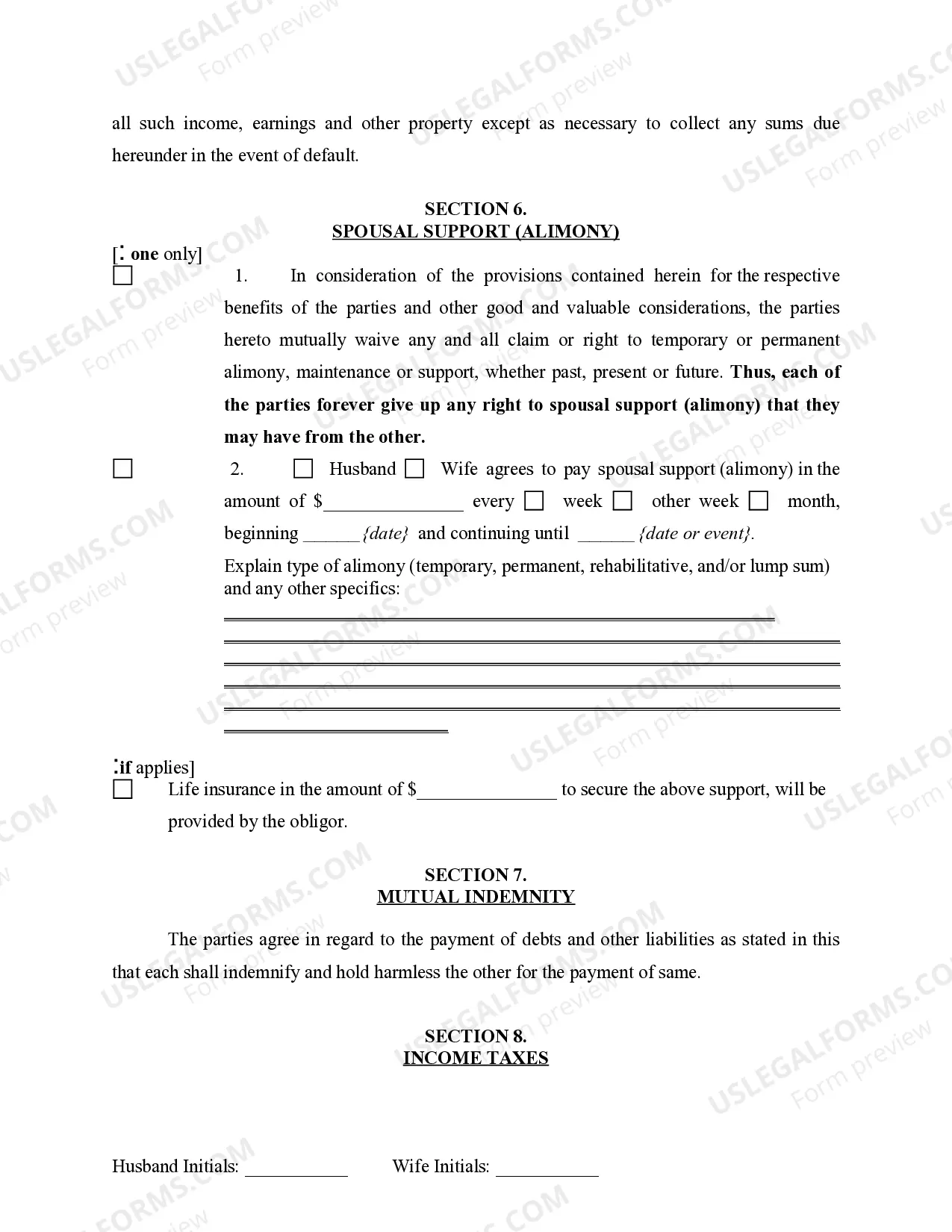
- Spousal Support Waiver: Provisions where both parties agree to waive any claim for alimony or spousal support.

When this form is needed
This form should be used when a married couple decides to separate or divorce without having dependent or minor children. It is particularly suitable in situations where both parties aim to come to a mutual and amicable agreement about the division of assets and debts, and wish to formalize this understanding legally.
Who needs this form
Eligibility for this form includes:
- Couples who are legally married and seeking to separate.
- Spouses without dependent or minor children.
- Parties looking for a clear and formal agreement on asset and debt division.
Completing this form step by step
Follow these steps to complete the Marital Settlement Agreement:
- Identify the full legal names of both parties at the beginning of the document.
- Clearly state the date of marriage and the date of separation.
- Outline all assets, specifying what each party will retain.
- Detail any debts, indicating who is responsible for each obligation.
- Both parties should review and sign to acknowledge agreement to the terms.
Notarization guidance
This form does not typically require notarization unless specified by local law. However, notarizing the agreement can add an additional layer of security and authenticity to the document.
Get your form ready online
Our built-in tools help you complete, sign, share, and store your documents in one place.
Make edits, fill in missing information, and update formatting in US Legal Forms—just like you would in MS Word.
Download a copy, print it, send it by email, or mail it via USPS—whatever works best for your next step.
Sign and collect signatures with our SignNow integration. Send to multiple recipients, set reminders, and more. Go Premium to unlock E-Sign.
If this form requires notarization, complete it online through a secure video call—no need to meet a notary in person or wait for an appointment.
We protect your documents and personal data by following strict security and privacy standards.

Make edits, fill in missing information, and update formatting in US Legal Forms—just like you would in MS Word.

Download a copy, print it, send it by email, or mail it via USPS—whatever works best for your next step.

Sign and collect signatures with our SignNow integration. Send to multiple recipients, set reminders, and more. Go Premium to unlock E-Sign.

If this form requires notarization, complete it online through a secure video call—no need to meet a notary in person or wait for an appointment.

We protect your documents and personal data by following strict security and privacy standards.
Common mistakes to avoid
- Failing to disclose all assets or debts fully.
- Not clearly identifying personal property resulting in disputes.
- Forgetting to include provisions for spousal support, if applicable.
- Not signing and dating the agreement, making it unenforceable.
Benefits of completing this form online
- Convenience of having a legally recognized document tailored to your situation.
- Ability to download, edit, and customize forms easily online.
- Reliability, as the forms are drafted by licensed attorneys.
What to keep in mind
- The Marital Settlement Agreement is vital for couples without children to clarify financial arrangements post-separation.
- Both spouses must disclose their financial situations completely to avoid disputes.
- Clear terms in the agreement can prevent future misunderstandings regarding asset and debt division.
Looking for another form?
Form popularity
FAQ
A detailed parenting-time scheduleincluding holidays! Specifics about support. Life insurance. Retirement accounts and how they will be divided. A plan for the sale of the house.
#1. Start with the Basics. #2. Include the Details. #3. Confirm Your Agreement. #4. Identify and Divide Assets and Debts. #5. Create a Parenting Plan for Custody and Visitation. #6. Agree on Child Support and Spousal Support (Alimony) #7. Polishing Your Agreement. Conclusion.
You need to have your written agreement notarized. Make sure, when you sign the agreement, that you understand everything you are agreeing to. This type of agreement is often called a marital settlement agreement or MSA.
Your divorce settlement agreement should cover everything that is important to you, including custody of your children, child support payments, alimony, and the separation of your property, such as your family home, vehicles, and other assets.
Some people wonder if they can save even more by money by writing their own settlement agreement and not seeking the help of a divorce attorney at all. While there is no legal requirement that you have a lawyer draft your settlement agreement, it is certainly a good idea to do so.
Divorce laws in Illinois allow either party to receive alimony payments (or spousal support/maintenance payments). The court determines the amount of alimony as well as the duration based on numerous factors. Fault and marital misconduct are not among them.
An attorney can identify possible issues that you can address before filing it, which can save resources and avoid delays in your divorce process. While you can write a settlement on your own, it is not recommended that you do so.
Make sure you have all of the basic information and divorce forms you need according to the divorce laws in your state. Make sure you have all of the personal information you need. Include a statement that you and the other party are in agreement with the contents of the document.