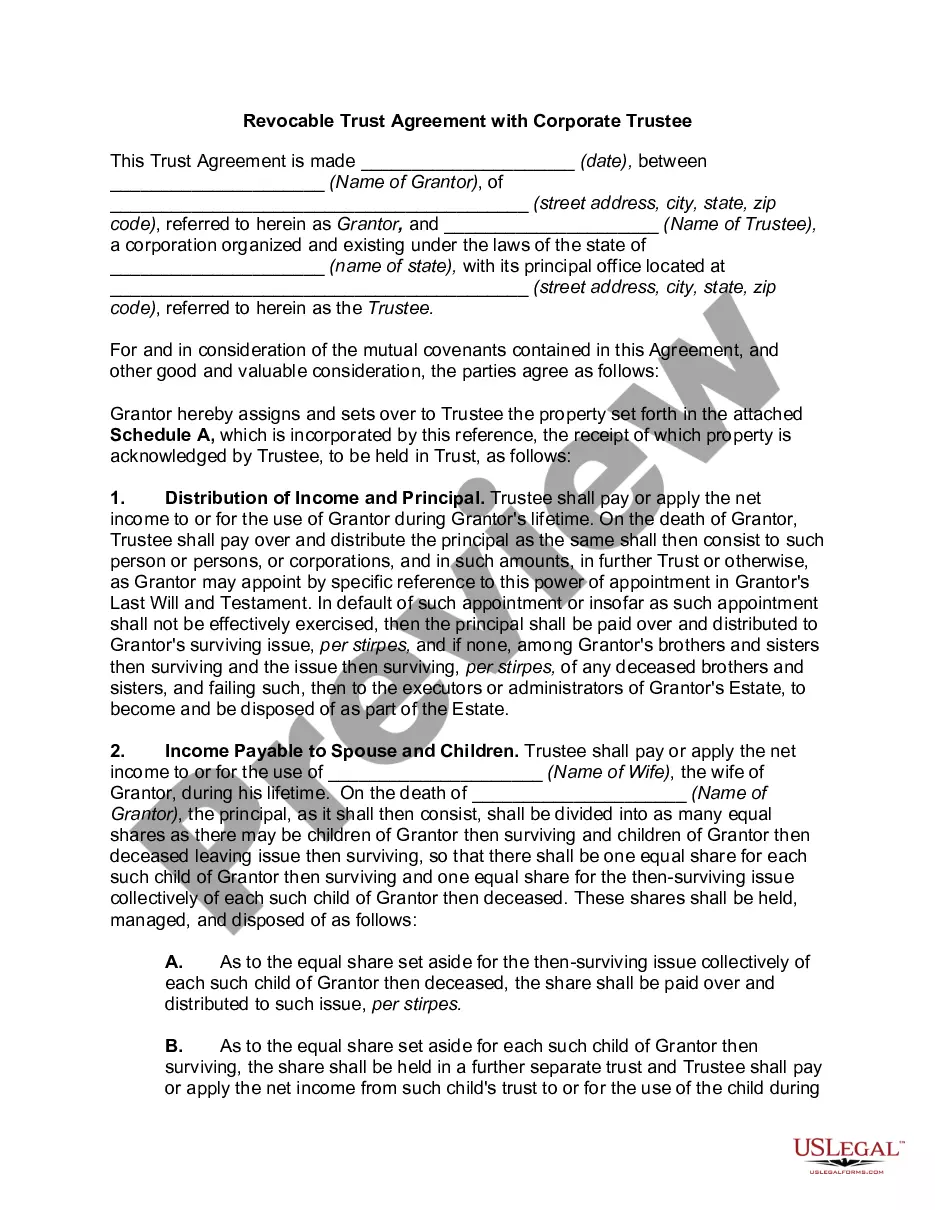
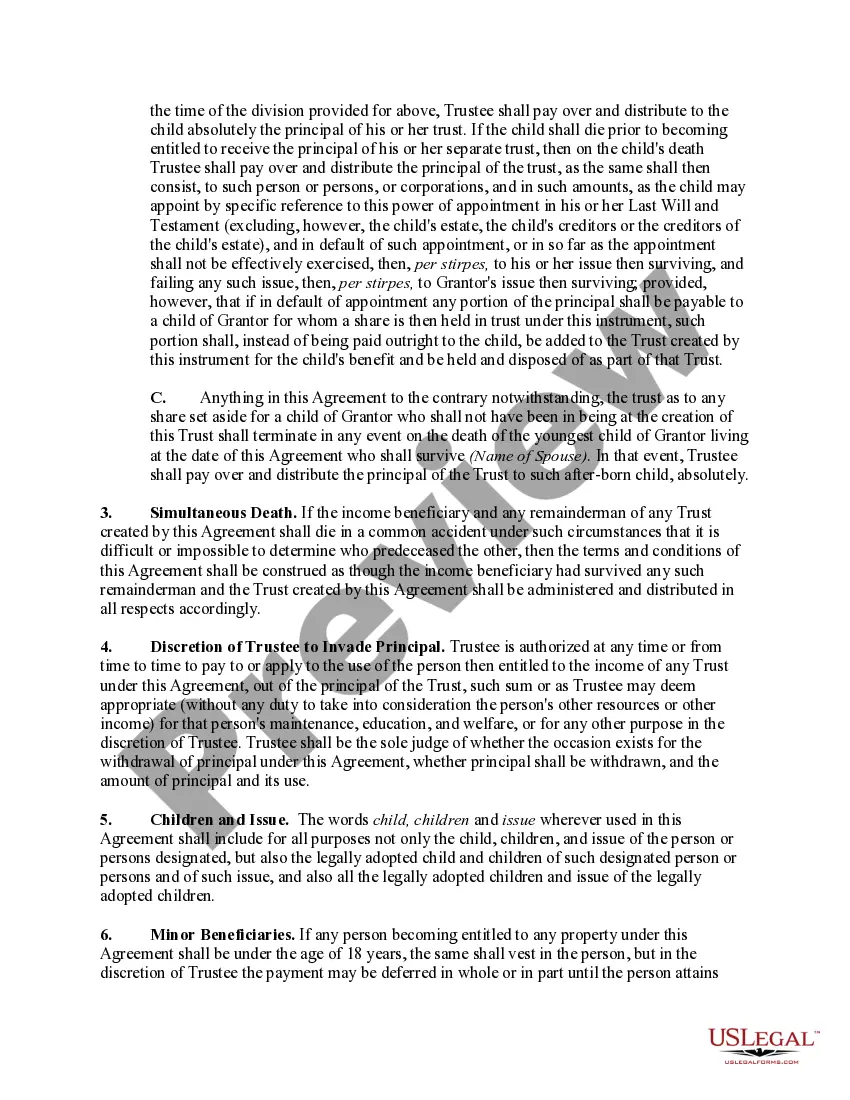
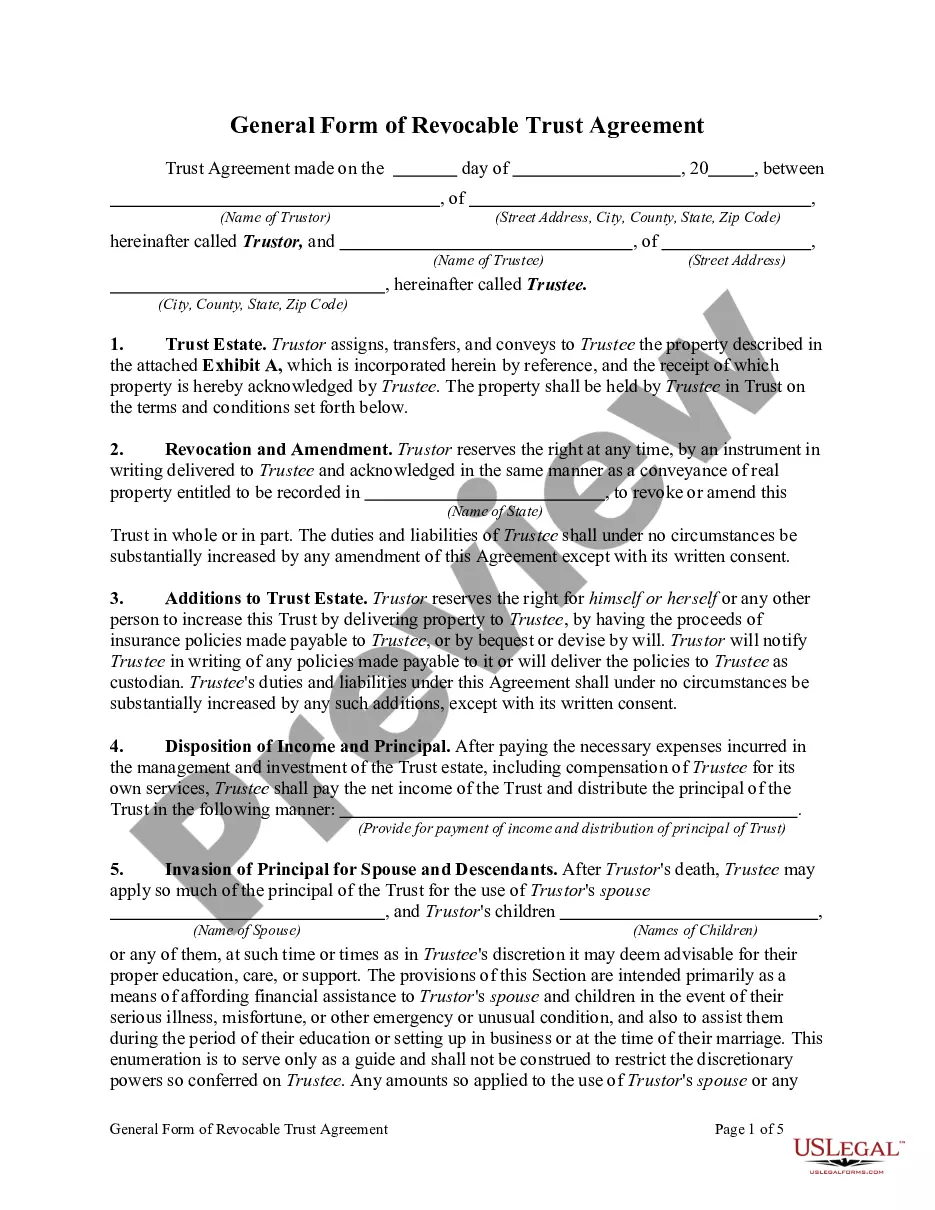
Missouri Revocable Trust Agreement with Corporate Trustee
Description
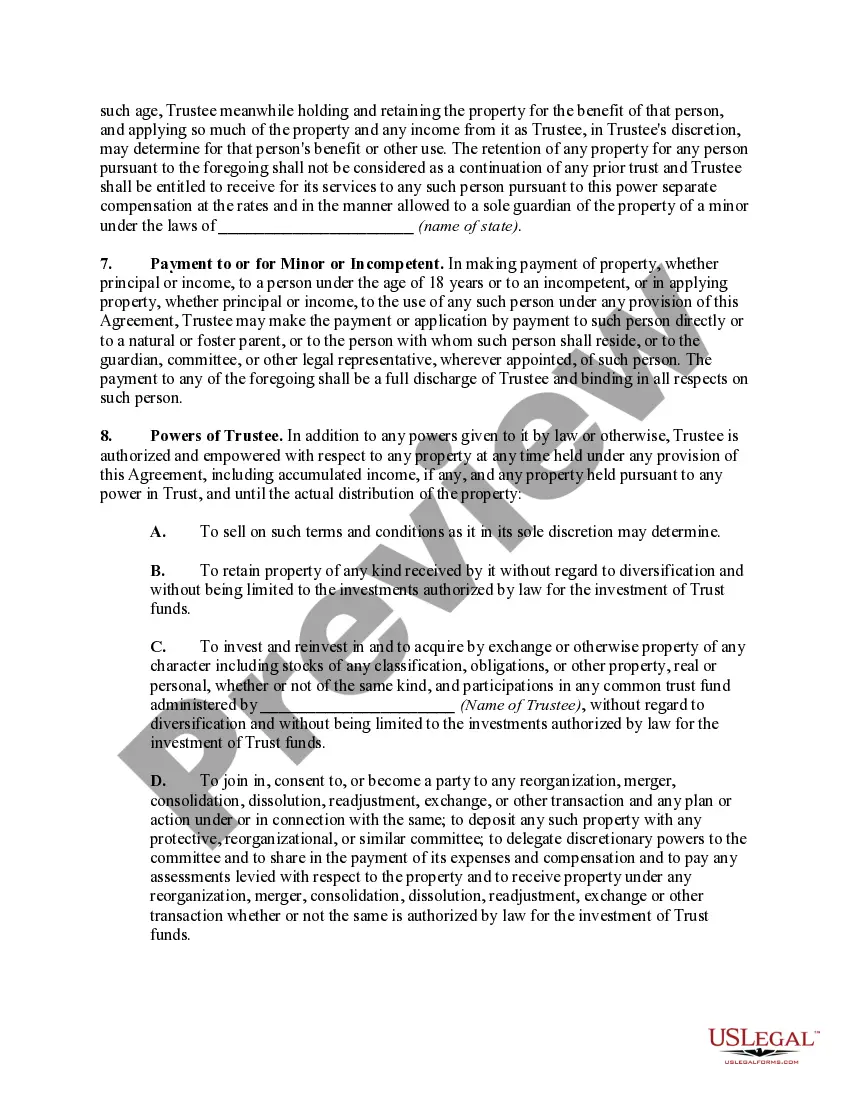
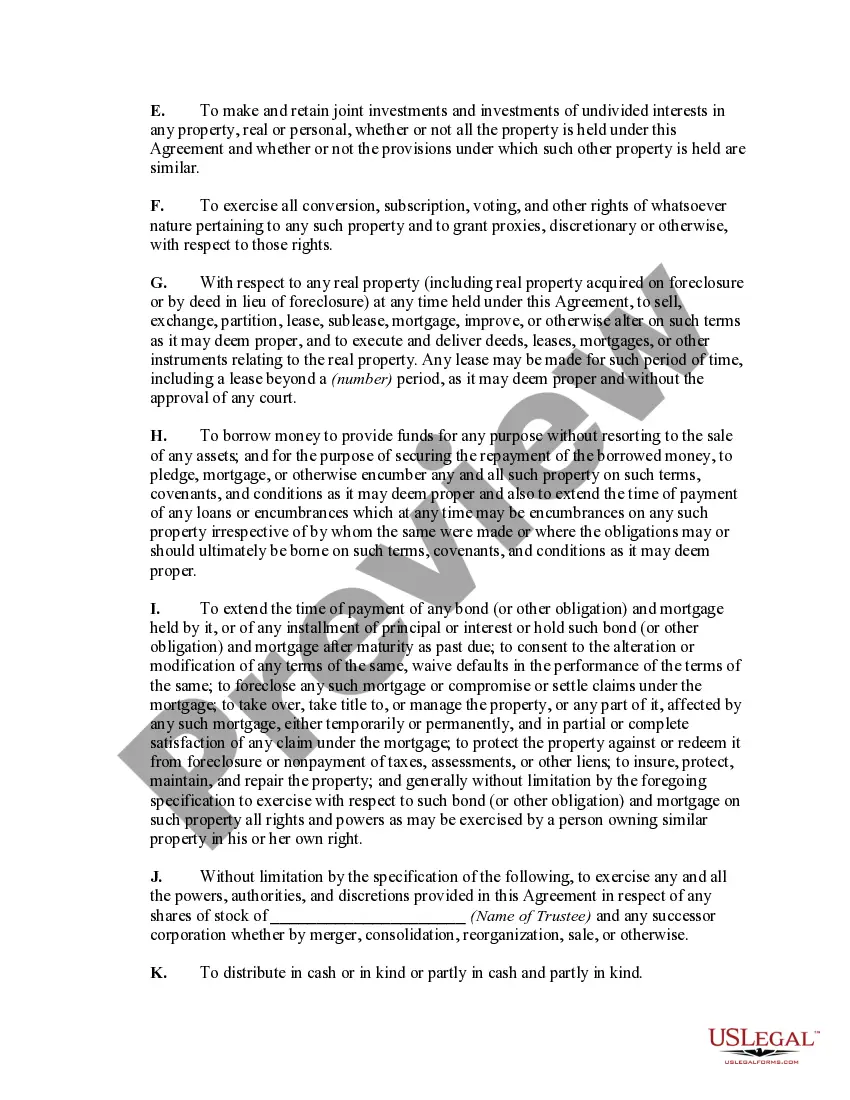
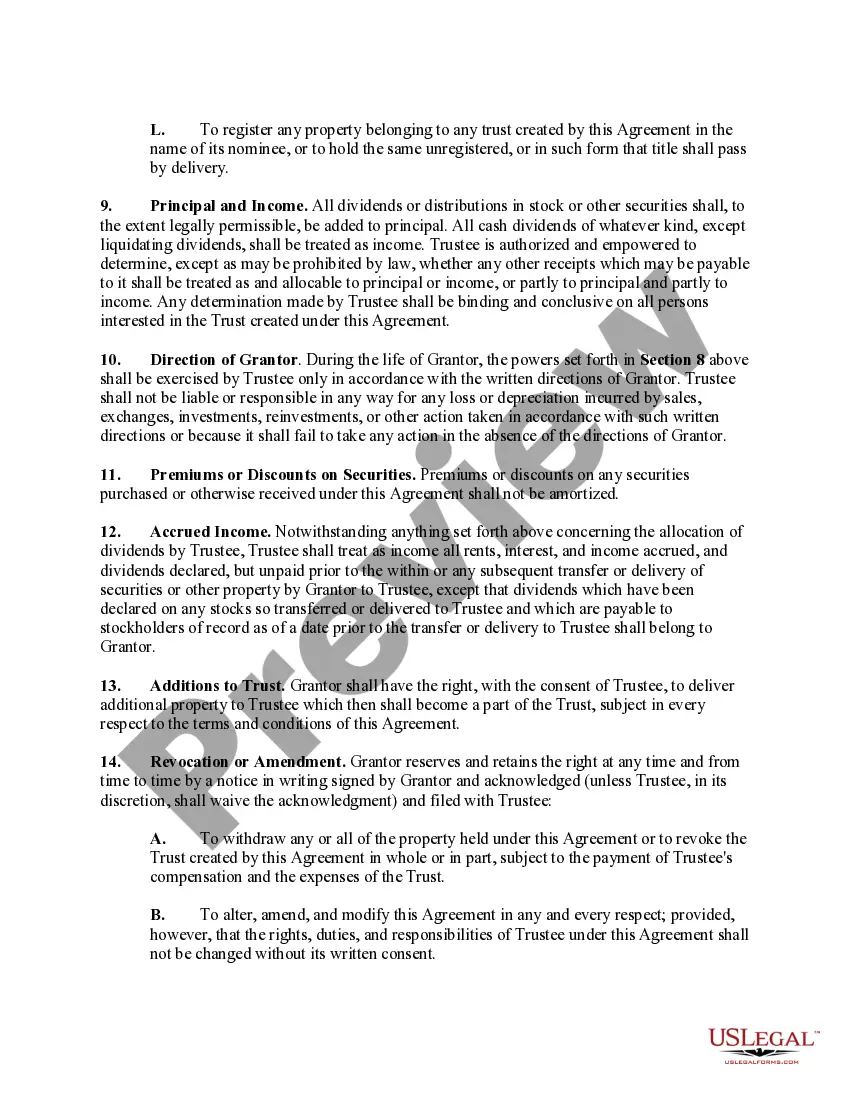
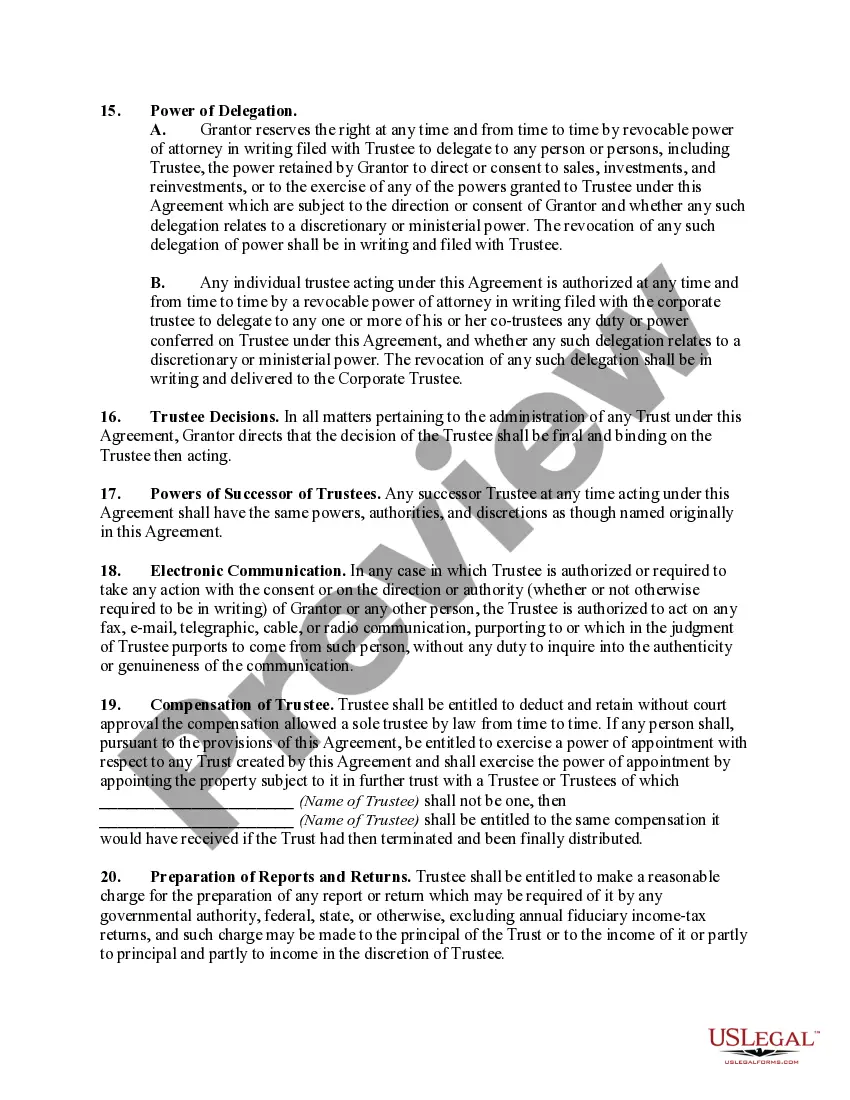
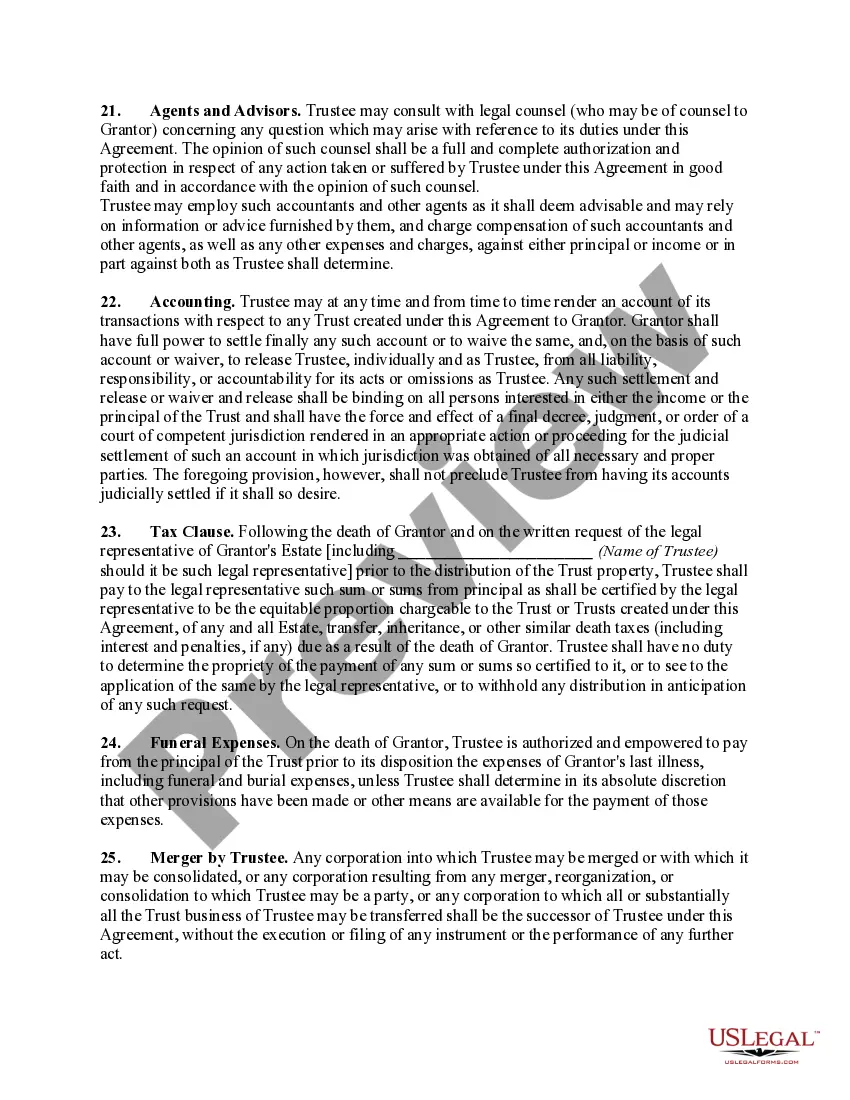
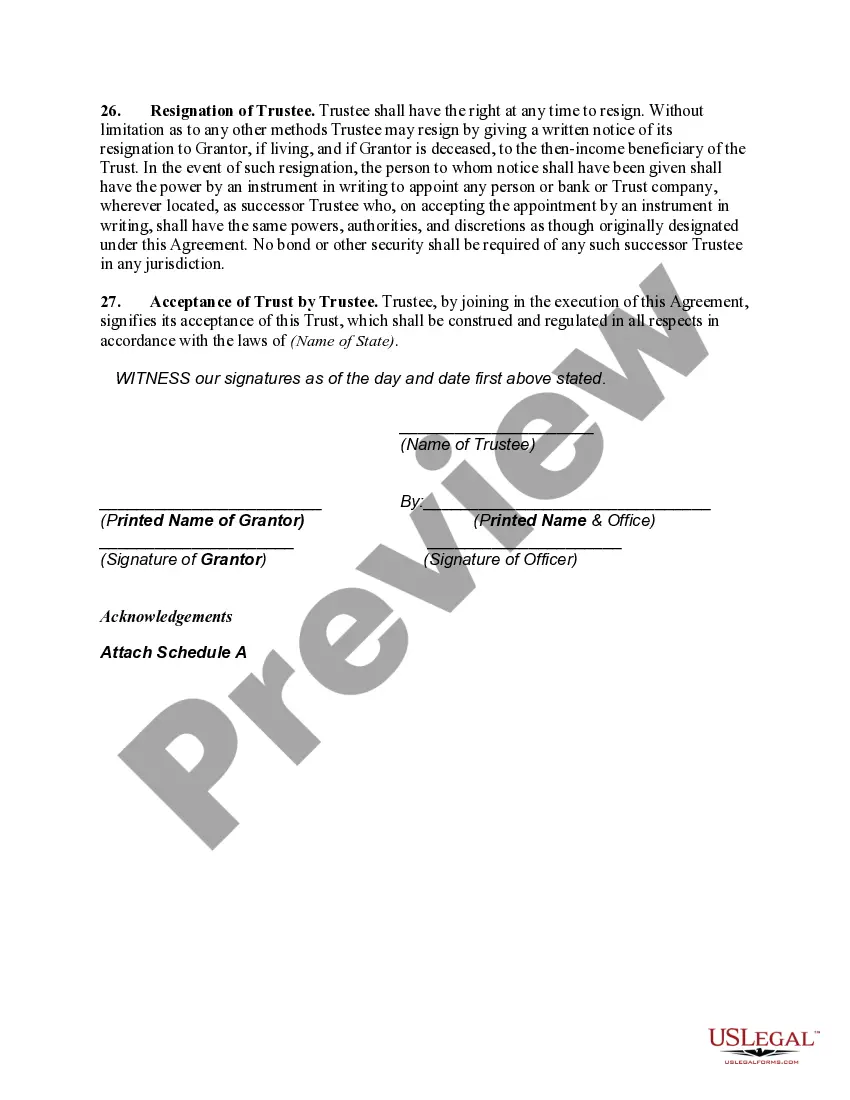
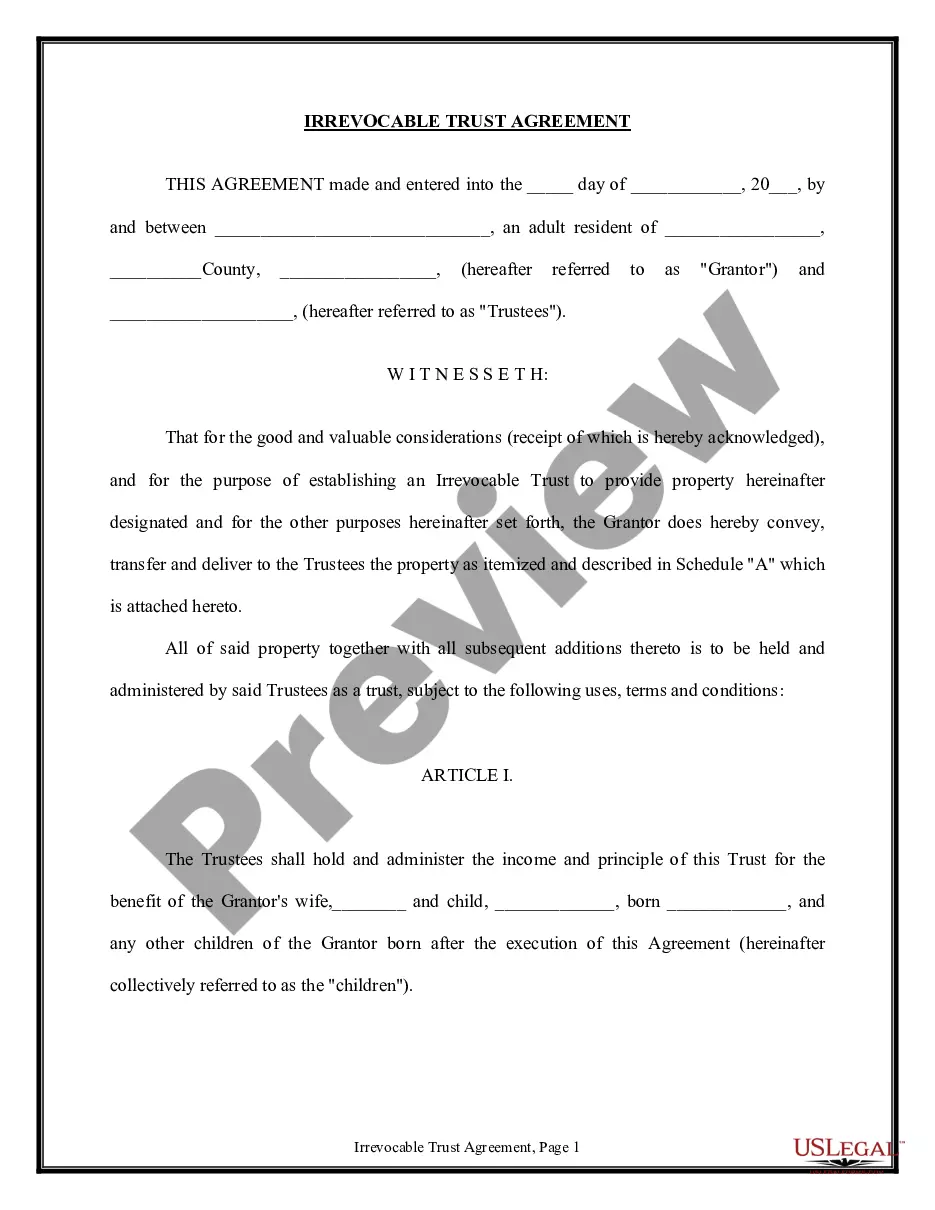
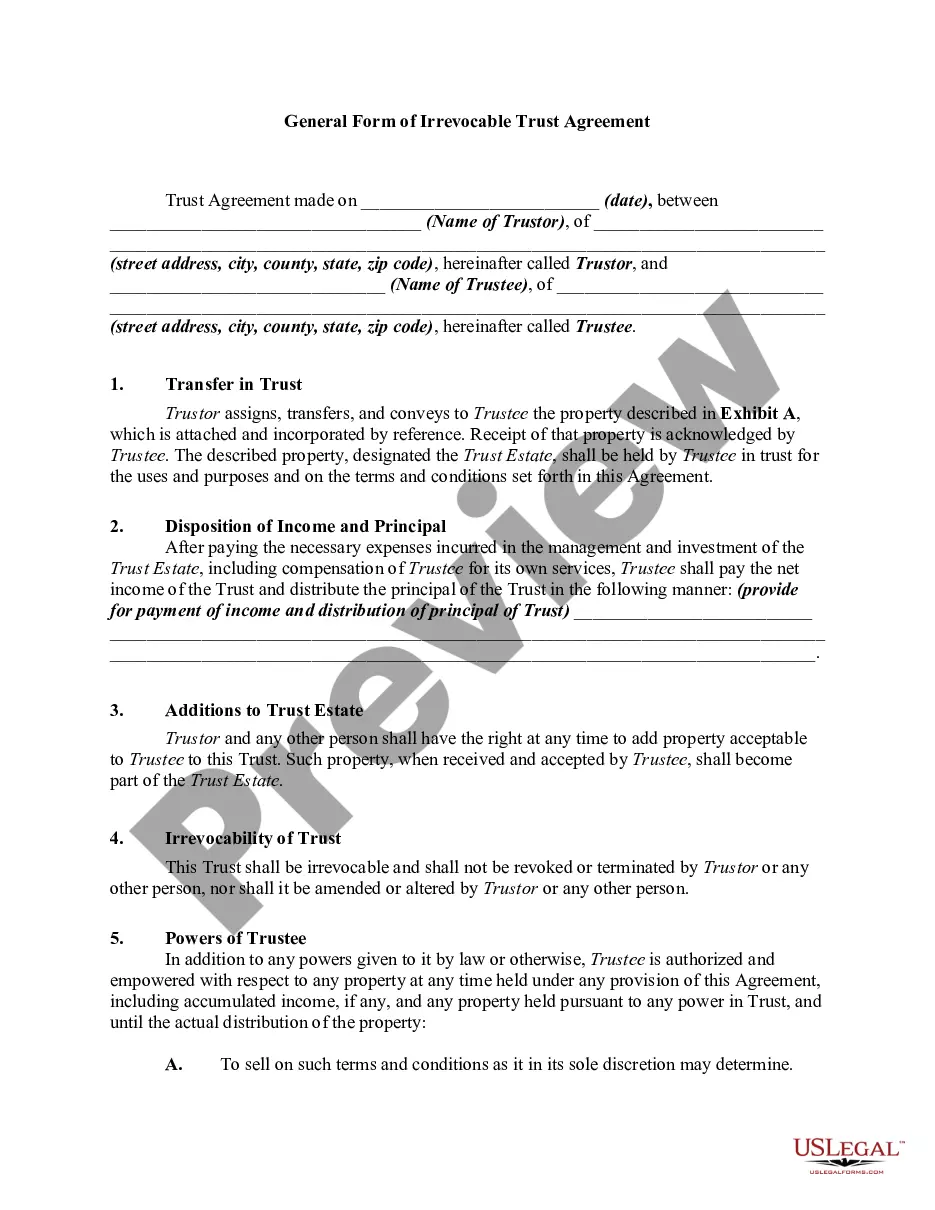
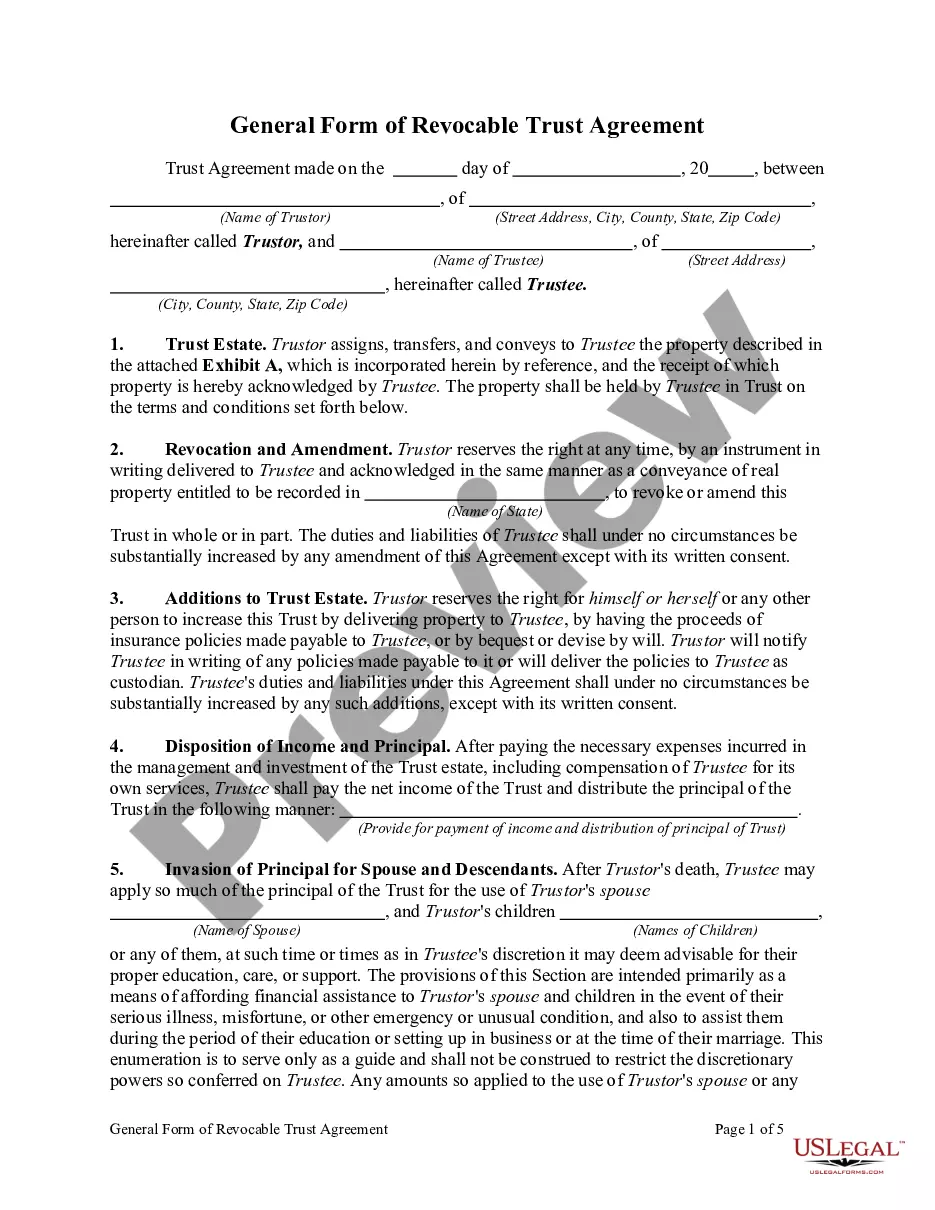


How to fill out Revocable Trust Agreement With Corporate Trustee?
Are you presently at the location where you frequently require documents for either organizational or personal purposes almost every day.
There are numerous official document templates available online, but locating reliable ones isn't simple.
US Legal Forms offers a vast array of form templates, including the Missouri Revocable Trust Agreement with Corporate Trustee, designed to comply with state and federal regulations.
Select a convenient file format and download your copy.
Access all the document templates you have acquired in the My documents section. You can obtain an additional copy of the Missouri Revocable Trust Agreement with Corporate Trustee whenever necessary. Click on the required form to download or print the document template.
- If you are already familiar with the US Legal Forms site and have an account, simply Log In.
- Then, you can download the Missouri Revocable Trust Agreement with Corporate Trustee template.
- If you do not have an account and wish to start using US Legal Forms, follow these instructions.
- Find the form you need and ensure it is for the correct city/state.
- Utilize the Review feature to verify the form.
- Read the description to confirm you have selected the correct form.
- If the form isn’t what you’re seeking, use the Research field to find the form that suits your needs and requirements.
- Once you obtain the correct form, click Purchase now.
- Choose the pricing plan you need, complete the required information to create your account, and pay for the transaction using your PayPal or Visa or Mastercard.
Form popularity
FAQ
The trustee usually has the power to retain trust property, reinvest trust property or, with or without court authorization, sell, convey, exchange, partition, and divide trust property.
Worse yet, under the default rules of California Trust law, co-trustees must act unanimously if they are to act at all. This means that one Trustee cannot simply break a deadlock by acting on his own. One of the Co-Trustees does not have the power and authority to act alone.
The trust can state that they have the authority to act independently, but if it doesn't state, then the default standard is that they have to make all decisions together.
A living trust is revocable. That means that even though the grantor transfers assets to a revocable living trust, the grantor can get his or her property back by revoking the trust. In most revocable living trusts created in the United States, the grantor, trustee, and beneficiary are all the same person.
The grantor can serve as trustee or appoint someone else to manage the trust assets. Beneficiaries are also named in the trust document. However, the grantor also receives a benefit from the trust.
Trustees have a duty to exercise reasonable care. Trustees have a duty to act jointly where more than one (and subject to the specific provisions of the Trust).
This stems in part from the fact that the Trustee can be the same person as the Grantor. But the Grantor can also (and often does) appoint someone else to fulfill this role. A Trustee is the person who's specifically named in a Trust to oversee, manage and one day distribute any assets the Trust holds.
While a grantor may technically be allowed to serve as the trustee of an irrevocable trust he creates, it is not a good idea at best.
Trustees have a duty to exercise reasonable care. Trustees have a duty to act jointly where more than one (and subject to the specific provisions of the Trust).
Trustees have a fiduciary responsibility to the trust and beneficiaries, meaning they have to follow the terms of the trust and act in the best interests of the beneficiaries. A trustee can only remove a beneficiary in a revocable trust, but that's when the person who made the trust is the person making changes.