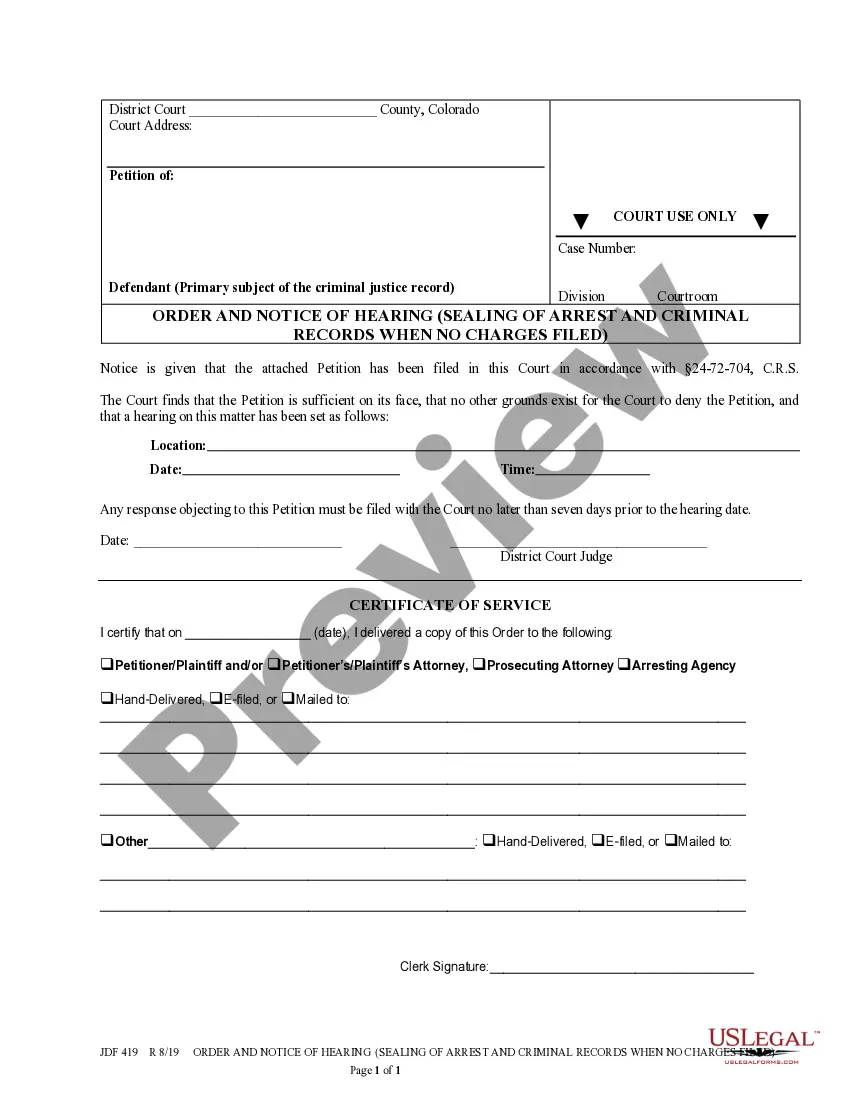
Mississippi Motion to Correct a Clerical Error Pursuant to Rule 60a
What this document covers
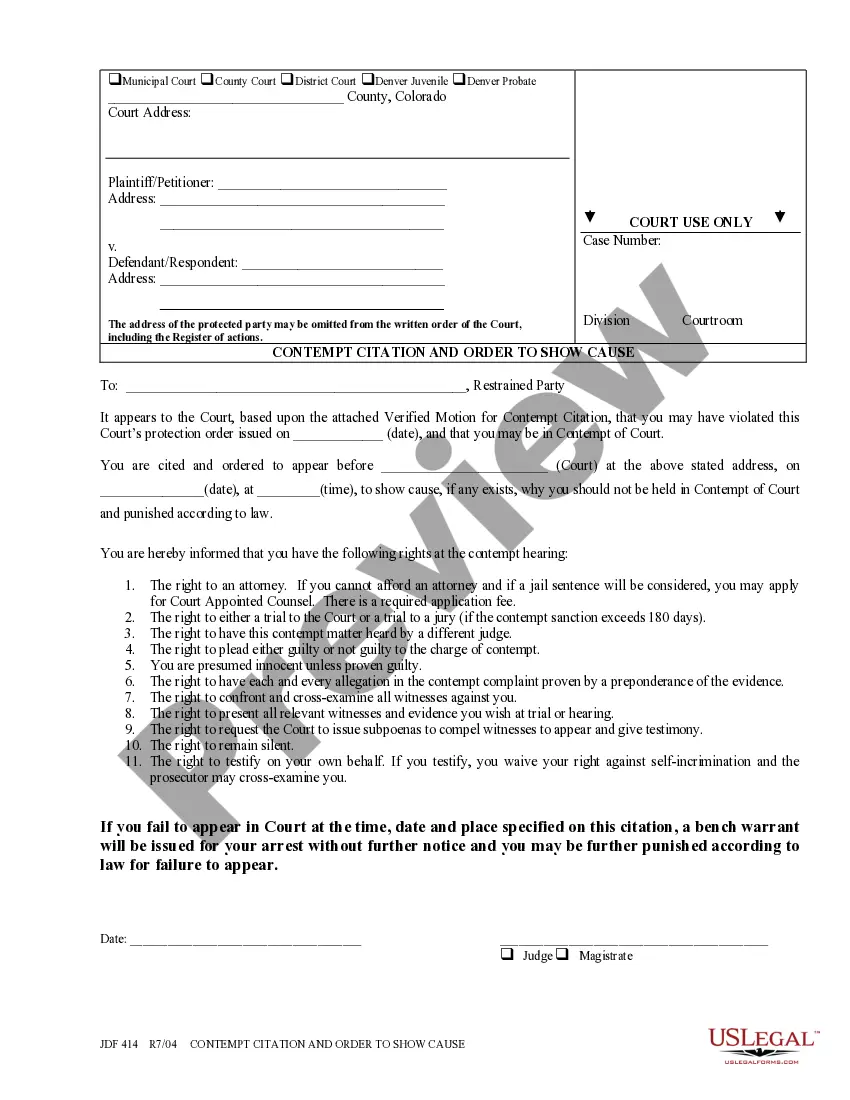
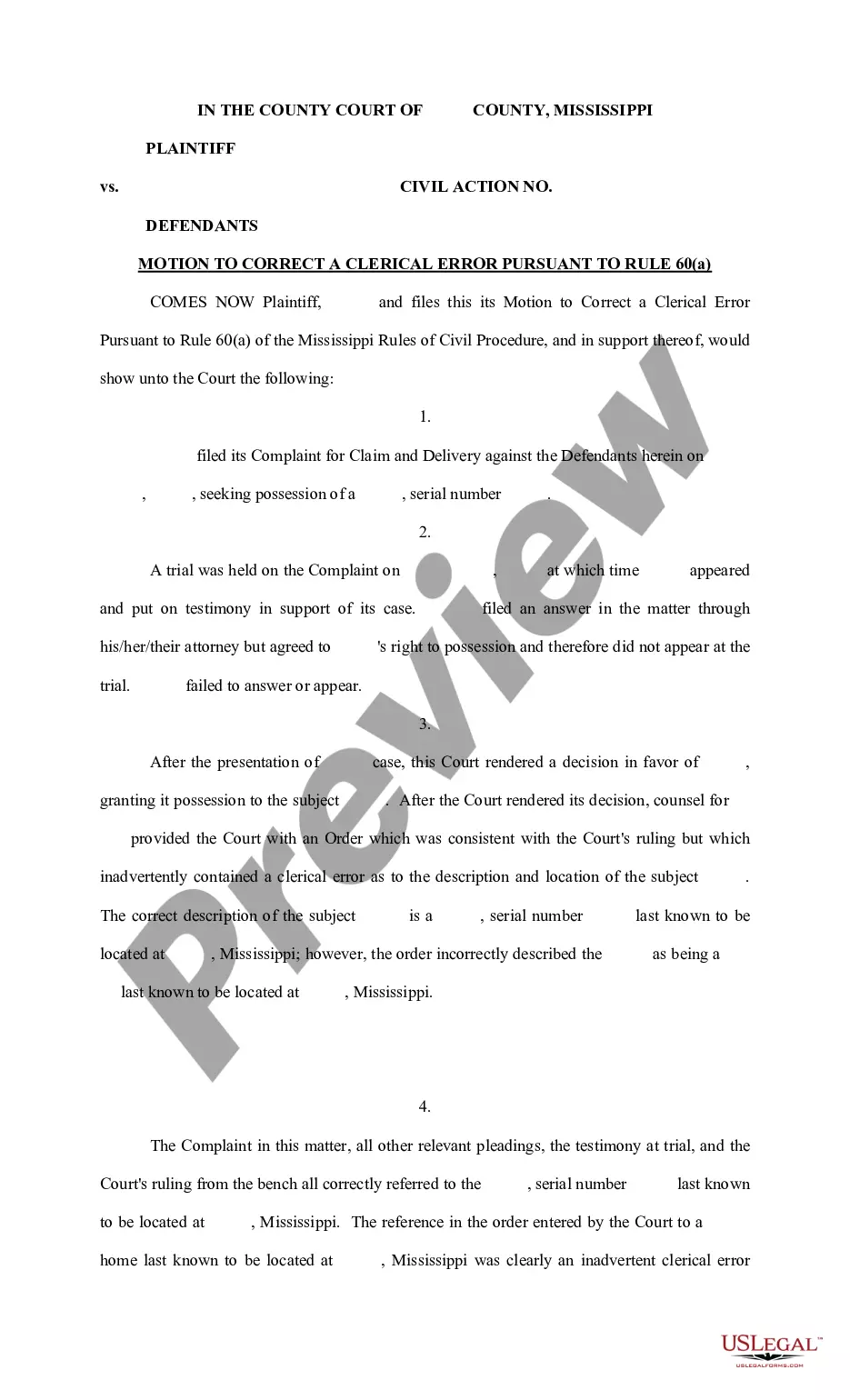
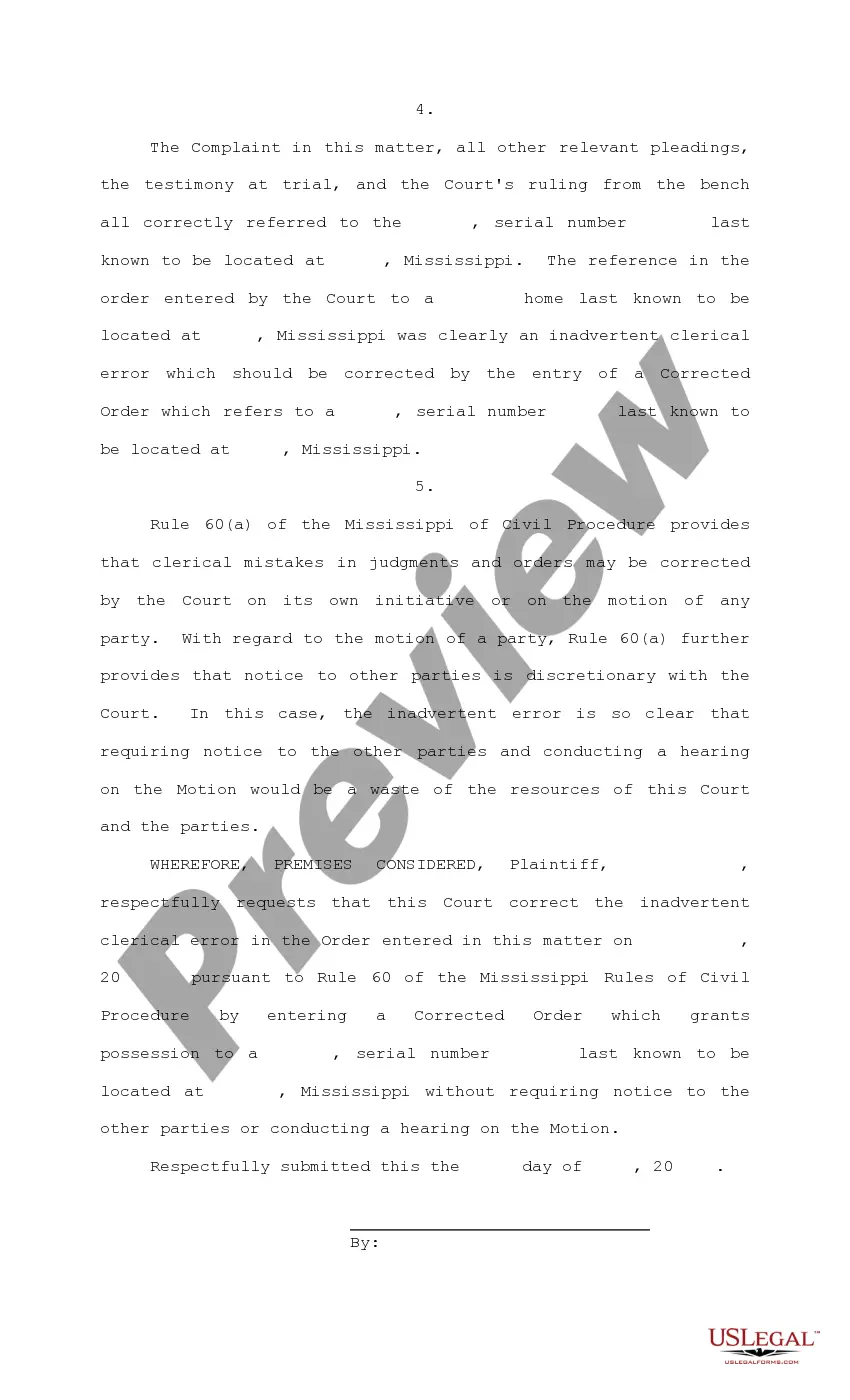
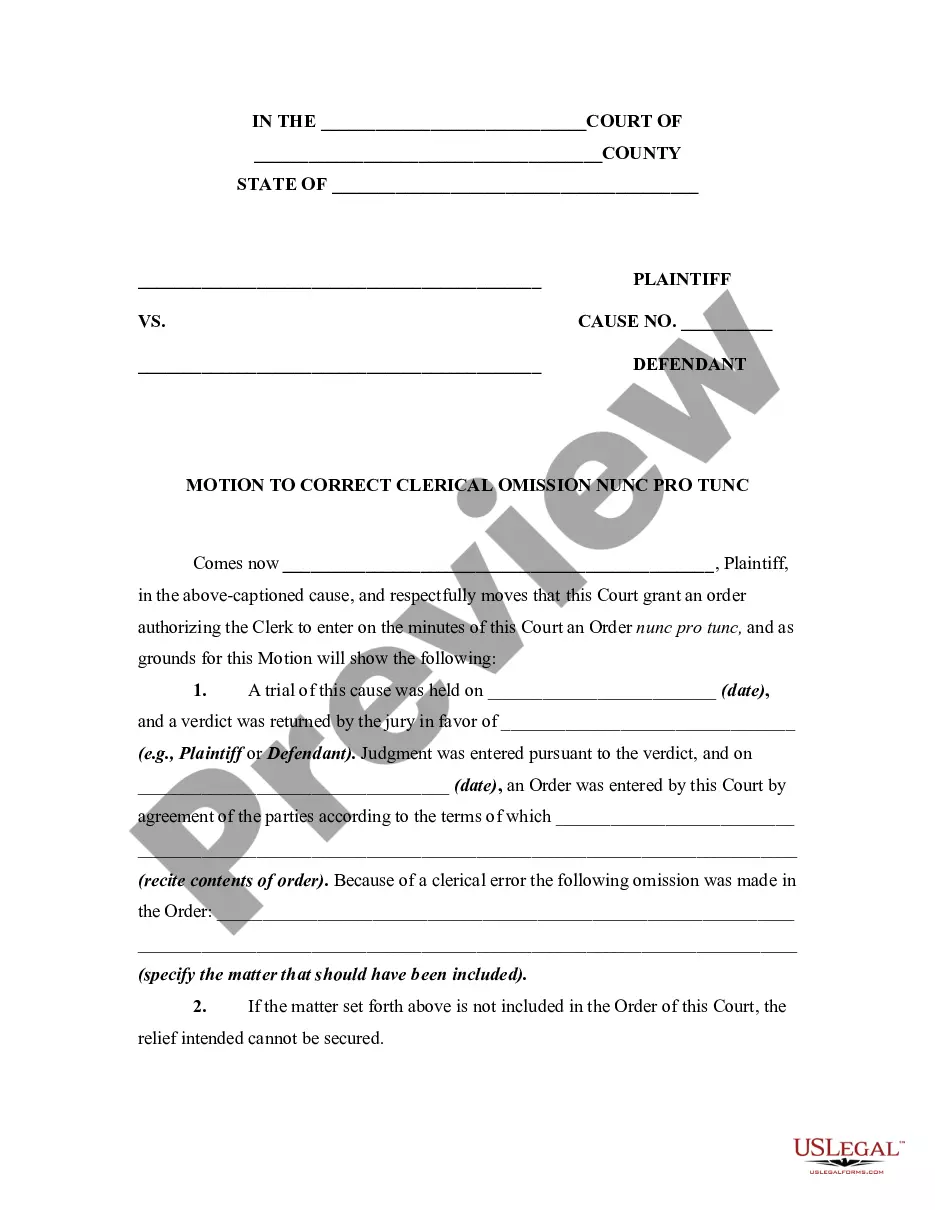
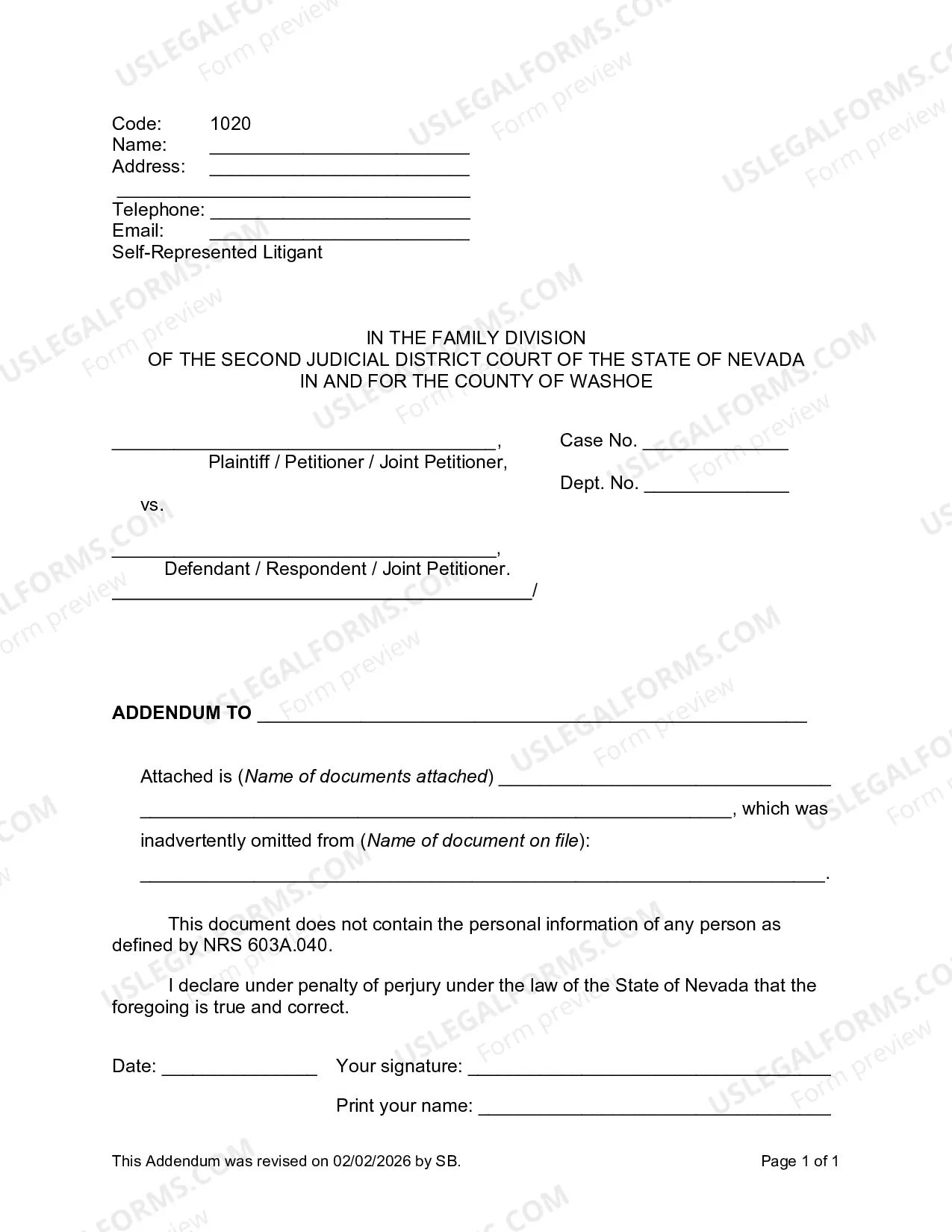
The Motion to Correct a Clerical Error Pursuant to Rule 60(a) is a legal document used to request the court to fix mistakes found in a previous court order or judgment. This motion specifically addresses clerical errors, which are unintentional mistakes that do not reflect the true intent of the court's decision. Unlike appeals or more complex motions, this form is focused solely on correcting these simple errors to ensure accurate record-keeping.
Form components explained
- Title of the motion
- Identification of the case or proceeding
- Statement of the clerical error
- Request for the court to make the correction
- Signature of the party or their legal representative

When to use this form
This form should be used when a party discovers a clerical error in a court document, such as misspellings, incorrect dates, or other mistakes that do not affect the substantive outcome of the case. It is commonly utilized after a judgment has been entered but before the judgment is finalized and is essential for maintaining the accuracy of legal records.
Who this form is for
- Individuals representing themselves in court proceedings
- Attorneys seeking to amend clerical errors in court documents
- Any party involved in a case where a clerical mistake has been identified
Completing this form step by step
- Identify the parties involved in the case.
- Clearly state the nature of the clerical error.
- Provide relevant details about the original court order or judgment.
- Formulate a clear request for the correction of the error.
- Sign the motion and include the date.
Does this form need to be notarized?
This form does not typically require notarization unless specified by local law. However, it is always prudent to check local requirements to ensure compliance.
Get your form ready online
Our built-in tools help you complete, sign, share, and store your documents in one place.
Make edits, fill in missing information, and update formatting in US Legal Forms—just like you would in MS Word.
Download a copy, print it, send it by email, or mail it via USPS—whatever works best for your next step.
Sign and collect signatures with our SignNow integration. Send to multiple recipients, set reminders, and more. Go Premium to unlock E-Sign.
If this form requires notarization, complete it online through a secure video call—no need to meet a notary in person or wait for an appointment.
We protect your documents and personal data by following strict security and privacy standards.

Make edits, fill in missing information, and update formatting in US Legal Forms—just like you would in MS Word.

Download a copy, print it, send it by email, or mail it via USPS—whatever works best for your next step.

Sign and collect signatures with our SignNow integration. Send to multiple recipients, set reminders, and more. Go Premium to unlock E-Sign.

If this form requires notarization, complete it online through a secure video call—no need to meet a notary in person or wait for an appointment.

We protect your documents and personal data by following strict security and privacy standards.
Common mistakes to avoid
- Failing to identify the specific clerical error clearly.
- Not citing the correct court order or judgment that contains the error.
- Neglecting to include necessary signatures.
Advantages of online completion
- Convenience of accessing the form anytime and anywhere.
- Easy editing capabilities to tailor the document to your unique situation.
- Reliability of receiving a form drafted by licensed attorneys.
Key takeaways
- This motion addresses clerical errors in court documents.
- It is an essential tool for maintaining the integrity of legal records.
- Following proper completion and submission procedures is crucial for it to be effective.
Looking for another form?



Form popularity
FAQ
Nunc Pro Tunc. Latin, Now for then. nunc pro tunc. (nuhnk proh tuhnk): adj. NUNC PRO TUNC, practice. This phrase, which signifies now for then, is used to express that a thing is done at one time which ought to have been performed at another.
Nunc pro tunc is a phrase used in an order or judgment when the court wants the order or judgment to be effective as of a date in the past rather than on the date the judgment or order is entered into the court record.
An example of potential harmful or reversible error of both law and fact might involve the age of a rape victim in a criminal trial for statutory rape, (where guilt is premised upon the actual age of the victim, and not on whether the sexual conduct was consensual).
A mistake made in a letter, paper, or document that changes its meaning, such as a typographical error or the unintentional addition or omission of a word, phrase, or figure. A mistake of this kind is a result of an oversight.
A clerical error is an error on the part of an office worker, often a secretary or personal assistant. It is a phrase which can also be used as an excuse to deflect blame away from specific individuals, such as high-powered executives, and instead redirect it to the more anonymous clerical staff.
The Court order is invalid because the court had no authority to act (subject matter jurisdiction), or you were not served with legal notice in the original case (personal jurisdiction).
Nunc pro tunc is a phrase used in an order or judgment when the court wants the order or judgment to be effective as of a date in the past rather than on the date the judgment or order is entered into the court record.
When your court order contains a specific kind of mistakea clerical errorone way to correct it is by filing a document with the court called a motion for judgment nunc pro tunc. This is the method for asking the judge to issue a new judgment or order that contains the correct information.
Nunc pro tunc means there was a clerical error in the order that was signed that is being corrected in the new version. There should not be any other change made but you should review each page to make sure.