North Carolina Acknowledgment of Satisfaction for Individual
About this form
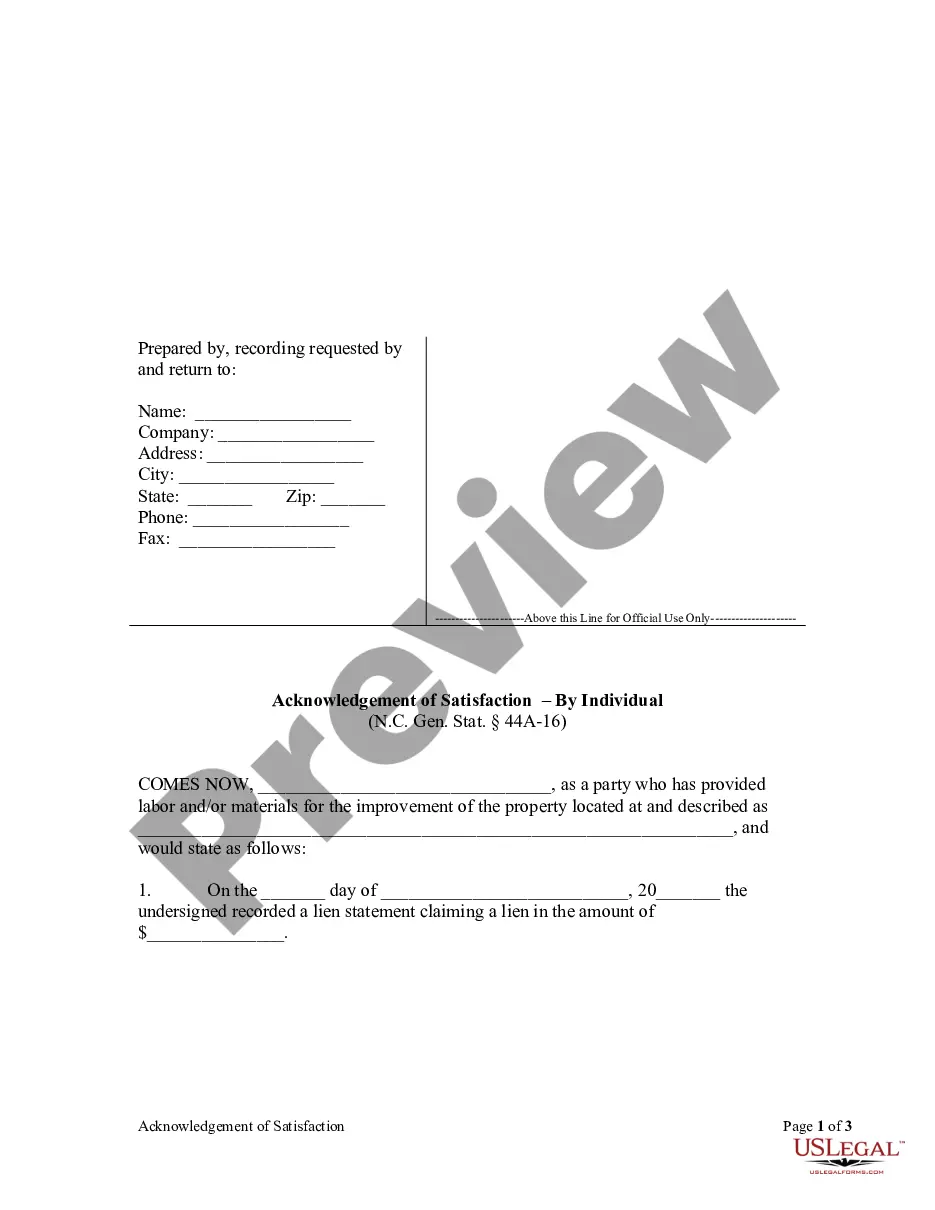
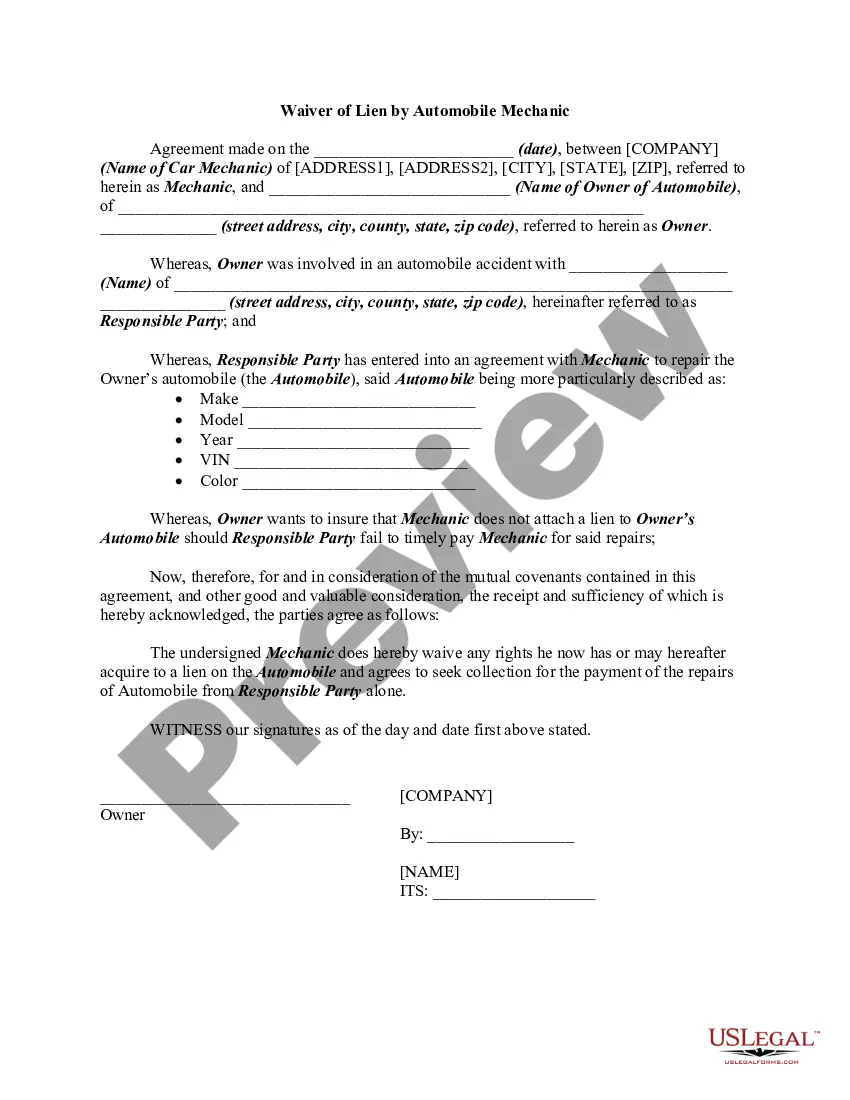
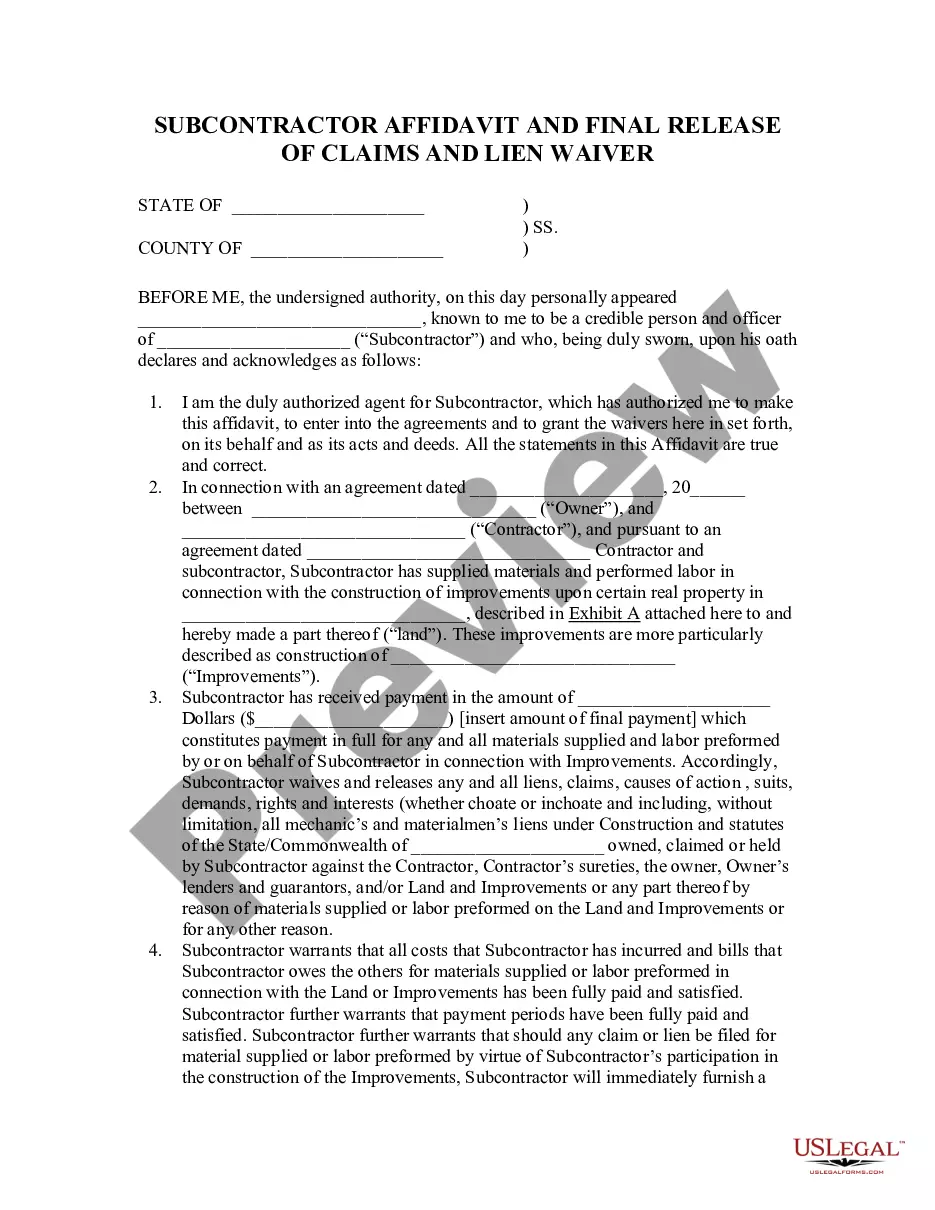
The Acknowledgment of Satisfaction for Individual is a legal document used in North Carolina to formally discharge a lien against a property. This form allows the lien claimant to acknowledge that the debt related to the lien has been satisfied, marking the conclusion of their claim. Unlike other forms used for lien discharge, this form specifically requires acknowledgment in the presence of a court clerk, ensuring proper legal procedure is followed.
Form components explained
- Name and contact information of the lien claimant.
- Description of the property related to the lien.
- Date the lien statement was recorded.
- Amount of the lien.
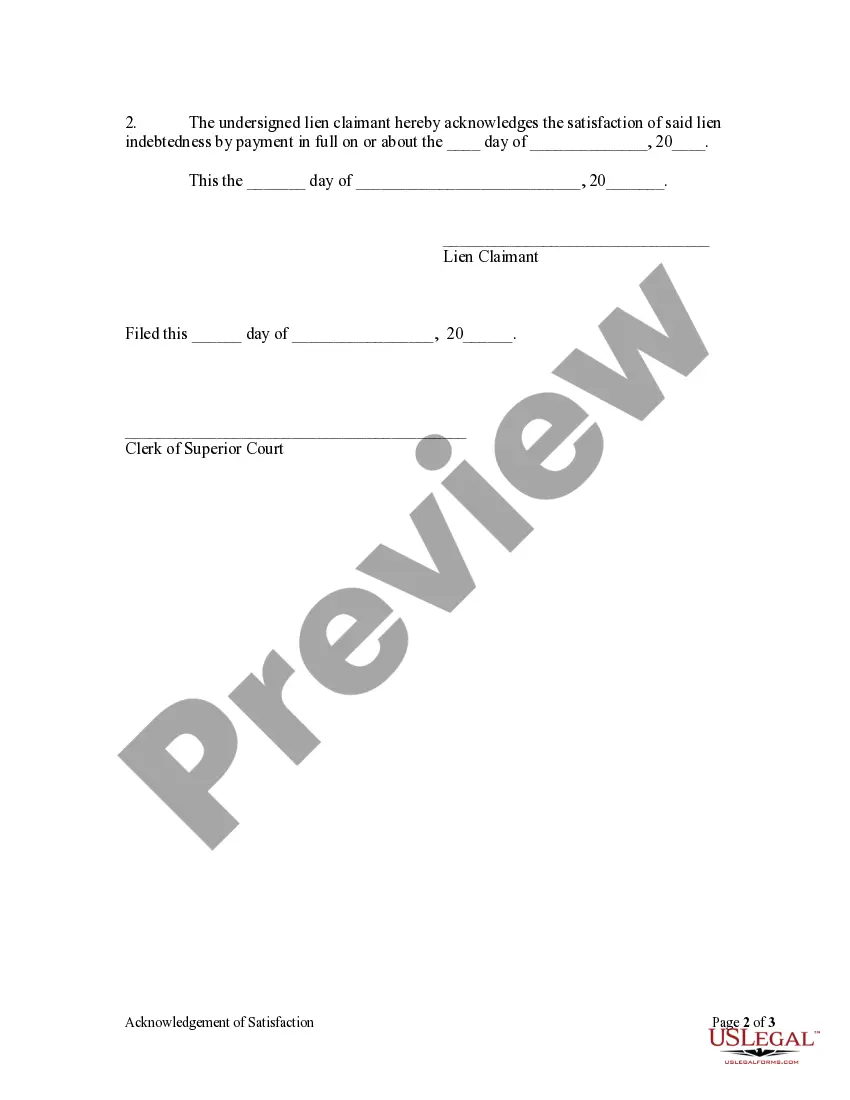
- Date of payment that satisfied the lien.
- Signature lines for the lien claimant and the Clerk of the Superior Court.
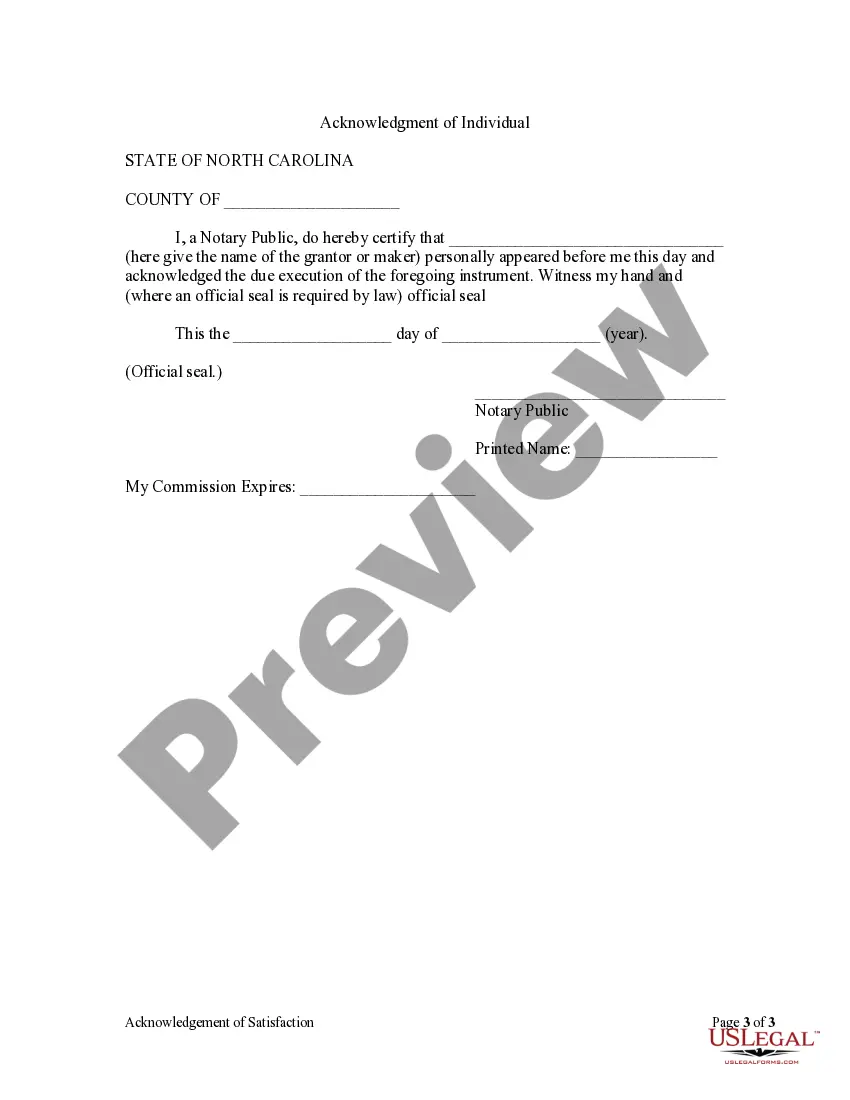
- Notary acknowledgment section to verify identity.
Common use cases
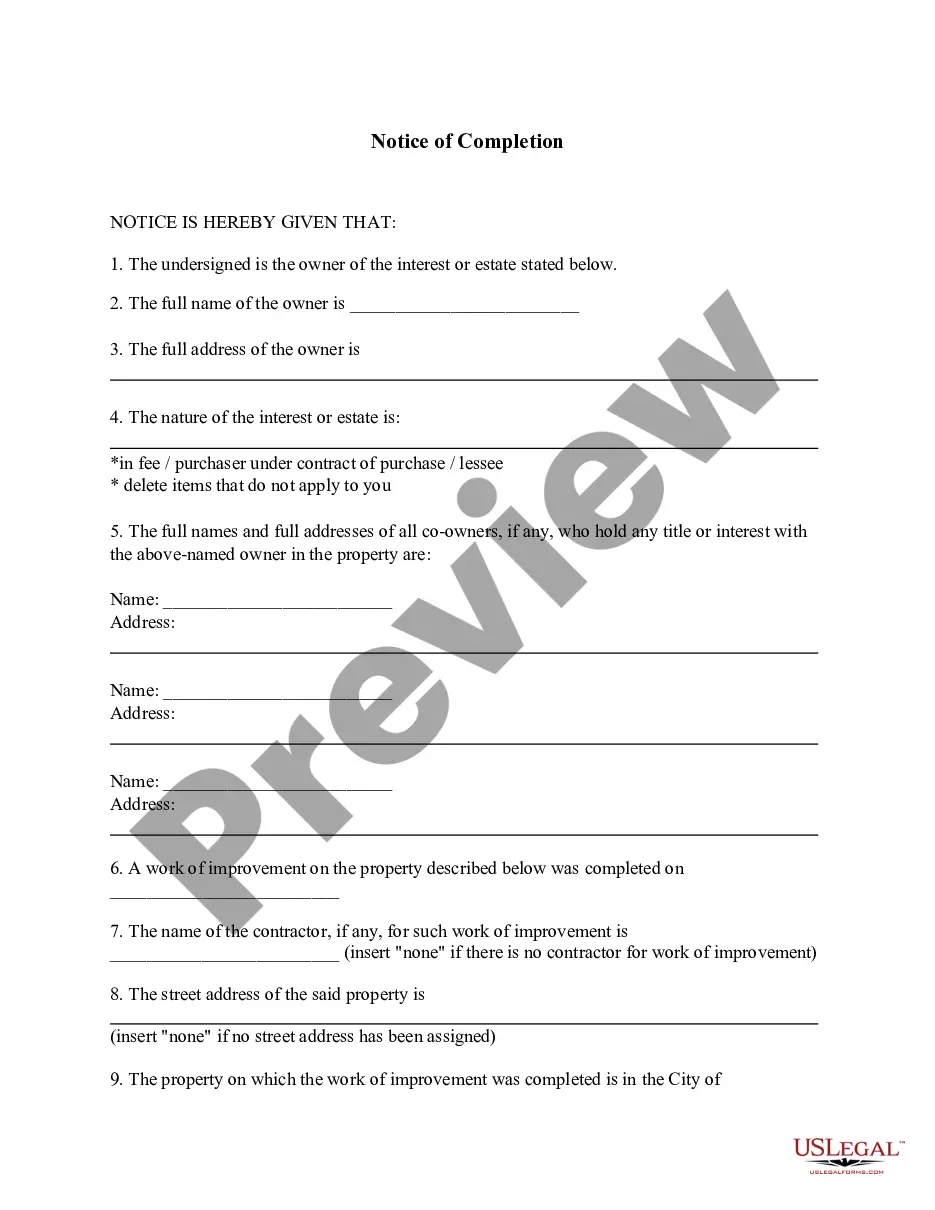
This form is necessary to officially acknowledge that a lien has been fully satisfied after payment has been made. Use this form when you have received payment for work or materials provided to improve a property and need to discharge the lien you previously filed against that property.
Who should use this form
- Individuals or companies that have filed a lien against a property in North Carolina.
- Contractors or suppliers of labor and/or materials who have received full payment.
- Property owners seeking to clear liens from their property records.
Steps to complete this form
- Identify the parties involved, including the lien claimant's name and contact information.
- Specifically describe the property where the labor or materials were provided.
- Enter the date the lien was originally recorded and the amount of the lien.
- Provide the date when the payment satisfying the lien was made.
- Have the lien claimant sign the document before the Clerk of the Superior Court.
- Complete the notary acknowledgment section to confirm the identity of the signer.
Notarization requirements for this form
To make this form legally binding, it must be notarized. Our online notarization service, powered by Notarize, lets you verify and sign documents remotely through an encrypted video session.
Get your form ready online
Our built-in tools help you complete, sign, share, and store your documents in one place.
Make edits, fill in missing information, and update formatting in US Legal Forms—just like you would in MS Word.
Download a copy, print it, send it by email, or mail it via USPS—whatever works best for your next step.
Sign and collect signatures with our SignNow integration. Send to multiple recipients, set reminders, and more. Go Premium to unlock E-Sign.
If this form requires notarization, complete it online through a secure video call—no need to meet a notary in person or wait for an appointment.
We protect your documents and personal data by following strict security and privacy standards.

Make edits, fill in missing information, and update formatting in US Legal Forms—just like you would in MS Word.

Download a copy, print it, send it by email, or mail it via USPS—whatever works best for your next step.

Sign and collect signatures with our SignNow integration. Send to multiple recipients, set reminders, and more. Go Premium to unlock E-Sign.

If this form requires notarization, complete it online through a secure video call—no need to meet a notary in person or wait for an appointment.

We protect your documents and personal data by following strict security and privacy standards.
Common mistakes to avoid
- Failing to include all required information, such as property description or lien amount.
- Not signing the form in front of the Clerk of the Superior Court.
- Forgetting to complete the notary acknowledgment section.
- Using outdated versions of the form or incorrect legal language.
Benefits of completing this form online
- Easy download and access to the latest version of the form.
- User-friendly format that guides you through the required sections.
- Convenience of filling out the form at your own pace.
- Ensures compliance with current North Carolina legal requirements.
Looking for another form?



Form popularity
FAQ
A document signed by the party who is owed money under a court judgment (called the judgment creditor) stating that the full amount due on the judgment has been paid.
If the judgment creditor does not immediately file an Acknowledgement of Satisfaction of Judgment (EJ-100) when the judgment is satisfied, the judgment debtor may make a formal written demand for the creditor to do so. The judgment creditor has 15 days after receiving the debtor's request to serve the acknowledgement.
Satisfaction of judgment. n. a document signed by a judgment creditor (the party owed the money judgment) stating that the full amount due on the judgment has been paid.
Satisfied Judgments A satisfied judgment is the opposite of an unsatisfied judgment. It means that your debt is either paid or settled. While you may not have completely paid off your debt in full, you can satisfy a judgment by making a new payment plan and paying what you and the lender agreed on.
A document signed by the party who is owed money under a court judgment (called the judgment creditor) stating that the full amount due on the judgment has been paid.
Judgments are no longer factored into credit scores, though they are still public record and can still impact your ability to qualify for credit or loans.You should pay legitimate judgments and dispute inaccurate judgments to ensure these do not affect your finances unduly.
You will need one original, notarized copy for the judgment debtor. If you recorded an abstract of judgment to place a lien against the debtor's real property, you will need an original, notarized copy of your Acknowledgment of Satisfaction of Judgment (EJ-100) for each county where you placed a lien.
The defendant should ask for a letter confirming that the entire amount of the judgment has been paid. He or she may do so by sending a demand letter to the plaintiff. The release and satisfaction form is filed with the court clerk and entered into the case record.
The Satisfaction of Judgment form should be signed by the judgment creditor when the judgment is paid, and then filed with the court clerk. Don't forget to do this; otherwise, you may have to track down the other party later.