Nevada Affirmation - Family Name Change
What is this form?
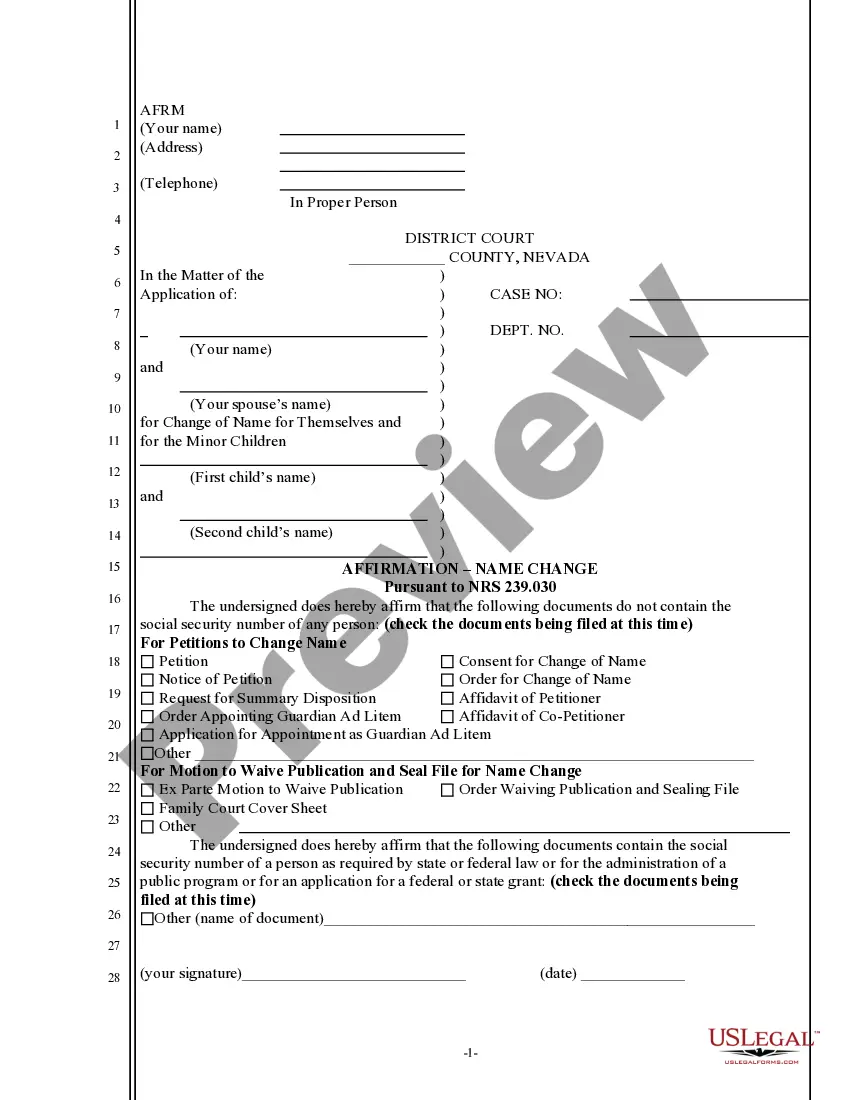
The Affirmation - Family Name Change form is a legal document designed to provide additional details regarding your request to change your family name. This form is essential for individuals seeking to legally alter their name within a family context and includes various components necessary for the name change process, distinguishing it from simpler forms that may not cover all required legal aspects.
Main sections of this form
- Petition: Initiates the request for the name change.
- Consent for Change of Name: Written agreement from relevant parties indicating support for the name change.
- Notice of Petition: Official notification to involved parties about the name change request.
- Order for Change of Name: Judicial decree that finalizes the name change.
- Request for Summary Disposition: A request for expedited handling of the name change.
- Affidavit of Petitioner: Sworn statement by the petitioner affirming the details of the request.
- Application for Appointment as Guardian Ad Litem: Necessary if minors are involved in the name change process.
- Order Waiving Publication and Sealing File: Optional motions to keep the name change private.
- Family Court Cover Sheet: A form that summarizes the case for the court.
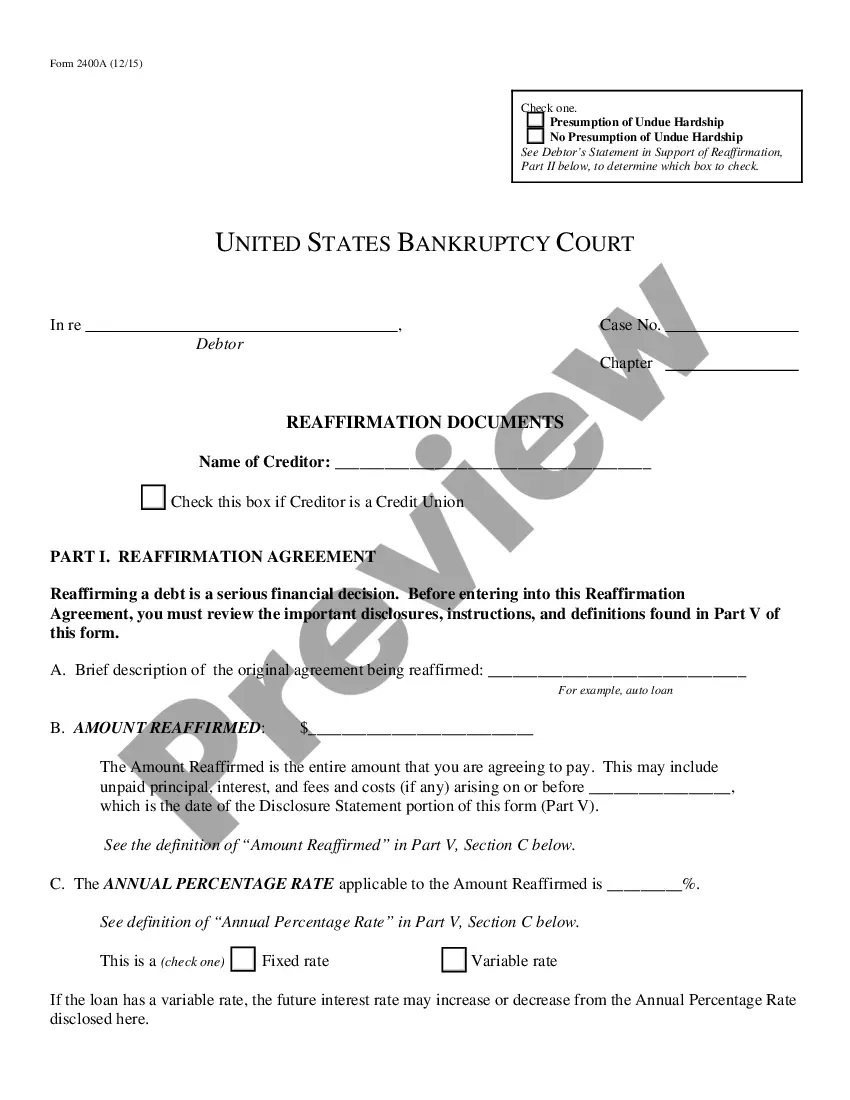
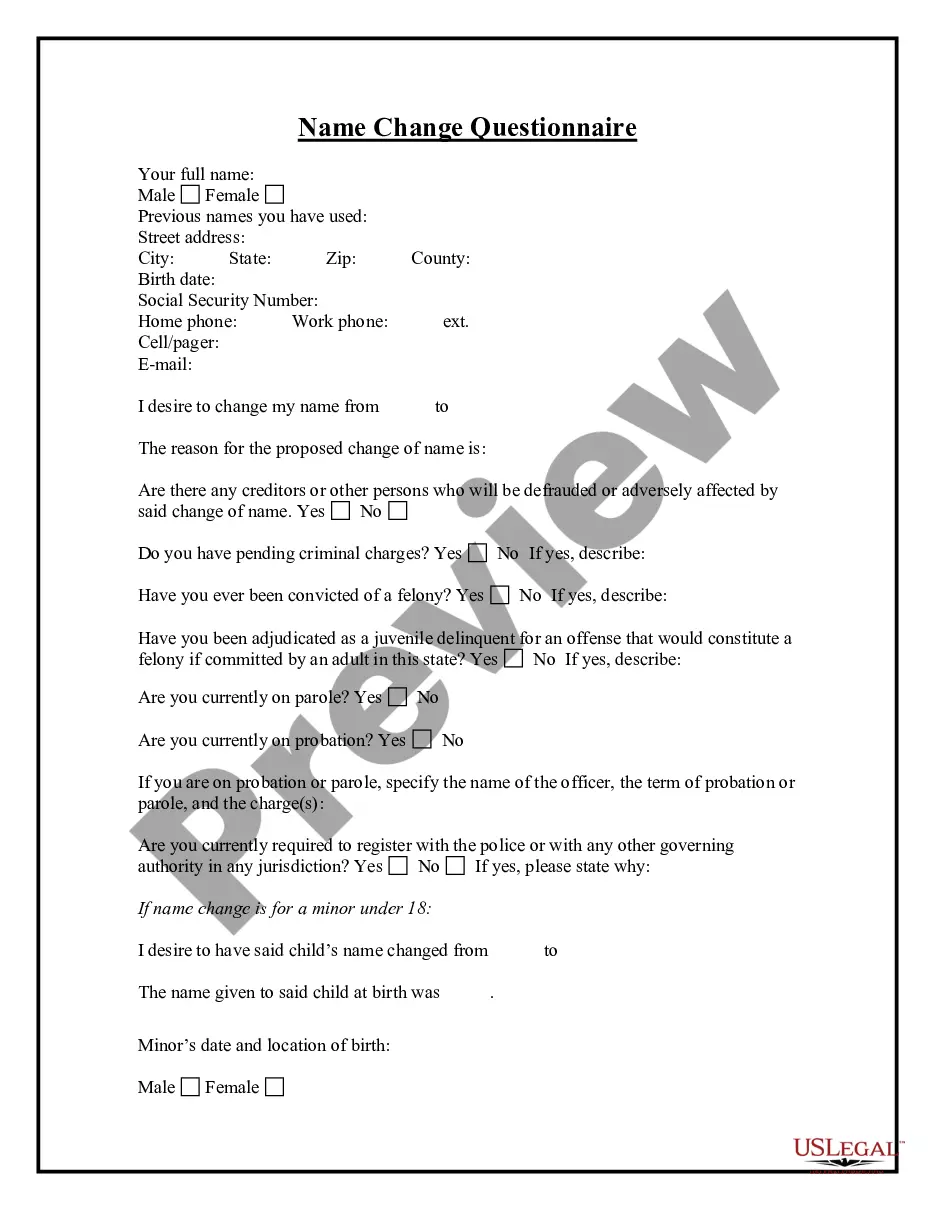
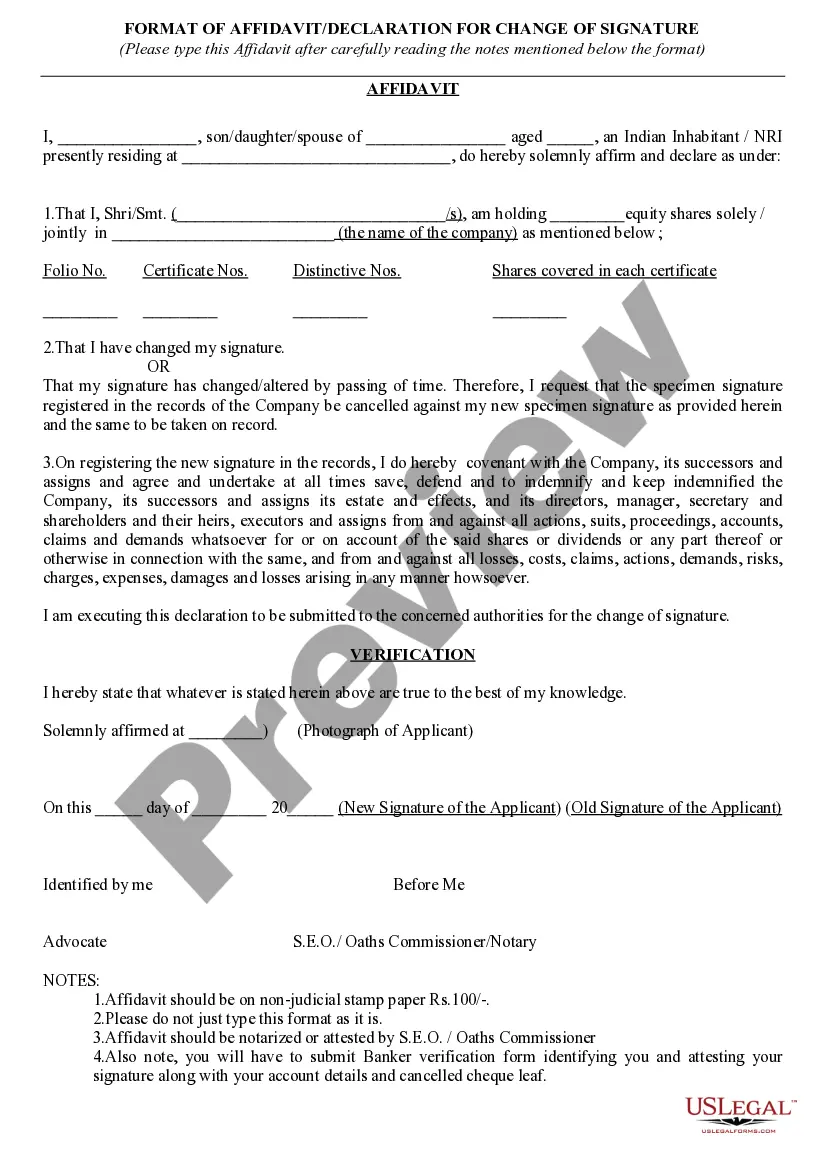
Situations where this form applies
You should use the Affirmation - Family Name Change form when you want to legally change your family name. This may apply in various situations, such as after marriage, divorce, or simply personal preference. This form ensures that the legal system recognizes and processes the change properly, which is crucial for all related documentation, such as identification and financial records.
Intended users of this form
- Individuals changing their name after marriage or divorce.
- Parents seeking to change their child's last name.
- Families wanting to adopt a new family name.
- Any individual involved in a legal name change process who requires formal documentation.
Steps to complete this form
- Identify the parties involved in the name change, including the petitioner and their relationship to other family members.
- Complete the Petition section, clearly stating the current name and the new desired name.
- Ensure that all relevant consents are obtained and documented in the Consent for Change of Name section.
- Fill out the Notice of Petition to inform involved parties about the request.
- Sign and date the Affidavit of Petitioner, confirming the information provided in the petition.
- Submit the completed form to the appropriate court along with any required fees and additional documentation.
Is notarization required?
Notarization is not commonly needed for this form. However, certain documents or local rules may make it necessary. Our notarization service, powered by Notarize, allows you to finalize it securely online anytime, day or night.
Get your form ready online
Our built-in tools help you complete, sign, share, and store your documents in one place.
Make edits, fill in missing information, and update formatting in US Legal Forms—just like you would in MS Word.
Download a copy, print it, send it by email, or mail it via USPS—whatever works best for your next step.
Sign and collect signatures with our SignNow integration. Send to multiple recipients, set reminders, and more. Go Premium to unlock E-Sign.
If this form requires notarization, complete it online through a secure video call—no need to meet a notary in person or wait for an appointment.
We protect your documents and personal data by following strict security and privacy standards.

Make edits, fill in missing information, and update formatting in US Legal Forms—just like you would in MS Word.

Download a copy, print it, send it by email, or mail it via USPS—whatever works best for your next step.

Sign and collect signatures with our SignNow integration. Send to multiple recipients, set reminders, and more. Go Premium to unlock E-Sign.

If this form requires notarization, complete it online through a secure video call—no need to meet a notary in person or wait for an appointment.

We protect your documents and personal data by following strict security and privacy standards.
Mistakes to watch out for
- Failing to obtain consent from all necessary parties before submitting the form.
- Not providing complete or accurate information in the Petition section.
- Missing signatures or dates on required affidavits.
- Neglecting to file the Notice of Petition as required by law.
Why use this form online
- Convenience of accessing and completing the form from anywhere at any time.
- Editability allows you to input information accurately before final submission.
- Reliability of a legally crafted form that adheres to state requirements, minimizing errors.
What to keep in mind
- The Affirmation - Family Name Change form is essential for anyone looking to change their family name legally.
- Key components include a petition, consent forms, and affidavits.
- Completing the form accurately helps avoid common mistakes and legal complications.
- Utilizing this form online provides ease of access and avoids potential errors in legal language.
Looking for another form?
Form popularity
FAQ
6. How Much Does It Cost To Legally Change My Name In Nevada? If you are filing your name change in Clark County, Nevada, the filing fee is $270 to file your paperwork with the Court. In addition to the filing fees, you should expect to pay at least $100 for publishing your name change.
In most states, men and women can legally change their last name to their new spouse's surname, hyphenate their two surnames, or create a new amalgamation of their surnames (like when actors Alexa Vega and Carlos Pena got married in 2014, and changed both of their last names to PenaVega).
Petition to change your name by filling out a name change form, an order to show cause for legally changing your name, and a decree to legally change your name. Take these forms to the court clerk and file them along with your state's required filing fees.
6. How Much Does It Cost To Legally Change My Name In Nevada? If you are filing your name change in Clark County, Nevada, the filing fee is $270 to file your paperwork with the Court. In addition to the filing fees, you should expect to pay at least $100 for publishing your name change.
Children who live in Nevada can have their names legally changed through the district court. The parents must file for the name change on behalf of the child and explain the reason for the name change. Typically, both parents must agree to have a child's name changed.
Complete the Papers. File the Papers. Publish the Notice of Petition for Change of Name. Submit the Order to the Judge.
All you have to do is complete and file a petition for name change with the court. There are many reasons for officially changing your name. The most common are marriage and divorce. But if your birth name is Mergatroid or something like that, you might not need any other reason.
1. You can name yourself anything, with a few exceptions. If you don't like your birth name, you can legally change it to whatever you want 2026 with a few exceptions.You also can't change your name to commit fraud, evade law enforcement, or avoid paying any debts you owe.
To change your name, you file a petition with the District Court and pay the filing fee. Your petition must include your old name, your new name and the reason you want to change it. You must state whether you have any felony convictions. One of the requirements for a name change is publishing notice of the petition.