Ohio Transfer on Death Designation Affidavit - TOD from Husband and Wife to Individual
About this form
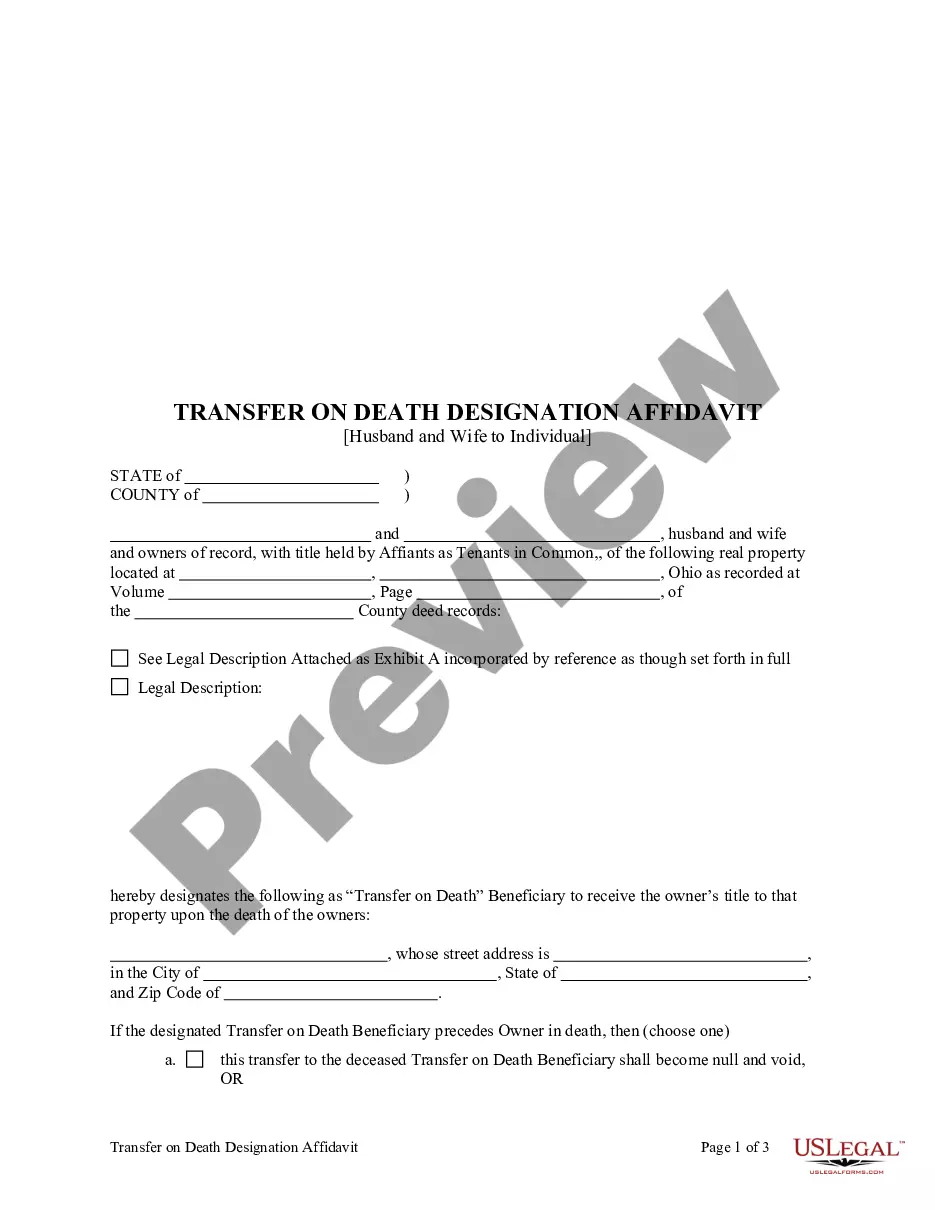
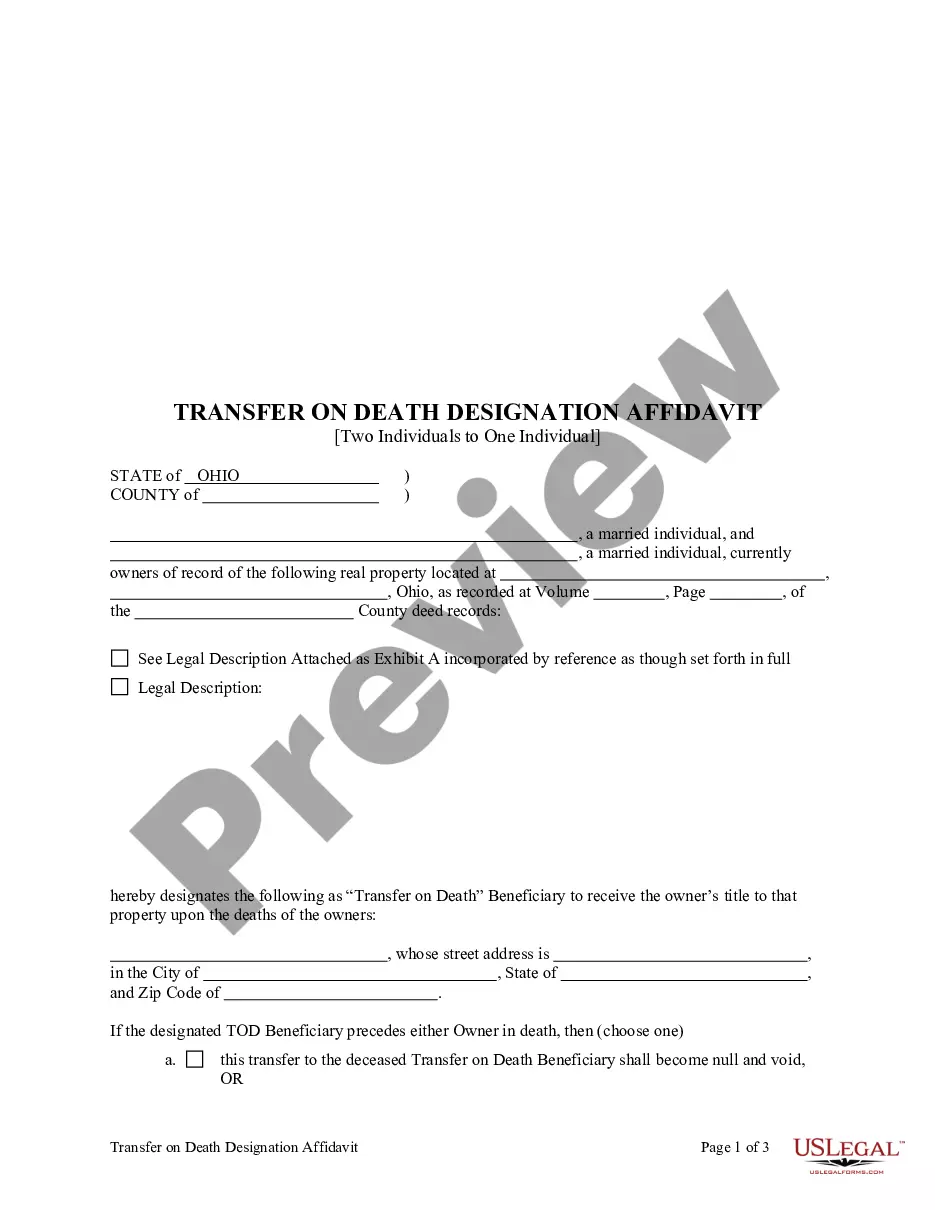
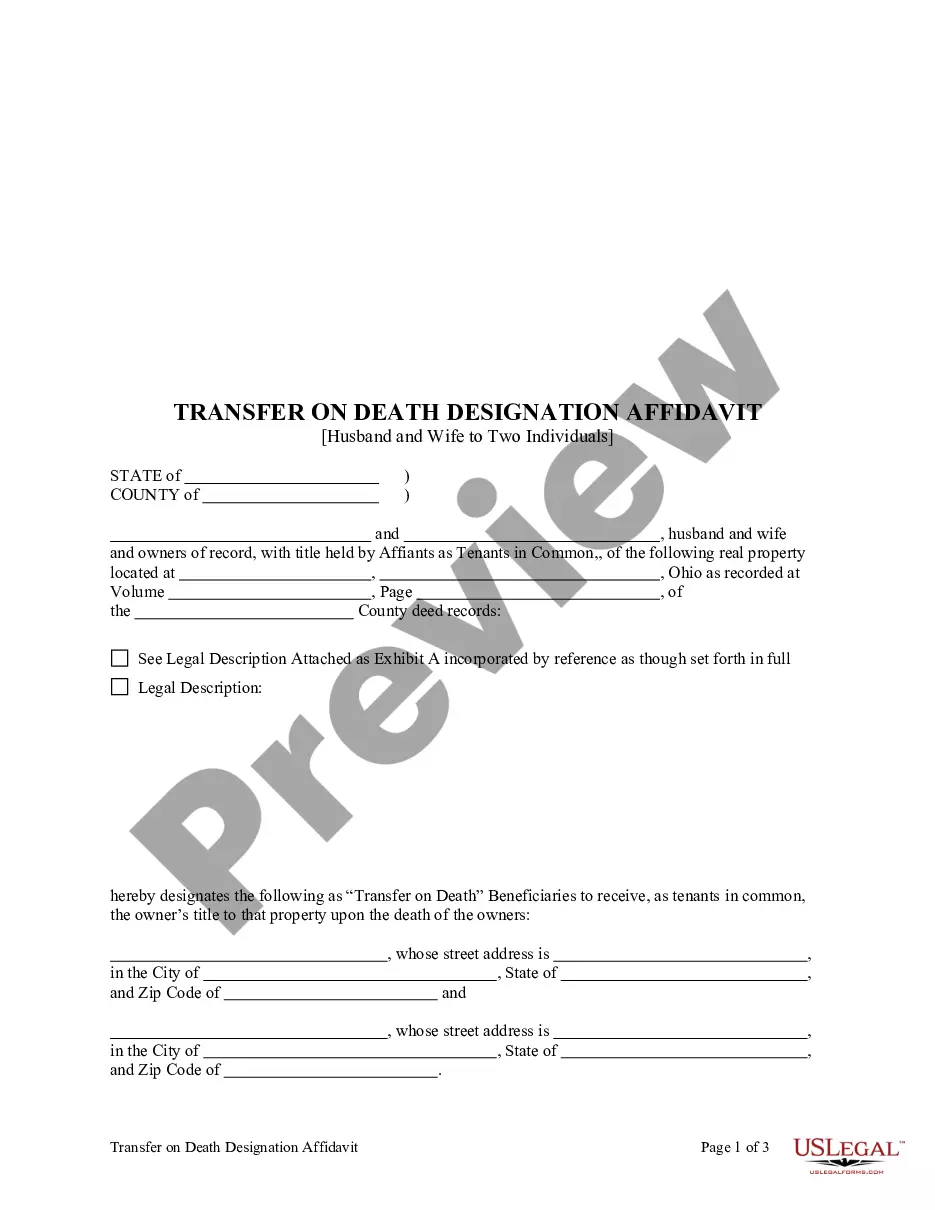
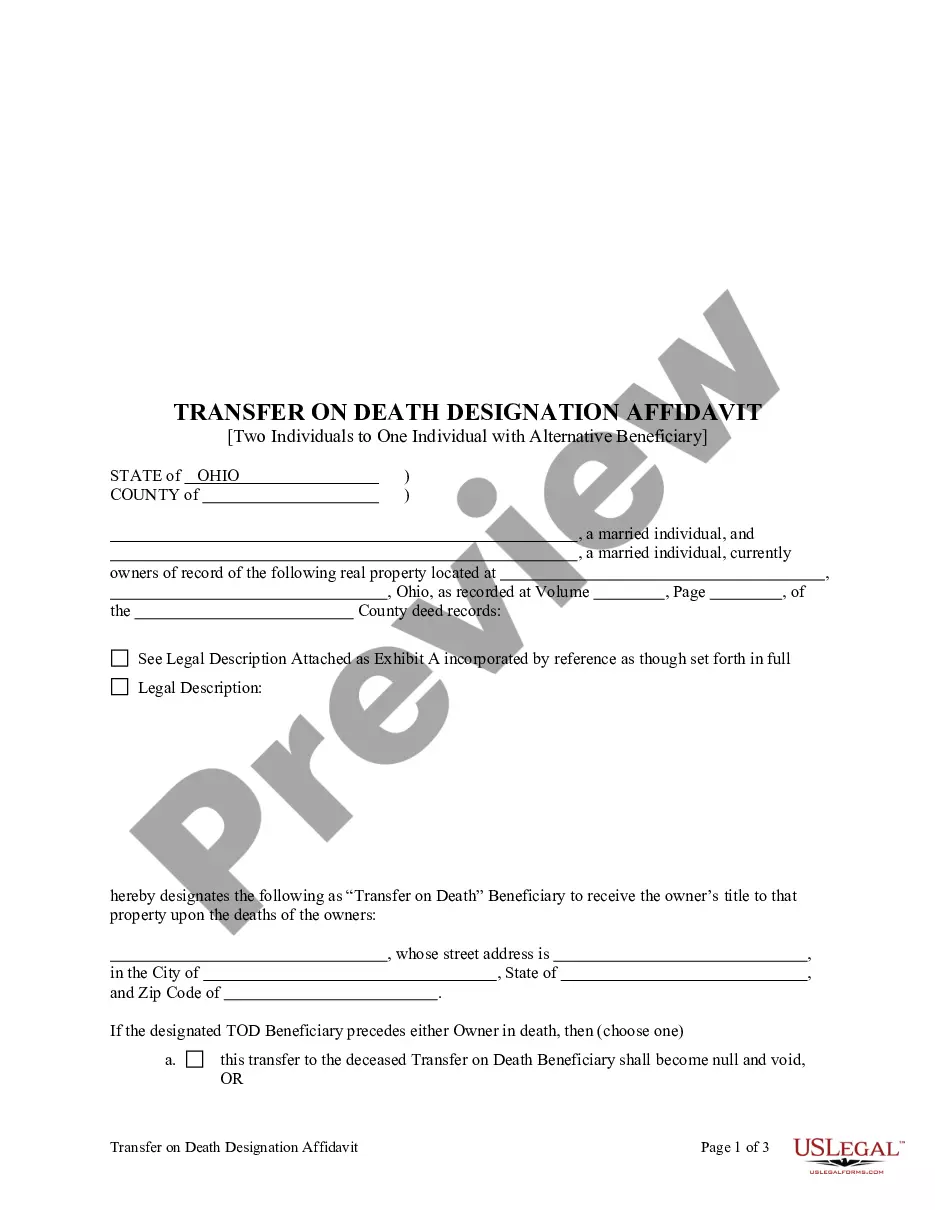
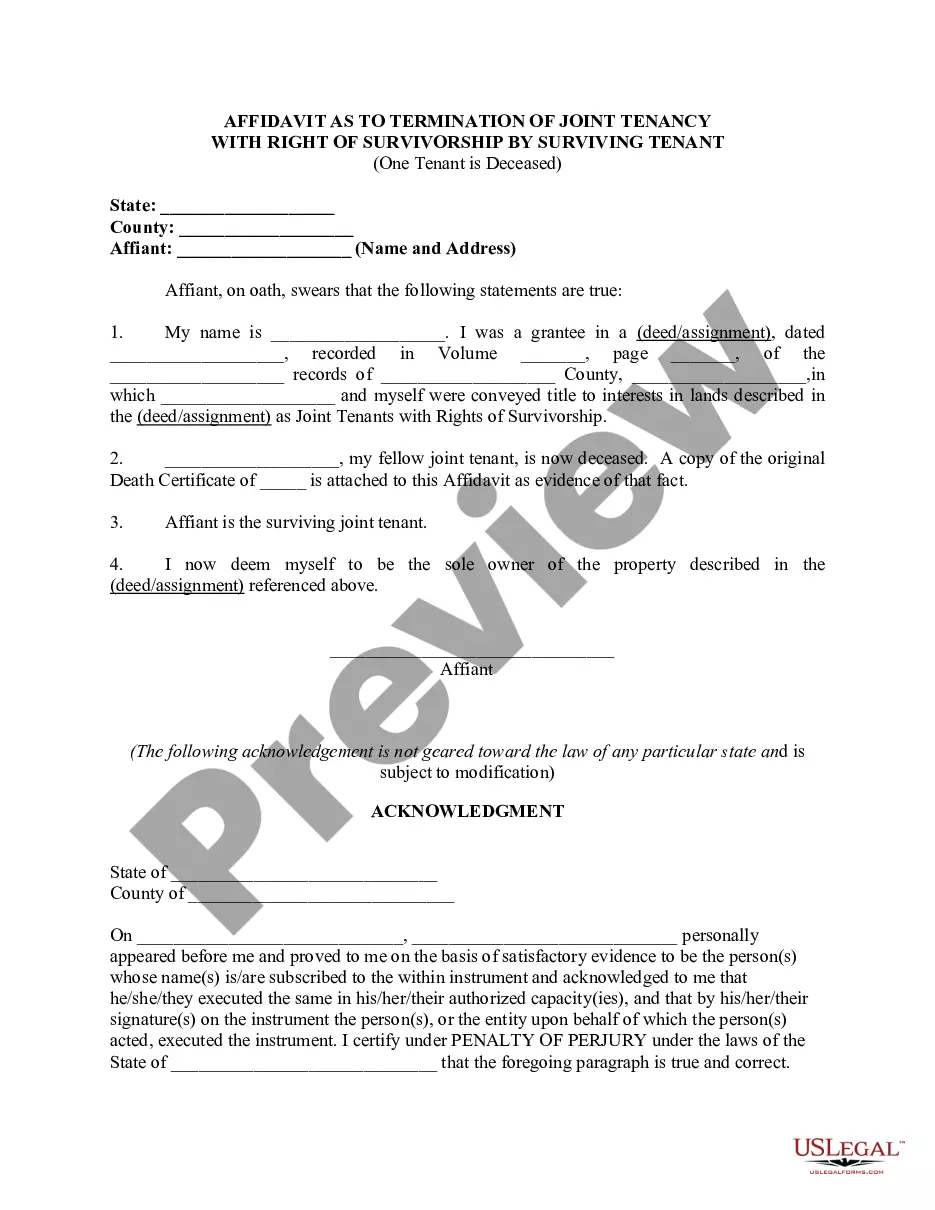
The Transfer on Death Designation Affidavit is a legal document that allows husband and wife to designate an individual as the beneficiary of their property after both grantors have passed away. This form differs from traditional wills by facilitating a direct transfer of ownership without the need for probate, providing a more streamlined and efficient means of passing on property. The transfer takes effect only upon the death of both grantors, ensuring that their wishes are upheld while simplifying the legal process for heirs.
Form components explained
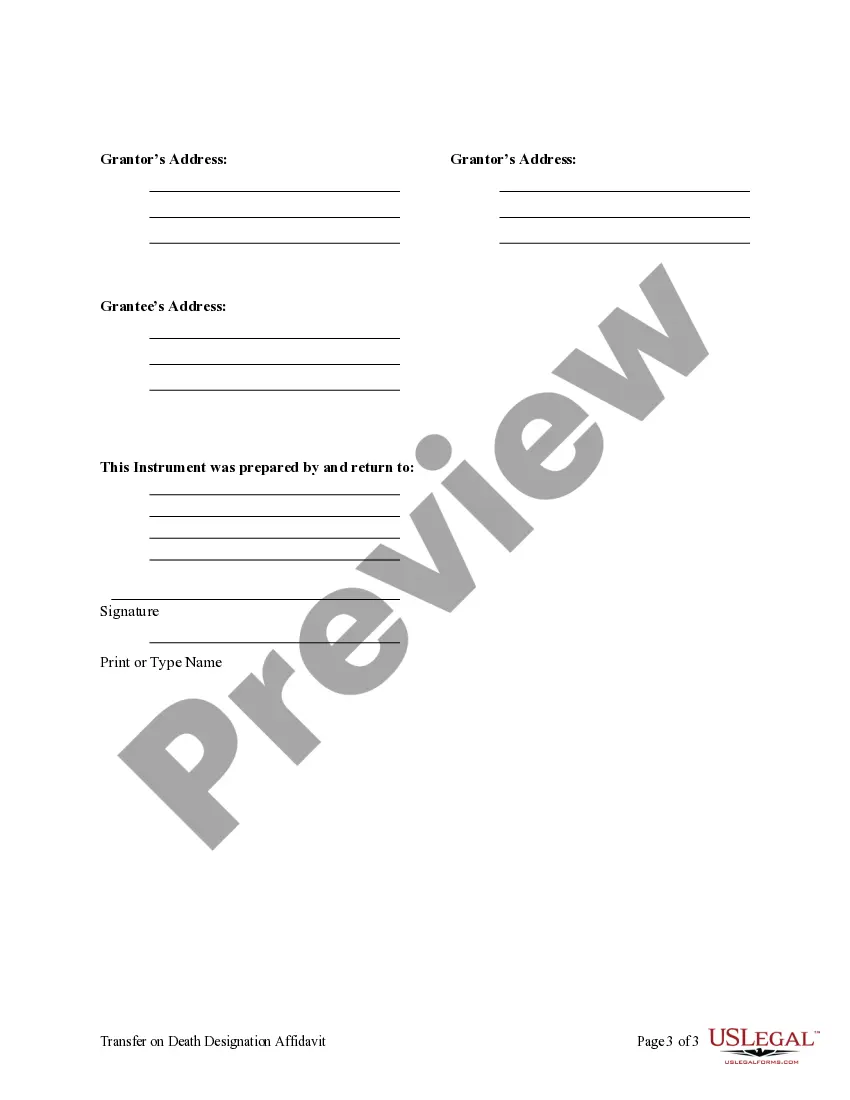
- Identification of the grantors (husband and wife).
- Designated beneficiary who will receive the property.
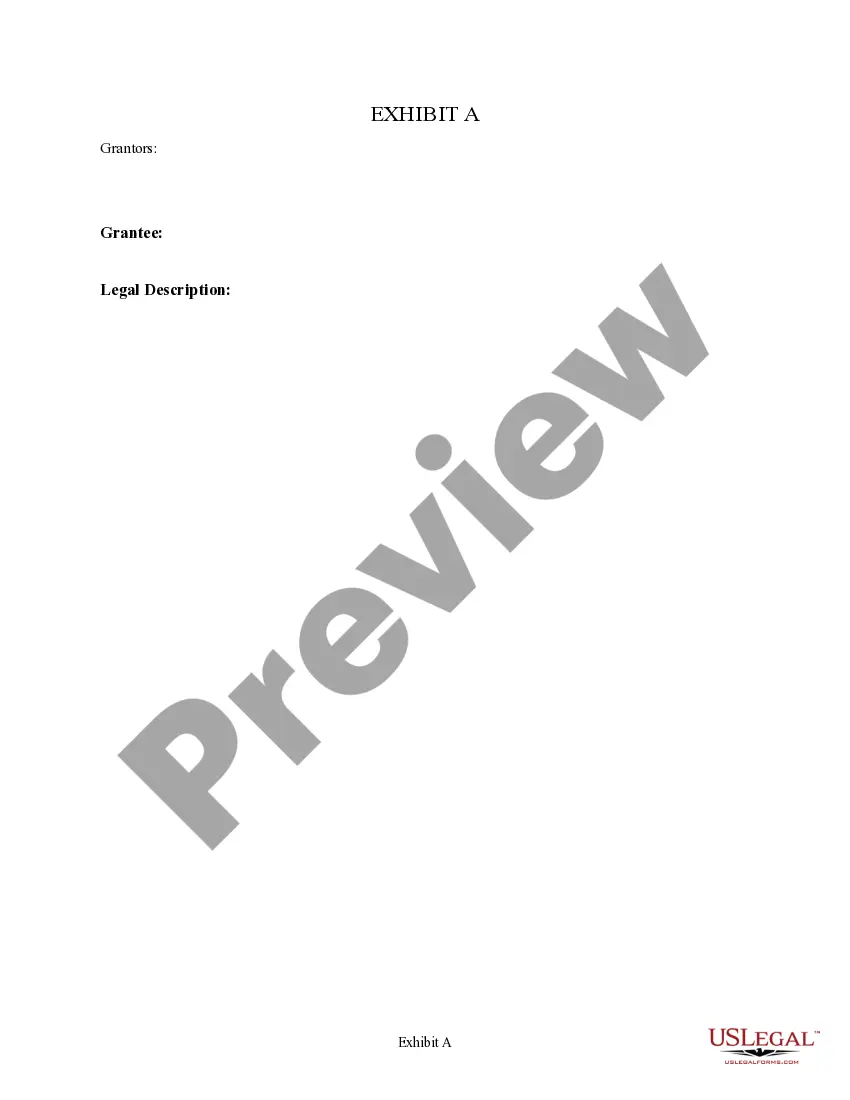
- Specification of the property being transferred.
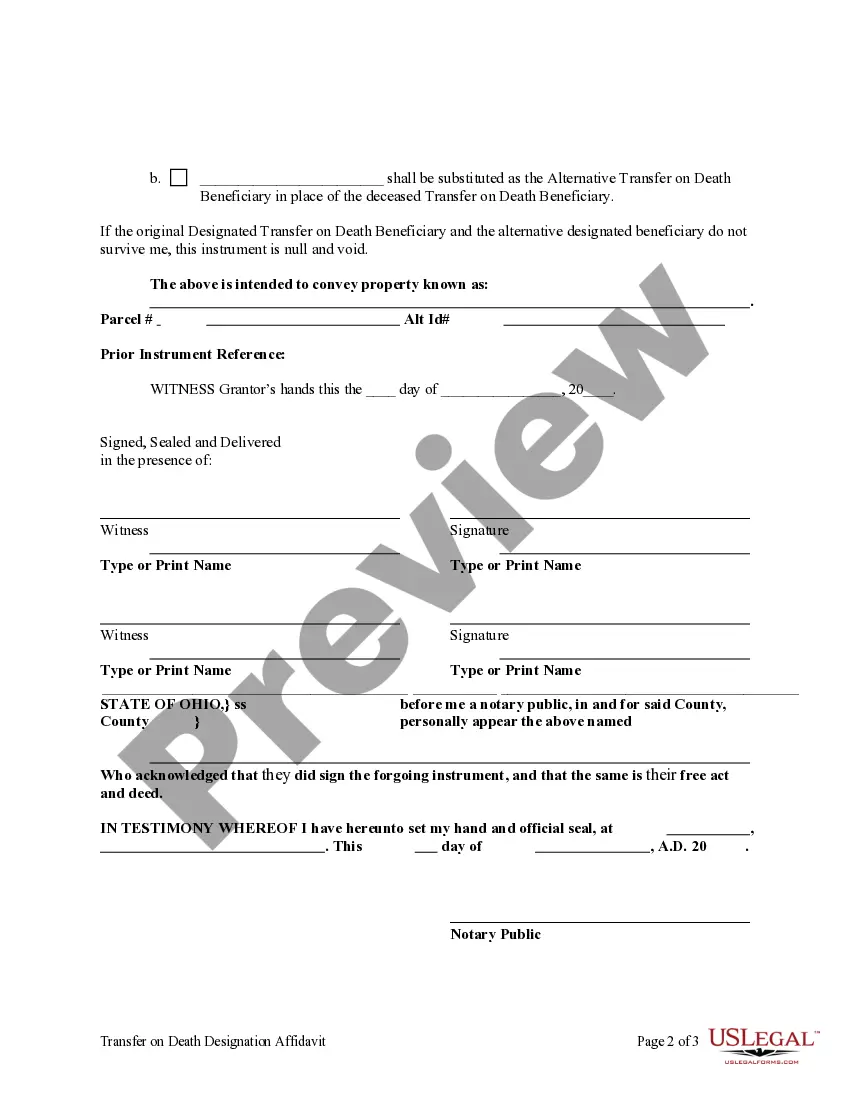
- Provision for an alternative beneficiary in case the primary beneficiary does not survive.
- Cancellation options for the affidavit, including designation of a new beneficiary.
When this form is needed
This form is typically used when a couple wishes to pass their property directly to an individual without going through probate. It is particularly beneficial for those looking to simplify the transfer of their assets and ensure that their property is managed according to their wishes after their death. If you are planning your estate and want to designate a specific beneficiary for your property, this affidavit is an ideal choice.
Who needs this form
- Married couples wishing to ensure their property is transferred to a designated individual after their passing.
- Individuals looking to simplify the estate process and avoid potential probate disputes.
- Couples who want to safeguard their assets for specific beneficiaries.
Instructions for completing this form
- Identify the parties involved: the husband and wife as grantors.
- Specify the designated beneficiary who will receive the property upon the death of both grantors.
- Describe in detail the property being transferred.
- Include the name of an alternative beneficiary in case the primary beneficiary does not survive.
- Sign and date the affidavit in accordance with applicable state law.
Does this form need to be notarized?
To make this form legally binding, it must be notarized. Our online notarization service, powered by Notarize, lets you verify and sign documents remotely through an encrypted video session.
Get your form ready online
Our built-in tools help you complete, sign, share, and store your documents in one place.
Make edits, fill in missing information, and update formatting in US Legal Forms—just like you would in MS Word.
Download a copy, print it, send it by email, or mail it via USPS—whatever works best for your next step.
Sign and collect signatures with our SignNow integration. Send to multiple recipients, set reminders, and more. Go Premium to unlock E-Sign.
If this form requires notarization, complete it online through a secure video call—no need to meet a notary in person or wait for an appointment.
We protect your documents and personal data by following strict security and privacy standards.
Make edits, fill in missing information, and update formatting in US Legal Forms—just like you would in MS Word.
Download a copy, print it, send it by email, or mail it via USPS—whatever works best for your next step.
Sign and collect signatures with our SignNow integration. Send to multiple recipients, set reminders, and more. Go Premium to unlock E-Sign.

If this form requires notarization, complete it online through a secure video call—no need to meet a notary in person or wait for an appointment.

We protect your documents and personal data by following strict security and privacy standards.
Mistakes to watch out for
- Failing to properly identify the property being transferred.
- Not designating an alternative beneficiary.
- Neglecting to sign and date the affidavit.
- Using outdated versions of the affidavit that do not comply with current state laws.
Why use this form online
- Convenience of downloading and completing the form at your own pace.
- Editability, allowing you to customize the affidavit to fit your specific needs.
- Access to forms drafted by licensed attorneys, ensuring legal compliance.
Looking for another form?
Form popularity
FAQ
Fill in information about you and the TOD beneficiary. provide a description of the property. check over the completed deed. sign the deed in front of a notary public, and.
The amount that's in a TOD account at the time of your death is not taxable under federal law to the person who receives the account, although it may be taxable to your estate. If your beneficiary or the account are in a state with an inheritance tax, he may have to pay that.
In Ohio, a Survivorship Deed is used to convey title to real estate to two or more people as joint tenants with rights of survivorship. Upon the death of an owner, the property passes to the surviving owner(s). A Survivorship Deed is commonly utilized to convey property to spouses.
If the deeds to the property are unregistered, it is possible to place a death certificate with the deeds, but it's advisable to register the title with the Land Registry at this point. Once this has been done, the property will then be registered in the name of the surviving joint owner.
A TOD Designation Affidavit is an effective upon death deed showing the clear intent of the owner of real property to directly transfer the ownership of the real property upon the owner's death to whomever the owner designates by name.
Yes. Ohio law allows individuals who do not need the estate administration benefits of a trust agreement to avoid Probate on the transfer of real property by executing a legal document called a Transfer-On-Death (TOD) Designation Affidavit.
Survivorship Deeds contain special language that enables the property to transfer to the surviving owner(s) upon the deceased owner's death.A Transfer-On-Death Designation Affidavit allows the owner of Ohio real estate to designate one or more beneficiaries of the property.