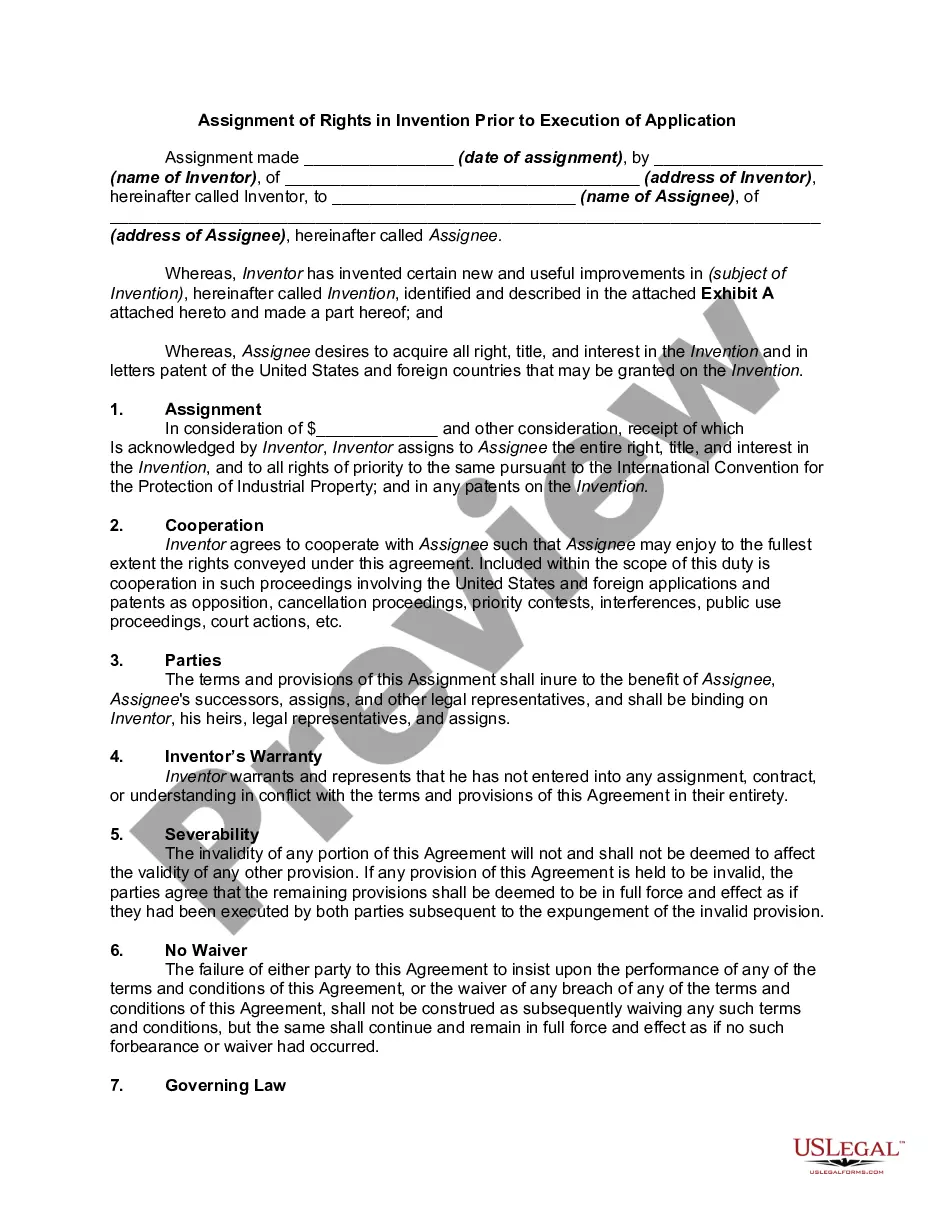
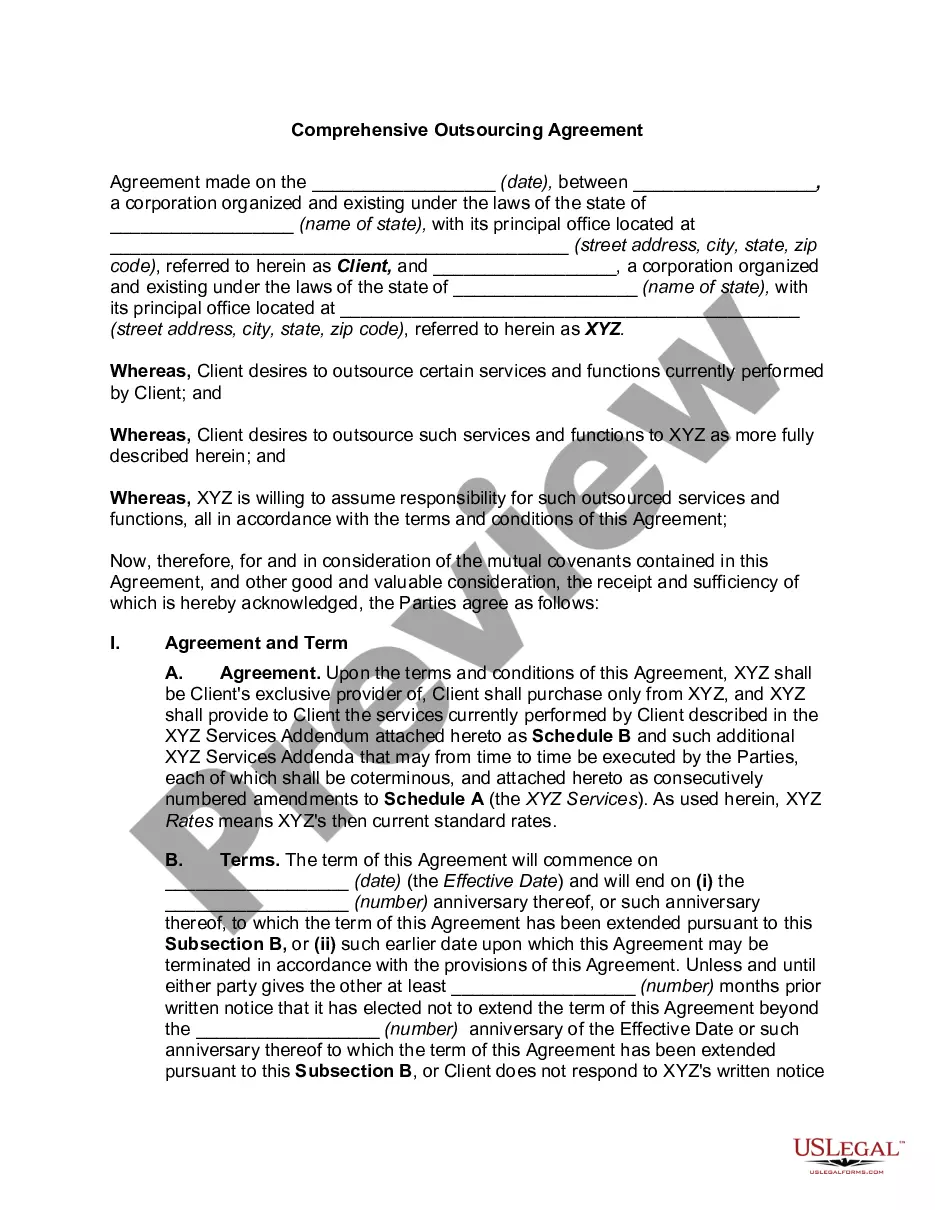
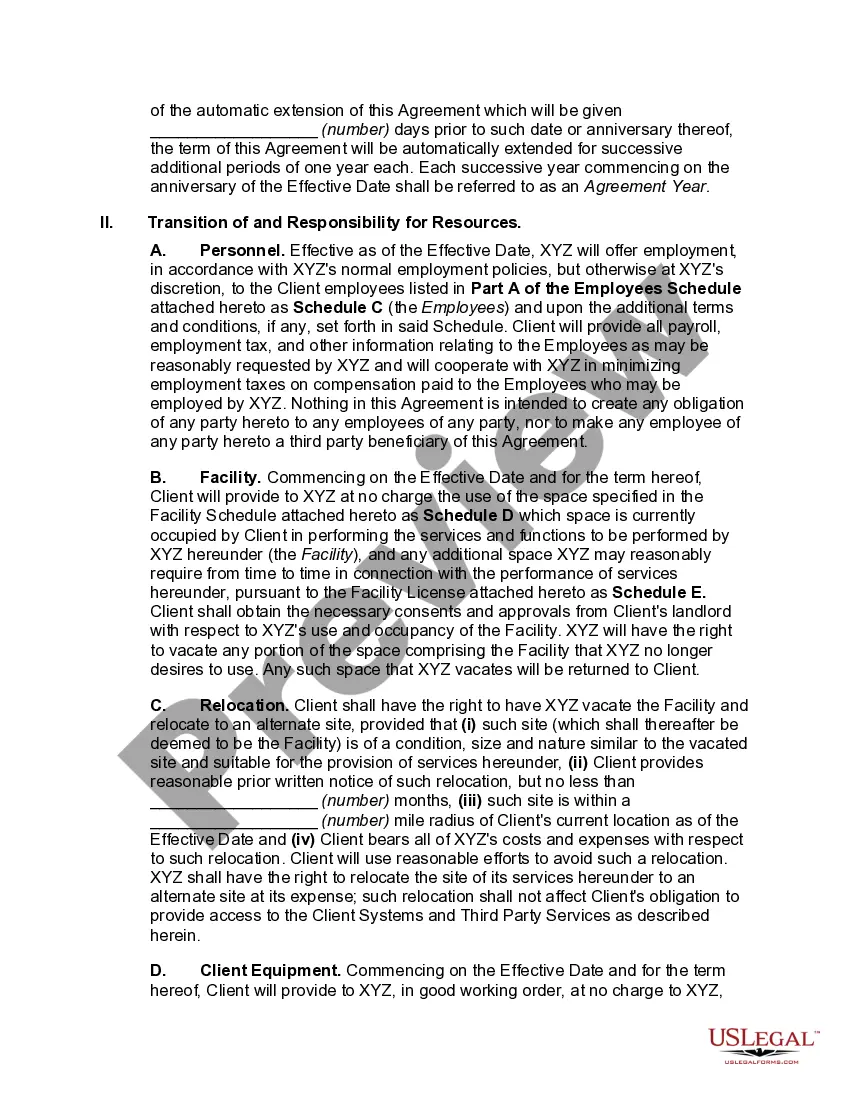
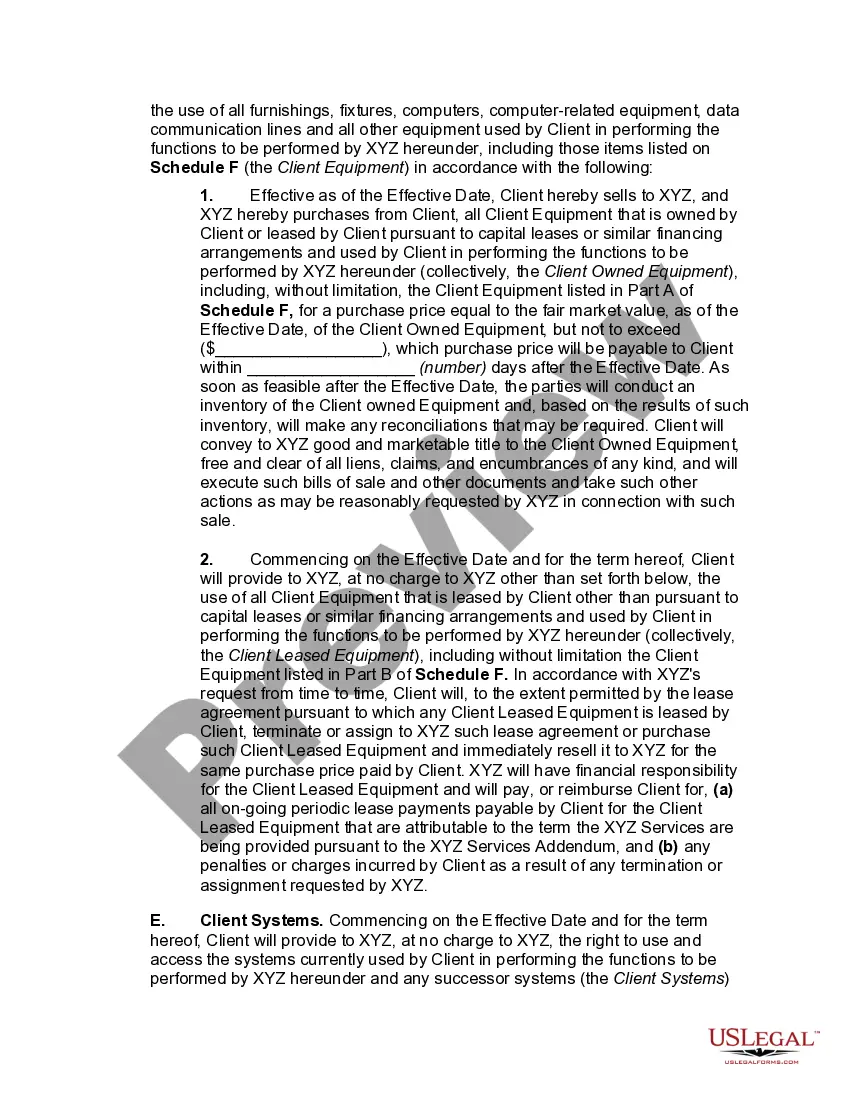
South Carolina Comprehensive Outsourcing Agreement
Description

Get your form ready online
Our built-in tools help you complete, sign, share, and store your documents in one place.
Make edits, fill in missing information, and update formatting in US Legal Forms—just like you would in MS Word.
Download a copy, print it, send it by email, or mail it via USPS—whatever works best for your next step.
Sign and collect signatures with our SignNow integration. Send to multiple recipients, set reminders, and more. Go Premium to unlock E-Sign.
If this form requires notarization, complete it online through a secure video call—no need to meet a notary in person or wait for an appointment.
We protect your documents and personal data by following strict security and privacy standards.

Make edits, fill in missing information, and update formatting in US Legal Forms—just like you would in MS Word.

Download a copy, print it, send it by email, or mail it via USPS—whatever works best for your next step.

Sign and collect signatures with our SignNow integration. Send to multiple recipients, set reminders, and more. Go Premium to unlock E-Sign.

If this form requires notarization, complete it online through a secure video call—no need to meet a notary in person or wait for an appointment.

We protect your documents and personal data by following strict security and privacy standards.
Looking for another form?

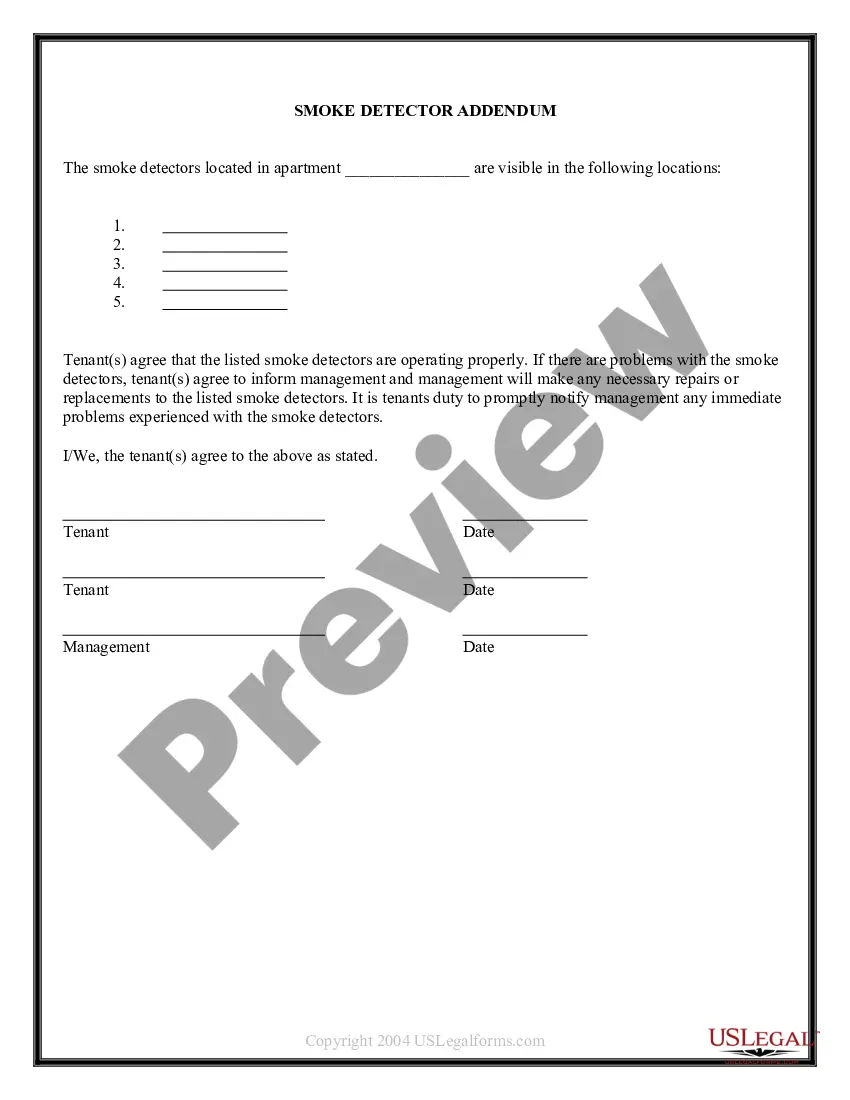
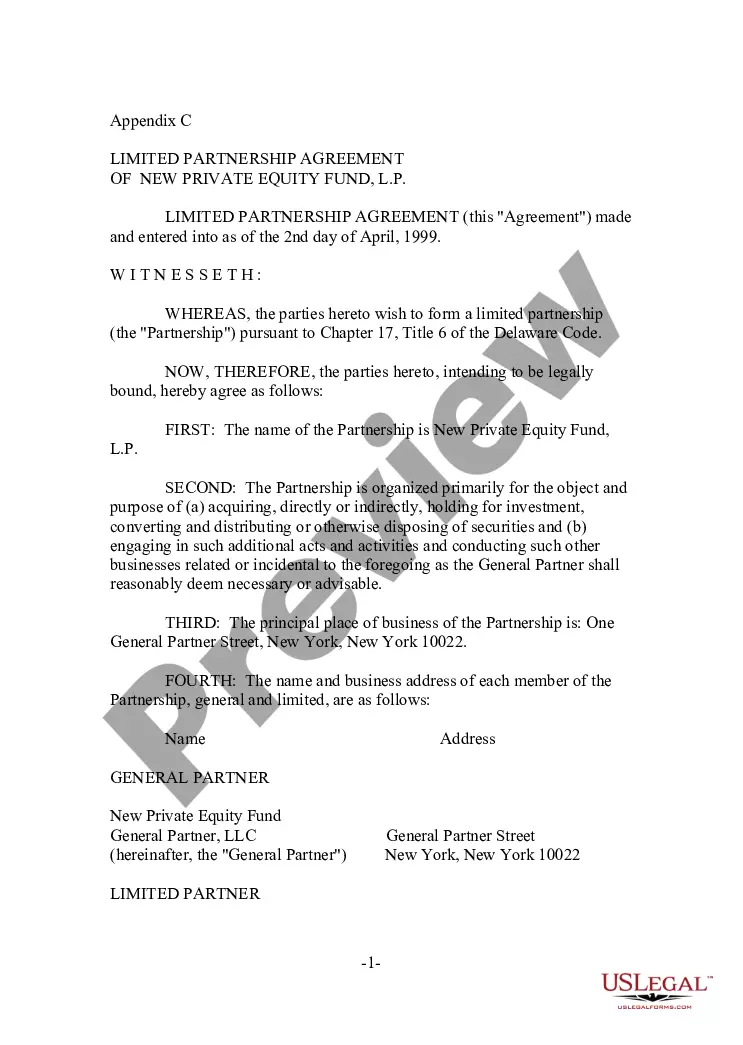
How to fill out Comprehensive Outsourcing Agreement?
US Legal Forms - one of the largest repositories of legal documents in the country - provides a diverse array of legal document templates that you can download or print.
By using the website, you will access a vast selection of forms for both business and personal use, organized by categories, states, or keywords.
You can find the latest versions of documents such as the South Carolina Comprehensive Outsourcing Agreement in just a few moments.
If the form does not meet your needs, utilize the Search box at the top of the screen to find a more suitable one.
Once you are satisfied with the form, confirm your choice by clicking the Purchase now button. Then choose the payment plan you want and provide your details to sign up for an account.
- If you already have a monthly subscription, Log In to download the South Carolina Comprehensive Outsourcing Agreement from your US Legal Forms library.
- The Download button will appear on every form you view.
- You can access all previously downloaded forms in the My documents section of your account.
- If you are using US Legal Forms for the first time, here are simple steps to get started.
- Make sure you have selected the correct form for your city/state.
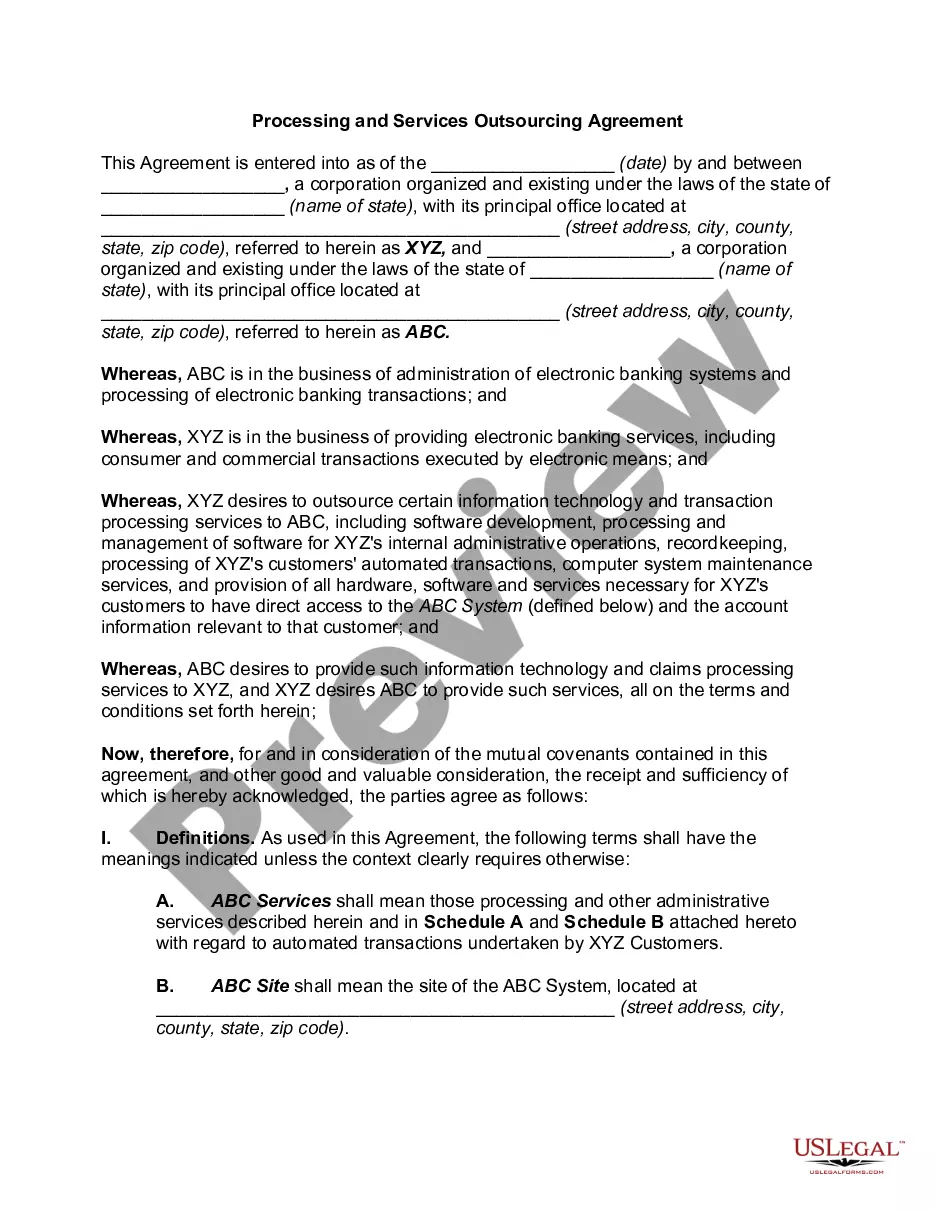
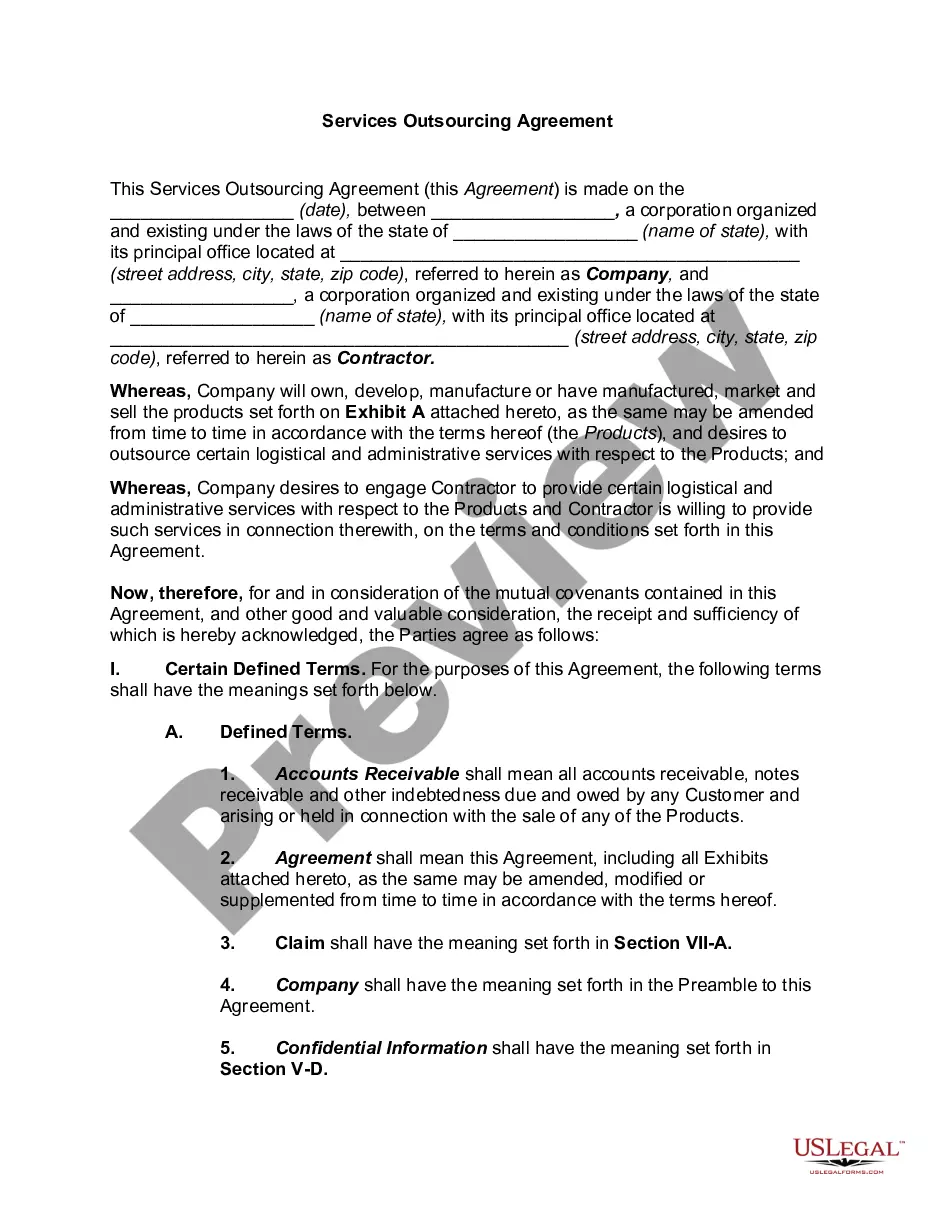
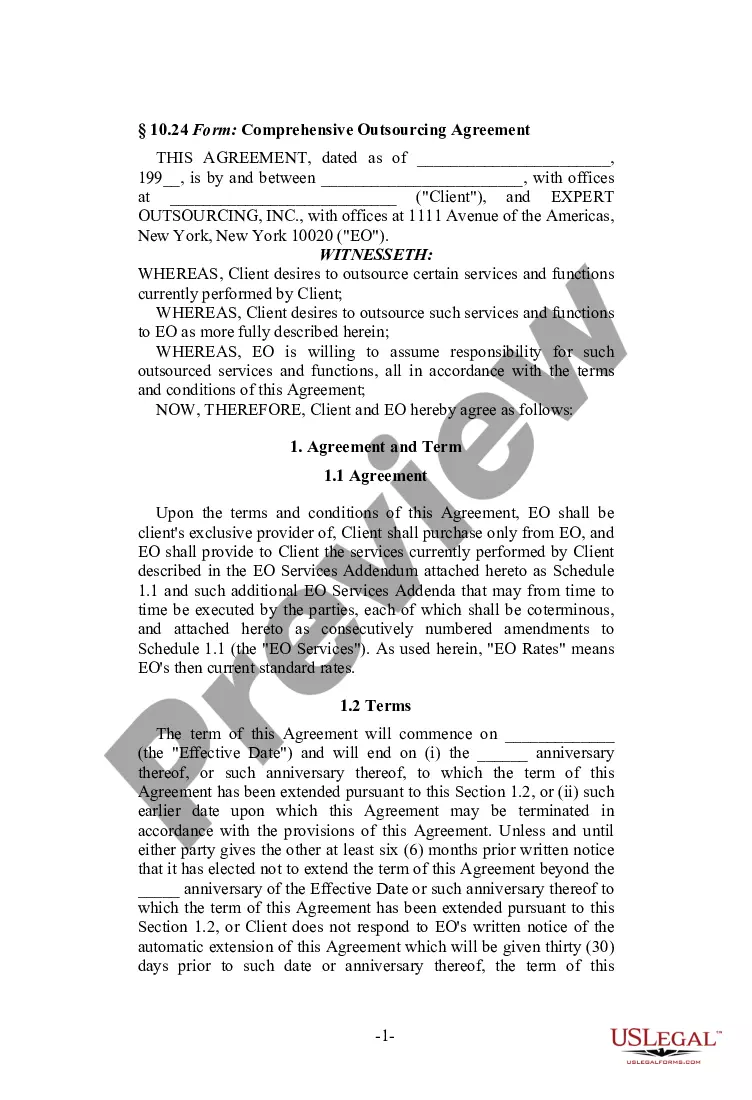
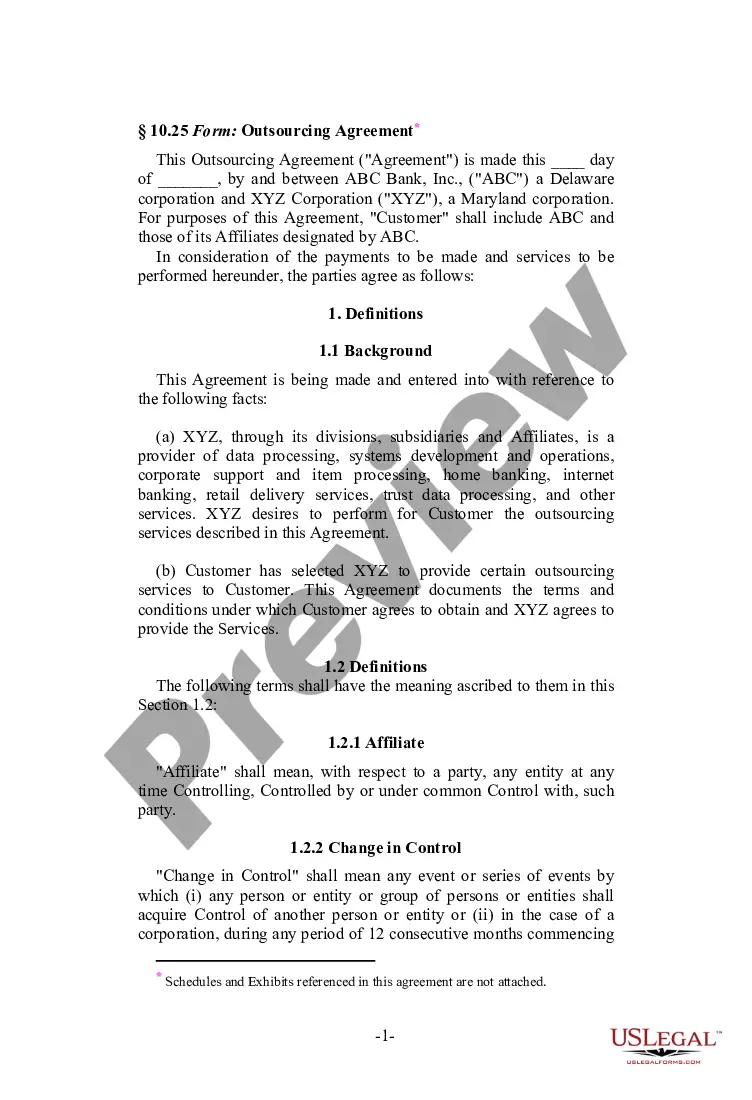
- Use the Preview button to check the content of the form.
Form popularity
FAQ
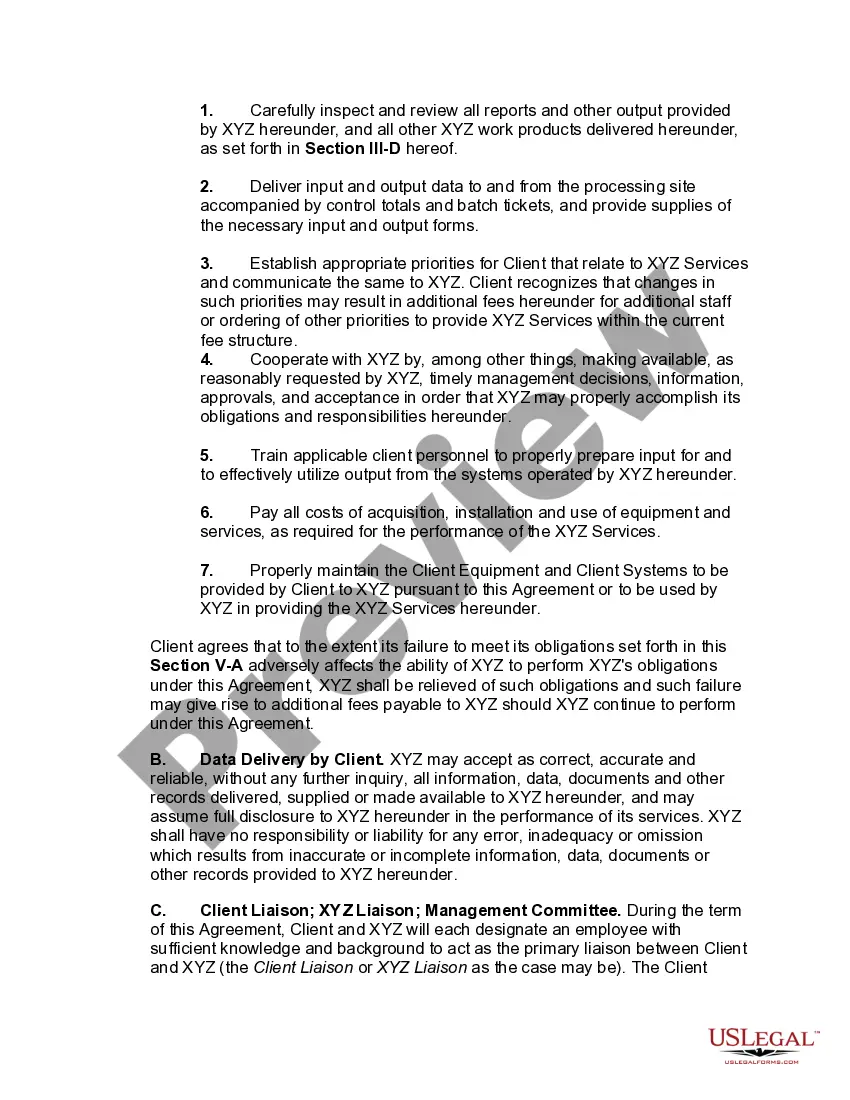
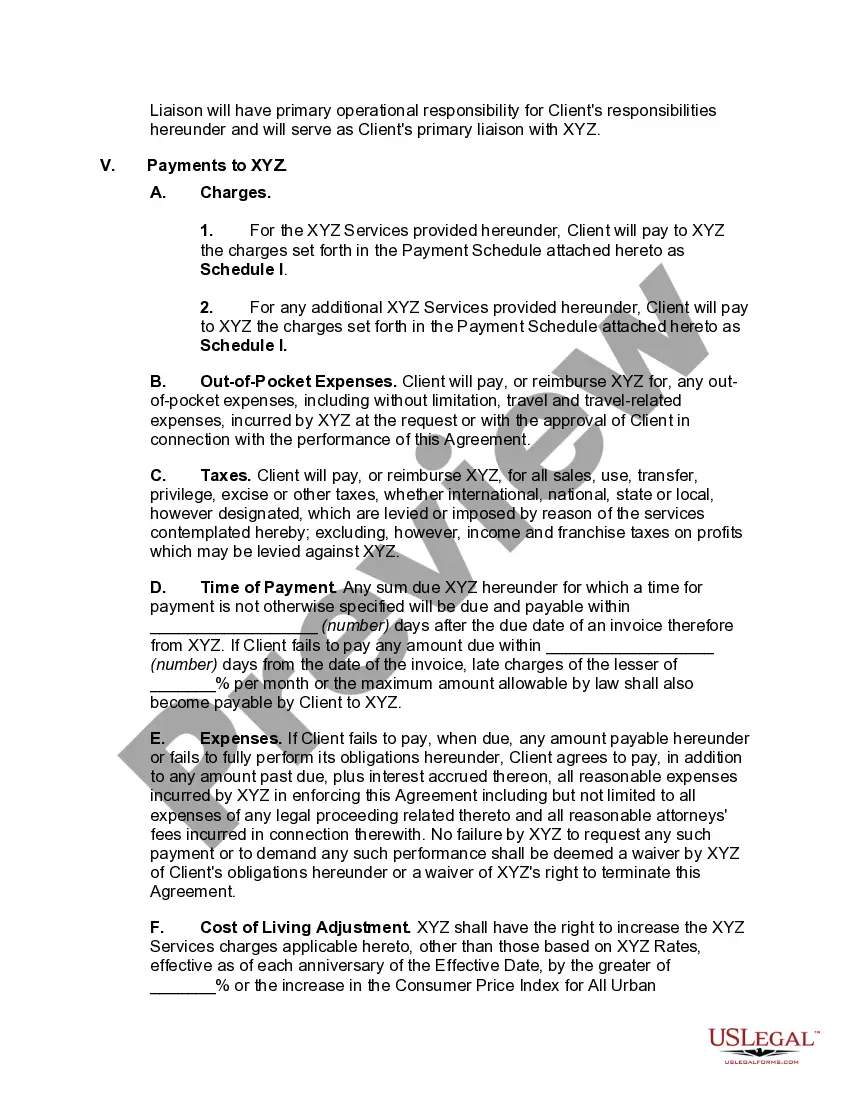
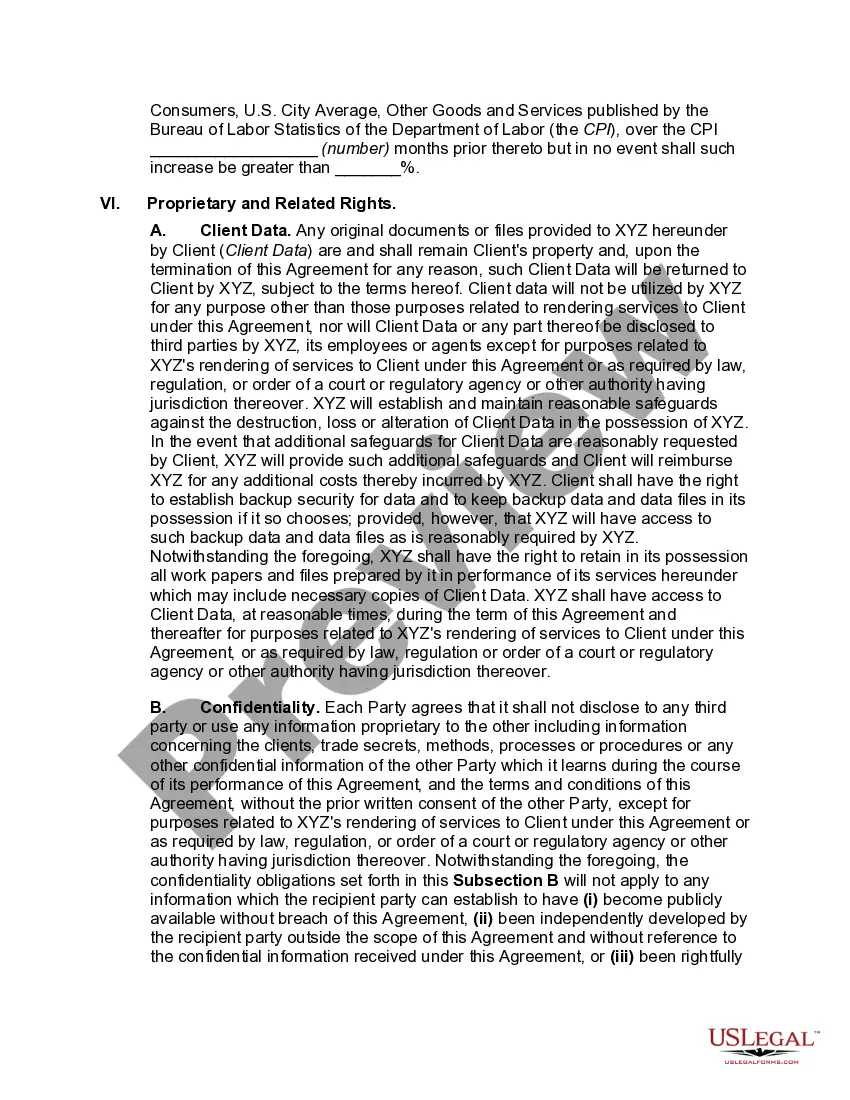
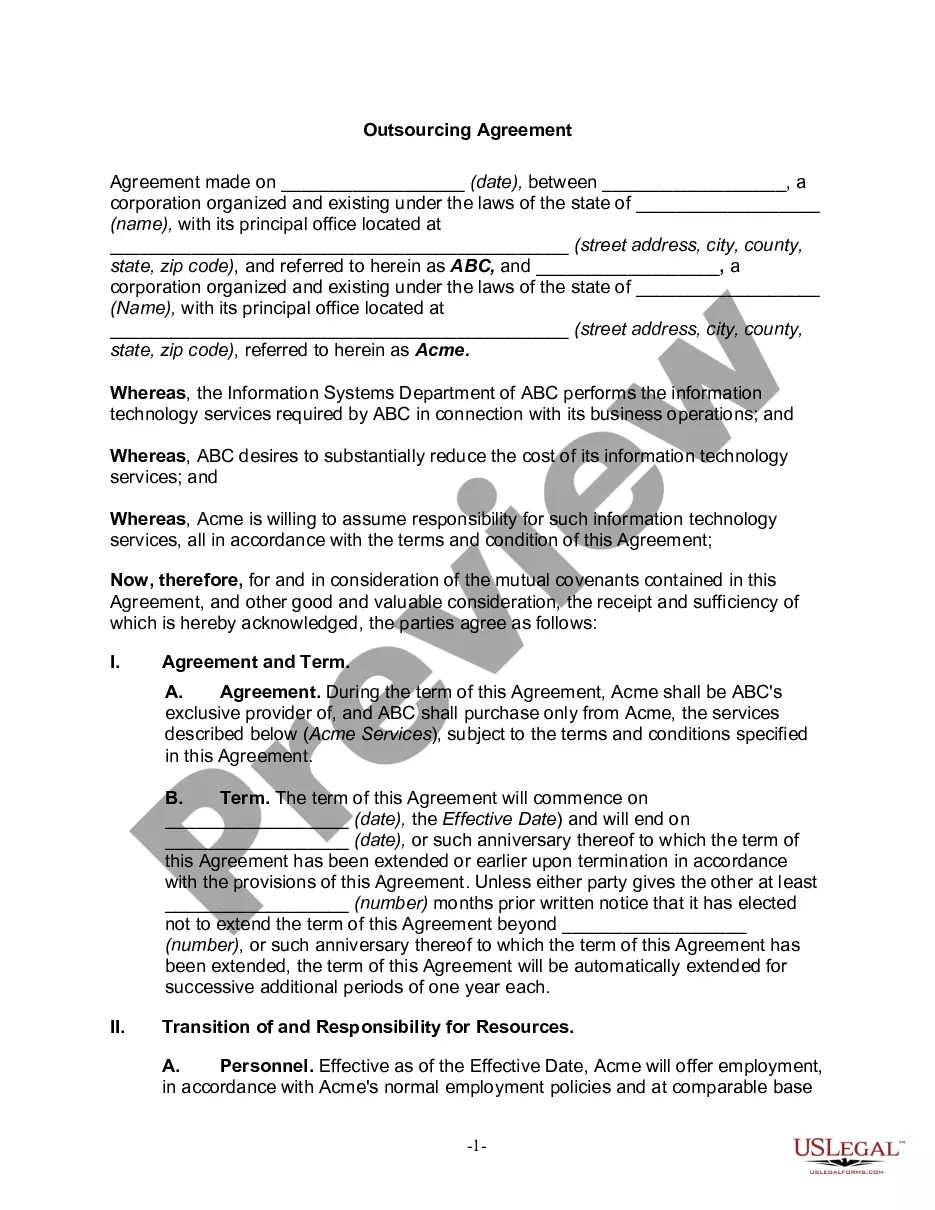
US Legal Forms offers a wide variety of templates and resources that can help you create effective outsourcing agreements. Their easy-to-use platform allows you to customize documents to match your specific needs and ensures compliance with South Carolina laws. By utilizing their services, you can save time, reduce legal risks, and enhance your South Carolina Comprehensive Outsourcing Agreement, paving the way for successful business partnerships.
An outsourcing agreement is a contract formed between a company and a service provider wherein the provider promises to deliver specified services. An example would be data processing from a service provider that utilizes its own staff and equipment, typically working from their own location as well.
Advertising, office and warehouse cleaning, and website development are the best examples of outsourcing. Most business owners delegate authority to outsourced specialists when it comes to bookkeeping, maintenance, recruitment. This helps enterprises to focus most of their resources on the main activity.
What Should Be Included in an Outsourcing Agreement Part 1 of 2Scope and performance of services.Dates of agreement.Variation and termination.Provisions for termination.Pricing and fee structure.Payment terms.Representations and warranties.
Generally, the following laws govern most outsourcing arrangements:Indian Contract Act 1872 (ICA).Indian Stamp Act 1899 and the applicable Indian state stamping laws (Stamp Act).Specific Relief Act 1963 (SRA).Code of Civil Procedure 1909.Arbitration and Conciliation Act 1996 (Arbitration Act).More items...?
The 4 Types of Outsourcing Explained and ComparedProfessional Outsourcing. Let's start with the most common type of outsourcingprofessional outsourcing.IT Outsourcing.Manufacturing Outsourcing.Project Outsourcing.
So without further ado, let's take a deep dive into the three primary types of relationship-based software outsourcing: Staff augmentation outsourcing, managed team outsourcing, and project-based outsourcing.
Outsourcing is an arrangement under which an organisation contracts with a service provider to perform services that the organisation currently performs in-house or which are performed by an existing third party supplier.