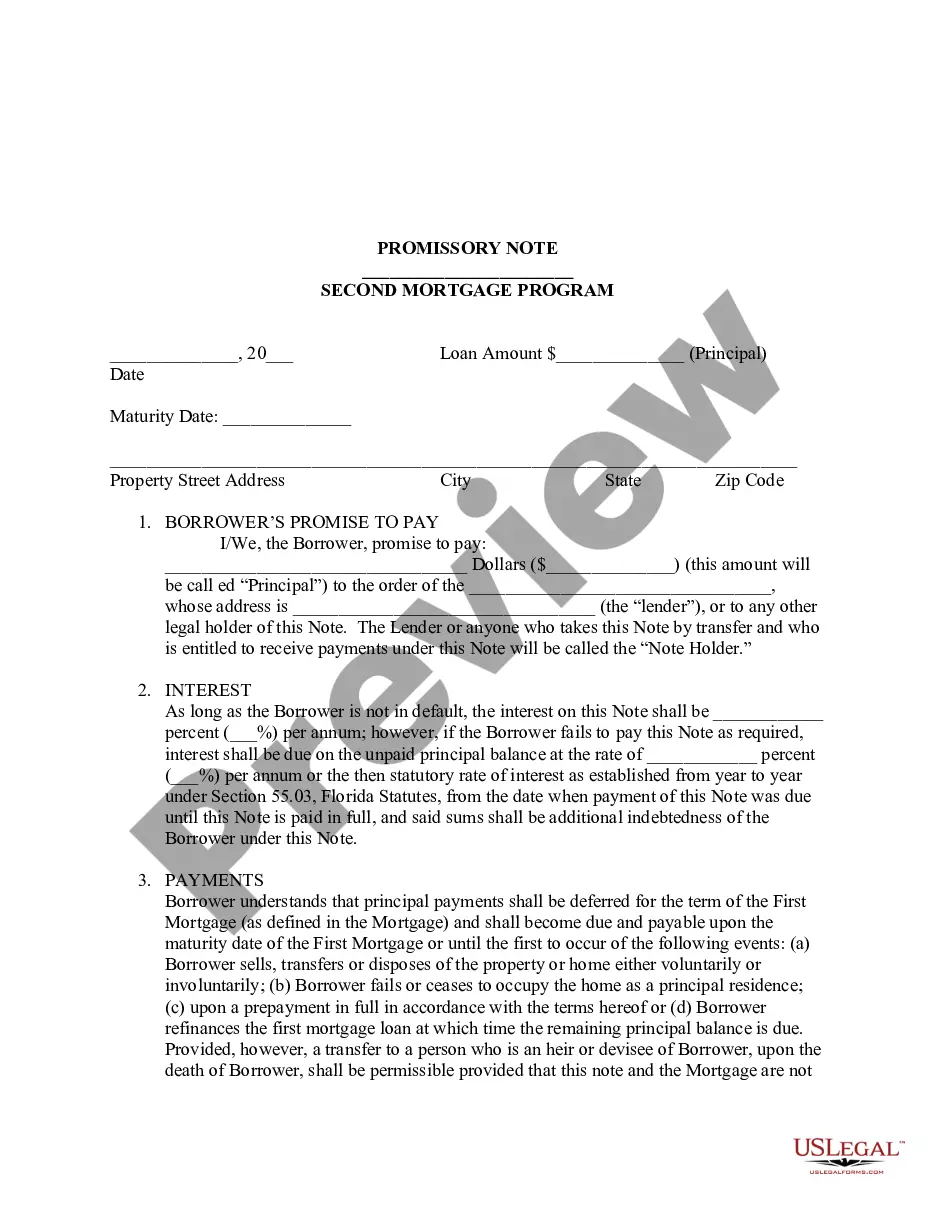
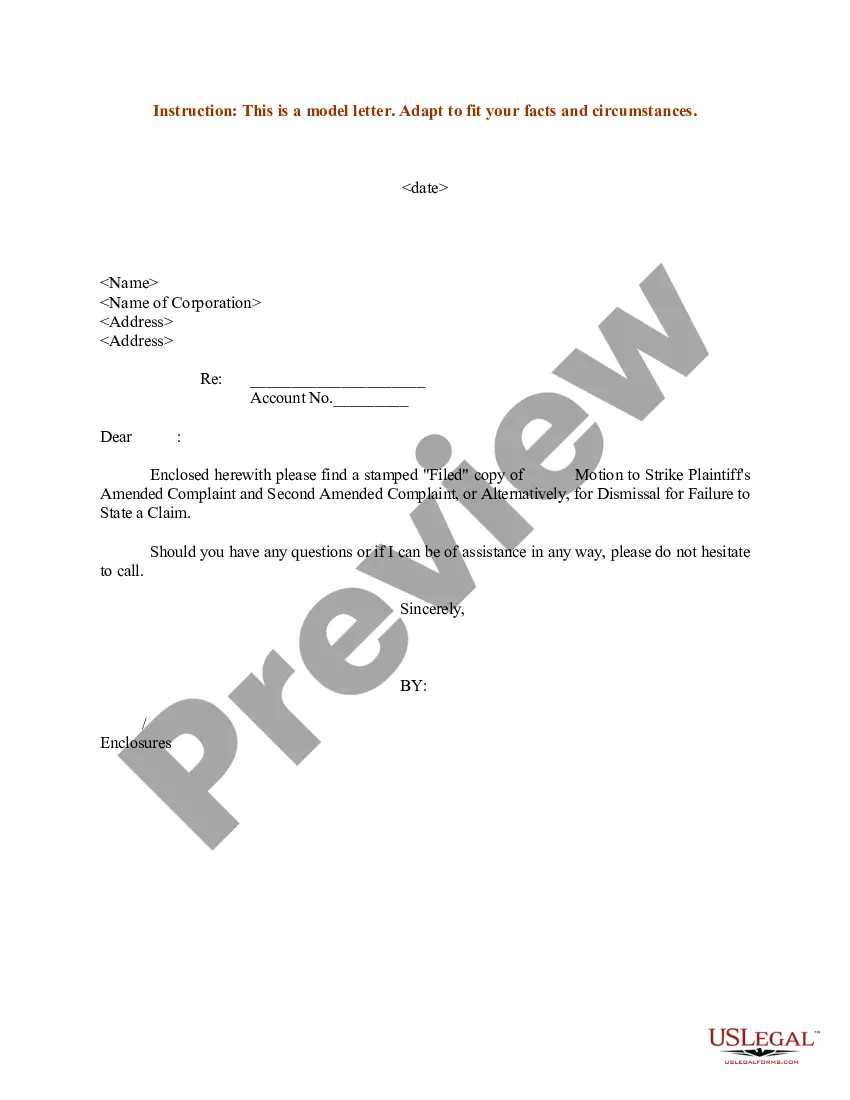
Sample Letter to Attorney Opposite regarding Signed Stipulation
What this document covers
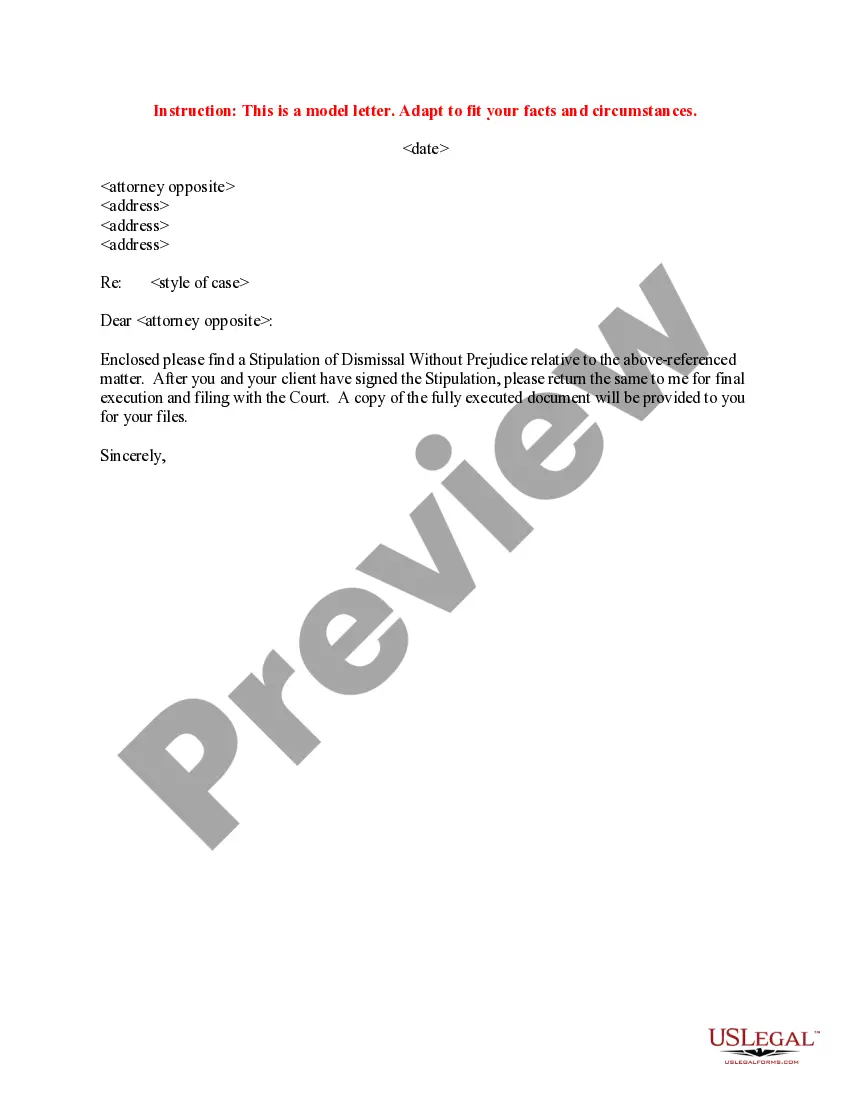
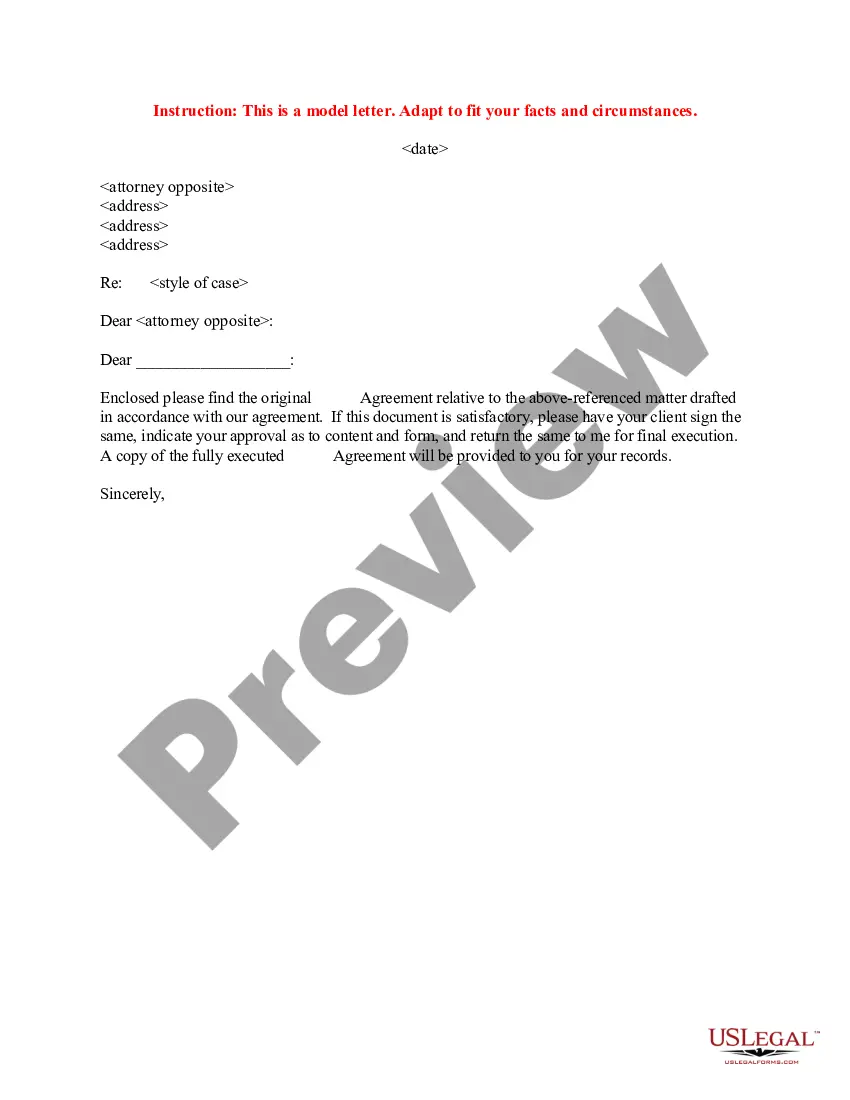
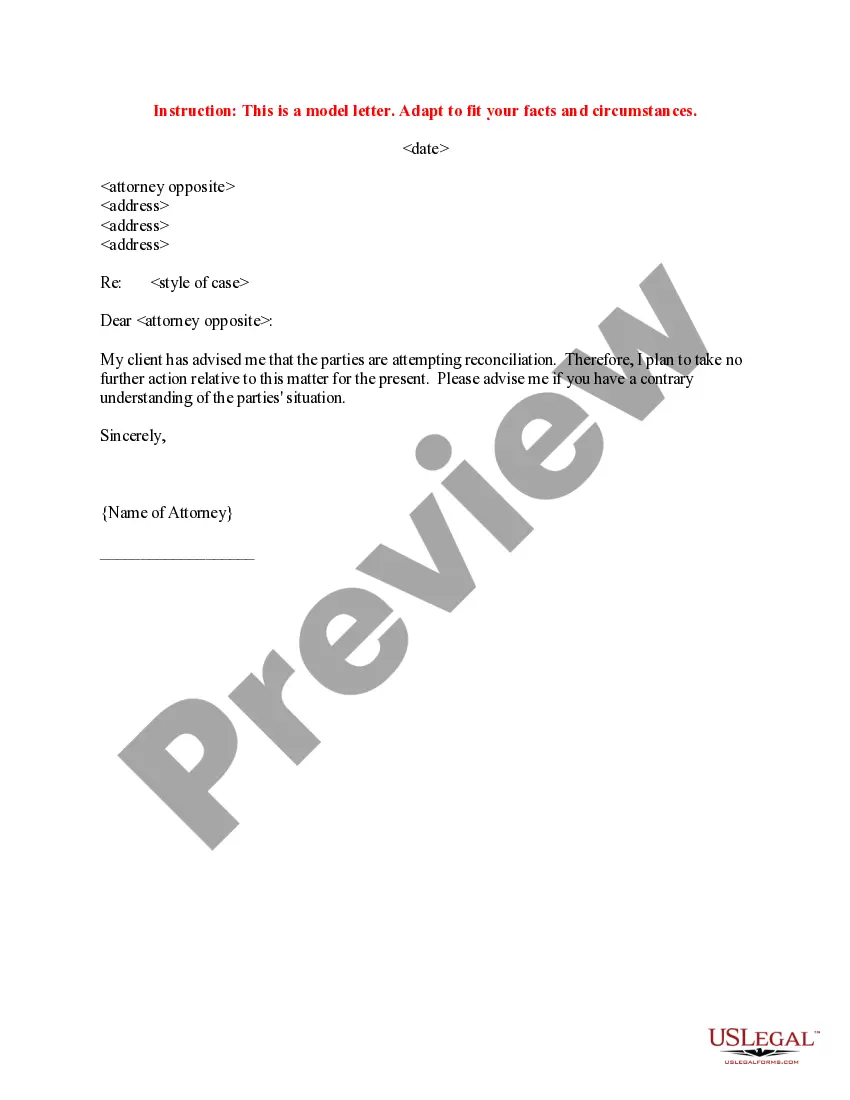
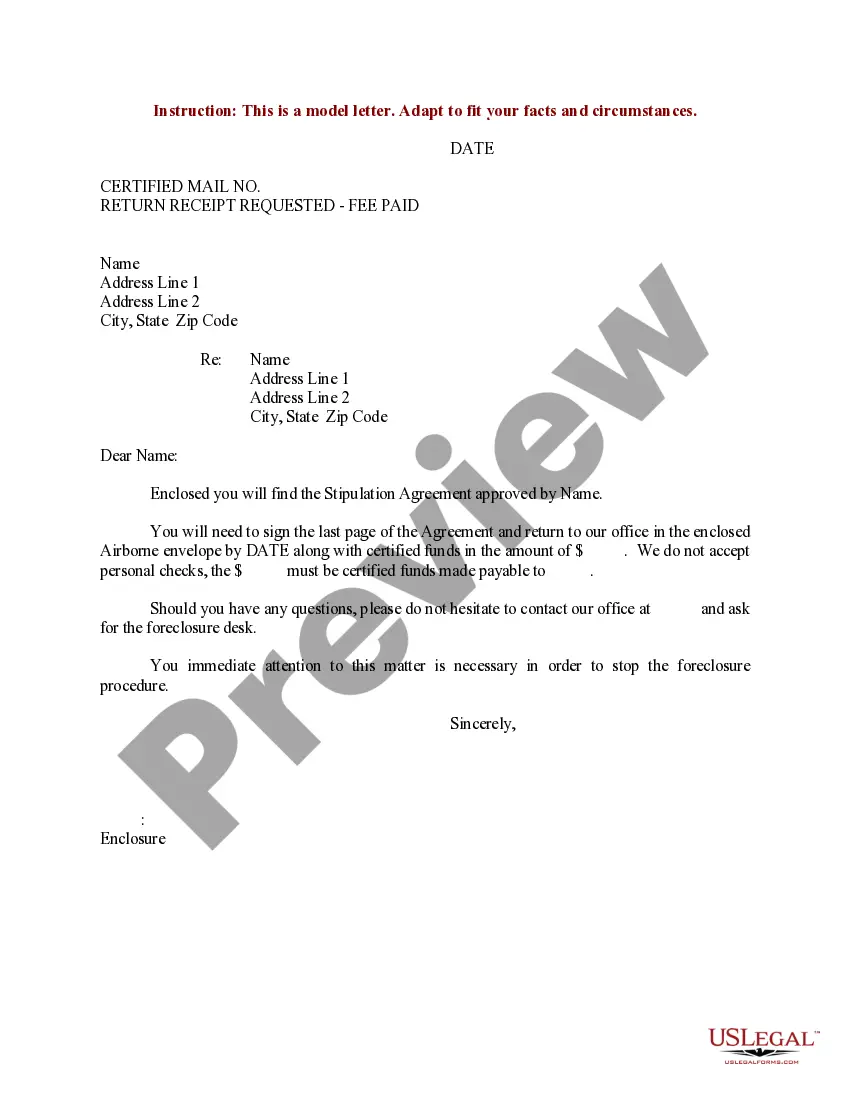
This form is a Sample Letter to Attorney Opposite regarding Signed Stipulation. It serves as a template for communicating with the opposite party's attorney about a Stipulation of Dismissal Without Prejudice. This letter outlines the necessary steps for both parties to finalize the dismissal and is essential for maintaining clear communication during legal proceedings.
Key components of this form
- Date: The date on which the letter is sent.
- Attorney Opposite: The name of the opposing attorney involved in the case.
- Address: The full address of the opposing attorney.
- Re: Reference line indicating the style of the case.
- Body of the letter: Contains the request for a signed stipulation and instructions for its return.
- Signature: Area for the sender's signature to validate the correspondence.
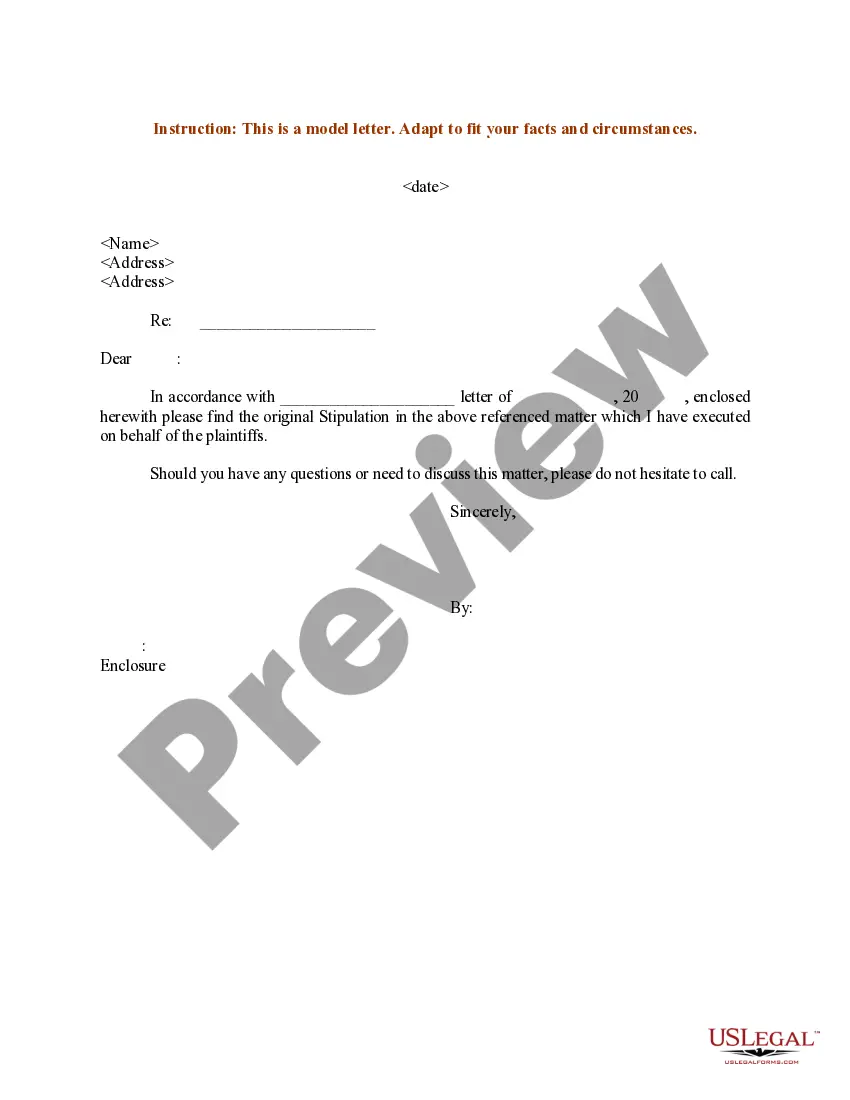
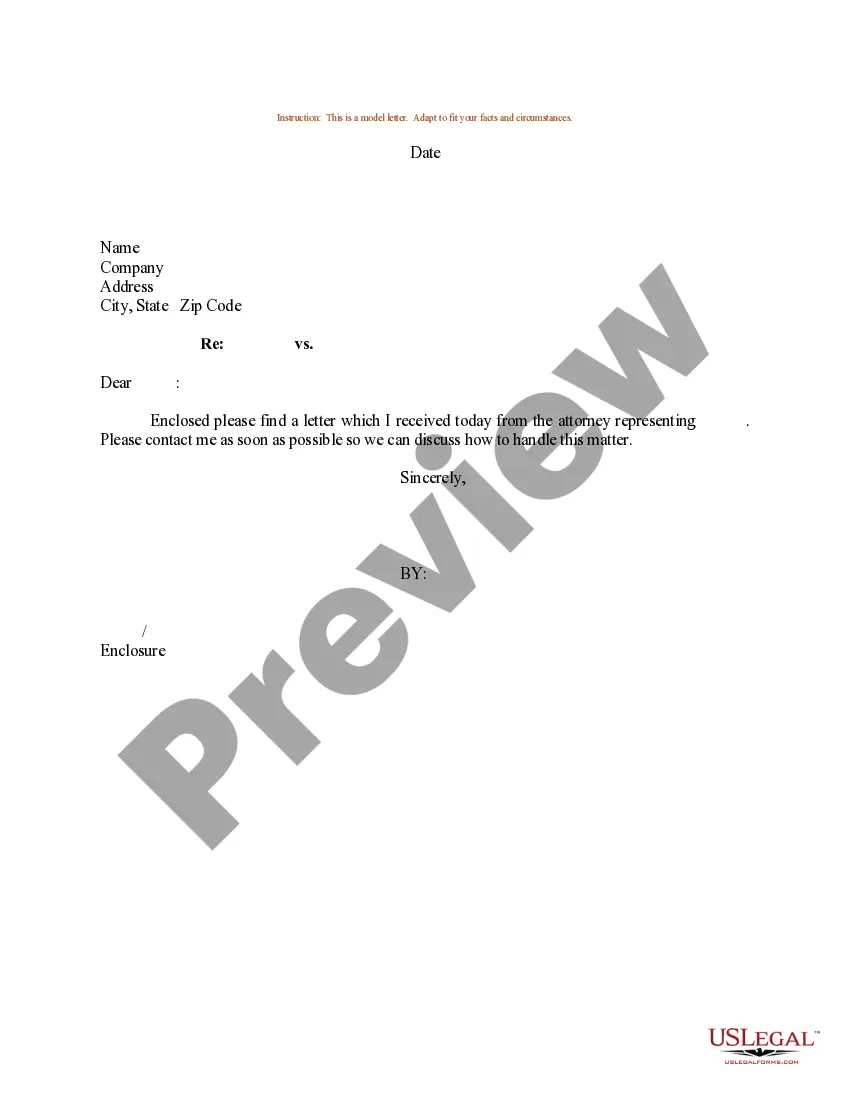
When to use this document
This form is used when a party needs to formally communicate with the attorney representing the opposite side regarding a Stipulation of Dismissal Without Prejudice. It is applicable in cases where a party seeks to voluntarily dismiss a case without affecting their ability to bring it back in the future, ensuring that all necessary legal protocols are followed.
Who this form is for
- This form is ideal for attorneys representing parties in ongoing legal cases.
- Individuals or entities involved in legal disputes who wish to communicate dismissal intentions formally.
- Anyone who needs a clear template for notifying the opposing party about legal documentation related to a dismissal.
Instructions for completing this form
- Identify the correct date on which you are sending the letter.
- Enter the name of the attorney opposite in the designated section.
- Fill in the complete mailing address for the attorney opposite.
- Reference the specific case style in the "Re" line for clarity.
- Ensure that the body of the letter clearly states the request for the signed stipulation.
- Sign the letter to authenticate your communication.
Does this document require notarization?
In most cases, this form does not require notarization. However, some jurisdictions or signing circumstances might. US Legal Forms offers online notarization powered by Notarize, accessible 24/7 for a quick, remote process.
Get your form ready online
Our built-in tools help you complete, sign, share, and store your documents in one place.
Make edits, fill in missing information, and update formatting in US Legal Forms—just like you would in MS Word.
Download a copy, print it, send it by email, or mail it via USPS—whatever works best for your next step.
Sign and collect signatures with our SignNow integration. Send to multiple recipients, set reminders, and more. Go Premium to unlock E-Sign.
If this form requires notarization, complete it online through a secure video call—no need to meet a notary in person or wait for an appointment.
We protect your documents and personal data by following strict security and privacy standards.
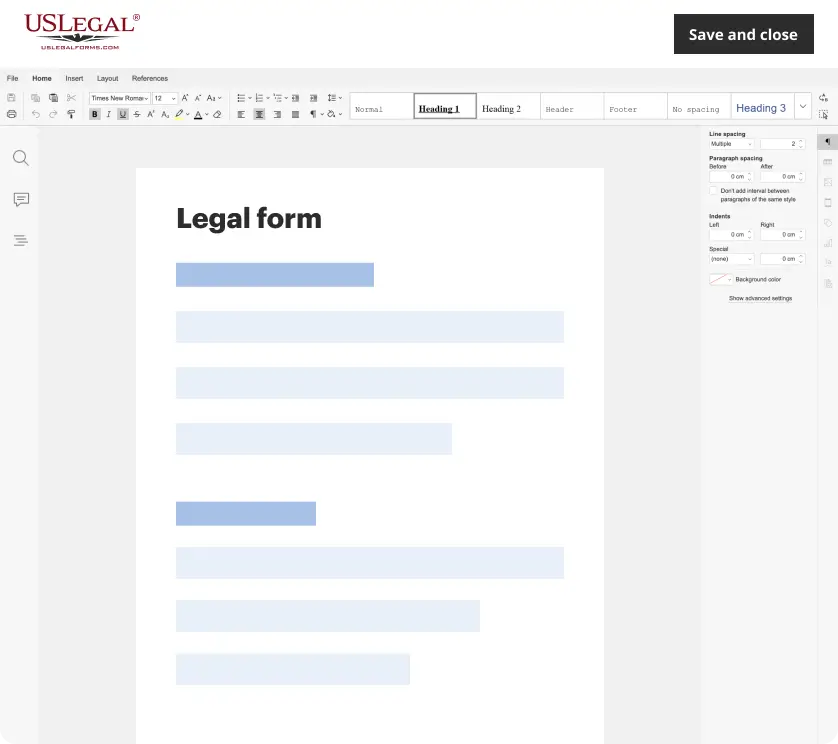
Make edits, fill in missing information, and update formatting in US Legal Forms—just like you would in MS Word.
Download a copy, print it, send it by email, or mail it via USPS—whatever works best for your next step.
Sign and collect signatures with our SignNow integration. Send to multiple recipients, set reminders, and more. Go Premium to unlock E-Sign.

If this form requires notarization, complete it online through a secure video call—no need to meet a notary in person or wait for an appointment.
We protect your documents and personal data by following strict security and privacy standards.
Mistakes to watch out for
- Forgetting to include the date, which may delay the process.
- Entering incorrect names or addresses, leading to communication issues.
- Failing to sign the letter, rendering it non-binding.
- Overlooking to send a copy to your own client for their records.
Advantages of online completion
- Convenience: Easily editable and downloadable, saving time on drafting from scratch.
- Reliability: Forms are drafted by licensed attorneys to ensure legal accuracy.
- Accessibility: Can be completed from anywhere with an internet connection, 24/7.
Looking for another form?

Form popularity
FAQ
Read the summons and make sure you know the date you must answer by. Read the complaint carefully. Write your answer. Sign and date the answer. Make copies for the plaintiff and yourself. Mail a copy to the plaintiff. File your answer with the court by the date on the summons.
Read the summons and make sure you know the date you must answer by. Read the complaint carefully. Write your answer. Sign and date the answer. Make copies for the plaintiff and yourself. Mail a copy to the plaintiff. File your answer with the court by the date on the summons.
Orders are generally temporary pending the final resolution of the complaint issues by judgment after the trial or by a court-ratified settlement.A 'stipulation' is an agreement between parties that a certain fact may be considered true or accepted, or that a certain procedure may be followed in court.
Stipulated agreements can be modified after a party shows that any change of circumstance has occurred. With litigated judgments, a party will only be able to modify the child custody order if they can show a significantly changed circumstance warranting a modification.
There is a valid court order in effect. The other person knows about the court order. The facts show a plain violation of the order. You have given the person notice of the contempt hearing and a chance to be heard. Contempt is an appropriate remedy for the violation.
Stipulations are only binding between the parties that made the agreement, not on any third parties. The information gathered from stipulations can be used during trial as evidence. It also can be used as a reason to grant or deny a party's request to modify a court order.
Things You Cannot Change in a Divorce Settlement Agreement In particular, California courts will not reconsider the original property or debt division. However, the parties can agree between themselves to change the terms of the property or debt division by stipulation and order to modify an earlier judgment.
Look carefully at the letter's contents. Check to see who sent the letter. Review the substance of the letter or email. Review the situation and the facts. Determine how best to proceed. Consider whether you should notify your insurance company that you have received a legal threat.
Since a stipulated judgment typically is not appealable, any post-judgment orders arising from such a judgment are also not appealable.