Project Risks
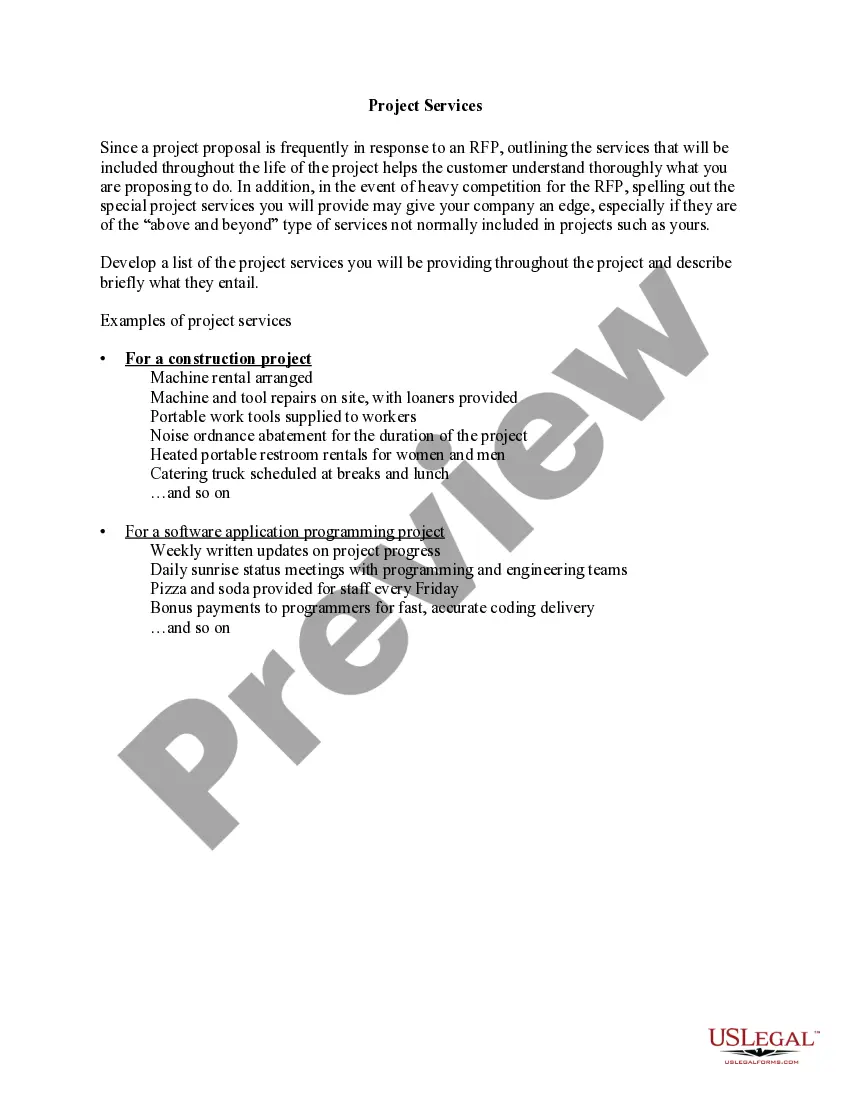
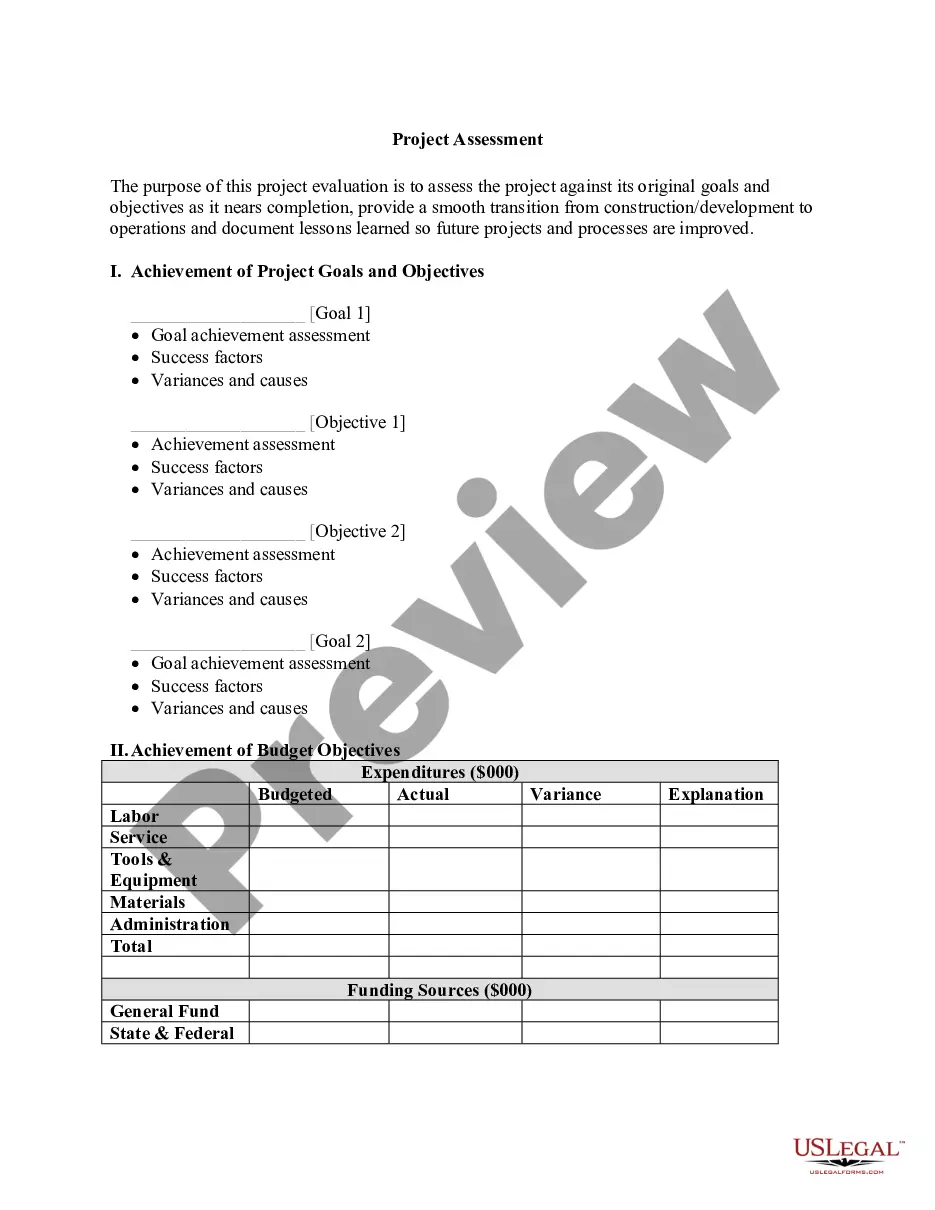
What is this form?
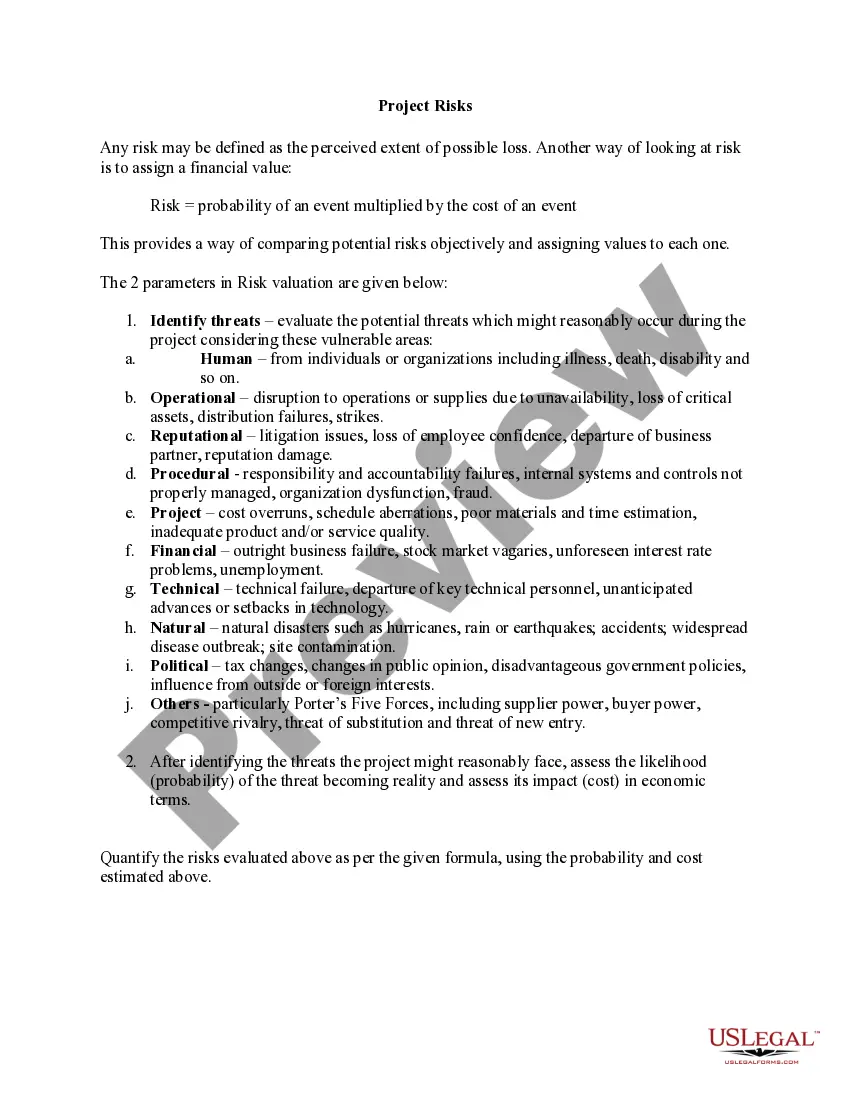
The Project Risks form is a vital tool for identifying and evaluating potential risks in a project. This form differs from other project management tools by providing a structured approach to quantify risks based on their probability and financial impact. By utilizing this form, project managers can prioritize threats and implement strategies to mitigate them effectively.
Main sections of this form
- Identification of threats such as operational, financial, and reputational risks.
- Evaluation of the likelihood and potential impact of each identified threat.
- Quantification of risks using the formula: risk probability multiplied by cost.
- Consideration of technical, natural, and political factors affecting project outcomes.
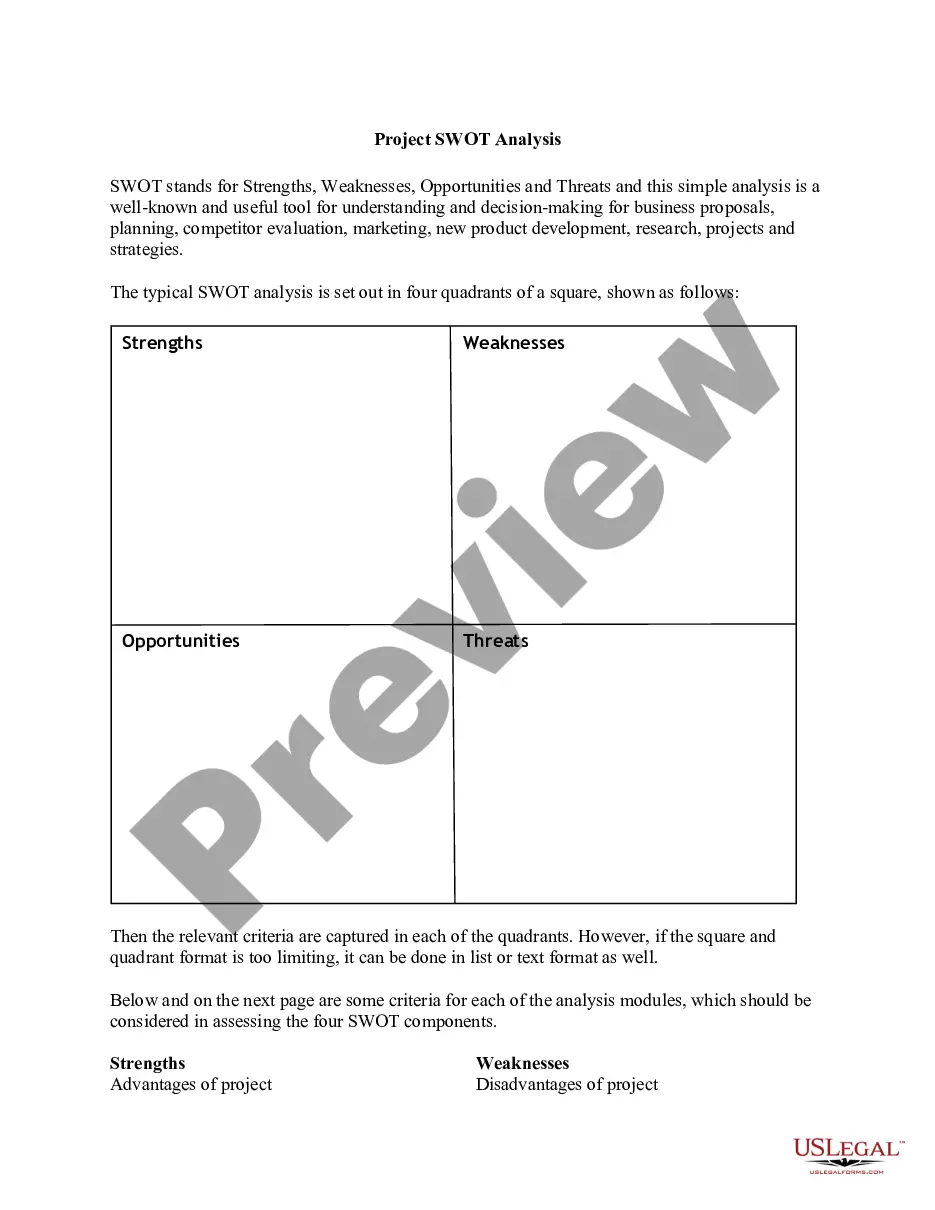
- Analysis of risks using frameworks like Porter's Five Forces.
Situations where this form applies
This form is best used during the project planning phase and throughout the lifecycle of a project. It is essential when establishing a budget, managing resources, and preparing for potential disruptions. Use this form when you need to systematically assess risks, prioritize them, and develop mitigation strategies to enhance project success and minimize unforeseen losses.
Who should use this form
- Project managers overseeing development projects.
- Business analysts involved in risk assessment.
- Team leaders responsible for project delivery.
- Organizations looking to formalize their risk management processes.
How to complete this form
- Identify all potential risks that could affect the project, from operational to reputational.
- Evaluate the likelihood of each identified risk occurring and determine its potential economic impact.
- Use the provided formula to quantify the risks based on probability and cost.
- Prioritize the identified risks based on their total risk value to help focus mitigation efforts.
- Review and update the risk assessment regularly throughout the project lifecycle.
Does this document require notarization?
This form does not typically require notarization to be legally valid. However, some jurisdictions or document types may still require it. US Legal Forms provides secure online notarization powered by Notarize, available 24/7 for added convenience.
Get your form ready online
Our built-in tools help you complete, sign, share, and store your documents in one place.
Make edits, fill in missing information, and update formatting in US Legal Forms—just like you would in MS Word.
Download a copy, print it, send it by email, or mail it via USPS—whatever works best for your next step.
Sign and collect signatures with our SignNow integration. Send to multiple recipients, set reminders, and more. Go Premium to unlock E-Sign.
If this form requires notarization, complete it online through a secure video call—no need to meet a notary in person or wait for an appointment.
We protect your documents and personal data by following strict security and privacy standards.

Make edits, fill in missing information, and update formatting in US Legal Forms—just like you would in MS Word.

Download a copy, print it, send it by email, or mail it via USPS—whatever works best for your next step.

Sign and collect signatures with our SignNow integration. Send to multiple recipients, set reminders, and more. Go Premium to unlock E-Sign.

If this form requires notarization, complete it online through a secure video call—no need to meet a notary in person or wait for an appointment.

We protect your documents and personal data by following strict security and privacy standards.
Common mistakes to avoid
- Failing to consider all potential sources of risk, leading to incomplete assessments.
- Underestimating the probability of high-impact risks.
- Neglecting to regularly update the risk analysis as the project progresses.
Benefits of using this form online
- Convenient access to risk management tools from any location.
- Editability allows for updates as project conditions change.
- Reliable templates drafted by licensed attorneys ensure legal compliance.
Looking for another form?

Form popularity
FAQ
The Project Management Body of Knowledge (PMBOK) sorts project risk into three categories: operational risks, short-term strategic risks, and long-term strategic risks.
13 Common Types of Project Risks Cost Risk. Schedule Risk. Performance Risk. Operational Risk. Technology Risk. Communication Risk. Scope Creep Risk. Skills Resource Risk.
PMBOK Guide-based theory describes five types of risk response strategies: Risk avoidance, risk transference, risk escalation, risk mitigation, and risk acceptance.
The main four types of risk are: strategic risk - eg a competitor coming on to the market. compliance and regulatory risk - eg introduction of new rules or legislation. financial risk - eg interest rate rise on your business loan or a non-paying customer. operational risk - eg the breakdown or theft of key equipment.
There are five categories of operational risk: people risk, process risk, systems risk, external events risk, and legal and compliance risk.
There are four main types of project risks: technical, external, organizational, and project management. Within those four types are several more specific examples of risk.
Overall project risk refers to the possibility of any one or more circumstances occurring that might alter a project's outcome. Individual risk refers to a single possible event; overall project risk refers to all possible events. For example, an individual risk might be a project going over budget.
What is project risk? A project risk is an uncertain event that may or may not occur during a project. Contrary to our everyday idea of what ?risk? means, a project risk could have either a negative or a positive effect on progress towards project objectives.