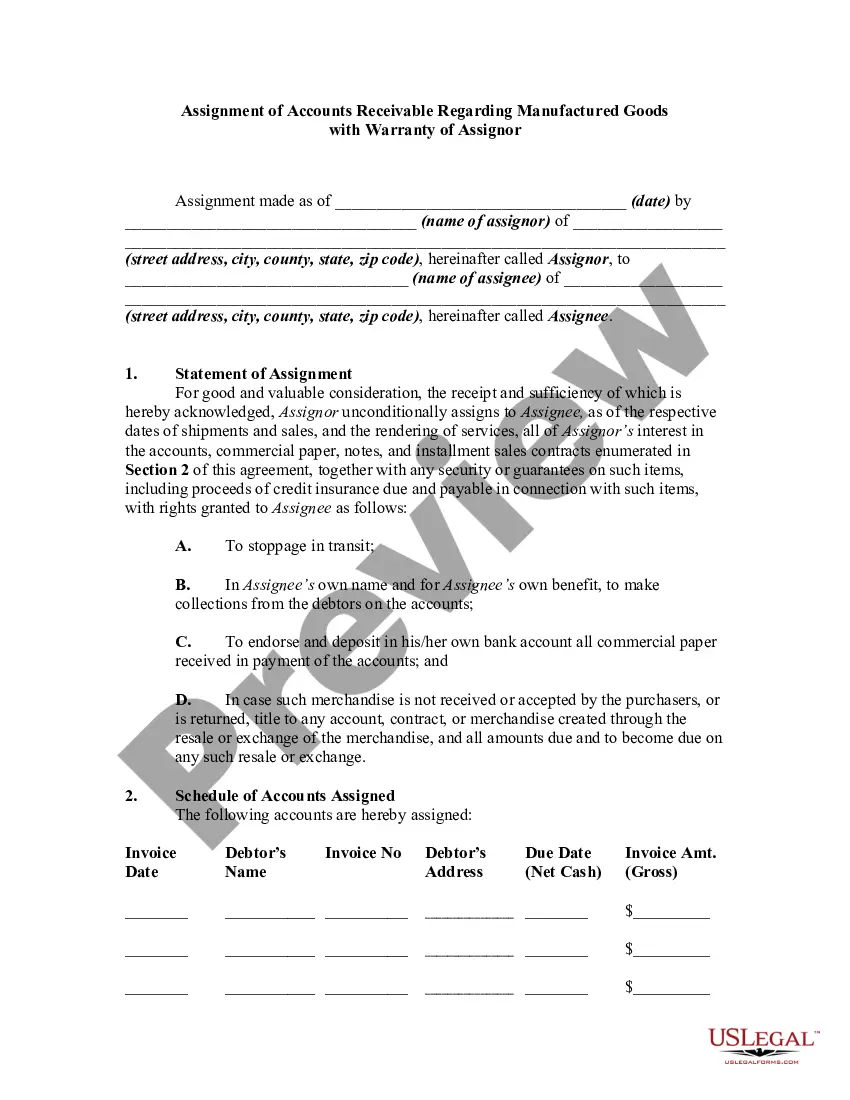
Assignment of Accounts Receivable Regarding Manufactured Goods
Overview of this form
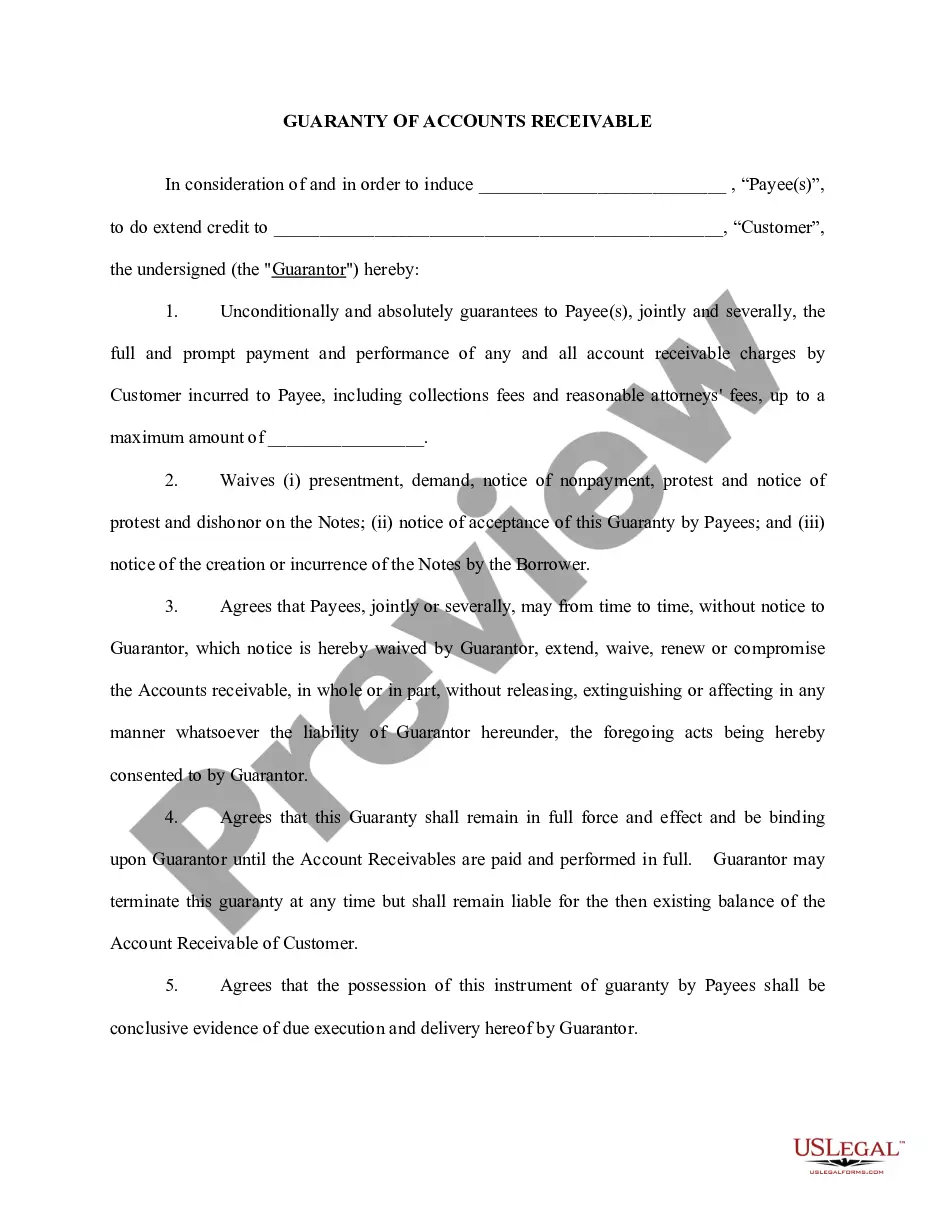
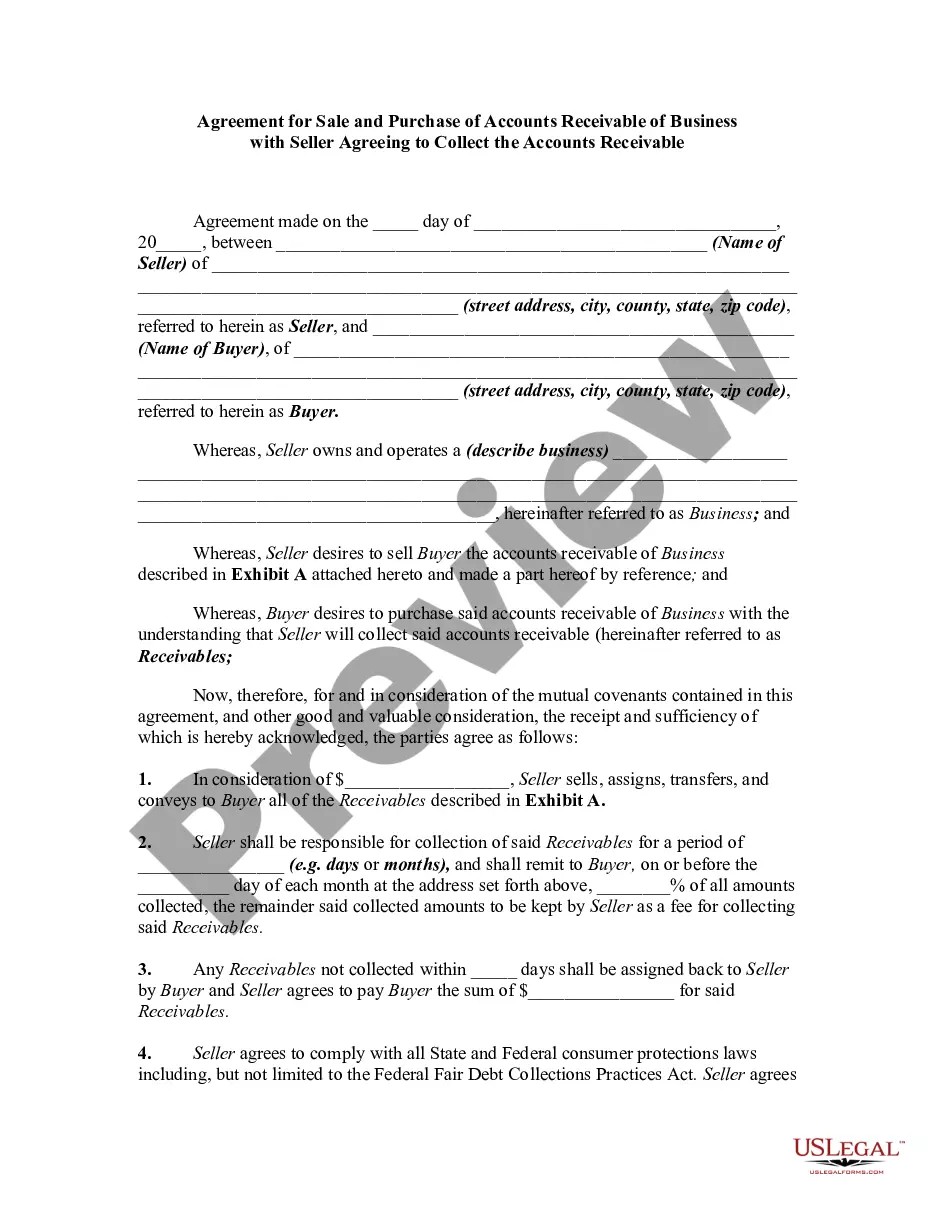
The Assignment of Accounts Receivable Regarding Manufactured Goods is a legal document used to transfer ownership of accounts receivable from a seller (assignor) to a buyer (assignee). This form allows businesses to assign their rights to collect payments for goods sold and services rendered to another party. Unlike general assignment forms, this specific document includes clauses that protect both parties and address the specifics of manufactured goods, making it essential for businesses in the manufacturing sector looking to manage cash flow more effectively.
Main sections of this form
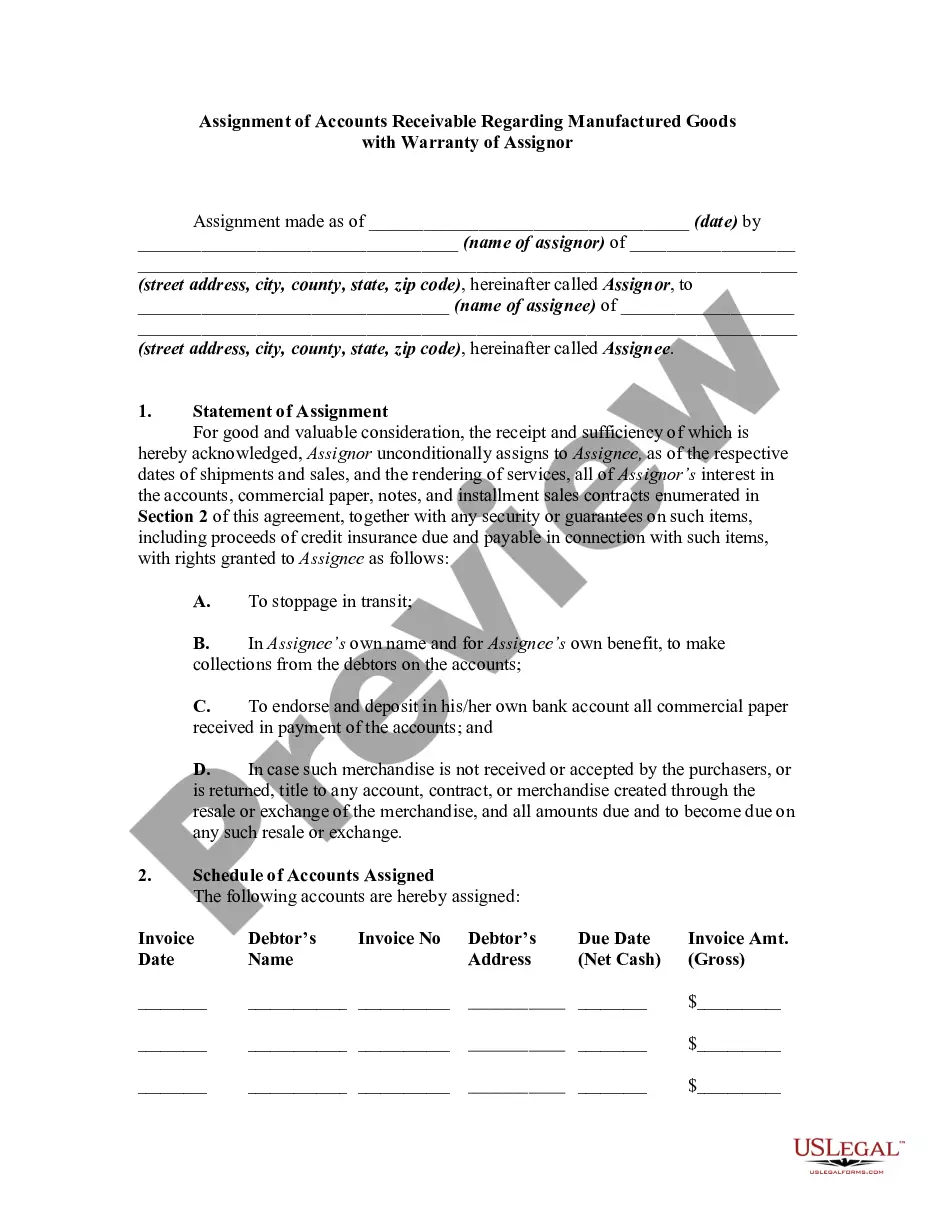
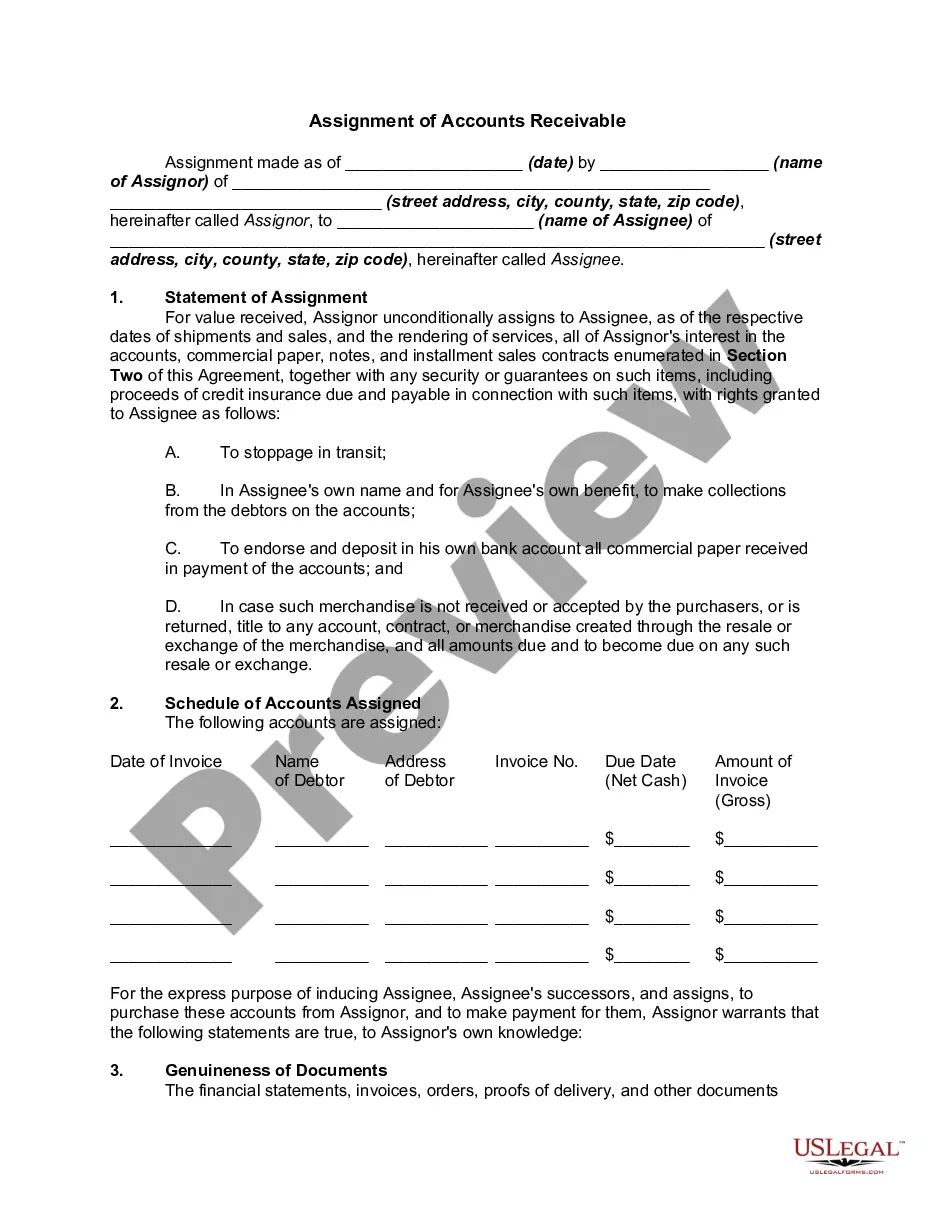
- Statement of Assignment: Confirms the transfer of rights from the assignor to the assignee.
- Schedule of Accounts Assigned: Lists specific accounts receivable being assigned.
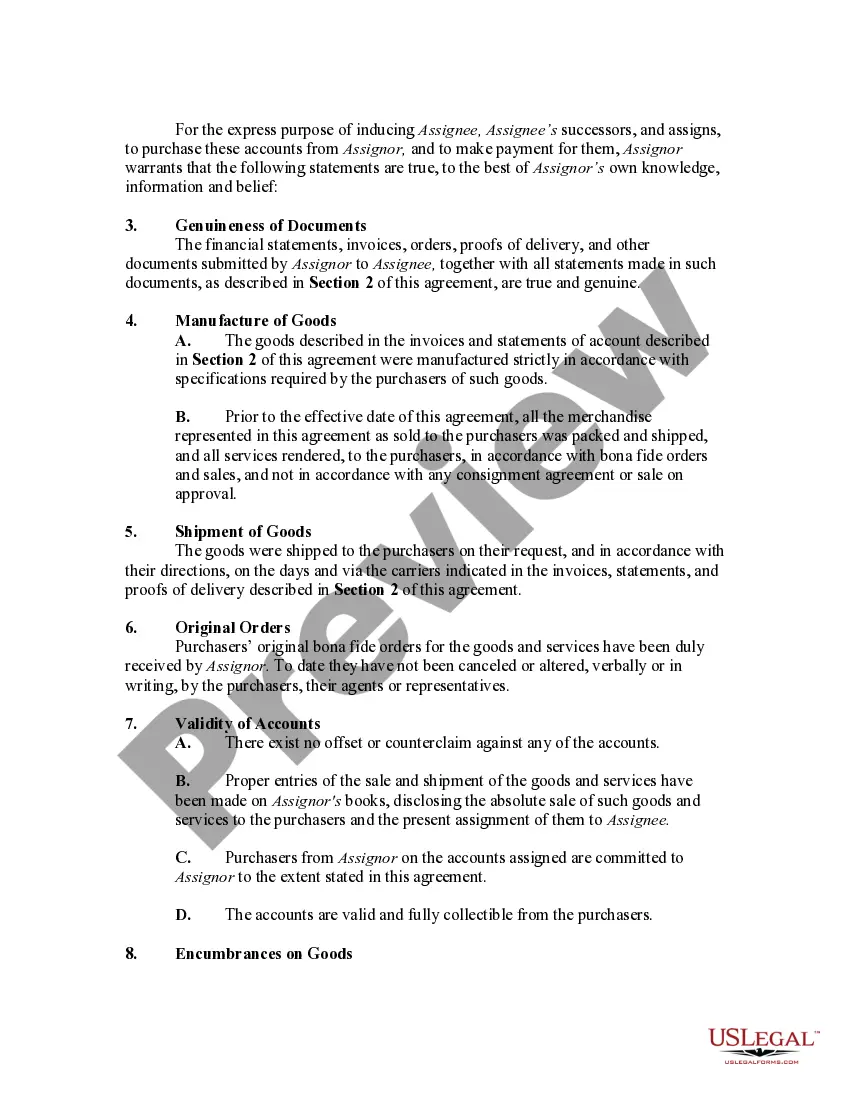
- Genuineness of Documents: Ensures that submitted documents are authentic and accurate.
- Manufacture of Goods: Establishes that goods comply with buyer specifications and are shipped correctly.
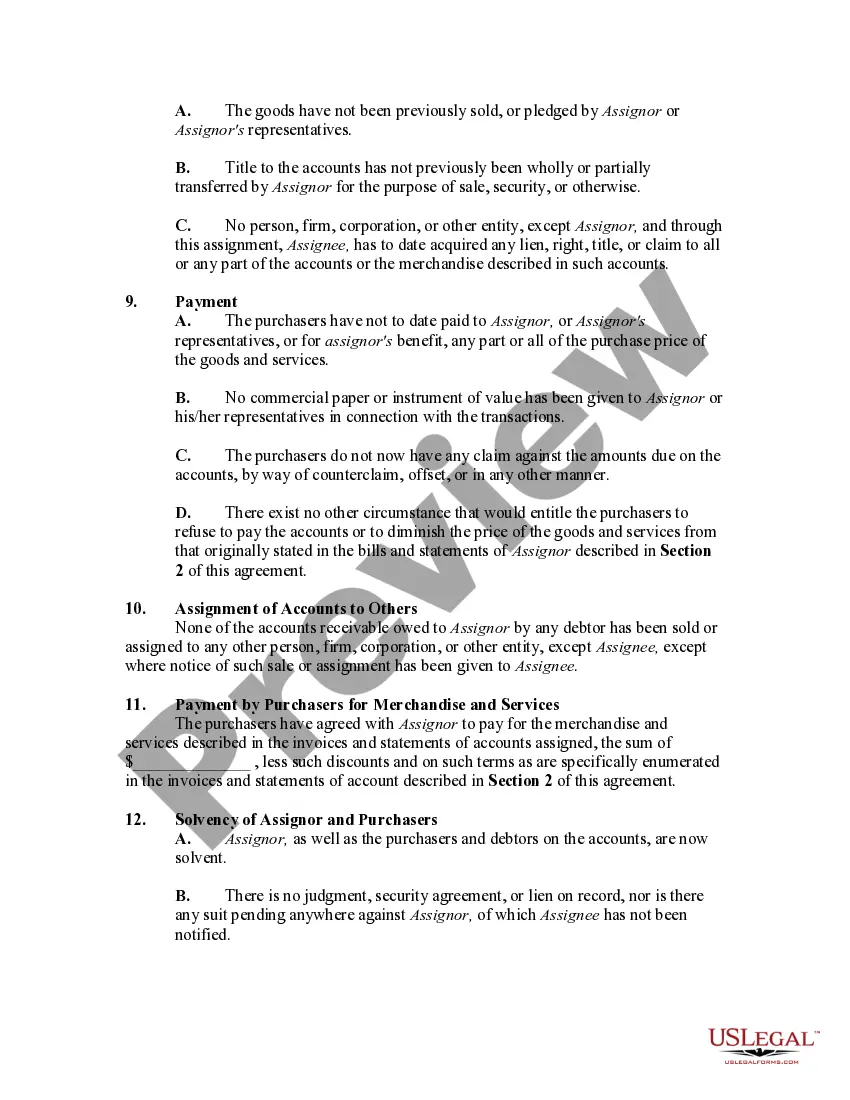
- Validity of Accounts: Confirms that accounts are free from liens or claims and are collectible.
- Payment Terms: Specifies the payment agreement between the assignor and the purchasers.

Common use cases
This form is useful when a manufacturer sells goods and wishes to assign the accounts receivable to another party for immediate cash flow. Common scenarios for its use include businesses that need financing, companies looking to outsource collections, or those planning to sell their receivables as part of a financing arrangement. It is particularly beneficial when the goods are sold on credit and payments are expected in the future.
Who should use this form
- Manufacturers or sellers of goods who need to sell or assign their accounts receivable.
- Businesses seeking financing options to improve cash flow by using their accounts receivable as collateral.
- Accountants and financial professionals managing client accounts related to manufactured goods.
Steps to complete this form
- Identify the parties involved: Clearly state the names and addresses of the assignor and assignee.
- Assign the accounts: List the specific accounts receivable being assigned along with details such as invoice numbers and due dates.
- Verify the genuineness: Ensure that all documents referenced, such as financial statements and invoices, are true and accurate.
- Confirm the manufacture details: Provide assurances that the goods were manufactured as per the agreements and were shipped correctly.
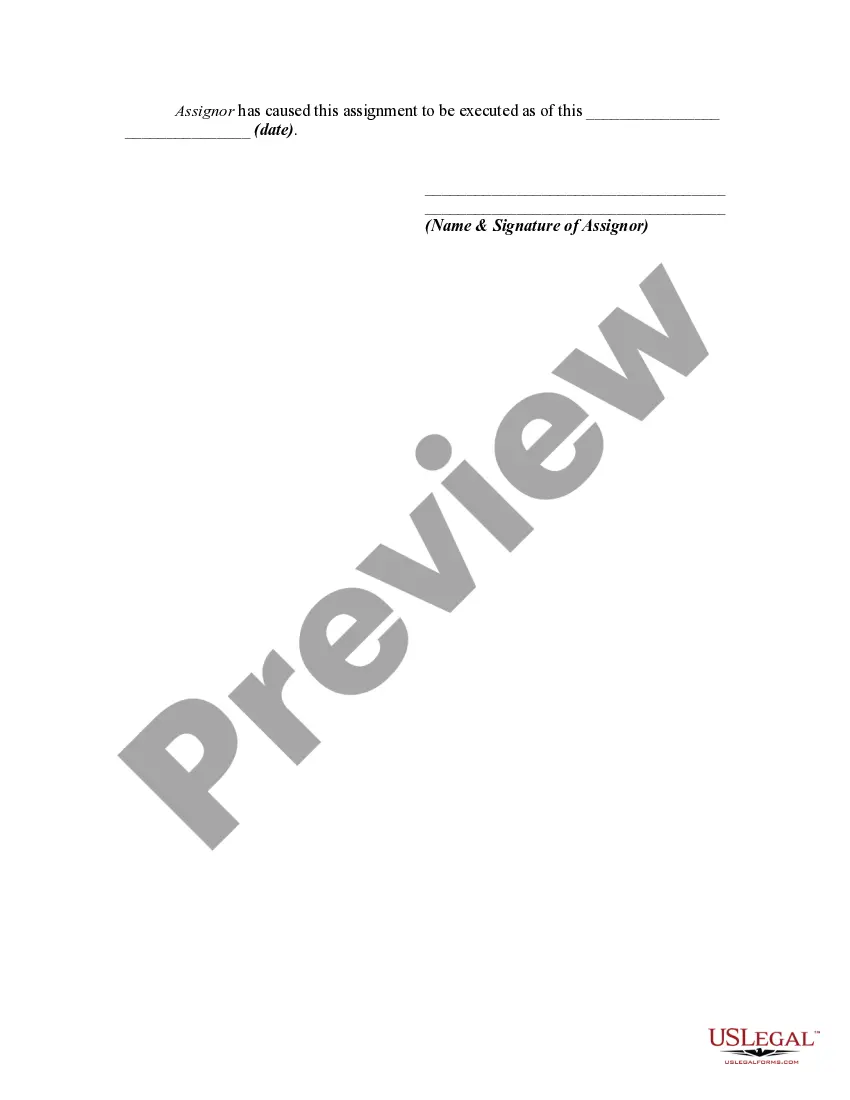
- Sign and date the form: Both the assignor and assignee should sign the document for it to be valid.
Does this form need to be notarized?
This form usually doesn’t need to be notarized. However, local laws or specific transactions may require it. Our online notarization service, powered by Notarize, lets you complete it remotely through a secure video session, available 24/7.
Get your form ready online
Our built-in tools help you complete, sign, share, and store your documents in one place.
Make edits, fill in missing information, and update formatting in US Legal Forms—just like you would in MS Word.
Download a copy, print it, send it by email, or mail it via USPS—whatever works best for your next step.
Sign and collect signatures with our SignNow integration. Send to multiple recipients, set reminders, and more. Go Premium to unlock E-Sign.
If this form requires notarization, complete it online through a secure video call—no need to meet a notary in person or wait for an appointment.
We protect your documents and personal data by following strict security and privacy standards.

Make edits, fill in missing information, and update formatting in US Legal Forms—just like you would in MS Word.

Download a copy, print it, send it by email, or mail it via USPS—whatever works best for your next step.

Sign and collect signatures with our SignNow integration. Send to multiple recipients, set reminders, and more. Go Premium to unlock E-Sign.

If this form requires notarization, complete it online through a secure video call—no need to meet a notary in person or wait for an appointment.

We protect your documents and personal data by following strict security and privacy standards.
Mistakes to watch out for
- Failing to list all applicable accounts receivable in the Schedule of Accounts Assigned.
- Not verifying the authenticity of documents related to the accounts being assigned.
- Incomplete signatures or missing dates can cause the assignment to be invalid.
Why use this form online
- Convenience of editing and downloading the form at any time.
- Access to professionally drafted legal templates created by licensed attorneys.
- Secure storage of documents with the option to print or share them easily.
Looking for another form?


Form popularity
FAQ
Accounts Receivable processes typically involve four steps: deciding on the company's credit policies for customers; billing the customers for the goods sold to them; tracking payments made and still owed; and finally, recording the balances of the company's accounts receivables by the accounts department.
Assignment of accounts receivable is a lending agreement whereby the borrower assigns accounts receivable to the lending institution. In exchange for this assignment of accounts receivable, the borrower receives a loan for a percentage, which could be as high as 100%, of the accounts receivable.
What are the journal entries for assigning Accounts Receivable as collateral for a loan? The entry to record assignment of Accounts Receivable as collateral would be a credit to cash, and a debit to assign Accounts Receivable. The cash account is debited because the company gave up the assigned receivables.
A factoring agreement can be used to transfer an account receivable referenced in the underlying sale contract, whilst assignment can also apply to accounts receivable resulting from loan agreements, business co-operation agreements, and the like.
Assigning Accounts receivables - In this method, the borrower assigns the receivables to a lending institution and may get a loan up to 100% of value. It differs from pledging in a sense it enables the lender to collect the receivables, but the title still lies with the borrower.