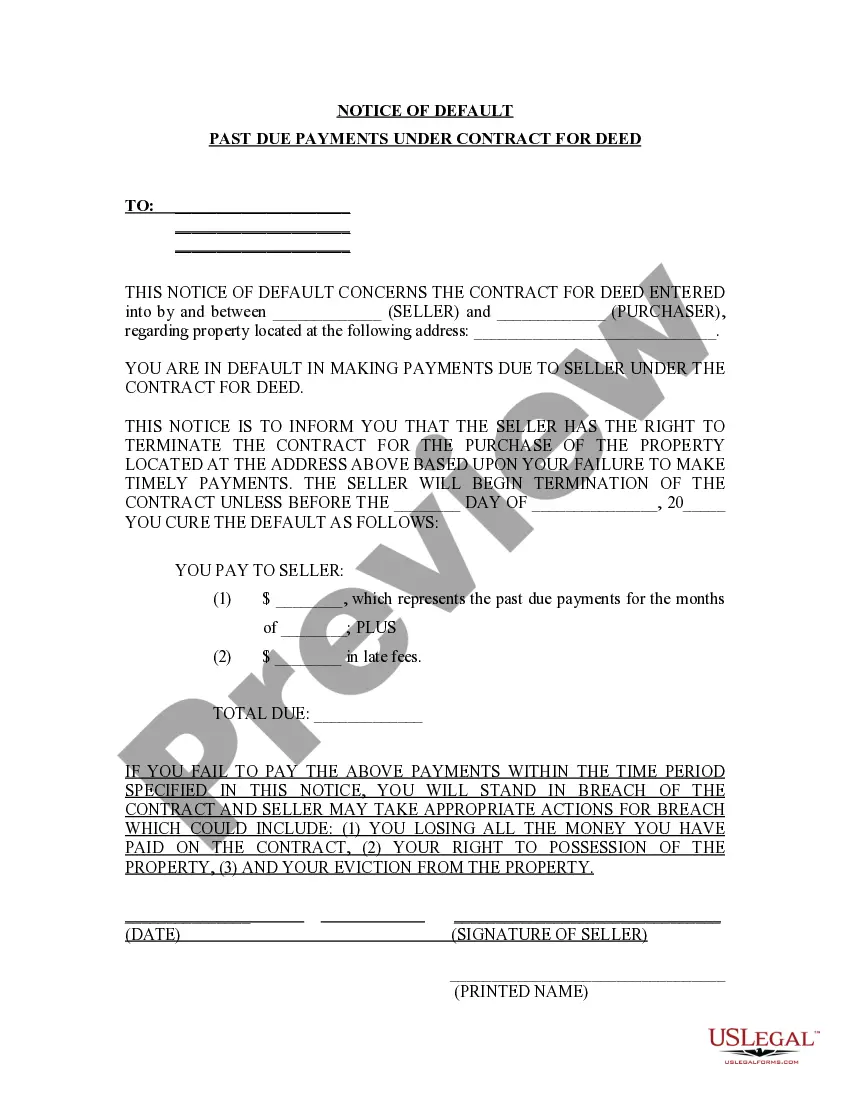
Issues-Claim for Damages Based Upon Defamation-Private Figure
About this form
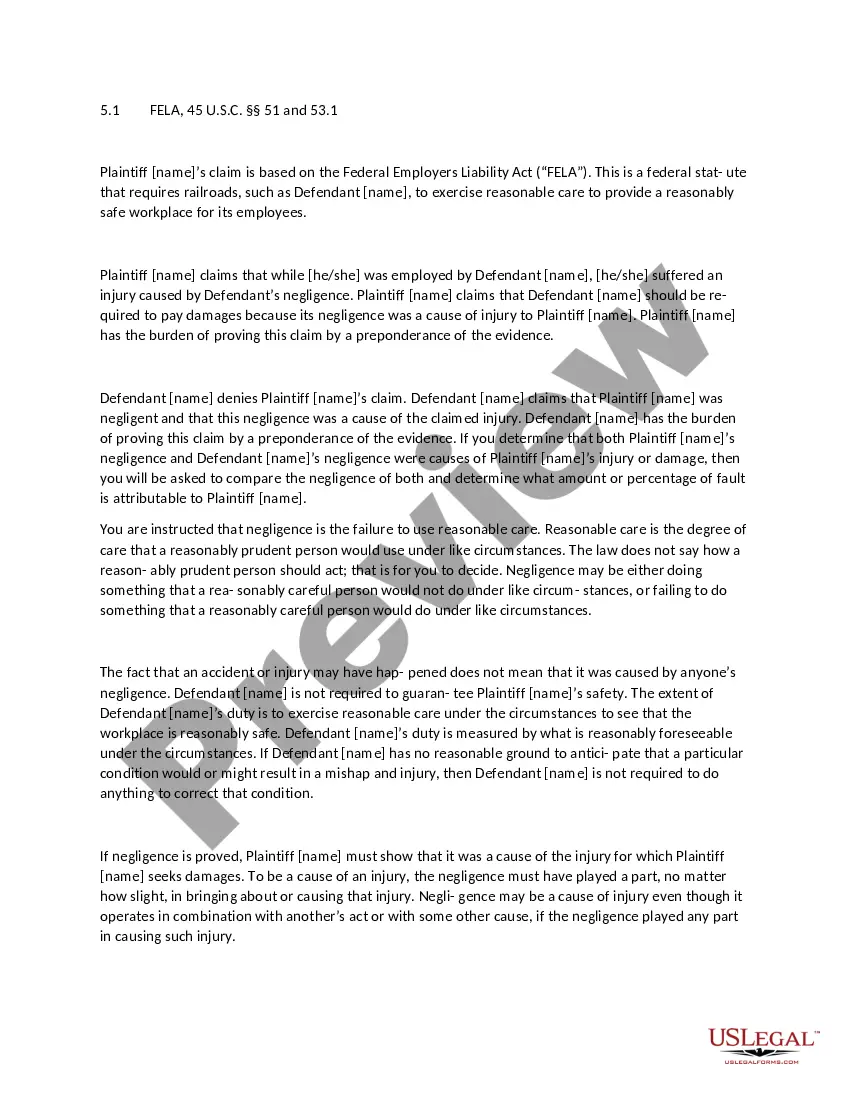
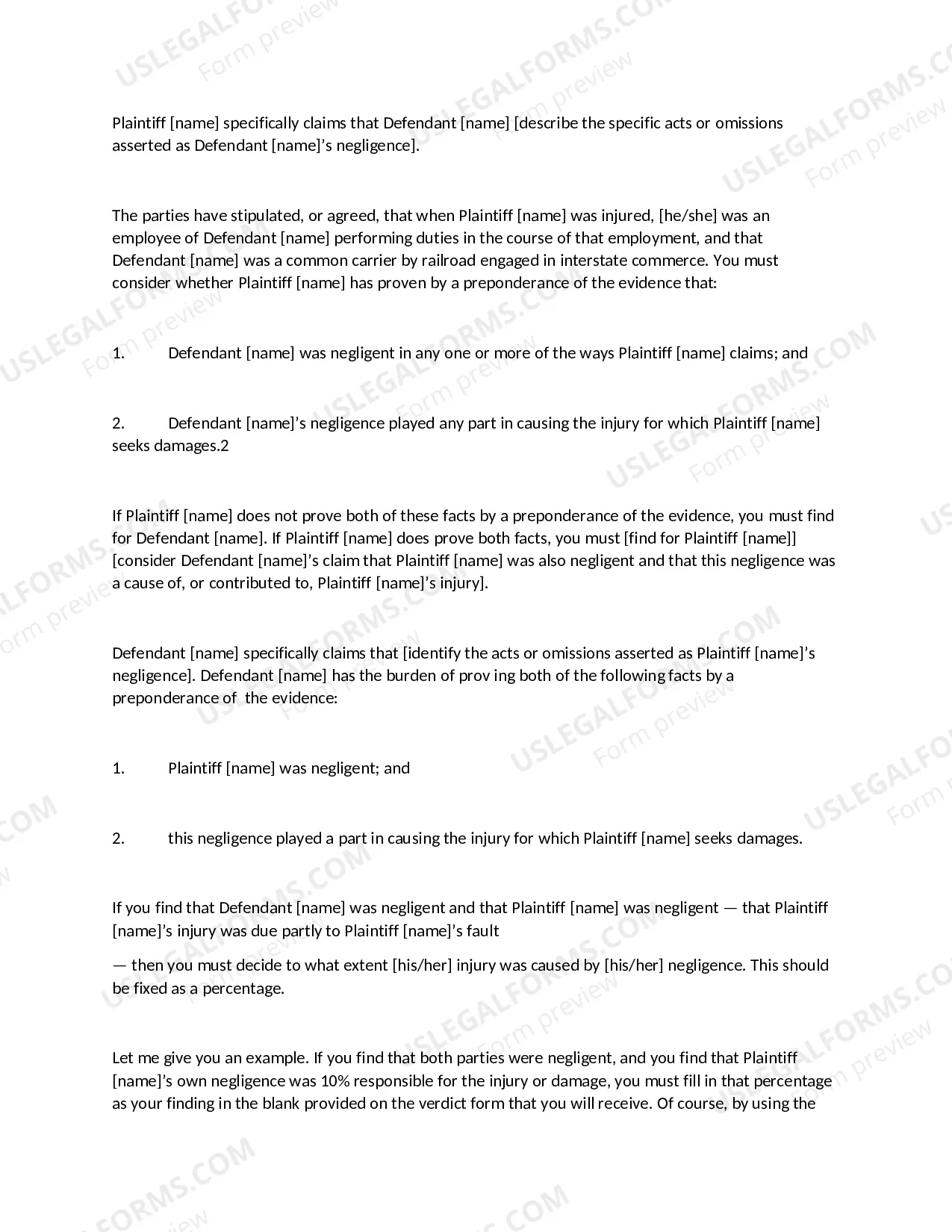
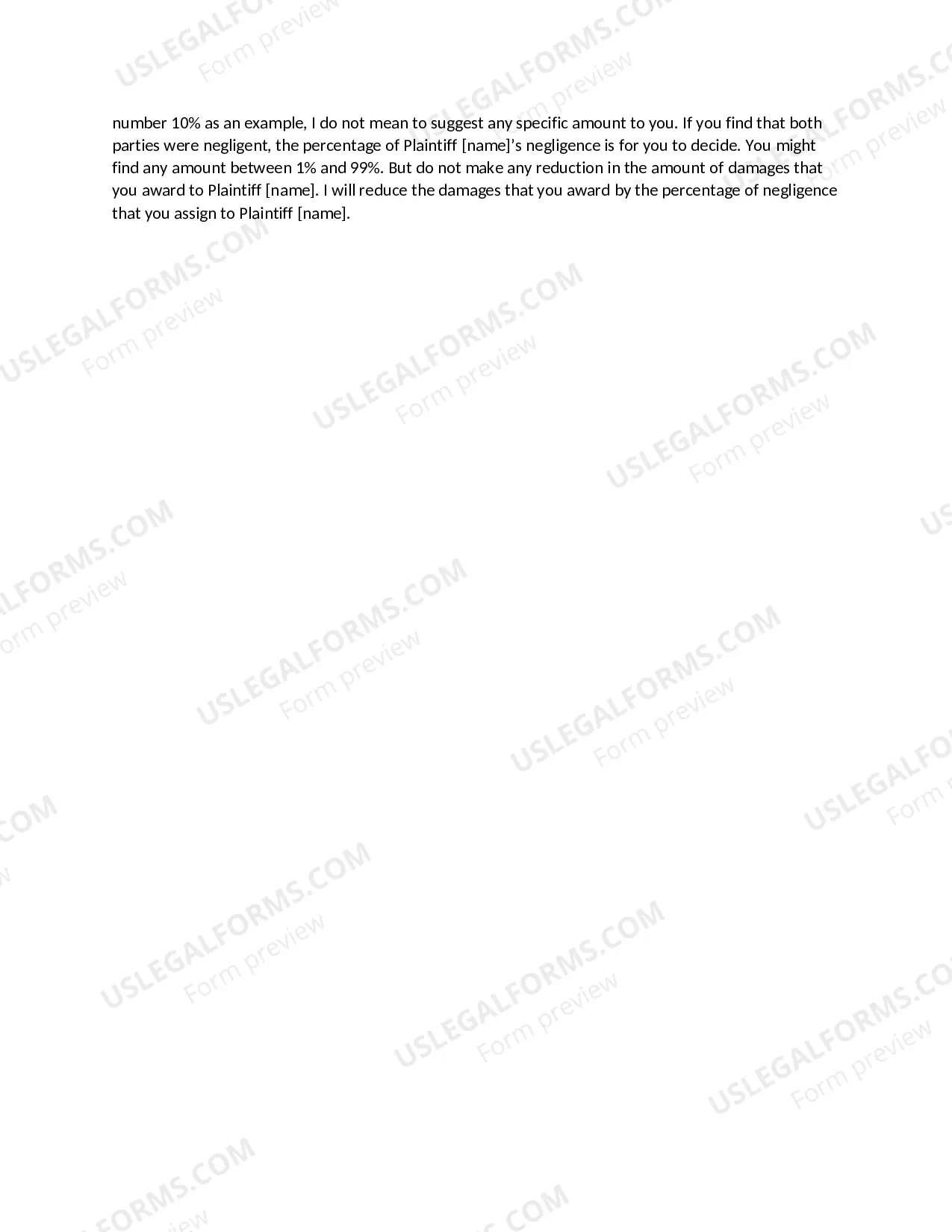
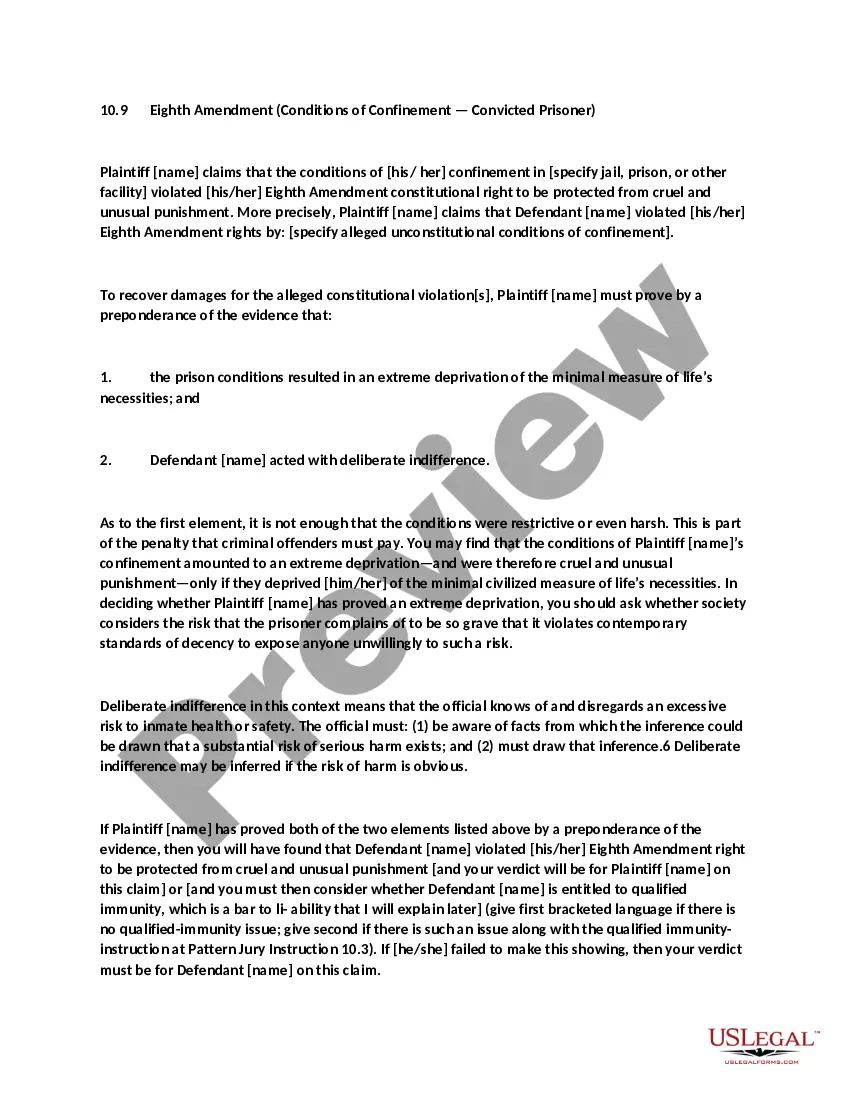
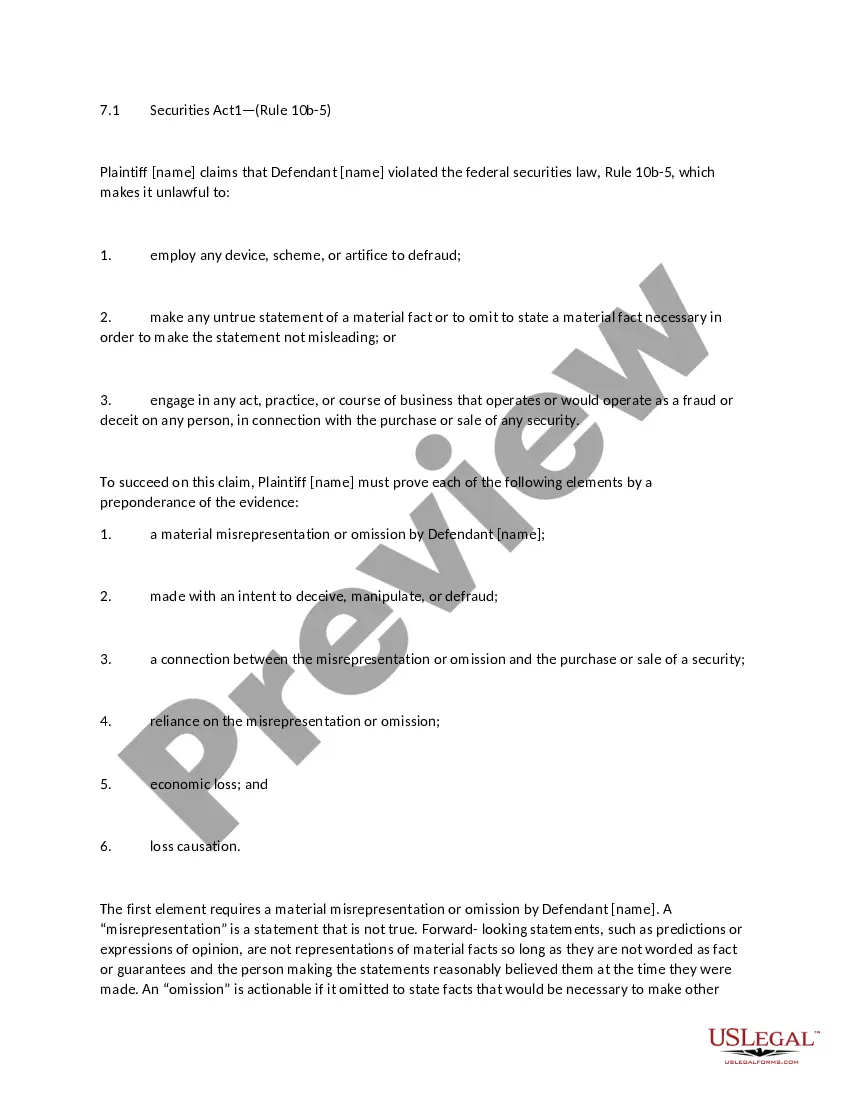
The Issues-Claim for Damages Based Upon Defamation-Private Figure form is a legal document that allows a private individual (the plaintiff) to file a claim seeking damages for defamation. This form is specifically designed for cases where the plaintiff is not a public figure and must prove that a false statement was made with negligence or actual malice. It outlines the necessary elements to establish a case and serves to gather evidence supporting the claim against the defendant.
Form components explained
- Identification of the plaintiff and defendant.
- Details of the defamatory statement.
- Claims of negligence and its impact on the plaintiff.
- Stipulation of employment and relationship to defendant (if applicable).
- Evidence required to support claims and defenses.
- Comparison of negligence between plaintiff and defendant.
When to use this form
This form should be utilized when a private individual believes they have been harmed by false statements that were made by another party, resulting in reputational damage, emotional distress, or other harmful effects. It is appropriate in situations where the plaintiff does not have to meet the higher standard of proof required for public figures, making it easier for them to hold defendants accountable for their actions.
Who needs this form
- Private individuals who believe they have been defamed.
- Those seeking to recover damages for emotional distress from defamatory statements.
- Individuals with a claim against another party who has made false statements that could harm their reputation.
- Anyone who prefers to file a claim for defamation without the requirement of being a public figure.
Completing this form step by step
- Identify the parties involved: Fill in the names and contact information of both the plaintiff and defendant.
- Describe the defamatory statement: Clearly articulate the specific statement made that you claim is defamatory.
- State the damages: Specify any emotional, mental, or financial damages incurred as a result of the defamatory statement.
- Provide evidence: List any documentation or witness information that supports your claim of defamation.
- Review for accuracy: Ensure all information is accurate and complete before submission.
Notarization requirements for this form
In most cases, this form does not require notarization. However, some jurisdictions or signing circumstances might. US Legal Forms offers online notarization powered by Notarize, accessible 24/7 for a quick, remote process.
Get your form ready online
Our built-in tools help you complete, sign, share, and store your documents in one place.
Make edits, fill in missing information, and update formatting in US Legal Forms—just like you would in MS Word.
Download a copy, print it, send it by email, or mail it via USPS—whatever works best for your next step.
Sign and collect signatures with our SignNow integration. Send to multiple recipients, set reminders, and more. Go Premium to unlock E-Sign.
If this form requires notarization, complete it online through a secure video call—no need to meet a notary in person or wait for an appointment.
We protect your documents and personal data by following strict security and privacy standards.

Make edits, fill in missing information, and update formatting in US Legal Forms—just like you would in MS Word.

Download a copy, print it, send it by email, or mail it via USPS—whatever works best for your next step.

Sign and collect signatures with our SignNow integration. Send to multiple recipients, set reminders, and more. Go Premium to unlock E-Sign.

If this form requires notarization, complete it online through a secure video call—no need to meet a notary in person or wait for an appointment.

We protect your documents and personal data by following strict security and privacy standards.
Common mistakes to avoid
- Failing to provide sufficient evidence to support the claim.
- Leaving out essential details about the defamatory statement.
- Neglecting to clearly outline the damages incurred.
- Not adhering to the specific state requirements for filing.
Why complete this form online
- Convenience: Download the form anytime and anywhere.
- Editability: Easily fill out and modify the form to suit your individual case.
- Reliability: Use professionally drafted templates created by licensed attorneys to ensure legal validity.
Legal use & context
- The form is used in civil court proceedings for defamation cases.
- Claims must be substantiated with evidence to be enforceable in court.
- Understanding the distinction between public and private figures is crucial for the burden of proof in defamation.
Quick recap
- The Issues-Claim for Damages Based Upon Defamation-Private Figure is vital for individuals harmed by defamatory statements.
- Accurate identification and description of the defamatory act are critical for a successful claim.
- Gathering and presenting evidence effectively can strengthen your case significantly.
Looking for another form?
Form popularity
FAQ
V. Sullivan (1964), the Supreme Court has held that public officials cannot recover damages for libel without proving that a statement was made with actual malice ? defined as ?with knowledge that it was false or with reckless disregard of whether it was false or not.?
A plaintiff who is a public official or public figure must prove that you published the statement with ?actual malice,? a higher level of fault, while a plaintiff who is a private individual generally must prove that you acted negligently, a lower level of fault.
Private individuals, therefore, have a less strict burden of proof in a defamation matter. A private figure plaintiff must only prove that the defendant acted with ordinary negligence?not actual malice or reckless disregard.
Private individuals, therefore, have a less strict burden of proof in a defamation matter. A private figure plaintiff must only prove that the defendant acted with ordinary negligence?not actual malice or reckless disregard.
In defamation cases, the damages that a jury may award to individuals or corporations include: Damage to the plaintiff's reputation. Specific economic damages, such as loss of employment or profits. Punitive damages, if the defendant's conduct was oppressive, malicious or fraudulent.
Private people who are defamed have more protection than public figures?freedom of speech isn't as important when the statements don't involve an issue of public interest. A private person who is defamed only has to show that the defamer acted negligently, not with actual malice.
To prove prima facie defamation, a plaintiff must show four things: 1) a false statement purporting to be fact; 2) publication or communication of that statement to a third person; 3) fault amounting to at least negligence; and 4) damages, or some harm caused to the reputation of the person or entity who is the subject
A private figure must only prove that the false statement about her was made with ordinary negligence (i.e. that a reasonable person would have known the statement was false). This is much easier to prove than actual malice.