Mutual Non-Disclosure Agreement with Public Authority
About this form
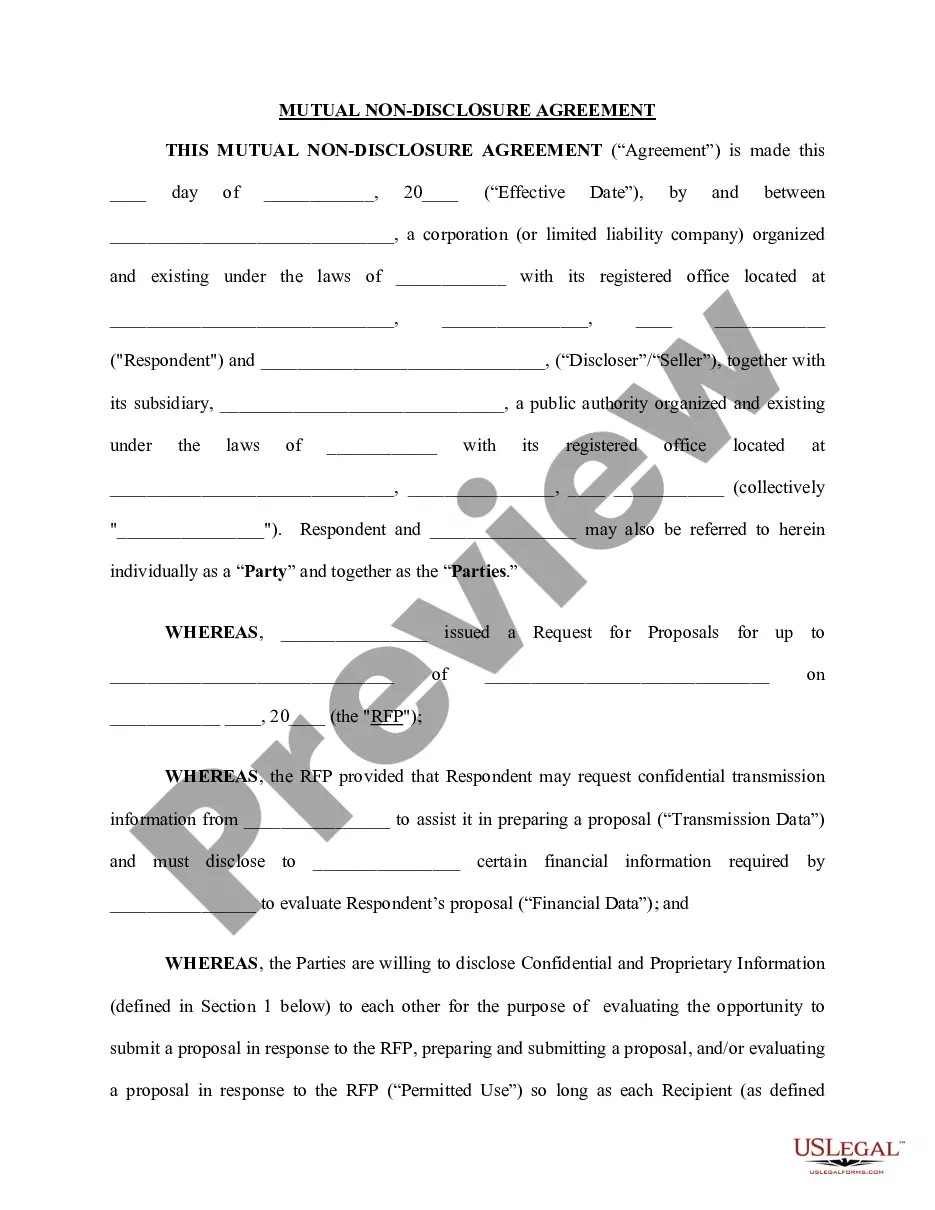
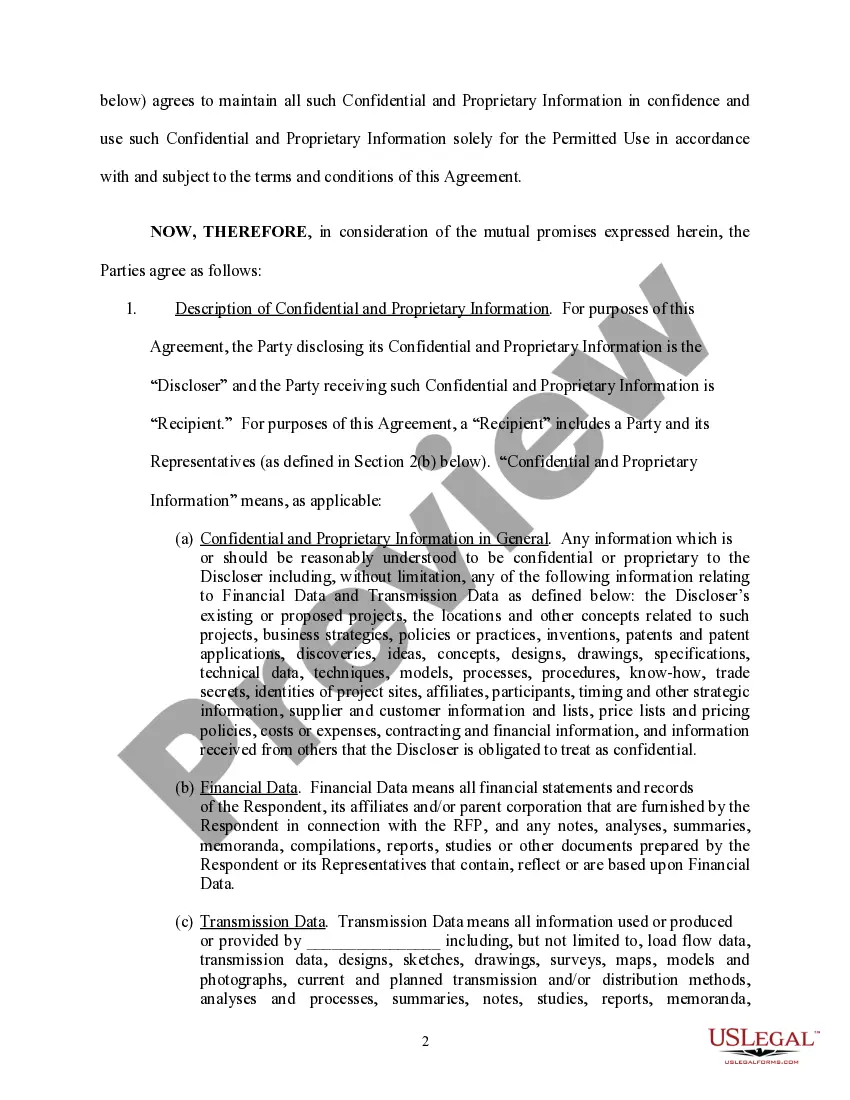
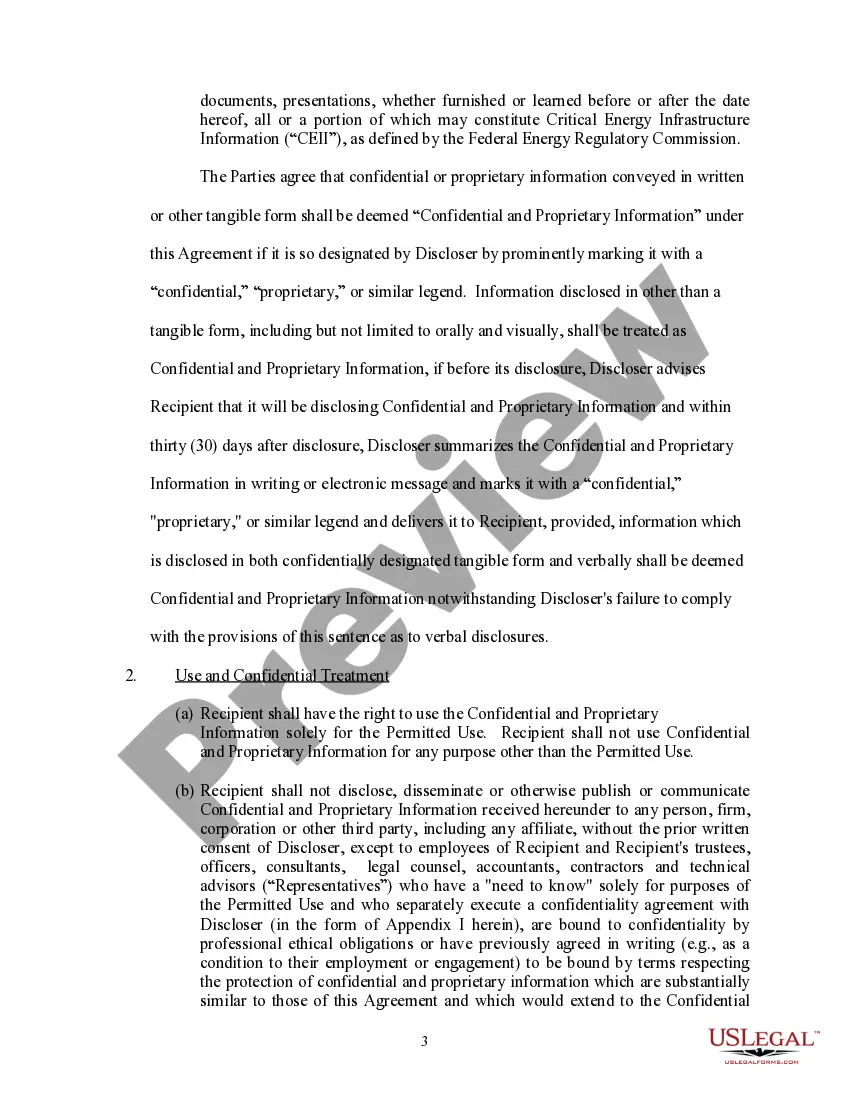
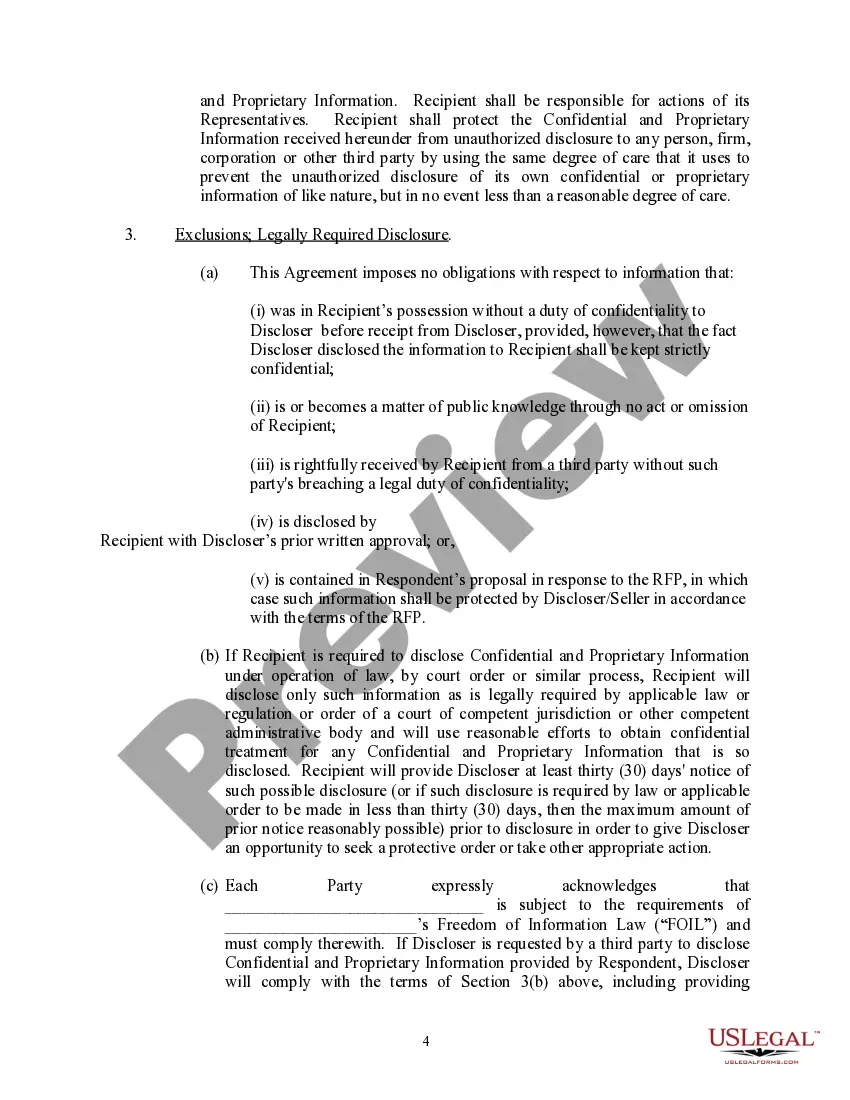
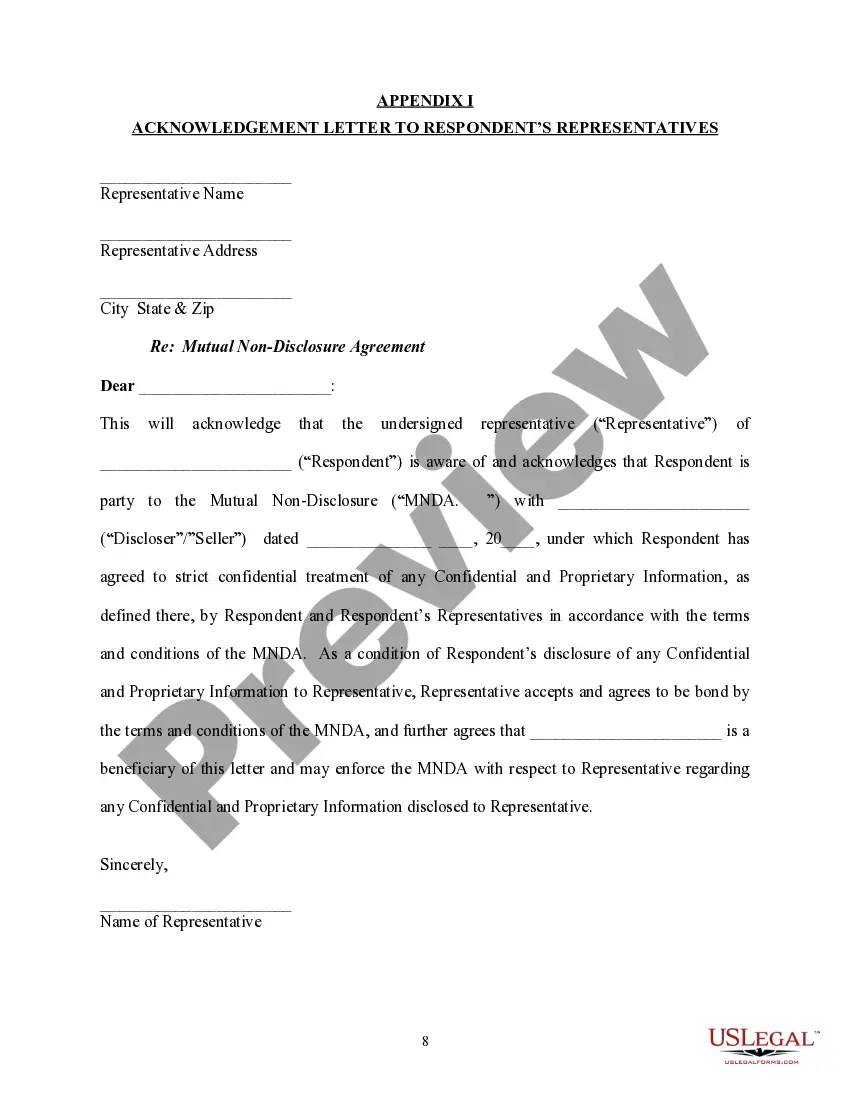
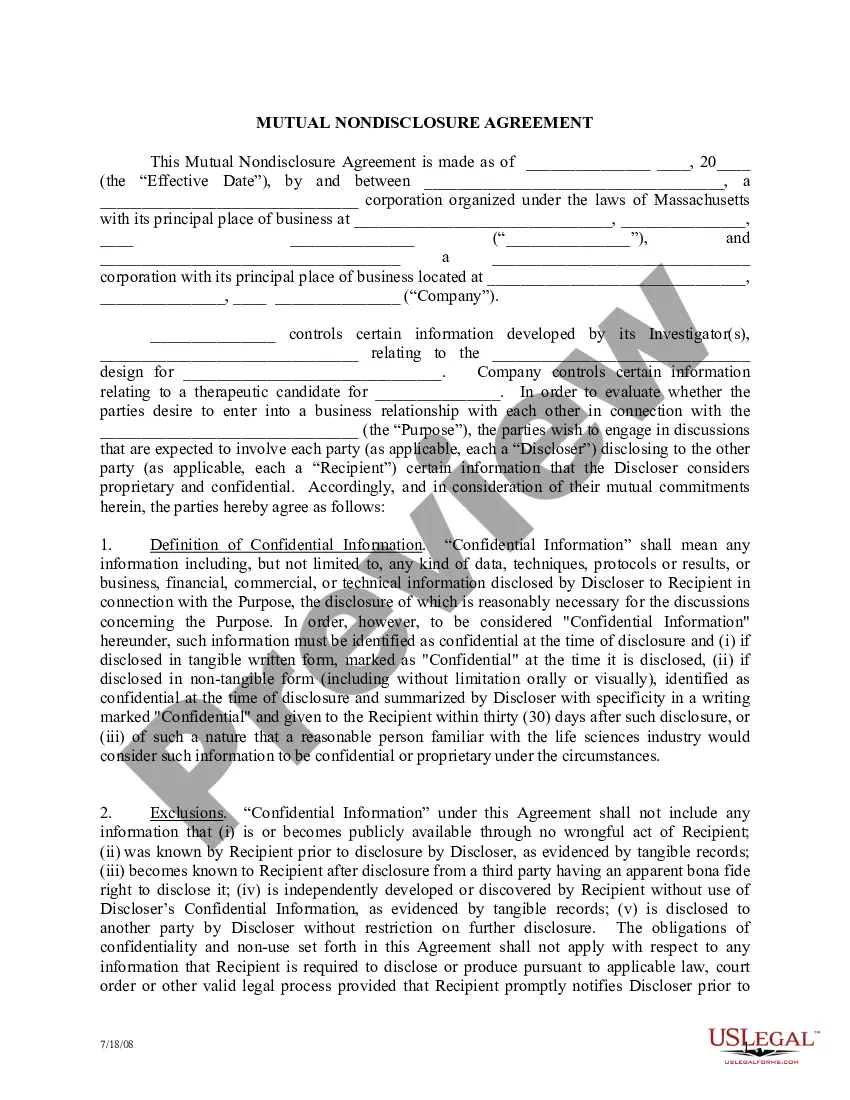
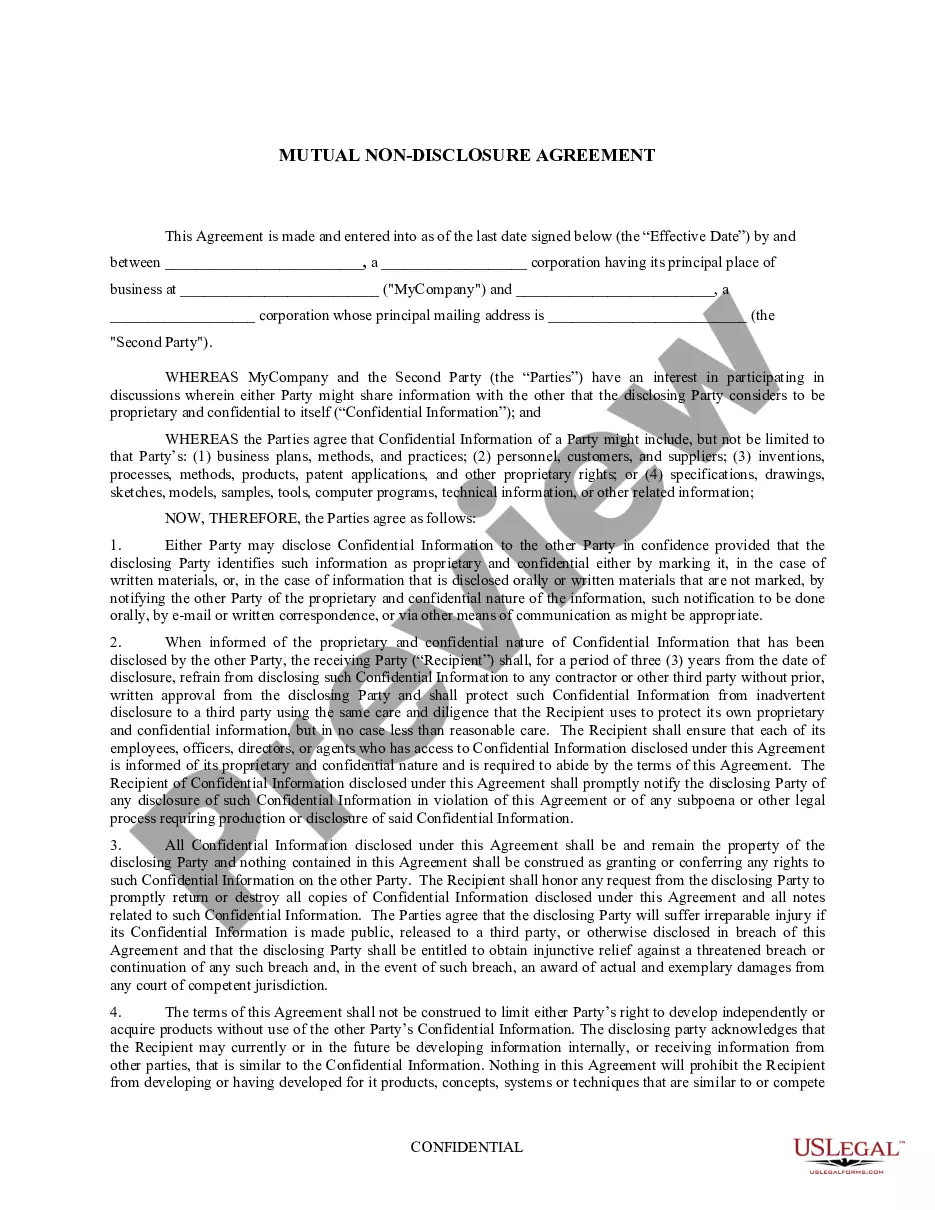
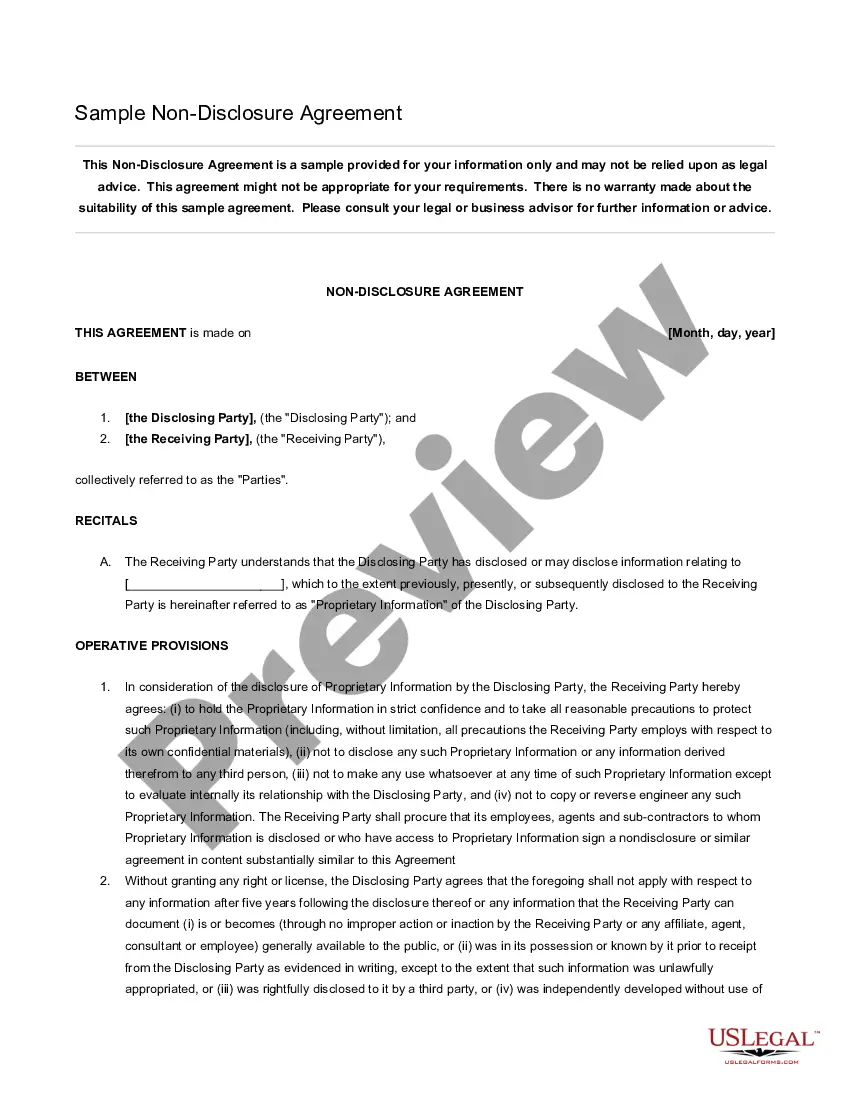
The Mutual Non-Disclosure Agreement with Public Authority is a legal document designed to protect confidential information exchanged between two parties, specifically between a Respondent and a public authority or its subsidiary. This confidentiality agreement is crucial for situations where proprietary information, such as financial data or project details, needs to be shared for evaluation purposes while ensuring that both parties keep the same information confidential. This agreement also adheres to relevant state and federal laws, including the Freedom of Information Law (FOIL).
Key parts of this document
- Introduction of the parties involved, including Respondent and Discloser/Seller.
- Detailed definitions of Confidential and Proprietary Information.
- Permitted Uses for the disclosed information, ensuring it is only used for evaluating proposals.
- Clauses regarding the legally required disclosure of information under FOIL.
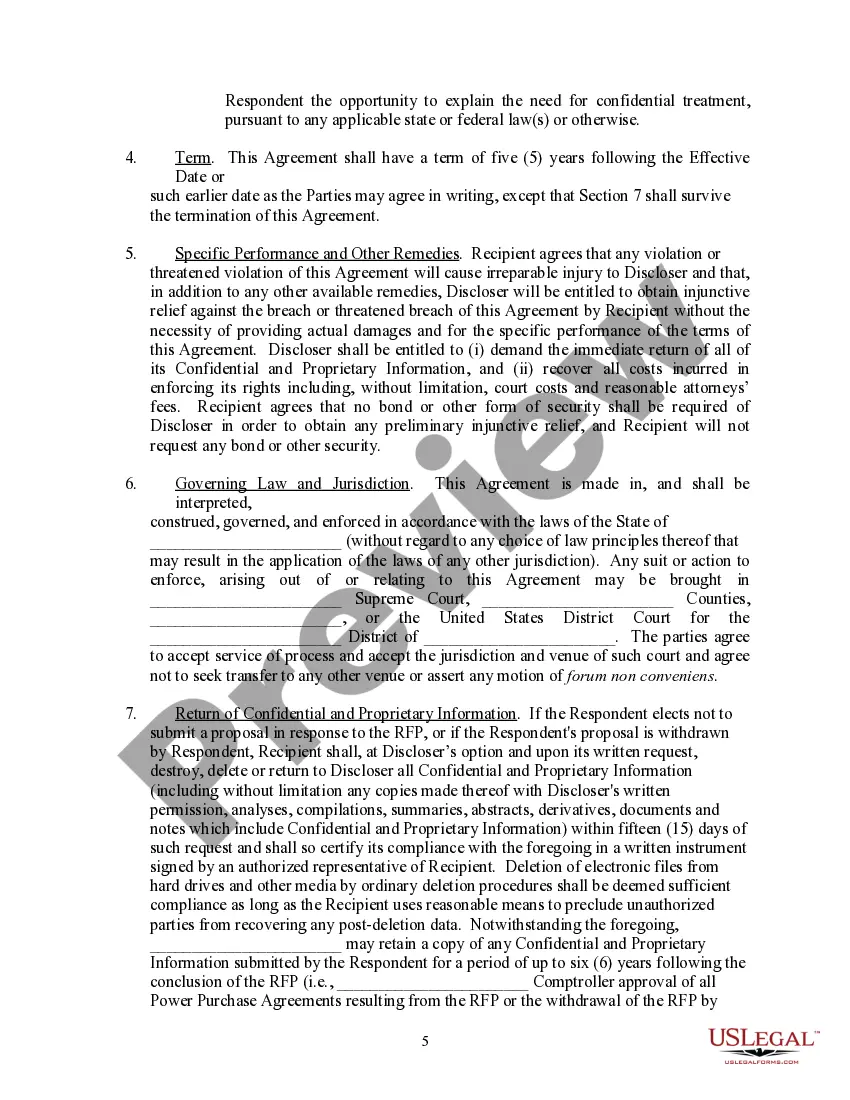
- Terms outlining the return or destruction of confidential information once the RFP process concludes.
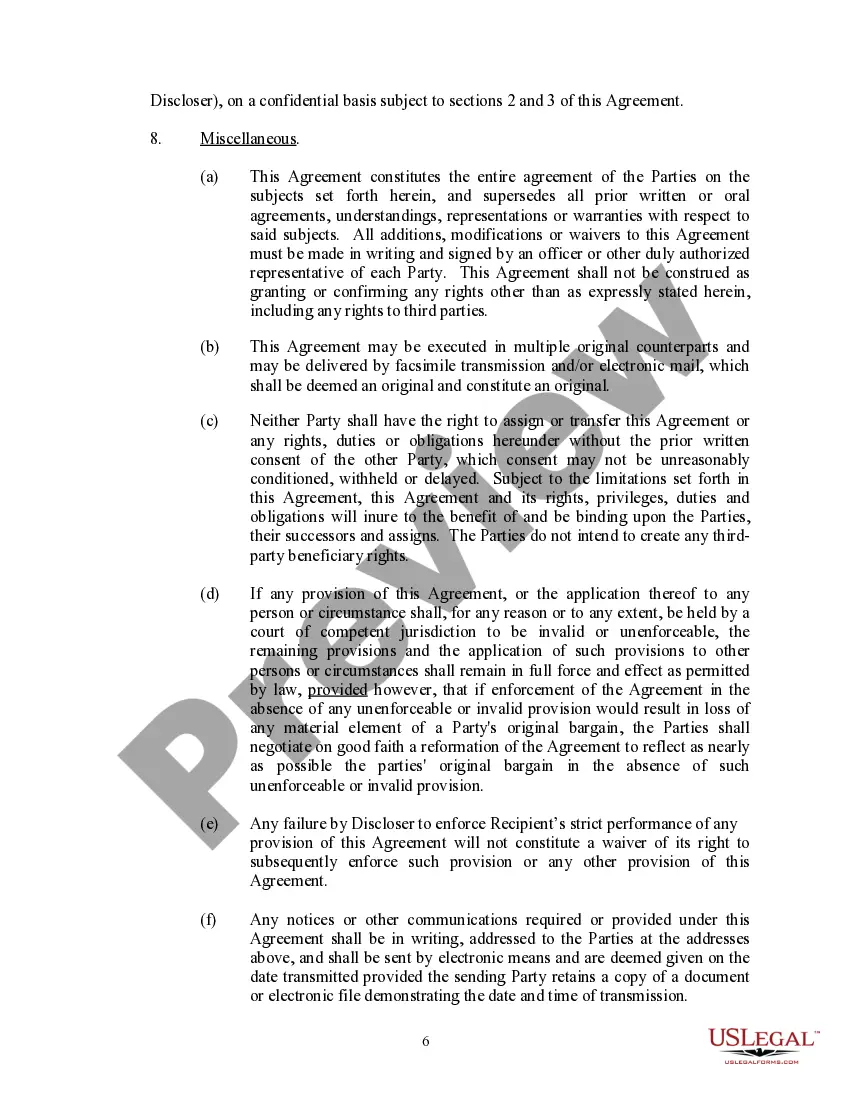
- Enforcement provisions, including remedies for violation of the agreement.
Common use cases
This form should be used when a Respondent needs to submit a proposal to a public authority and must exchange confidential information, such as financial data or project outlines. It is essential to have this agreement in place to protect sensitive data from unauthorized disclosure while navigating the proposal evaluation process. Use this form when confidentiality is crucial in negotiations or discussions about potential projects.
Who needs this form
This agreement is suited for the following parties:
- Corporations or limited liability companies responding to public authorities.
- Public authorities seeking to protect proprietary information during proposal evaluations.
- Legal representatives or advisors involved in transactions that require confidentiality.
Instructions for completing this form
- Identify the parties by filling in the names and addresses of the Respondent and Discloser/Seller.
- Specify the effective date of the agreement.
- Clearly define what constitutes Confidential and Proprietary Information as per the agreement.
- Outline the "Permitted Use" of the disclosed information in accordance with the agreement terms.
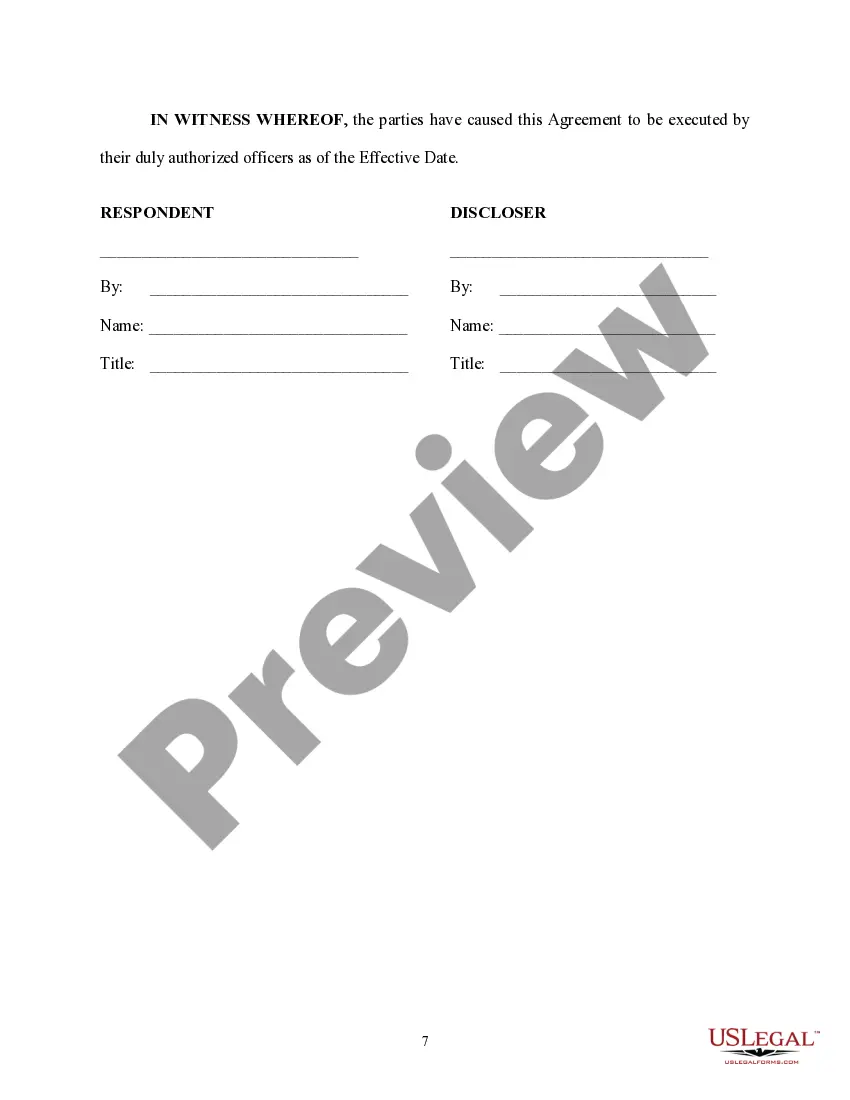
- Ensure signatures of both parties are obtained to validate the agreement before any information is shared.
Notarization guidance
This form does not typically require notarization unless specified by local law. However, parties are encouraged to check their local regulations to confirm any additional requirements.
Get your form ready online
Our built-in tools help you complete, sign, share, and store your documents in one place.
Make edits, fill in missing information, and update formatting in US Legal Forms—just like you would in MS Word.
Download a copy, print it, send it by email, or mail it via USPS—whatever works best for your next step.
Sign and collect signatures with our SignNow integration. Send to multiple recipients, set reminders, and more. Go Premium to unlock E-Sign.
If this form requires notarization, complete it online through a secure video call—no need to meet a notary in person or wait for an appointment.
We protect your documents and personal data by following strict security and privacy standards.
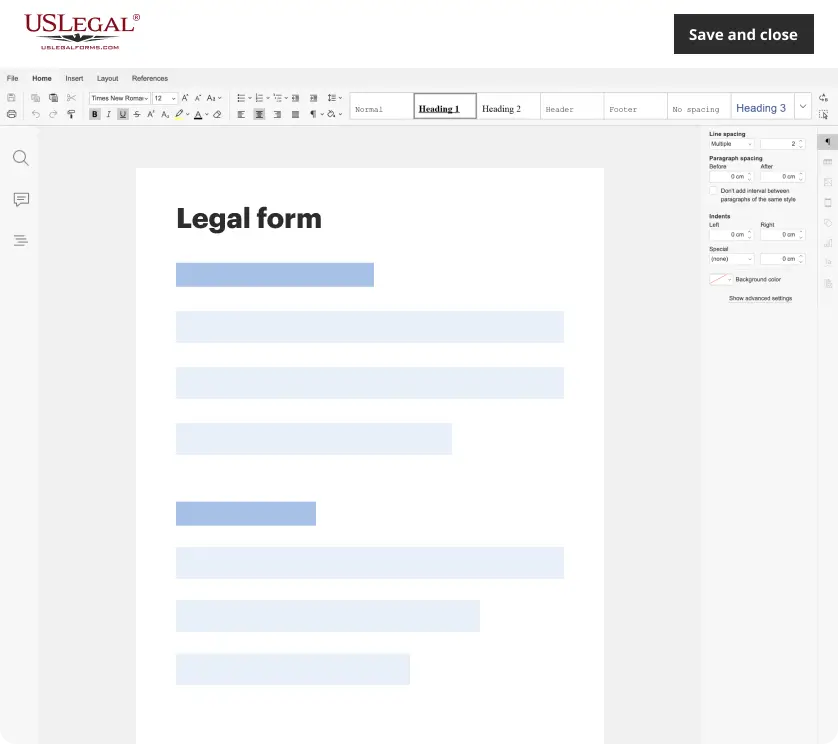
Make edits, fill in missing information, and update formatting in US Legal Forms—just like you would in MS Word.
Download a copy, print it, send it by email, or mail it via USPS—whatever works best for your next step.
Sign and collect signatures with our SignNow integration. Send to multiple recipients, set reminders, and more. Go Premium to unlock E-Sign.
If this form requires notarization, complete it online through a secure video call—no need to meet a notary in person or wait for an appointment.
We protect your documents and personal data by following strict security and privacy standards.
Common mistakes
- Failing to clearly define what information is considered confidential.
- Not obtaining signatures from all required parties.
- Overlooking the importance of restricting use of the confidential information solely for the permitted purposes.
- Neglecting to provide notice before legally required disclosures under FOIL.
Benefits of using this form online
- Conveniently downloadable from U.S. Legal Forms, allowing for immediate use.
- Edit and customize the form to fit specific situations without the need for legal consultation.
- Accessible via various devices, making it easy to complete and share securely.
- Ensures that all terms comply with current legal standards and practices.
Looking for another form?
Form popularity
FAQ
In a unilateral NDA, One party promises to keep confidential material belonging to the other party privately. In an MNDA, both parties agree not to reveal the confidential information of the other.
In a unilateral NDA, one party agrees to non-disclosure of confidential information belonging to the other party. In a mutual NDA, both parties agree not to reveal the other's confidential information.
A Confidentiality Agreement is used where a higher degree of confidentiality is required to protect the information or plans of any organization, whereas an NDA is needed to protect the routine information in any organization. It also includes clients and third-party information an organization is working with.
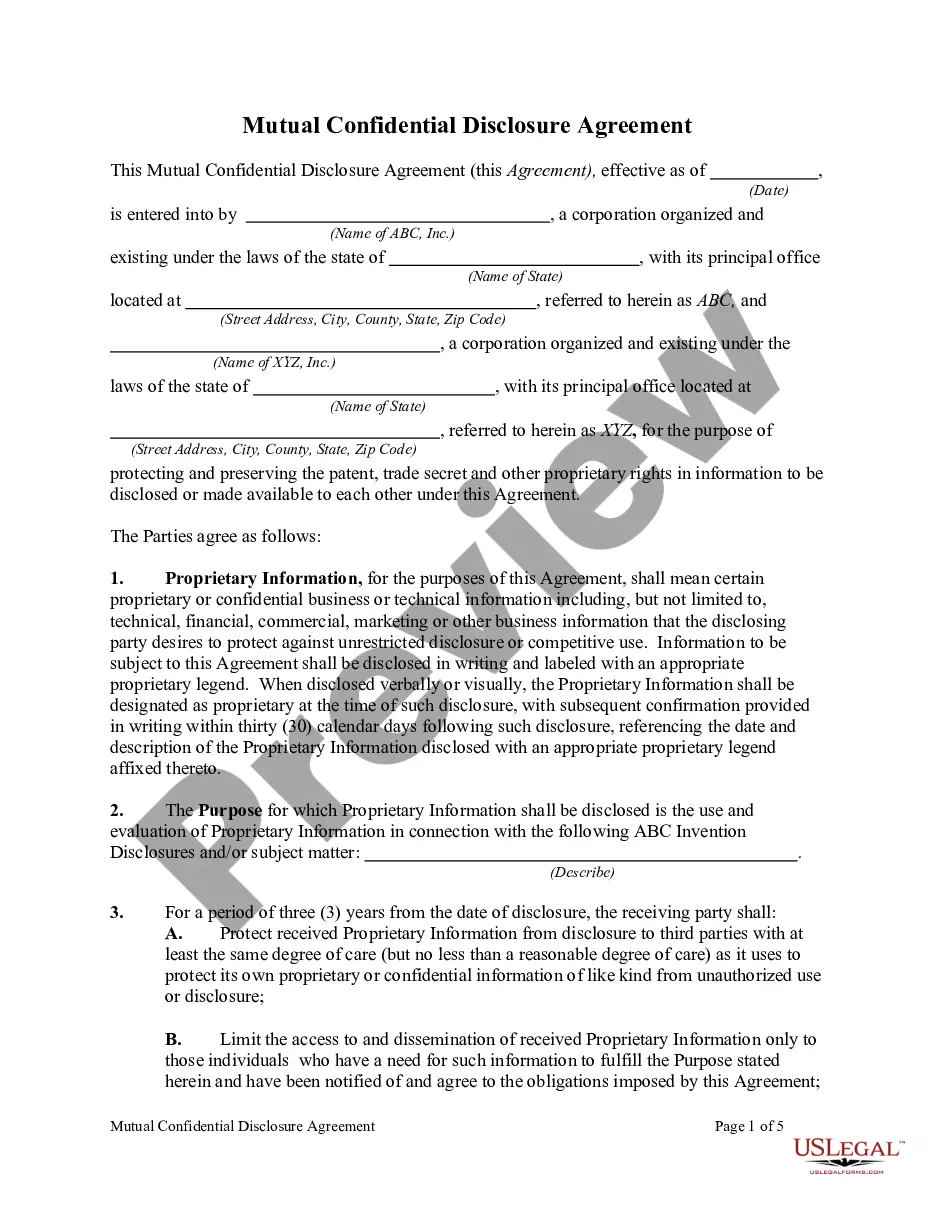
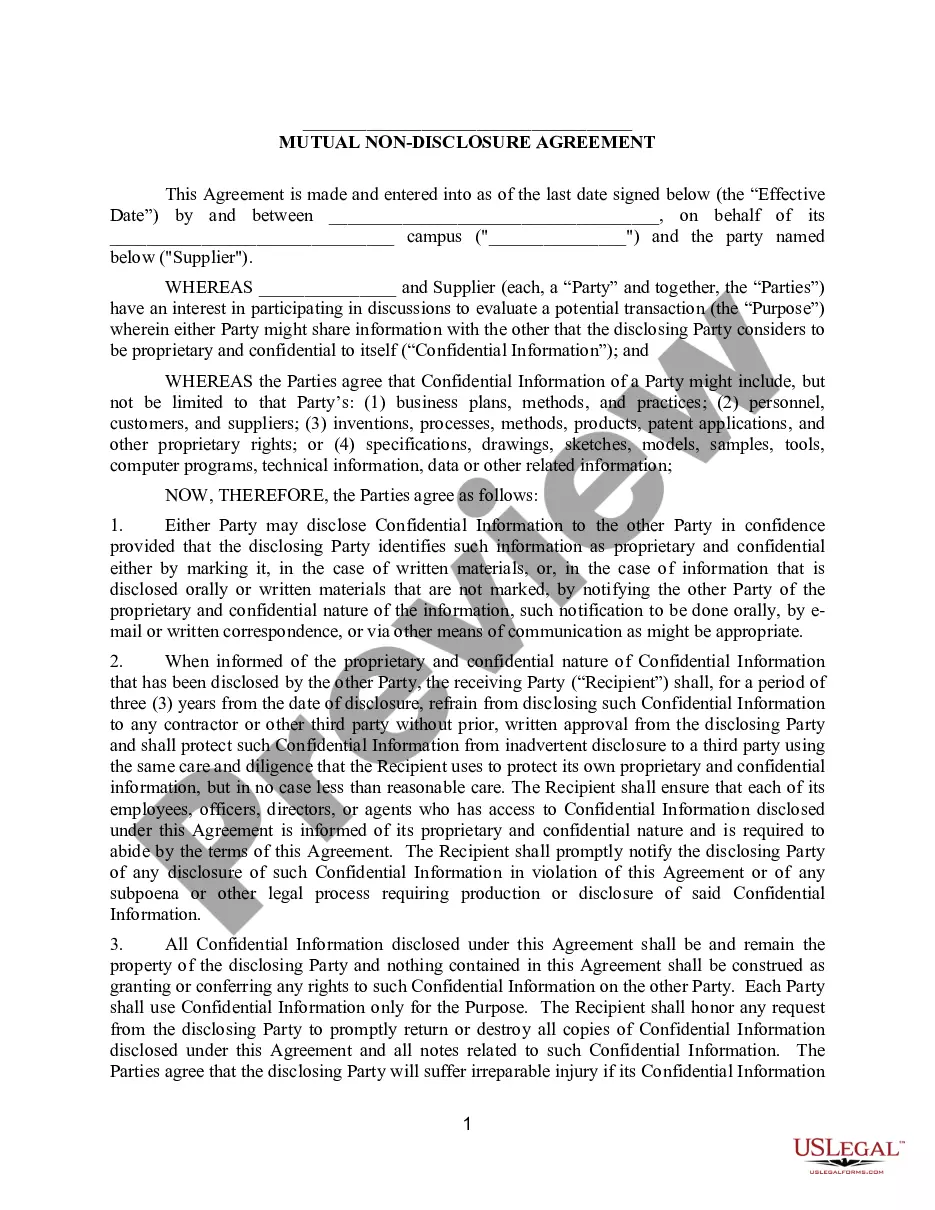
What is a Mutual Non-Disclosure Agreement (MNDA)? An MNDA is a bilateral contract that obligates both parties to maintain the confidentiality of the sensitive information exchanged between them.
Here are the two types of NDAs to choose from: Unilateral (NDA) Unilateral nondisclosure agreements are the most common NDAs available.Mutual (MNDA) Mutual nondisclosure agreements (MNDA), also known as bilateral agreements, are used when two parties disclose confidential information to each other.
The two main types of NDAs are Unilateral and Mutual. Unilateral NDAs are used when only one party is disclosing information such as an employer, a startup or a company to an employee, investor or consultant respectively. On the other hand, a mutual NDA is used when both parties are disclosing confidential information.
There are three types of NDAs: unilateral, bilateral, and multilateral. Read on to learn when you should use each type.