New Construction Contract
Understanding this form
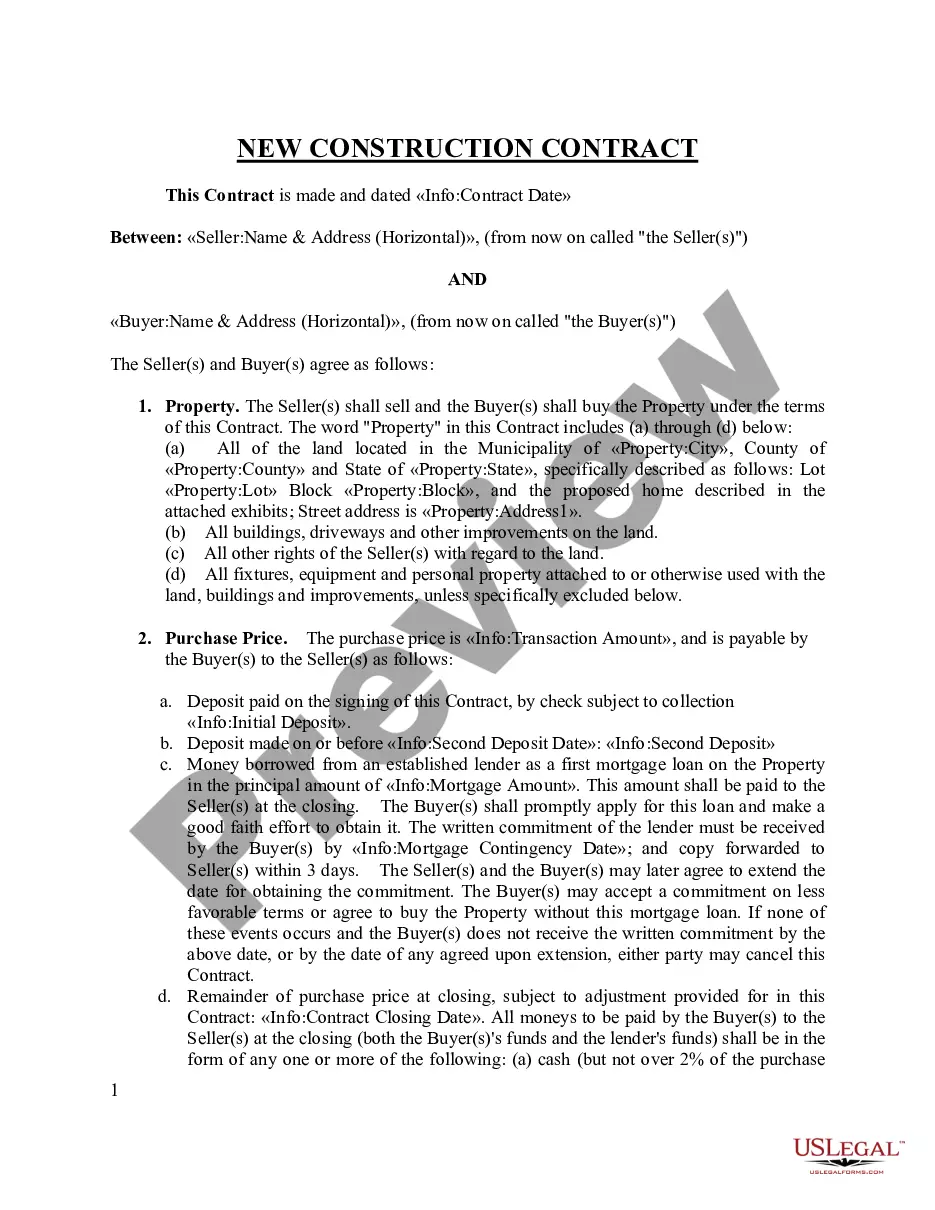
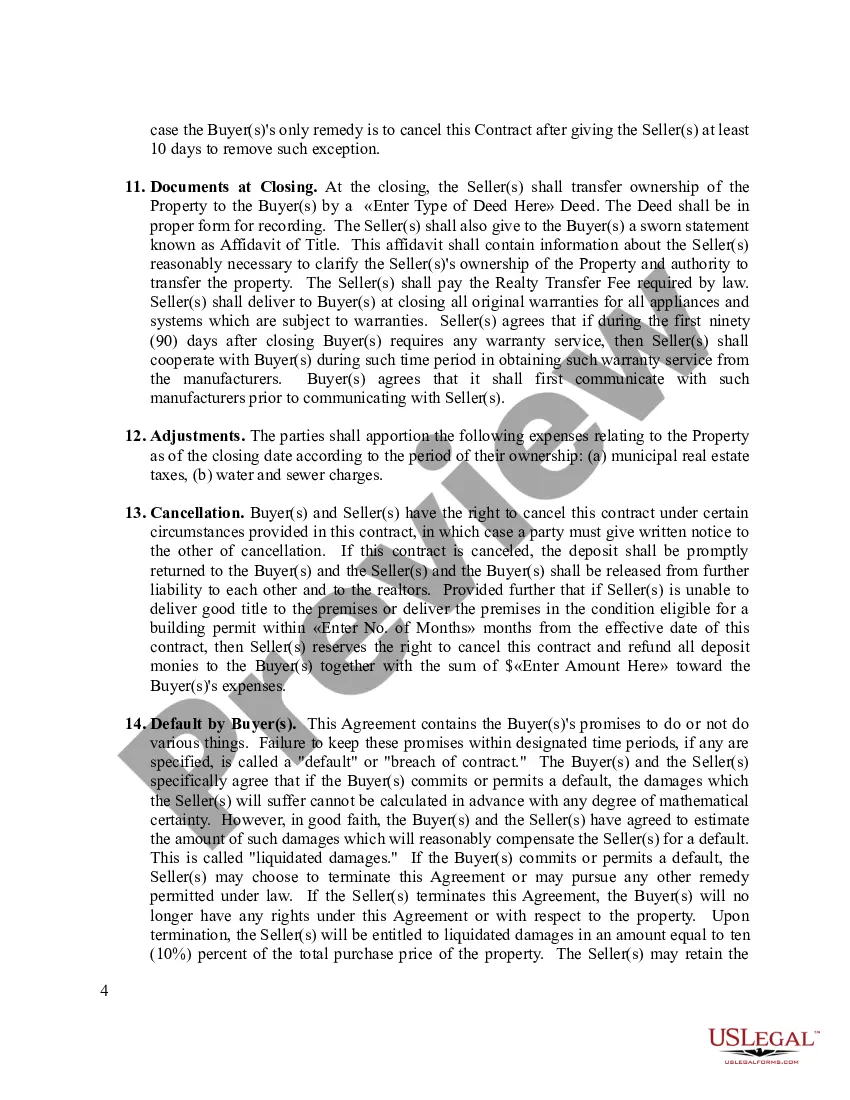
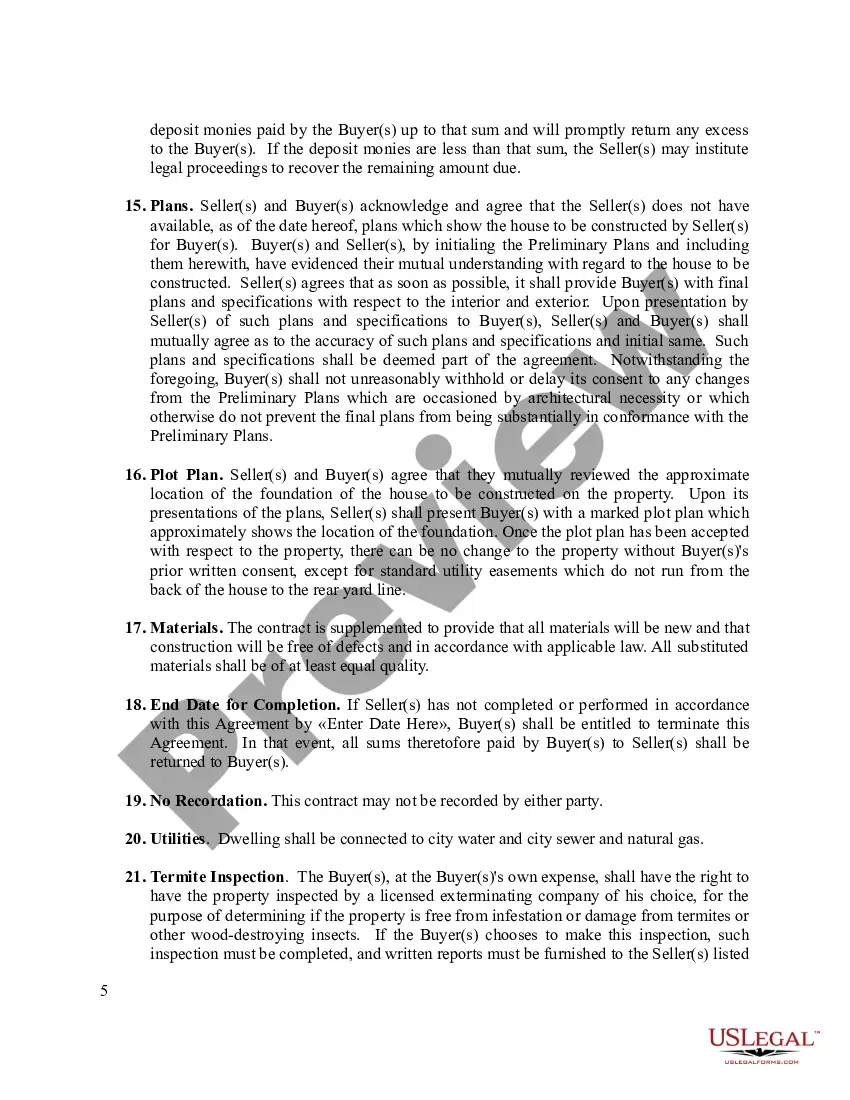
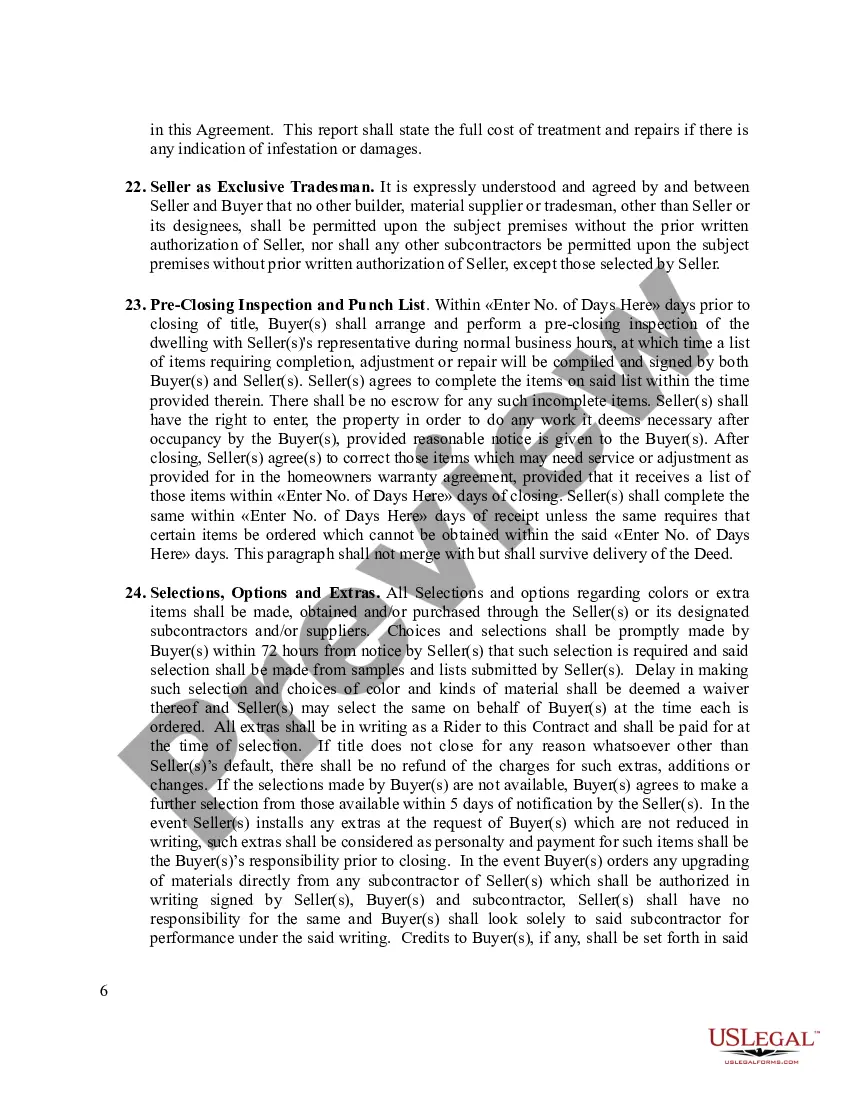
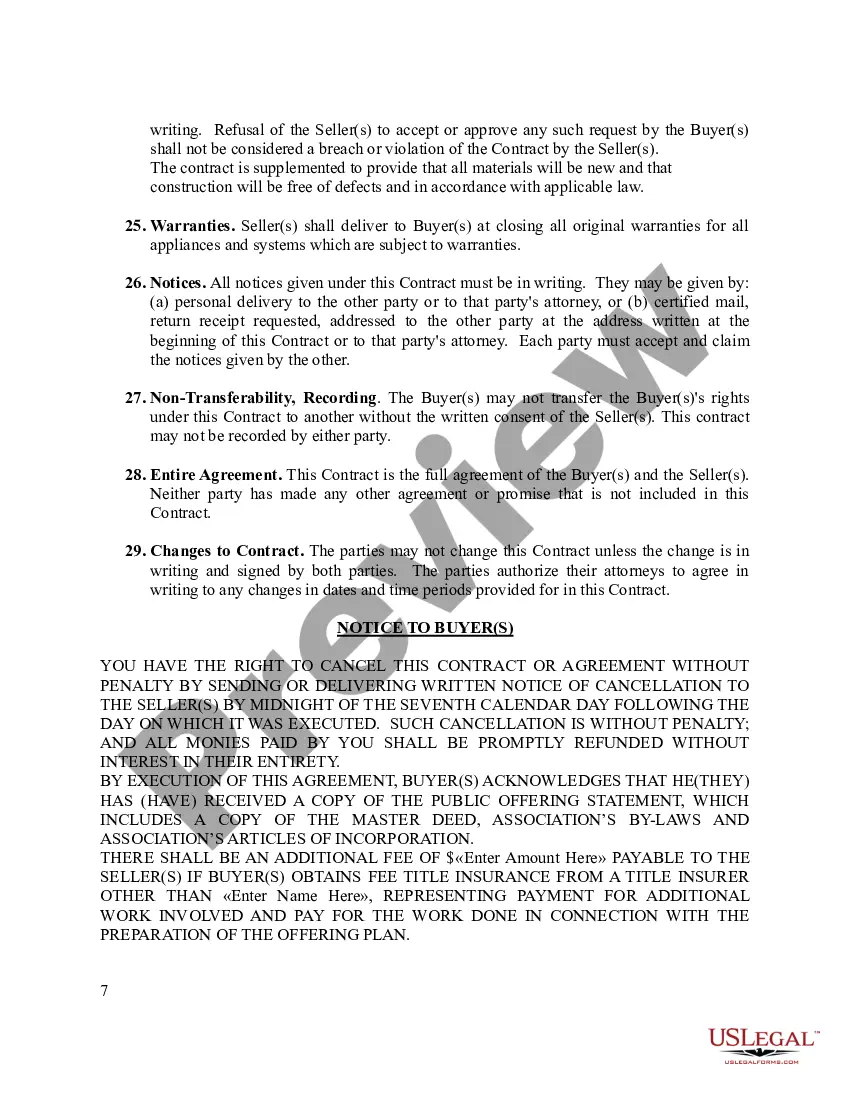
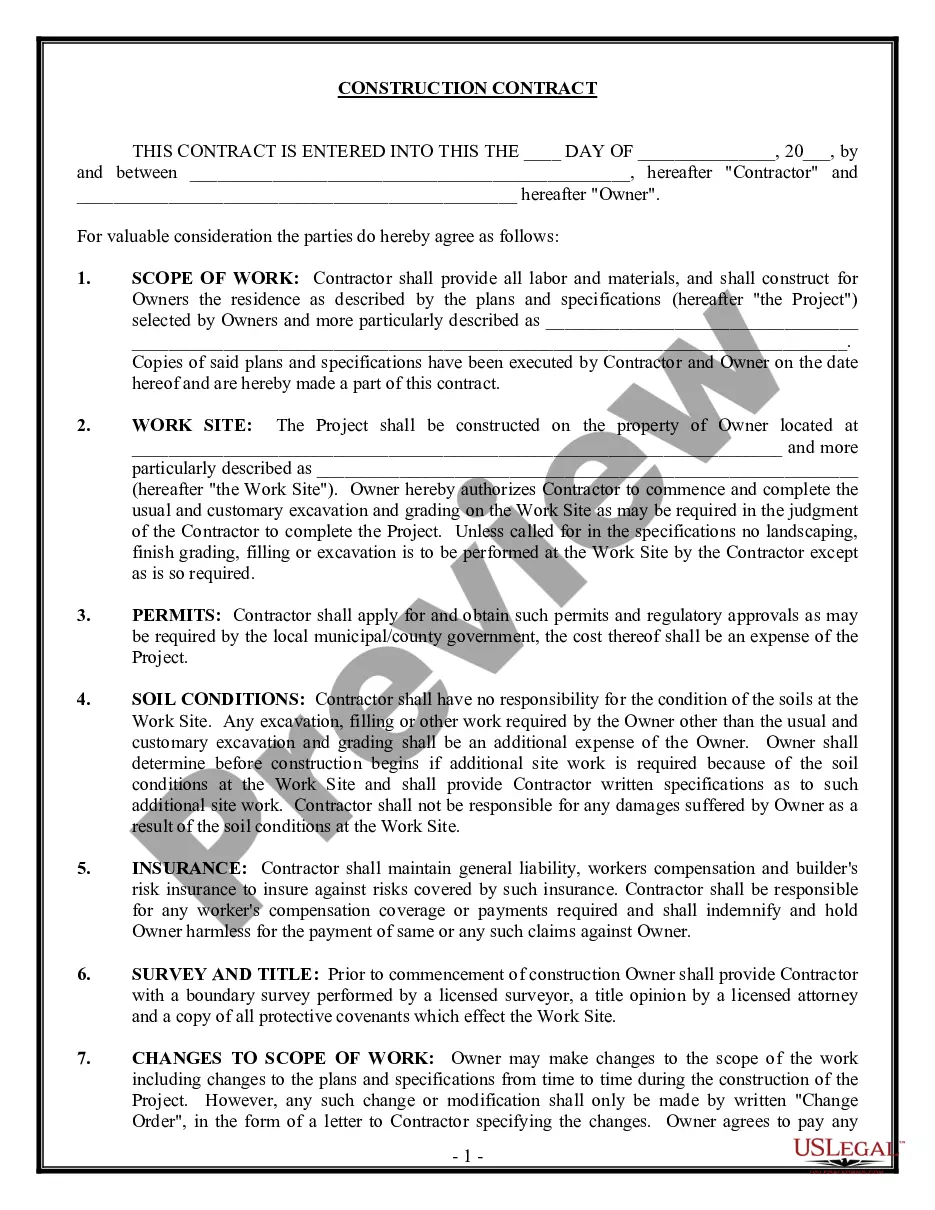
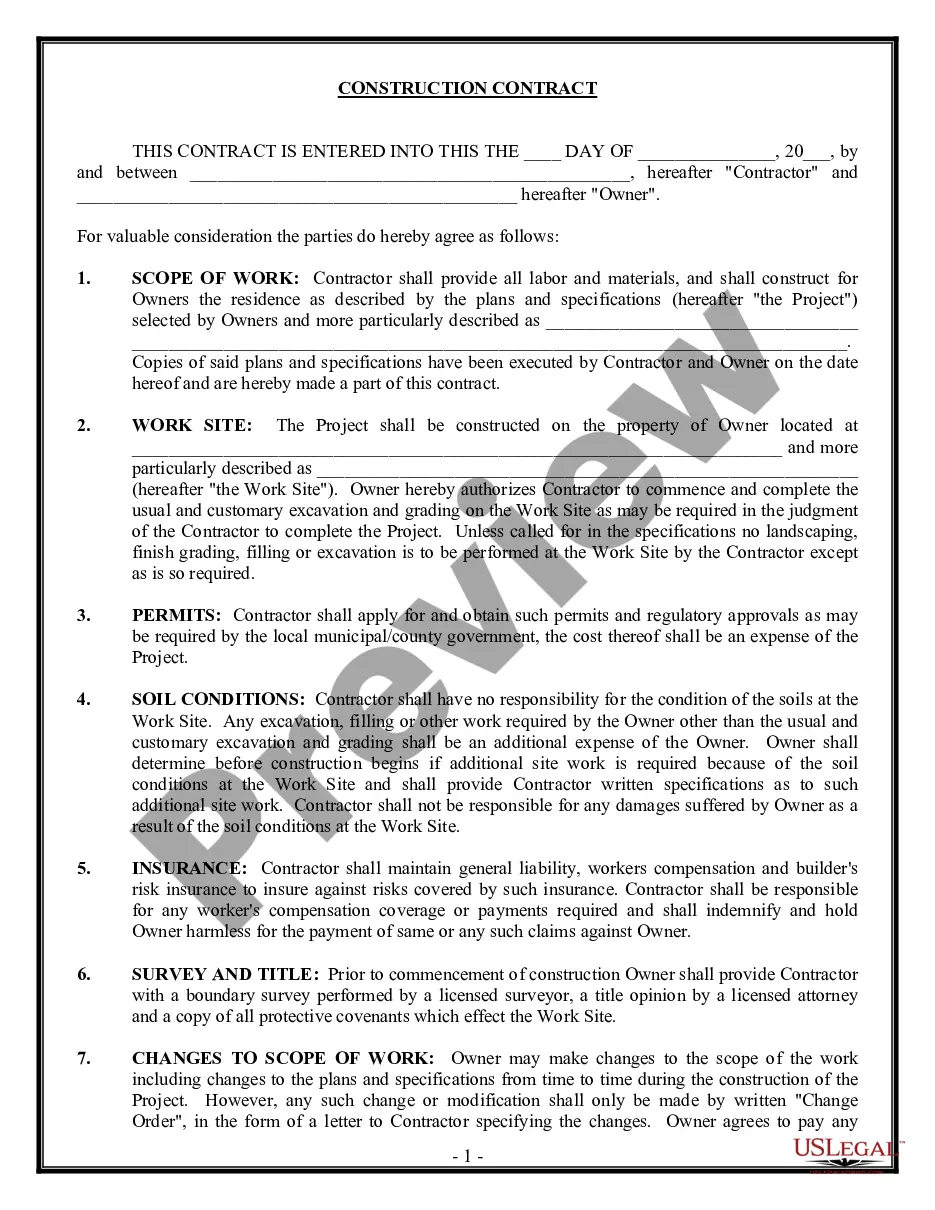
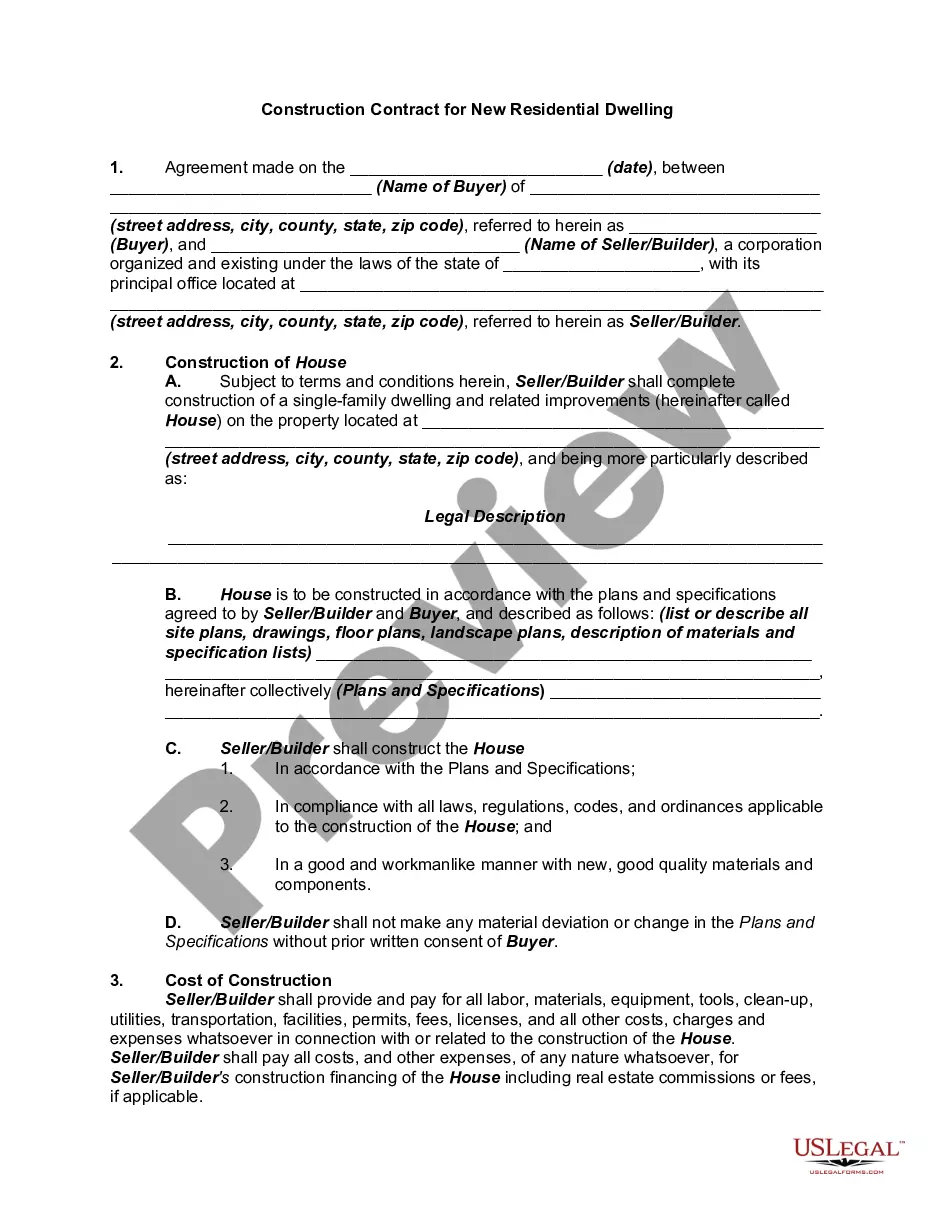
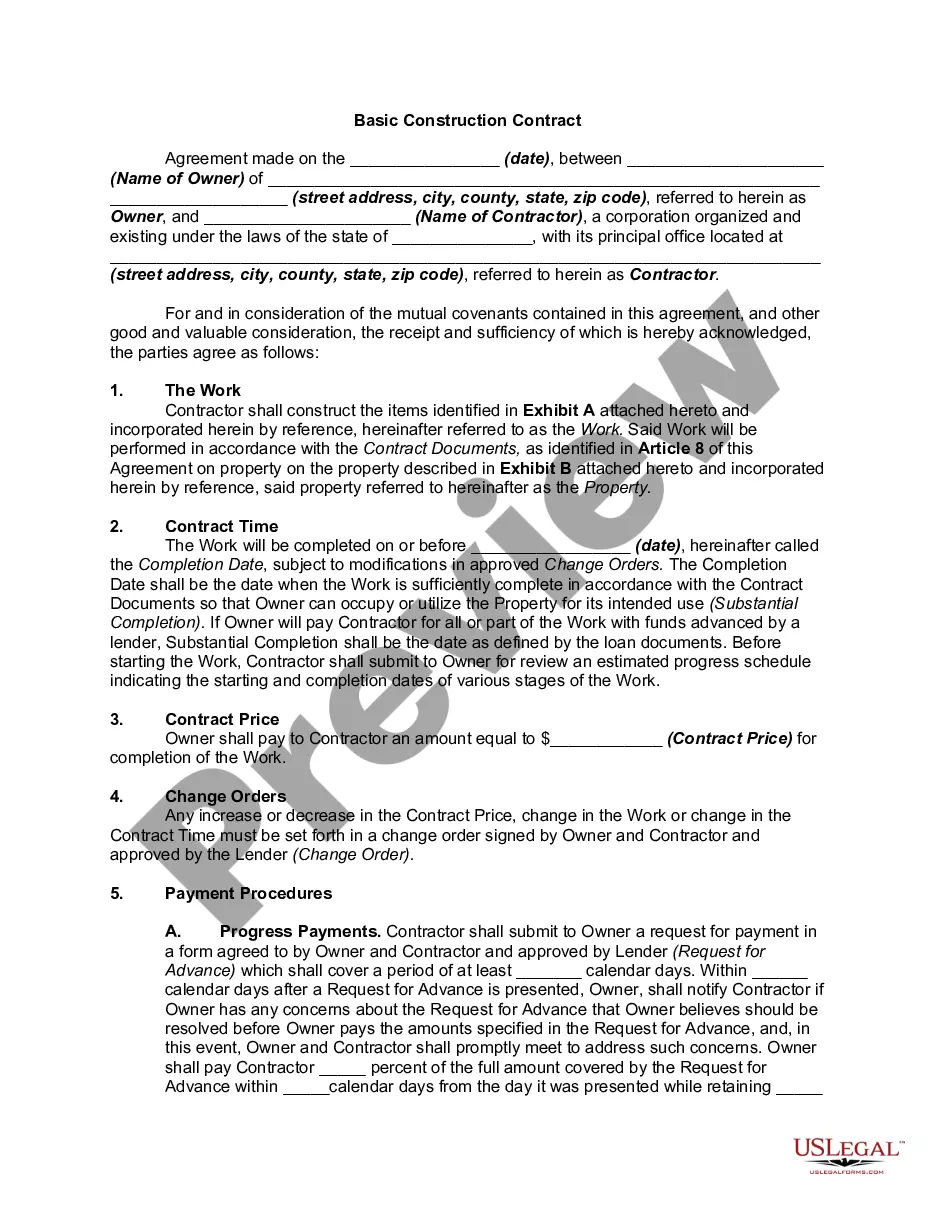
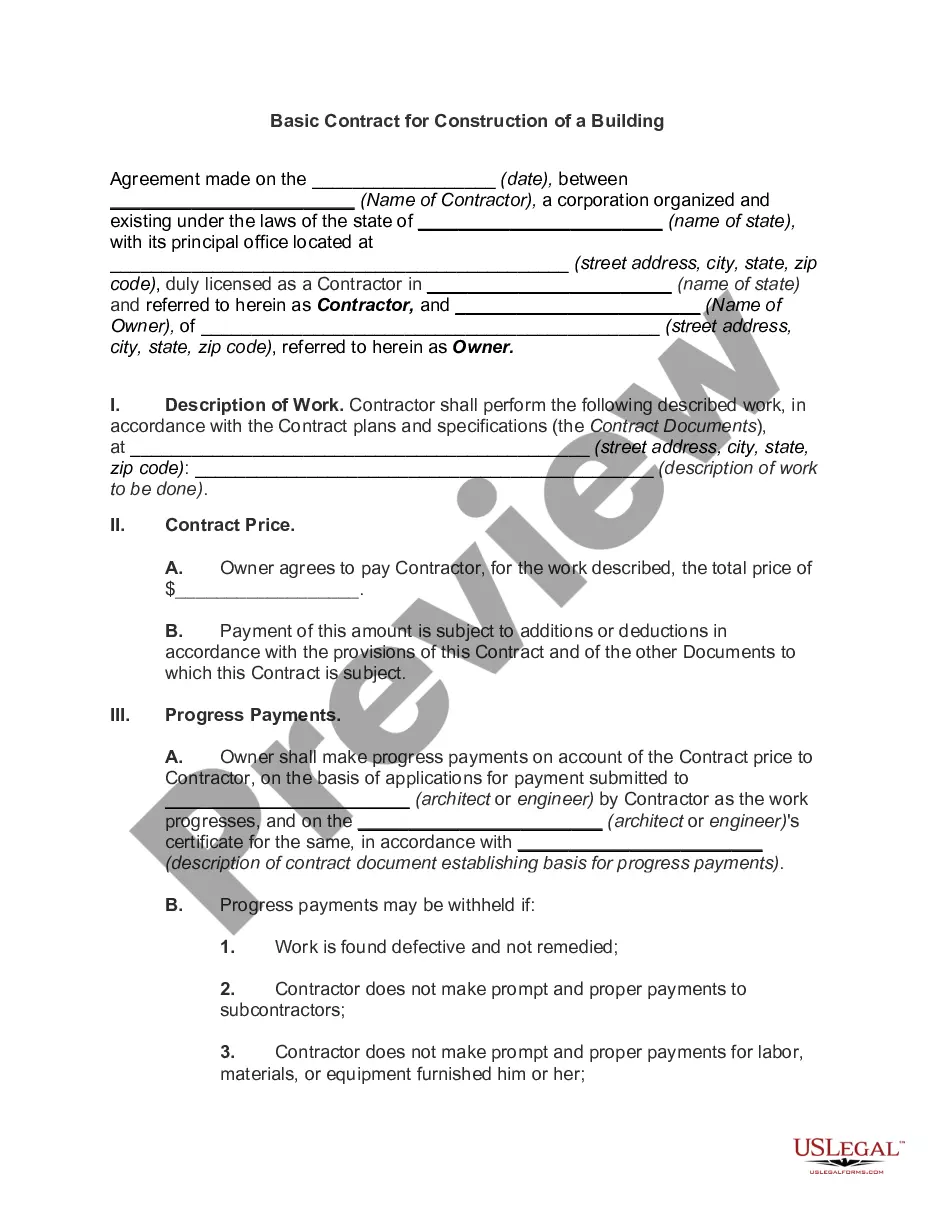
The New Construction Contract is a legal document outlining the agreement between a buyer and a seller for the construction of a new property. This form defines the terms and conditions of the project, including responsibilities, compensation, and timelines. Unlike other construction agreements, this document is specifically tailored for new builds, detailing the rights and obligations of both parties involved in the transaction.
Form components explained
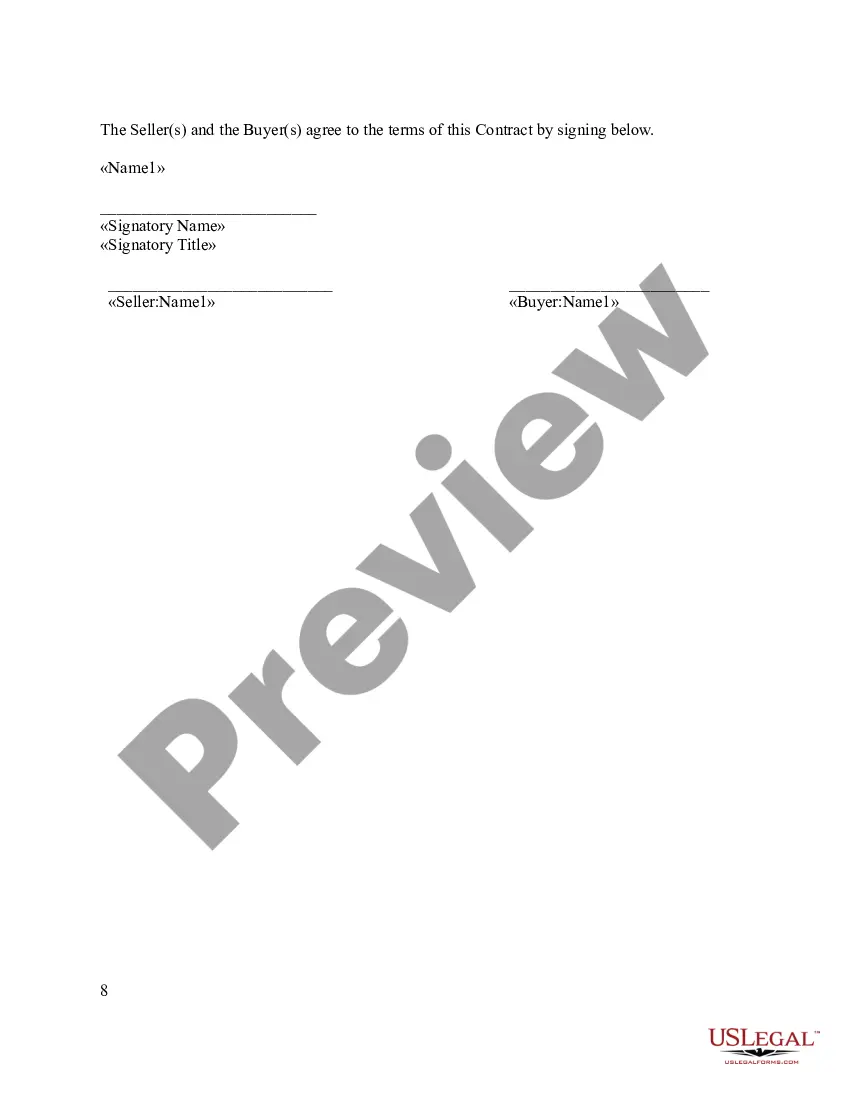
- Property details: Specifies the location and description of the property being sold.
- Purchase price: Outlines the total cost and payment structure, including deposits and financing arrangements.
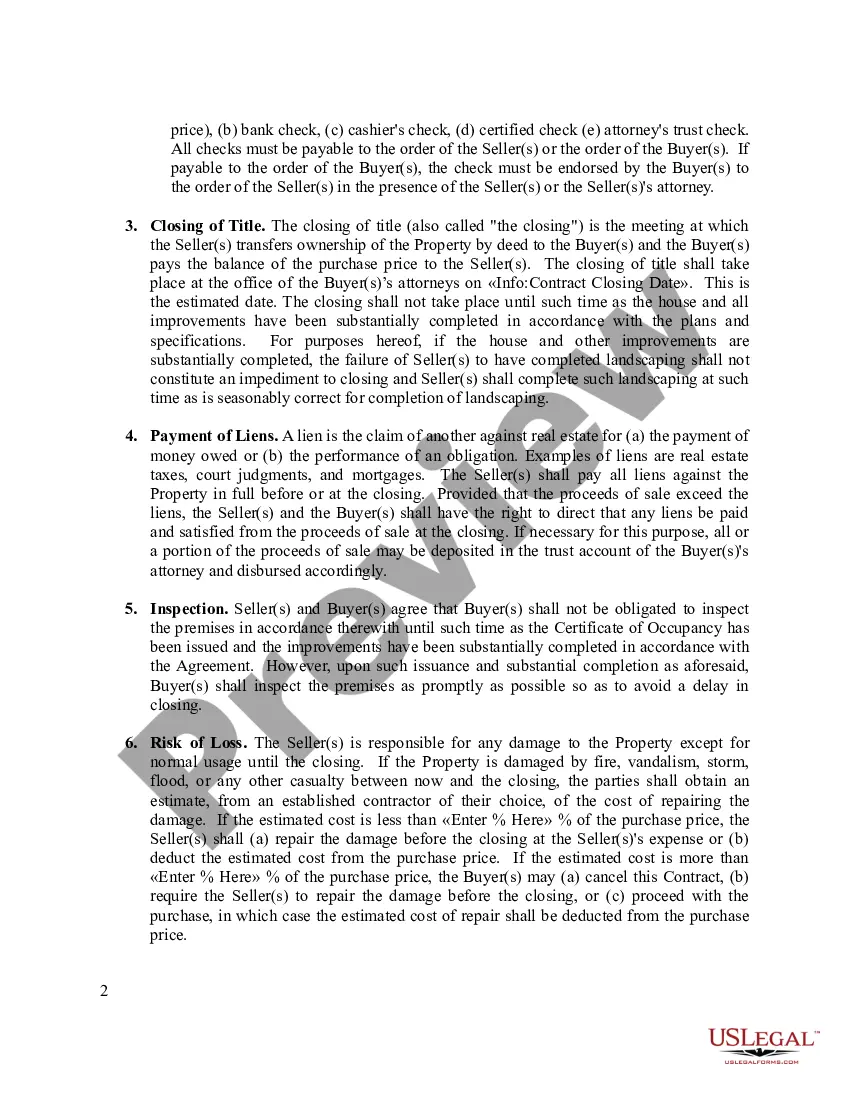
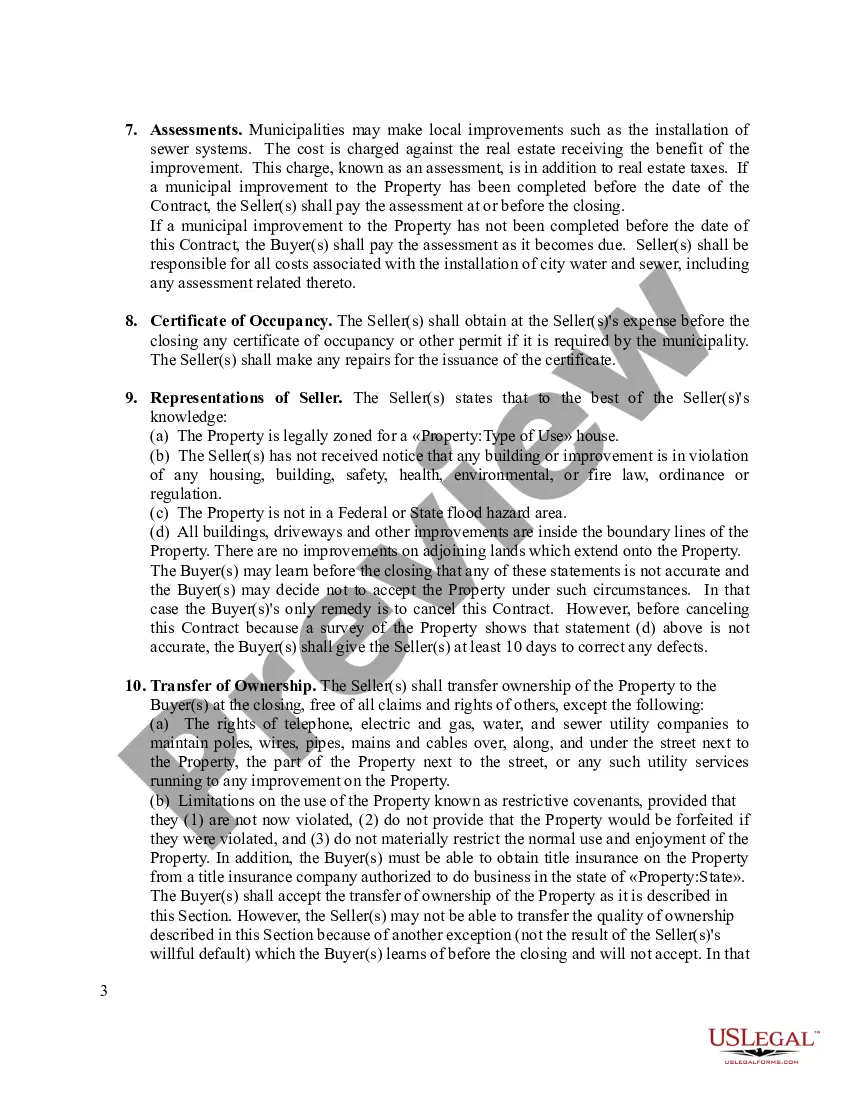
- Closing details: Describes the process for transferring ownership and conditions for closing.
- Inspection and risk of loss: Clarifies responsibilities for property inspections and who bears the risk of loss prior to closing.
- Default provisions: Defines the consequences if either party fails to uphold their obligations under the contract.
When to use this document
This form is necessary when entering into an agreement for the construction of a new home or property. It is typically used when a buyer has secured a contract with a builder or developer and needs to formalize the terms of the arrangement. Common scenarios include purchasing a newly built residential home or undertaking a custom construction project with a contractor.
Who should use this form
- Homebuyers looking to purchase a new home from a builder.
- Developers and contractors managing new construction projects.
- Real estate professionals assisting clients in construction agreements.
Instructions for completing this form
- Identify the parties: Enter the names and addresses of the seller and buyer.
- Specify the property: Clearly describe the property involved in the transaction.
- Enter financial details: Fill in amounts for the total purchase price, deposits, and any loan amounts.
- Define the closing process: Set the estimated date for closing and outline any conditions that must be met prior to that date.
- Review and sign: Both parties should read the contract thoroughly before signing to ensure mutual understanding and agreement.
Is notarization required?
This form does not typically require notarization unless specified by local law. It's advisable to check specific state requirements or consult legal counsel if there is uncertainty regarding notarization needs.
Get your form ready online
Our built-in tools help you complete, sign, share, and store your documents in one place.
Make edits, fill in missing information, and update formatting in US Legal Forms—just like you would in MS Word.
Download a copy, print it, send it by email, or mail it via USPS—whatever works best for your next step.
Sign and collect signatures with our SignNow integration. Send to multiple recipients, set reminders, and more. Go Premium to unlock E-Sign.
If this form requires notarization, complete it online through a secure video call—no need to meet a notary in person or wait for an appointment.
We protect your documents and personal data by following strict security and privacy standards.

Make edits, fill in missing information, and update formatting in US Legal Forms—just like you would in MS Word.

Download a copy, print it, send it by email, or mail it via USPS—whatever works best for your next step.

Sign and collect signatures with our SignNow integration. Send to multiple recipients, set reminders, and more. Go Premium to unlock E-Sign.

If this form requires notarization, complete it online through a secure video call—no need to meet a notary in person or wait for an appointment.

We protect your documents and personal data by following strict security and privacy standards.
Common mistakes to avoid
- Not specifying details about the property, leading to misunderstandings.
- Failing to include all necessary signatures or not having them witnessed when required.
- Leaving out key financial terms, such as payment schedules or contingencies.
Benefits of using this form online
- Ease of access: Downloadable forms that can be filled out at your convenience.
- Editability: You can customize the form to meet your specific requirements before finalizing.
- Reliability: Forms drafted by licensed attorneys ensure legal compliance and reduce the risk of errors.
Looking for another form?
Form popularity
FAQ
When purchasing new construction, your earnest money deposit is usually 5% of the sales price. The builder typically mandates the amount as a part of their contract (see more on builder contracts below).
Lump sum contracts A lump sum contract, also referred to as a fixed price contract, is probably the most general and common type of legal agreement in the construction industry. This is primarily because they create one, fixed price for all of the work they outline.
A construction contract is an agreement between a client and a contractor that specifies the details of a construction project. The details in the construction contract should cover all aspects of the project including payment, type of work to be done, contractor's legal rights and so on.
5 Key Elements Every Construction Contract Should Contain 1) The project's scope.2) The cost and payment terms.3) The project's time frame.4) Protection against lien law.5) Dispute resolution clauses.
There are five common types of construction contracts: lump sum (or fixed price), time and materials (T&M), unit price, guaranteed maximum price (GMP), and cost-plus.
4 Types of Construction Contracts Lump-Sum Contracts. Cost-Plus-Fee Contracts. Guaranteed Maximum Price Contracts. Unit-Price Contracts.
Three Common Construction Contracts FIXED PRICE. Fixed price construction contracts, also commonly referred to as ?lump sum? or ?stipulated sum? contracts, are the most common types of construction contracts.COST PLUS.GUARANTEED MAXIMUM PRICE.