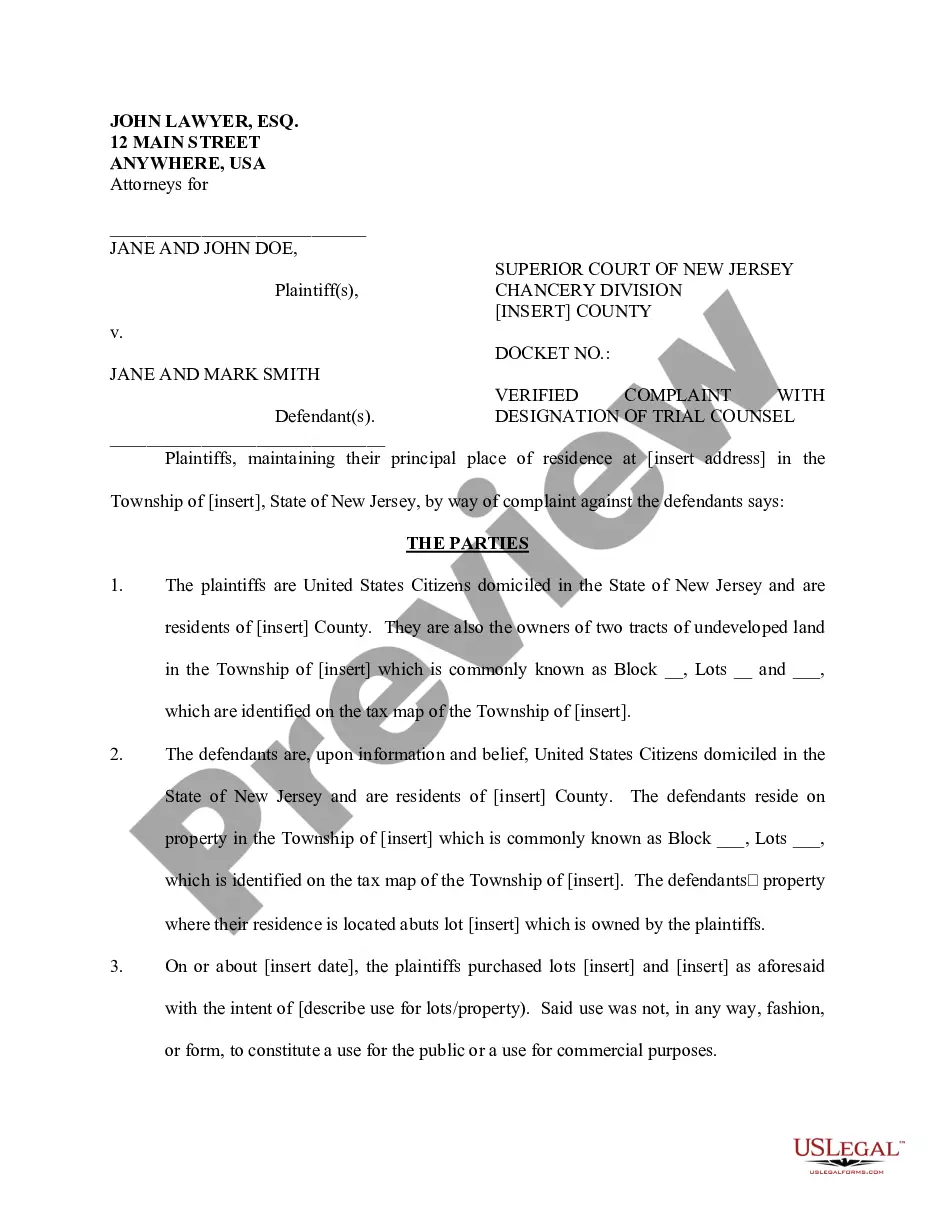
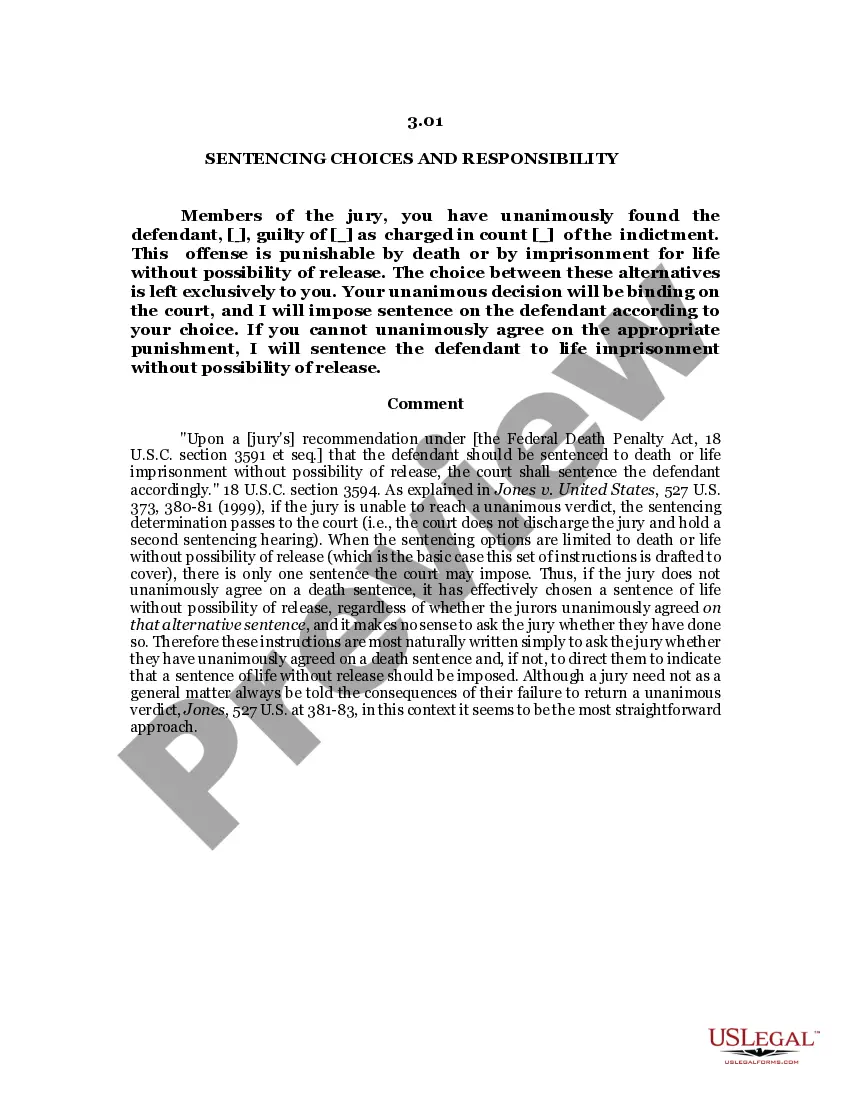
SENTENCING CHOICES AND RESPONSIBILITY
What is this form?
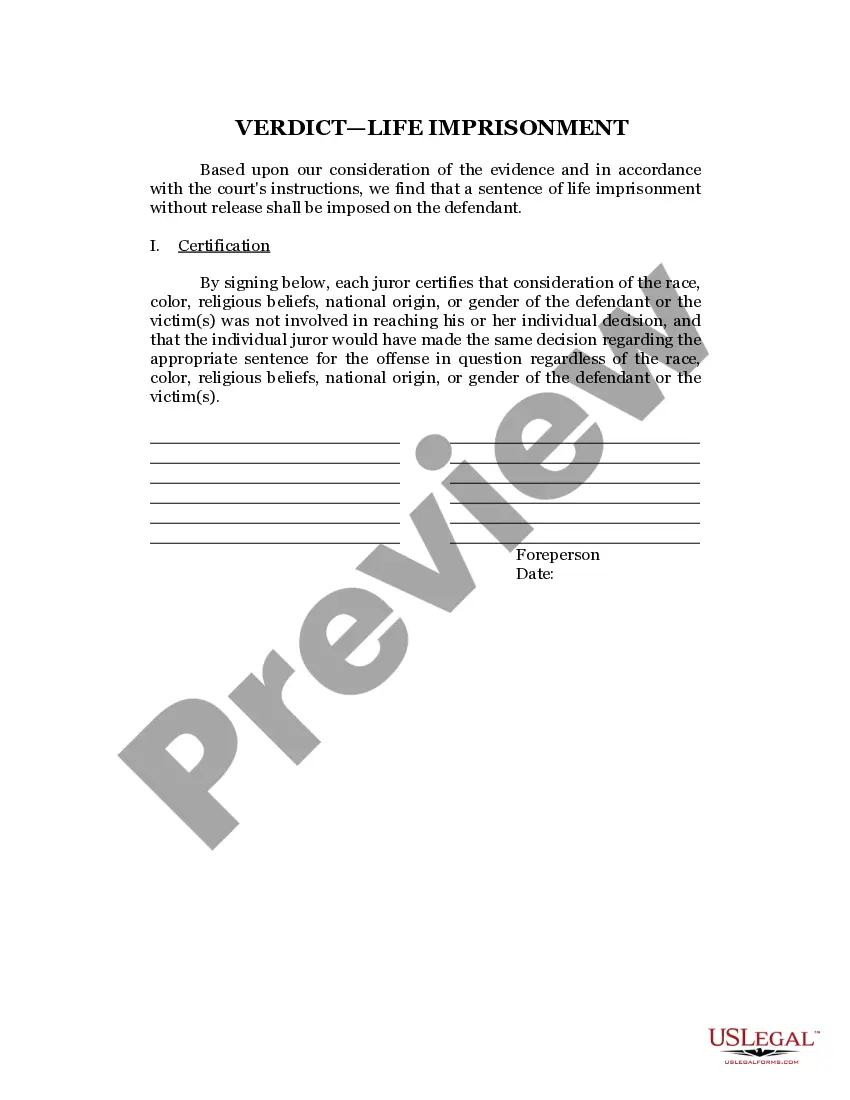
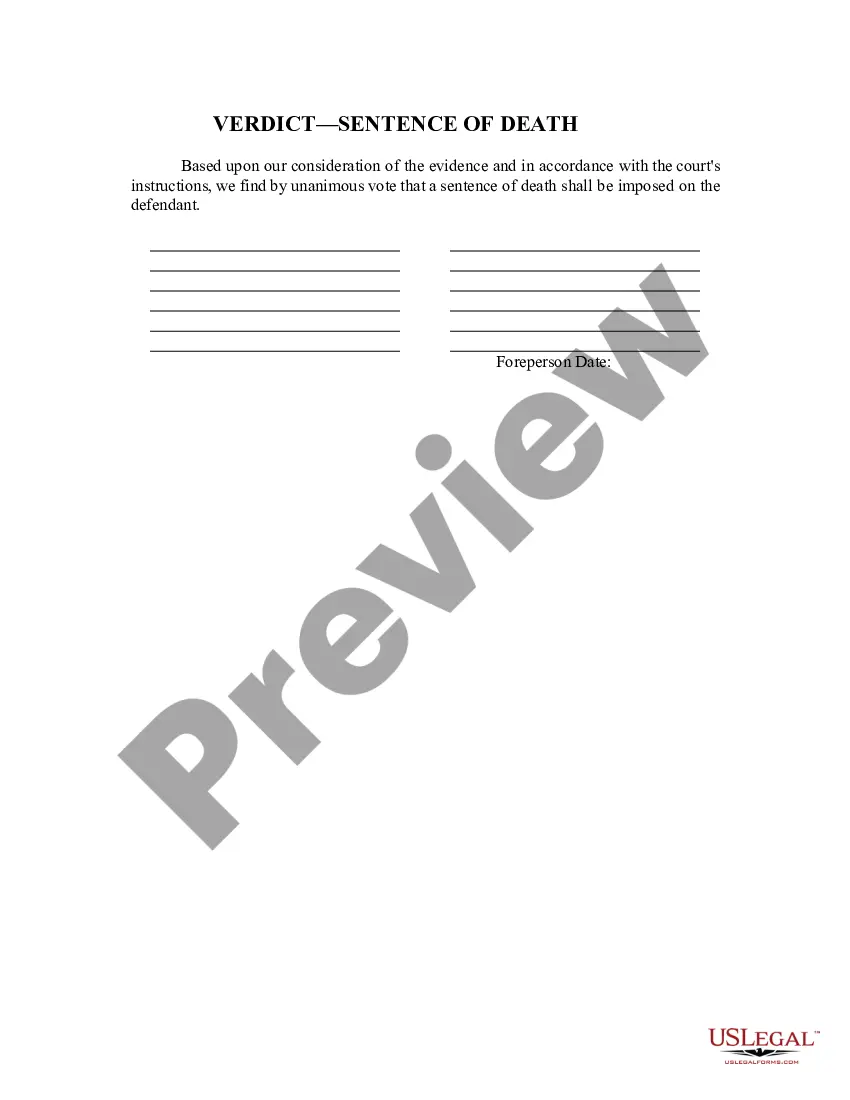
The Sentencing Choices and Responsibility form is used in criminal cases where a jury must recommend a sentence for a defendant found guilty of serious offenses, punishable by death or life imprisonment without the possibility of release. This form outlines the jury's exclusive responsibility in deciding the appropriate punishment and clarifies the procedure they must follow, distinguishing it from other sentencing instructions that might not include such severe options.
Form components explained
- Declaration of the jury's unanimous finding of guilt.
- Explanation of the sentencing options: death or life imprisonment without the possibility of release.
- Guidelines for the jury's decision-making process, emphasizing the need for unanimity.
- Outcome if the jury cannot reach a unanimous decision.
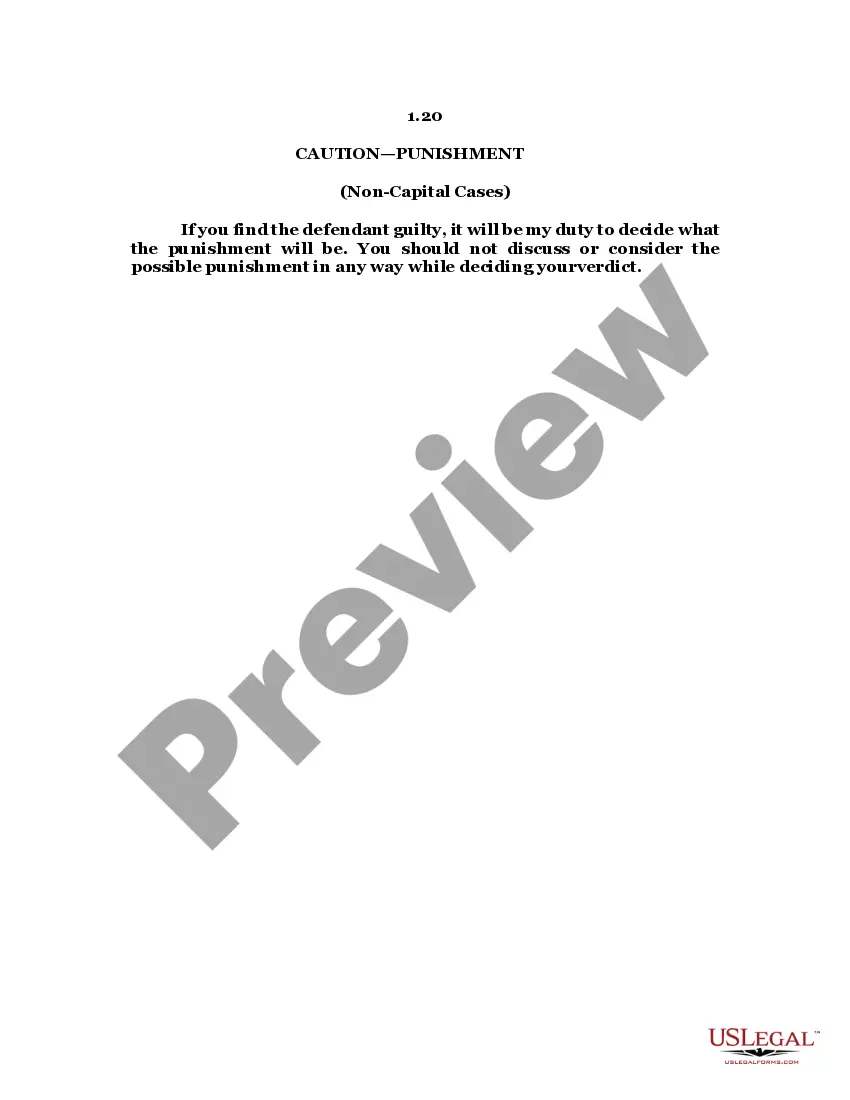
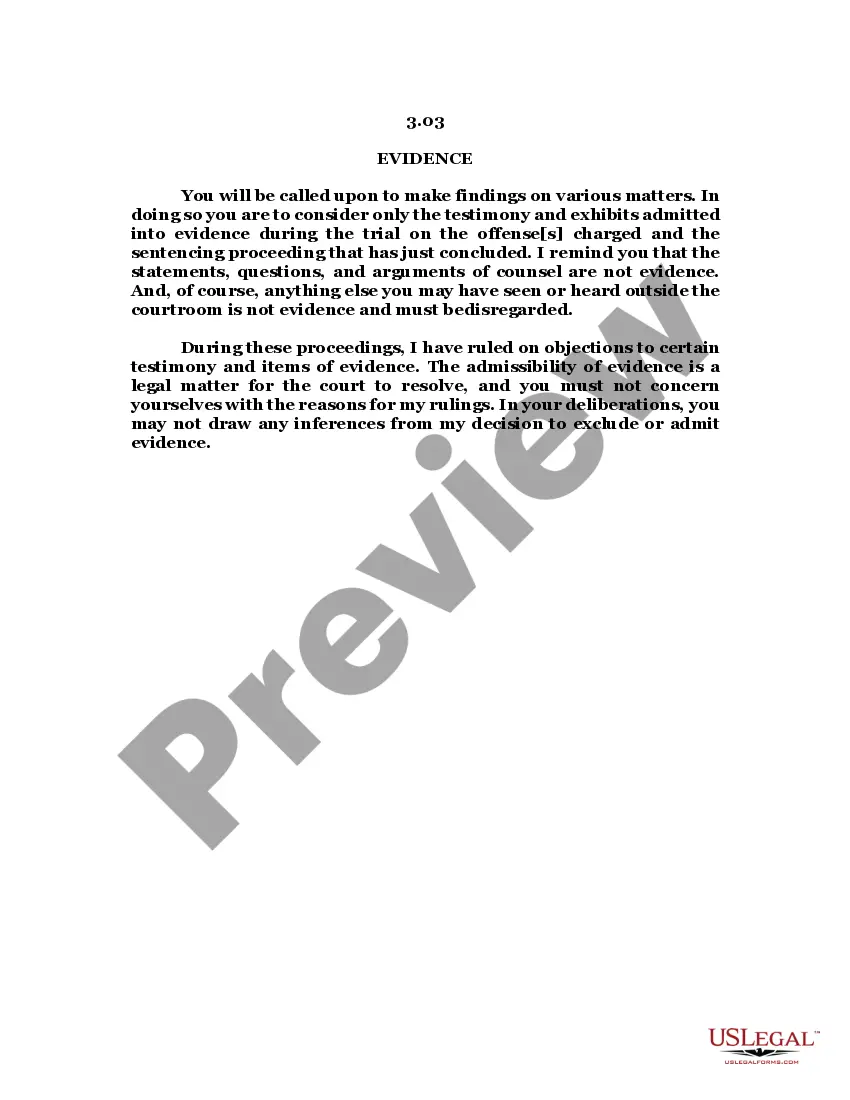
Common use cases
This form is necessary in cases where a jury has convicted a defendant of a capital offense and must determine the appropriate sentence between death or life imprisonment. It ensures that the jury understands their exclusive role in deciding the punishment and the implications of their verdict.
Who can use this document
- Juries in criminal cases involving capital offenses.
- Court personnel tasked with instructing juries on sentencing duties.
- Legal practitioners involved in the prosecution or defense of capital cases.
How to prepare this document
- Confirm the defendant's name and the associated charges as established in the trial.
- Ensure the jury discusses the available sentencing options thoroughly.
- Achieve a unanimous verdict on whether the sentence should be death or life imprisonment.
- Record the jury's decision clearly, indicating if a unanimous verdict was reached.
Notarization guidance
In most cases, this form does not require notarization. However, some jurisdictions or signing circumstances might. US Legal Forms offers online notarization powered by Notarize, accessible 24/7 for a quick, remote process.
Get your form ready online
Our built-in tools help you complete, sign, share, and store your documents in one place.
Make edits, fill in missing information, and update formatting in US Legal Forms—just like you would in MS Word.
Download a copy, print it, send it by email, or mail it via USPS—whatever works best for your next step.
Sign and collect signatures with our SignNow integration. Send to multiple recipients, set reminders, and more. Go Premium to unlock E-Sign.
If this form requires notarization, complete it online through a secure video call—no need to meet a notary in person or wait for an appointment.
We protect your documents and personal data by following strict security and privacy standards.

Make edits, fill in missing information, and update formatting in US Legal Forms—just like you would in MS Word.

Download a copy, print it, send it by email, or mail it via USPS—whatever works best for your next step.

Sign and collect signatures with our SignNow integration. Send to multiple recipients, set reminders, and more. Go Premium to unlock E-Sign.

If this form requires notarization, complete it online through a secure video call—no need to meet a notary in person or wait for an appointment.

We protect your documents and personal data by following strict security and privacy standards.
Typical mistakes to avoid
- Failing to clarify the sentencing options to the jury before deliberation.
- Allowing non-unanimous decisions to influence the recommended sentence.
- Misunderstanding the implications of a non-unanimous decision regarding sentencing.
Why complete this form online
- Convenient access to standardized legal language ensuring uniformity.
- Editability allows for adjustments based on the specific case parameters.
- Fast download and implementation, promoting efficiency in legal procedures.
Legal use & context
- The form is used in federal jurisdictions, ensuring compliance with the Federal Death Penalty Act.
- It provides clarity on jury responsibility, reinforcing the legal framework for sentencing outcomes.
- Guides the court process following jury decisions and emphasizes the importance of unanimous verdicts in capital cases.
Looking for another form?
Form popularity
FAQ
There are several traditional types of sentences, such as: Capital Punishment, which is a sentence of death allowable for only the most serious of crimes. Incarceration, which is a sentence of confinement to a prison or jail. Probation, which is a sentence of supervision for a set period of time.
Judges provide instructions to juries prior to their deliberations and in the case of bench trials, judges must decide the facts of the case and make a ruling. Additionally, judges are also responsible for sentencing convicted criminal defendants.
These include whether the defendant has committed the same crime before, whether the defendant has expressed regret for the crime, and the nature of the crime itself.
What are the four traditional sentencing options? Under what circumstances might each be appropriate? Fines, probation, imprisonment, and in cases of especially horrific offenses-death. The appropriateness of each sentencing option for various kinds of crimes was discussed, and the pros and cons of each were examined.
Types of sentences include probation, fines, short-term incarceration, suspended sentences, which only take effect if the convict fails to meet certain conditions, payment of restitution to the victim, community service, or drug and alcohol rehabilitation for minor crimes.
Four traditional sanctions include incarceration (prison or jail), probation, fines, and the death penalty.
Four major goals are usually attributed to the sentencing process: retribution, rehabilitation, deterrence, and incapacitation.
Types of sentences include probation, fines, short-term incarceration, suspended sentences, which only take effect if the convict fails to meet certain conditions, payment of restitution to the victim, community service, or drug and alcohol rehabilitation for minor crimes.