Threatening a Juror
About this form
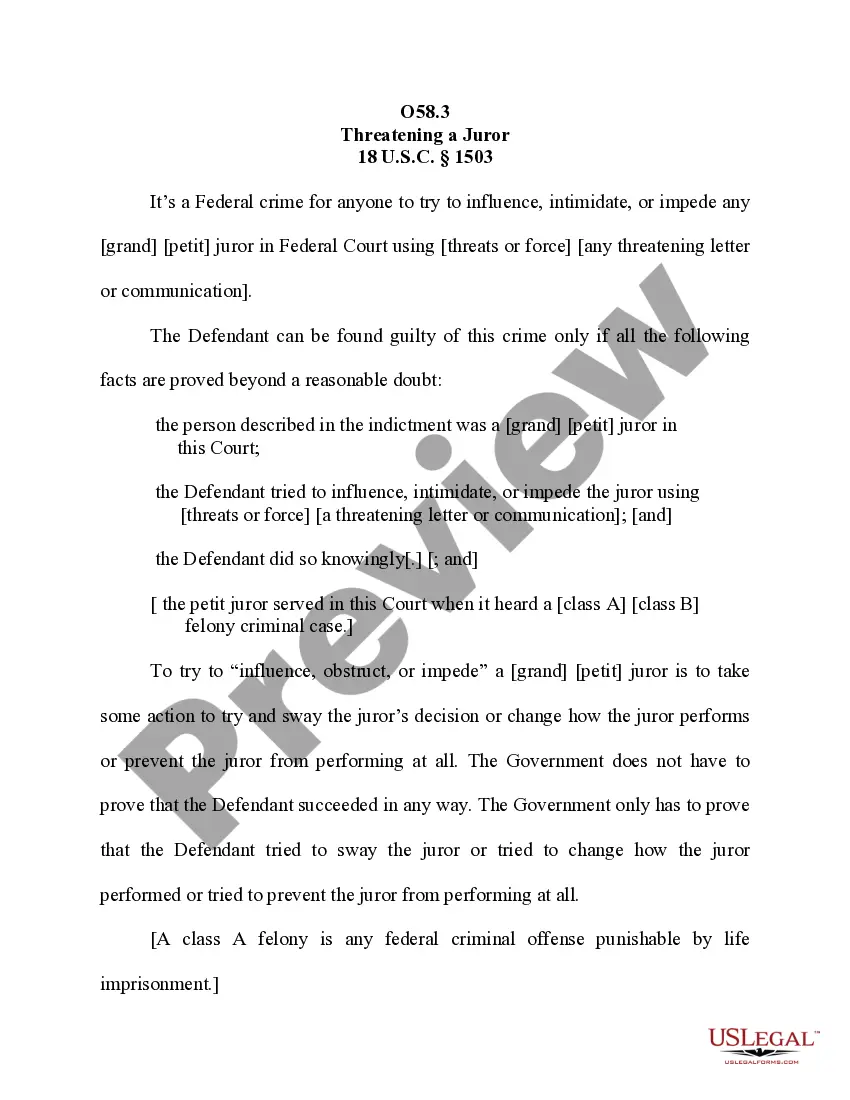
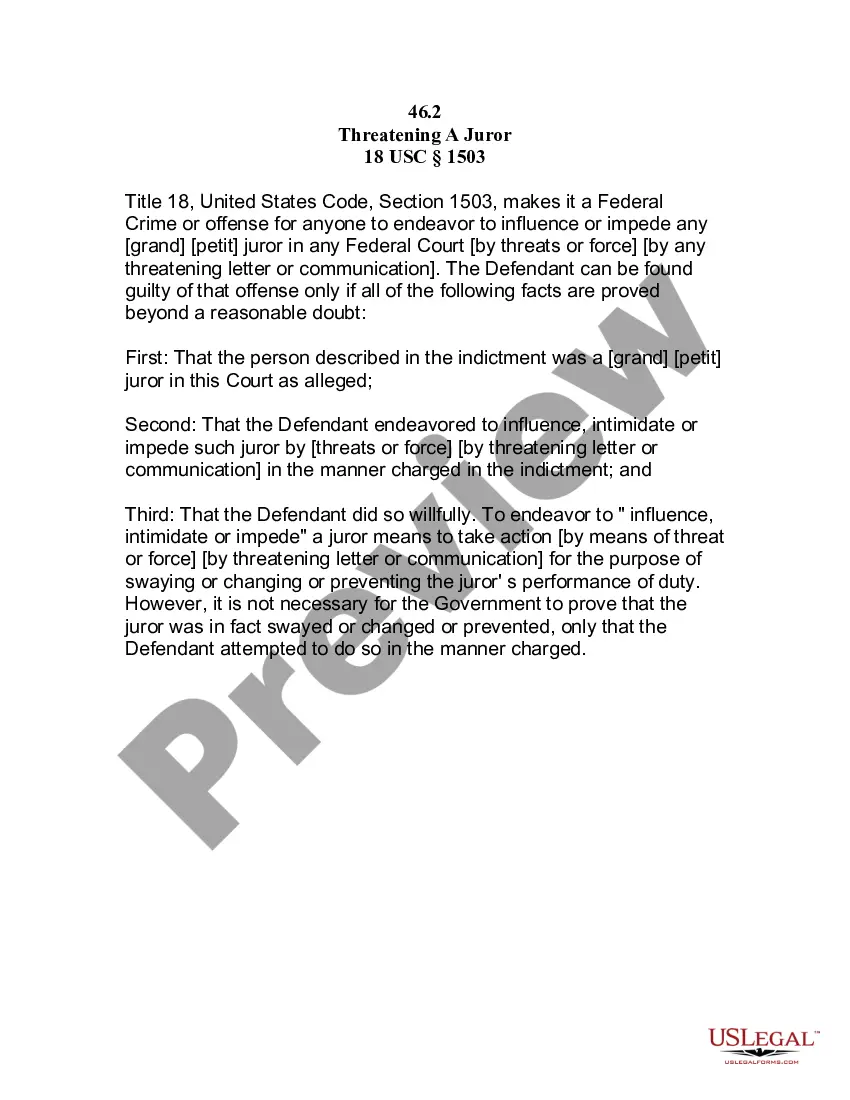
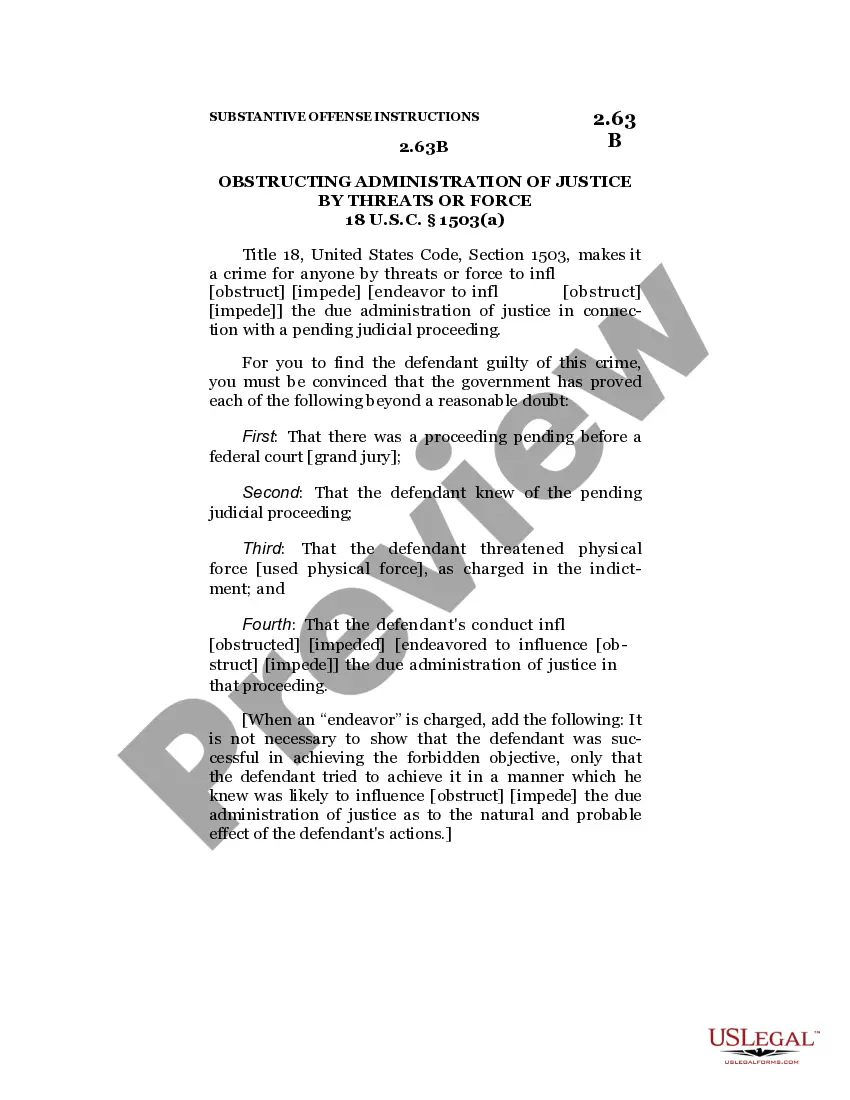
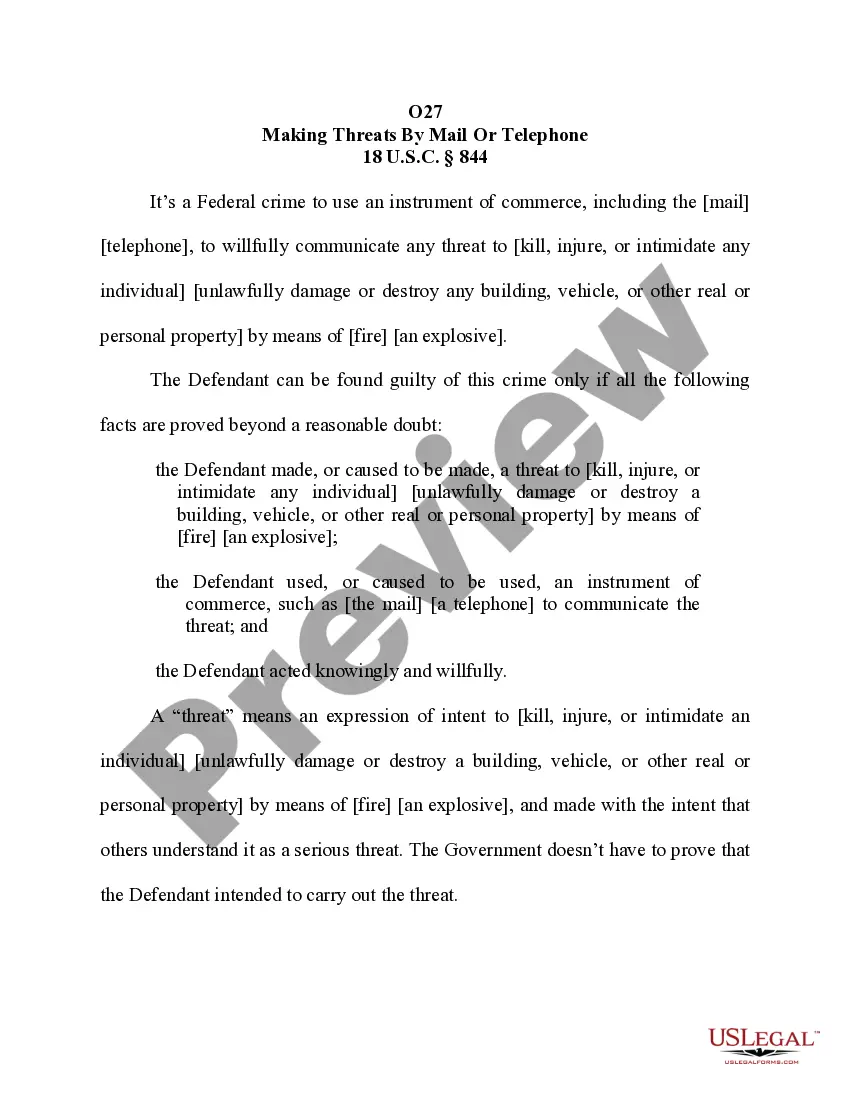
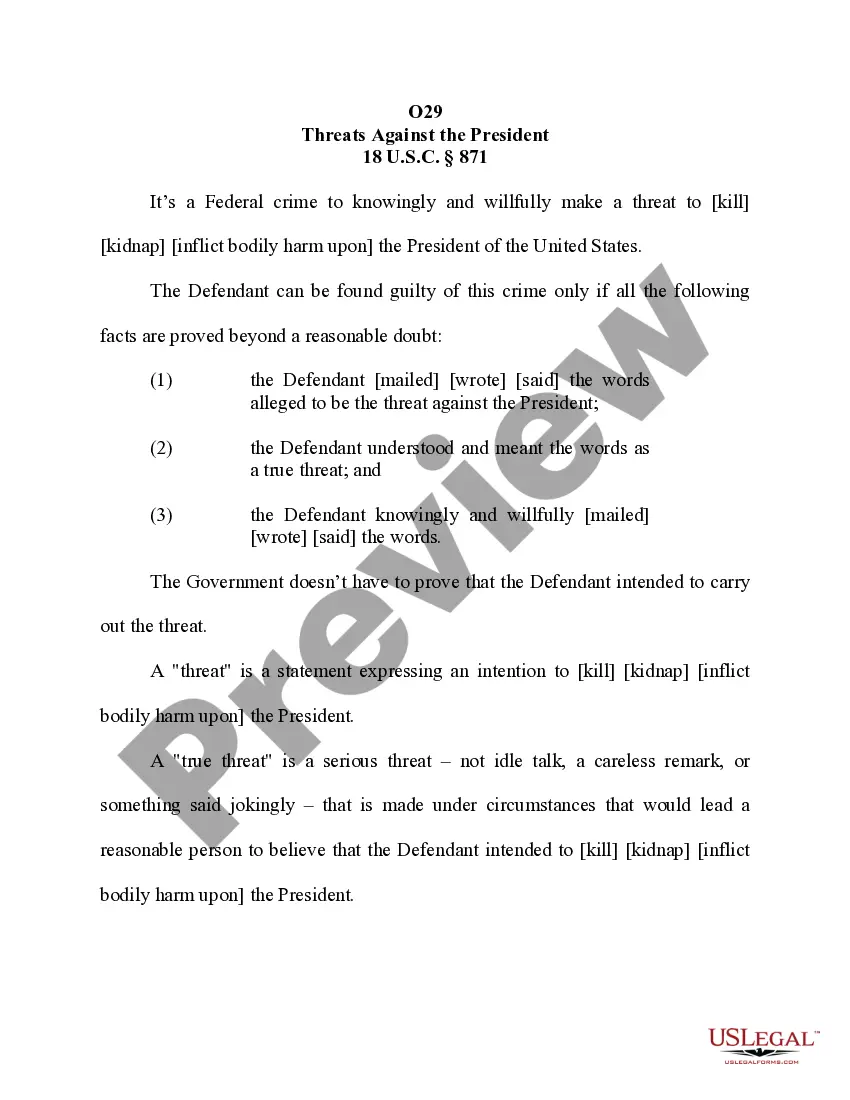
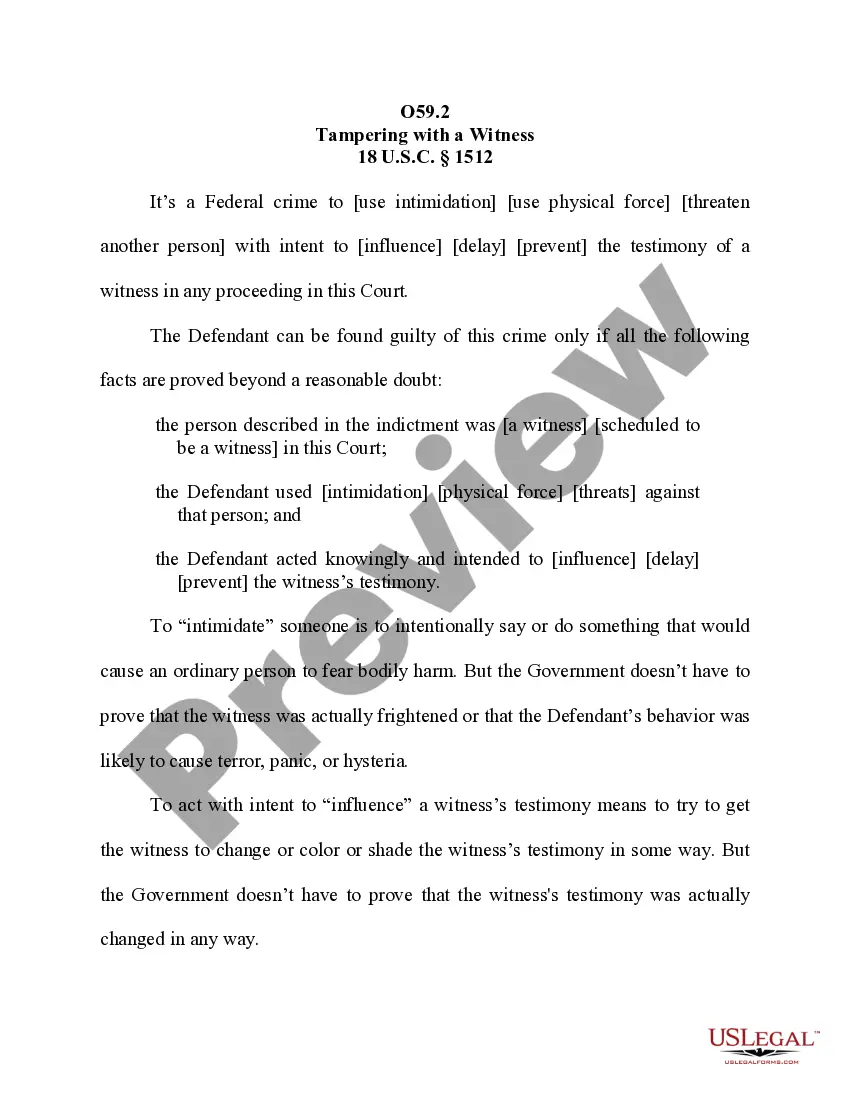
The Threatening a Juror form addresses a federal crime defined under 18 U.S.C. § 1503. It is used to establish the legal framework surrounding the intimidation or influence of jurors in federal court. This form differs from other legal instructions by specifically focusing on actions aimed at grand and petit jurors, making it essential for legal professionals dealing with jury misconduct cases.
Form components explained
- Description of what constitutes threatening a juror.
- Criteria for proving the defendant's guilt beyond a reasonable doubt.
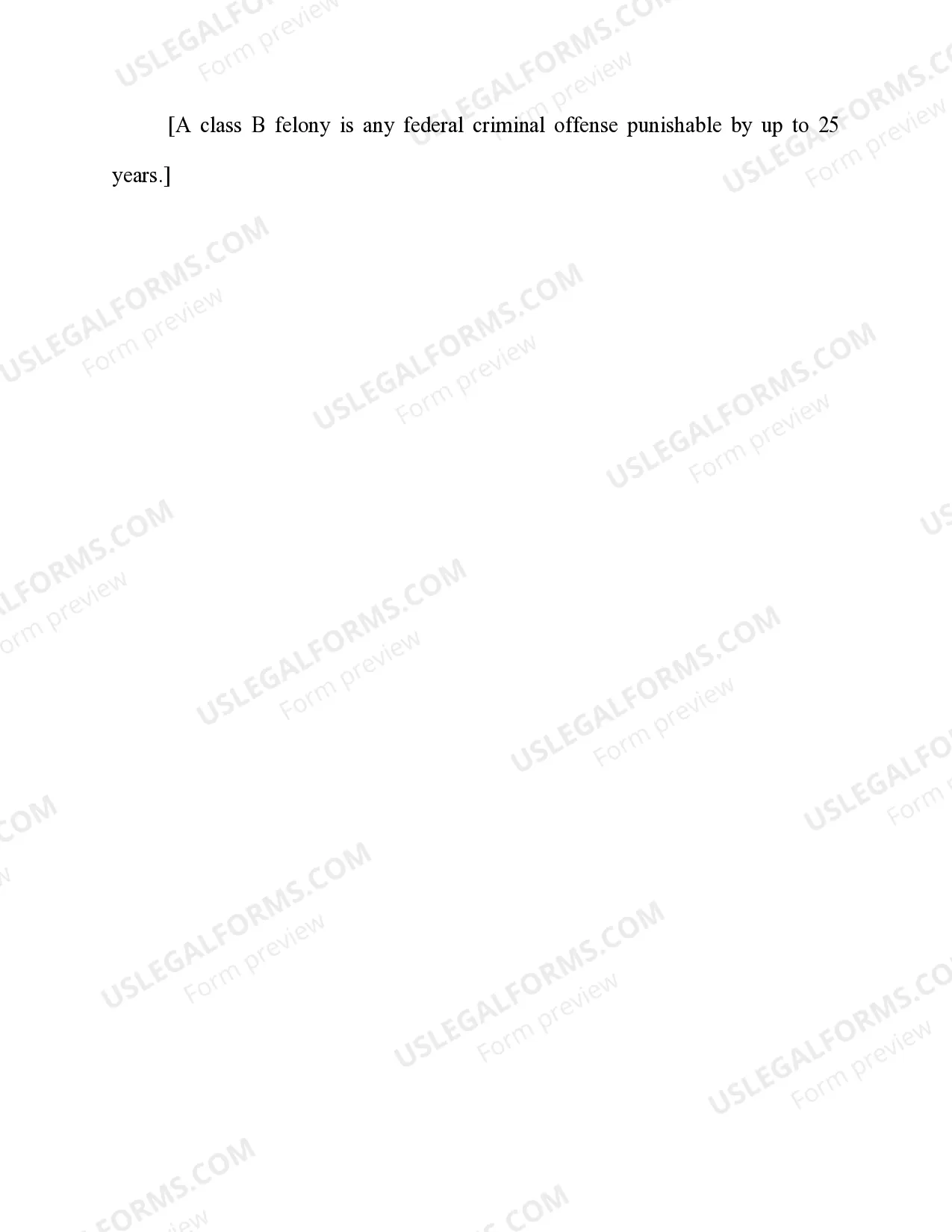
- Definitions of class A and class B felonies relevant to the case.
- Explanation of actions that are considered as trying to influence, obstruct, or impede jurors.
When to use this form
This form should be used in situations where there are allegations or suspicions of juror intimidation or influence within federal court proceedings. It may come into play during criminal investigations, jury selection processes, or legal disputes involving jury misconduct. Legal professionals can utilize this form to guide the prosecution or defense in cases where jurors are threatened.
Who needs this form
- Prosecutors handling cases of juror intimidation.
- Defense attorneys representing individuals accused of influencing jurors.
- Legal scholars studying jury conduct and related federal laws.
- Judges and court officials involved in jury management.
How to prepare this document
- Identify the specific juror involved in the case.
- Describe the actions taken by the defendant to influence or intimidate the juror.
- Provide details on the context in which the actions occurred, including any communications involved.
- Gather supporting evidence that demonstrates the defendant's knowledge and intent.
- Review the instructions to ensure all elements of the crime are addressed.
Is notarization required?
This form does not typically require notarization unless specified by local law. Verify jurisdiction-specific rules to ensure compliance with any requirements regarding notarization.
Get your form ready online
Our built-in tools help you complete, sign, share, and store your documents in one place.
Make edits, fill in missing information, and update formatting in US Legal Forms—just like you would in MS Word.
Download a copy, print it, send it by email, or mail it via USPS—whatever works best for your next step.
Sign and collect signatures with our SignNow integration. Send to multiple recipients, set reminders, and more. Go Premium to unlock E-Sign.
If this form requires notarization, complete it online through a secure video call—no need to meet a notary in person or wait for an appointment.
We protect your documents and personal data by following strict security and privacy standards.
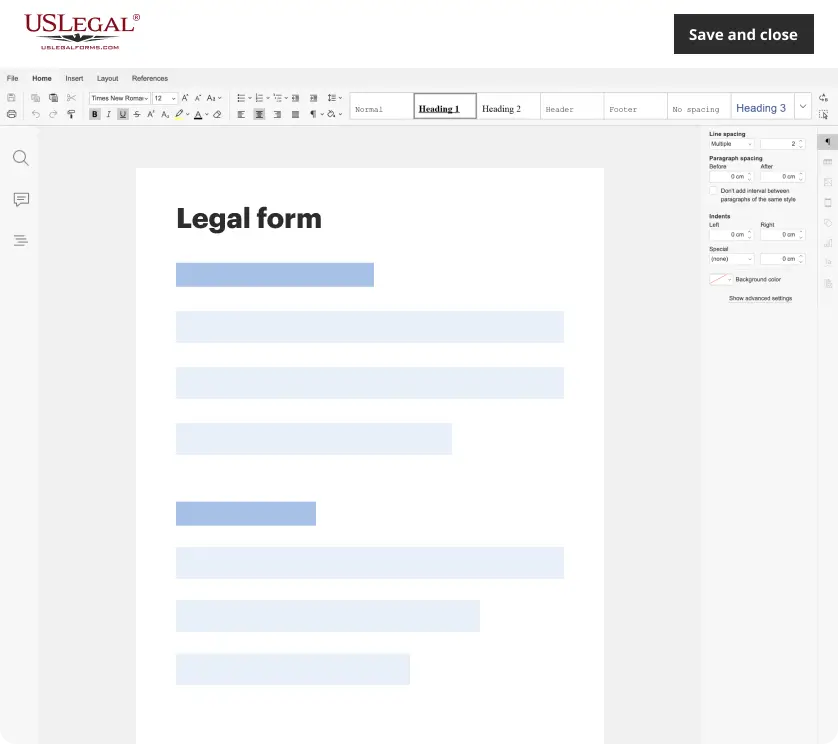
Make edits, fill in missing information, and update formatting in US Legal Forms—just like you would in MS Word.
Download a copy, print it, send it by email, or mail it via USPS—whatever works best for your next step.
Sign and collect signatures with our SignNow integration. Send to multiple recipients, set reminders, and more. Go Premium to unlock E-Sign.
If this form requires notarization, complete it online through a secure video call—no need to meet a notary in person or wait for an appointment.
We protect your documents and personal data by following strict security and privacy standards.
Avoid these common issues
- Failing to clearly establish the jurisdiction of the juror involved.
- Not providing sufficient details about the intimidation tactics used.
- Overlooking the necessity of demonstrating the defendant's knowledge and intent.
Advantages of online completion
- Convenience of adjusting the form to specific case needs from anywhere.
- Immediate access to the latest legal templates drafted by licensed attorneys.
- Ability to save and download documents for future use, ensuring document security.
Legal use & context
- Defines jury tampering as a serious federal offense.
- Emphasizes the legal protections intended to secure jury impartiality.
- Outlines potential penalties, including felony charges based on the severity of the tampering.
Quick recap
- This form is essential for addressing threats against jurors in federal cases.
- Understanding the legal definitions and implications is critical for enforcement.
- Proper completion of the form helps ensure accountability and the protection of jurors.
Looking for another form?
Form popularity
FAQ
Examples of Juror Misconduct Talking about the case with third parties, including family, friends, the media or even other jurors outside of official deliberations. Refusal to be a participant in the jury deliberations by failure to contribute to discussions or provide his or her views of the evidence.
If inadmissible evidence is mistakenly shown to jurors, or attorneys make improper statements to the jury in their arguments or examination of witnesses, a judge may decide that the case has been so tainted as to require a mistrial declaration.
An example of jury tampering is sending a juror a message on a social media website and encouraging them to vote that the defendant is not guilty. Jury tampering is a criminal offense.
"It is not common at all." In 1995, Ms. King conducted a nationwide survey of judges to investigate the prevalence of juror misconduct. The 562 judges who responded to the survey reported only three cases of jurors being bribed, out of more than 26,000 trials in a three-year period.
This is called "challenging a juror". There are two types of challenges: a challenge for cause and a peremptory challenge.
Examples of Juror Misconduct Talking about the case with third parties, including family, friends, the media or even other jurors outside of official deliberations. Refusal to be a participant in the jury deliberations by failure to contribute to discussions or provide his or her views of the evidence.
There are two types of judicial proceedings in the federal courts that use juries. Criminal trial: An individual is accused of committing a crime that is considered against society as a whole.Civil trial: Litigants seek remedies for private wrongs that don't necessarily have a broader social impact.
Jurors are expected to answer questions truthfully; if any indication of bias is found, they will be removed from the jury.