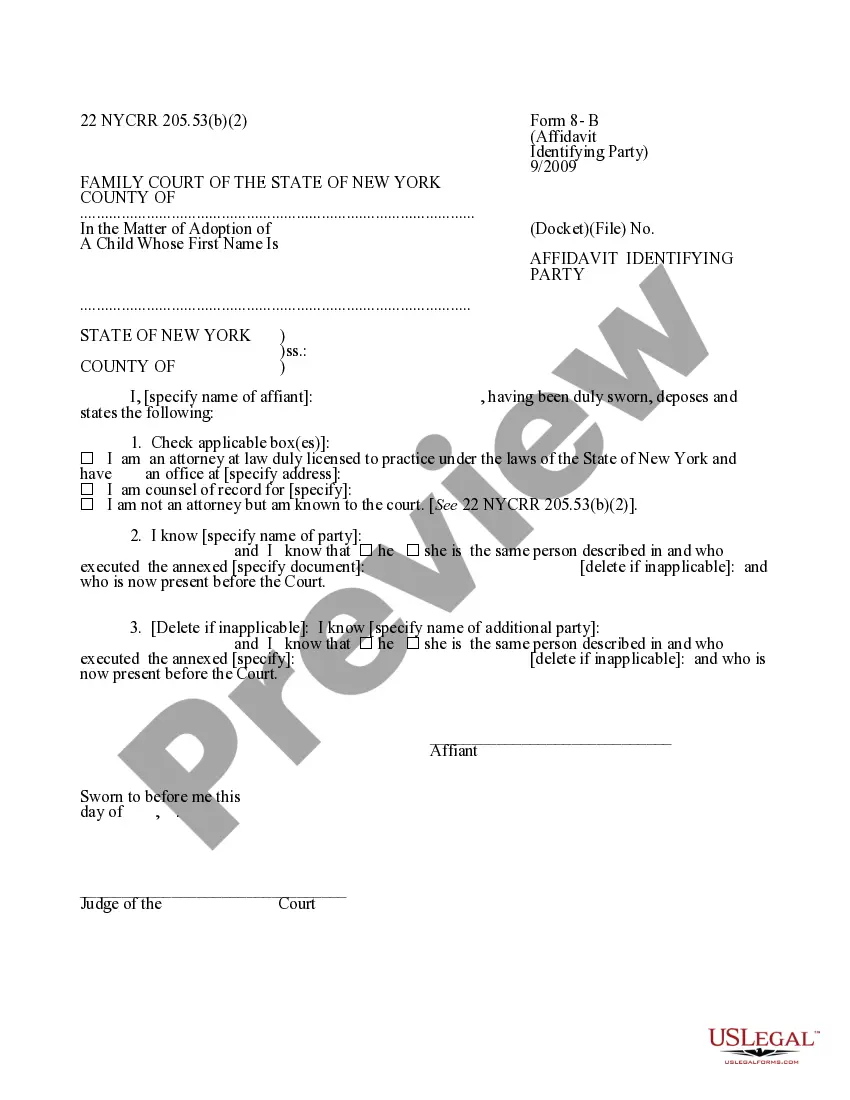
7.20 Equal Protection: Class of One
Understanding this form
The 7.20 Equal Protection: Class of One form is an official jury instruction pattern adopted by the Federal 7th Circuit Court. It addresses claims alleging unequal treatment under the law, specifically focusing on a "class of one" standard, where individuals assert they were treated differently without a rational basis. This form differs from general equal protection claims, which typically involve larger classes of individuals, making it unique in its applicability and use in court settings.
Main sections of this form
- Definition of "class of one" claims
- Explanation of legal standards applied in the 7th Circuit
- Reference to important case law guiding the standards

When to use this form
This form is used when an individual believes they have been treated unfairly or differently from others by a government entity or official, without legitimate justification. It is particularly relevant in cases where there is no clear class or group involved, focusing instead on the individual's unique circumstances. Common scenarios include instances of selective enforcement of laws or policies by public authorities.
Who should use this form
- Individuals who believe they have been discriminated against by government entities
- People pursuing legal action under the "class of one" equal protection theory
- Attorneys representing clients in federal cases within the 7th Circuit
How to prepare this document
- Identify the parties involved in the case.
- Clearly define the circumstances of the uneven treatment.
- Cite relevant case law to support the claims.
- Determine the factual matrix that demonstrates discrimination.
- Fill out the required legal language as specified in the instructions.
Is notarization required?
Notarization is not commonly needed for this form. However, certain documents or local rules may make it necessary. Our notarization service, powered by Notarize, allows you to finalize it securely online anytime, day or night.
Get your form ready online
Our built-in tools help you complete, sign, share, and store your documents in one place.
Make edits, fill in missing information, and update formatting in US Legal Forms—just like you would in MS Word.
Download a copy, print it, send it by email, or mail it via USPS—whatever works best for your next step.
Sign and collect signatures with our SignNow integration. Send to multiple recipients, set reminders, and more. Go Premium to unlock E-Sign.
If this form requires notarization, complete it online through a secure video call—no need to meet a notary in person or wait for an appointment.
We protect your documents and personal data by following strict security and privacy standards.

Make edits, fill in missing information, and update formatting in US Legal Forms—just like you would in MS Word.

Download a copy, print it, send it by email, or mail it via USPS—whatever works best for your next step.

Sign and collect signatures with our SignNow integration. Send to multiple recipients, set reminders, and more. Go Premium to unlock E-Sign.

If this form requires notarization, complete it online through a secure video call—no need to meet a notary in person or wait for an appointment.

We protect your documents and personal data by following strict security and privacy standards.
Typical mistakes to avoid
- Failing to adequately define what makes the treatment unequal.
- Neglecting to cite relevant cases that support the claim.
- Overlooking essential factual details that demonstrate the claim.
Legal use & context
- This form is grounded in the legal principles set forth in relevant case law, particularly Del Marcelle v. Brown Cnty. Corp., which sets a precedent in the 7th Circuit.
- Understanding the evolving nature of the "class of one" claims is critical to effectively utilizing this form.
What to keep in mind
- The 7.20 Equal Protection: Class of One form is vital for asserting claims of individual discrimination under the law.
- Familiarity with case law is essential for successful application of this jury instruction.
- This form is intended for individuals and attorneys addressing unique legal circumstances in equal protection claims.
Looking for another form?
Form popularity
FAQ
While equal protection claims can fall into different categories, a base requirement for a claim to proceed is that the challenged law must either intentionally discriminate or intentionally be applied in a discriminatory manner.
Let us start by examining the three levels of review applied in Equal Protection and Due Process cases: (1) Rational Basis Review; (2) Intermediate Scrutiny; (3) Strict Scrutiny.
To prove a class-of-one claim, a plaintiff must establish that: (1) the government treated him or her differently from other similarly situated persons; (2) the difference in treatment was intentional; and (3) the difference in treatment was not rationally related to any legitimate government purpose.
Protection claims brought by a 'class of one,' where the plaintiff alleges that she has been intentionally treated differently from others similarly situated and that there is no rational basis for the difference in treatment.
Applicants, employees and former employees are protected from employment discrimination based on race, color, religion, sex (including pregnancy, sexual orientation, or gender identity), national origin, age (40 or older), disability and genetic information (including family medical history).
Sex, disability, and sexual orientation. Originally, the Fourteenth Amendment did not forbid sex discrimination to the same extent as other forms of discrimination.
Equal Protection For a court to apply strict scrutiny, the legislature must either have passed a law that infringes upon a fundamental right or involves a suspect classification. Suspect classifications include race, national origin, religion, and alienage.
Under that doctrine, the Supreme Court has held individuals that do not identify with some commonly recognized marginalized class may still assert discrimination claims as a class of one by alleging that they were treated differently from others similarly situated.