Clauses Relating to Venture Interests
Understanding this form
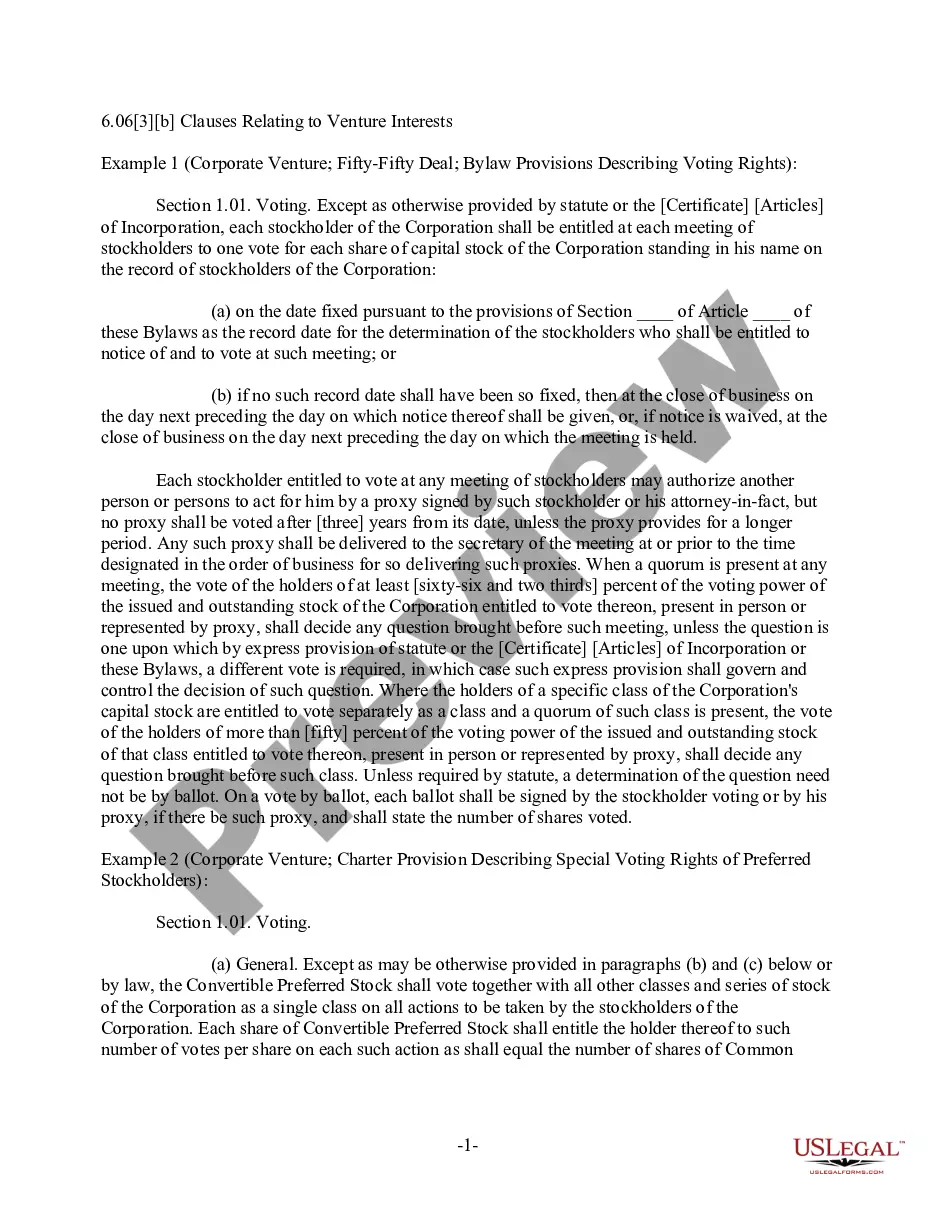
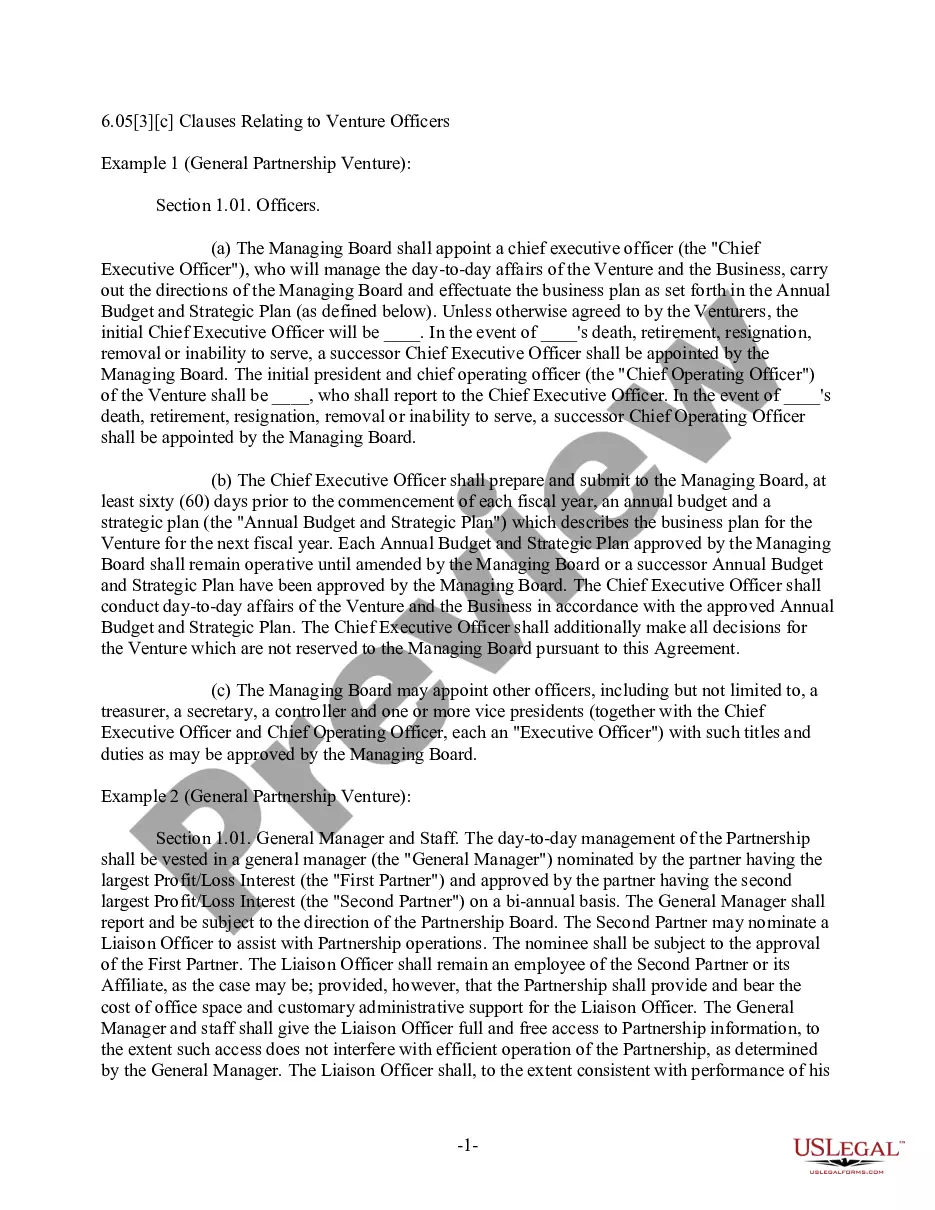
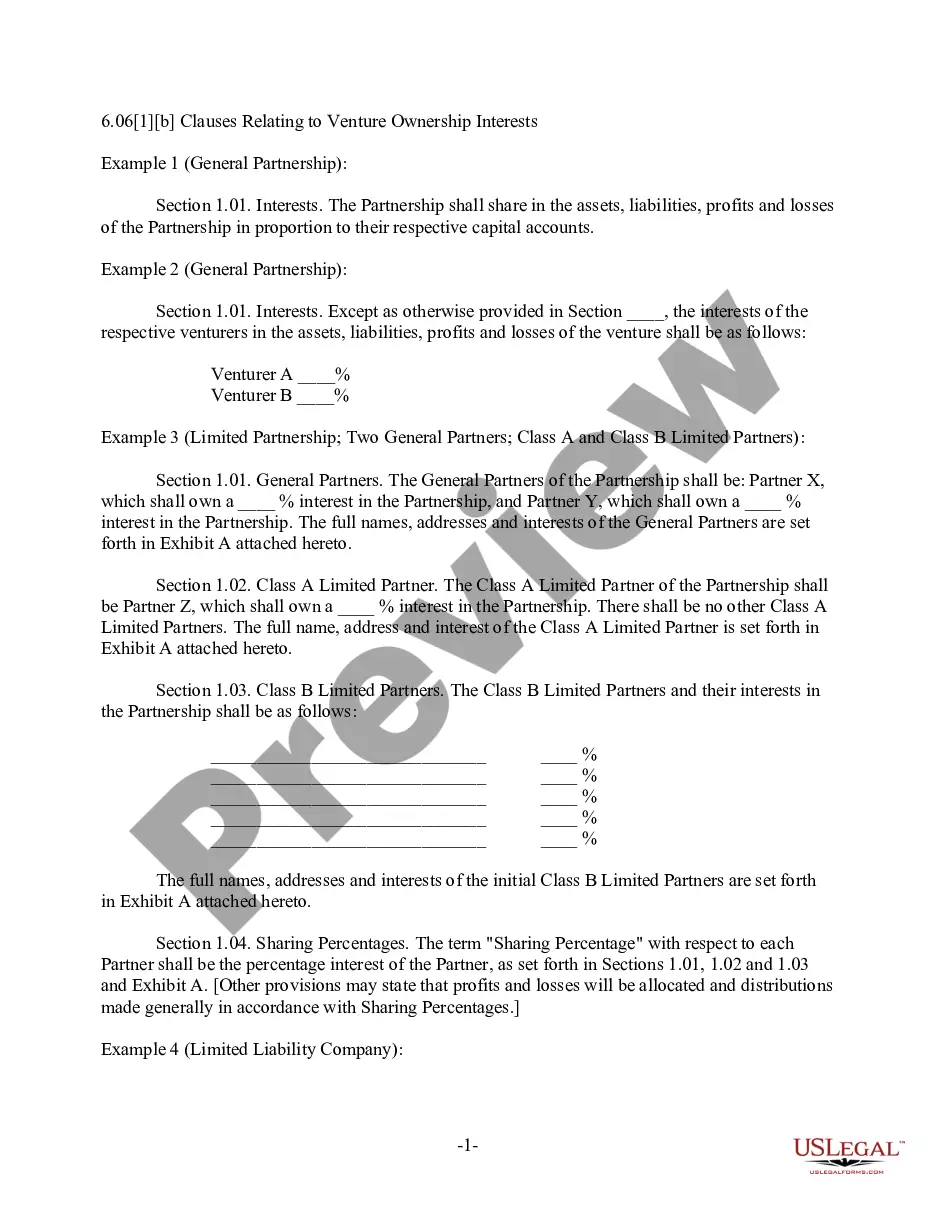
The Clauses Relating to Venture Interests form provides a template for drafting essential legal provisions related to corporate voting rights and preferences. This form is designed for businesses that need to establish clear guidelines for shareholder interactions and director elections. Unlike other generic corporate forms, this template allows for specific adaptations based on individual business needs and applicable local laws.
Form components explained
- Voting provisions for stockholders based on share ownership.
- Authorization for proxy voting, including valid duration and delivery requirements.
- Specific voting rights assigned to different classes of stock, including preferred stockholders.
- Quorum requirements for shareholder meetings.
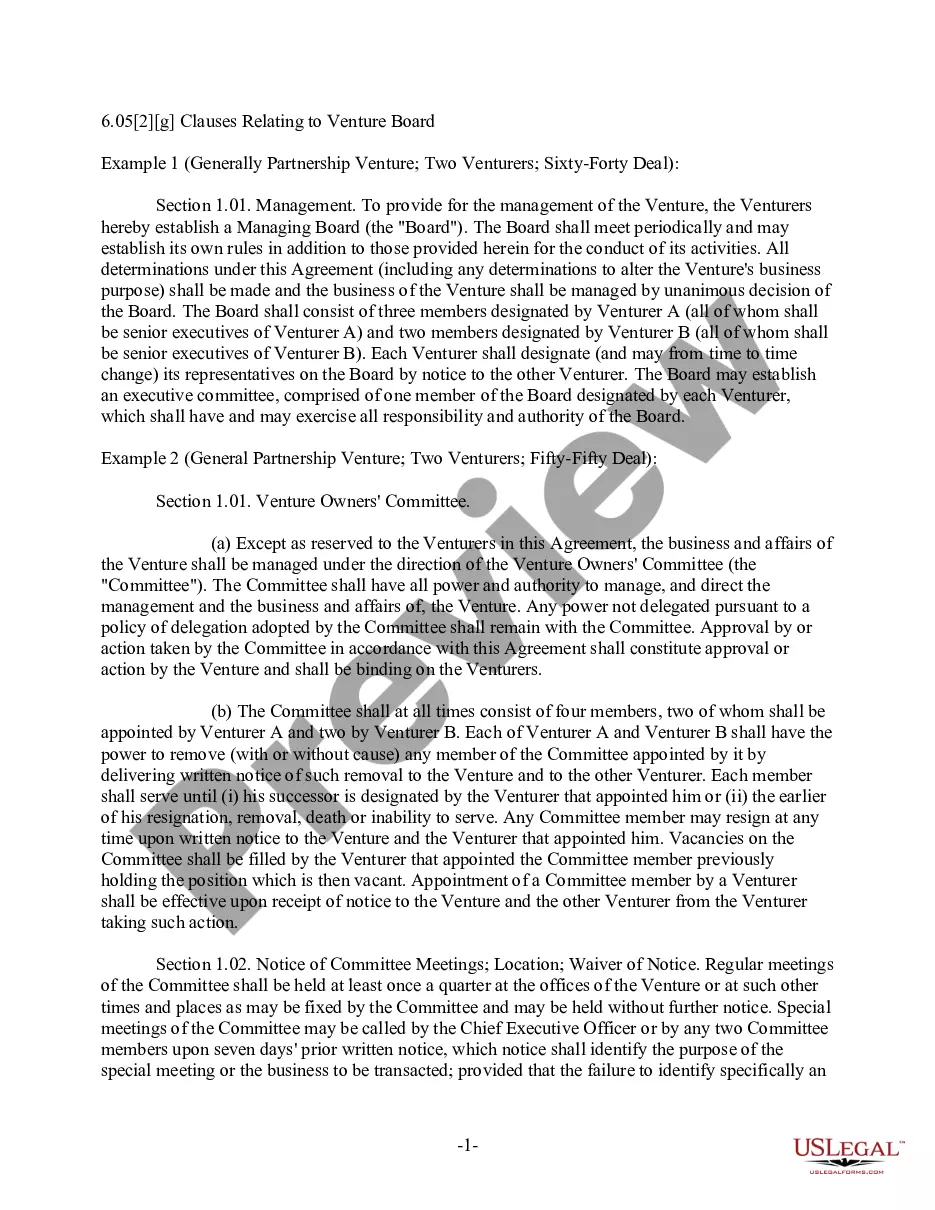
- Procedures for electing directors and filling vacancies.

When to use this document
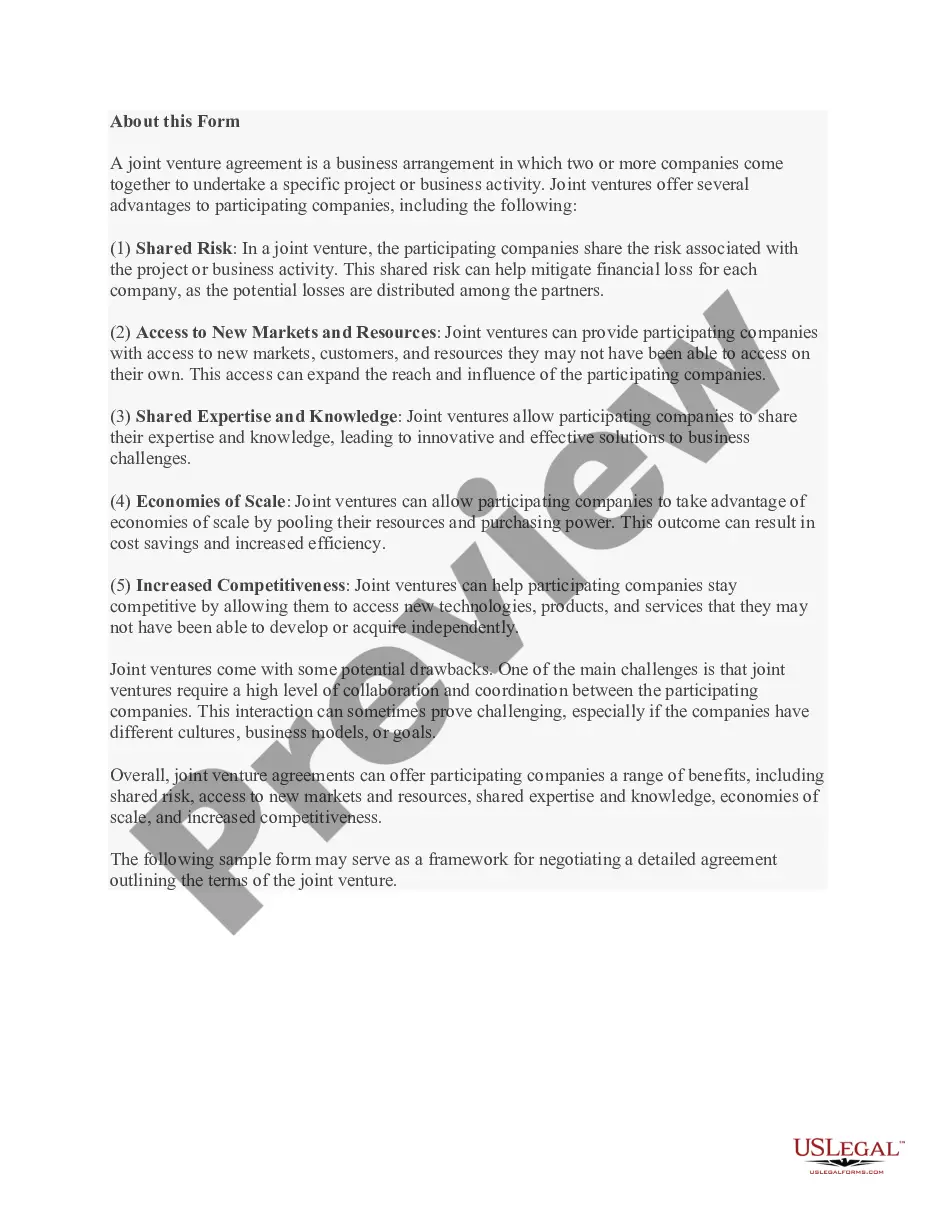
This form is useful when establishing or amending corporate bylaws related to shareholder voting rights and preferences. It is particularly beneficial for companies entering joint ventures, establishing unique voting rights for preferred stock, or defining procedures for conducting meetings and elections. Use this template whenever clarity in governance and corporate structure is desired.
Intended users of this form
- Corporate officers and board members responsible for drafting or amending bylaws.
- Business owners looking to establish joint ventures or partnerships.
- Companies with multiple classes of stock needing customized voting provisions.
- Legal professionals advising clients on corporate governance matters.
Instructions for completing this form
- Identify the classes of stock and their respective voting rights.
- Clearly state shareholder voting procedures, including proxy authorization.
- Define quorum requirements and procedures for counting votes.
- Include details regarding the election of directors and handling vacancies.
- Review and adapt language to ensure compliance with state law.
Does this document require notarization?
This form does not typically require notarization unless specified by local law.
Get your form ready online
Our built-in tools help you complete, sign, share, and store your documents in one place.
Make edits, fill in missing information, and update formatting in US Legal Forms—just like you would in MS Word.
Download a copy, print it, send it by email, or mail it via USPS—whatever works best for your next step.
Sign and collect signatures with our SignNow integration. Send to multiple recipients, set reminders, and more. Go Premium to unlock E-Sign.
If this form requires notarization, complete it online through a secure video call—no need to meet a notary in person or wait for an appointment.
We protect your documents and personal data by following strict security and privacy standards.
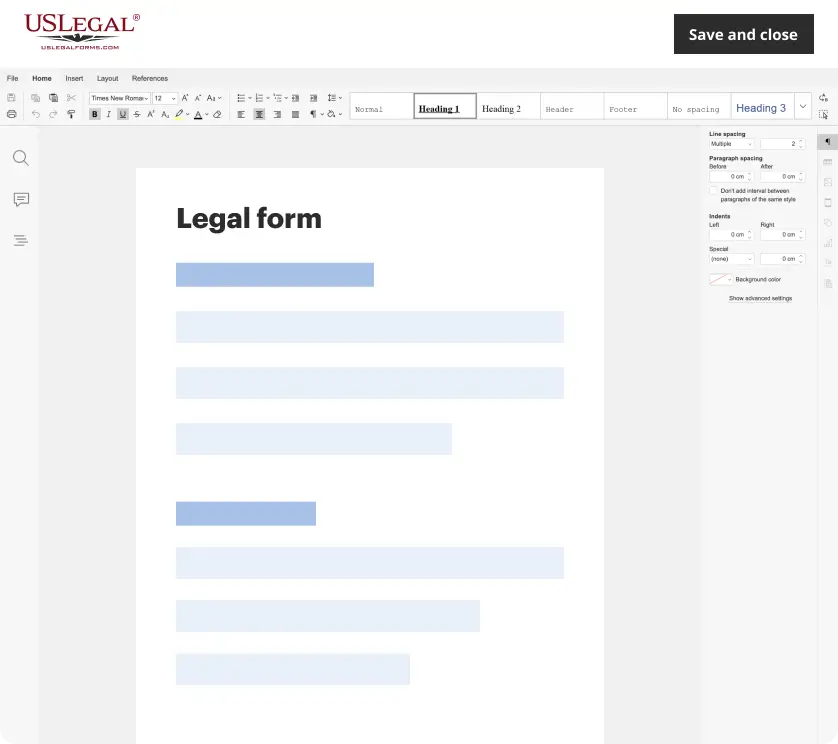
Make edits, fill in missing information, and update formatting in US Legal Forms—just like you would in MS Word.
Download a copy, print it, send it by email, or mail it via USPS—whatever works best for your next step.
Sign and collect signatures with our SignNow integration. Send to multiple recipients, set reminders, and more. Go Premium to unlock E-Sign.

If this form requires notarization, complete it online through a secure video call—no need to meet a notary in person or wait for an appointment.

We protect your documents and personal data by following strict security and privacy standards.
Typical mistakes to avoid
- Failing to specify voting rights for different classes of stock.
- Not including procedures for proxy voting and their limits.
- Ignoring quorum requirements which can lead to invalid meetings.
Benefits of completing this form online
- Convenient download and customizable Word format for easy editing.
- Access to templates created by licensed attorneys, ensuring legal accuracy.
- Quick and efficient turnaround for establishing corporate governance.
Legal use & context
- This form outlines the legal framework for shareholder rights and responsibilities.
- Proper completion ensures enforceability in court should disputes arise.
- Custom provisions may be required depending on the state of incorporation.
What to keep in mind
- The Clauses Relating to Venture Interests form is essential for clearly defining corporate governance.
- Adapt this form carefully to align with local legal requirements.
- Ensure clarity in voting rights to prevent future disputes among stakeholders.
Looking for another form?

Form popularity
FAQ
Complementary resources and capabilities. Unique competencies. Goal compatibility. Financial resources. Human capital. Organizational culture. Historical performance.
Business location. The type of joint venture. Venture details, such as its name, address, purpose, etc. Start and end date of the joint venture. Venture members and their capital contributions. Member duties and obligations. Meeting and voting details.
1) Do you and your prospective joint-venture partner share the same strategic objectives? The time to find out whether the strategic objectives of each party align is before negotiations start. 2) Know what you are trying to accomplish. What would success look like? 3) Develop a game plan before negotiations start.
Know your partner. This is obvious. Know your partner's national culture. Decide on the respective roles in detail at the start. Discuss contingencies before the agreement is signed. Create a detailed joint venture agreement. Clear performance indicators. Establish an open dialogue. Keep good records.
An equity JV is an arrangement whereby a separate legal entity is created in accordance with the agreement of two or more parties. The parties undertake to provide money or other resources as their contribution to the assets or other capital of that legal entity.
A joint venture (JV) is a business arrangement in which two or more parties agree to pool their resources for the purpose of accomplishing a specific task.In a joint venture (JV), each of the participants is responsible for profits, losses, and costs associated with it.
Contribution by partners of money, property, effort, knowledge, skill or other assets to the common undertaking. A joint property interest in the subject matter of the venture. Right of mutual control or management of the enterprise. Right to share in the property.
There's no right or wrong way to split partnership profits, only what works for your business. You can decide to pay each partner a base salary and then split any remaining profits equally, or assign a percentage based on the time and resources each person contributes to the company.
Determine the scope and documenting your objectives, roles and goals. working out the structure of the JV what form will the JV take and how will it be founded. determine the dispute resolution & exit strategy what if things don't work out? records and confidentiality.