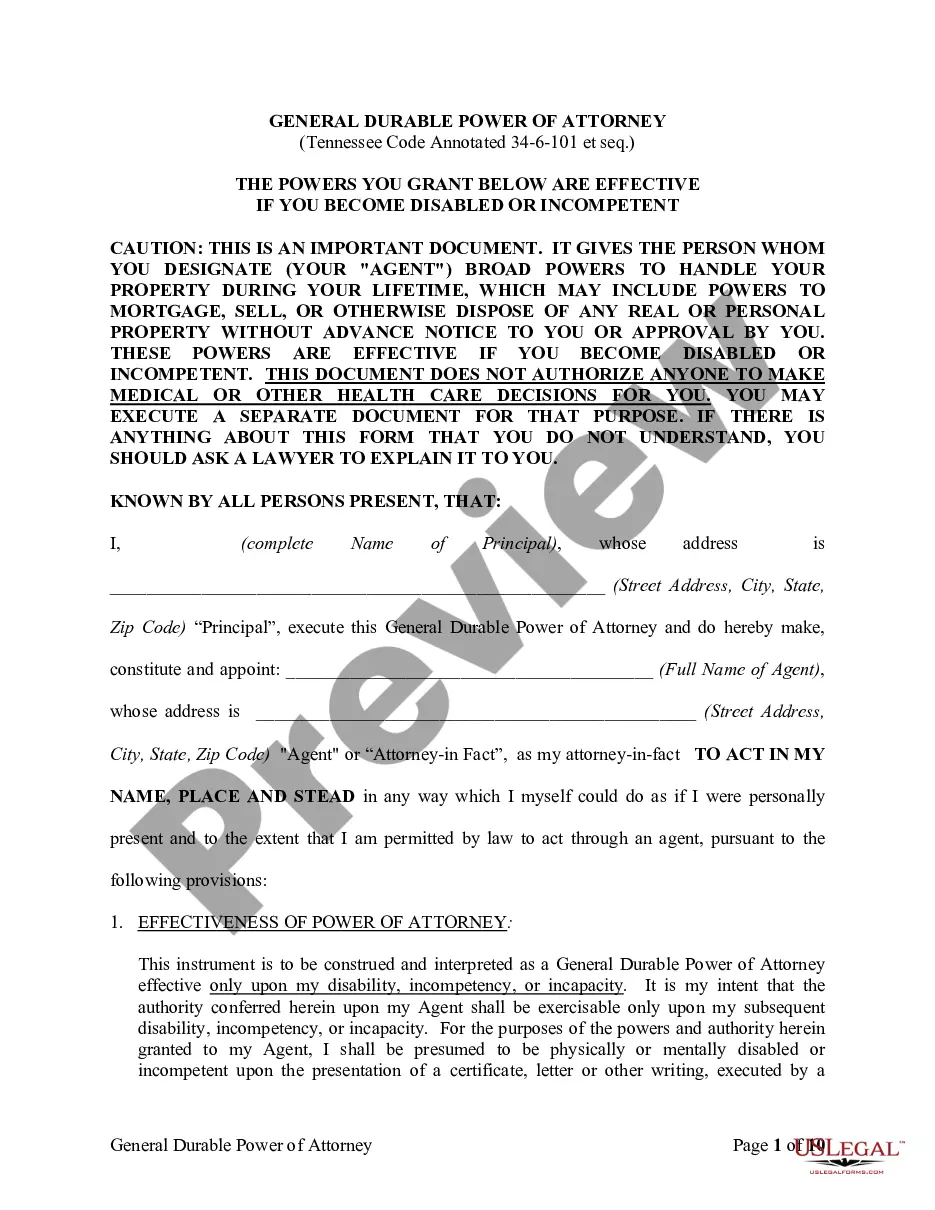
Utah Closing Statement

Overview of this form
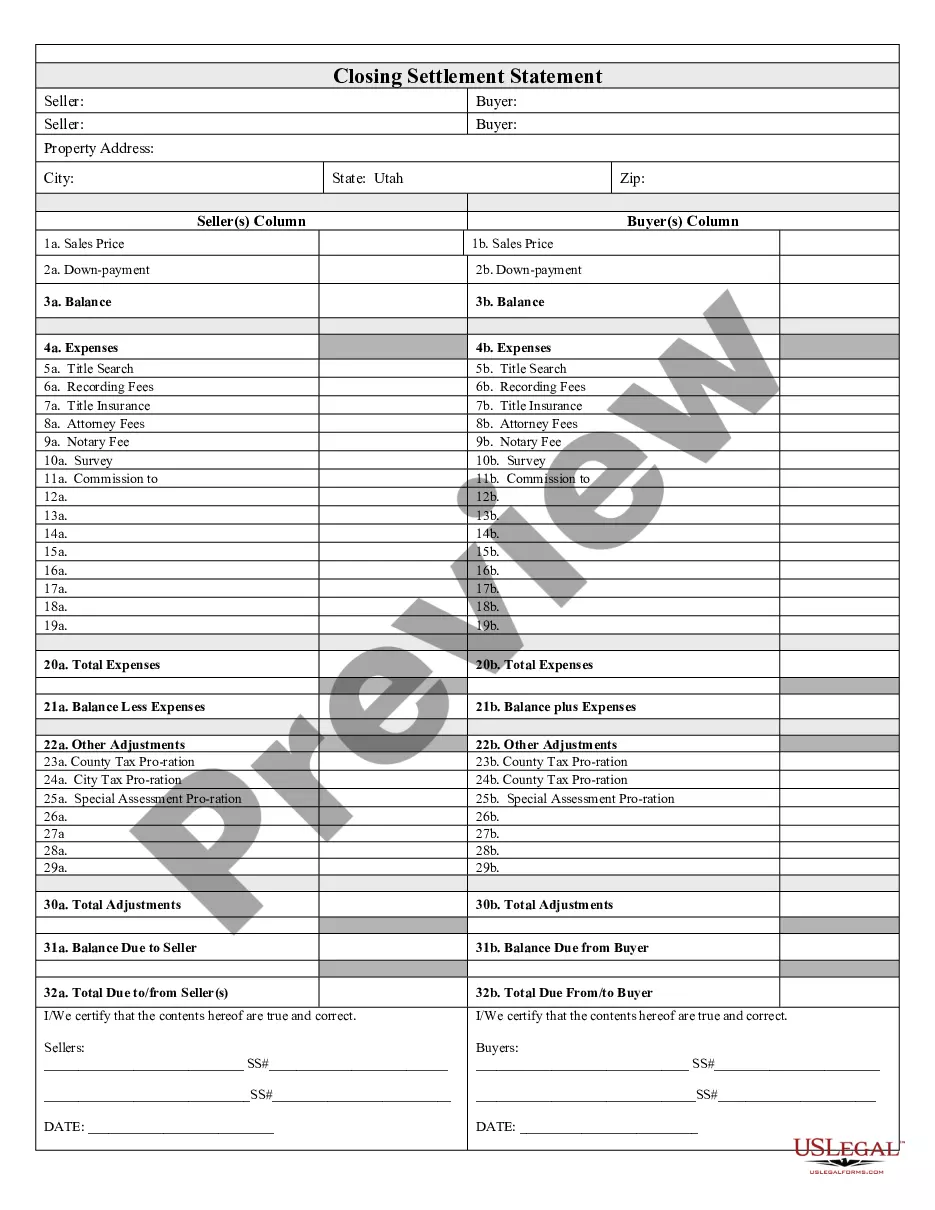
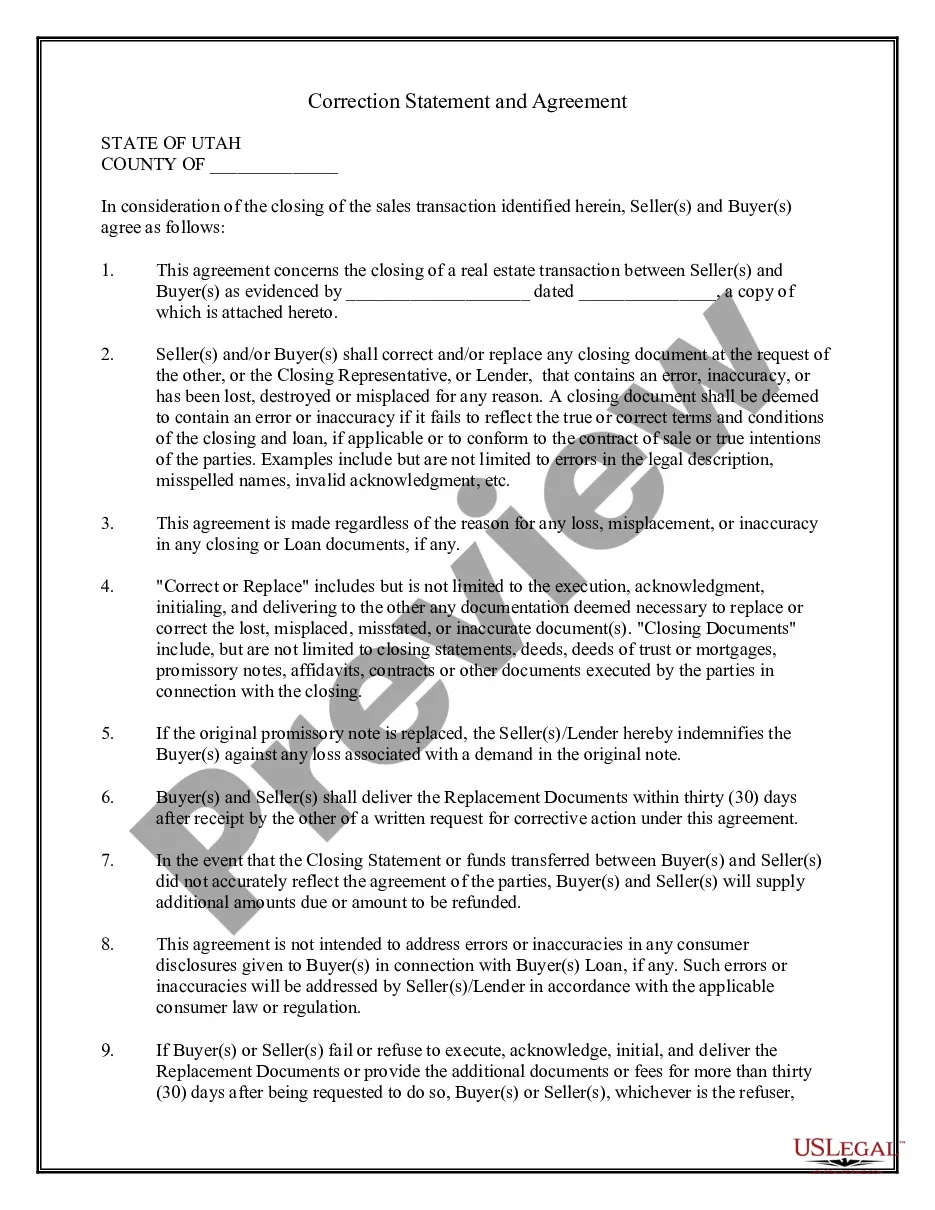
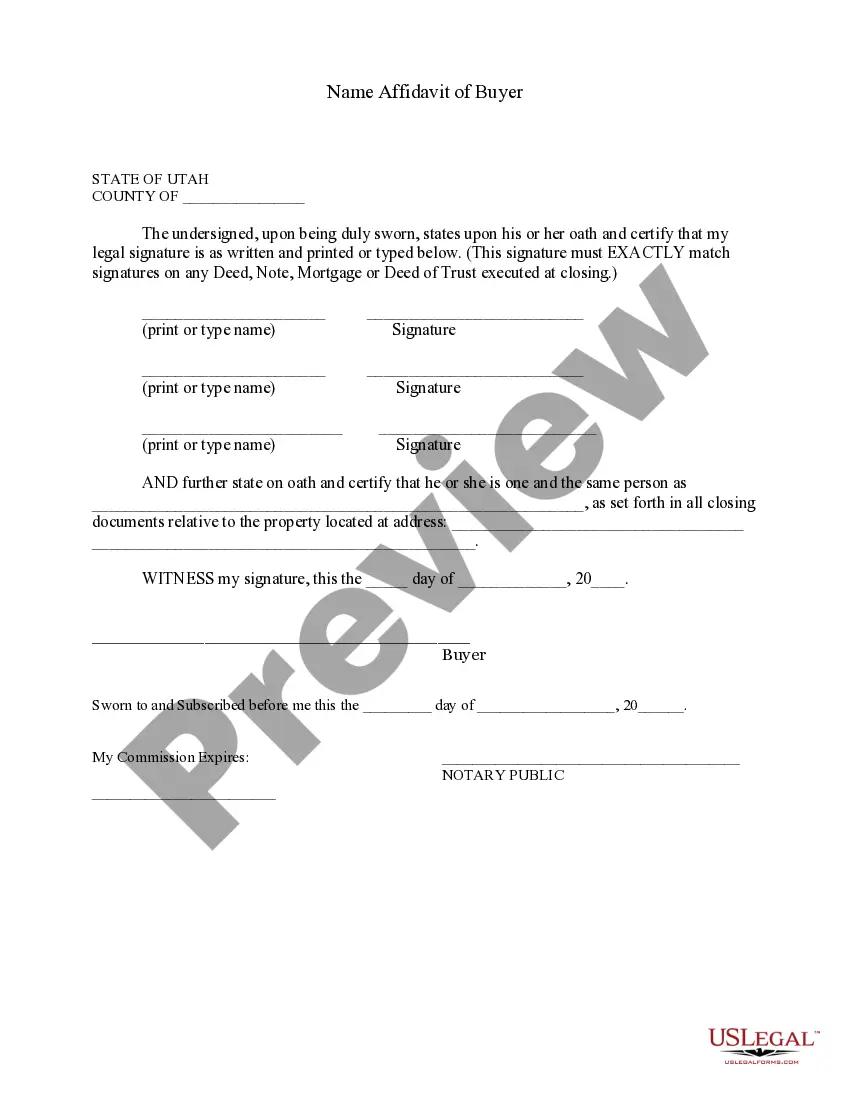
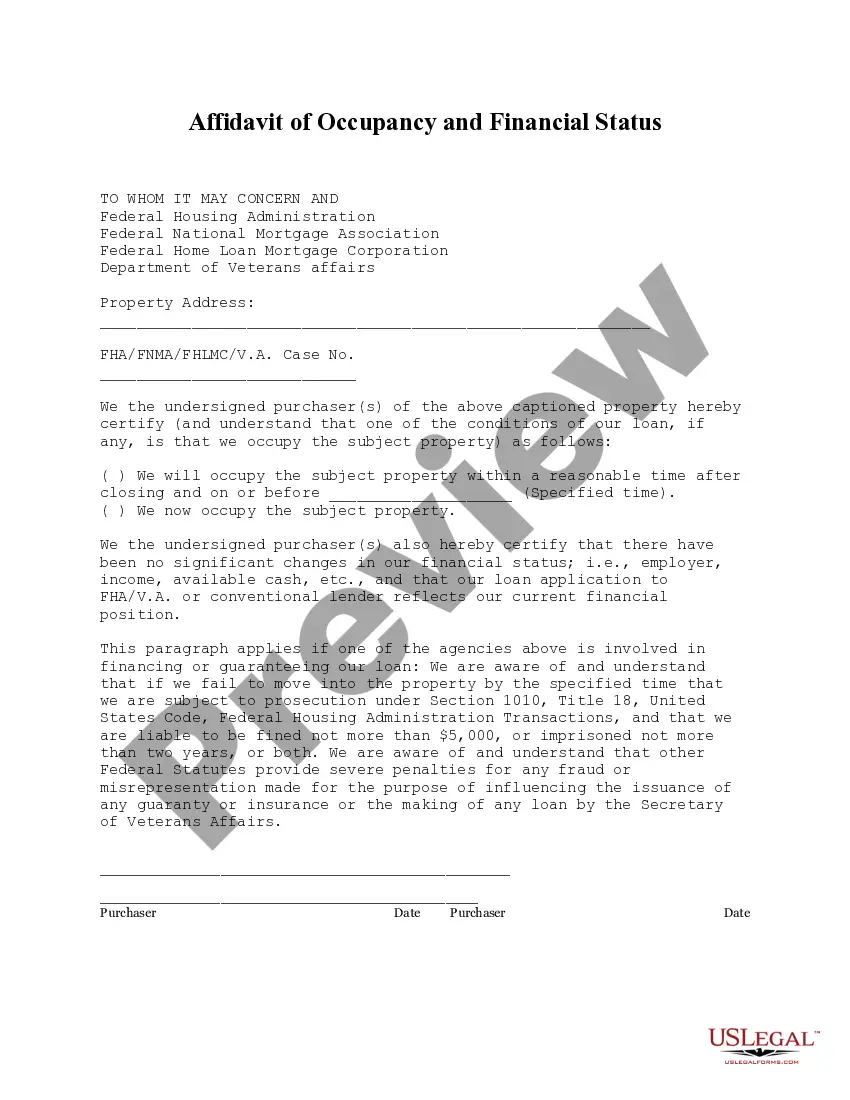
The Closing Statement is a critical document used in real estate transactions, particularly in cash sales or owner-financed transactions. This form provides a detailed summary of all financial aspects of the sale, including expenses, adjustments, and balances owed. It serves as a settlement statement that is verified and signed by both the seller and buyer, ensuring clarity and compliance with legal requirements.
Key parts of this document
- Balance: Total amounts due to the seller and from the buyer.
- Expenses: Detailed breakdown of costs involved in the transaction.
- Title Search: Information regarding checks on property ownership and claims.
- Recording Fees: Costs associated with filing the sale with local authorities.
- Title Insurance: Protection against losses arising from title defects.
- Attorney Fees: Legal costs incurred during the transaction.
- Notary Fee: Charges for notarizing signatures.
- Survey: Costs related to property surveys, if applicable.
- Commissions: Payments to real estate agents involved in the transaction.
- Total Adjustments: Summary of all adjustments made in final calculations.

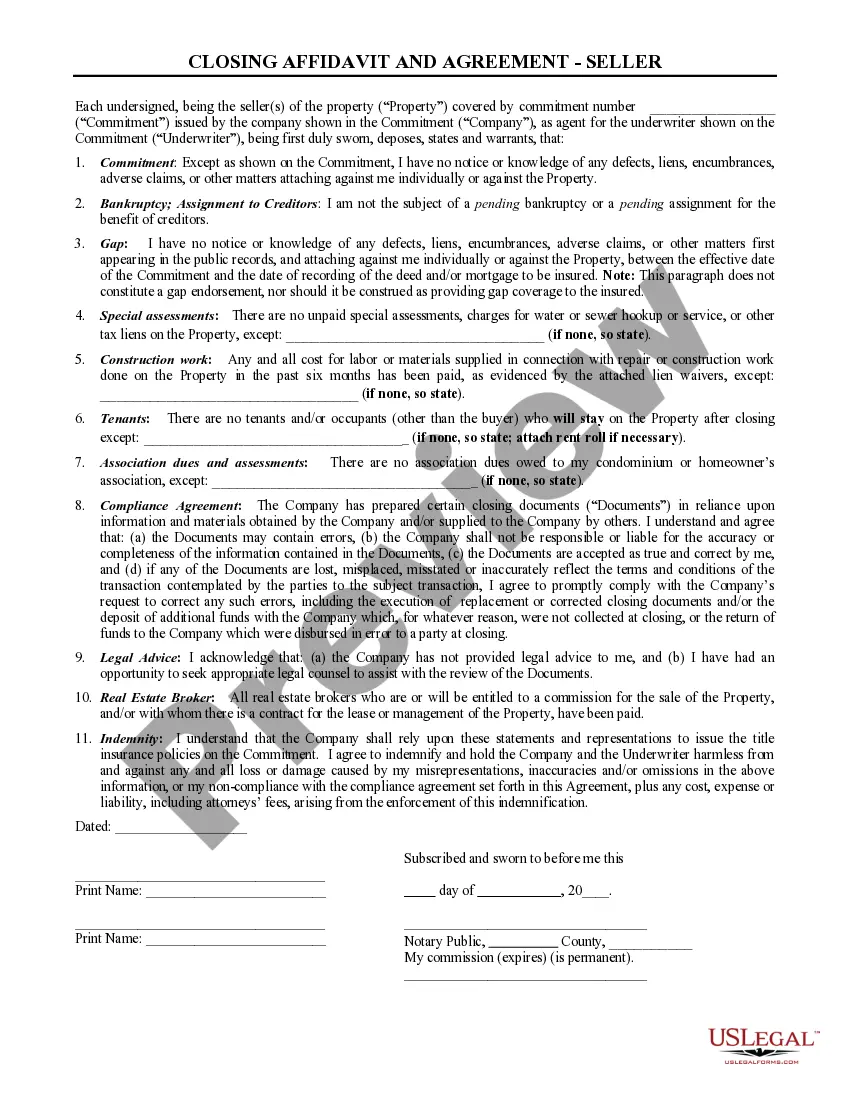
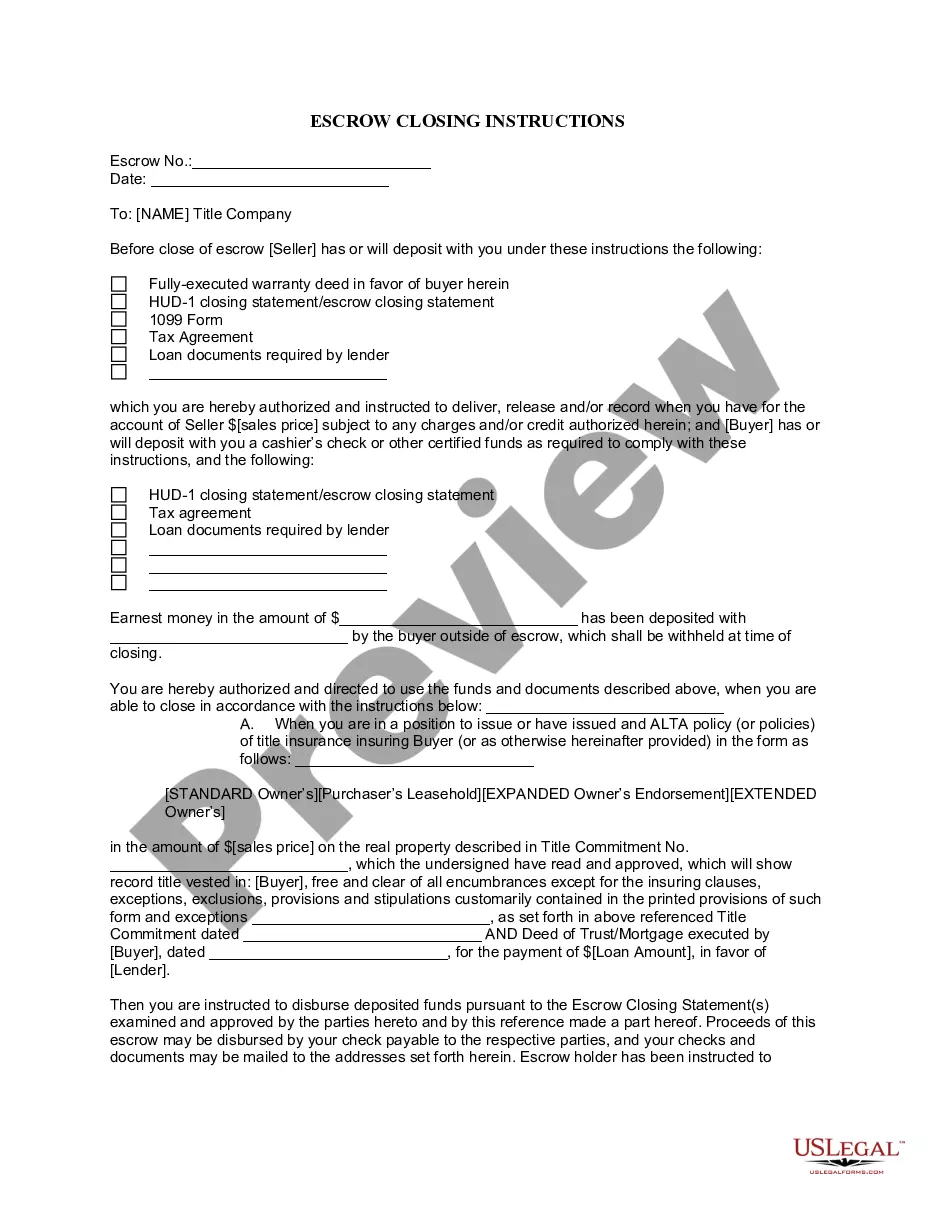
Common use cases
This form should be used whenever a real estate transaction is finalized, particularly in cash sales or transactions that involve owner financing. It is essential for both sellers and buyers to have a clear understanding of all financial elements involved, ensuring transparency and accurate record-keeping.
Who needs this form
- Sellers of real estate properties who need to provide a detailed account of sales transactions.
- Buyers in transactions where clarity of financial obligations is necessary.
- Real estate agents and attorneys involved in the facilitation of the sale.
- Individuals engaged in owner financing arrangements.
Completing this form step by step
- Identify the parties involved in the transaction, including sellers and buyers.
- Enter the property details and transaction information clearly.
- List all expenses associated with the transaction accurately.
- Calculate total adjustments and balances, ensuring all figures are correct.
- Both parties should verify the information before signing and dating the form.
Does this document require notarization?
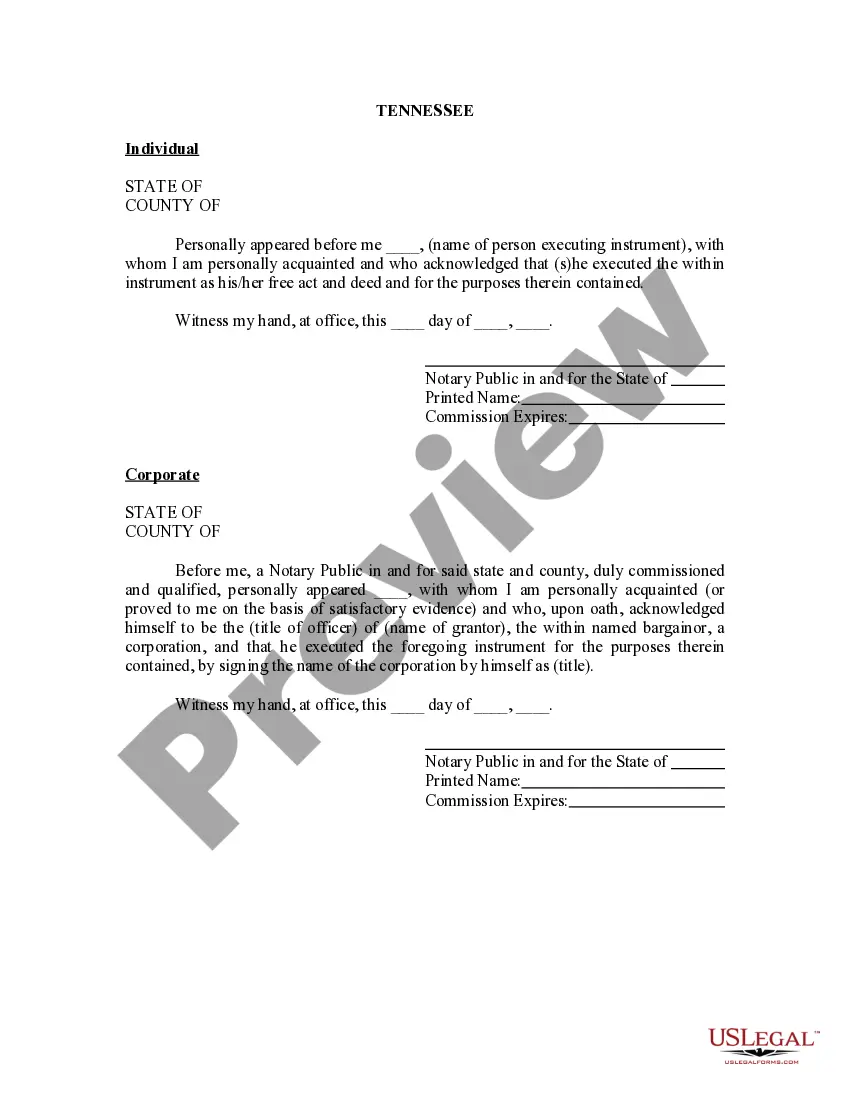
Notarization is required for this form to take effect. Our online notarization service, powered by Notarize, lets you verify and sign documents remotely through an encrypted video session, available 24/7.
Get your form ready online
Our built-in tools help you complete, sign, share, and store your documents in one place.
Make edits, fill in missing information, and update formatting in US Legal Forms—just like you would in MS Word.
Download a copy, print it, send it by email, or mail it via USPS—whatever works best for your next step.
Sign and collect signatures with our SignNow integration. Send to multiple recipients, set reminders, and more. Go Premium to unlock E-Sign.
If this form requires notarization, complete it online through a secure video call—no need to meet a notary in person or wait for an appointment.
We protect your documents and personal data by following strict security and privacy standards.

Make edits, fill in missing information, and update formatting in US Legal Forms—just like you would in MS Word.

Download a copy, print it, send it by email, or mail it via USPS—whatever works best for your next step.

Sign and collect signatures with our SignNow integration. Send to multiple recipients, set reminders, and more. Go Premium to unlock E-Sign.

If this form requires notarization, complete it online through a secure video call—no need to meet a notary in person or wait for an appointment.

We protect your documents and personal data by following strict security and privacy standards.
Common mistakes
- Failing to include all relevant expenses, leading to inaccurate final balances.
- Not updating the balance amounts after adjustments are made.
- Omitting signatures or dates from either party, rendering the document invalid.
- Misunderstanding local tax prorations and their implications on final amounts.
Benefits of completing this form online
- Convenient access to a legally vetted document format that saves time.
- Editability allows users to tailor the form to their specific transaction details.
- Reliable templates ensure compliance with standard legal requirements.
- Quick downloads mean you can have the necessary forms ready when needed.
Looking for another form?
Form popularity
FAQ
And while they are two separate policies (and again, not legally required), it's generally customary for a lender to request both. As mentioned, it is typical for the seller to pay for an owner's policy and the buyer usually pays for the lender's policy.
A closing statement is a document that records the details of a financial transaction. A home buyer who finances the purchase will receive a closing statement from the bank, while the home seller will receive one from the real estate agent who handled the sale.
How will it be shown on the closing statement? this amount will be included in the seller's expenses later under disbursements in the broker's Statement section of the closing statement.
The Closing Disclosure form is issued at least three days before you sign the mortgage documents. It is a final accounting of your loan's interest rate and fees, mortgage closing costs, your monthly mortgage payment and the grand total of all payments and finance charges.
A closing agent prepares the closing statement, which is settlement sheet. It's a comprehensive list of every expense that the buyer and seller must pay to complete the real estate transaction. Fees listed on this sheet include commissions, mortgage insurance, and property tax deposits.
The attorney is responsible for preparing all necessary closing documents, scheduling the closing, explaining all necessary closing documents and having them properly executed and recorded. You will receive copies of most closing documents, including an itemized record of all money paid by you on your behalf.
The settlement statement is prepared by an impartial third party to the transaction, usually an officer with the title or escrow company that performs the closing. In California, both the buyer and the seller sign the HUD-1 settlement statement at closing.
Closing costs are all of the fees and expenses associated with the closing or settlement of a real estate transaction, and they can vary dramatically. The buyer typically pays the closing costs, while other costs are usually the responsibility of the seller.
A closing agent prepares the closing statement, which is settlement sheet. It's a comprehensive list of every expense that the buyer and seller must pay to complete the real estate transaction. Fees listed on this sheet include commissions, mortgage insurance, and property tax deposits.