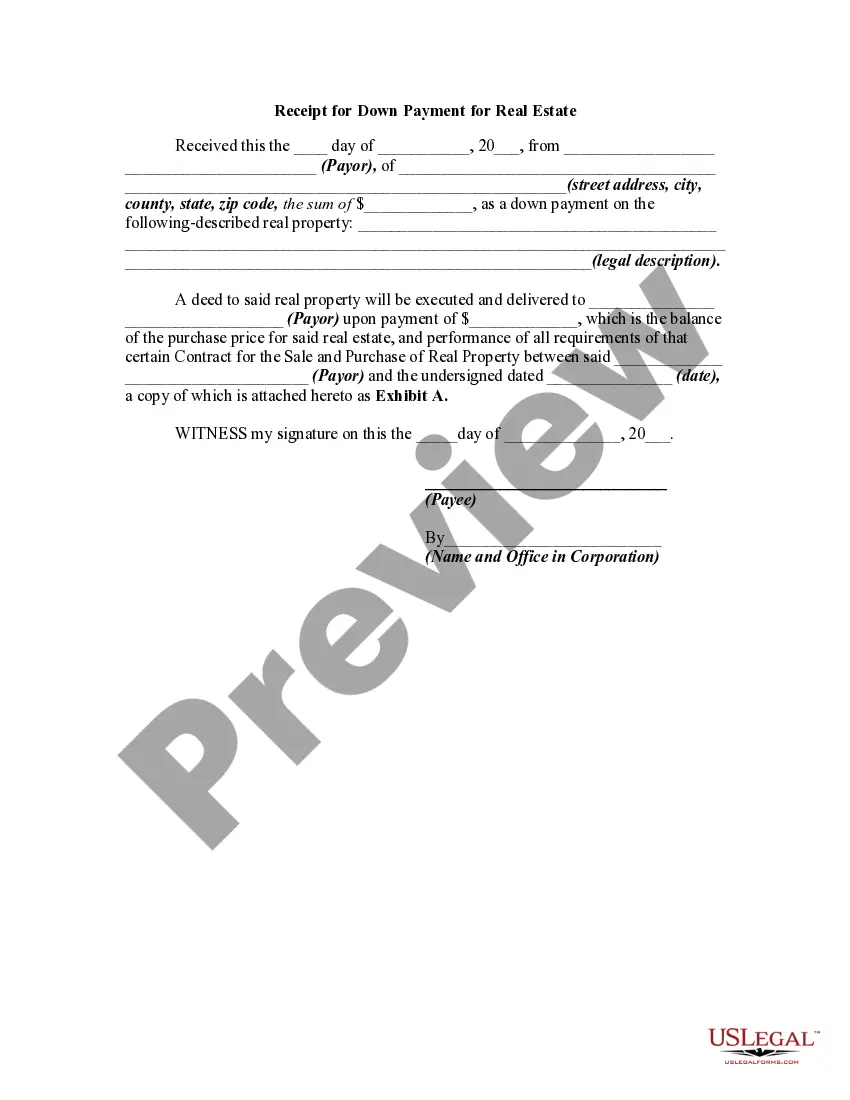
Vermont Receipt for Down Payment for Real Estate
Description
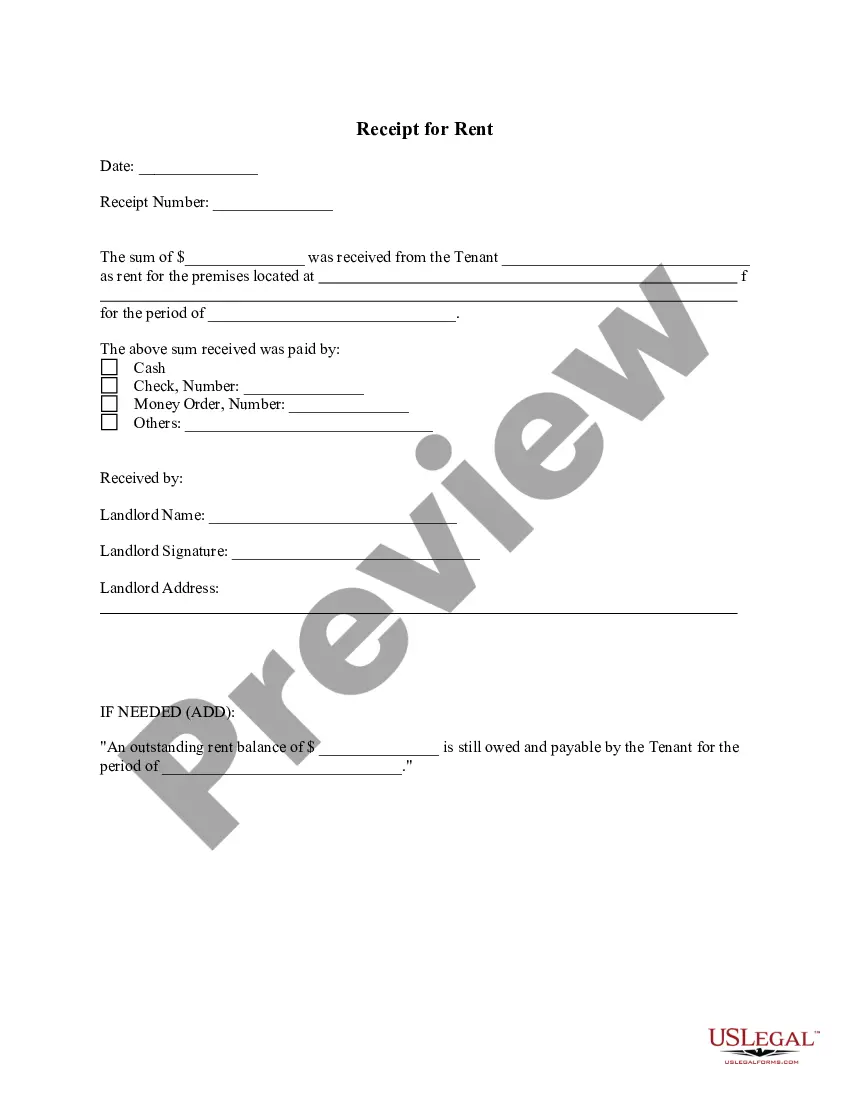
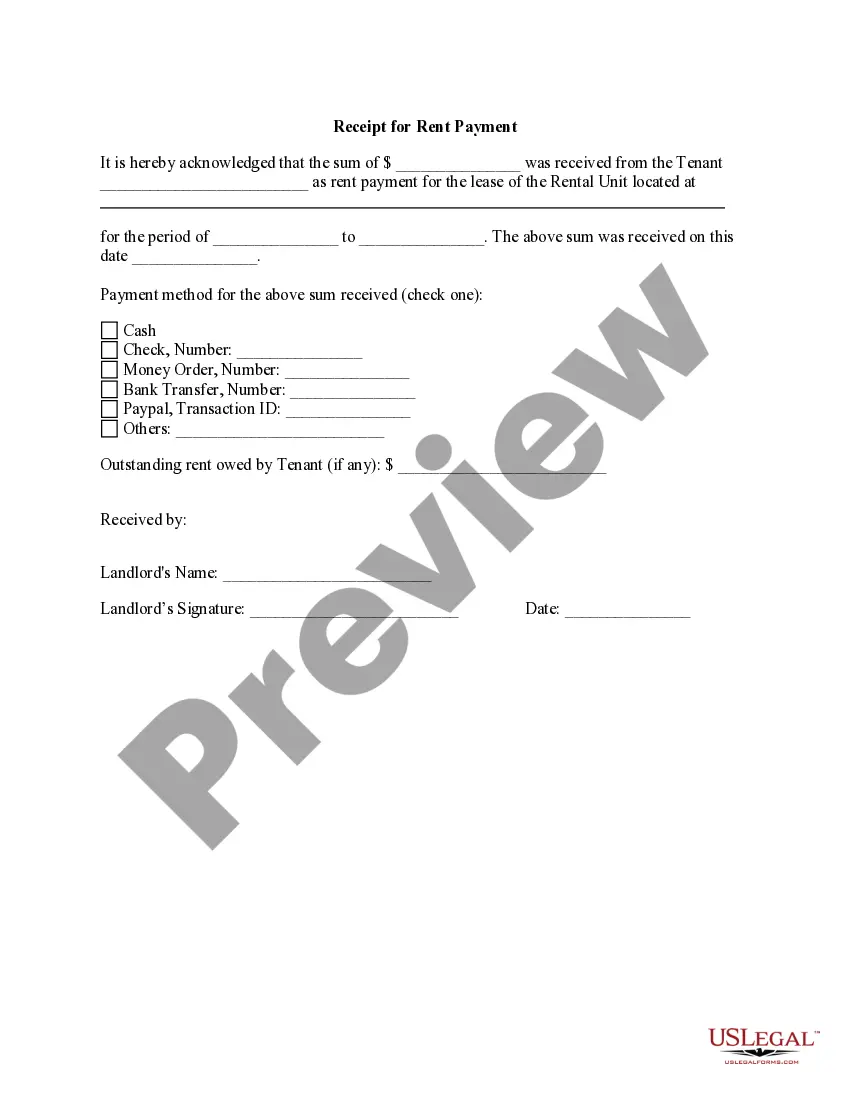
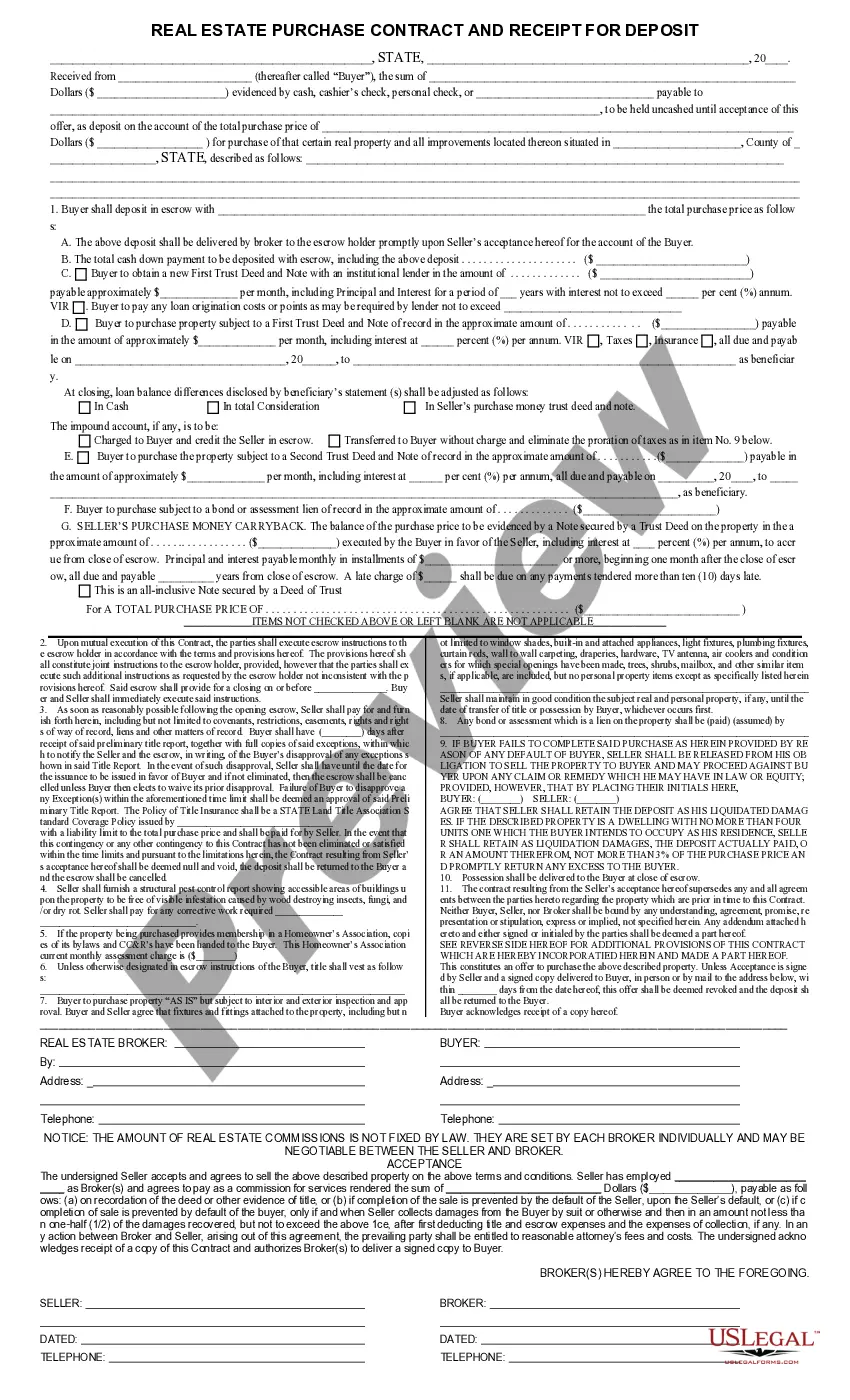
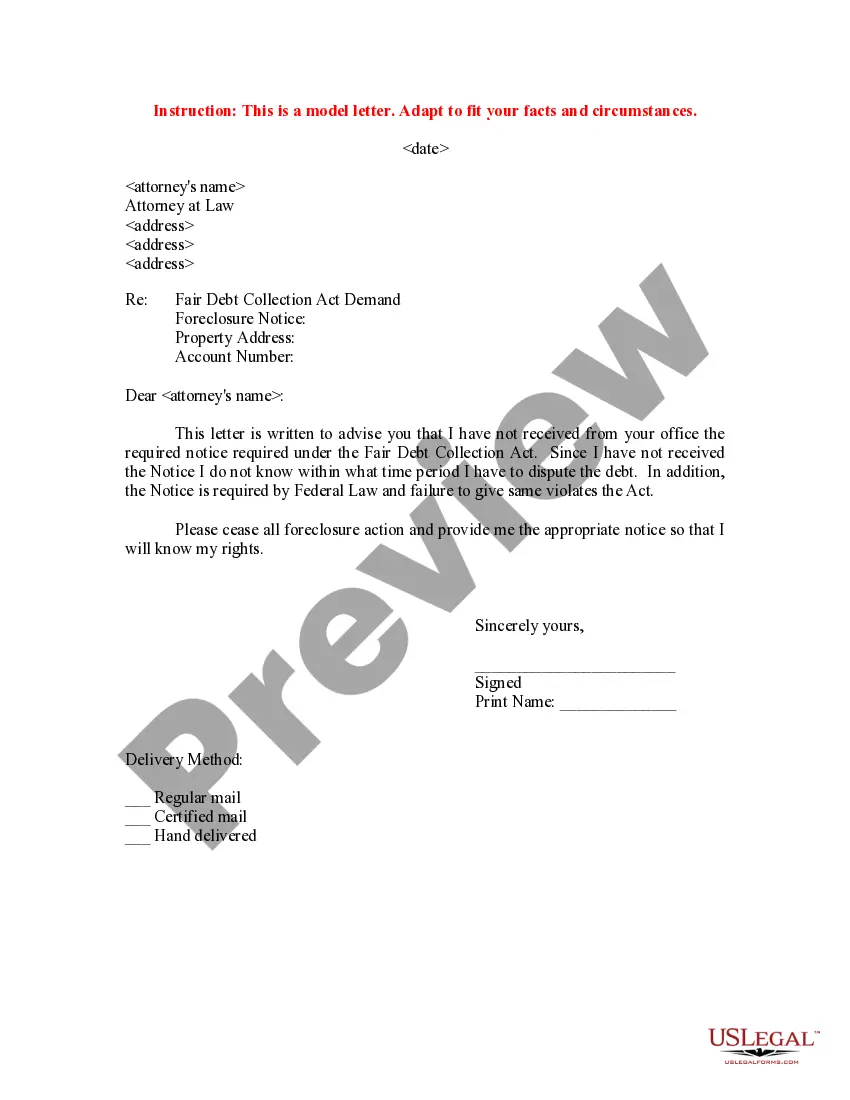
How to fill out Receipt For Down Payment For Real Estate?
If you need to obtain, acquire, or print legal document templates, use US Legal Forms, the largest collection of legal forms available online.
Utilize the site's simple and convenient search to locate the documents you require.
Various templates for business and personal purposes are categorized by groups and states or keywords.
Step 4. After locating the form you need, click the Buy now button. Choose your desired payment plan and enter your details to register for an account.
Step 5. Complete the transaction. You can use your credit card, debit card, or PayPal account to finalize the purchase.
- Use US Legal Forms to find the Vermont Receipt for Down Payment for Real Estate with just a few clicks.
- If you are already a US Legal Forms member, Log In to your account and click the Download button to get the Vermont Receipt for Down Payment for Real Estate.
- You can also access forms you previously saved in the My documents tab of your account.
- If you're using US Legal Forms for the first time, follow the steps below.
- Step 1. Ensure you have selected the form for the correct city/state.
- Step 2. Utilize the Preview feature to review the contents of the form. Remember to read the description.
- Step 3. If you are not satisfied with the form, use the Search box at the top of the screen to find other types of legal document templates.
Form popularity
FAQ
Typically, the seller pays the local transfer tax in Vermont, which is applied at the time of the property transfer. However, this can be negotiated between the buyer and seller during the sale agreement. Knowing this can help both parties understand their financial responsibilities better. Clarity on these financial obligations is beneficial when preparing your Vermont Receipt for Down Payment for Real Estate.
To transfer a deed in Vermont, you must prepare and sign a new deed that clearly states the transfer of property. The deed must be recorded at the town clerk's office to make it legally effective. It's often advisable to work with a legal professional to ensure the process is handled correctly. Completing this step efficiently contributes to a smooth process for your Vermont Receipt for Down Payment for Real Estate.
In Vermont, property tax is assessed based on the value of your property. Local municipalities determine the tax rate, which may vary throughout the state. Homeowners receive a property tax bill annually, and these funds help support public services such as schools and infrastructure. Understanding this can be crucial, especially when preparing your Vermont Receipt for Down Payment for Real Estate.
To find your Vermont property tax bill, start by visiting your local town or city’s official website. Many municipalities provide an online portal where you can access your tax information. You can also contact your local tax assessor’s office directly for assistance. If you're purchasing real estate, understanding your Vermont Receipt for Down Payment for Real Estate may help you better manage your property tax responsibilities.
Real estate taxes in Vermont vary by municipality; the average effective tax rate is about 1.76%. Local governments assess their properties to determine tax bills. Homeowners should review their assessments to ensure they are fair and accurate. When making your down payment, keeping all paperwork, including the Vermont Receipt for Down Payment for Real Estate, organized is important.
The property tax relief program in Vermont aims to assist homeowners who struggle to meet their tax obligations. This program may offer reductions based on factors such as income and property value. Learning about this program can help you manage your property expenses effectively. When exploring options, knowing the Vermont Receipt for Down Payment for Real Estate can help solidify your understanding of related financial topics.
Non-resident property tax in Vermont applies to individuals who own property in the state but do not reside there. This tax structure is specifically tailored to address the unique circumstances of non-resident property owners. Staying informed about this tax can assist in budgeting for real estate investments. The Vermont Receipt for Down Payment for Real Estate can provide further insights into your financial commitments.
To avoid Vermont estate tax, consider various estate planning strategies such as gifting assets or establishing trusts. These steps can help minimize the taxable amount after your passing. Knowing the Vermont Receipt for Down Payment for Real Estate may enhance your awareness of financial implications related to estate planning. It’s advisable to consult a tax professional for tailored guidance.
Abatement of property taxes in Vermont refers to the reduction or elimination of property taxes for certain eligible taxpayers. This can benefit low-income homeowners or those facing financial hardship. Understanding this can assist you in planning for real estate expenses. Utilizing the Vermont Receipt for Down Payment for Real Estate may also offer guidance on related financial obligations.
Yes, Vermont imposes a capital gains tax on the sale of real estate. When you sell a property at a profit, you might owe taxes based on the profit you make. It's crucial to understand how this tax can affect your overall financial plan. The Vermont Receipt for Down Payment for Real Estate can help clarify your financial responsibilities when purchasing property.