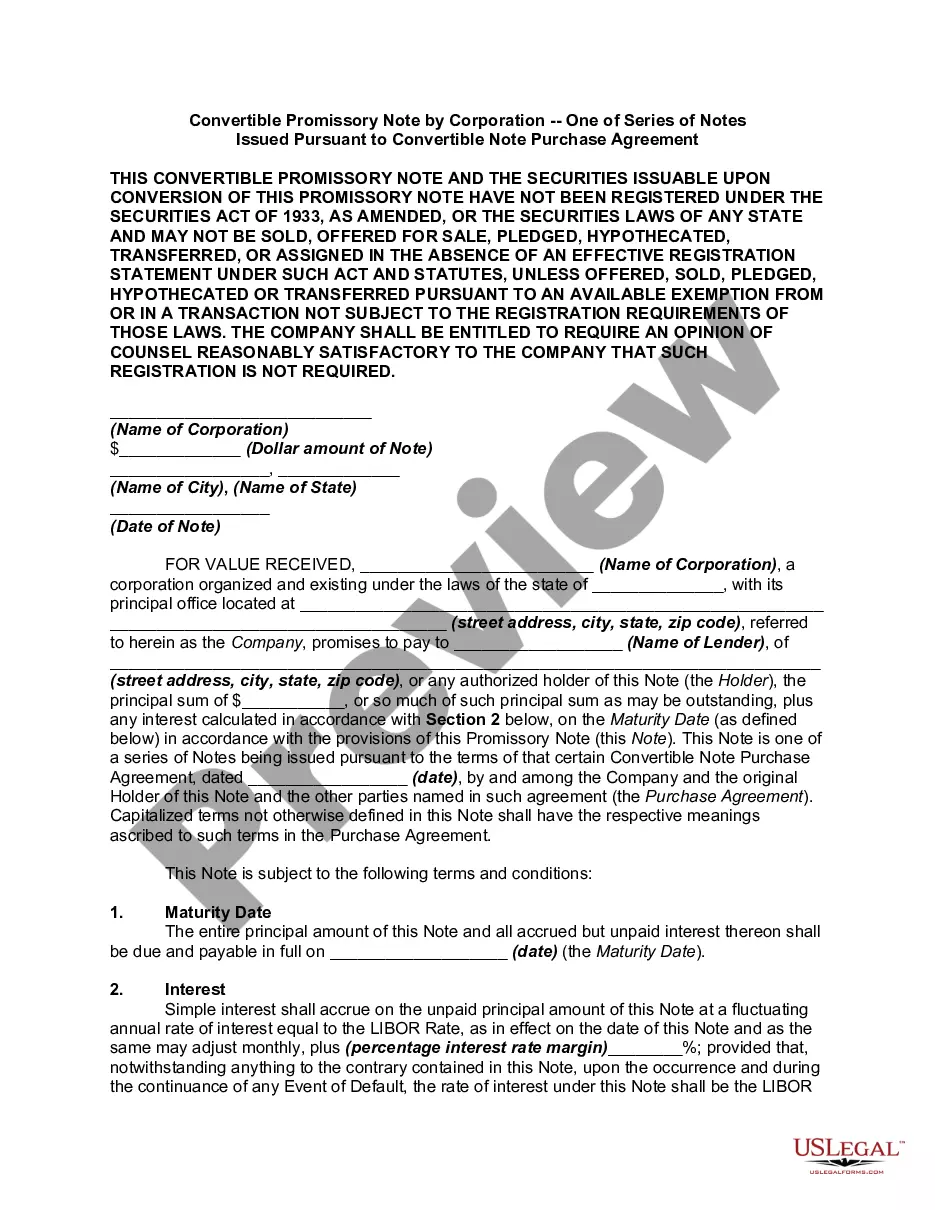
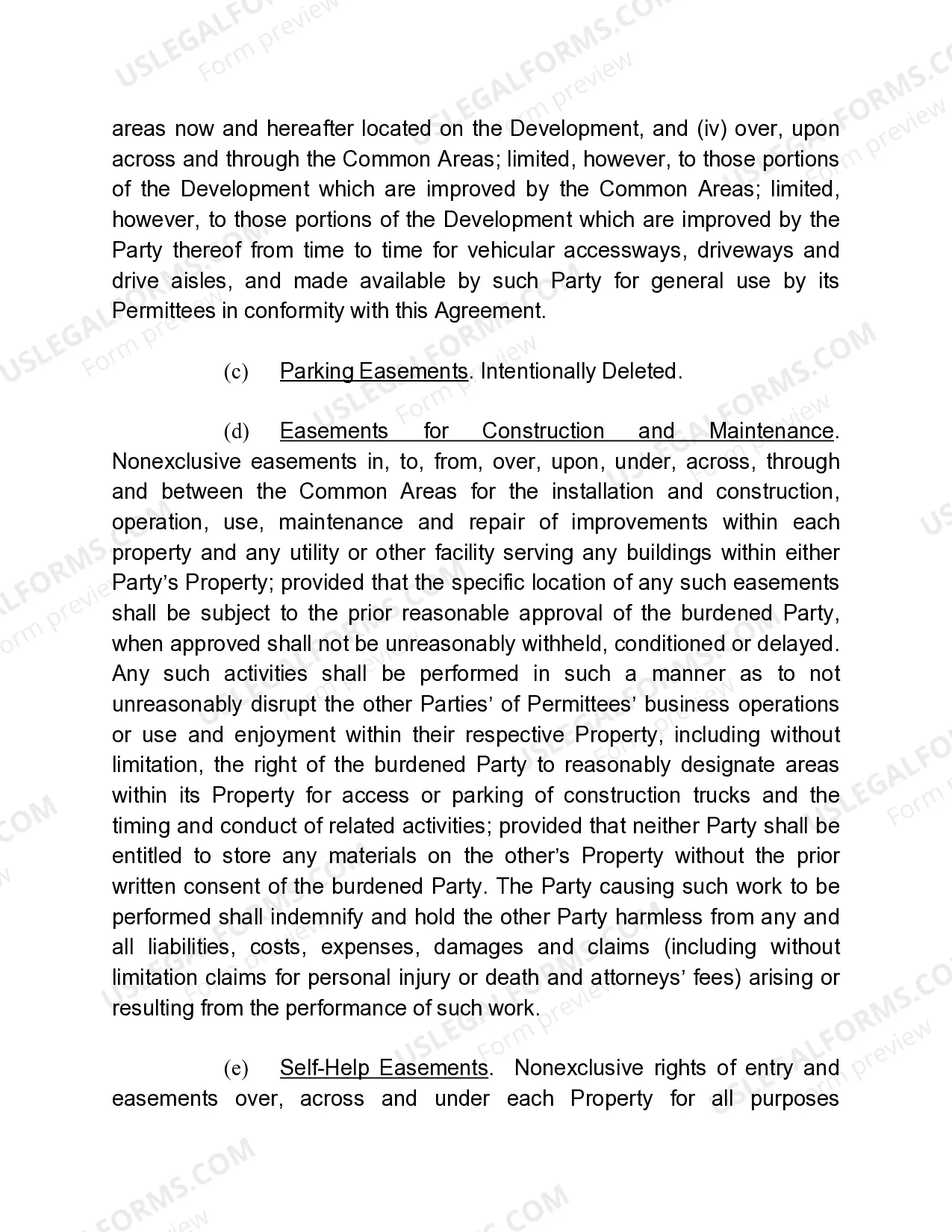
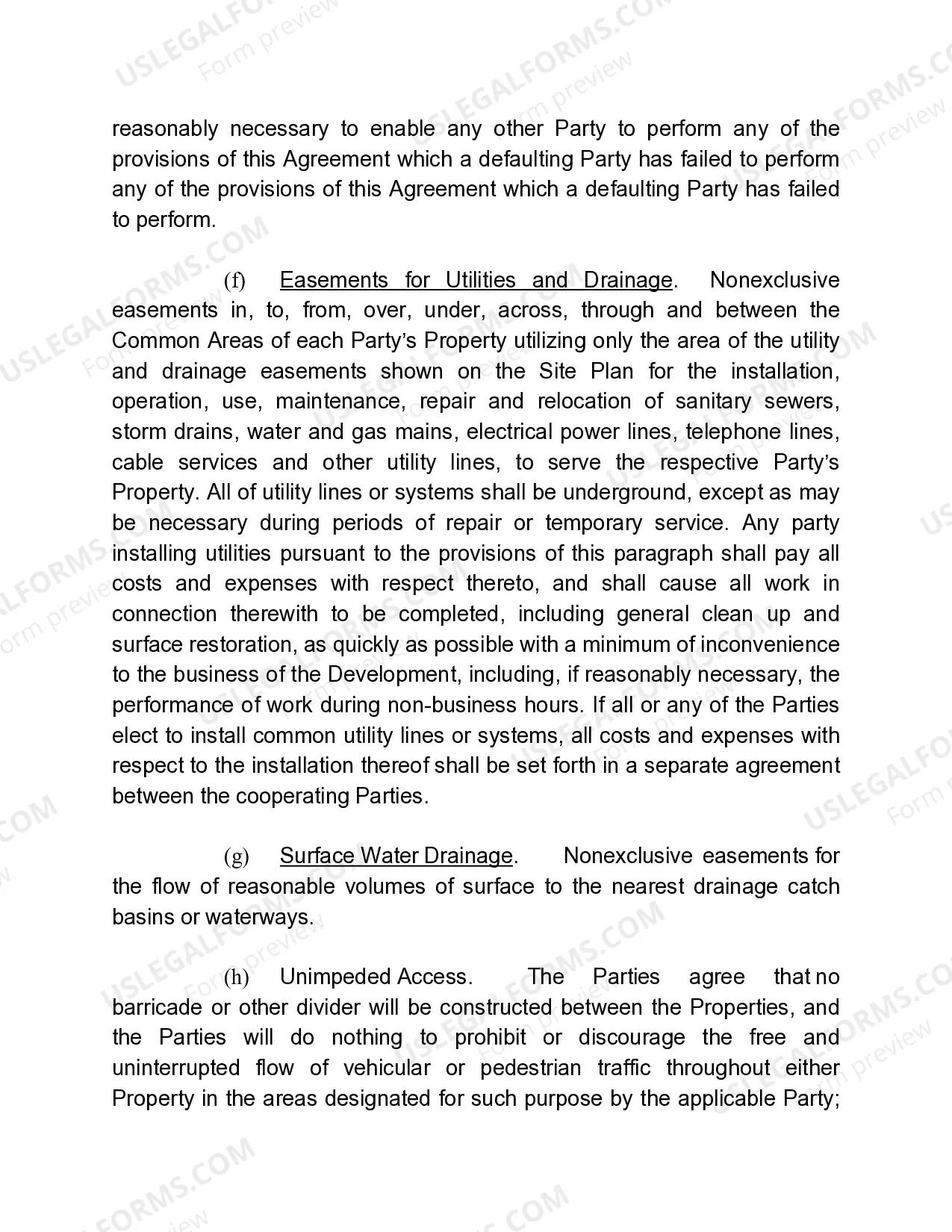
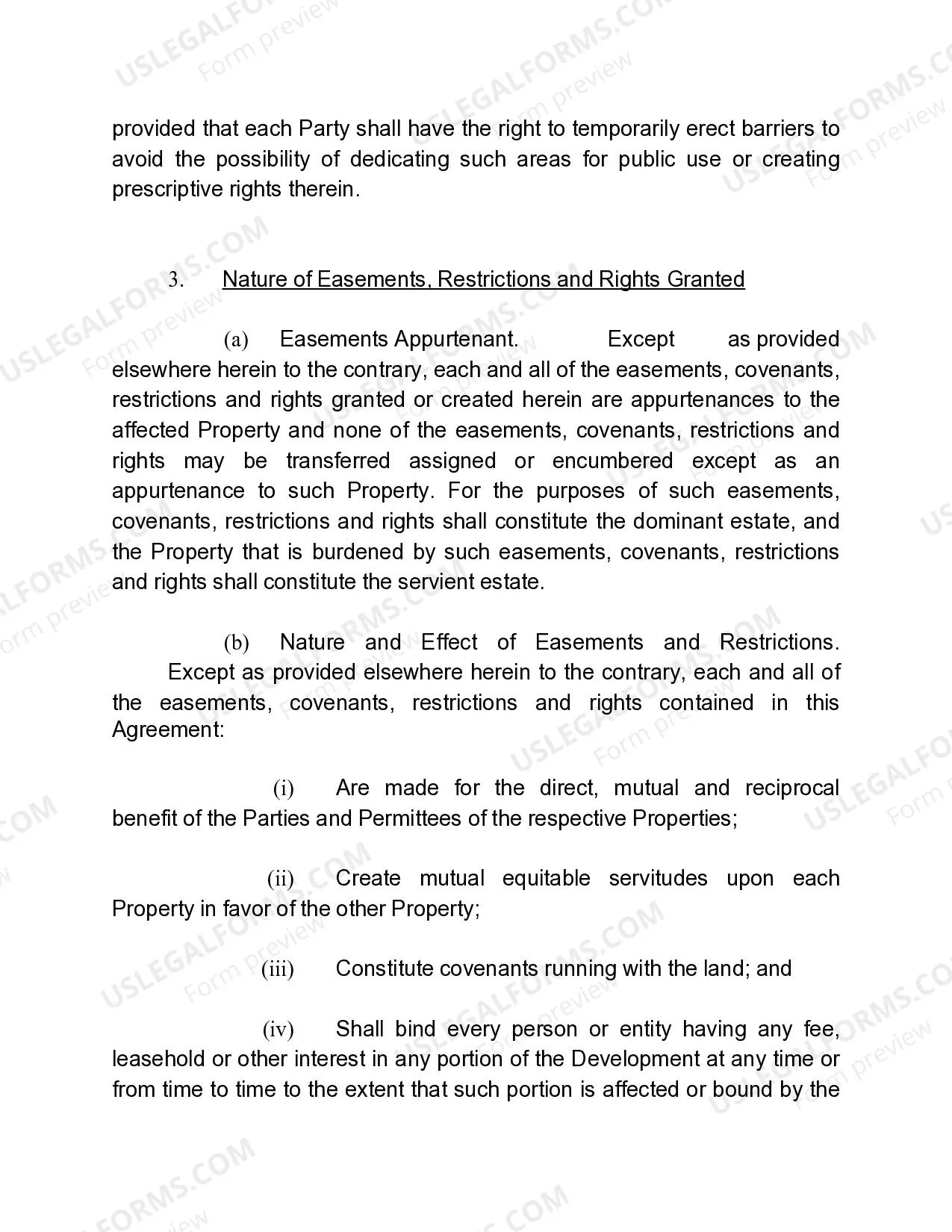
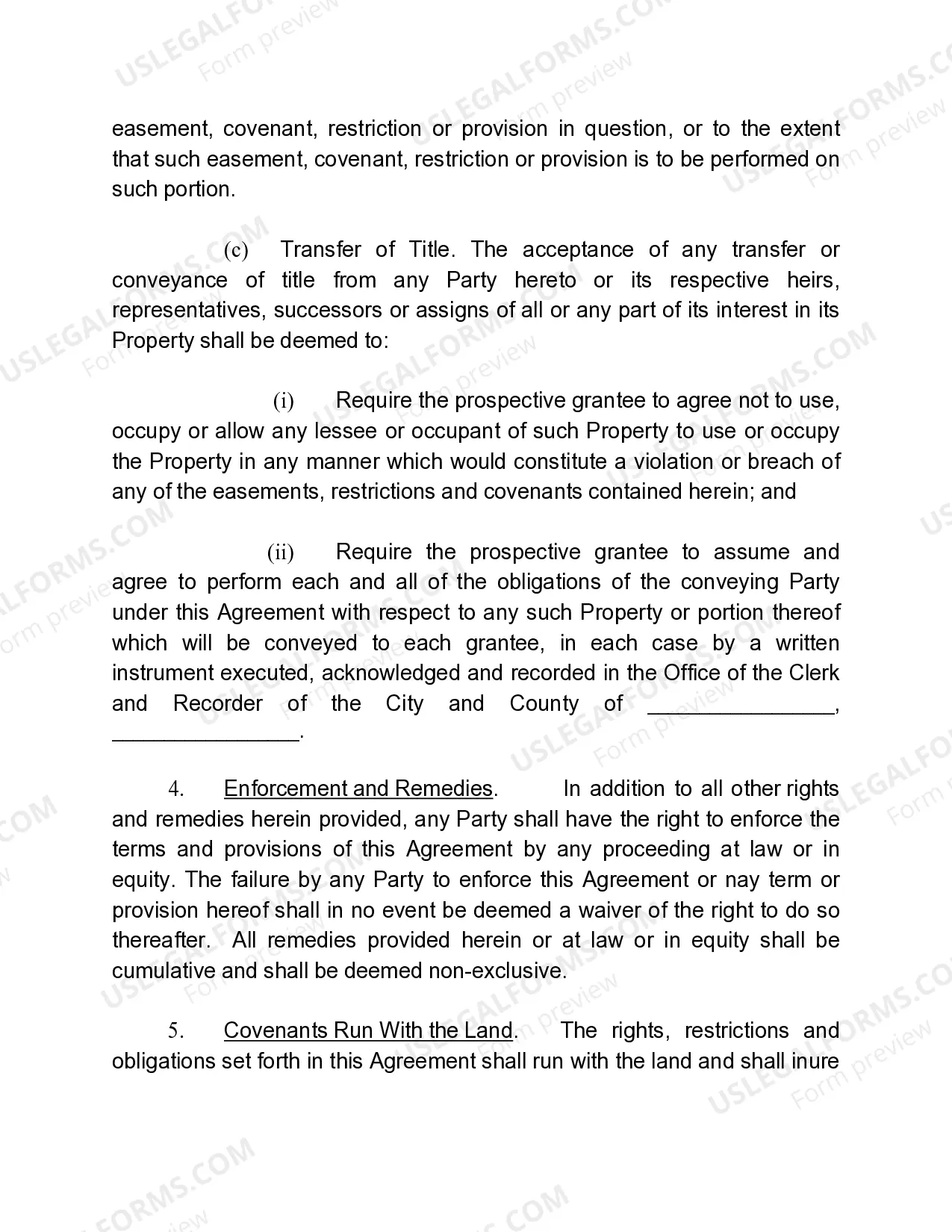
Centennial Colorado Reciprocal Easement Agreement
Description
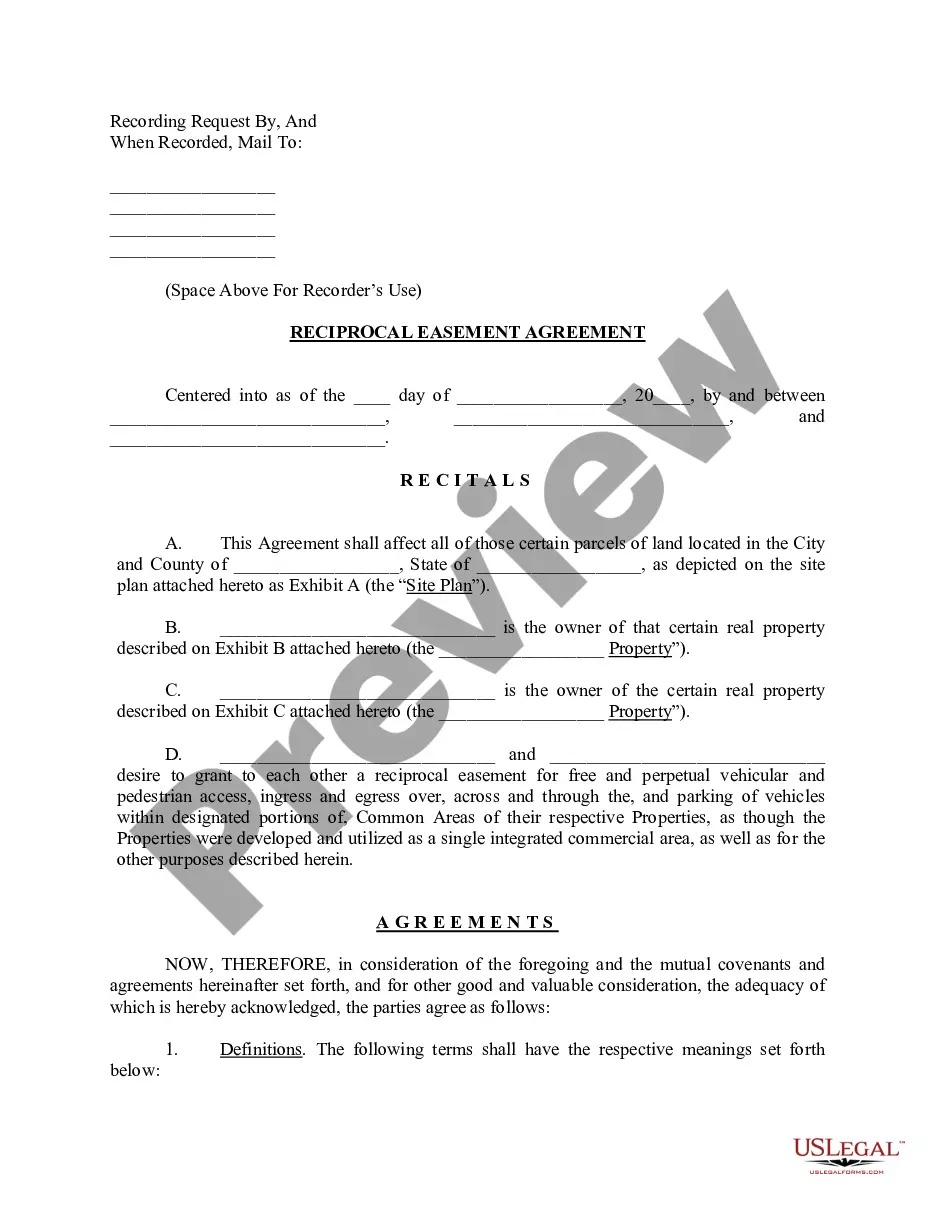
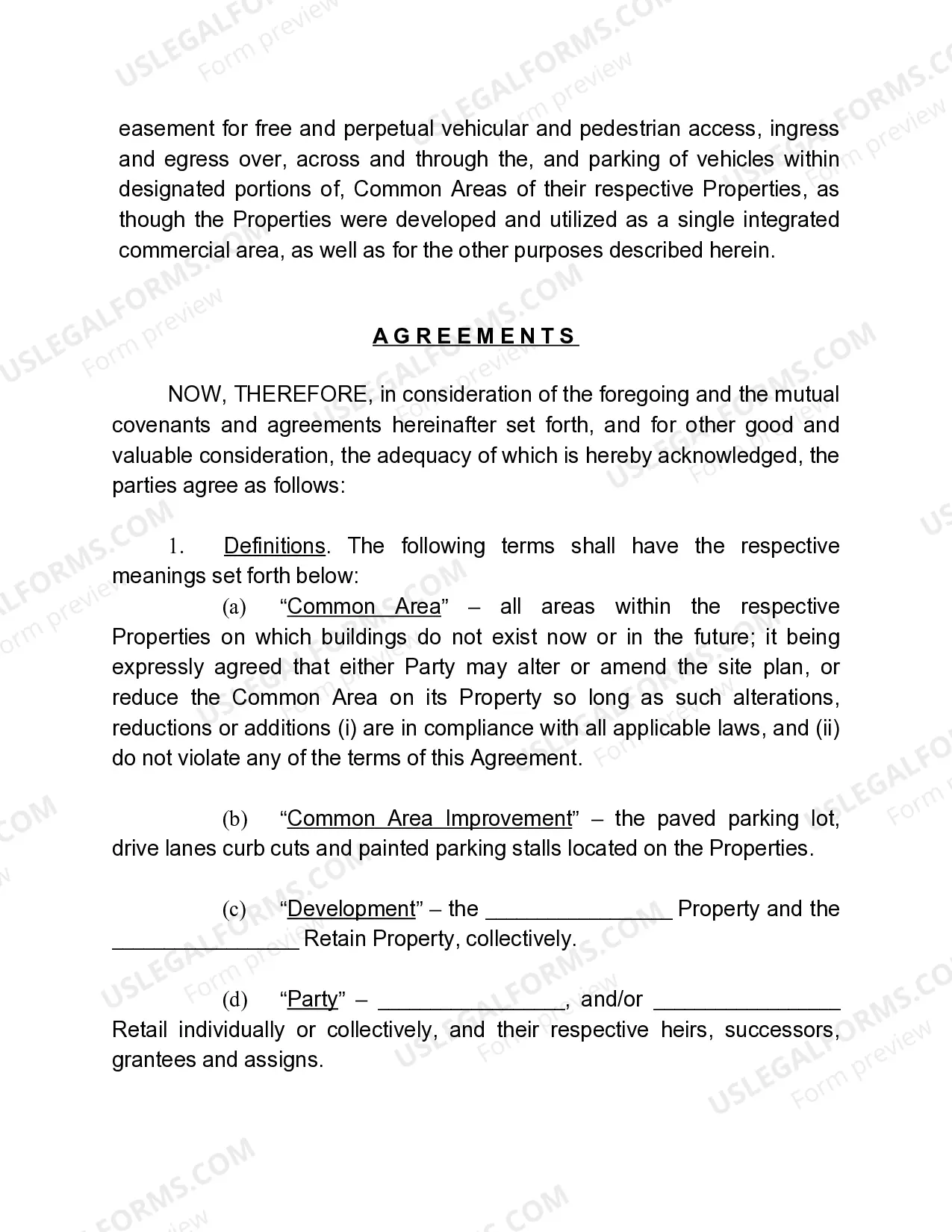
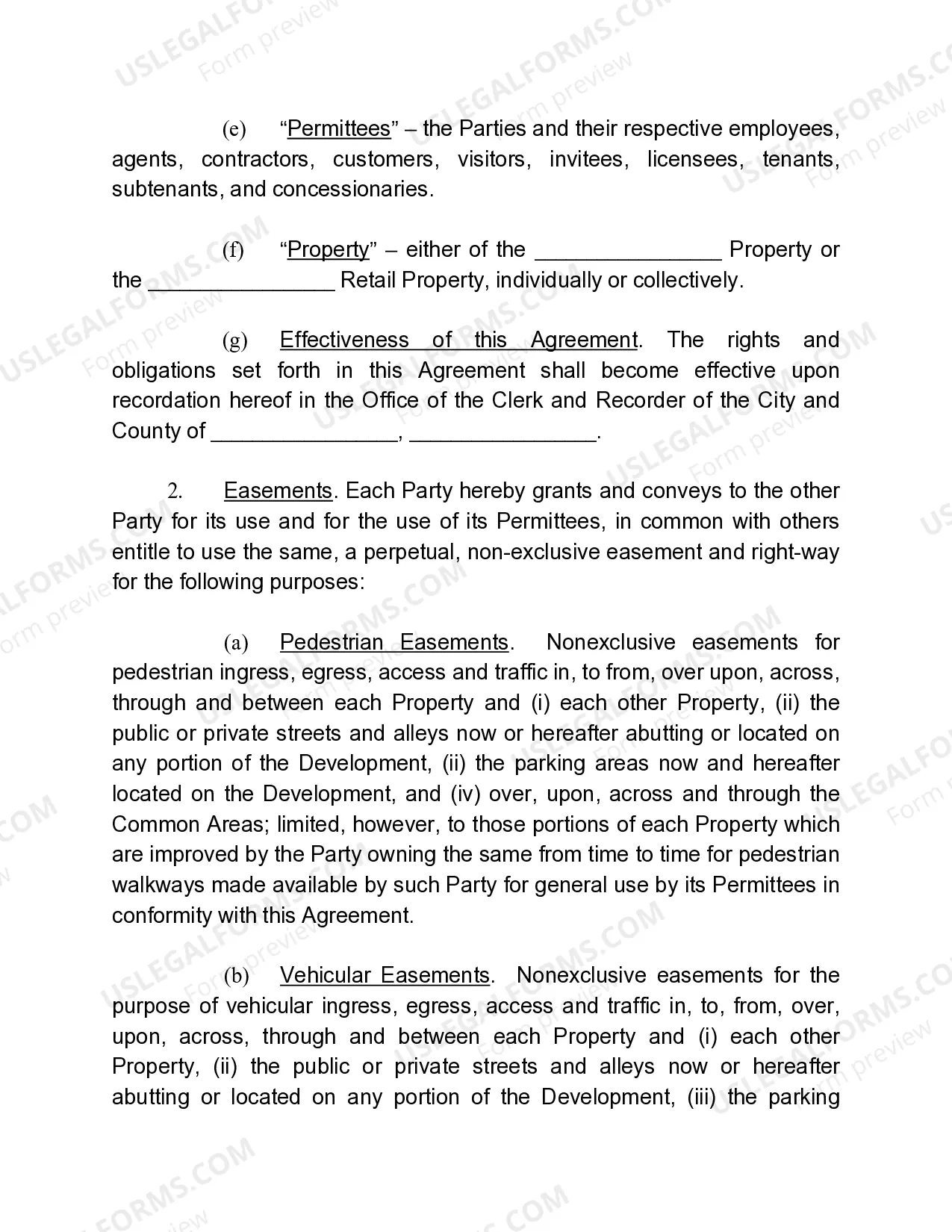

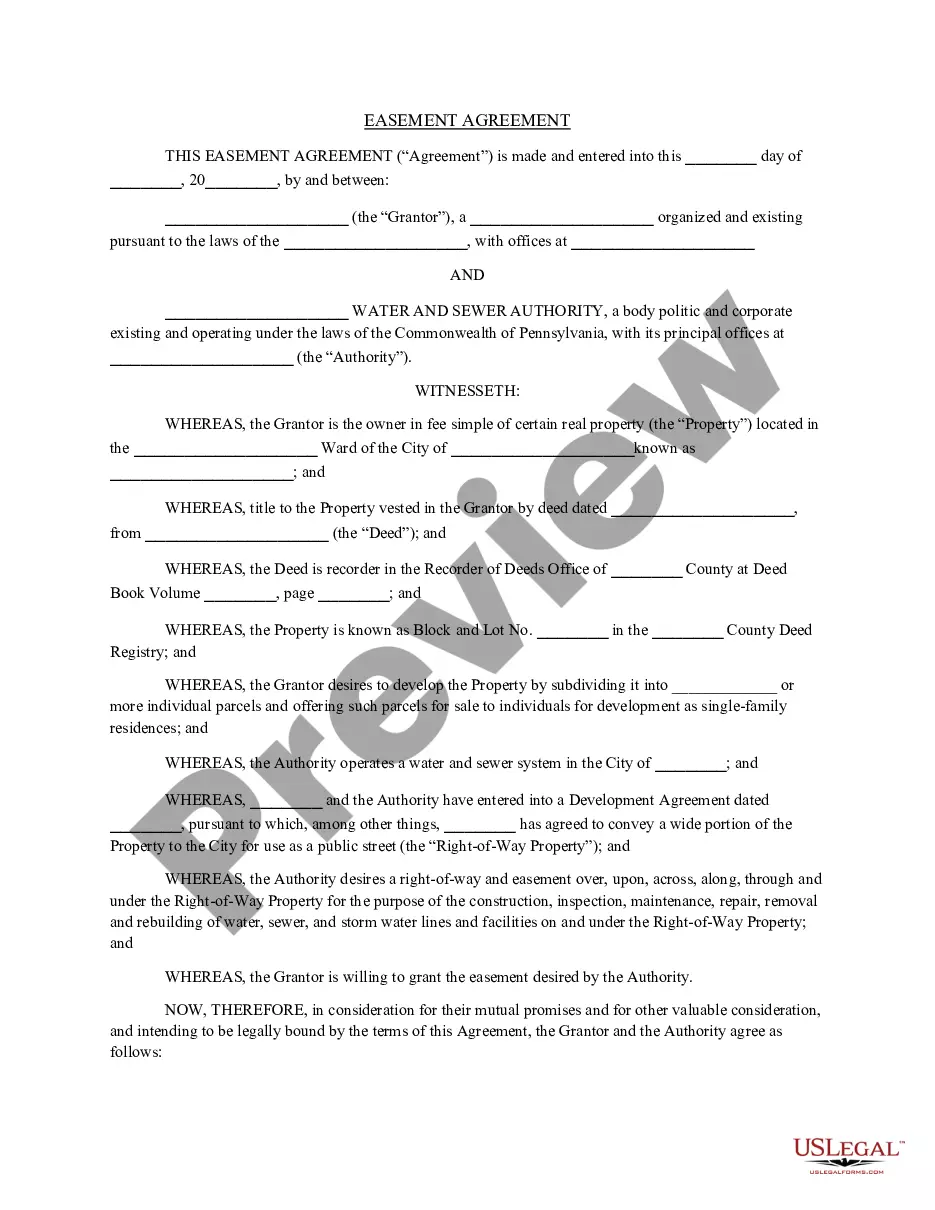
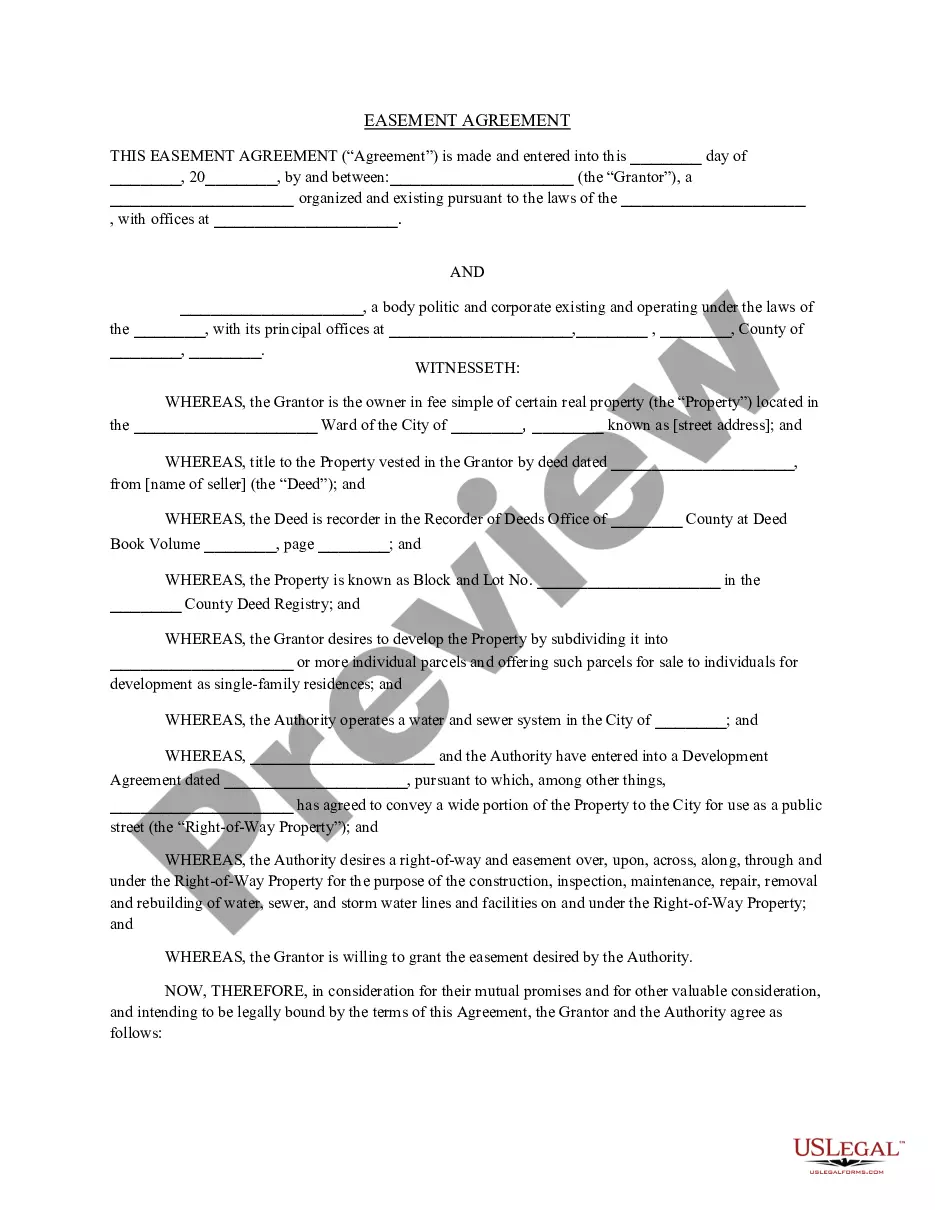


How to fill out Colorado Reciprocal Easement Agreement?
Utilize the US Legal Forms and gain instant access to any form template you desire.
Our advantageous website featuring thousands of templates simplifies the process of finding and acquiring nearly any document sample you need.
You can download, fill out, and validate the Centennial Colorado Reciprocal Easement Agreement in just a few minutes rather than spending hours online searching for a suitable template.
Employing our collection is a superb method to enhance the security of your document submissions. Our expert attorneys routinely examine all documents to ensure that the templates are suitable for a given state and adhere to current laws and regulations.
US Legal Forms is among the largest and most trustworthy form repositories available online. We are always prepared to assist you with virtually any legal situation, including merely downloading the Centennial Colorado Reciprocal Easement Agreement.
Don't hesitate to leverage our platform to make your document experience as easy as possible!
- How can you obtain the Centennial Colorado Reciprocal Easement Agreement.
- If you have an account, simply Log In to your profile. The Download button will be activated for all the templates you view.
- Furthermore, you can access all previously saved documents in the My documents section.
- If you haven't yet created an account, follow these steps.
- Locate the template you require. Confirm it is the form you were seeking: check its title and description, and utilize the Preview feature when available. If not, use the Search field to find the right one.
- Initiate the downloading procedure. Click Buy Now and choose your preferred pricing plan. Then, register for an account and settle your order using a credit card or PayPal.
- Download the document. Select the format to retrieve the Centennial Colorado Reciprocal Easement Agreement and edit and complete it as per your needs.
Form popularity
FAQ
In Colorado, a property owner can block an easement under certain conditions, especially if the easement's terms are not followed. However, existing easements typically retain their enforceability unless legally revoked. If you face such issues, consulting resources like uslegalforms can provide clarity and support in addressing your Centennial Colorado Reciprocal Easement Agreement.
To obtain easement access, you generally need to negotiate directly with the property owner or engage in a formal legal process. Start by discussing the required access and reviewing any existing agreements like a Centennial Colorado Reciprocal Easement Agreement. Legal platforms such as uslegalforms can assist you in drafting the necessary documents to formalize the agreement.
ofway easement does not typically make a property title unmarketable. However, it can affect the property's value and desirability depending on the easement's nature and terms. It’s beneficial to consult legal resources or platforms like uslegalforms to understand how a rightofway easement might impact your Centennial Colorado Reciprocal Easement Agreement.
In Colorado, a right of way is a specific type of easement that grants the holder access to cross or use someone else’s land. While easements can serve various purposes, rights of way predominantly focus on access routes. Knowing this difference can help when drafting or reviewing a Centennial Colorado Reciprocal Easement Agreement.
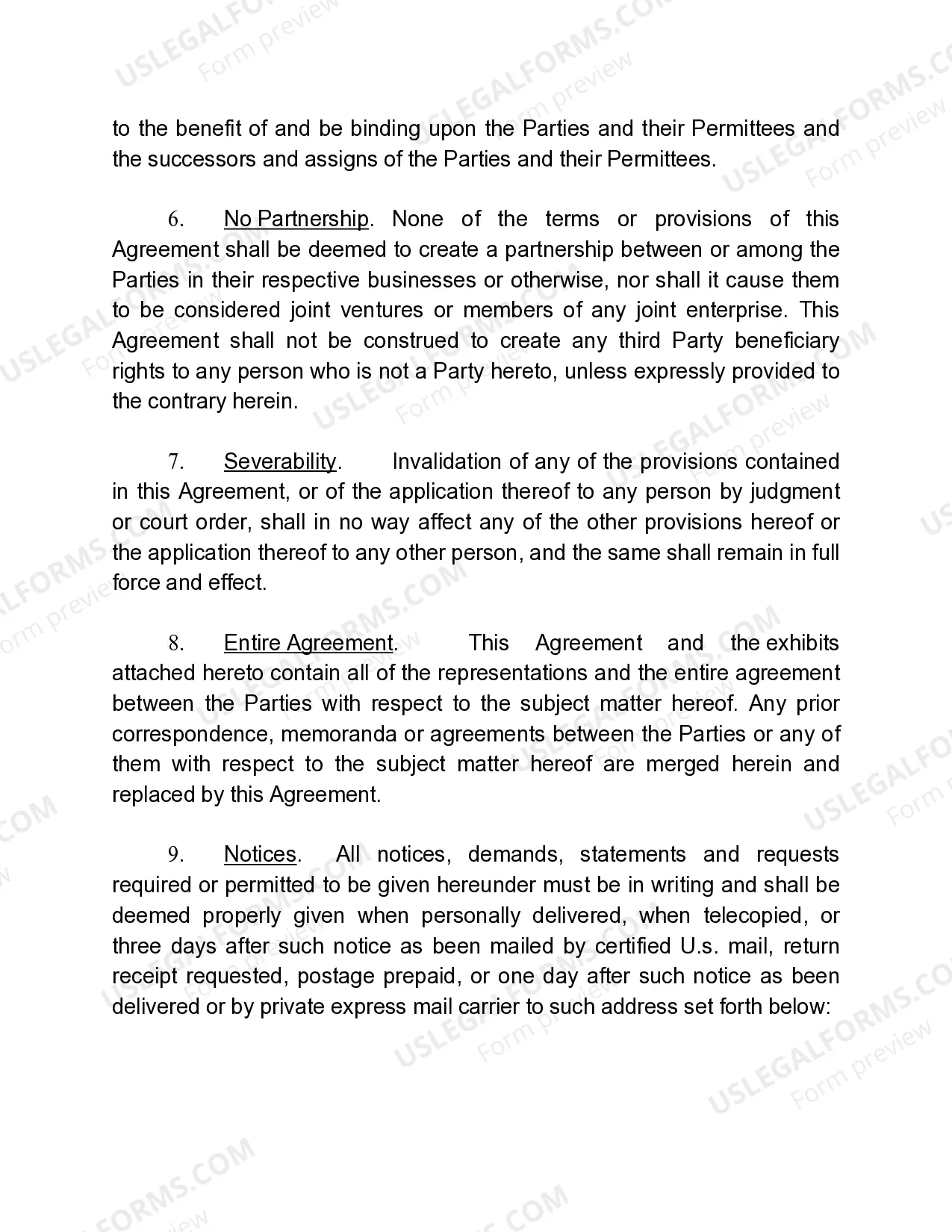
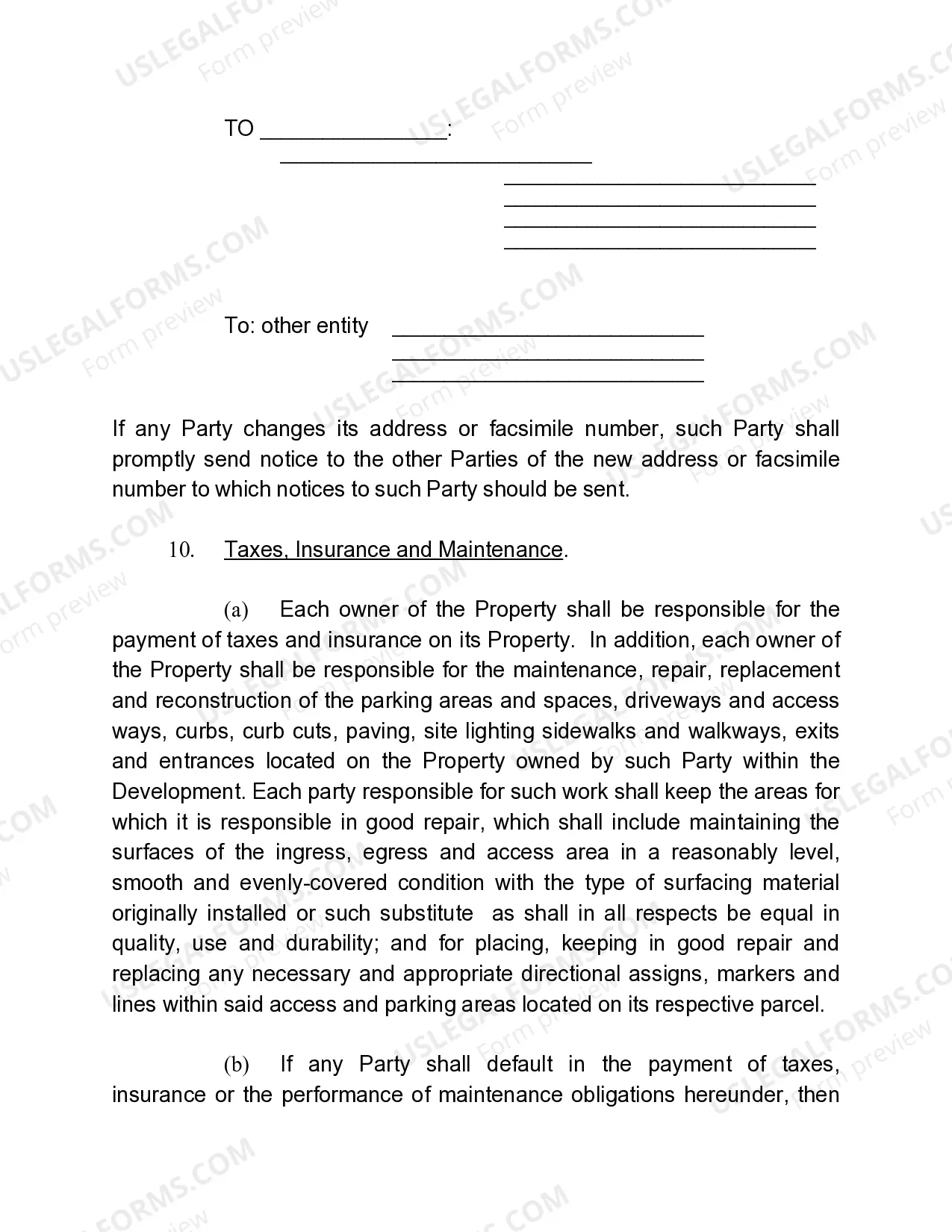
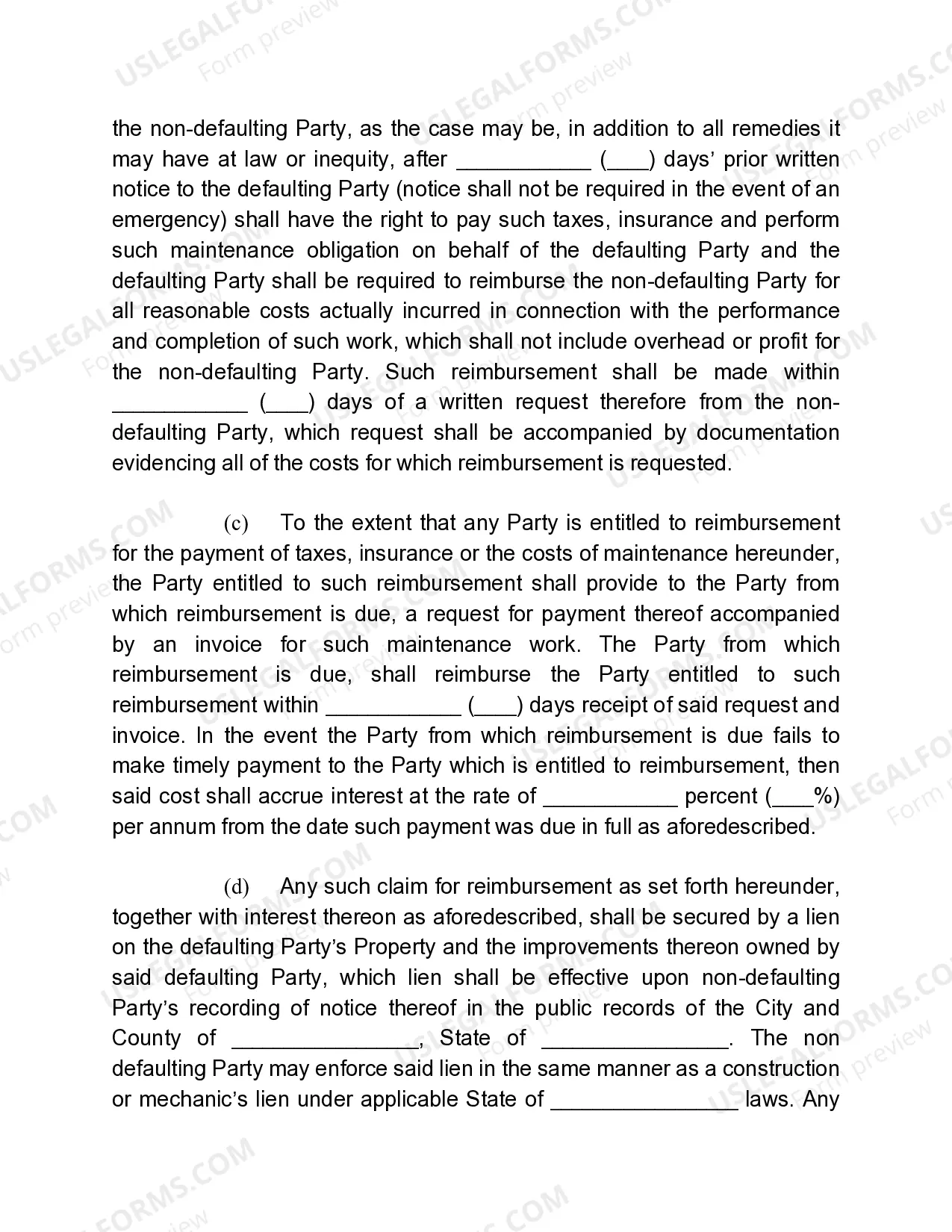
A reciprocal easement agreement is a contract between two or more property owners that outlines shared uses of their properties. This type of agreement ensures that each party has the right to use specific parts of the other's land, fostering cooperation and mutual benefit. It's particularly important in planning and using land effectively in Centennial, Colorado.
Easements and rights of way are related, but they are not the same thing. An easement allows one party to use another party's land for a specific purpose, while a right of way specifically grants access to traverse that land. Understanding this distinction is crucial when dealing with a Centennial Colorado Reciprocal Easement Agreement, as it can affect property rights and access.
The rules surrounding easements focus on usage rights and obligations defined in legal agreements. A Centennial Colorado Reciprocal Easement Agreement typically outlines how each party can use the easement while protecting the interests of all involved. These rules help prevent conflicts and ensure smooth interactions between property owners. To get the correct legal document tailored to your needs, consider services such as USLegalForms.
Abuse of an easement occurs when a party uses the easement in a manner that violates the terms of the agreement or disrupts the property owner's rights. For example, if someone exceeds the scope defined in a Centennial Colorado Reciprocal Easement Agreement, this could be seen as misuse. Maintaining goodwill and open communication can help mitigate potential conflicts. Legal advice from platforms like USLegalForms can assist in navigating these issues.
Yes, a landowner can block an easement under certain circumstances. If the easement is not properly defined, or if it exceeds its intended use as outlined in a Centennial Colorado Reciprocal Easement Agreement, the landowner may have grounds to prevent access. However, it's crucial for landowners to consult legal experts to understand the implications of such actions. Utilizing resources from USLegalForms can provide clarity on the matter.
Easement laws in Colorado govern the rights and responsibilities associated with the use of land owned by another party. In the context of a Centennial Colorado Reciprocal Easement Agreement, these laws help establish how landowners can share access to their properties while respecting each person's rights. It's important for landowners to understand these laws to avoid disputes and ensure compliance. Legal documentation through a service like USLegalForms can streamline this process.