Power Attorney For Bank Account
Description
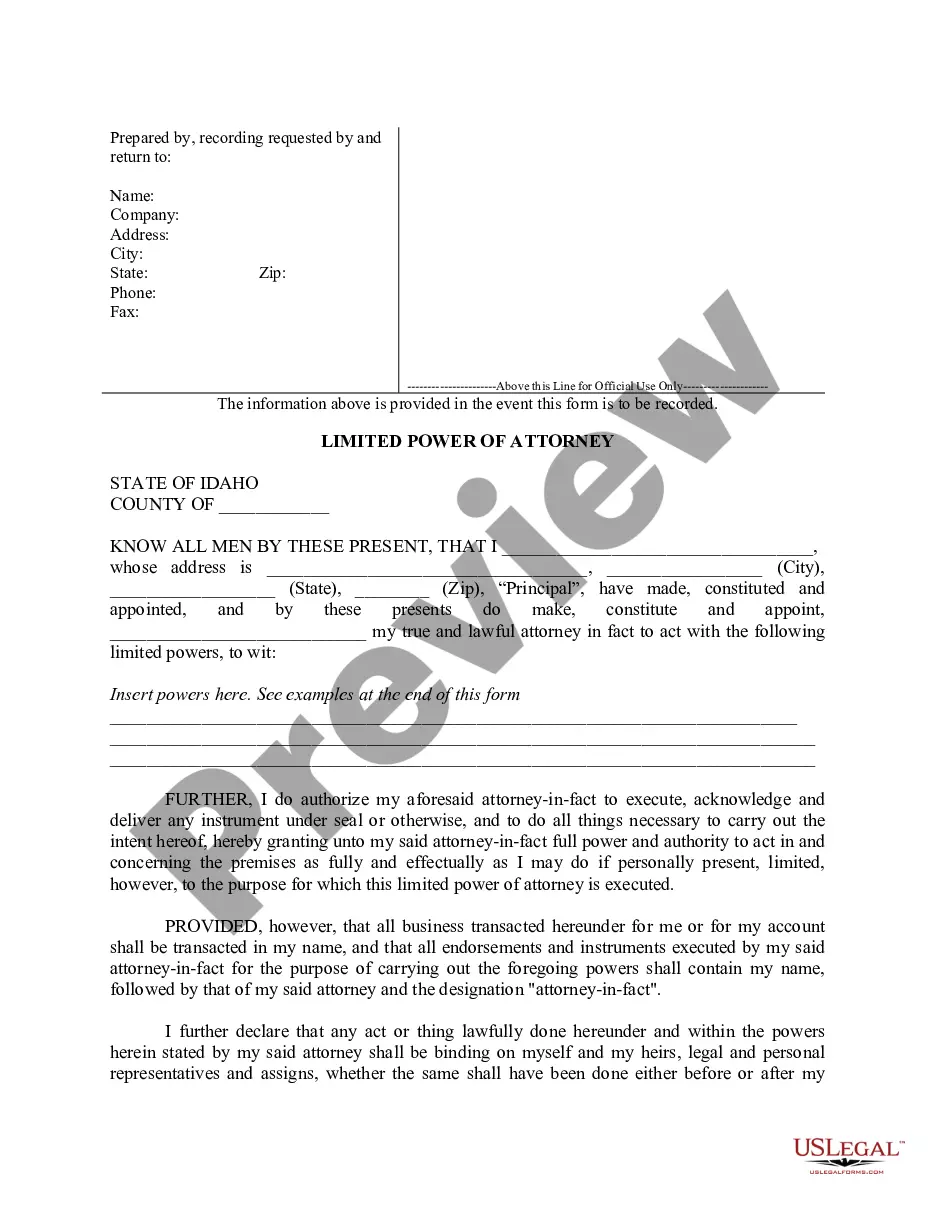
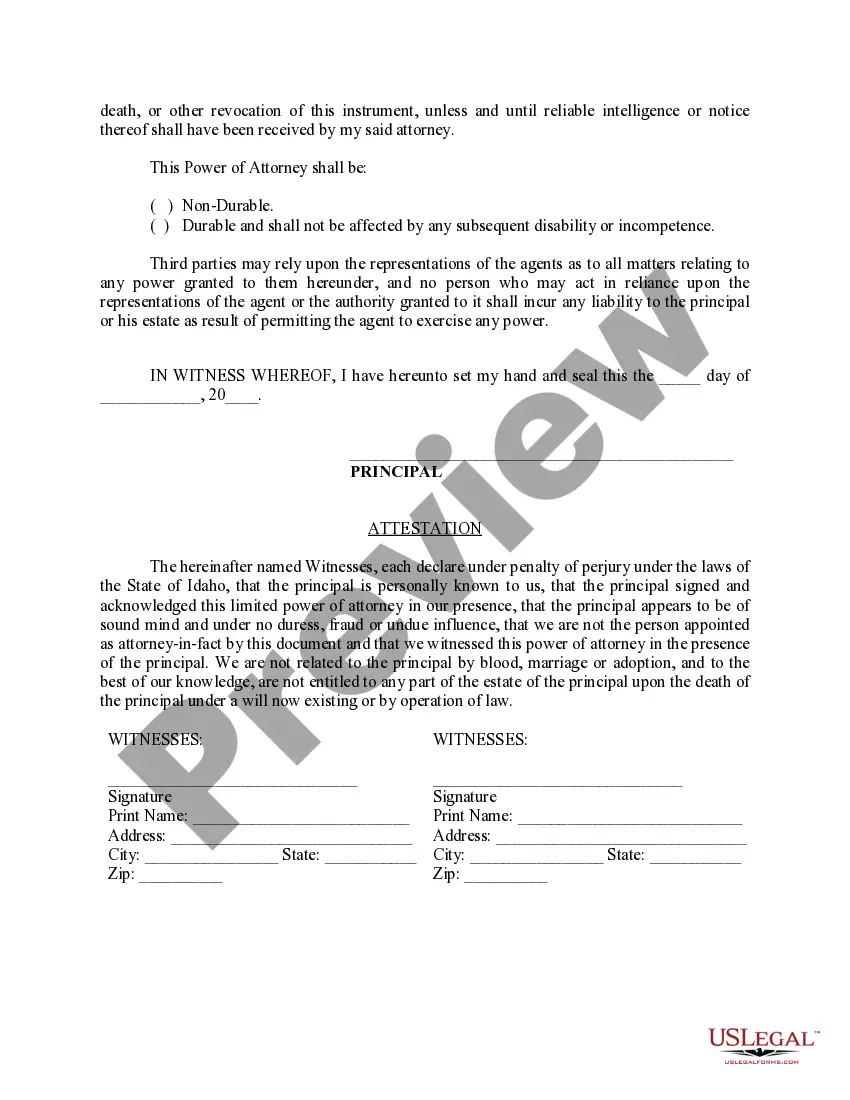
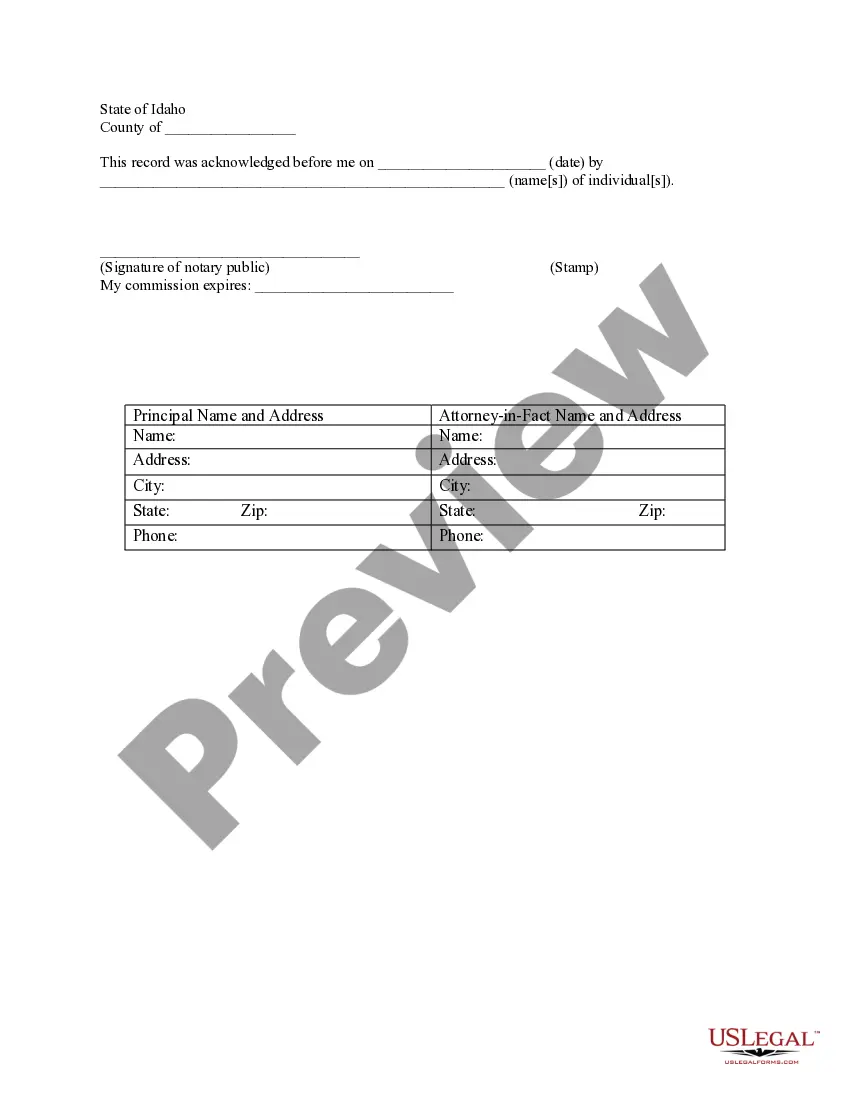
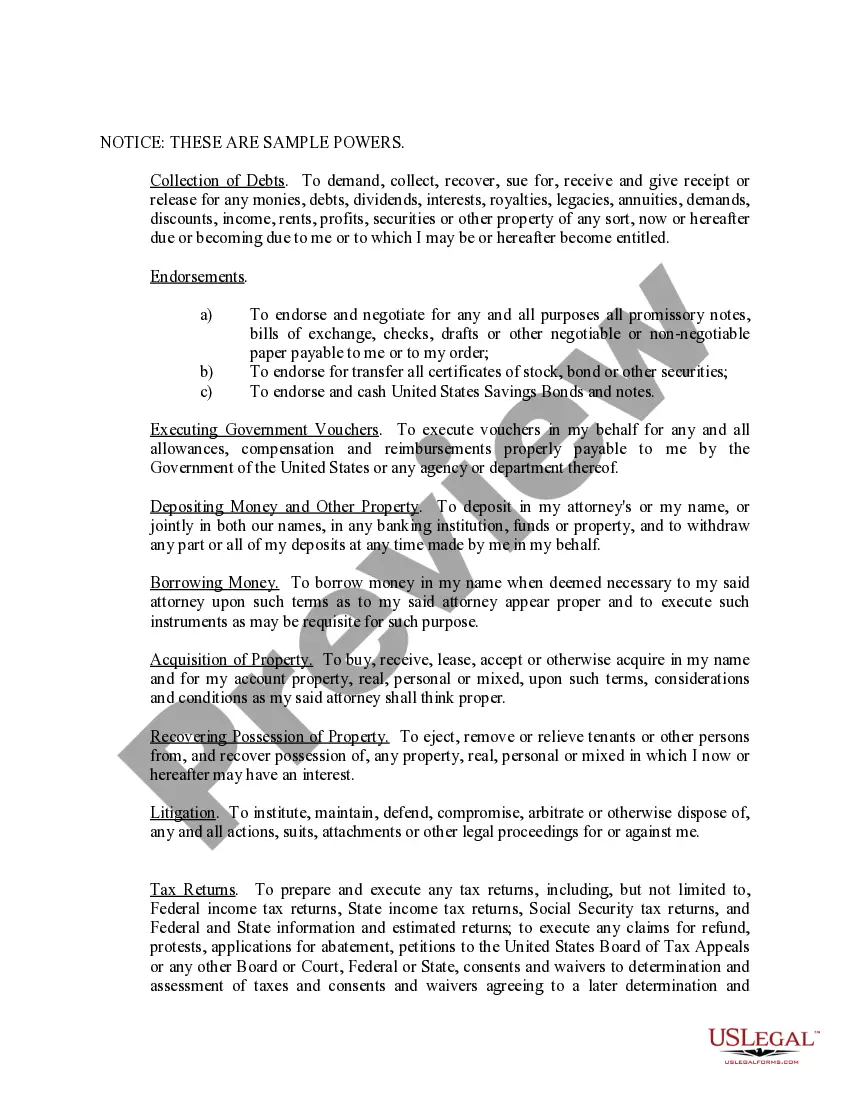
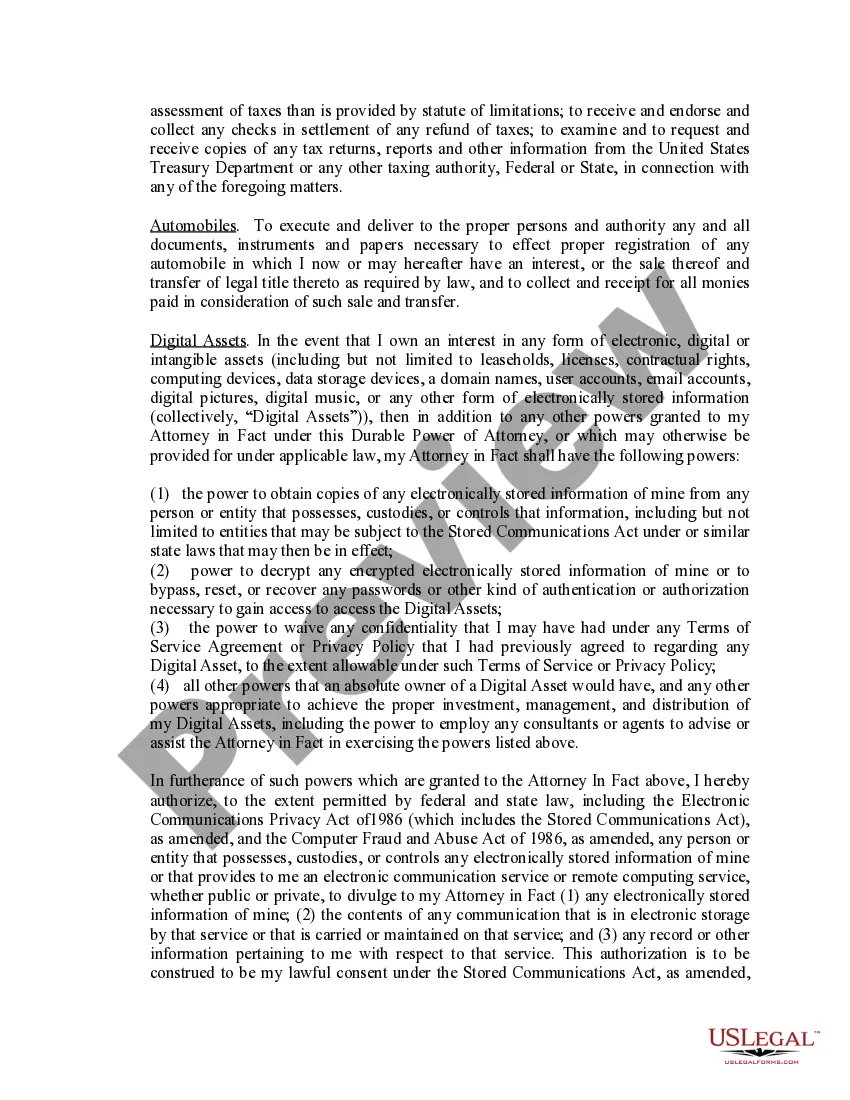
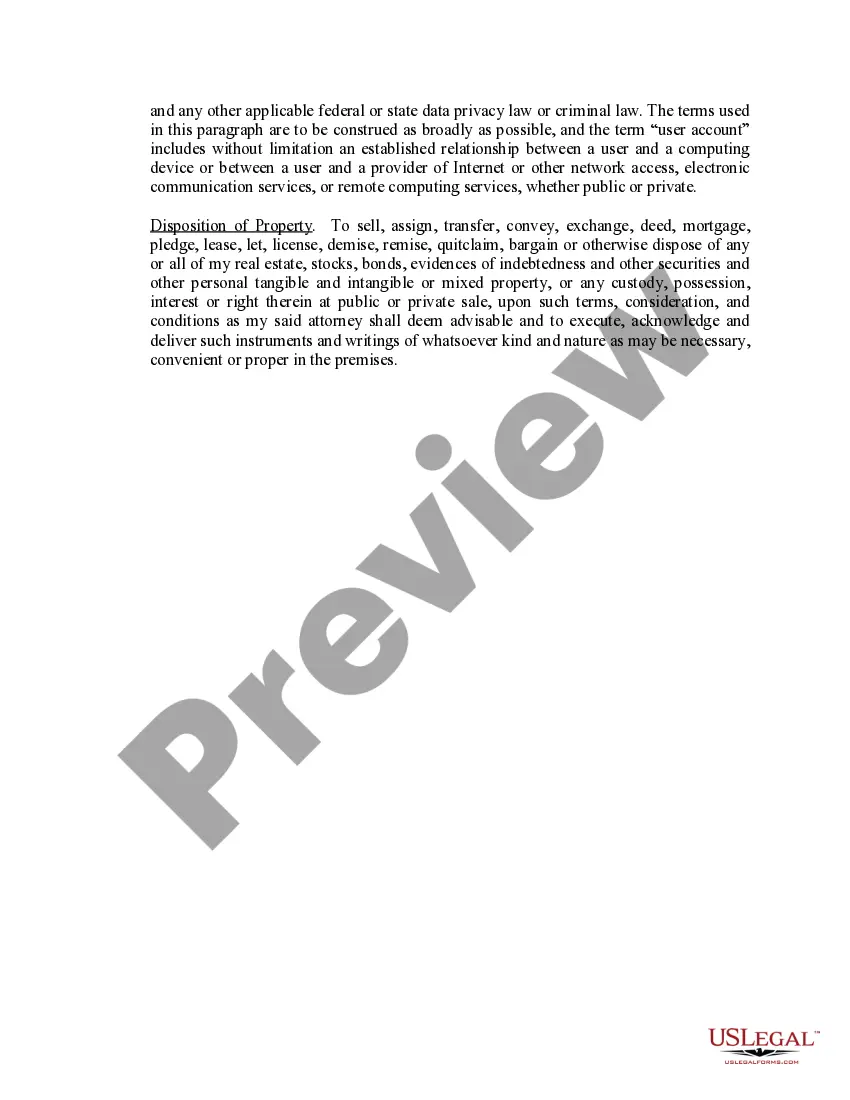
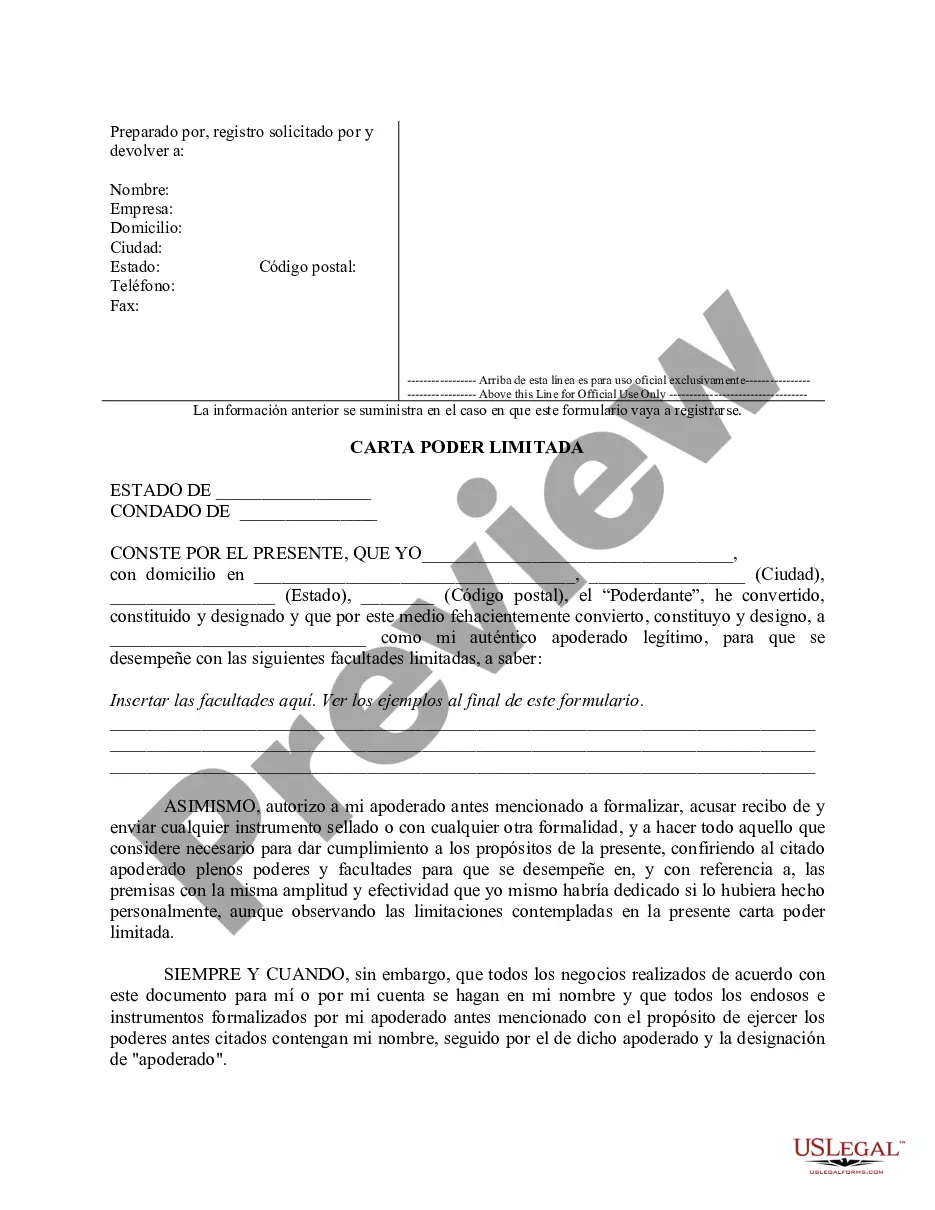
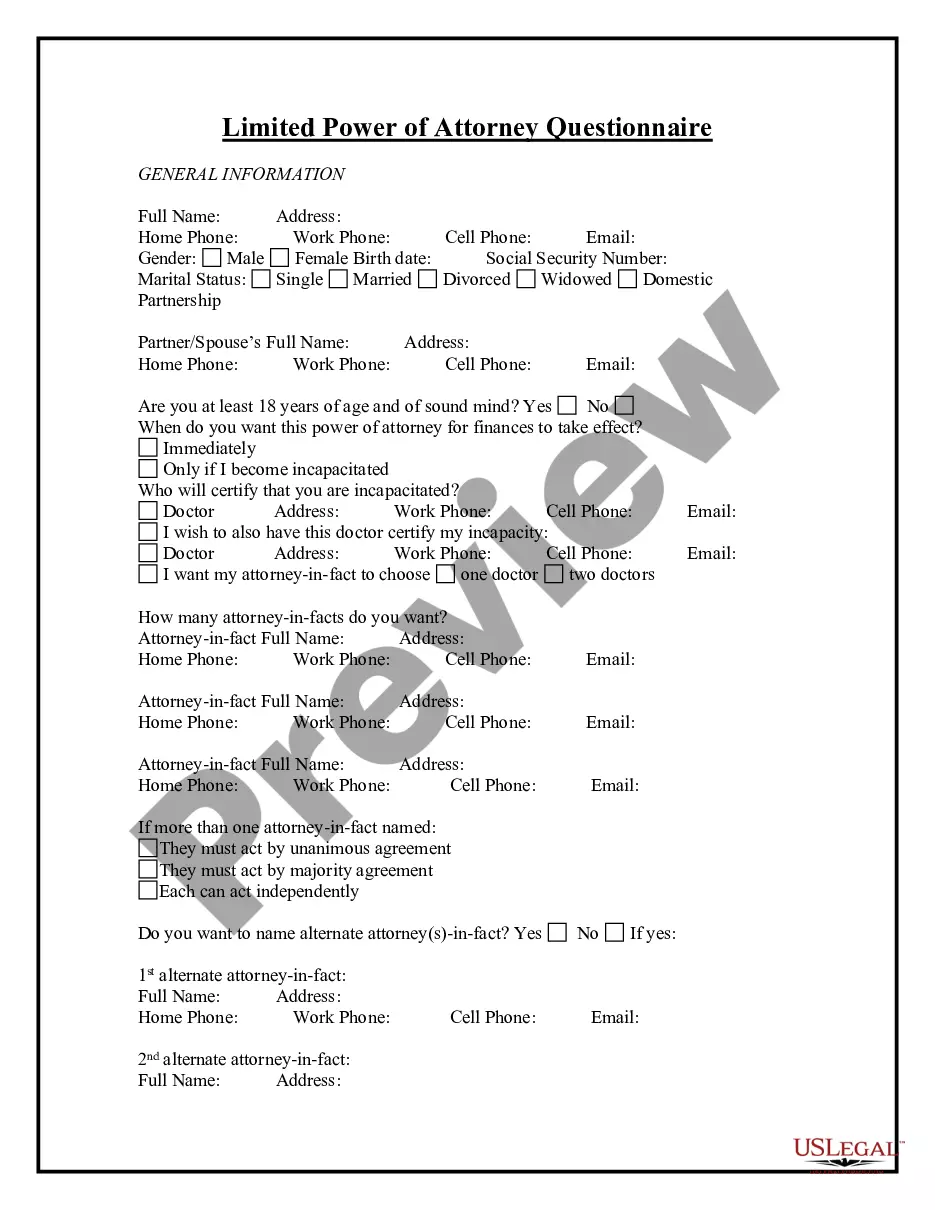
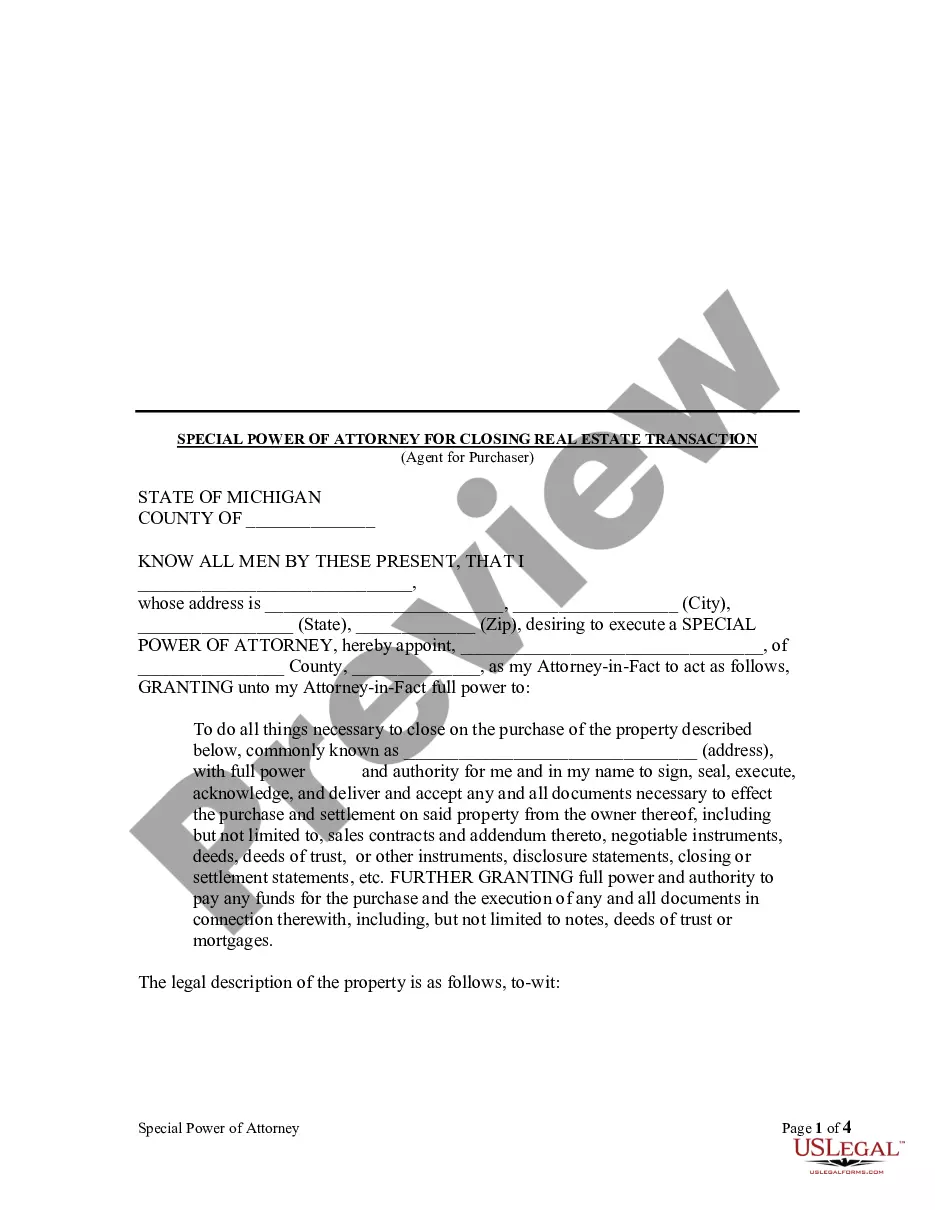

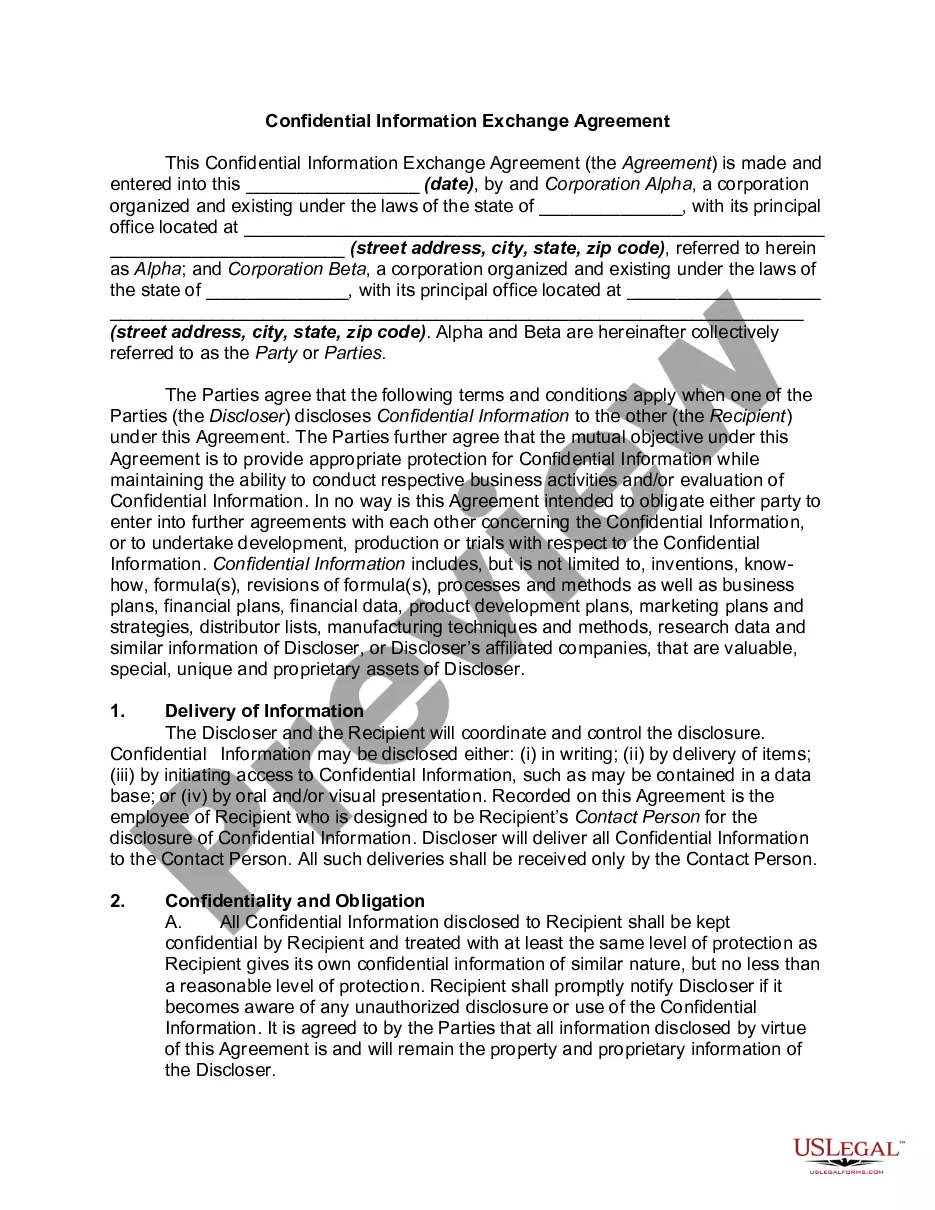
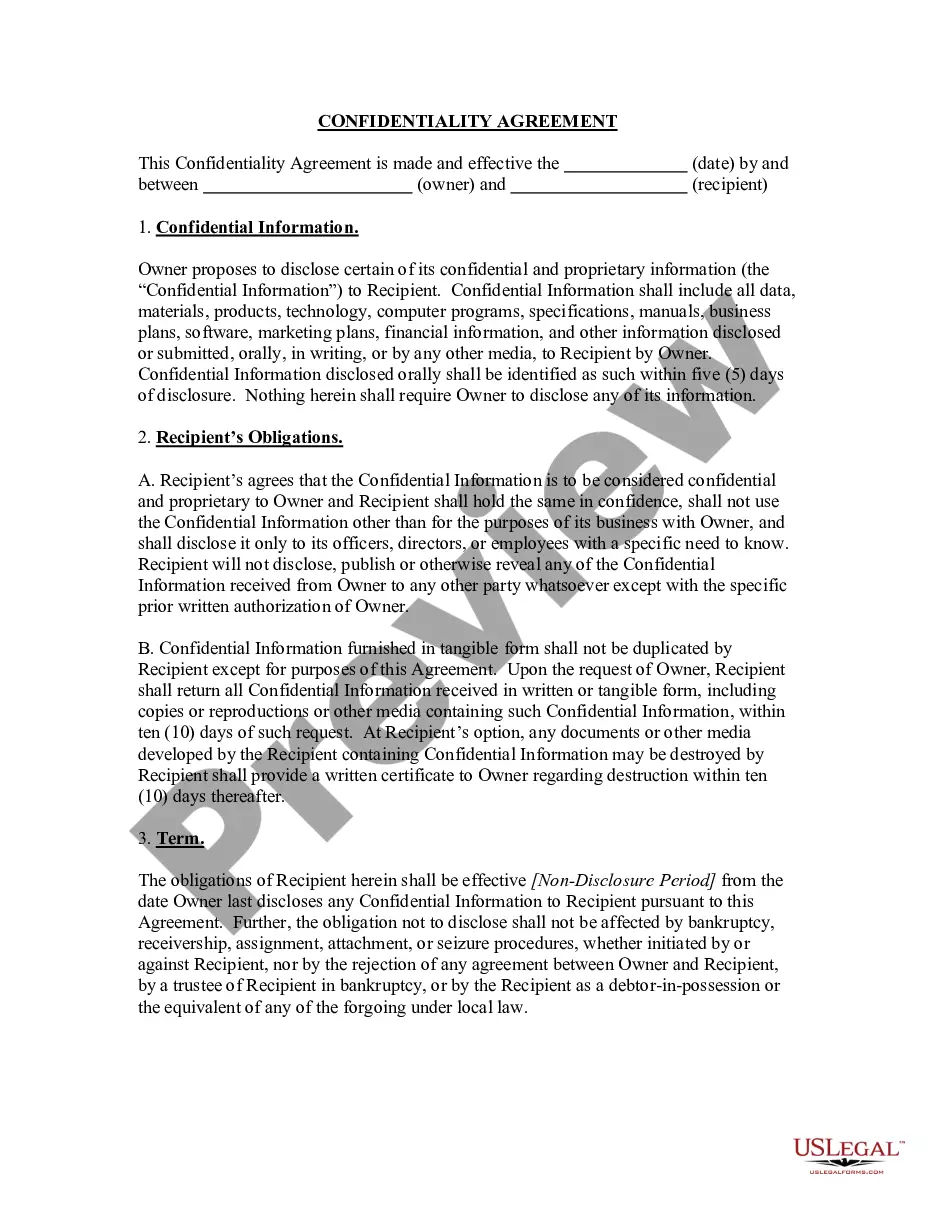
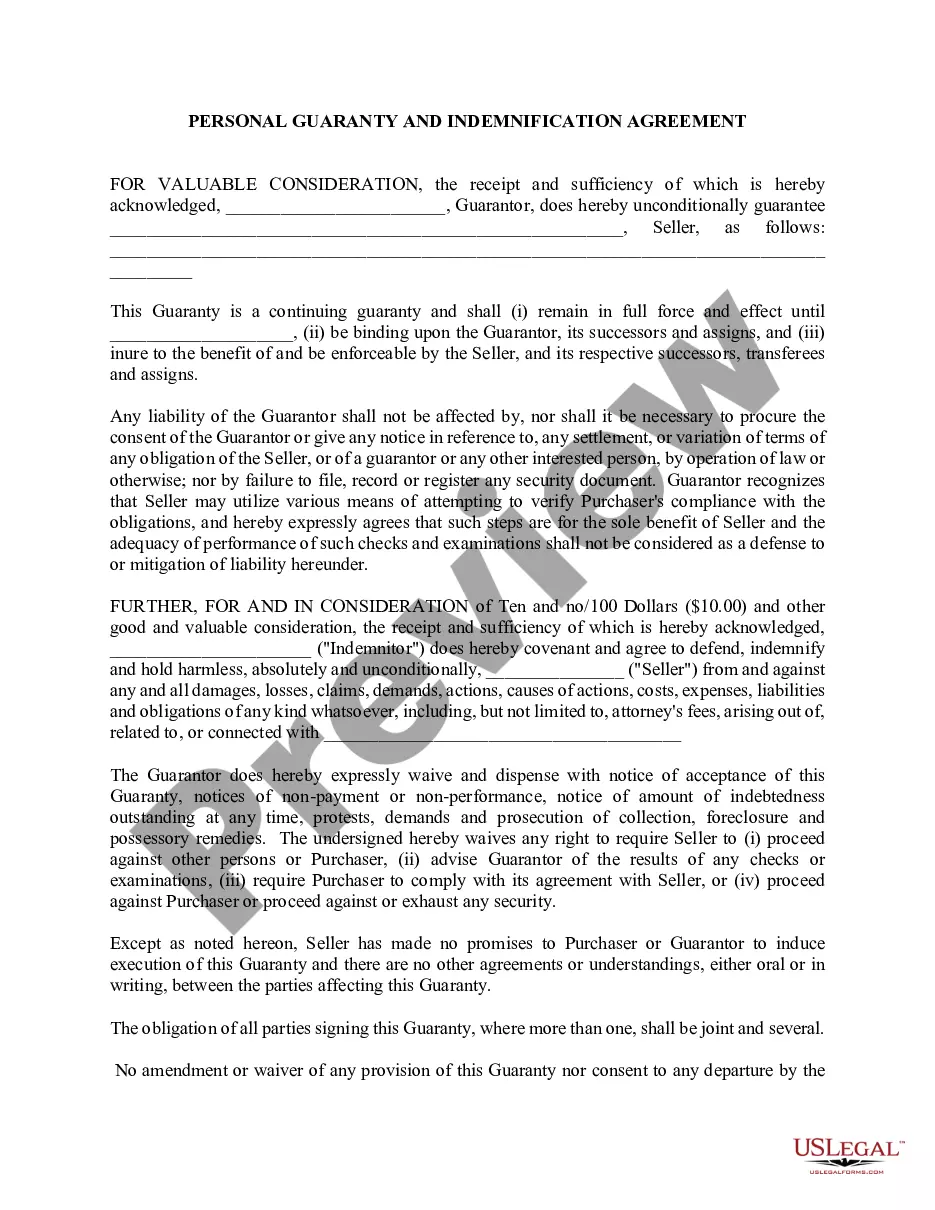
How to fill out Idaho Limited Power Of Attorney Where You Specify Powers With Sample Powers Included?
- If you're a returning user, log in to your account and download the required form template by clicking 'Download'. Ensure your subscription is active; renew it if necessary according to your payment plan.
- Review the form description in Preview mode to confirm you have selected the correct Power of Attorney that aligns with your needs and local jurisdiction.
- If your chosen form doesn't meet your requirements, use the Search feature to locate a suitable template.
- Proceed to purchase the document by clicking 'Buy Now' and select your preferred subscription plan. You will need an account to access the document library.
- Complete your transaction by entering your credit card details or logging into your PayPal account for payment.
- Finally, download the form to your device. You can also access it anytime under the My Forms section in your profile.
Obtaining a Power of Attorney for your bank account is straightforward with US Legal Forms. Their extensive library boasts over 85,000 customizable legal documents, ensuring you have the right tools at your disposal.
Empower yourself today—visit US Legal Forms and take charge of your financial future!
Form popularity
FAQ
A power of attorney for bank account allows an agent to manage financial transactions on behalf of the principal. This includes accessing accounts, paying bills, and making deposits. The agent must act in the best interest of the principal, ensuring that all actions align with their wishes.
Most banks do honor a durable power of attorney, as it remains effective even if the principal becomes incapacitated. However, each bank may have its own procedures regarding the acceptance of these documents. It is advisable to verify with the bank to ensure everything is in order.
Yes, a power of attorney for bank account typically allows the agent to add themselves to a checking account. However, the bank may require specific documentation to process this request. It's essential to check the bank’s policies to ensure compliance and transparency.
Yes, a power of attorney for bank account can have disadvantages. One key risk is the potential for misuse or fraud by the agent. Additionally, it may create complications if multiple family members disagree on the agent's decisions. Before granting a POA, consider these aspects carefully.
To obtain a power of attorney for a bank account, you need to fill out a power of attorney form specifically designed for banking matters. Gather necessary details, such as the names of the individual granting power and the designated agent. After completing the form, have it notarized to ensure its validity. Utilizing a reliable platform like US Legal Forms can simplify this process, providing you with customized templates tailored for establishing a power attorney for bank account.
To add a Power of Attorney to your bank account, you first need a legally valid POA document that specifies the powers granted. Next, visit your bank to submit the POA and provide any required identification. The bank will review the document and may ask for additional information to complete the process. Utilizing resources like uslegalforms can help you draft a reliable POA that meets your specific needs and the bank's requirements.
A bank might deny a Power of Attorney for several reasons, such as discrepancies in the document, missing signatures, or clarity issues. Additionally, if the POA granted powers that exceed what the bank accepts or if it appears to have been created under duress, the bank may reject it. Each situation is unique, so reviewing the bank's policies and ensuring your POA aligns with their requirements is critical. You can find guidance and templates for effective POA documents on platforms like uslegalforms.
A Power of Attorney for a bank account allows the appointed agent to manage banking transactions on behalf of the principal. After submitting the valid POA document to the bank, the agent can perform various actions such as depositing checks, withdrawing funds, or managing accounts. Banks usually provide a form or guidelines for completing this process. Once they verify the document, the agent can start handling banking matters efficiently.
Banks are careful about Power of Attorney for bank account matters to prevent fraud and to protect clients' assets. They must ensure that the data within the POA is clear and unambiguous to avoid potential misuse. Banks also need to comply with legal regulations, which makes them stringent in accepting POA documents. Being thorough helps maintain the security and trust that clients place in them.
Yes, a Power of Attorney for a bank account can be denied under certain circumstances. Banks may refuse a POA if it lacks specific details, such as the signature or date, or if it does not meet the bank's policies. Moreover, if the principal is deemed incompetent or if there are issues with the POA document itself, the bank may also decline to honor it. It's essential to ensure that your POA is up to date and meets all legal requirements.