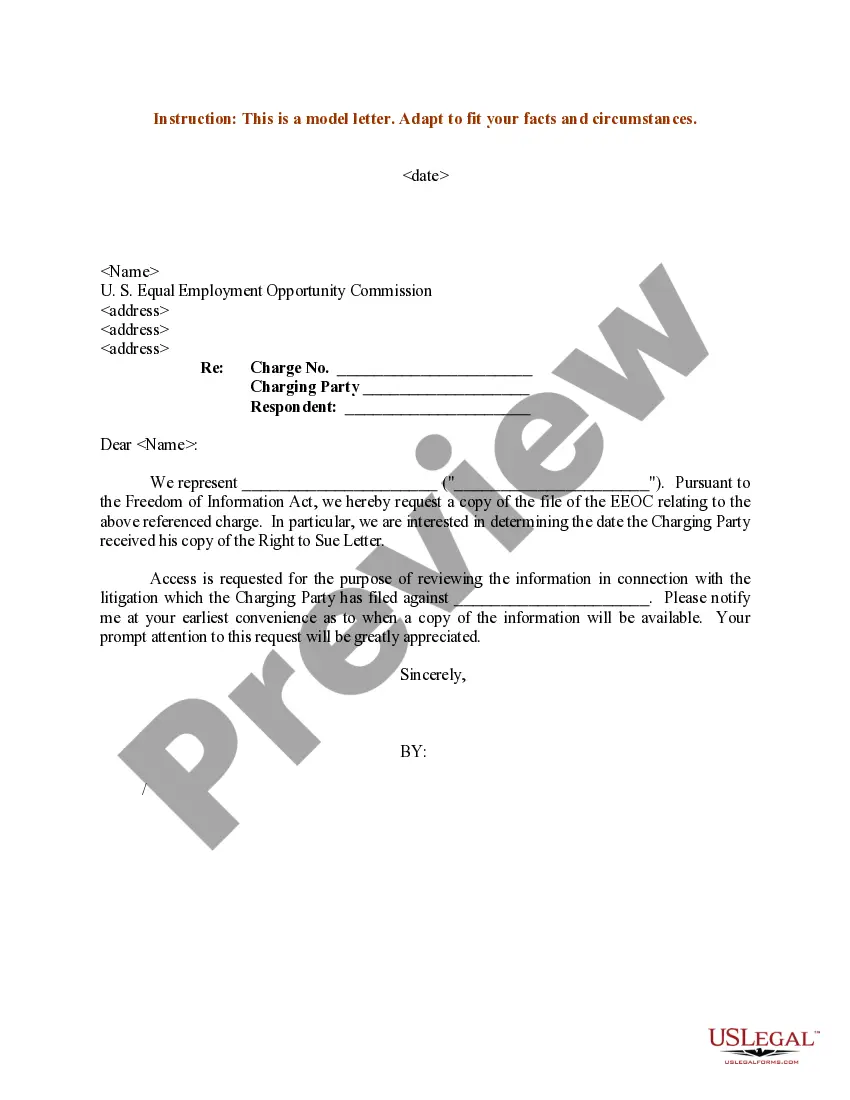
Landlord Tenant Form Without Prejudice
Description

Get your form ready online
Our built-in tools help you complete, sign, share, and store your documents in one place.
Make edits, fill in missing information, and update formatting in US Legal Forms—just like you would in MS Word.
Download a copy, print it, send it by email, or mail it via USPS—whatever works best for your next step.
Sign and collect signatures with our SignNow integration. Send to multiple recipients, set reminders, and more. Go Premium to unlock E-Sign.
If this form requires notarization, complete it online through a secure video call—no need to meet a notary in person or wait for an appointment.
We protect your documents and personal data by following strict security and privacy standards.

Make edits, fill in missing information, and update formatting in US Legal Forms—just like you would in MS Word.

Download a copy, print it, send it by email, or mail it via USPS—whatever works best for your next step.

Sign and collect signatures with our SignNow integration. Send to multiple recipients, set reminders, and more. Go Premium to unlock E-Sign.

If this form requires notarization, complete it online through a secure video call—no need to meet a notary in person or wait for an appointment.

We protect your documents and personal data by following strict security and privacy standards.
Looking for another form?
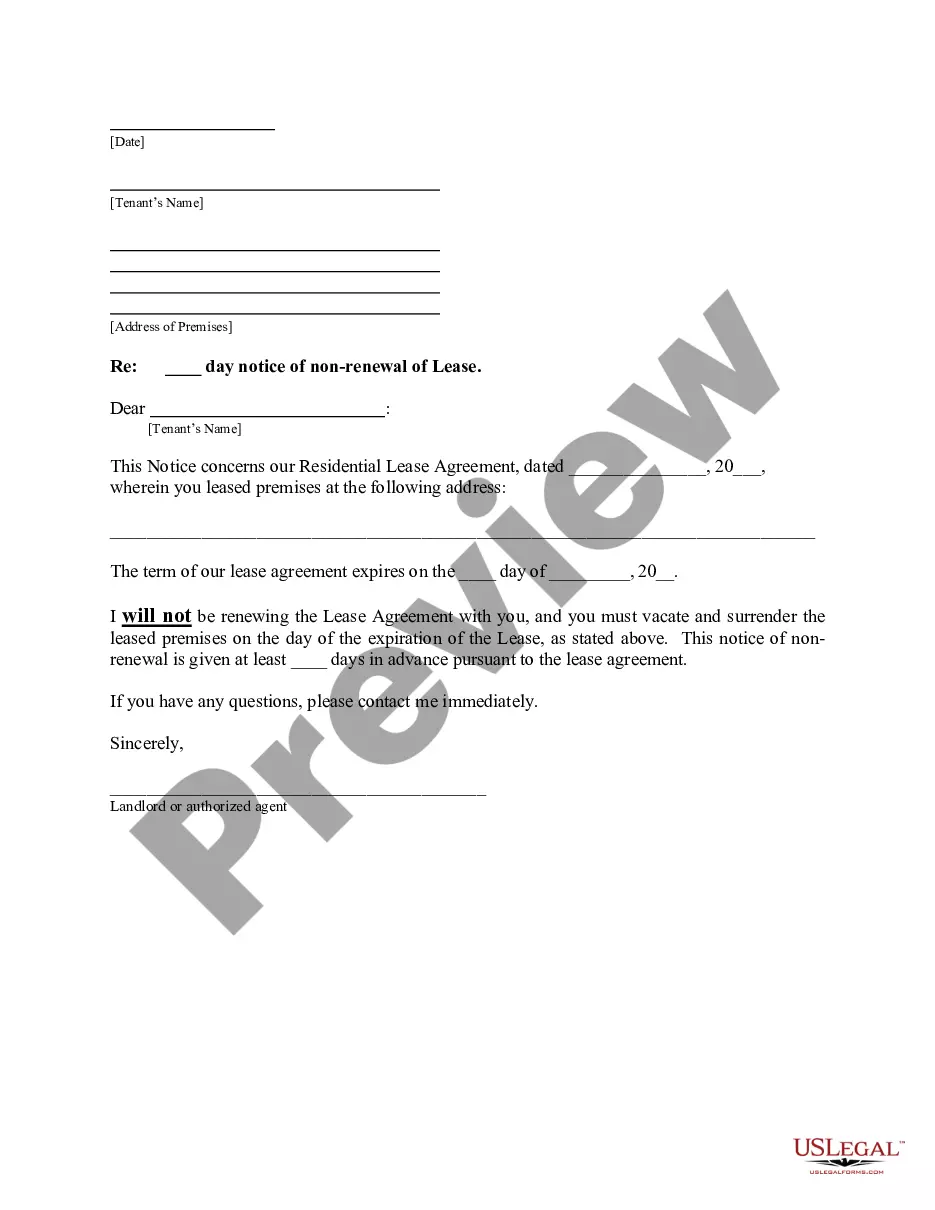
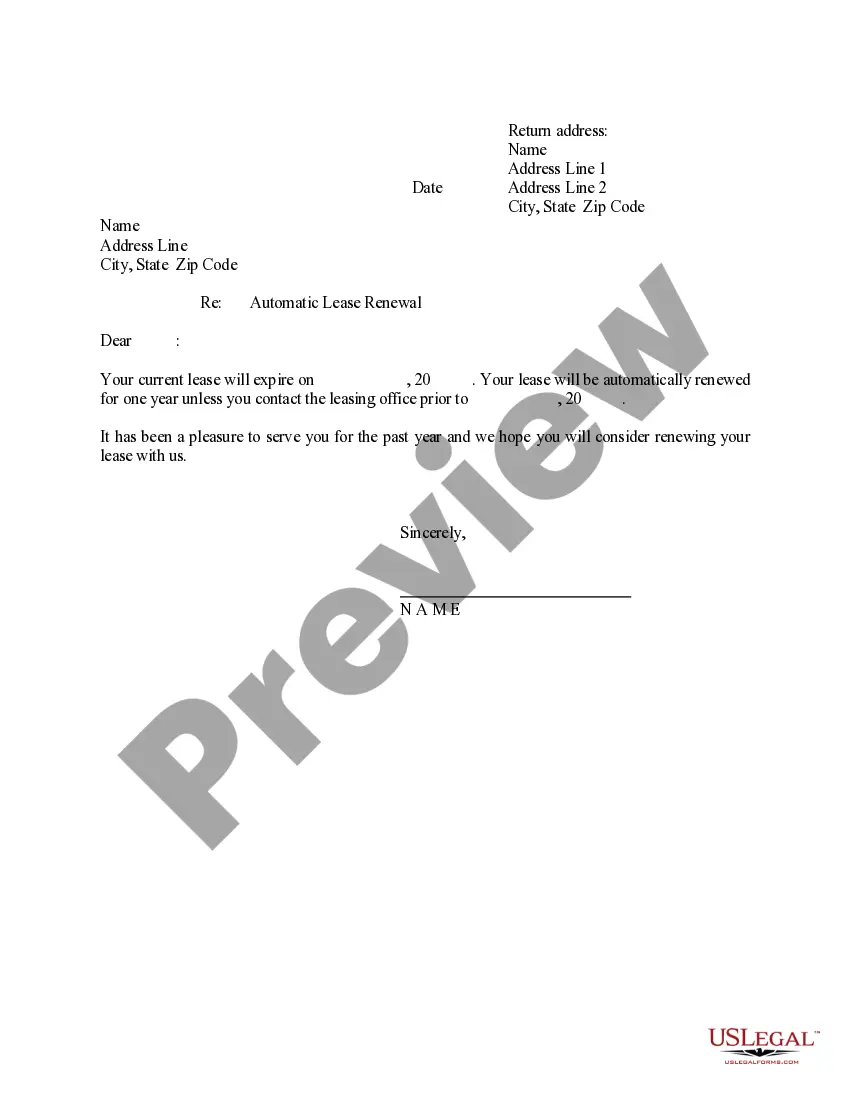
How to fill out Illinois Letter From Landlord To Tenant With 30 Day Notice Of Expiration Of Lease And Nonrenewal By Landlord - Vacate By Expiration?
Traversing the red tape of official documents and templates can be challenging, particularly if one isn’t doing it as a profession.
Even selecting the correct template to obtain a Landlord Tenant Form Without Prejudice may take considerable time, as it needs to be valid and accurate down to the last detail.
Nevertheless, you will need to invest much less time picking a suitable template from a reliable source.
Acquire the appropriate form in a few straightforward steps: Enter the name of the document in the search box. Locate the relevant Landlord Tenant Form Without Prejudice among the results. Review the outline of the sample or view its preview. When the template meets your needs, click Buy Now. Select your subscription plan. Use your email and establish a security password to set up an account at US Legal Forms. Opt for a credit card or PayPal payment method. Save the template document on your device in your preferred format. US Legal Forms can conserve your time and effort in determining if the form you discovered online is appropriate for your requirements. Establish an account and gain limitless access to all the templates you need.
- US Legal Forms is a platform that streamlines the task of finding the appropriate forms online.
- US Legal Forms serves as a singular destination where you can access the latest sample forms, verify their use, and download these drafts for completion.
- It boasts a collection of over 85K forms applicable in numerous domains.
- When searching for a Landlord Tenant Form Without Prejudice, you won’t need to question its authenticity as all forms are vetted.
- Creating an account at US Legal Forms guarantees you have all the essential samples at your fingertips.
- You can store them in your history or add them to the My documents repository.
- You can retrieve your saved forms from any device by clicking Log In on the library's website.
- If you haven’t set up an account yet, you can always search for the template you need.
Form popularity
FAQ
If you live in a New Jersey household with income below 120% of your county's Area Median Income, you are permanently protected from eviction or removal at any time for nonpayment of rent, habitual late payment of rent, or failure to accept a rent increase that accrued from March 1, 2020 to August 31, 2021.
NJ's moratorium on renter evictions ends on Jan. 1, 2022.
If you owe rent from before March 1, 2020, your landlord can go to court to get an eviction order based on that unpaid rent. If you owe rent that came due after December 31, 2021, your landlord can go to court to get an eviction order based on that unpaid rent.
In Texas, the entire eviction process takes about three weeks. If you lose your eviction case, your landlord can get a document called a Writ of Possession after six days. The constable will give you a copy of the Writ of Possession at least 24 hours before forcibly removing you from the home.
Landlords cannot file for an eviction, for reasons other than non-payment of rent, without first giving tenants prior written notice asking them to stop the behavior. In most cases, New Jersey law gives tenants 30 days to stop the behavior before the landlord can take further action.