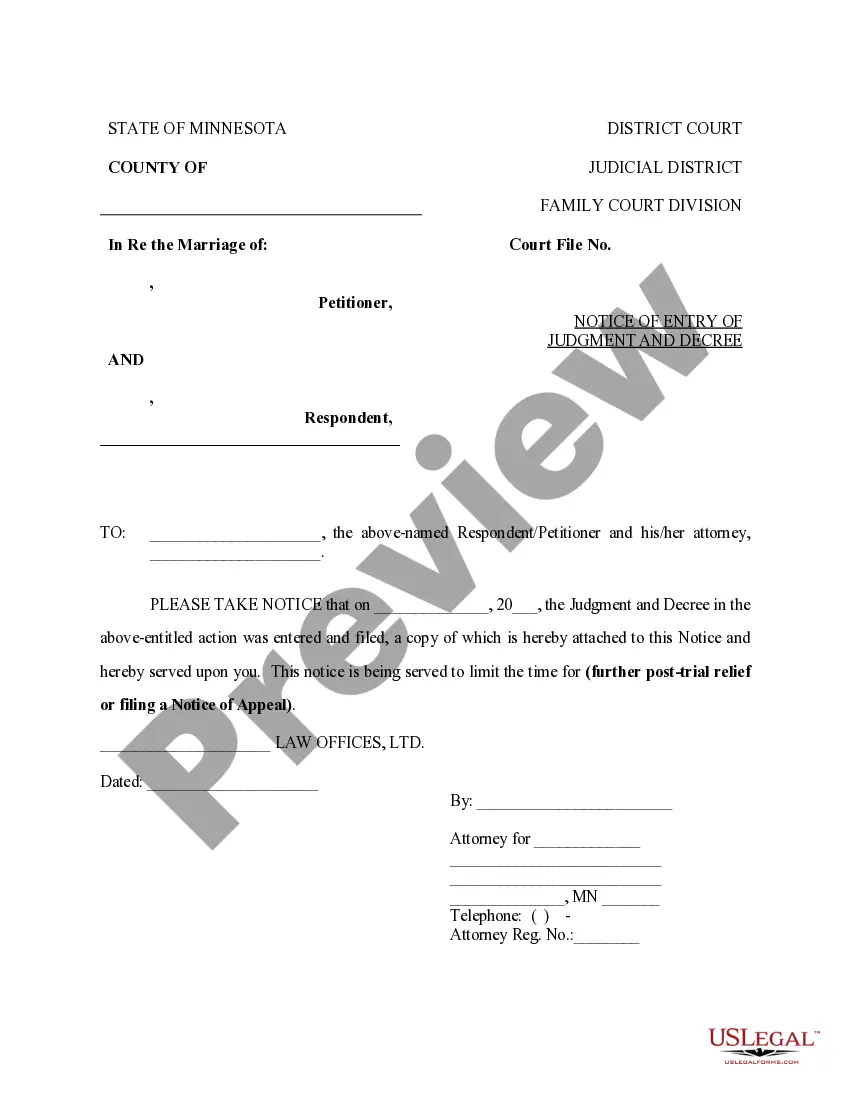
Affidavit For Entry Of Decree Without Appearance
Description
Get your form ready online
Our built-in tools help you complete, sign, share, and store your documents in one place.
Make edits, fill in missing information, and update formatting in US Legal Forms—just like you would in MS Word.
Download a copy, print it, send it by email, or mail it via USPS—whatever works best for your next step.
Sign and collect signatures with our SignNow integration. Send to multiple recipients, set reminders, and more. Go Premium to unlock E-Sign.
If this form requires notarization, complete it online through a secure video call—no need to meet a notary in person or wait for an appointment.
We protect your documents and personal data by following strict security and privacy standards.

Make edits, fill in missing information, and update formatting in US Legal Forms—just like you would in MS Word.

Download a copy, print it, send it by email, or mail it via USPS—whatever works best for your next step.

Sign and collect signatures with our SignNow integration. Send to multiple recipients, set reminders, and more. Go Premium to unlock E-Sign.

If this form requires notarization, complete it online through a secure video call—no need to meet a notary in person or wait for an appointment.

We protect your documents and personal data by following strict security and privacy standards.
Looking for another form?


How to fill out Minnesota Notice Of Entry Of Judgment And Decree?
How to locate professional legal documents that adhere to your state regulations and create the Affidavit For Entry Of Decree Without Appearance without consulting an attorney? Numerous online services offer templates for various legal scenarios and requirements.
However, it may take some time to determine which of the available samples meet both your specific needs and legal standards.
US Legal Forms is a trustworthy platform that assists you in finding official documents crafted according to the most recent state law updates, helping you save on legal fees.
If you do not possess an account with US Legal Forms, follow the instructions below: Review the page you have opened and confirm that the form suits your requirements.
- US Legal Forms is not just an ordinary web directory.
- It is a compilation of over 85,000 verified templates for different business and personal situations.
- All documents are categorized by field and state to streamline your search process.
- It also features powerful tools for PDF editing and eSignature, allowing users with a Premium subscription to efficiently complete their paperwork online.
- It requires minimal time and effort to obtain the necessary documents.
- If you already have an account, Log In and verify that your subscription is active.
- Download the Affidavit For Entry Of Decree Without Appearance using the related button adjacent to the file name.
Form popularity
FAQ
What are Colorado Divorce Decrees. Divorce decrees are slightly more informational, as they contain the judgments and obligations of the divorced parties. These obligations include division of property and debts, child custody, living arrangements, scheduling, child and spousal support, and insurance agreements.
When the petition is jointly filed, the spouses are called Co-Petitioners. The husband and wife petition the court together with paperwork that is signed by both parties. The divorce proceeds with both parties in agreement that no one is at fault.
If you want to set a default hearing, you must complete the application and affidavit of default and file it with the clerk of the court . You must be sure service of the petition was complete, and that the other person did not file a written response or answer with the court.
Parties to a divorce without attorneys, in which there are no children, can also submit an affidavit for entry of decree without appearance of the parties. In instances in which the parties to a divorce submit such an affidavit, the court will generally grant the decree without anyone appearing in court.
Yes, some of the divorce papers in Colorado may have to be notarized. Particularly, any type of affidavit or sworn legal statements (e.g., a Sworn Financial Statement) should be signed either in front of a court clerk or a notary public to avoid any grounds for subsequent disputes.