Life Estate For Medicaid Planning
Description
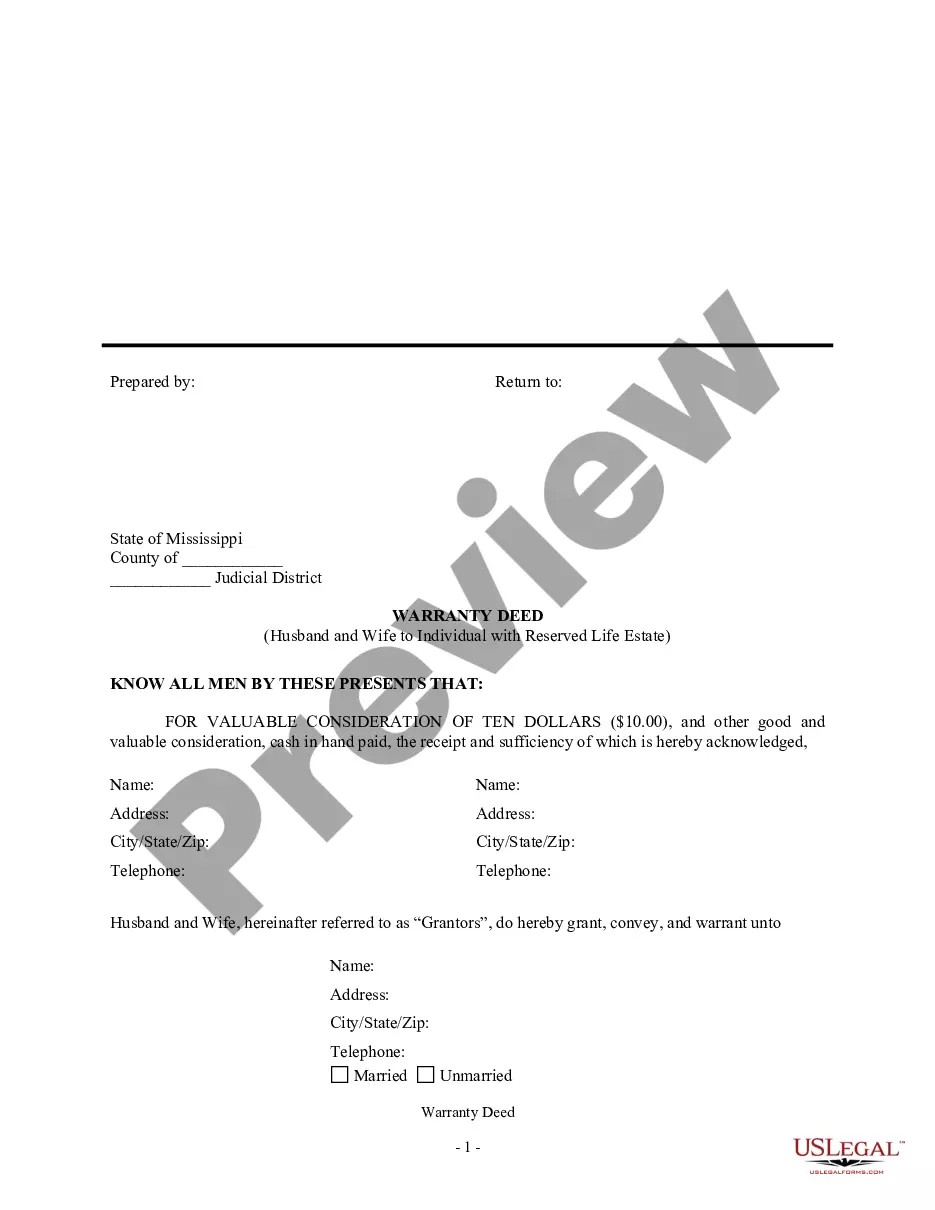
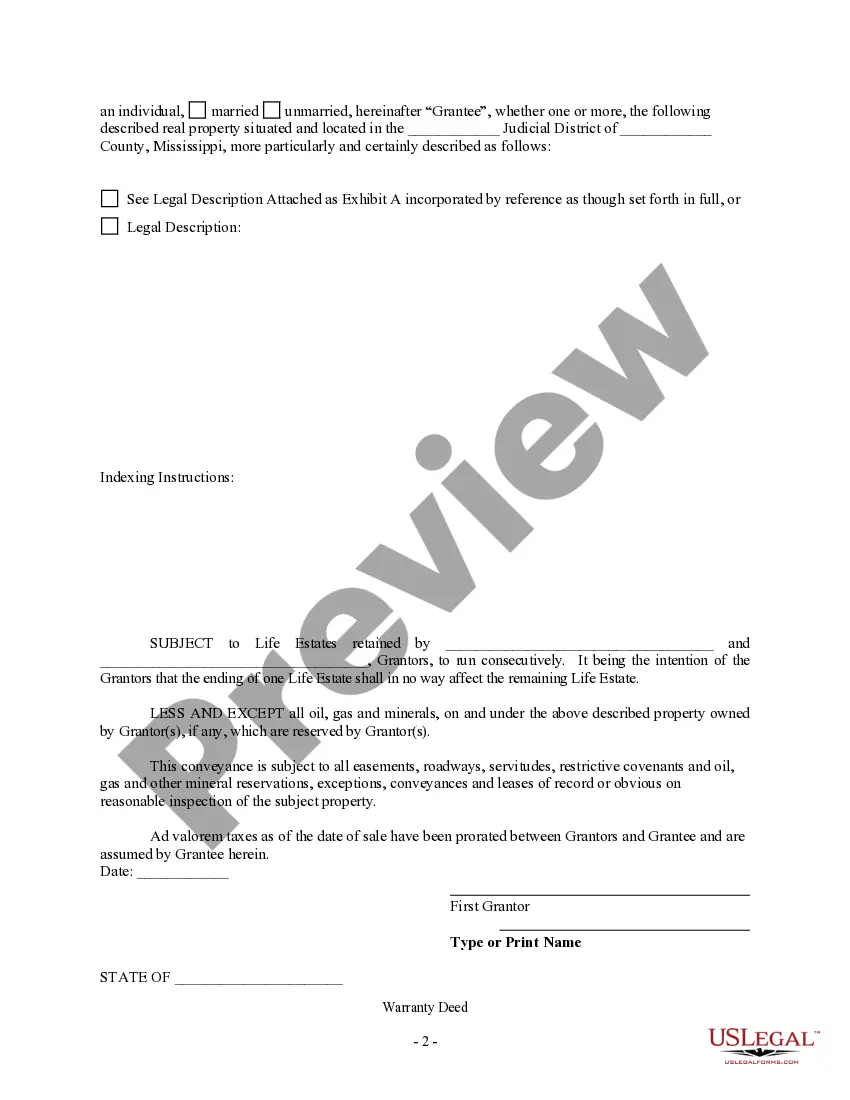
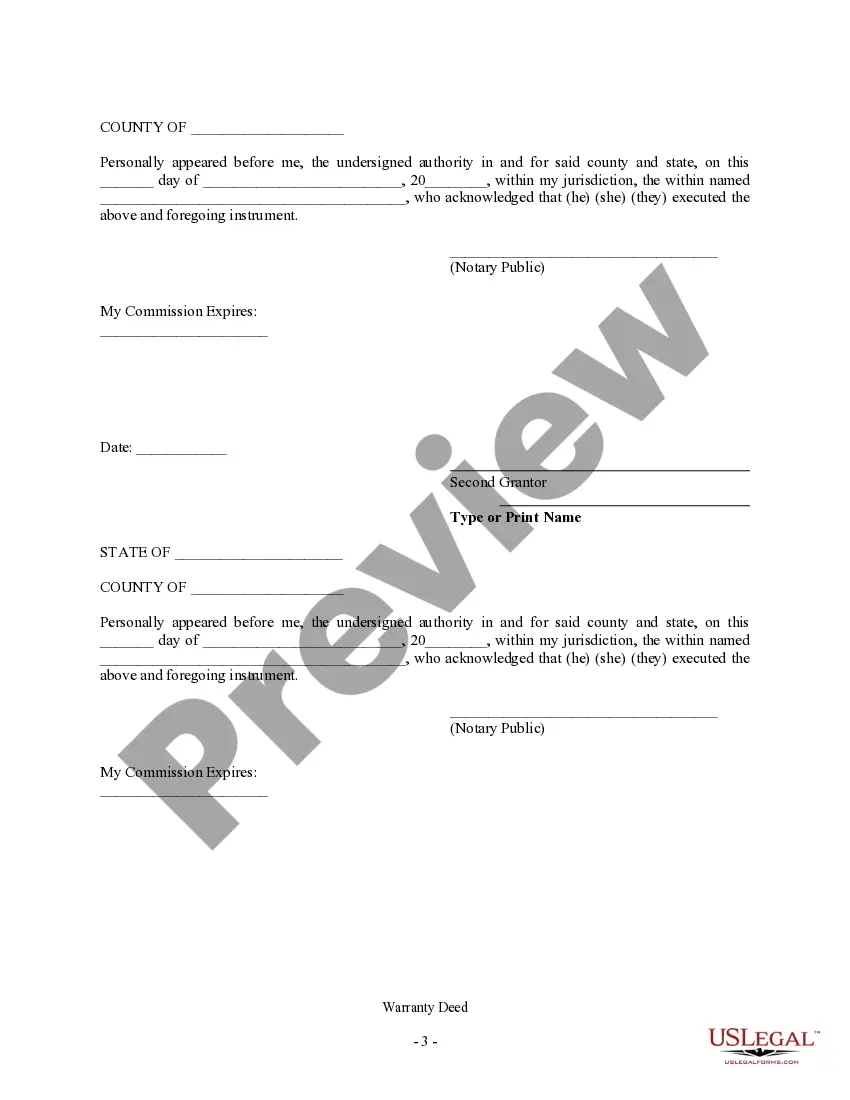

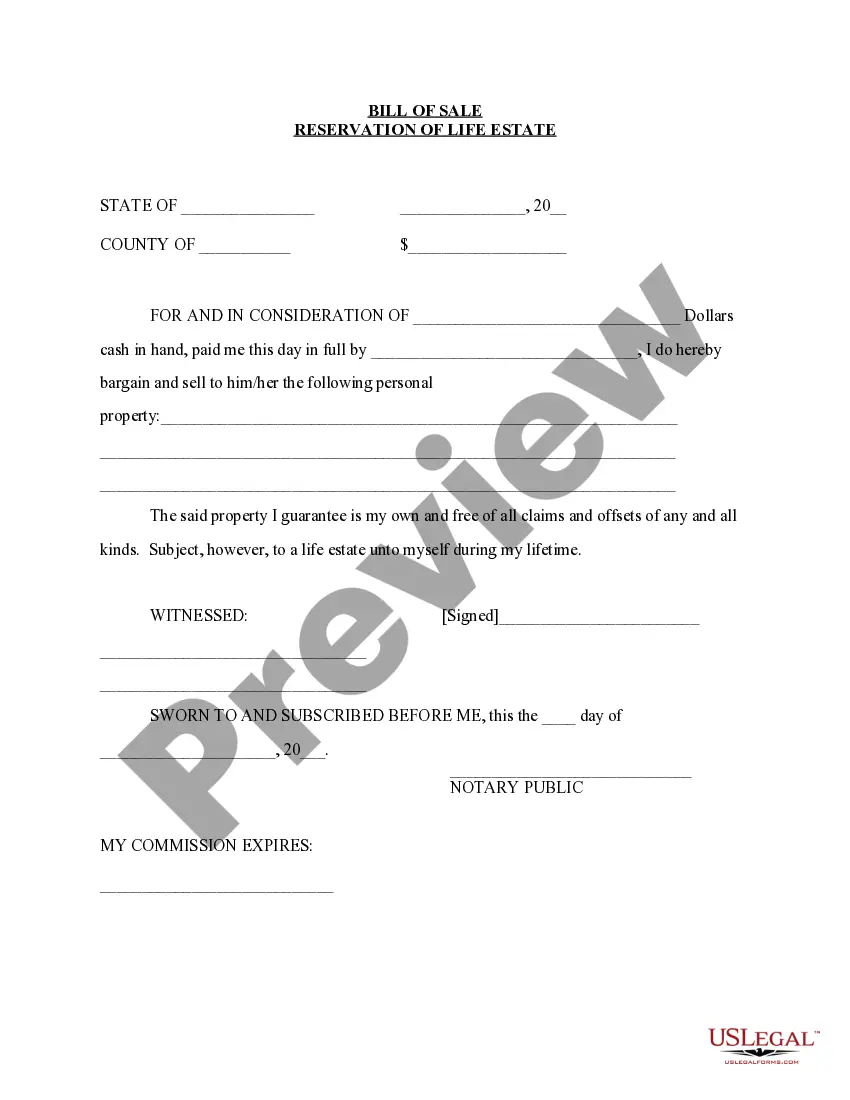


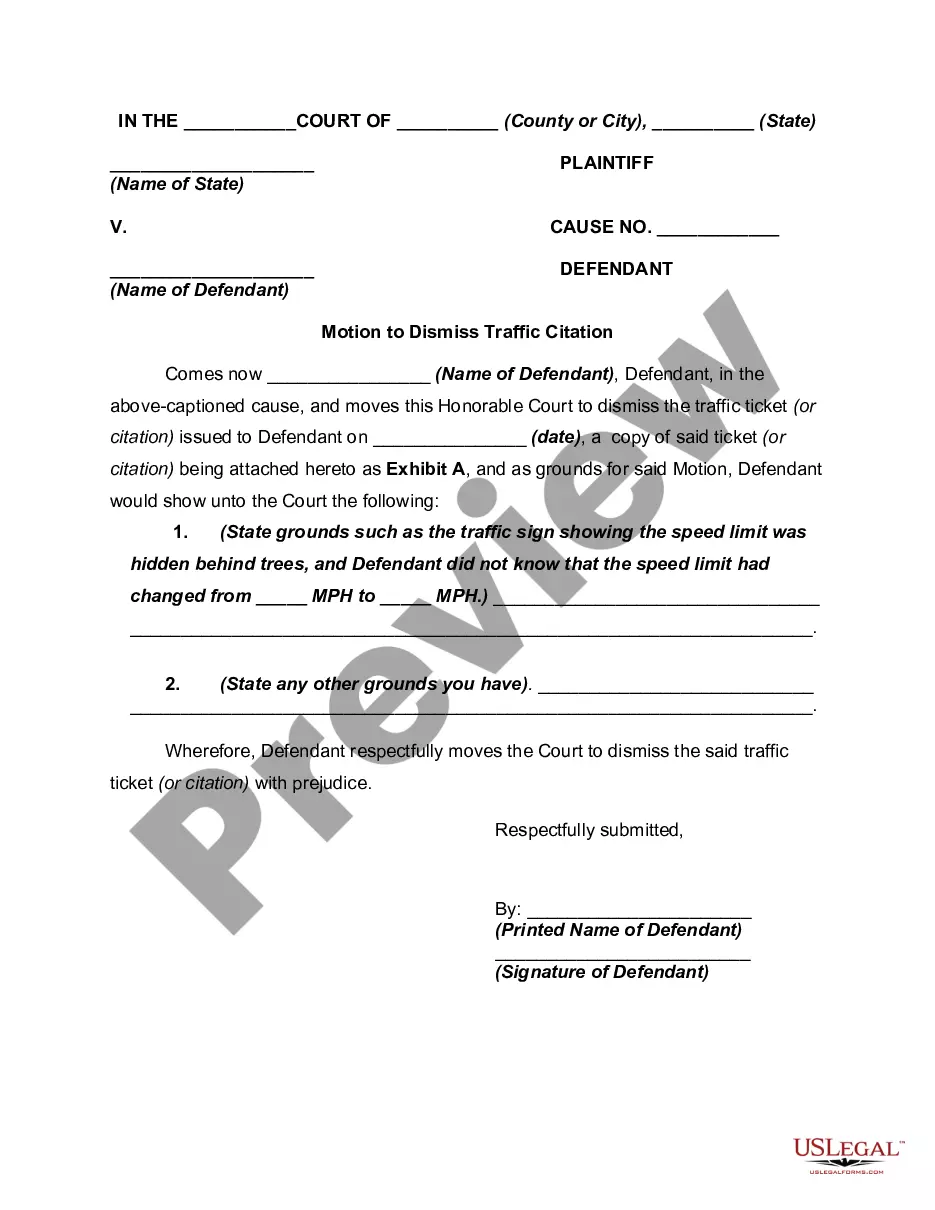
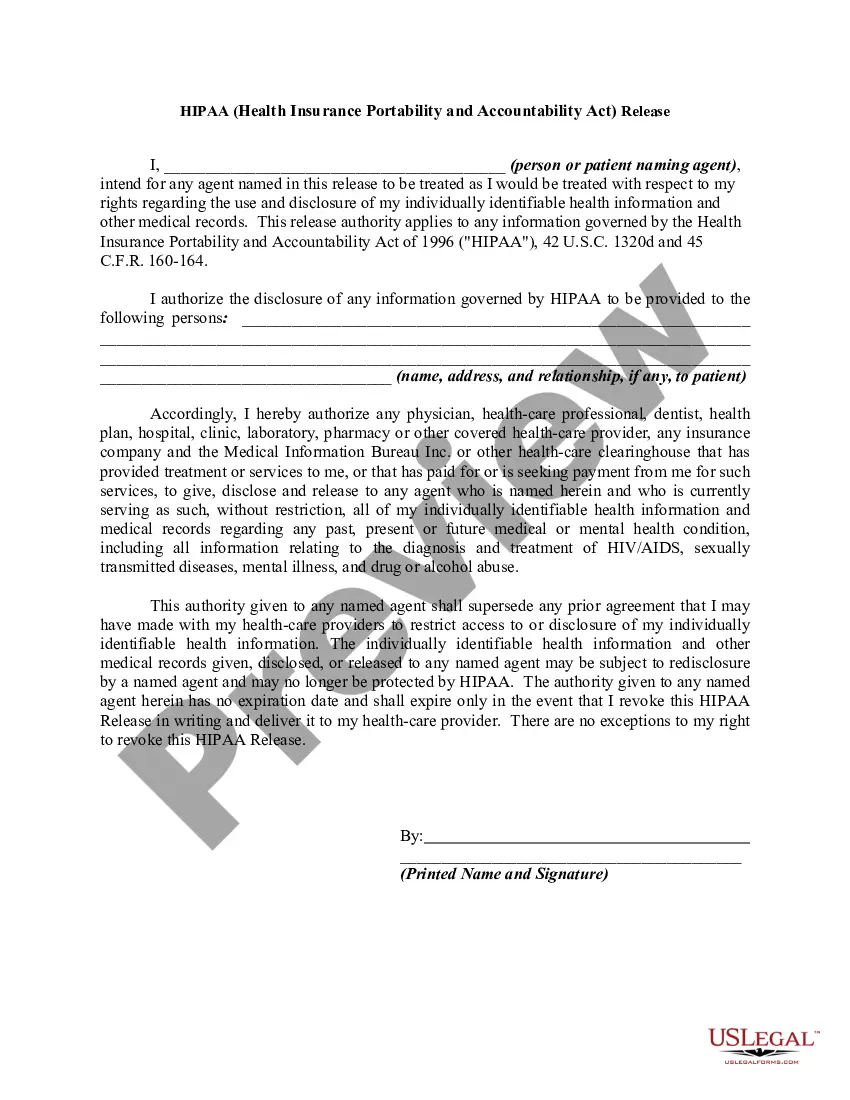
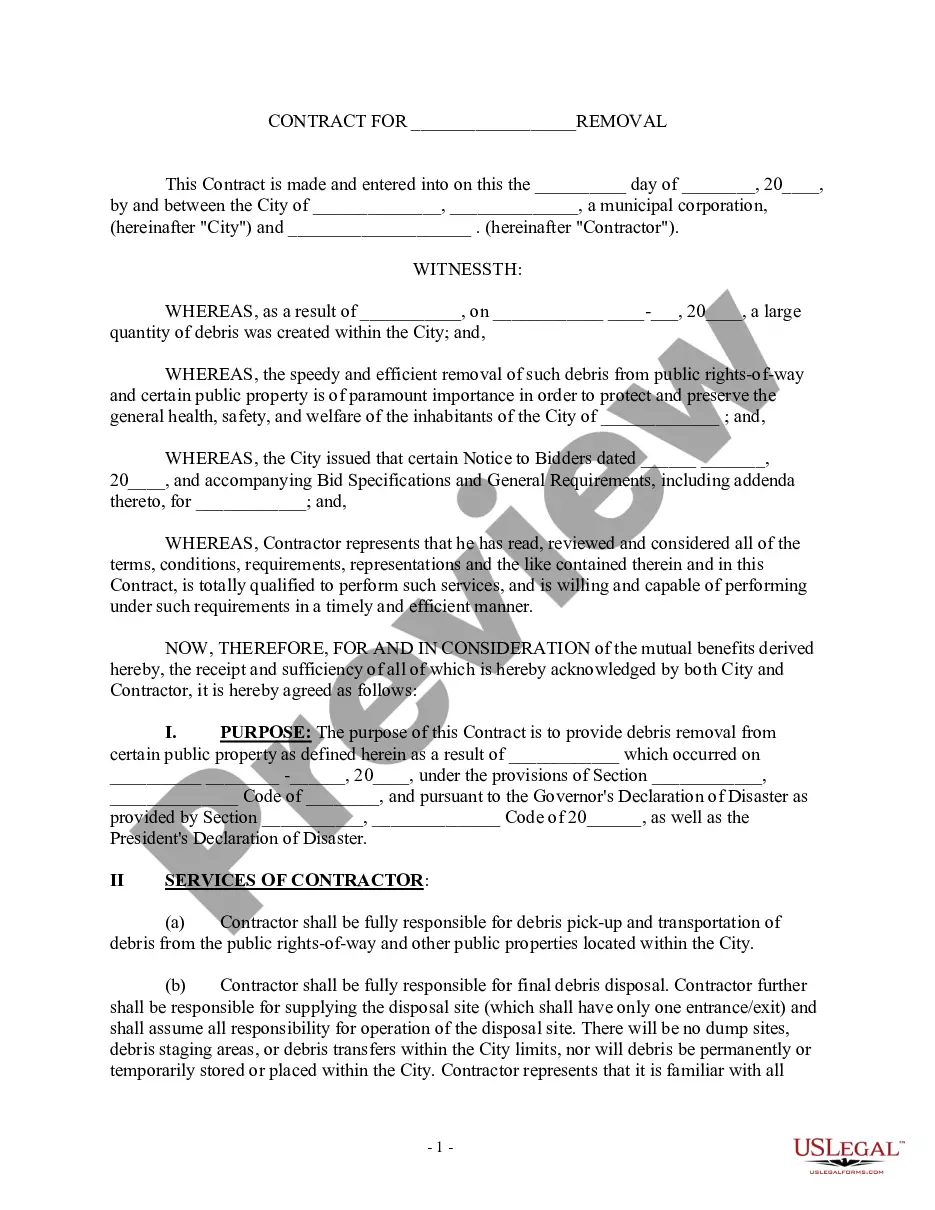
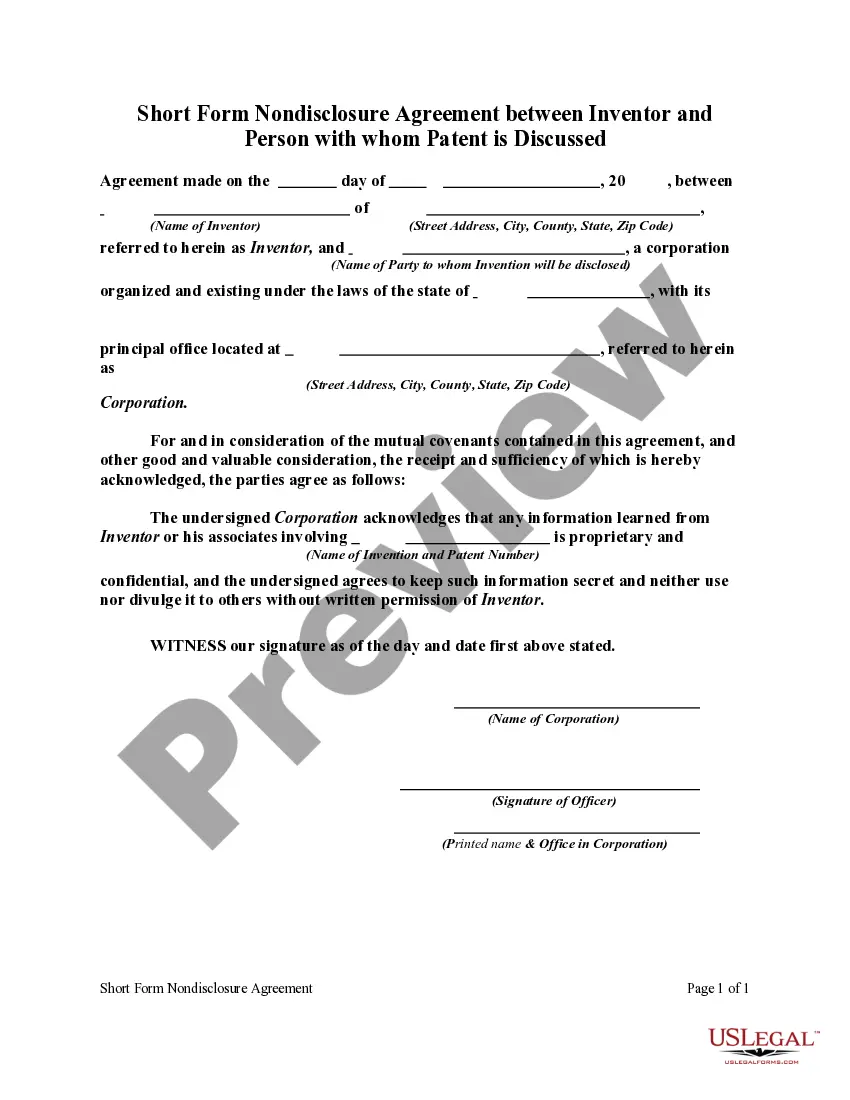
How to fill out Mississippi Warranty Deed To Child Reserving A Life Estate In The Parents?
- Log in to your US Legal Forms account if you are a returning user. If not, create a new account to begin your journey.
- Preview the document you need, checking its description to confirm it meets your specific state requirements.
- Use the search feature to find alternative templates if your initial choice isn't suitable for your needs.
- Choose the document you require and click the 'Buy Now' button to select your subscription plan.
- Complete your purchase by entering your payment details or using your PayPal account to finalize your subscription.
- Download the completed form and save it to your device for easy access, and remember it can be found in the 'My Forms' section of your account.
In conclusion, US Legal Forms offers a robust collection of legal documents tailored to your needs, especially for Medicaid planning involving life estates. With expert support and a comprehensive library, you can ensure your documents are legally sound and appropriate for your situation.
Explore US Legal Forms today and streamline your legal document preparation!
Form popularity
FAQ
The two primary types of life estates are conventional life estates and legal life estates. A conventional life estate is created by a property owner and designated in a deed, while a legal life estate is established by law, often through marriage or joint ownership. Knowing the differences between these types can enhance your understanding of how a life estate for Medicaid planning can work for you.
A life estate can be created by any property owner who is legally capable of transferring their interest in the property. Typically, the owner drafts a deed that specifies the life tenant and the remainderman. Working with an attorney or a specialized platform like US Legal Forms can help simplify this process and ensure compliance with legal requirements.
One downside of a life estate is that it limits the property owner’s ability to sell or mortgage the property without the consent of the remainderman. Furthermore, as the life estate holder, you remain responsible for property taxes and maintenance costs. Understanding these implications is crucial when considering a life estate for Medicaid planning.
Medicaid estate planning involves arranging your financial and legal affairs to qualify for Medicaid benefits while protecting your assets. By using tools like life estates, you can maintain ownership of your property while ensuring that your assets do not exceed Medicaid limits. Appropriate planning is essential to navigate the complex rules of Medicaid and preserve your estate for your heirs.
Life estates are generally created by a legal document, such as a deed or a will. These documents specify the grantor, who retains the life interest, and the remainderman, who will receive the property after the grantor passes away. This simple process can be beneficial for Medicaid planning, as it helps you allocate your assets effectively and securely.
A life estate is created when an individual transfers ownership of a property but retains the right to live there for the duration of their life. This legal arrangement allows you to enjoy the property while ensuring that it passes to a designated beneficiary upon your death. Establishing a life estate can be an effective strategy for Medicaid planning, as it helps protect your assets while meeting eligibility requirements.
Estate planning for Medicaid involves strategically arranging your assets to qualify for Medicaid benefits while minimizing loss of wealth. This process often includes tools like trusts, gifting strategies, and life estates. Life estate for Medicaid planning allows you to retain certain rights to your property while planning for future healthcare needs. Accessing legal resources, such as those provided by US Legal Forms, can significantly simplify this process.
In Maryland, the life estate statute legalizes the ownership of property for an individual's lifetime, with the remainder interest passing to another party after death. This concept is quite relevant in discussions surrounding life estate for Medicaid planning, as it can protect assets from being counted during Medicaid eligibility assessments. Understanding these laws is crucial for effective asset management, and resources like US Legal Forms offer essential guidance.
Estate planning and Medicaid planning are closely related, yet distinct concepts. Estate planning focuses on managing your assets and making plans for your heirs. Medicaid planning, on the other hand, specifically aims to qualify for Medicaid benefits while preserving assets. Utilizing life estate for Medicaid planning can be an effective strategy here, ensuring you make the most of both realms.
Estate planning is often referred to as wealth planning or legacy planning. This term encompasses the processes and strategies for managing one's assets during their lifetime and determining the distribution upon passing. By integrating life estate for Medicaid planning, individuals can ensure their assets are protected while receiving necessary medical support. Consider using comprehensive resources like US Legal Forms to navigate these important themes.