Answers To Interrogatories Sample With Questions
Description
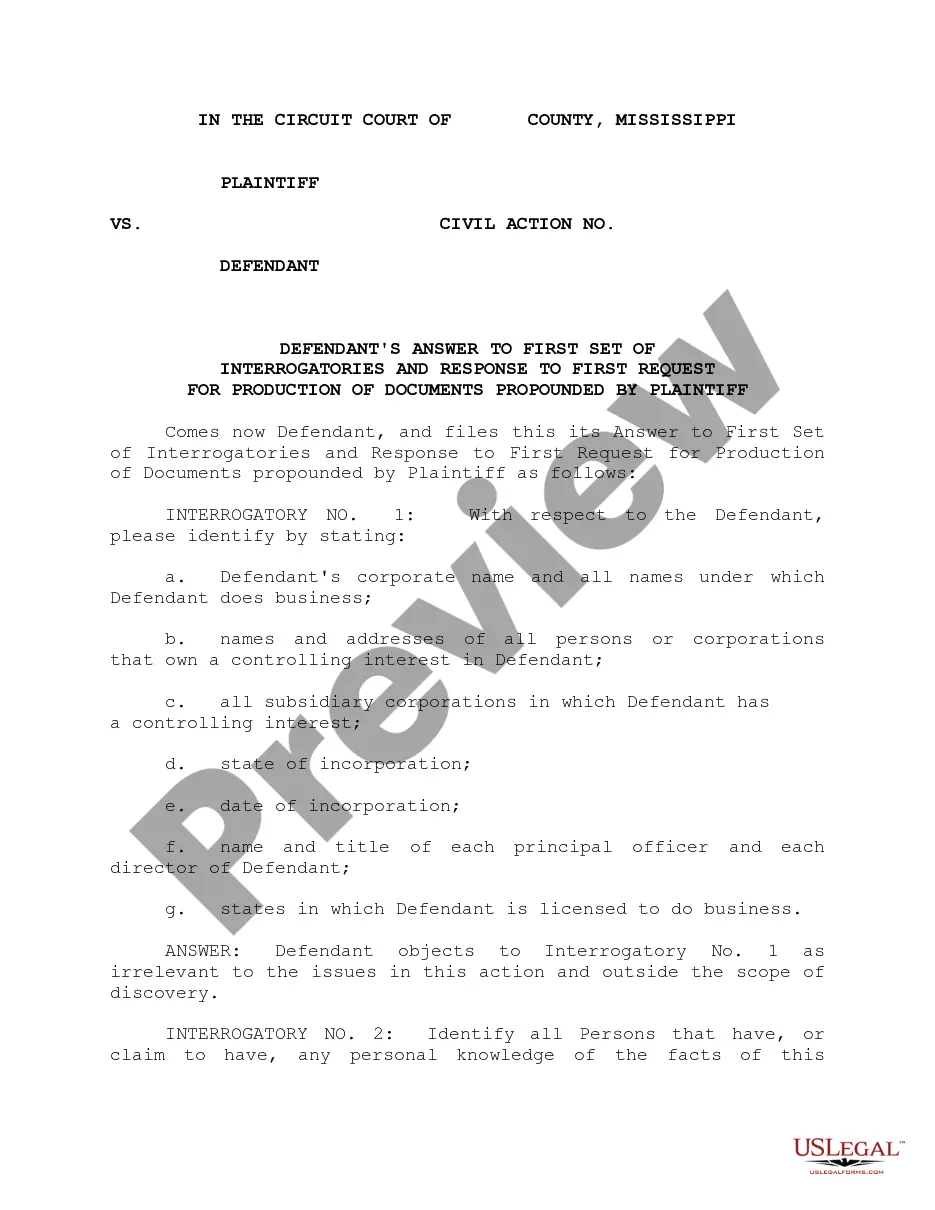
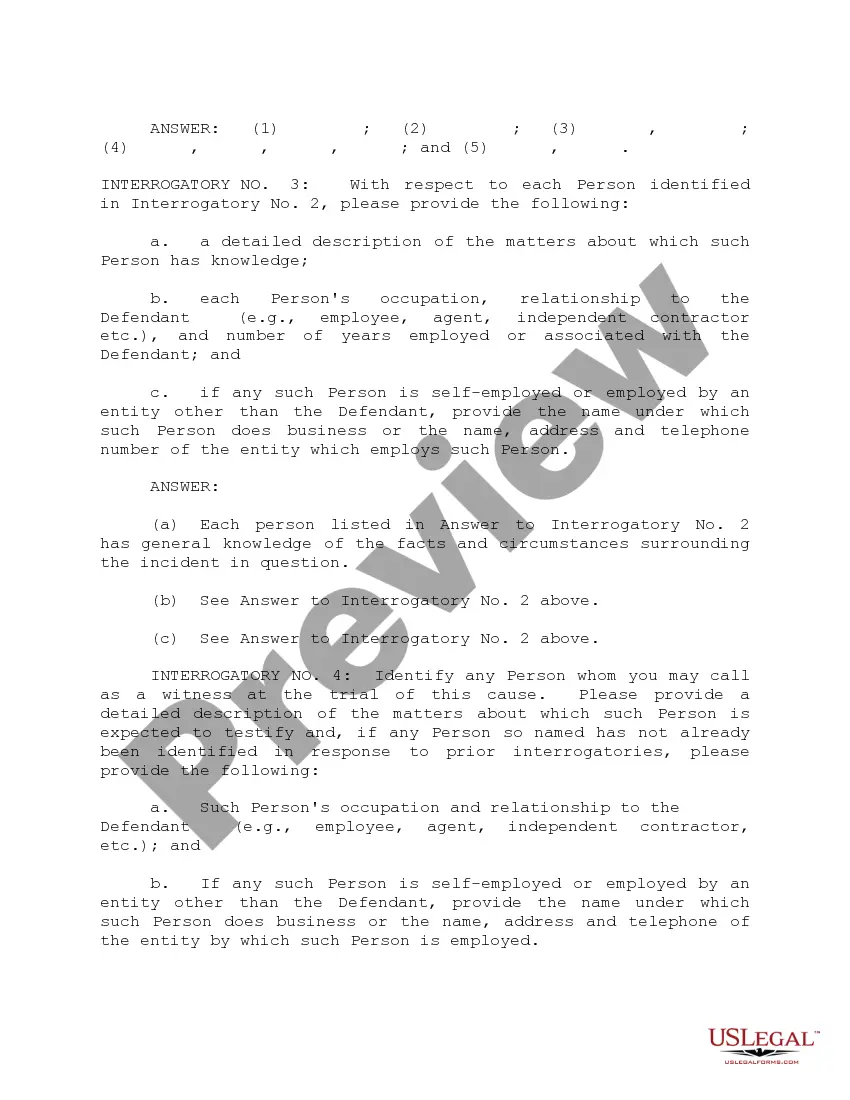
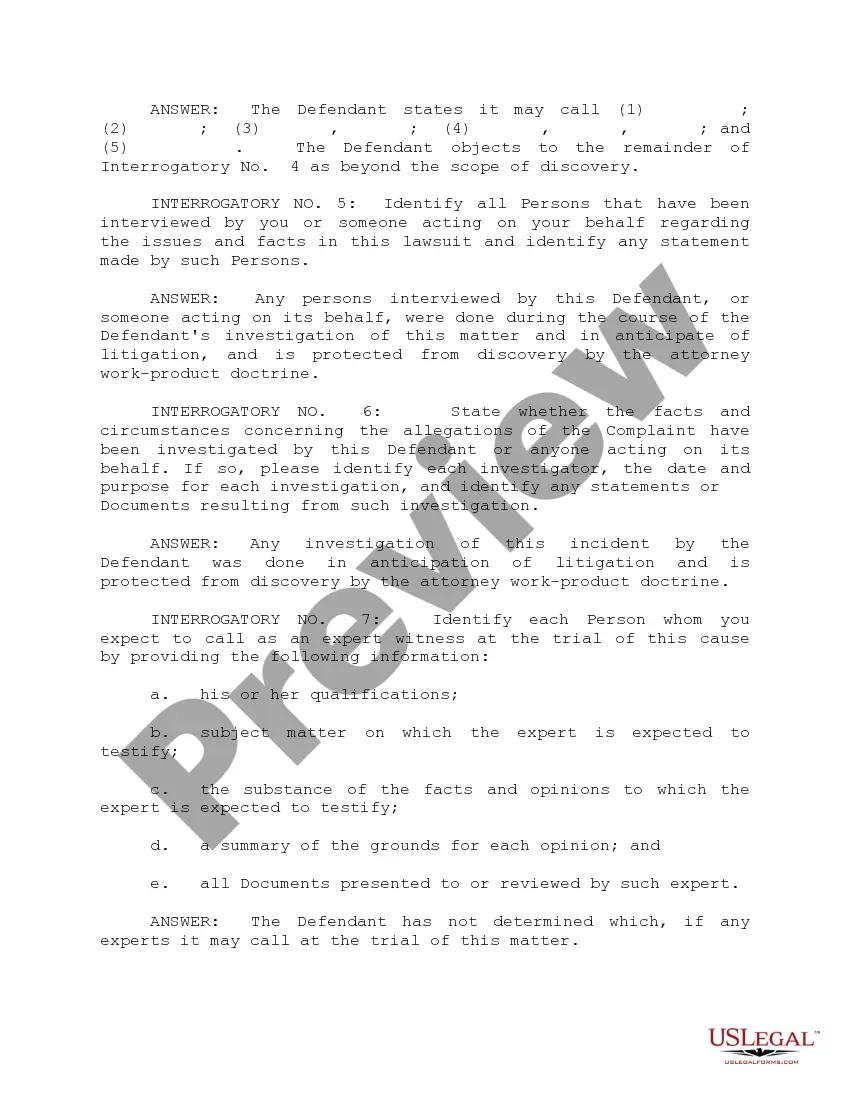
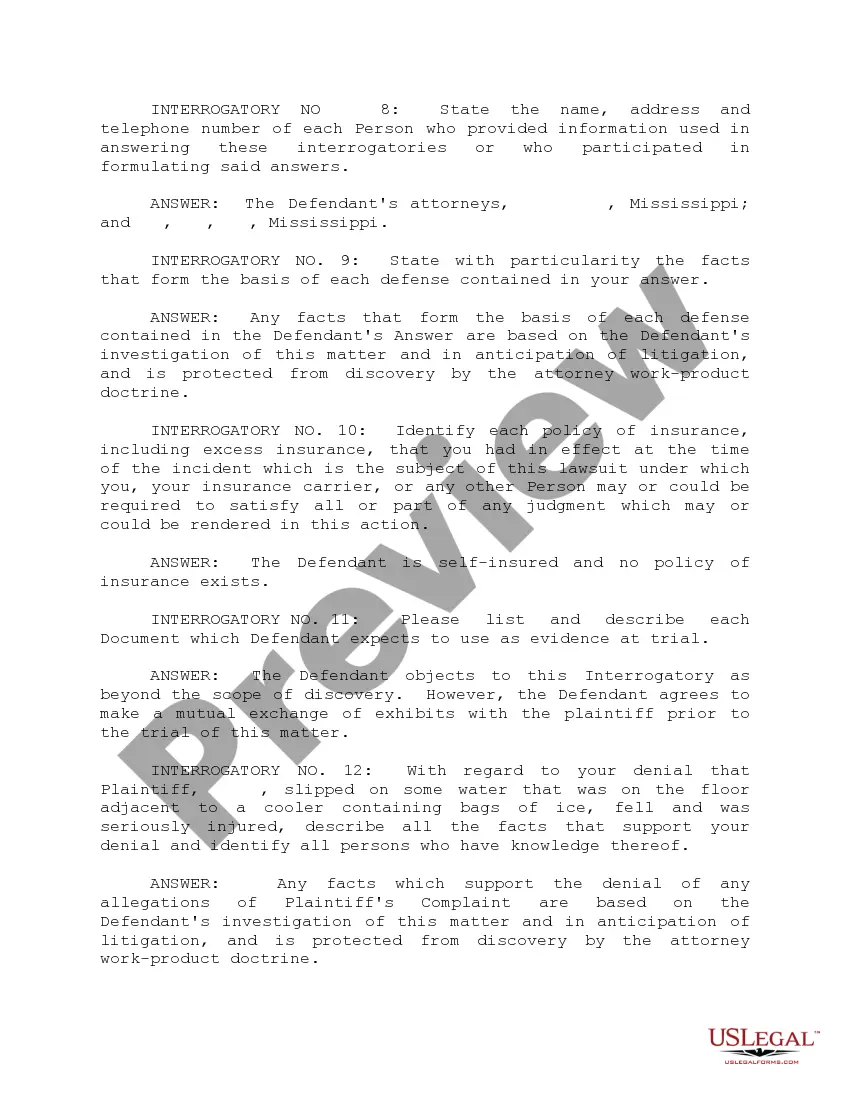
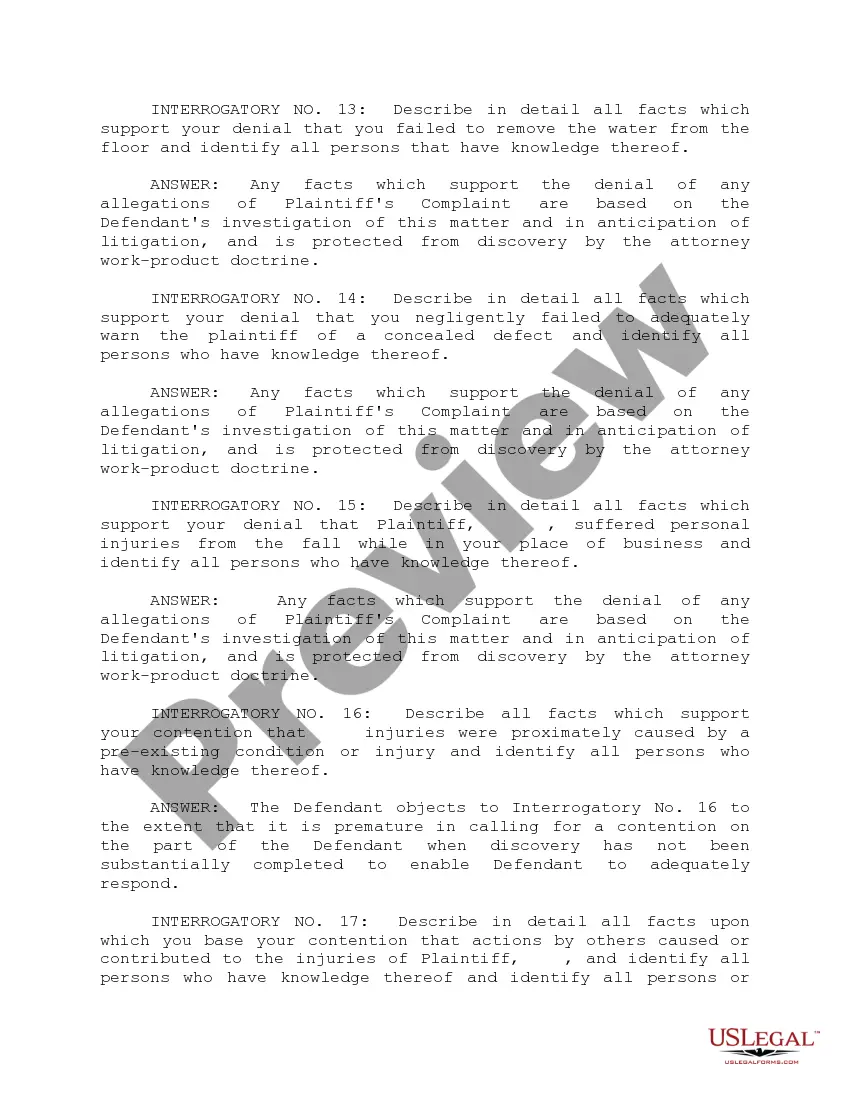
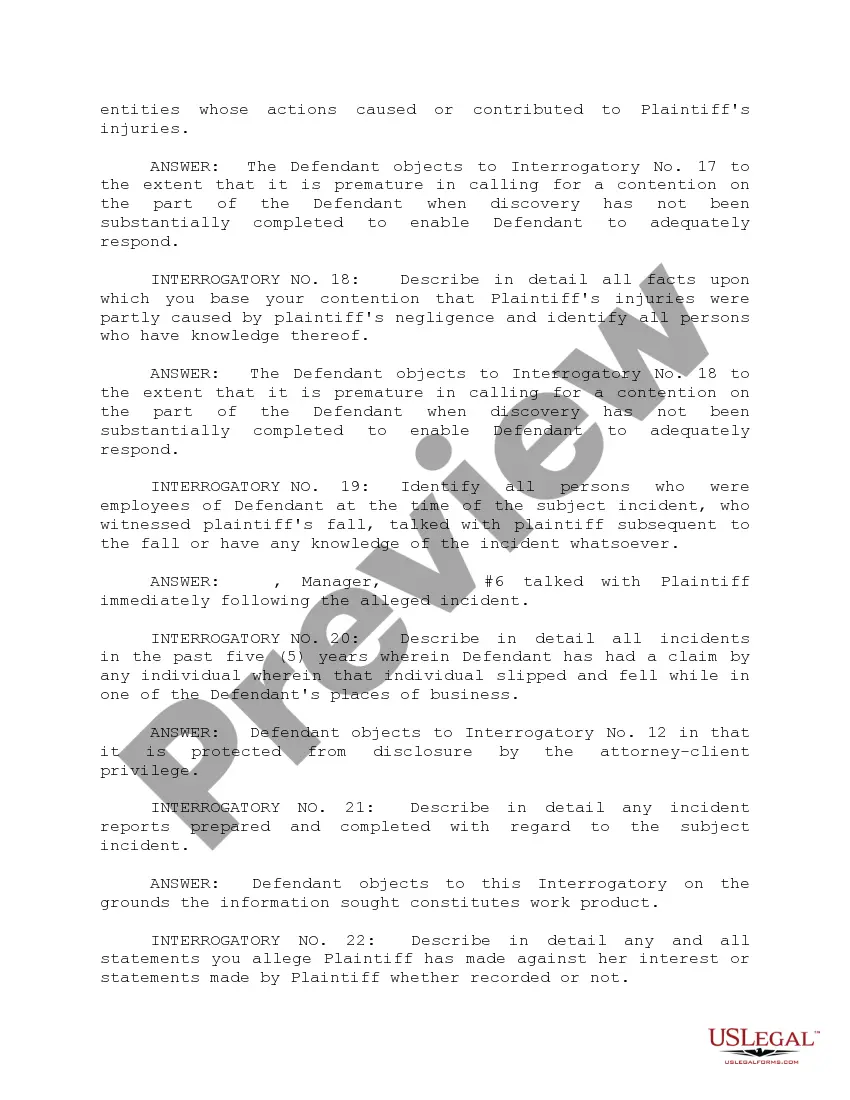
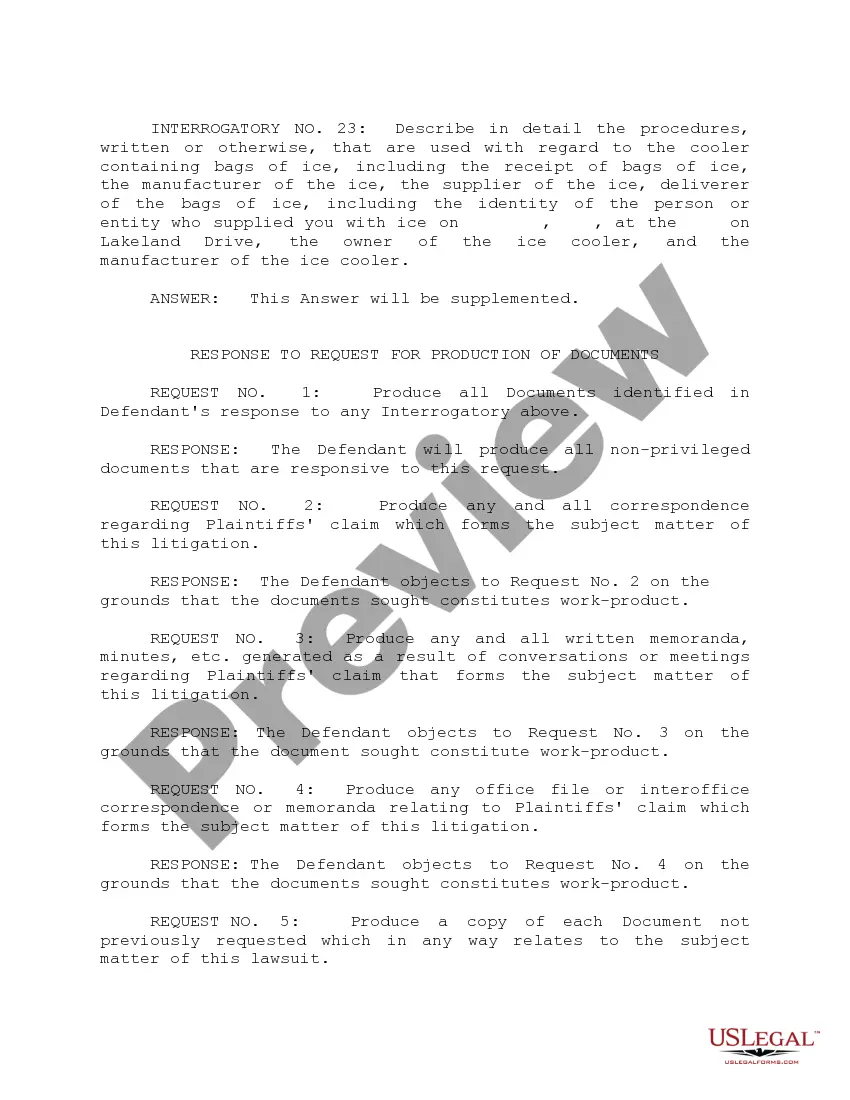
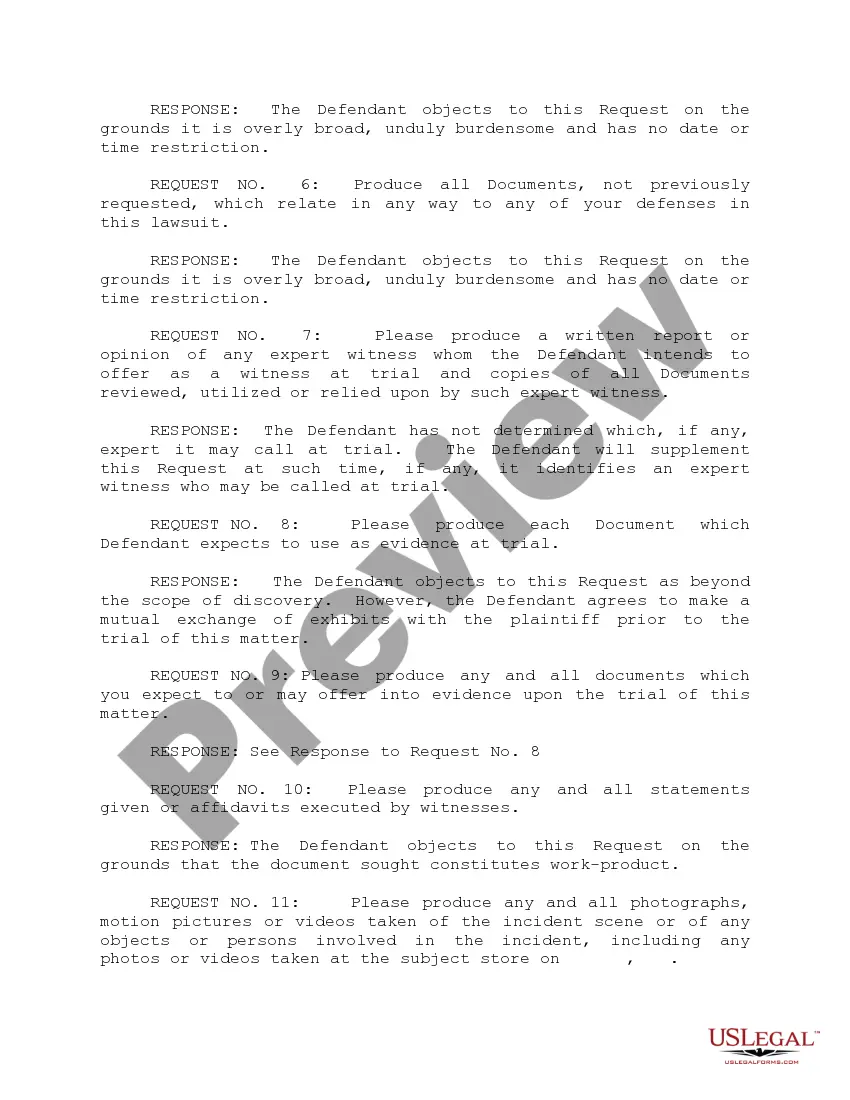
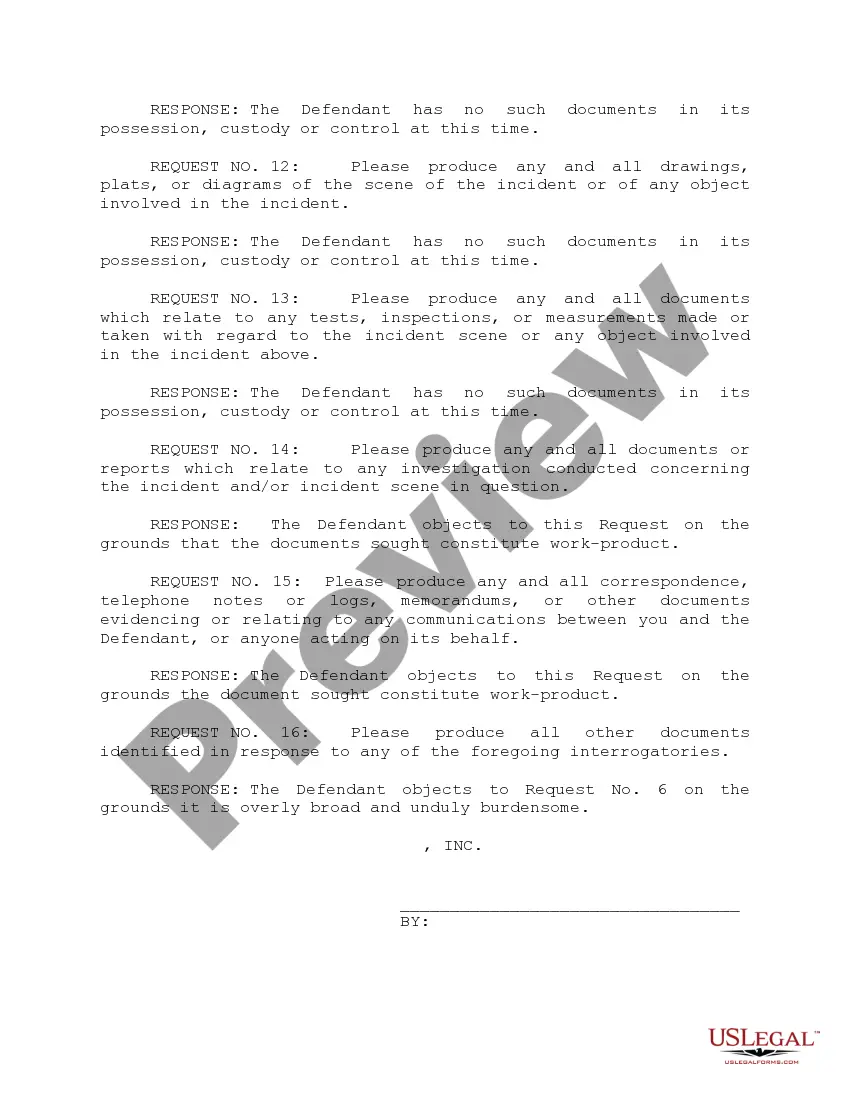


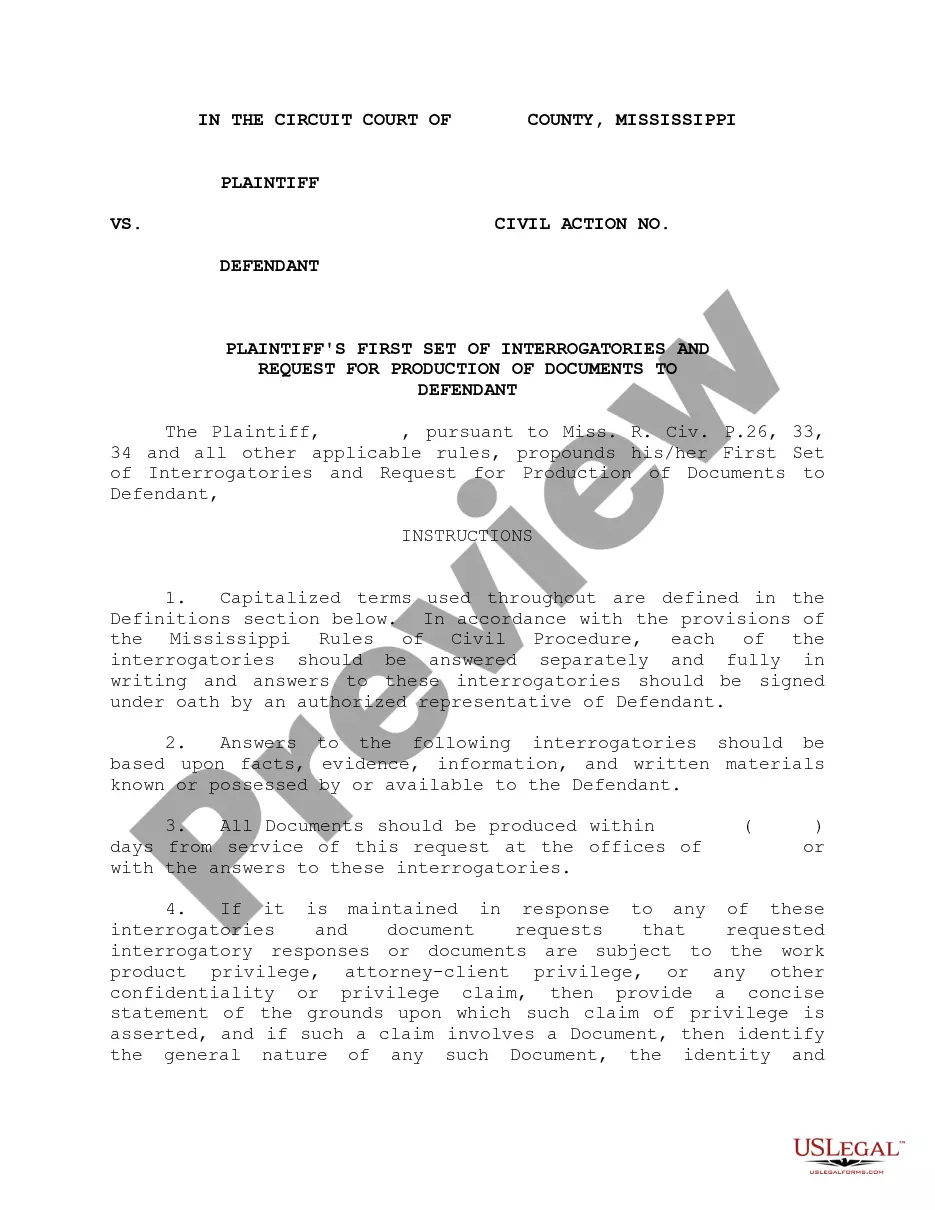
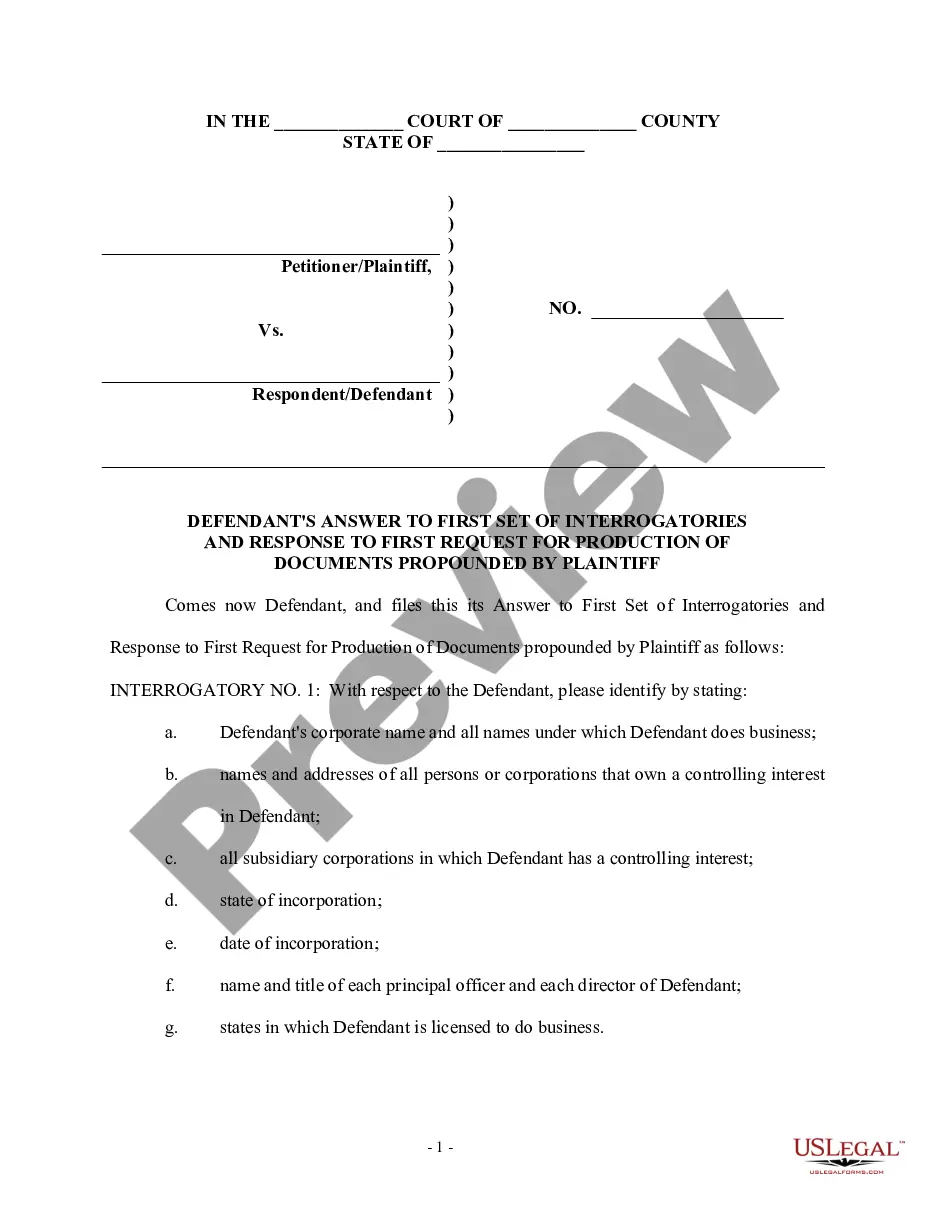

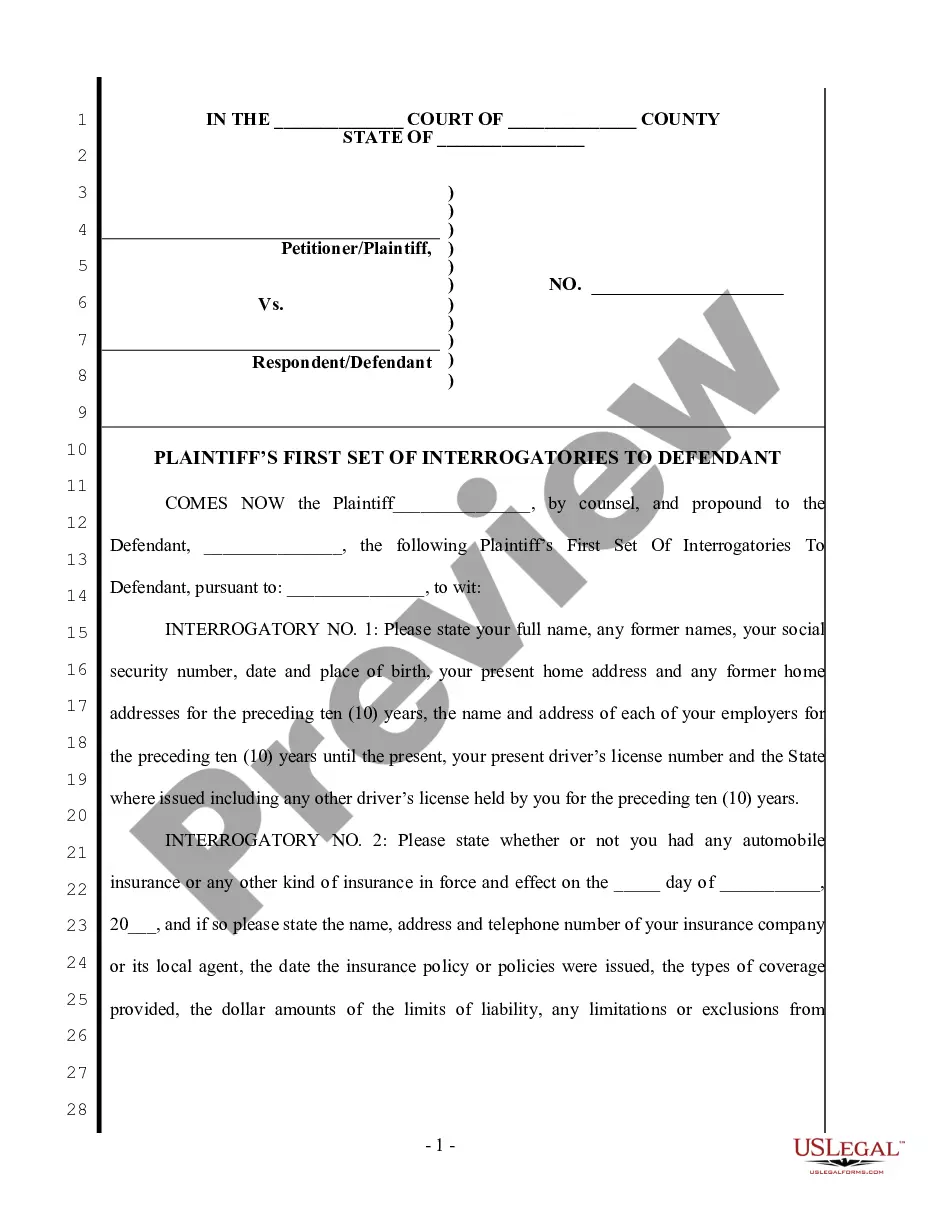
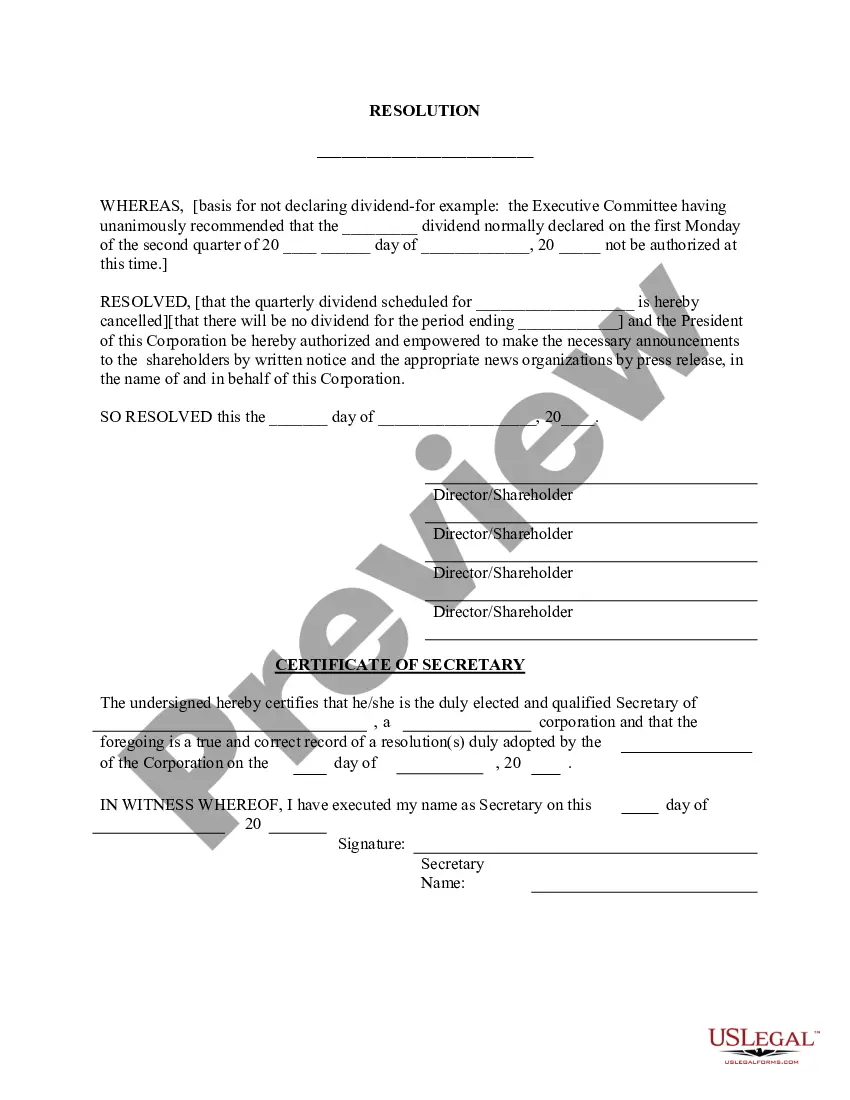
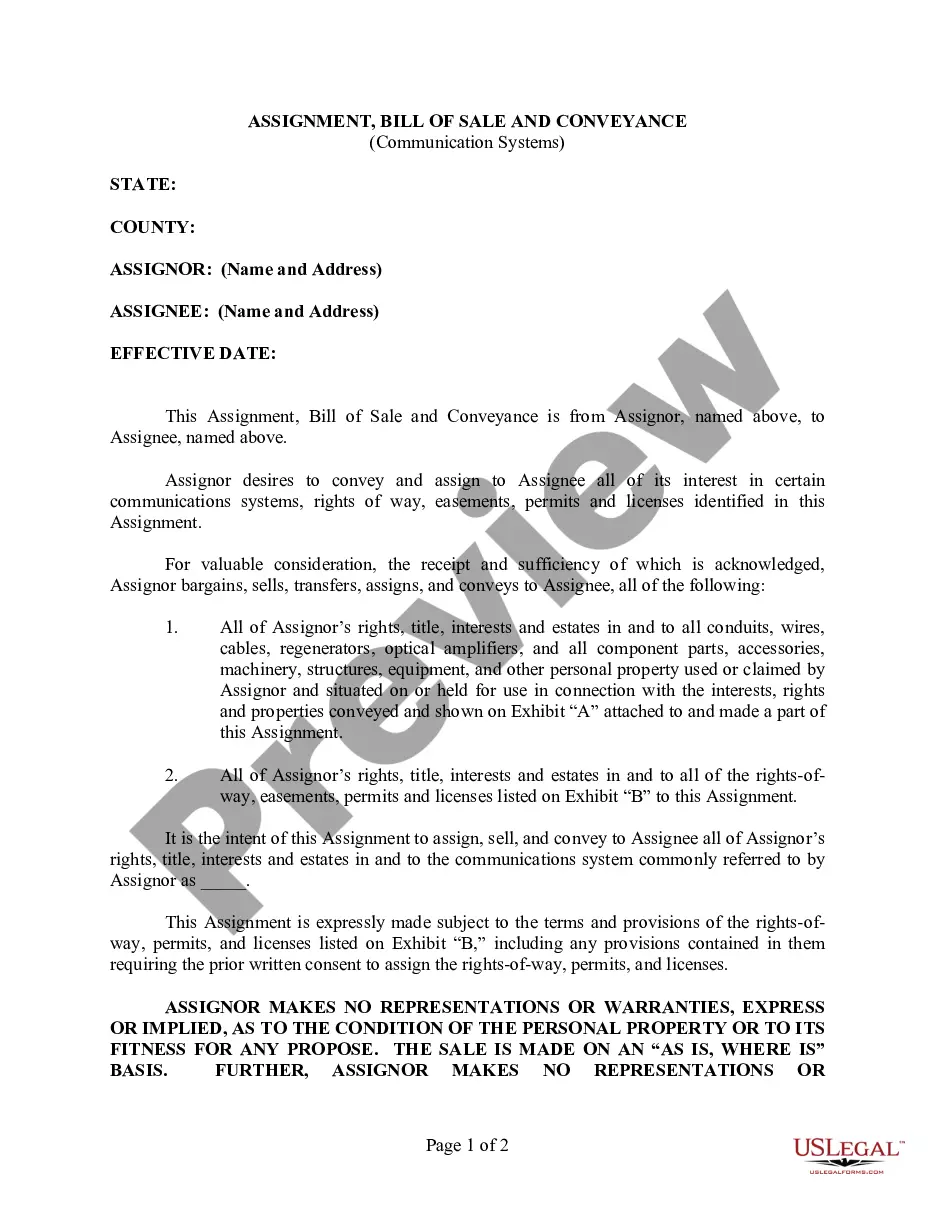


How to fill out Mississippi Defendant's Answers To Plaintiff's First Set Of Interrogatories And Requests For Production Of Documents?
Legal documentation handling can be exasperating, even for seasoned professionals.
If you are searching for a Sample of Answers to Interrogatories with Questions and lack the time to find the correct and updated version, the process can become overwhelming.
With US Legal Forms, you can.
Access legal and business forms specific to your state or county. US Legal Forms addresses all your needs, from personal to business documents, in one centralized location.
Here are the steps to follow after downloading the form you need: Verify that this is the correct form by previewing it and reviewing its description. Ensure that the sample is valid in your state or county. Click Buy Now when you are ready. Choose a monthly subscription plan. Select the format you require, and Download, complete, eSign, print, and send your document. Take advantage of the US Legal Forms online catalog, backed by 25 years of expertise and reliability. Transform your daily document management into a simple and user-friendly process today.
- Tap into a valuable repository of articles, tutorials, and guides related to your situation and requirements.
- Save time and energy searching for the documents you require, and leverage US Legal Forms’ sophisticated search and Review feature to locate the Sample of Answers to Interrogatories with Questions and download it.
- For those with a monthly subscription, Log In to your US Legal Forms account, search for the form, and download it.
- Check your My documents tab to view previously saved documents and manage your folders as you wish.
- If it’s your first interaction with US Legal Forms, set up a free account and gain unlimited access to all the platform's benefits.
- A robust online form repository can be transformative for anyone wishing to navigate these scenarios effectively.
- US Legal Forms stands as a frontrunner in the realm of online legal documents, boasting over 85,000 state-specific legal forms available to you at any time.
- Utilize advanced tools to fill out and oversee your Sample of Answers to Interrogatories with Questions.
Form popularity
FAQ
What types of questions can I ask in interrogatories? Questions about the other party's position or arguments in the case. Questions about the facts of the case. Questions about the other party's knowledge or understanding of relevant events or circumstances. Questions about the other party's witnesses or experts.
You must answer the questions or file objections to certain questions or the entire set of interrogatories. For example, you might not want to answer a question because it contains incorrect information like asking you to state who treated your broken leg, but you did not break your leg.
A shorter or longer time may be stipulated to under Rule 29 or be ordered by the court. (3) Answering Each Interrogatory. Each interrogatory must, to the extent it is not objected to, be answered separately and fully in writing under oath.
They are provided for your information. There is no form for your answer, but you typically have to respond in a specified format, using paper with numbers down the left-hand side, with your name and address at the top left, the name of the court and of the case, and the case number.
If you are unable to answer a specific question because you don't know or don't have access to the appropriate information, you must indicate the reasons. You may refer to a previous response when responding to an interrogatory providing the previous response sufficiently answers the later interrogatory.