Estate For Life Meaning
Description
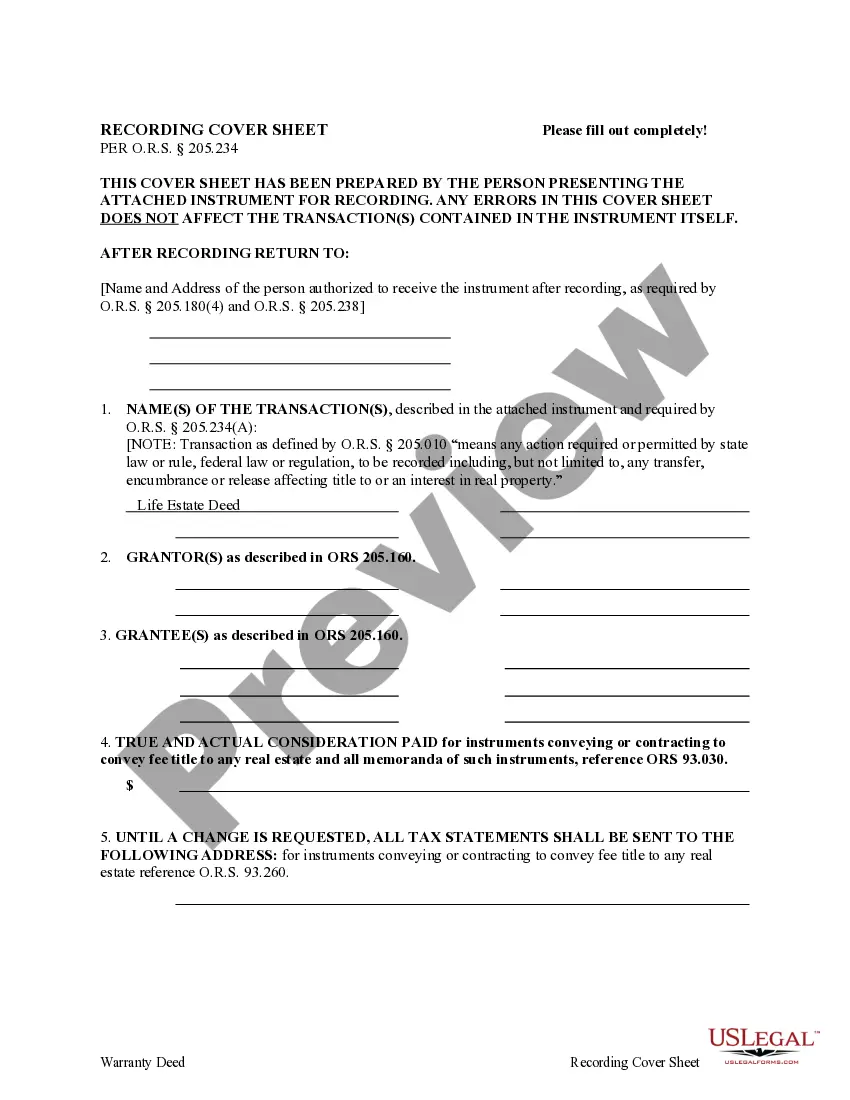
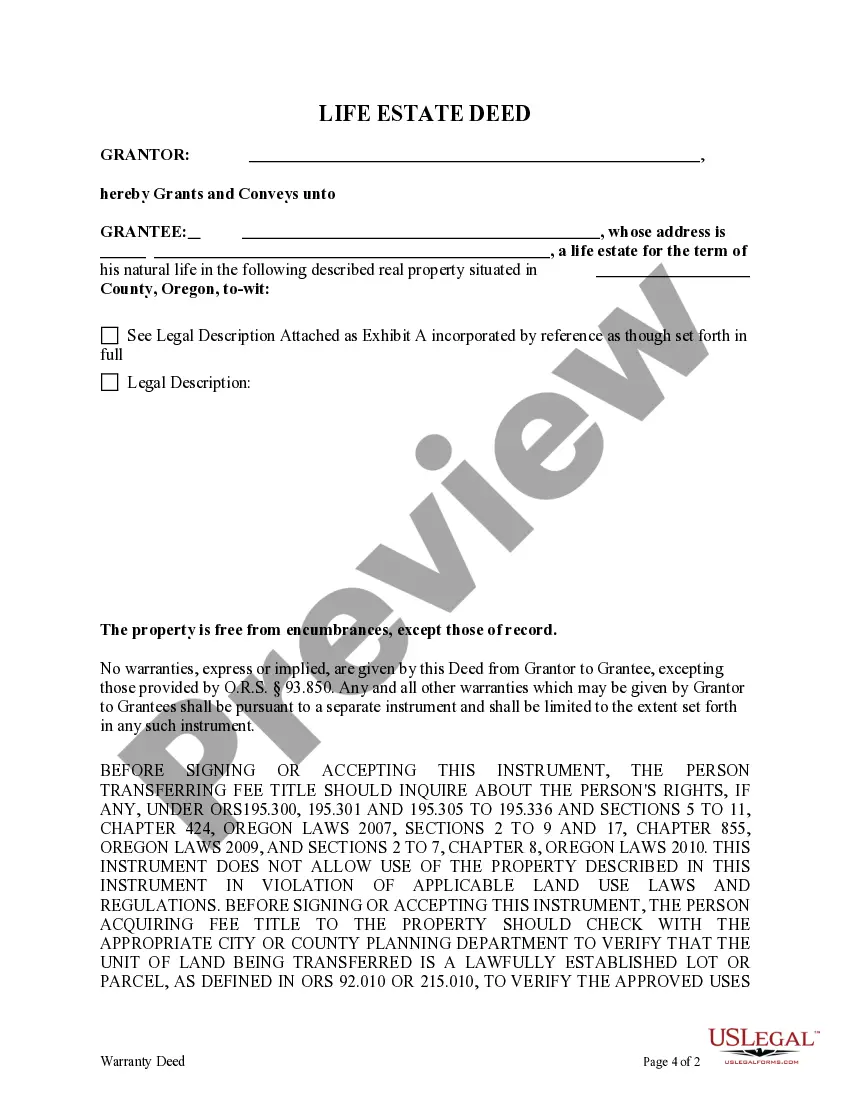
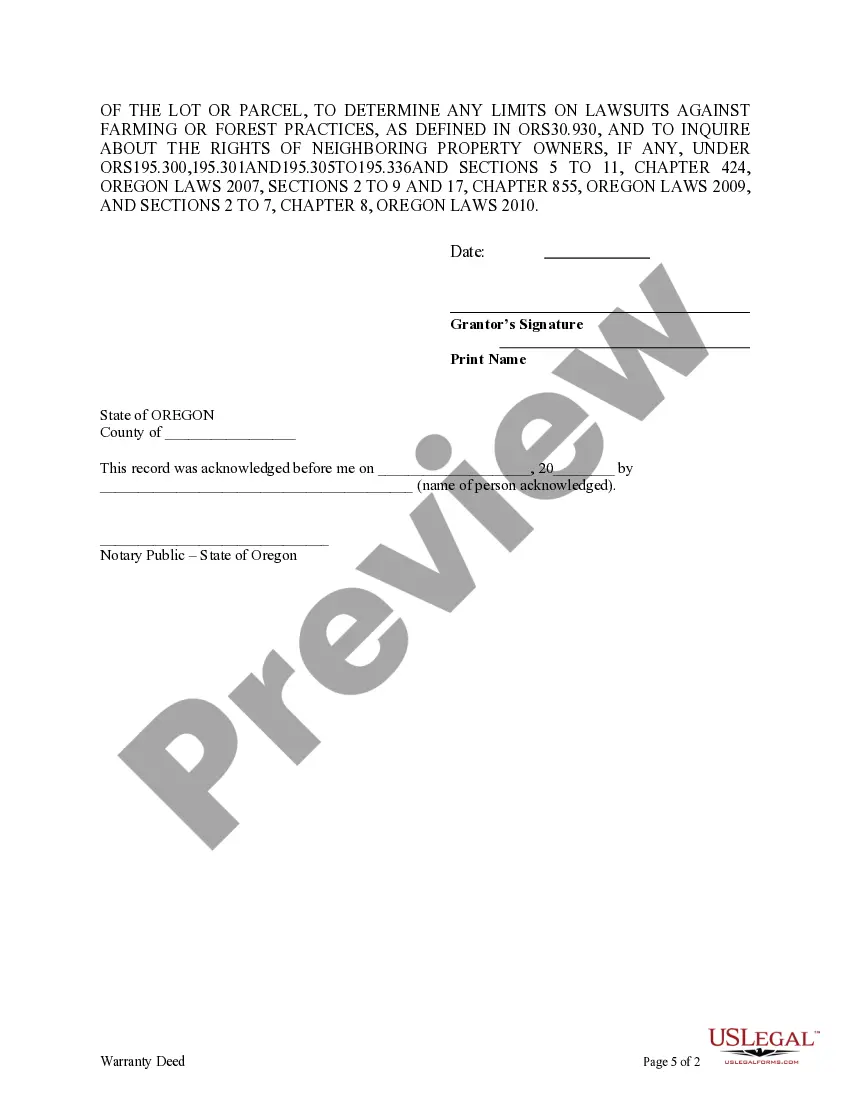


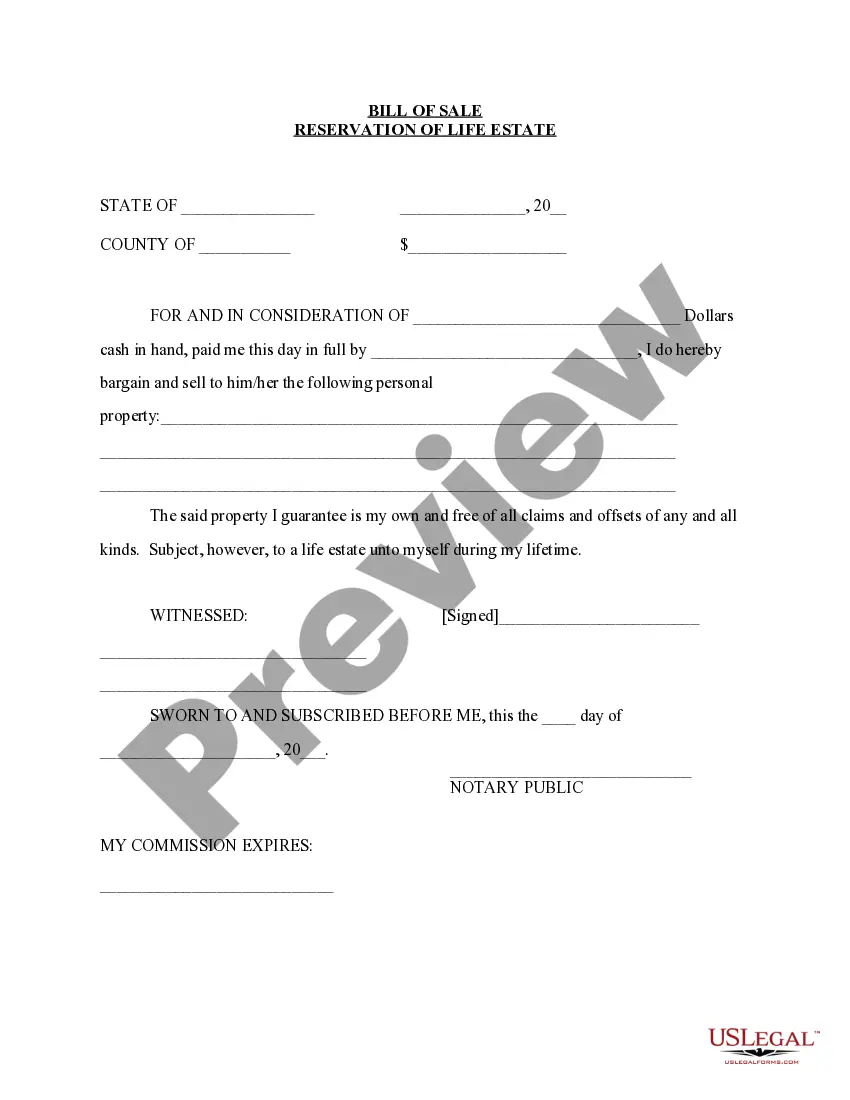

How to fill out Oregon Life Estate Deed From An Individual To An Individual.?
- Log in to your existing US Legal Forms account. If you're a new user, proceed to create an account and subscribe for access.
- Review the form preview mode to ensure it aligns with your legal requirements and local jurisdiction.
- If you need a different template, utilize the Search feature to find the exact document that serves your needs.
- Select the 'Buy Now' button to choose your preferred subscription plan, ensuring comprehensive access to the library's forms.
- Complete your purchase using your credit card or PayPal account for a smooth transaction.
- Download your chosen form directly to your device, allowing immediate access and future retrieval via your 'My Forms' menu.
By following these steps, you can easily secure the correct legal documentation to understand and manage your estate effectively.
Experience the ease and reliability of US Legal Forms today. Start your journey to better legal document management now!
Form popularity
FAQ
Getting out of a life estate involves a few important steps. First, you should clearly understand the estate for life meaning, as it grants the holder the right to use the property during their lifetime. To exit a life estate, consider talking to the remainderman or the person entitled to the property after your passing. Additionally, using a legal service like UsLegalForms can simplify the process by providing the necessary forms and guidance to effectively terminate your life estate.
A life estate can be established through three primary methods: by deed, by will, or through a trust. Each method creates a different scenario for transferring property rights during a person's lifetime. This flexibility allows for tailored estate planning to meet your unique needs. Understanding these options enhances your grasp of estate for life meaning and empowers you during the planning process.
Creating a life estate requires specific legal language to properly define the rights of the parties involved. Common phrases include terms like 'to A for life' that explicitly establish the life tenant's rights and indicate the future ownership by the remainderman. Accurate wording is crucial for avoiding legal disputes later. Consulting with an attorney or using tools from platforms such as US Legal Forms can help clarify the estate for life meaning.
To establish a life estate, you typically need a deed that formally outlines the terms and parties involved. This document should include the names of the life tenant and the remainderman. It is advisable to work with legal professionals to ensure that all required documentation meets state laws and regulations. For assistance, consider utilizing platforms like US Legal Forms to access resources tailored to the estate for life meaning.
A life estate grants ownership rights for the duration of a person's life, known as the life tenant. Upon the death of the life tenant, the property passes to the remainderman, the person designated to receive the property. This arrangement provides security for the life tenant while ensuring the remainderman eventually obtains full ownership. Knowing the specific terms of life estate meaning can inform your decisions about property management.
The downside of a life estate often includes limitations on ownership rights. Once you establish a life estate, you can live in or use the property, but you cannot sell it without the consent of the remainderman. Additionally, life estates can create complications if the owner needs funds from the property or faces issues related to maintenance and taxes. Understanding the estate for life meaning can help you navigate these challenges effectively.
Generally, a life estate cannot be sold without the consent of the remainderman, the individual who will inherit the property after the life tenant's death. However, some arrangements allow the life tenant to sell their interest in the estate, often requiring legal guidance. Understanding the estate for life meaning can help clarify your options and obligations under these circumstances.
A life estate grants immediate rights to use a property, while a will outlines how your assets should be distributed after your death. The key difference lies in the timing and nature of the rights; a life estate impacts current use, whereas a will affects future inheritance. Knowing the estate for life meaning can help clarify which option is best for your personal and financial goals.
A will does not override a life estate because the rights granted by a life estate take precedence during the individual's lifetime. The life tenant has the right to live in or benefit from the property, regardless of what the will states. Therefore, understanding the estate for life meaning is crucial for managing property and ensuring your wishes are fulfilled.
The choice between a will and a life estate depends on your specific circumstances. A will allows you to distribute your assets after death, while a life estate can provide benefits during your lifetime. Each has its advantages; however, knowing the estate for life meaning can help you make informed decisions about your assets and future.