Life Estate With Reversion
Description
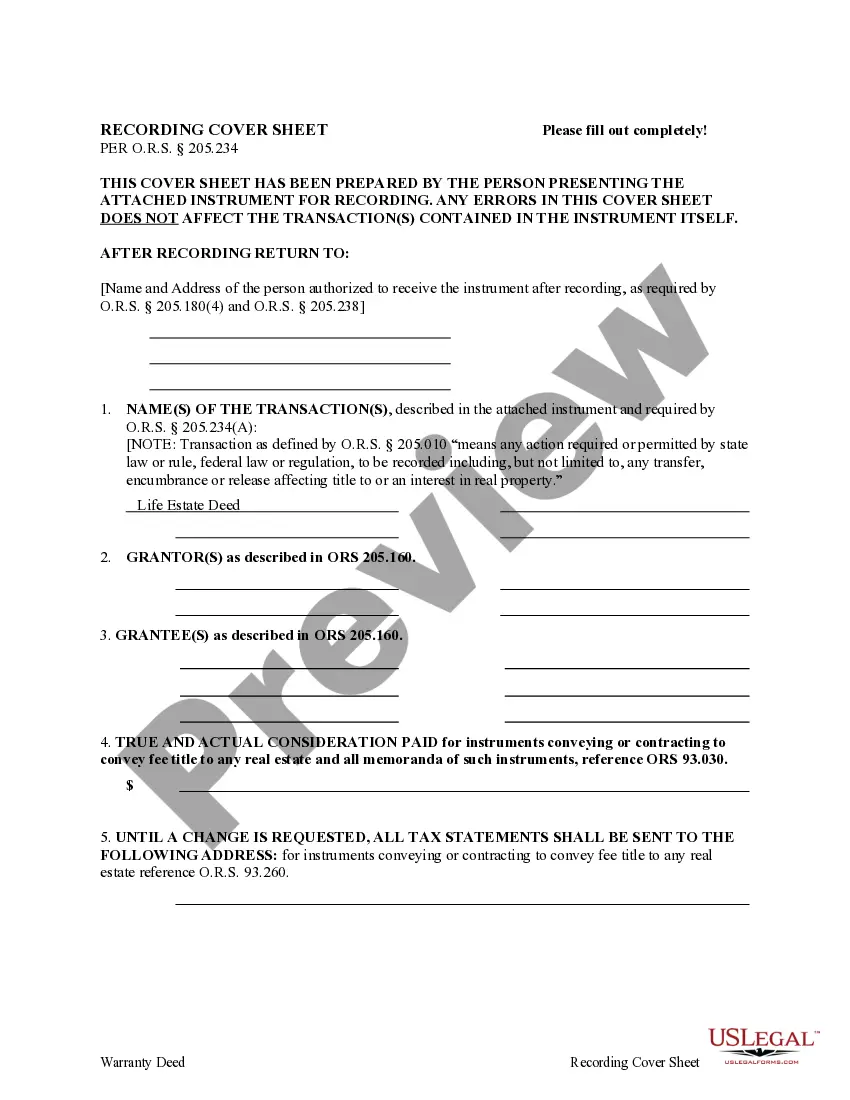
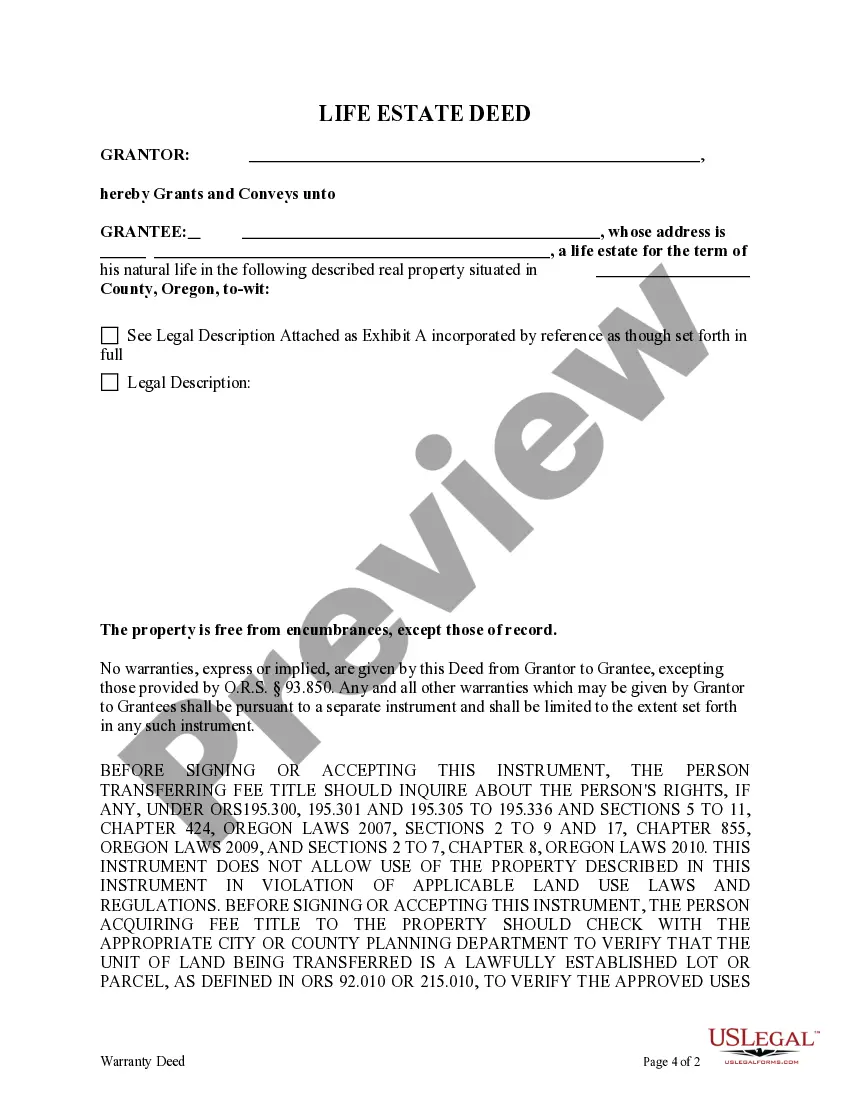
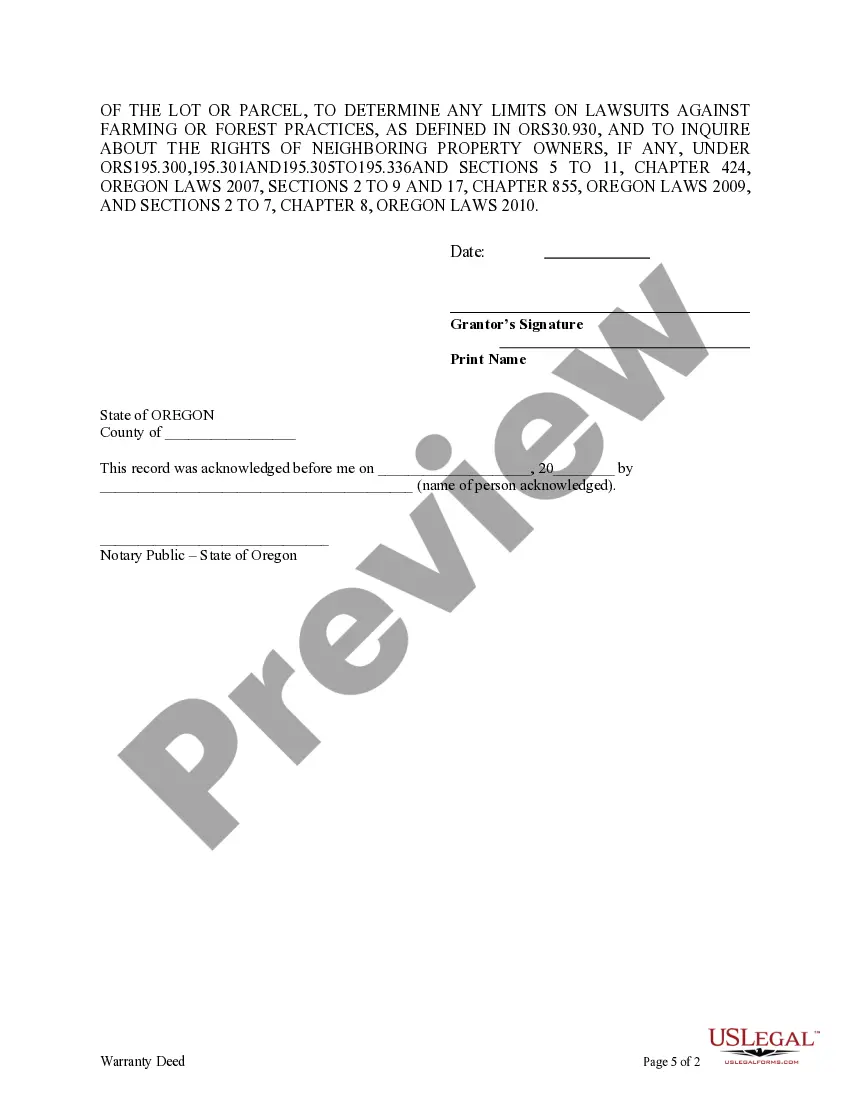


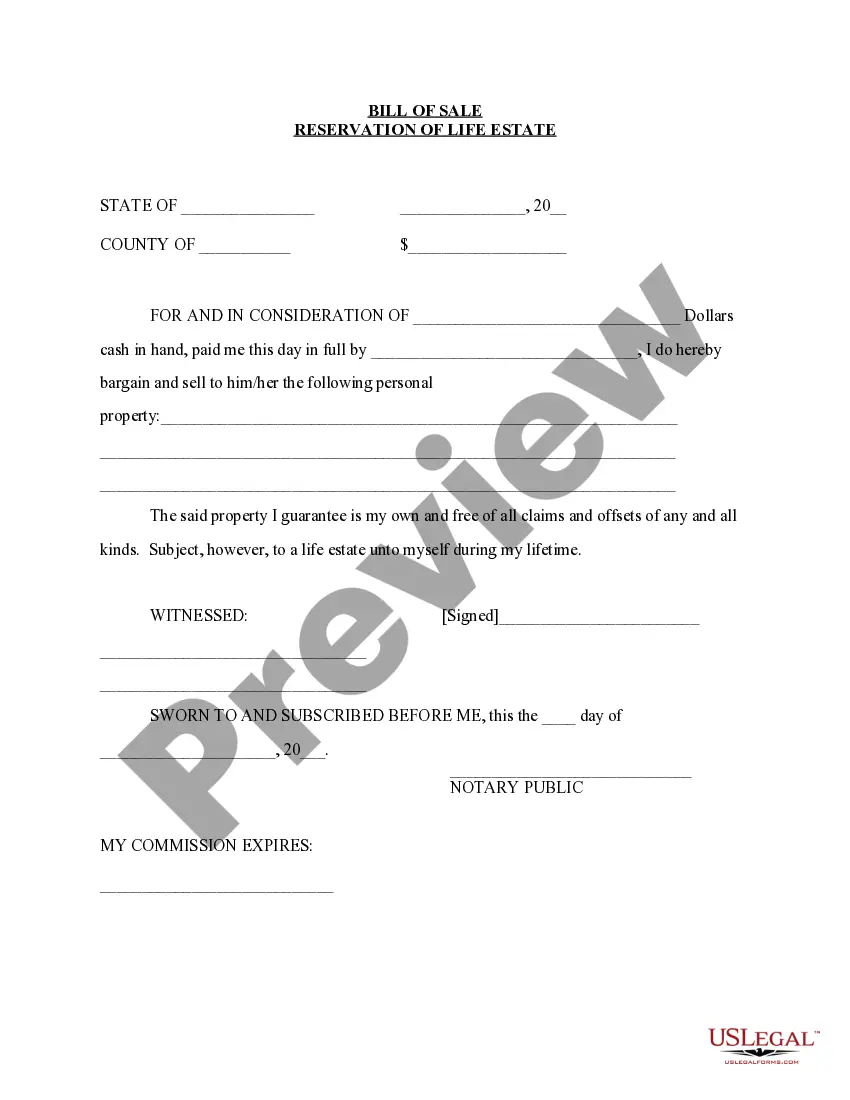

How to fill out Oregon Life Estate Deed From An Individual To An Individual.?
It’s clear that you cannot instantly become a legal expert, nor can you swiftly learn how to prepare a Life Estate With Reversion without having a specialized education.
Compiling legal documents is a lengthy process that demands specific knowledge and expertise.
So why not entrust the preparation of the Life Estate With Reversion to the professionals.
Preview the document (if this option is available) and read the accompanying description to see if the Life Estate With Reversion fits your needs.
Start another search if you require a different document.
- With US Legal Forms, which offers one of the largest collections of legal documents, you can locate anything from court papers to office communication templates.
- We recognize how crucial it is to comply with federal and state legislation and regulations.
- This is why all forms on our site are location-specific and current.
- To get started, visit our website to find the document you need in just a few minutes.
- Use the search bar at the top of the page to discover the form you’re seeking.
Form popularity
FAQ
A reversion estate occurs when property ownership reverts back to the original owner after a certain condition is met or upon the end of a life estate. In the context of a life estate with reversion, the person who retains the reversionary interest will regain full ownership after the life tenant passes away. Understanding this concept is crucial, especially when planning your estate. US Legal Forms provides resources to help you navigate reversion estates and ensure your property's future is secure.
Yes, you can have a life estate with a reverse mortgage. This arrangement allows you to stay in your home while accessing its equity. However, the reverse mortgage lender may have specific requirements regarding the life estate with reversion. It's advisable to consult legal advice to understand how these two concepts can work together effectively.
A practical example of a reversion in real estate can be seen when a property owner leases land to a business for a specific period, after which the ownership automatically returns to the original owner. This type of arrangement can provide short-term benefits to the tenant while ensuring that the property reverts to the owner afterward. Such decisions are often best made with legal support, such as the resources available on the USLegalForms platform.
An example of a life estate in reversion might involve a grandparent granting their home to a grandchild, allowing the grandchild to live there for the rest of their life. After the grandchild's death, the home would revert back to the grandparent or their estate. This strategy helps in preserving family property and maintaining continuity in ownership.
A life estate with reversion occurs when property is granted to a life tenant, but ownership reverts back to the original owner or their heirs upon the tenant's death. This arrangement allows the original owner to retain some control over the property while providing the life tenant with legal rights to live there. It’s a useful estate planning tool that maintains family property within the original owner’s lineage.
A classic example of a life estate is when a parent transfers property to their child but retains the right to live in the home for the duration of their life. Upon the parent's death, ownership automatically transfers to the child. This arrangement illustrates how a life estate can provide security for the parent while ensuring clear transmission of property to the child.
Reversing a life estate typically involves a legal process that requires the consent of the current life tenant and the remainderman. This may include executing a new deed that clearly outlines the change in ownership. If you need assistance with this process, consider using the USLegalForms platform, which offers templates and guidance tailored for reversing a life estate.
In most cases, a life estate cannot be reversed once established, as the agreement is legally binding. However, it is possible for parties involved to modify or terminate the agreement through mutual consent, depending on the legal framework in place. Consulting a legal expert about your life estate with reversion can help clarify any options for potential changes.
Reversion itself is not an estate but rather a right to reclaim property after certain conditions are met, such as the expiration of a life estate. When a life tenant passes away, the property interest then reverts to the grantor or their heirs, thus creating a new opportunity for management or sale. Being aware of the reversion aspect in a life estate with reversion can aid in more strategic estate planning.
Following a life estate, ownership typically reverts to the original owner or their designated heirs. This transition reestablishes possession and control over the property, allowing heirs to manage or sell it as they see fit. Understanding what follows a life estate with reversion is essential in ensuring a well-structured estate plan.