Texas Mediation For Child Custody
Description
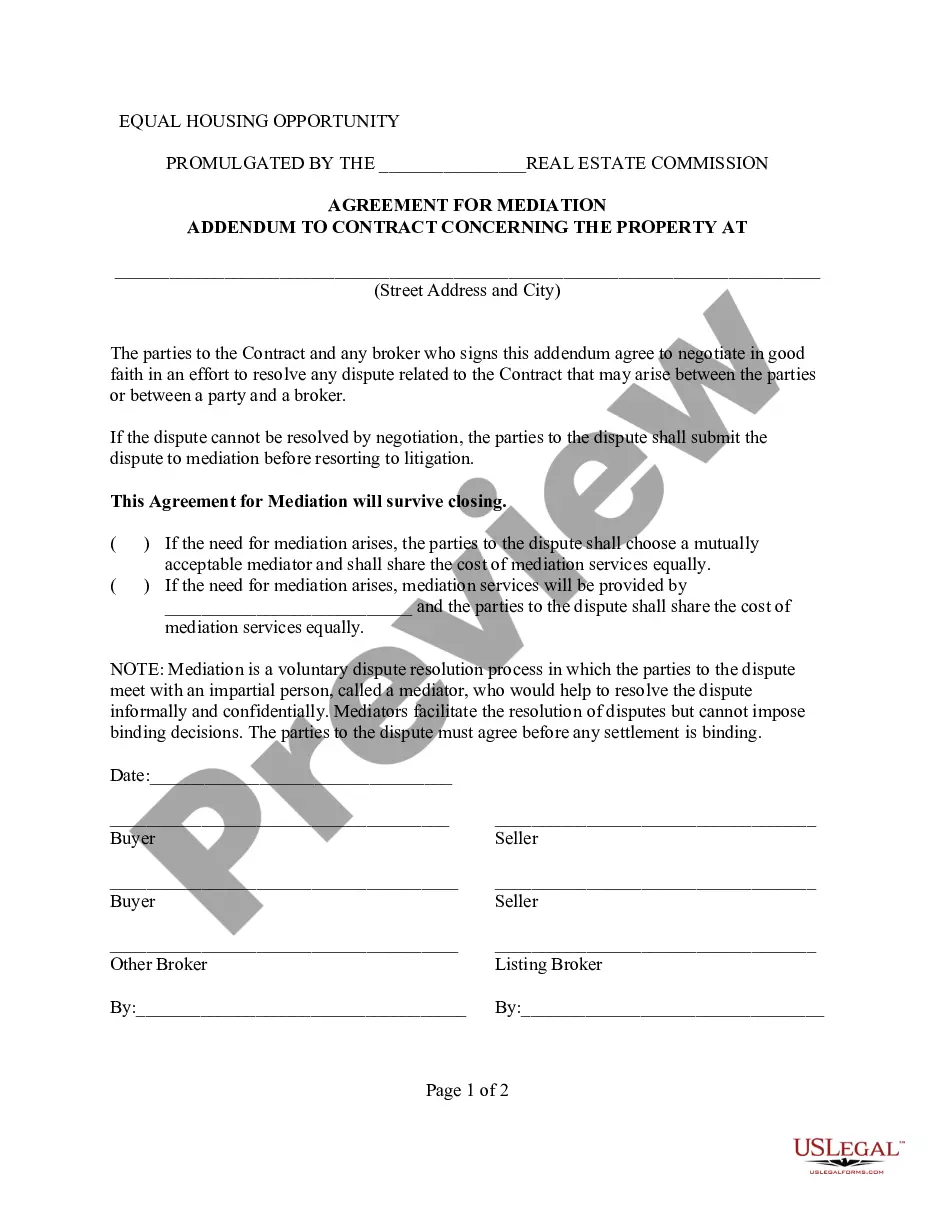


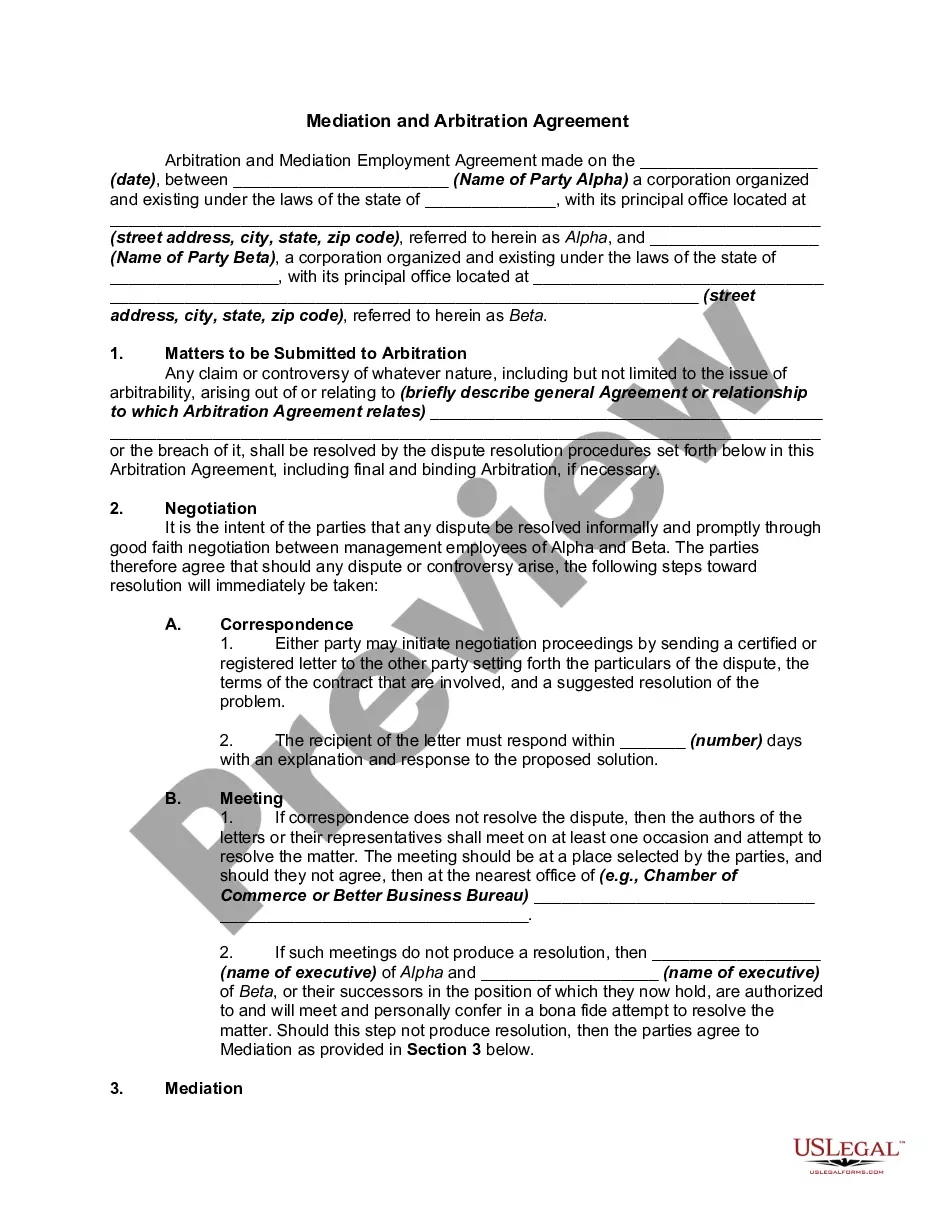



How to fill out Texas Agreement For Mediation?
Individuals often link legal documentation with something intricate that solely a specialist can manage.
In a certain respect, this holds true, as composing Texas Mediation For Child Custody necessitates considerable expertise in the subject matter, encompassing state and local statutes.
However, with US Legal Forms, everything has turned more attainable: pre-prepared legal documents for any life and business event tailored to state regulations are gathered in a single online collection and are now accessible to everyone.
All templates in our library can be reused: once obtained, they remain saved in your profile. You can access them whenever necessary via the My documents tab. Explore all the benefits of utilizing the US Legal Forms platform. Subscribe today!
- US Legal Forms provides over 85k current documents categorized by state and field of use, making the search for Texas Mediation For Child Custody or any specific template only a matter of minutes.
- Users who have previously registered with an active subscription must Log In to their account and click Download to retrieve the document.
- New users on the platform will first have to create an account and subscribe prior to downloading any paperwork.
- Here’s a detailed guide on how to obtain the Texas Mediation For Child Custody.
- Examine the page content meticulously to ensure it meets your requirements.
- Study the form description or review it through the Preview function.
- Look for another example using the Search bar above if the previous one does not fit your needs.
- Hit Buy Now once you identify the appropriate Texas Mediation For Child Custody.
- Choose the pricing plan that aligns with your needs and financial plan.
- Establish an account or Log In to advance to the payment section.
- Make your payment through PayPal or with your credit card.
- Pick the format for your document and click Download.
Form popularity
FAQ
In a custody hearing, it's essential to avoid negative comments about the other parent or making threats. Focus on the children's needs and your willingness to cooperate. Remember, the goal is to present a calm and rational perspective, demonstrating your commitment to the children's best interests, and this aligns well with the principles of Texas mediation for child custody.
While mediation is generally beneficial, it may have downsides, particularly if one parent is unwilling to compromise. Success relies on both parties being open to negotiation and collaboration. Additionally, if serious issues like abuse emerge, mediation may not foster a safe environment for all, making other legal routes necessary.
In child custody mediation, questions may focus on daily routines, educational needs, and healthcare decisions for the children. Parents commonly address concerns such as scheduling, holiday arrangements, and how to manage transitions between homes. This dialogue ensures both parties contribute to creating a comprehensive plan for their children's well-being, aligning with Texas mediation for child custody best practices.
In Texas, custody mediation is a structured process where parents meet with a neutral mediator to resolve disputes about child custody. The mediator guides the conversation, helping parents communicate effectively and explore solutions that benefit the children. Participants work collaboratively to reach an agreement that both find acceptable, promoting a cooperative approach to resolving conflicts.
During a mediation session focused on Texas mediation for child custody, both parents may discuss their concerns and priorities regarding the children. Questions often revolve around living arrangements, visitation schedules, and the children's best interests. The mediator helps facilitate these discussions, ensuring both parties express their views and work toward common ground.
The average settlement offer during Texas mediation for child custody varies based on the unique circumstances of each case. Typically, this negotiation focuses on the best interest of the child, considering factors such as parental involvement and the child's needs. Many parents find that focusing on collaboration rather than confrontation leads to satisfactory offers. Ultimately, your mediator can assist you in crafting a fair proposal during discussions.
Starting the process of Texas mediation for child custody typically begins with selecting a qualified mediator. You can choose a mediator with experience in child custody issues to ensure they understand the nuances involved. Next, both parties must agree to attend mediation and schedule a session. Utilizing platforms like US Legal Forms can simplify finding and connecting with a mediator tailored to your needs.
During child support mediation, it's essential to avoid statements that can escalate tension, such as threats or ultimatums. It's best to steer clear of any comments that undermine the other parent's role or capabilities. Instead, keep the focus on the practical aspects of financial support for the child. For more tailored advice on navigating these discussions, UsLegalForms offers valuable resources that can help clarify what to communicate.
In Texas mediation for child custody, it’s important to communicate openly yet respectfully. Focus on the needs of the child, avoid blaming the other parent, and express your goals clearly. Ideally, you should avoid emotional outbursts or negative comments about the other party. UsLegalForms can provide guidelines on effective communication strategies to help you navigate these sensitive conversations.
While mediators often strive to include children's thoughts and feelings, they typically ask age-appropriate questions. Mediators might ask about the child's preferences regarding living arrangements or visitation schedules, ensuring to respect their comfort levels. This process helps determine what is in the child's best interest during mediation. To better understand these interactions, consider referencing resources available through UsLegalForms.
