Lease Apartment In Coimbatore In Harris
Description
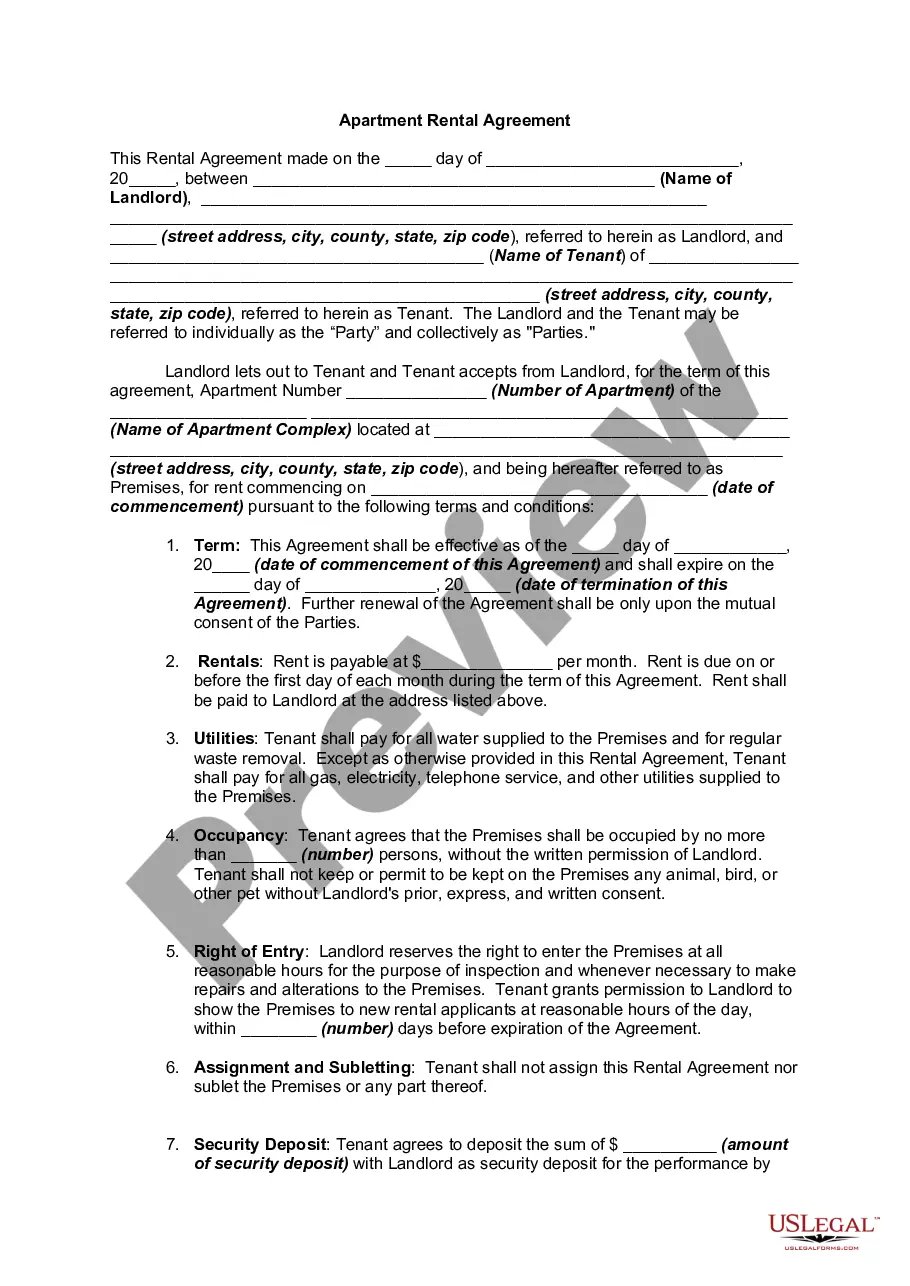
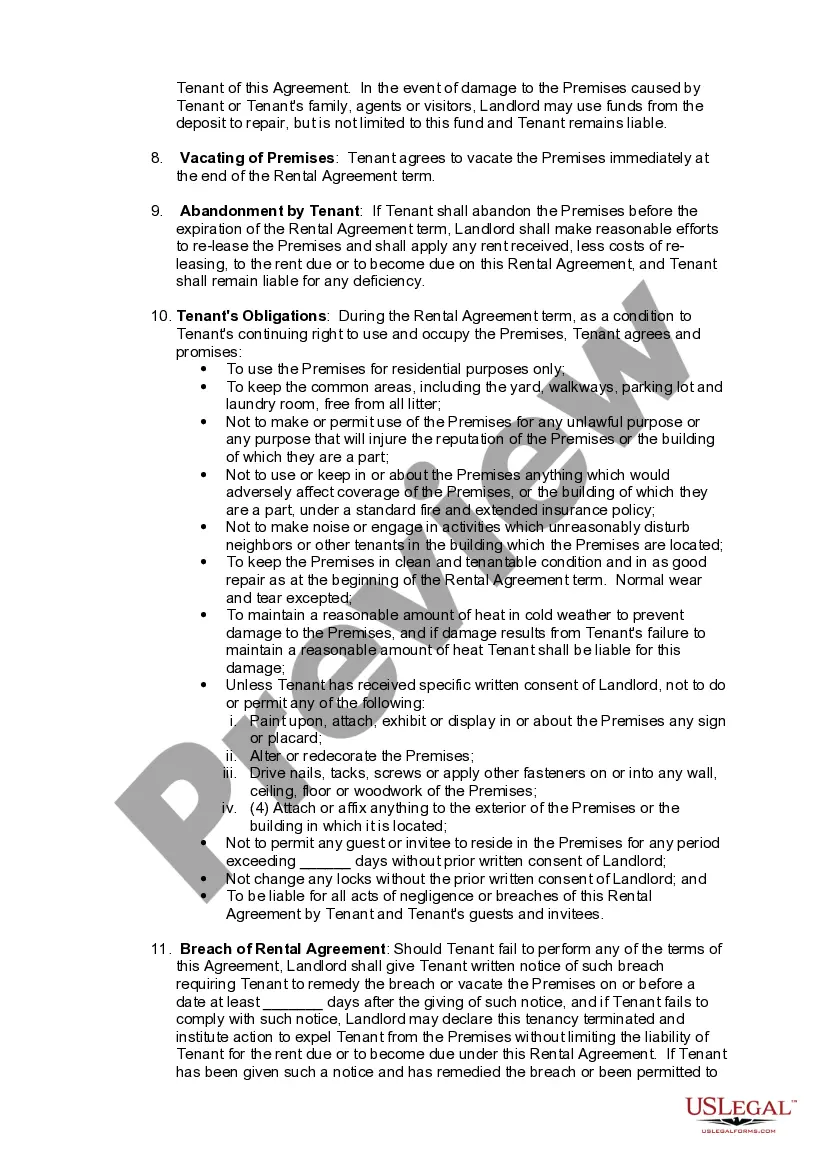
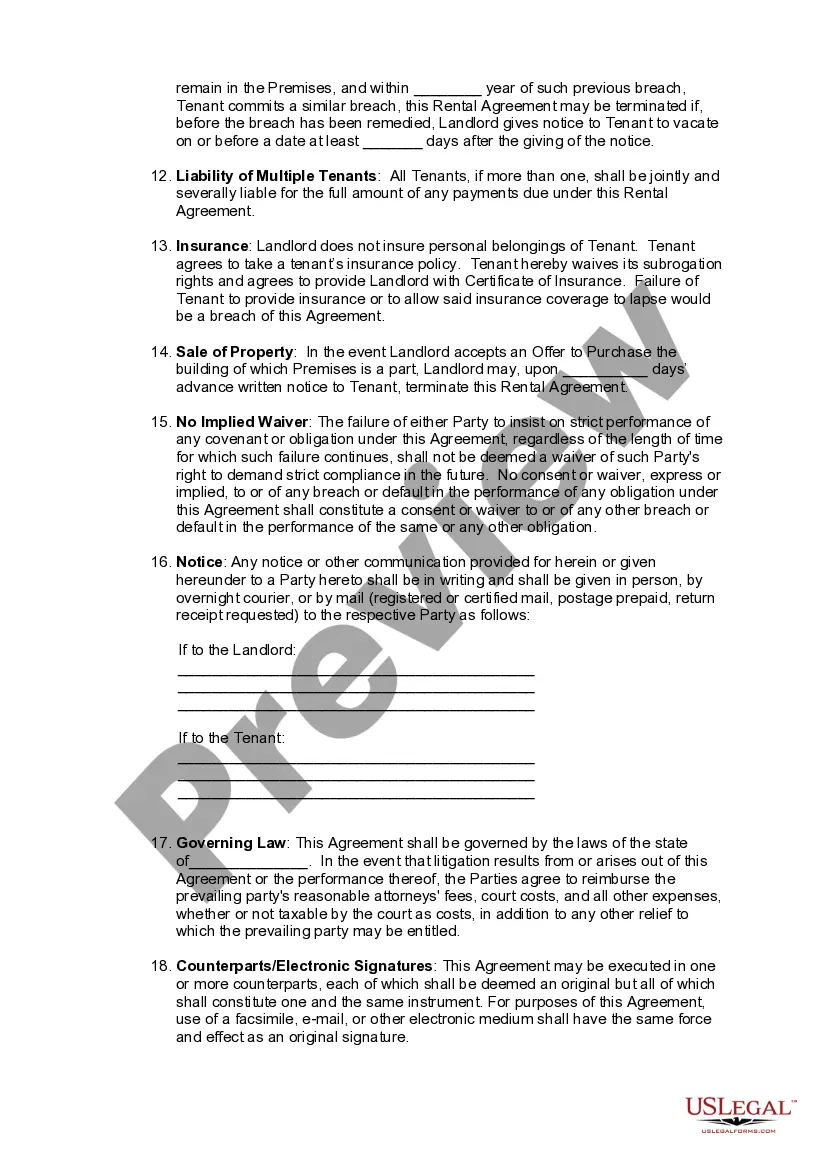
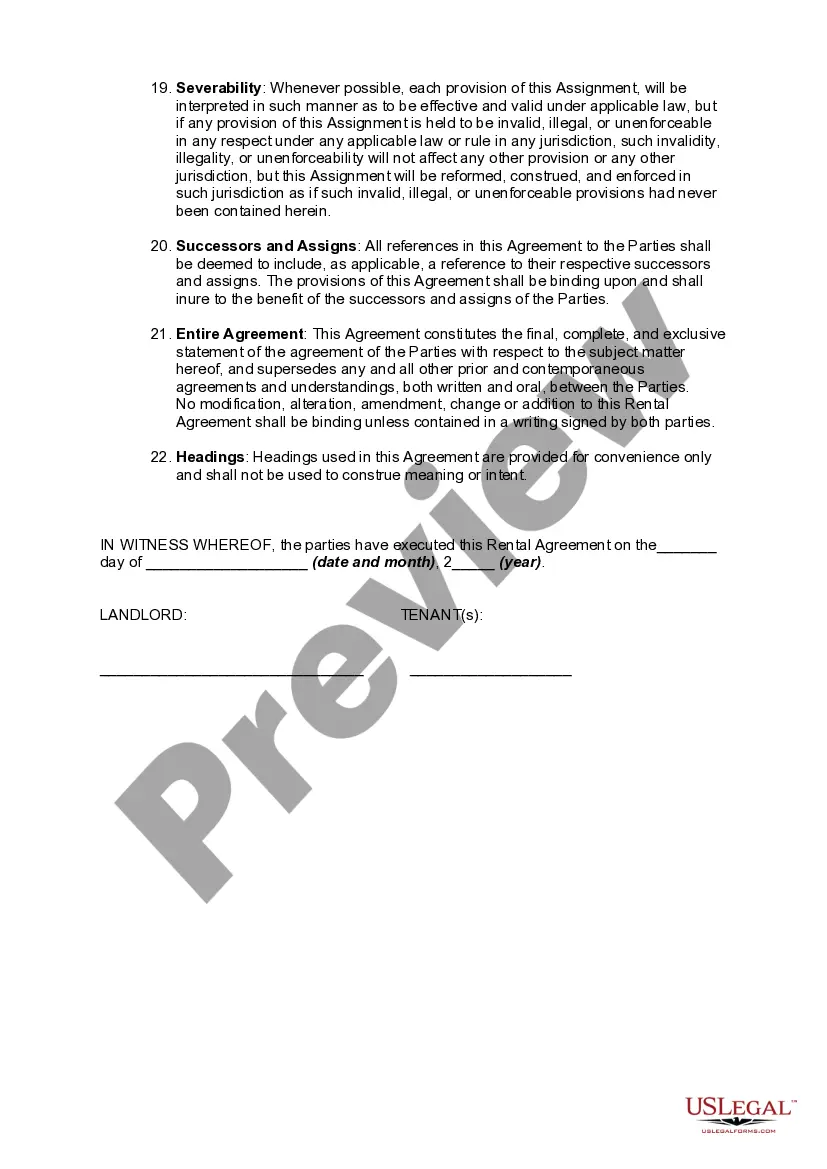
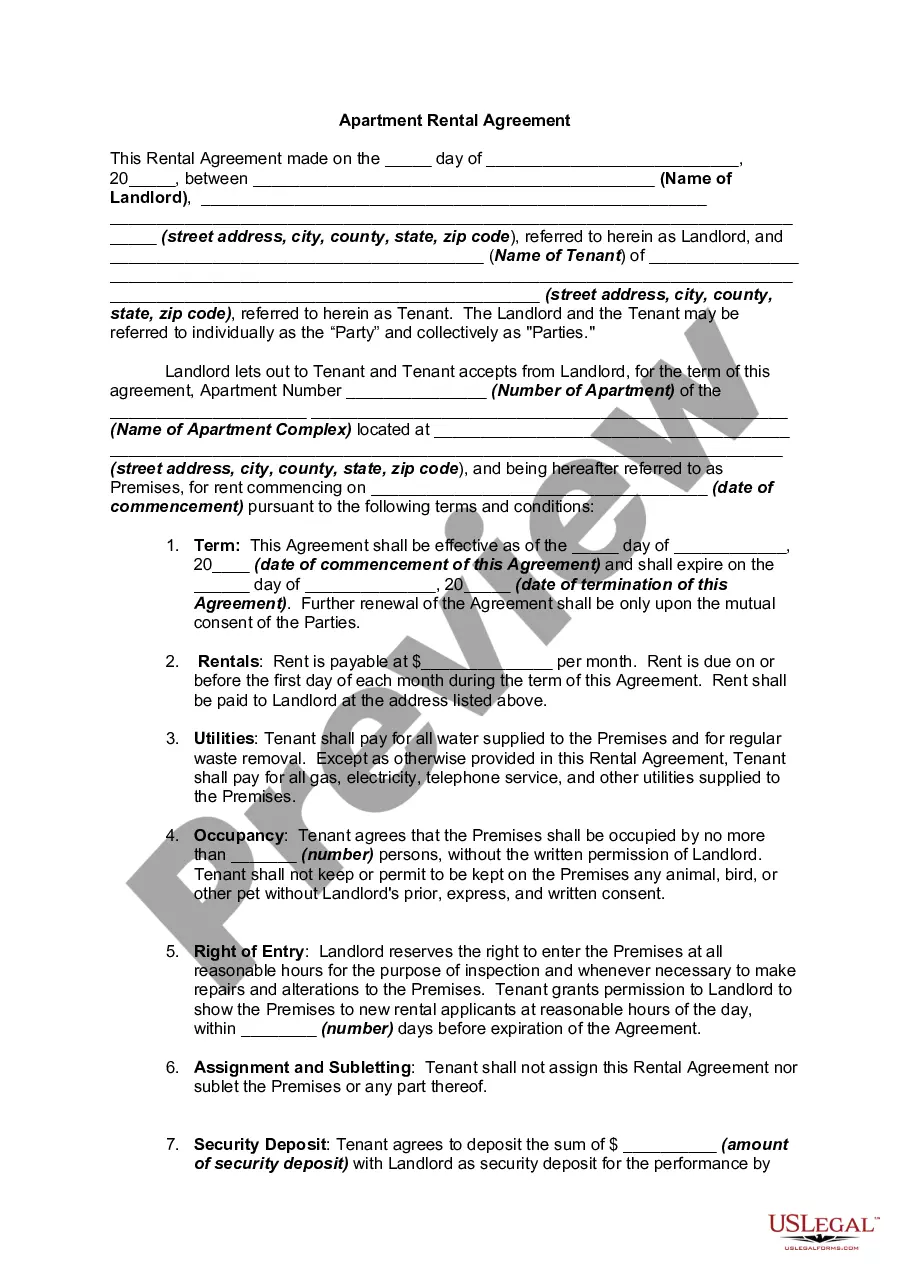
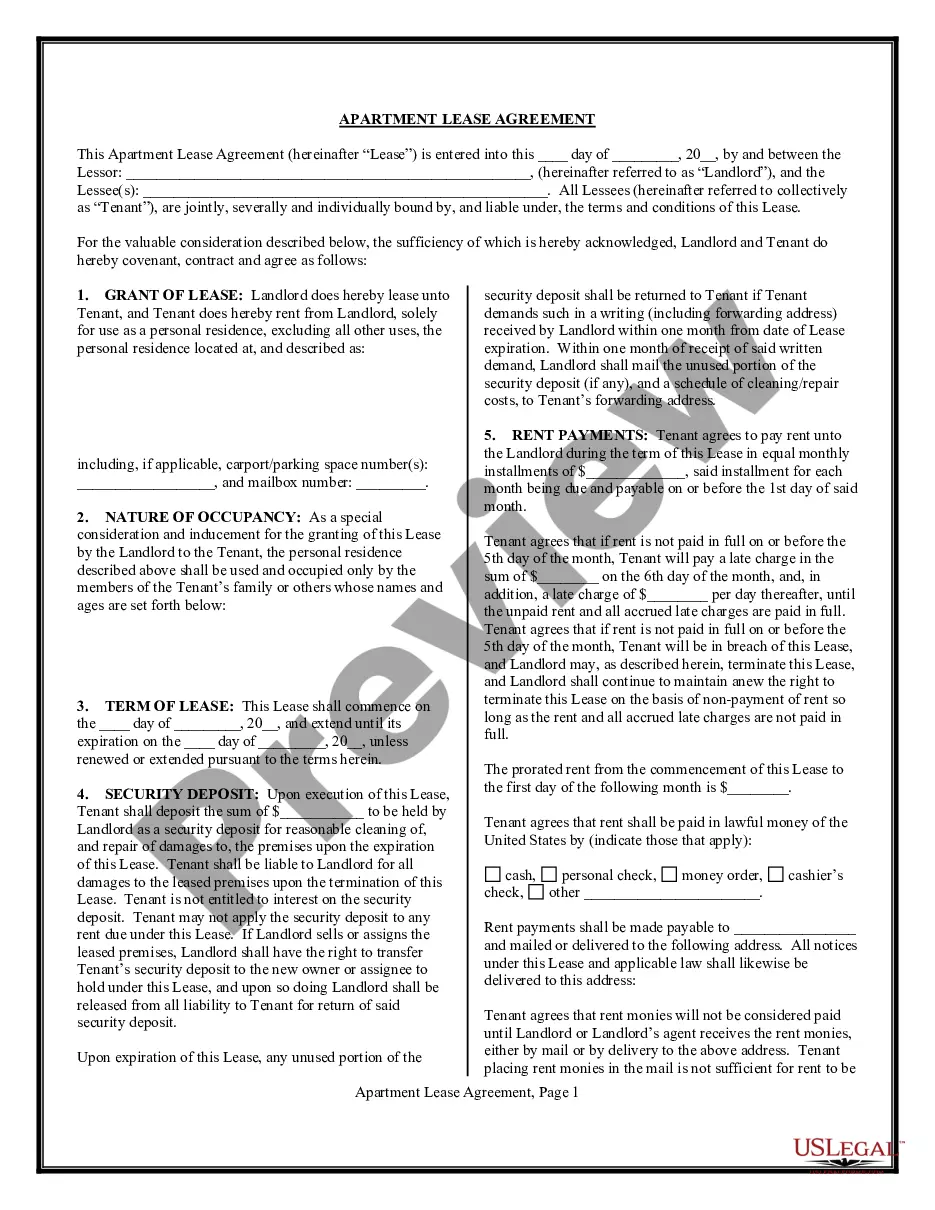
Get your form ready online
Our built-in tools help you complete, sign, share, and store your documents in one place.
Make edits, fill in missing information, and update formatting in US Legal Forms—just like you would in MS Word.
Download a copy, print it, send it by email, or mail it via USPS—whatever works best for your next step.
Sign and collect signatures with our SignNow integration. Send to multiple recipients, set reminders, and more. Go Premium to unlock E-Sign.
If this form requires notarization, complete it online through a secure video call—no need to meet a notary in person or wait for an appointment.
We protect your documents and personal data by following strict security and privacy standards.

Make edits, fill in missing information, and update formatting in US Legal Forms—just like you would in MS Word.

Download a copy, print it, send it by email, or mail it via USPS—whatever works best for your next step.

Sign and collect signatures with our SignNow integration. Send to multiple recipients, set reminders, and more. Go Premium to unlock E-Sign.

If this form requires notarization, complete it online through a secure video call—no need to meet a notary in person or wait for an appointment.

We protect your documents and personal data by following strict security and privacy standards.
Looking for another form?


Form popularity
FAQ
One-year leases are by far and large the most popular length for leases. They're good if you have high-quality tenants and an effective tenant screening process in place.
In order to calculate the right rental rate, you need to determine the value of your property first. As a rule of thumb, the rental rate should be between 8%–1.1% of your property's total value.
Renting, especially on a short-term basis, can sometimes come with higher monthly costs due to the increased flexibility it offers the landlord. For instance, a studio apartment for rent on a month-to-month basis might be more expensive per month than the same apartment under a lease agreement.
Per year these payments oftenude include an annual increase of 1 to 3% to keep up with inflation.MorePer year these payments oftenude include an annual increase of 1 to 3% to keep up with inflation. Leasing for commercial purposes such as ground leases can also be lucrative.
term lease agreement lasts anywhere from three to six months, or can go monthtomonth until the tenant decides to move out. Longterm leases are anything longer than six months and can go up to 15 months before needing to make a new lease.
Short-term rentals (STRs) refer to the practice of renting out a property for a short duration, typically for a few days or weeks, to people seeking temporary accommodation. In many jurisdictions, STRs are defined as rentals that last less than 30 days (although the exact number of days varies).
How Long are Apartment Leases Usually? The average apartment lease length is one year to 15 months from the time you move in. You and your landlord will then decide whether or not to renew the lease at the end of the year. However, many apartments also offer different types of short-term leases.
Landlords are not allowed to require tenants in Ontario to sign a new lease and can't evict you for not signing a lease renewal. In order to become a month-to-month tenant you don't have to do anything. Your contract AUTOMATICALLY becomes a month-to-month contract when your lease expires.
Renting an apartment isn't as easy as waltzing in and saying “I'll take it!”—particularly in today's competitive rental market. With many prospective tenants to choose from, landlords can be picky, and they will prioritize applicants with a track record of paying off debts and respecting their neighbors and community.
Renting, especially on a short-term basis, can sometimes come with higher monthly costs due to the increased flexibility it offers the landlord. For instance, a studio apartment for rent on a month-to-month basis might be more expensive per month than the same apartment under a lease agreement.
