Alimony Spouse Support Formula In Fairfax
Description





Get your form ready online
Our built-in tools help you complete, sign, share, and store your documents in one place.
Make edits, fill in missing information, and update formatting in US Legal Forms—just like you would in MS Word.
Download a copy, print it, send it by email, or mail it via USPS—whatever works best for your next step.
Sign and collect signatures with our SignNow integration. Send to multiple recipients, set reminders, and more. Go Premium to unlock E-Sign.
If this form requires notarization, complete it online through a secure video call—no need to meet a notary in person or wait for an appointment.
We protect your documents and personal data by following strict security and privacy standards.
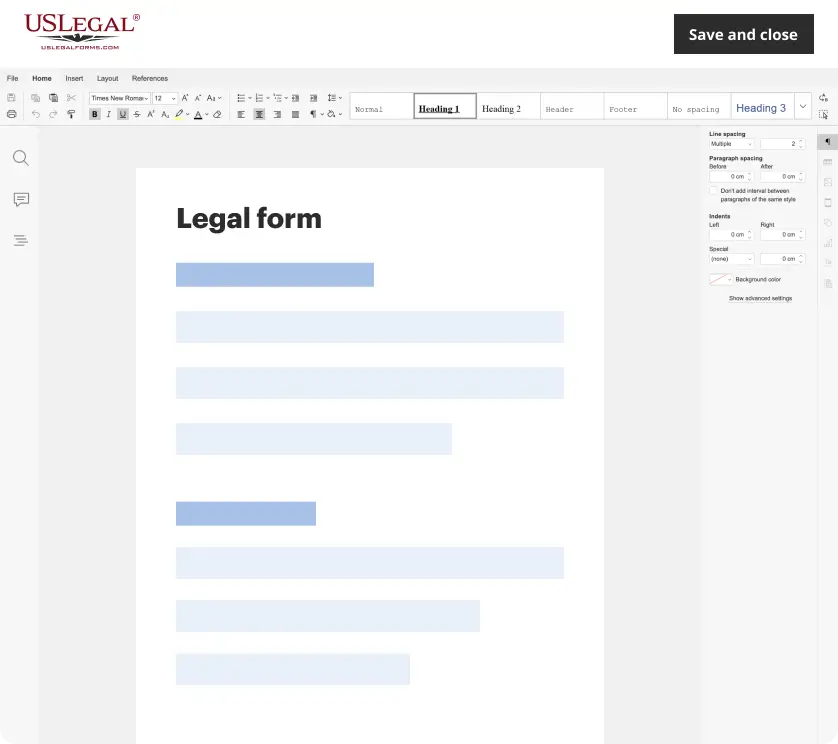
Make edits, fill in missing information, and update formatting in US Legal Forms—just like you would in MS Word.
Download a copy, print it, send it by email, or mail it via USPS—whatever works best for your next step.
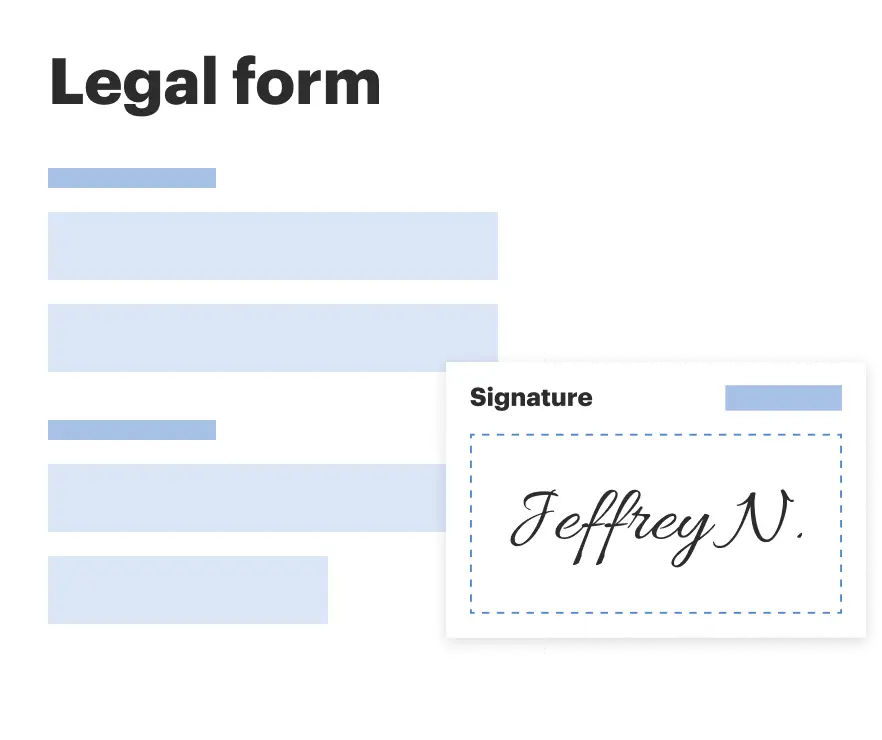
Sign and collect signatures with our SignNow integration. Send to multiple recipients, set reminders, and more. Go Premium to unlock E-Sign.

If this form requires notarization, complete it online through a secure video call—no need to meet a notary in person or wait for an appointment.
We protect your documents and personal data by following strict security and privacy standards.
Looking for another form?
Form popularity
FAQ
A spouse is more likely to receive an award of spousal support with no defined duration, where spousal support will continue until death of either party or remarriage, if there was a long-term marriage and the spouse seeking support is nearing or at retirement age, or unable to become sufficiently employed to provide ...
For couples without children, the formula involves subtracting 50% of the gross income of the receiving spouse from 27% of the gross income of the paying spouse. If there are children involved, the courts consider 58% of the receiving spouse's income and 26% of the paying spouse's income.
Common methods for calculating spousal support typically take up to 40% of the paying spouse's net income, which is calculated after child support. 50% of the recipient spouse's net income is then subtracted from the total if they are working.
The formula is simple: Divide the Wife's annual amount by the interest rate: $100,000 divided by . 10 = $1 million. The formula is known as the present value of a perpetuity because it continues in perpetuity.
For couples without children, the formula involves subtracting 50% of the gross income of the receiving spouse from 27% of the gross income of the paying spouse. If there are children involved, the courts consider 58% of the receiving spouse's income and 26% of the paying spouse's income.
Two of the biggest alimony factors in Virginia when awarding spousal support are the financial need of the party asking for support and the ability of the person paying to supplement the income of the requesting spouse to meet their needs.
The formula stated in § 16.1-278. is: (a) 30% of the gross income of the payor less 50% of the gross income of the payee in cases with no minor children and (b) 28% of the gross income of the payor less 58% of the gross income of the payee in cases where the parties have minor children in common.
You can start a spousal support case in Virginia Juvenile & Domestic Relations district courts by filing a petition. Find your local J&DR district court at this page, with links to each local court. The local J&DR district court can provide you more information about how to file a spousal support petition.
Alimony (Spousal Support) Is Not Tax-deductible in Virginia For any divorce after December 31, 2018, payor spouses can no longer claim alimony as a tax deduction, and recipient spouses don't have to claim spousal support as taxable income.
