Motion To Strike With Prejudice In San Antonio
Description

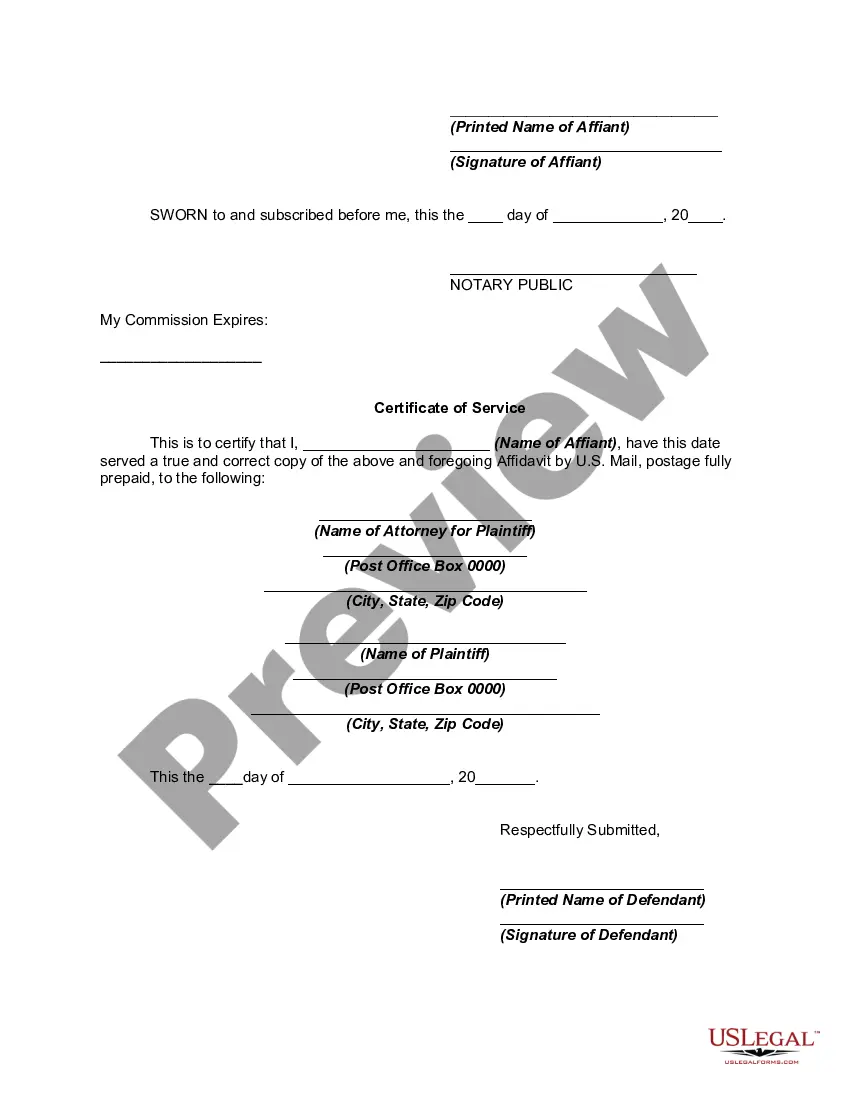




Get your form ready online
Our built-in tools help you complete, sign, share, and store your documents in one place.
Make edits, fill in missing information, and update formatting in US Legal Forms—just like you would in MS Word.
Download a copy, print it, send it by email, or mail it via USPS—whatever works best for your next step.
Sign and collect signatures with our SignNow integration. Send to multiple recipients, set reminders, and more. Go Premium to unlock E-Sign.
If this form requires notarization, complete it online through a secure video call—no need to meet a notary in person or wait for an appointment.
We protect your documents and personal data by following strict security and privacy standards.

Make edits, fill in missing information, and update formatting in US Legal Forms—just like you would in MS Word.

Download a copy, print it, send it by email, or mail it via USPS—whatever works best for your next step.

Sign and collect signatures with our SignNow integration. Send to multiple recipients, set reminders, and more. Go Premium to unlock E-Sign.

If this form requires notarization, complete it online through a secure video call—no need to meet a notary in person or wait for an appointment.

We protect your documents and personal data by following strict security and privacy standards.
Looking for another form?

Form popularity
FAQ
An example would be if a judge determines a lawsuit as insignificant or the issue has been resolved. There are several reasons why a case can be dismissed with prejudice. In some cases, if the court finds the evidence presented does not support the claims, they may dismiss the case.
Prejudice is usually a high sanction by the court. If the court dismisses the case with prejudice, it means the plaintiff will be barred from bringing this claim ever again. Thus, court will only issue a dismissal with prejudice in certain situations.
The primary purpose of a motion to strike is to clean up the pleadings by eliminating irrelevant, redundant, or legally insufficient parts. This helps in focusing the litigation on the substantive issues, thereby streamlining the legal process.
Dismissal With Prejudice: This is a final judgment that prevents the plaintiff from bringing the same claim or cause of action against the same defendant in the future. It effectively closes the matter permanently.
A motion to dismiss asks the court to dismiss either whole or part of a complaint, counterclaim, or crossclaim. Motion to strike or "Demurrer": In some jurisdictions, a motion to strike or a "demurrer" is the equivalent to a motion to dismiss for failure to state a claim upon which relief can be granted.
A motion to strike must be made before a responsive pleading, if a responsive pleading is permitted. If no responsive pleading is permitted, a motion to strike must be made within 21 days after being served with the pleading.
A motion to strike is a request to a judge that part of a party's pleading or a piece of evidence be removed from the record. During the pleading stage, this can be accomplished by a tool such as Rule 12(f) of the Federal Rules of Civil Procedure or a state equivalent.
Dismissal Without Prejudice: Allows the plaintiff to refile the case in the future, assuming no statute of limitations has elapsed. Dismissal With Prejudice: This is a final judgment that prevents the plaintiff from bringing the same claim or cause of action against the same defendant in the future.
A “motion to dismiss” is typically filed in response to a complaint and is made in lieu of filing an “answer.” Technically, a plaintiff can move to “strike” a defense that a defendant has pled, given that defenses are subject to the same pleading requirements as are the plaintiff's claims.
Under Texas Rule of Civil Procedure 60, “any party may intervene by filing a pleading subject to being stricken out by the court for sufficient cause on the motion of any party.” Thus, in this Court, there is a right to intervention, and Intervenors must remain in the case unless “sufficient cause” is shown.
