Motion Strike Sample Format In Texas
Description

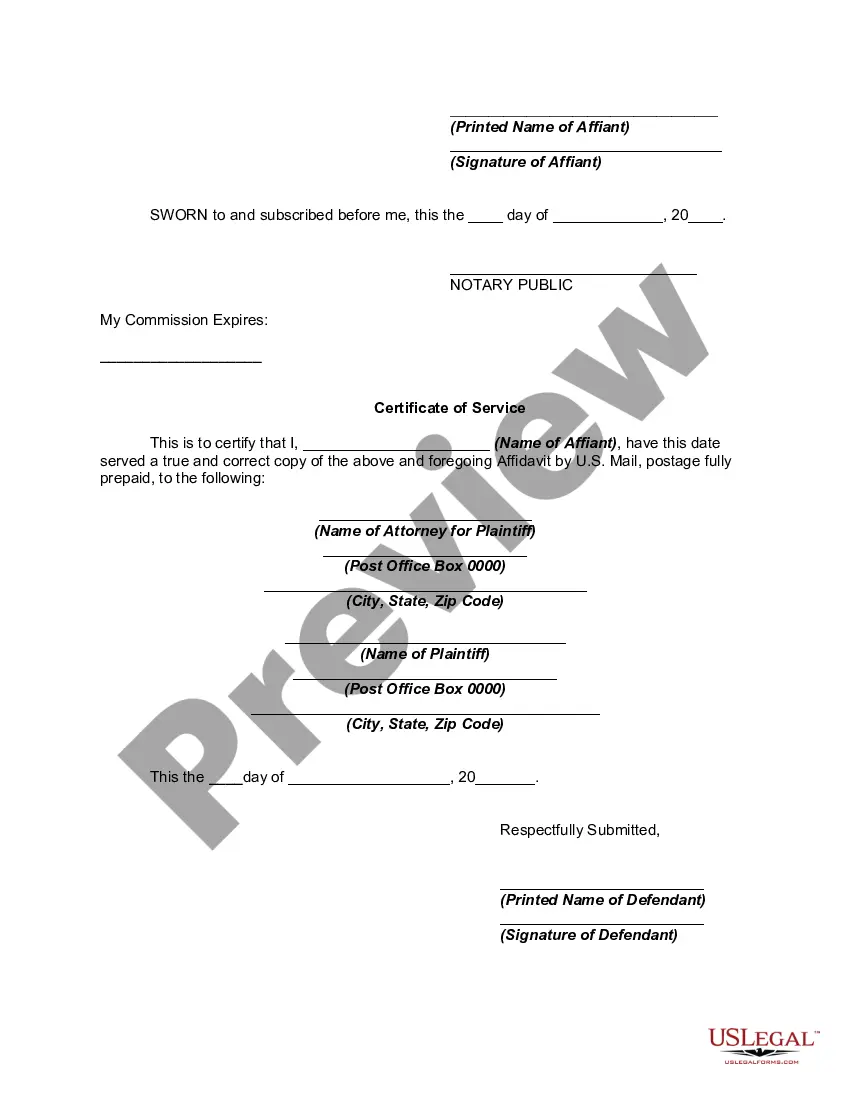




Get your form ready online
Our built-in tools help you complete, sign, share, and store your documents in one place.
Make edits, fill in missing information, and update formatting in US Legal Forms—just like you would in MS Word.
Download a copy, print it, send it by email, or mail it via USPS—whatever works best for your next step.
Sign and collect signatures with our SignNow integration. Send to multiple recipients, set reminders, and more. Go Premium to unlock E-Sign.
If this form requires notarization, complete it online through a secure video call—no need to meet a notary in person or wait for an appointment.
We protect your documents and personal data by following strict security and privacy standards.

Make edits, fill in missing information, and update formatting in US Legal Forms—just like you would in MS Word.

Download a copy, print it, send it by email, or mail it via USPS—whatever works best for your next step.

Sign and collect signatures with our SignNow integration. Send to multiple recipients, set reminders, and more. Go Premium to unlock E-Sign.

If this form requires notarization, complete it online through a secure video call—no need to meet a notary in person or wait for an appointment.

We protect your documents and personal data by following strict security and privacy standards.
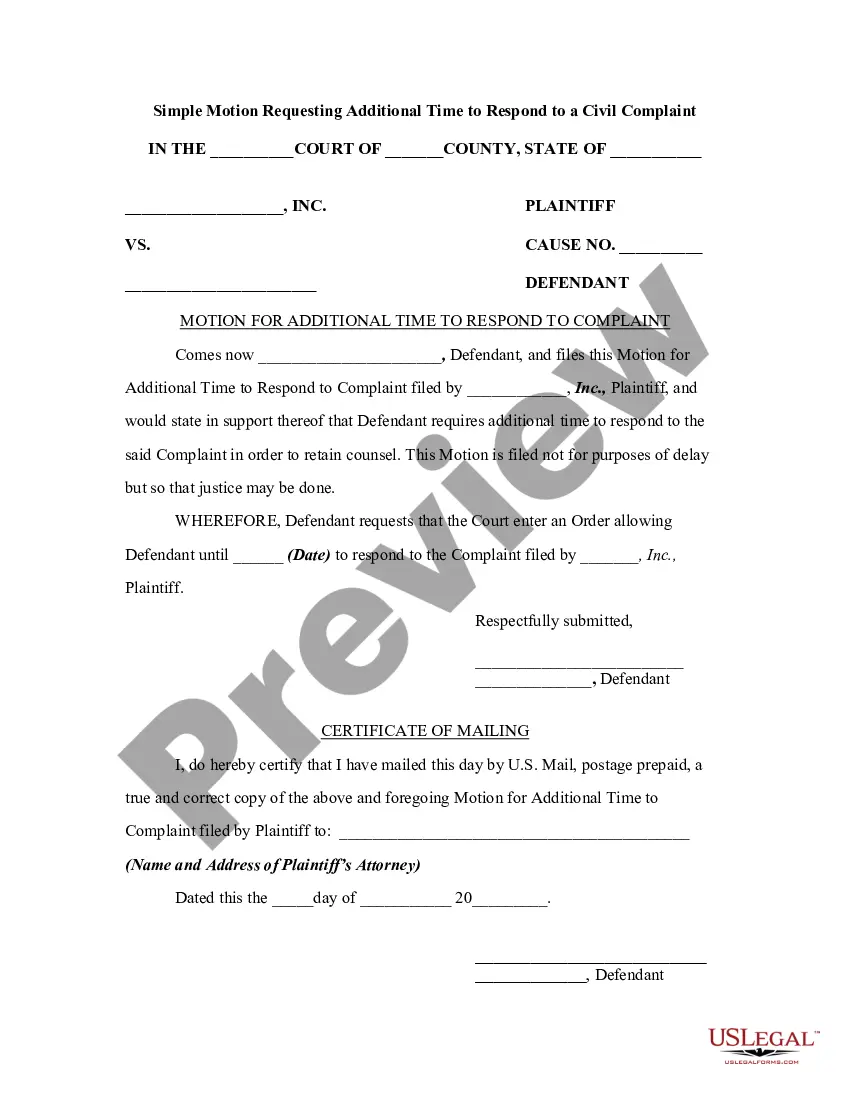
Looking for another form?
Form popularity
FAQ
Rule 91. Special Exceptions (1941) A special exception shall not only point out the particular pleading excepted to, but it shall also point out intelligibly and with particularity the defect, omission, obscurity, duplicity, generality, or other insufficiency in the allegations or the pleading excepted to.
A subpoena may be served at any place within the State of Texas by any sheriff or constable of the State of Texas, or any person who is not a party and is 18 years of age or older. A subpoena must be served by delivering a copy to the witness and tendering to that person any fees required by law.
Any witness refusing to give evidence may be committed to jail, there to remain without bail until such witness shall consent to give evidence.
(b) A subpoena must be served at least five days before the hearing, and must include a copy of the notice of hearing or other information that is sufficient to notify the witness of how to appear, including instructions and information for joining a videoconference or telephone conference call if applicable.
Generally speaking, a resident of one state is not required to appear for deposition in another state or to provide records in compliance with a records subpoena issued in another state.
A case remains in Level 1 or Level 2, as determined by the pleadings, unless and until it is moved to Level 3. To be in Level 3, the court must order a specific plan for the case, either on a party's motion or on the court's own initiative.
The court shall grant the motion to strike unless a defendant produces sufficient evidence to raise a genuine issue of fact regarding the designated person's responsibility for the claimant's injury or damage.
The Federal Rules of Civil Procedure states that "The court may strike from a pleading an insufficient defense or any redundant, immaterial, impertinent, or scandalous matter." Similarly, for example, the California Code of Civil Procedure provides that a motion to strike may be made to strike out any "irrelevant, ...
Write a short and clear introduction. Draft a factually accurate narrative. Know the standard that must be met and craft an explanation of the standard. Use the most persuasive components of the relevant law. Apply the law to the facts in a convincing and credible manner. Conclusion.
General format - each motion generally consists of a case caption, a title that briefly identifies the relief sought, a series of numbered paragraphs that explains -- in a logical way -- why you are entitled to that relief, a prayer for relief, a signature block, a certification that a copy of the motion was sent to ...
