Alimony Spouse Support With Spouse In Utah
Description

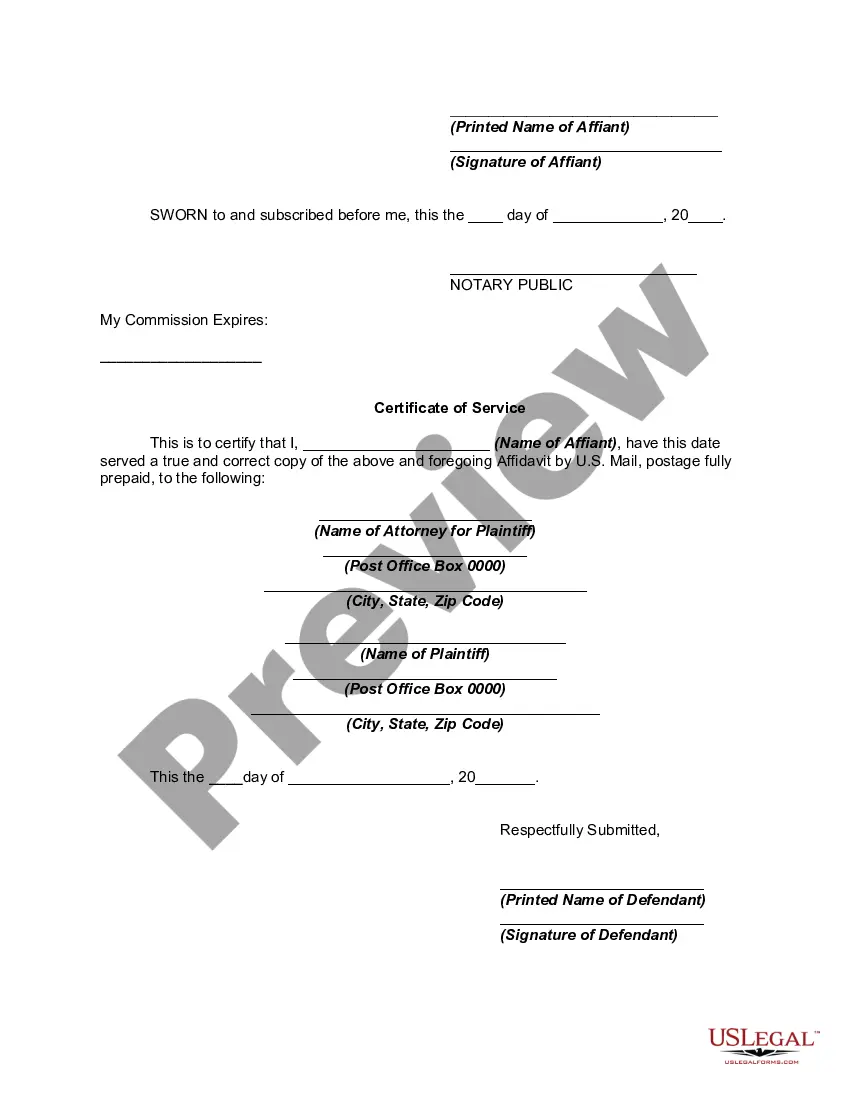




Get your form ready online
Our built-in tools help you complete, sign, share, and store your documents in one place.
Make edits, fill in missing information, and update formatting in US Legal Forms—just like you would in MS Word.
Download a copy, print it, send it by email, or mail it via USPS—whatever works best for your next step.
Sign and collect signatures with our SignNow integration. Send to multiple recipients, set reminders, and more. Go Premium to unlock E-Sign.
If this form requires notarization, complete it online through a secure video call—no need to meet a notary in person or wait for an appointment.
We protect your documents and personal data by following strict security and privacy standards.

Make edits, fill in missing information, and update formatting in US Legal Forms—just like you would in MS Word.

Download a copy, print it, send it by email, or mail it via USPS—whatever works best for your next step.

Sign and collect signatures with our SignNow integration. Send to multiple recipients, set reminders, and more. Go Premium to unlock E-Sign.

If this form requires notarization, complete it online through a secure video call—no need to meet a notary in person or wait for an appointment.

We protect your documents and personal data by following strict security and privacy standards.
Looking for another form?
Form popularity
FAQ
Most alimony payments in Utah are periodic (monthly) and due on the first of every month unless the court orders otherwise. Most judges include an income withholding order for alimony, which directs the paying spouse's employer to withhold the payments from the employee's paycheck and forward it directly to the court.
Some reasons why an ex-spouse might not be entitled to receive alimony include: The ex-spouse does not meet the legally required level of financial need. You are not financially able to provide alimony to your ex-spouse. Your ex-spouse is at fault for the divorce, due to having an affair or another cause.
In Utah, the law mandates that the judge may order alimony only up to the number of years that the marriage lasted. So if the couple was married for 17 years, the support can last up to 17 years. Any extension will be at the discretion of the family court.
How are alimony payments determined in Utah? Alimony in Utah is determined based on several factors, including the length of the marriage, each spouse's financial resources and needs, the standard of living during the marriage, and the recipient's ability to become self-sufficient.
The court considers the following factors when deciding whether to award alimony: The standard of living during the marriage. This includes income, value of real and personal property, and any other factor that the court thinks is important for understanding how the parties lived during their marriage.
A: Alimony can be suspended or terminated in the event that the recipient is cohabitating with someone in a relationship akin to marriage. These are complex cases that require a careful approach. Your brother should have a consultation with a qualified matrimonial attorney immediately.
