Alimony Spouse Support Foreign In Wayne
Description

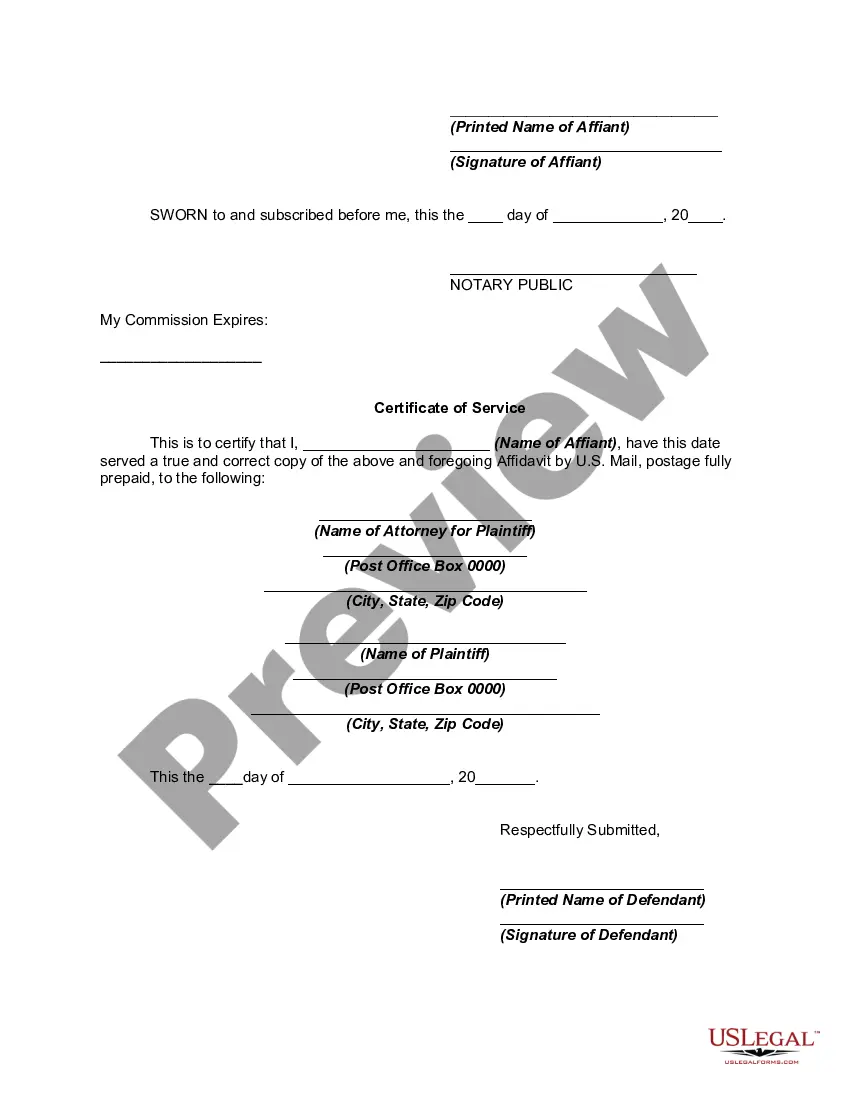




Get your form ready online
Our built-in tools help you complete, sign, share, and store your documents in one place.
Make edits, fill in missing information, and update formatting in US Legal Forms—just like you would in MS Word.
Download a copy, print it, send it by email, or mail it via USPS—whatever works best for your next step.
Sign and collect signatures with our SignNow integration. Send to multiple recipients, set reminders, and more. Go Premium to unlock E-Sign.
If this form requires notarization, complete it online through a secure video call—no need to meet a notary in person or wait for an appointment.
We protect your documents and personal data by following strict security and privacy standards.

Make edits, fill in missing information, and update formatting in US Legal Forms—just like you would in MS Word.

Download a copy, print it, send it by email, or mail it via USPS—whatever works best for your next step.

Sign and collect signatures with our SignNow integration. Send to multiple recipients, set reminders, and more. Go Premium to unlock E-Sign.

If this form requires notarization, complete it online through a secure video call—no need to meet a notary in person or wait for an appointment.

We protect your documents and personal data by following strict security and privacy standards.
Looking for another form?

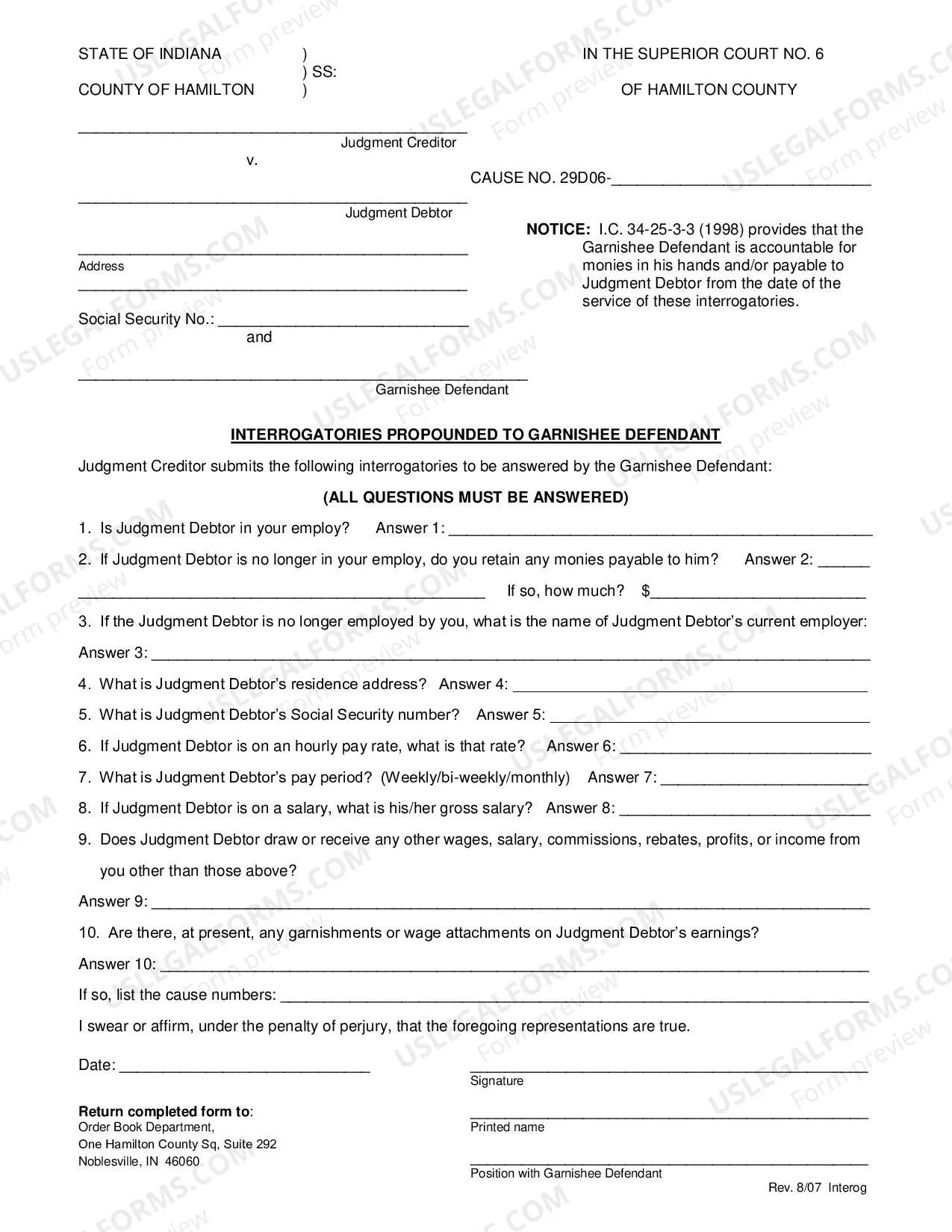
Form popularity
FAQ
The citizen spouse must sign a contract (I-864) with the Federal government promising to support the non-citizen spouse financially. In most cases, even if the couple divorces, the citizen spouse must continue to support the non-citizen spouse.
Countries including Australia, Canada, Germany, Mexico, and the U.K. regularly work with U.S. courts to enforce alimony orders across international borders. However, enforcing an international alimony order may take more time than enforcing a domestic one.
Countries including Australia, Canada, Germany, Mexico, and the U.K. regularly work with U.S. courts to enforce alimony orders across international borders. However, enforcing an international alimony order may take more time than enforcing a domestic one.
You need to consult a family law attorney in your state familiar with divorcing someone who is outside the country. Most states will allow a divorce if one of the parties is a resident (usually met after living in the state for 6 months or more).
In Scotland, Sweden, Finland and New Zealand, financial independence for both spouses is at the heart of the court's approach and the obligation to maintain a spouse is not imposed, save for a short period or in exceptional circumstances.
Moving to another country does not automatically exempt you from paying alimony. Here are some key points to consider: Legal Obligations: If you have a court order for alimony, you are legally obligated to comply with it, regardless of your location.
There is no specific formula in Ohio for calculating temporary support awards. The court must use its discretion, taking into account each spouse's earning capacity and other resources while the divorce is pending. The court should strive to maintain the financial status quo despite title or ownership.
