Sample Affidavit Of Cohabitation For Marriage In Collin
Description

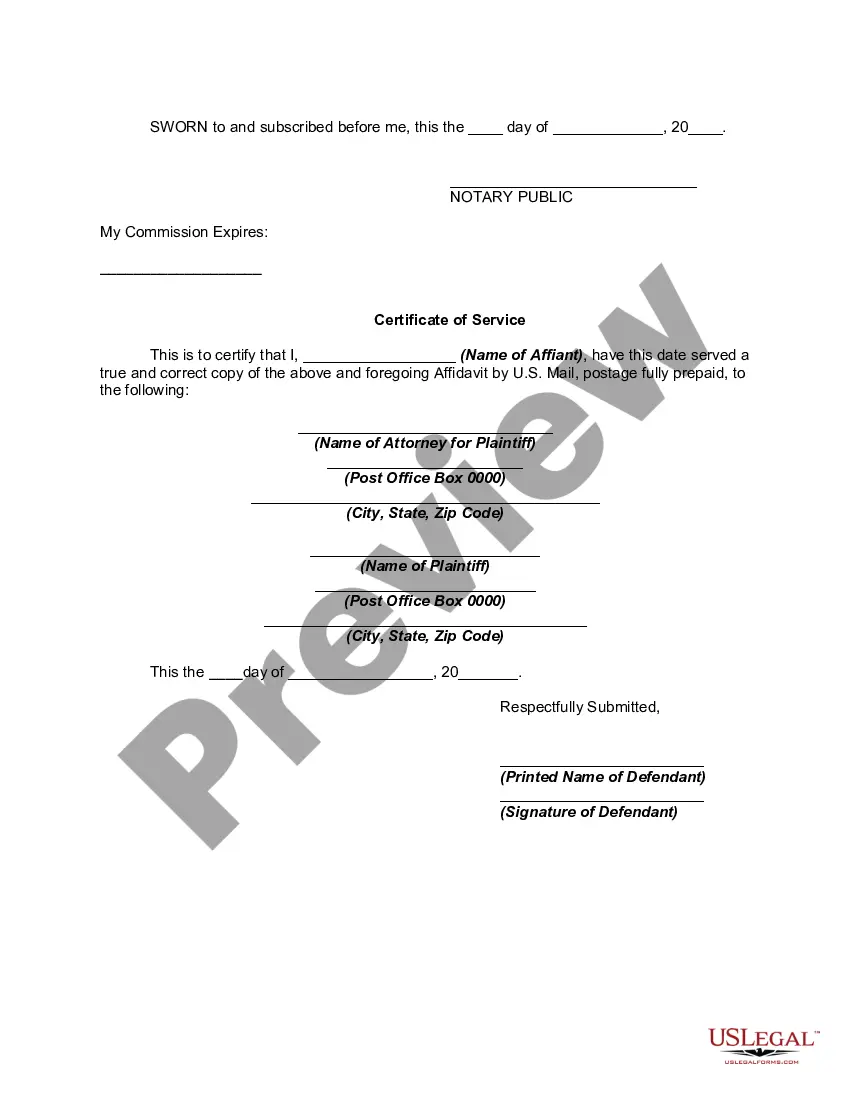



Get your form ready online
Our built-in tools help you complete, sign, share, and store your documents in one place.
Make edits, fill in missing information, and update formatting in US Legal Forms—just like you would in MS Word.
Download a copy, print it, send it by email, or mail it via USPS—whatever works best for your next step.
Sign and collect signatures with our SignNow integration. Send to multiple recipients, set reminders, and more. Go Premium to unlock E-Sign.
If this form requires notarization, complete it online through a secure video call—no need to meet a notary in person or wait for an appointment.
We protect your documents and personal data by following strict security and privacy standards.

Make edits, fill in missing information, and update formatting in US Legal Forms—just like you would in MS Word.

Download a copy, print it, send it by email, or mail it via USPS—whatever works best for your next step.

Sign and collect signatures with our SignNow integration. Send to multiple recipients, set reminders, and more. Go Premium to unlock E-Sign.

If this form requires notarization, complete it online through a secure video call—no need to meet a notary in person or wait for an appointment.

We protect your documents and personal data by following strict security and privacy standards.
Looking for another form?


Form popularity
FAQ
The following are six critical sections that must be included: Title. This is either your name (“Affidavit of Jane Doe”) or the specific case information. Statement of identity. The next paragraph tells the court about yourself. Statement of truth. Statement of facts. Closing statement of truth. Sign and notarize.
Key components of a marriage affidavit include the names of the spouses, a declaration of truthfulness, details of the marriage (date and location), signatures of the couple and a notary public, the notary seal, and the date of issuance.
Personal Details: Provide detailed personal information about the affiant, including their full name, address, contact information, date of birth, and relationship to the person(s) in question. 3. Relationship History: Clearly describe the relationship between the affiant and the individual(s) in question.
An Affidavit of Cohabitation is a sworn statement attesting to the fact that two individuals have lived together as husband and wife for a specified period. It is a legal document typically executed under oath before a notary public.
Basic Elements Introduction: In the opening section, the writer's relationship to the married couple enters the spotlight. Body: This forms the crux of the affidavit. Conclusion: Summarization happens here, with the affiant reiterating the couple's genuine relationship.
We, the undersigned, being of lawful age, attest to the following facts: 1. We have lived together continuously as husband and wife from ________________________ to the present time. During this period we have professed to be husband and wife and we have held ourselves out to the community as being married.
Key components of a marriage affidavit include the names of the spouses, a declaration of truthfulness, details of the marriage (date and location), signatures of the couple and a notary public, the notary seal, and the date of issuance.
The strongest piece of evidence of having lived together for 12 months is to provide a co-signed lease, utility bills and mail that show both of your addresses at the same place.
This term is applied to a man and a woman who live together and are not married. Illicit. Illicit Trade.
