Spouse Support Form For New York State In Nassau
Description

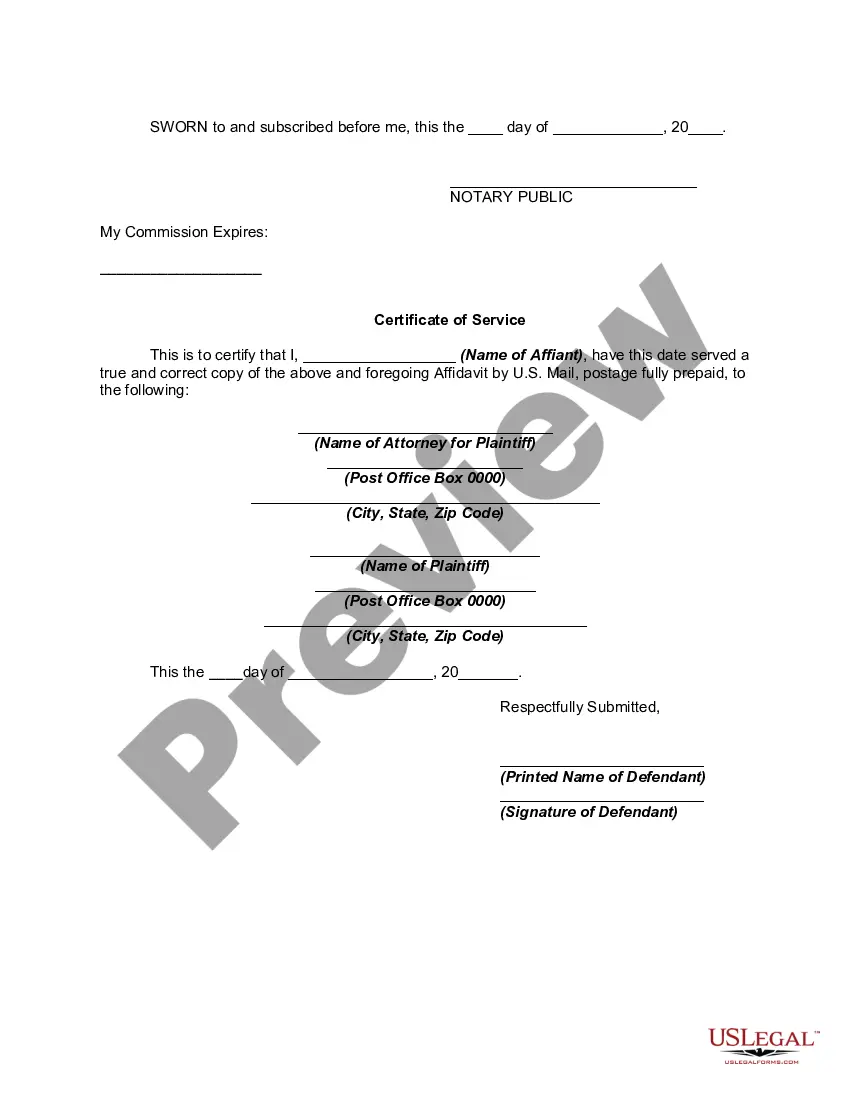



Get your form ready online
Our built-in tools help you complete, sign, share, and store your documents in one place.
Make edits, fill in missing information, and update formatting in US Legal Forms—just like you would in MS Word.
Download a copy, print it, send it by email, or mail it via USPS—whatever works best for your next step.
Sign and collect signatures with our SignNow integration. Send to multiple recipients, set reminders, and more. Go Premium to unlock E-Sign.
If this form requires notarization, complete it online through a secure video call—no need to meet a notary in person or wait for an appointment.
We protect your documents and personal data by following strict security and privacy standards.

Make edits, fill in missing information, and update formatting in US Legal Forms—just like you would in MS Word.

Download a copy, print it, send it by email, or mail it via USPS—whatever works best for your next step.

Sign and collect signatures with our SignNow integration. Send to multiple recipients, set reminders, and more. Go Premium to unlock E-Sign.

If this form requires notarization, complete it online through a secure video call—no need to meet a notary in person or wait for an appointment.

We protect your documents and personal data by following strict security and privacy standards.
Looking for another form?
Form popularity
FAQ
In New York, if a marriage lasts a long time and a spouse is old, ill or unable to support themselves, permanent alimony may be awarded.
In a New York state divorce, child support generally continues under CSSA until you turns 21 if you are not self-supporting. The rule of thumb there is: military, married, or working full time. If you are in college, for example, child support should contribute to what your mother pays toward your educational expenses.
Child support is never deductible and isn't considered income. Additionally, if a divorce or separation instrument provides for alimony and child support, and the payer spouse pays less than the total required, the payments apply to child support first. Only the remaining amount is considered alimony.
Spousal support may be ordered even when spouses reside together. In New York State a married person may be legally responsible to provide for the support of his or her spouse during their marriage, if that spouse lacks sufficient income or assets to provide for his or her own reasonable needs.
While waiving spousal support is legally acceptable in New York, the agreement should not be "unconscionable", meaning grossly unfair. Courts will examine the fairness of the agreement at the time it's enforced, not just when it's signed.
In New York, spousal support/ maintenance is determined by a guideline calculator based upon the income of the two parties and the length of their marriage. The Court is allowed to deviate from the guideline amount based on a number of potential rebuttal factors, however, such deviations are rare.
In New York, if a marriage lasts a long time and a spouse is old, ill or unable to support themselves, permanent alimony may be awarded.
Typically, the judge will take 20% of the lower-earning spouse's income and subtract that number from 30% of the higher-earning spouse's income. For example, one spouse makes $100,000, and the other makes $20,000. Thirty percent of $100,000 is $30,000, and 20% of $20,000 is $4,000.
The guideline states that the paying spouse's support be presumptively 40% of his or her net monthly income, reduced by one-half of the receiving spouse's net monthly income. If child support is an issue, spousal support is calculated after child support is calculated.
Typically, the judge will take 20% of the lower-earning spouse's income and subtract that number from 30% of the higher-earning spouse's income. For example, one spouse makes $100,000, and the other makes $20,000. Thirty percent of $100,000 is $30,000, and 20% of $20,000 is $4,000.
