Affidavit Amend Form For Divorce In Tarrant
Description

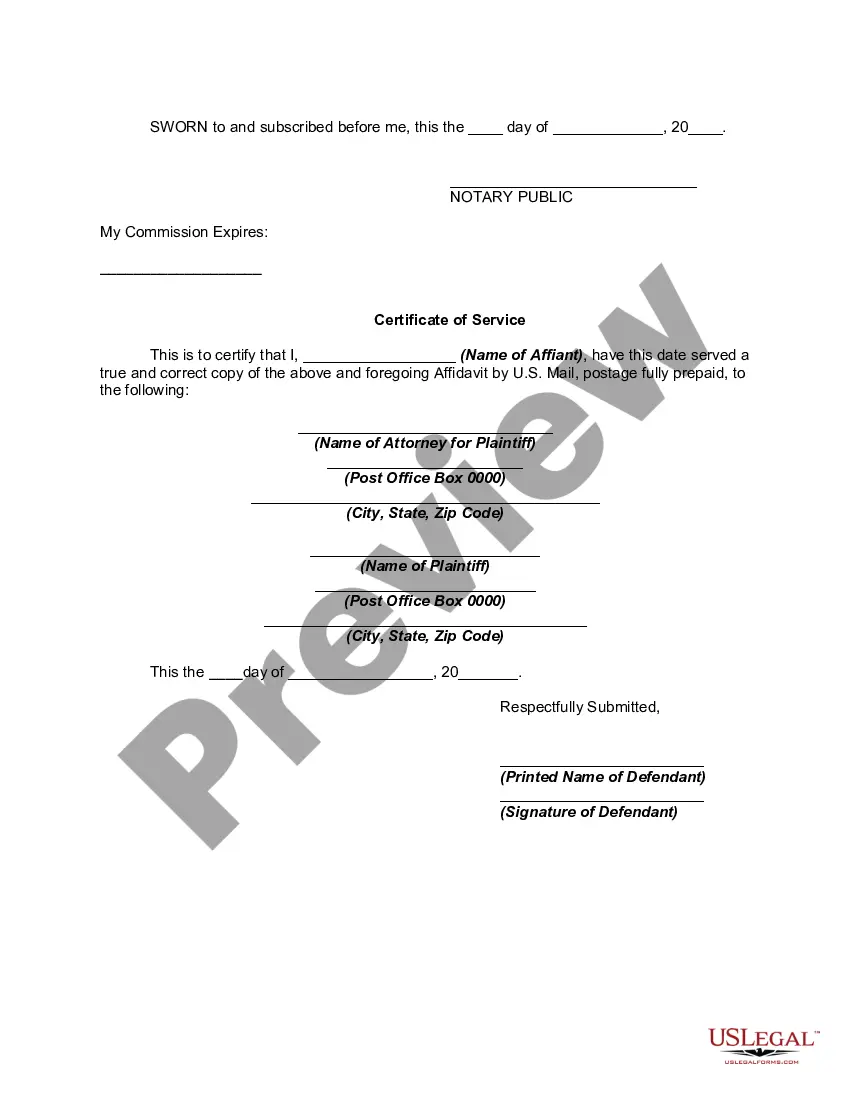



Get your form ready online
Our built-in tools help you complete, sign, share, and store your documents in one place.
Make edits, fill in missing information, and update formatting in US Legal Forms—just like you would in MS Word.
Download a copy, print it, send it by email, or mail it via USPS—whatever works best for your next step.
Sign and collect signatures with our SignNow integration. Send to multiple recipients, set reminders, and more. Go Premium to unlock E-Sign.
If this form requires notarization, complete it online through a secure video call—no need to meet a notary in person or wait for an appointment.
We protect your documents and personal data by following strict security and privacy standards.

Make edits, fill in missing information, and update formatting in US Legal Forms—just like you would in MS Word.

Download a copy, print it, send it by email, or mail it via USPS—whatever works best for your next step.

Sign and collect signatures with our SignNow integration. Send to multiple recipients, set reminders, and more. Go Premium to unlock E-Sign.

If this form requires notarization, complete it online through a secure video call—no need to meet a notary in person or wait for an appointment.

We protect your documents and personal data by following strict security and privacy standards.
Looking for another form?
Form popularity
FAQ
The amendment process requires filing a motion with the court. This motion should clearly state the changes you wish to make and provide a valid reason for the amendment. It's important to note that the court will consider the best interests of all parties involved before approving any amendments.
"Proving Up" ing to the Texas Young Lawyer's Pro Se Divorce Handbook, a "prove-up" is a short hearing in an uncontested divorce. At the prove-up, "you appear before the judge and give evidence and testimony as to the terms of your divorce."
"Proving Up" At the prove-up, "you appear before the judge and give evidence and testimony as to the terms of your divorce." During the COVID-19 pandemic, many courts started requesting something called a "prove-up affidavit." They asked for this document because they were not able to hold divorce hearings in person.
An affidavit is a written statement that you swear to be true in front of a notary public or other official designated by your state to administer oaths, which means to attest to the promise of truthfulness made by a signer or witness.
It's just a one-page document with a heading “Self-Proving Affidavit.” It has your name, your witnesses' names, and a legal statement declaring you all verify the Will is legal and valid and that you all witnessed its original signing.
In the next sections specify the terms of the divorce. This includes child custody arrangementsMoreIn the next sections specify the terms of the divorce. This includes child custody arrangements child support and division of property and debts. Be clear and precise in your descriptions.
All documents you want to file with the court must be filed with the District Clerk's Office through e-filing, in person, fax, or by mail. Contact the District Clerk's office with any questions at (817) 884-1574 or dclerk@tarrantcounty.
Yes, you can amend a marital settlement, with both parties agreeing.
