Spousal Support For Canada In Florida
Description

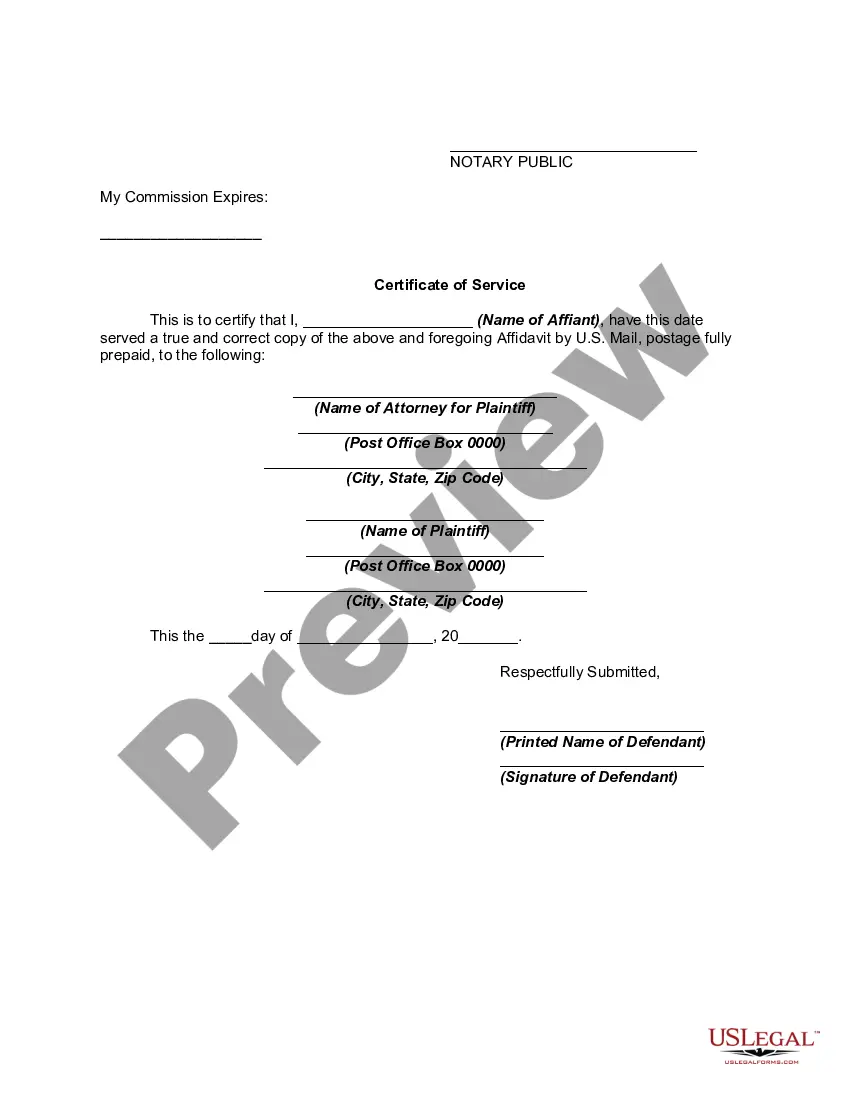




Get your form ready online
Our built-in tools help you complete, sign, share, and store your documents in one place.
Make edits, fill in missing information, and update formatting in US Legal Forms—just like you would in MS Word.
Download a copy, print it, send it by email, or mail it via USPS—whatever works best for your next step.
Sign and collect signatures with our SignNow integration. Send to multiple recipients, set reminders, and more. Go Premium to unlock E-Sign.
If this form requires notarization, complete it online through a secure video call—no need to meet a notary in person or wait for an appointment.
We protect your documents and personal data by following strict security and privacy standards.
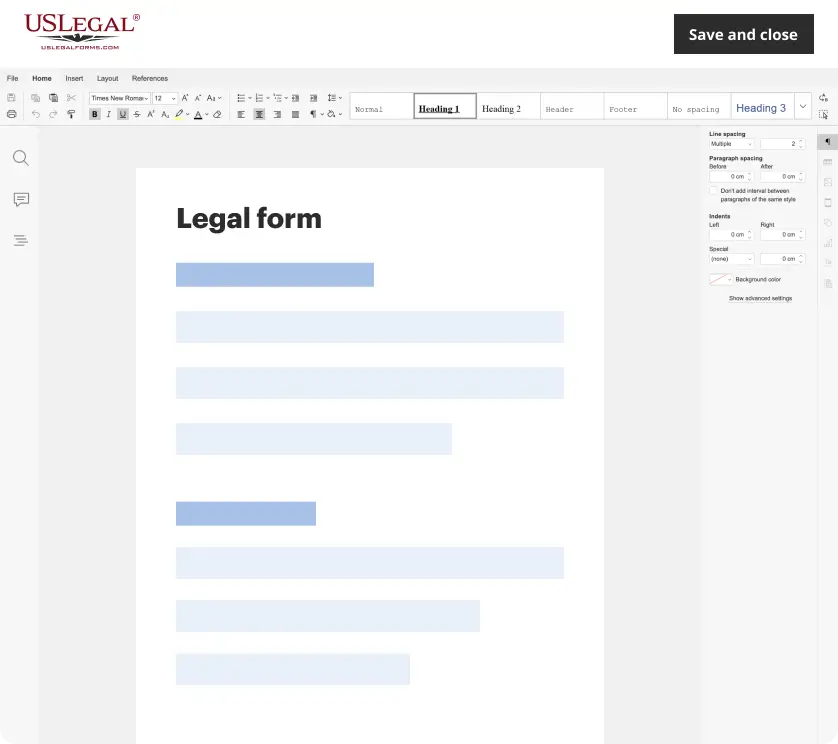
Make edits, fill in missing information, and update formatting in US Legal Forms—just like you would in MS Word.
Download a copy, print it, send it by email, or mail it via USPS—whatever works best for your next step.
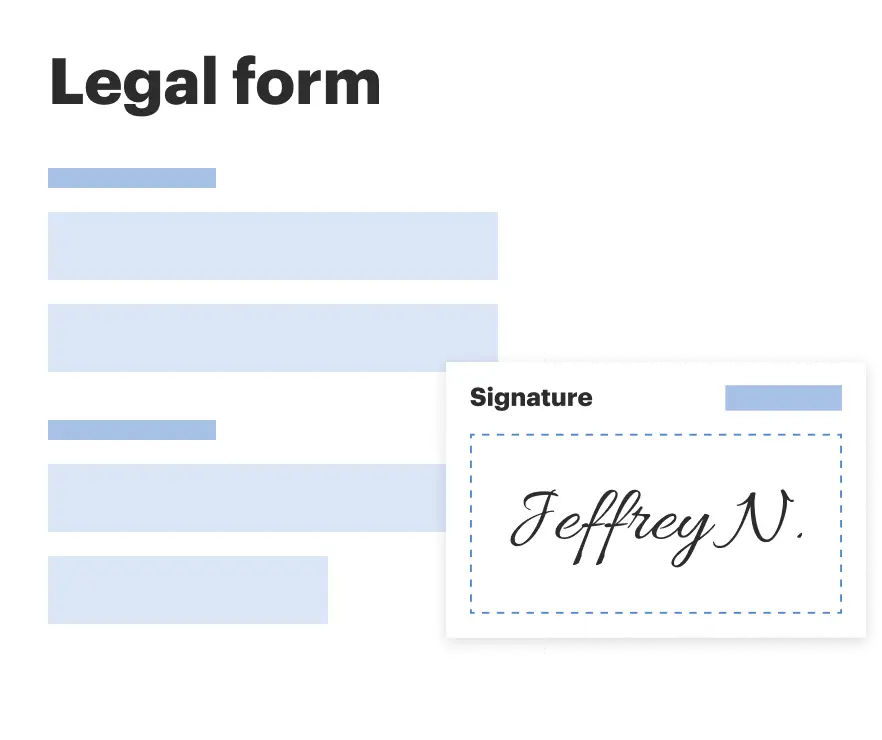
Sign and collect signatures with our SignNow integration. Send to multiple recipients, set reminders, and more. Go Premium to unlock E-Sign.
If this form requires notarization, complete it online through a secure video call—no need to meet a notary in person or wait for an appointment.
We protect your documents and personal data by following strict security and privacy standards.
Looking for another form?



Form popularity
FAQ
What qualifies a recipient spouse for alimony in Florida are several factors, among them: The standard of living established during the marriage. The length of the marriage. Both spouse's financial resources, including the non-marital, marital property, assets, and liabilities.
Although couples divorcing in Florida must divide marital assets based on fairness, they may also negotiate what appears fair to both parties. A nonworking spouse may obtain a fair settlement that includes a formerly shared home and financial accounts.
What qualifies a recipient spouse for alimony in Florida are several factors, among them: The standard of living established during the marriage. The length of the marriage. Both spouse's financial resources, including the non-marital, marital property, assets, and liabilities.
Your spouse may be entitled to support if he or she can demonstrate one or more of the following: financial need arising from the marriage or its breakdown, an entitlement to compensation for the economic consequences of the marriage, or a contract between the two of you that sets out a support obligation on your part.
This may depend on how long the couple lived together before they separated. For example, in some provinces and territories a common-law couple must live together for two or three years before either partner is eligible for spousal support. Provincial and territorial rules vary across Canada.
Formula Used When There Is No Child Support After you calculate the difference in gross income between the partners, the amount of support will generally be 1.5 to 2 percent of this difference for each year of the marriage (up to 25 years).
If the marriage lasted at least 17 years, permanent alimony is appropriate if certain factors (discussed below) are present. If a marriage lasted at least seven years but less than 17, a permanent alimony award can be made if there is “clear and convincing evidence” that such an award is appropriate.